
Hue Walking Tours: Immerse in Vietnam's Imperial Culture (2026)
Explore Hue, Vietnam’s imperial city, on foot! Discover ancient history, vibrant markets, and local life with our comprehensive walking tour guide. Practical tips & cultural insights.
On this page
Hue, the former imperial capital of Vietnam, offers a captivating blend of history, culture, and serene landscapes. While cyclos and motorbikes are popular, the true essence of Hue is best absorbed on foot. Walking tours provide an unparalleled opportunity to delve into the city’s rich past, encounter its warm-hearted locals, and uncover hidden gems at your own pace. This guide equips you with everything you need for an unforgettable cultural exploration of Hue, one step at a time.
Key Tips and Takeaways
- Wear comfortable, broken-in shoes and light, modest clothing suitable for temples.
- Stay hydrated: carry water, especially during hot periods, and consider local sugarcane juice.
- Embrace Hue’s street food scene, but choose busy stalls with fresh ingredients for safety.
- Learn a few basic Vietnamese phrases (‘Xin chào’, ‘Cảm ơn’) for richer local interactions.
- Consider hiring a local guide for deeper cultural insights and access to hidden gems.
- Respect local customs and dress codes, particularly when visiting pagodas or sacred sites.
- Utilize offline maps (e.g., Google Maps) and stay aware of motorbike traffic, especially at intersections.
Why Walk Hue? The Unfolding Imperial Canvas
Hue, the former imperial capital of Vietnam, isn’t just a city to visit; it’s a living canvas of history, spirituality, and timeless traditions. While motorbikes offer speed, the true essence of Hue, its profound culture and intricate beauty, unfolds best at the pace of your own two feet. Choosing to walk Hue is to choose a deeper, more intimate journey, transforming your visit into a rich tapestry of sights, sounds, and sensations.
Unveiling Hue’s Depths, Step by Step
Walking allows for a unique form of slow travel, where every turn reveals a new detail often missed from a speeding vehicle. Imagine: the subtle scent of incense wafting from a hidden temple, the intricate patterns on a centuries-old garden house gate, or the hushed murmur of daily life within the city’s ancient walls. This unhurried pace allows you to truly absorb the atmosphere of a city steeped in imperial grandeur and spiritual serenity. You’ll find yourself lingering longer at the ornate gates of the Imperial City, appreciating its sheer scale, or discovering charming, quiet alleys leading to local eateries.
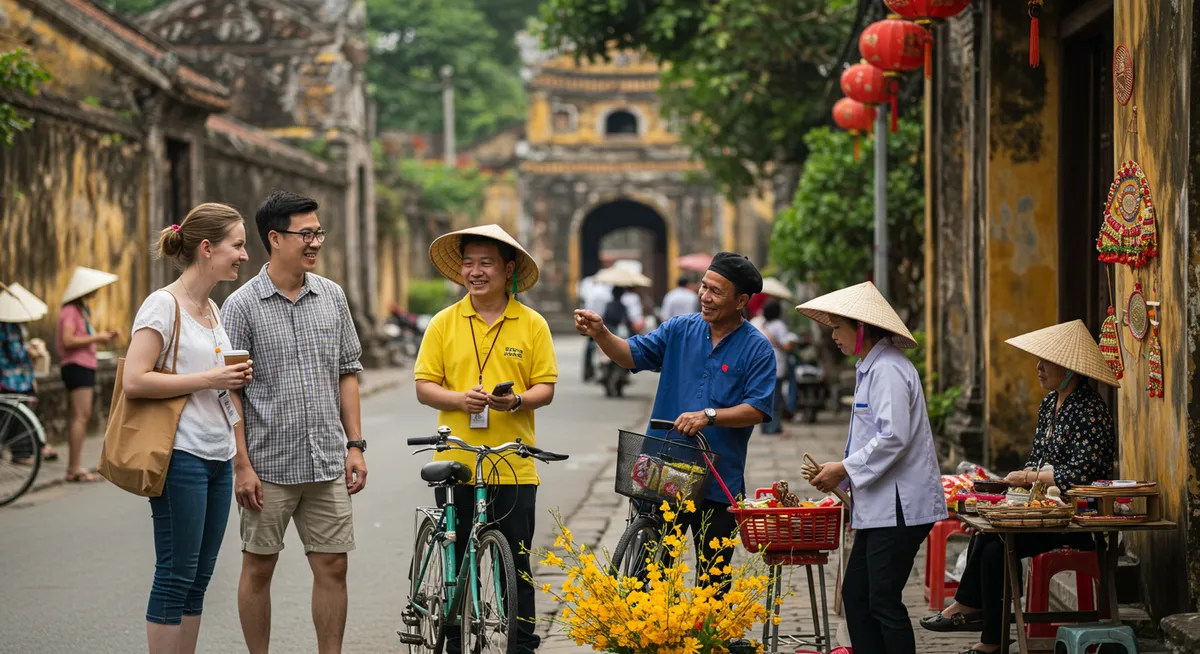
Beyond the visual, walking fosters genuine immersion and connection. It puts you directly in touch with the local rhythm. You’ll observe daily rituals, stumble upon bustling markets, and have organic opportunities to interact with Hue’s warm residents. Perhaps you’ll exchange smiles with a vendor along the Perfume River, or strike up a conversation with an artisan. These spontaneous encounters are the heart of understanding Hue culture on foot, building memories far richer than any postcard.
Hue: A Walker’s Paradise
Several aspects of Hue make it particularly suited for exploration on foot:
- The Imperial City (Citadel): Best navigated on foot, allowing you to wander through its vast gates, courtyards, and ruins at your leisure, imagining imperial life.
- The Perfume River (Huong River): Stroll its scenic banks, cross iconic bridges, and soak in the tranquil beauty. Riverside cafes and pagodas are easily accessible.
- Ancient Pagodas and Temples: Dotted throughout Hue, their serene grounds and intricate architecture are best explored by walking through their peaceful gardens.
- Garden Houses (Nha Vuon): These unique traditional homes, nestled amidst lush gardens, are often tucked away on quiet, tree-lined streets, discoverable only through a leisurely walk.
- Street Food and Markets: Hue is renowned for its culinary delights. Exploring the vibrant street food scene and local markets on foot allows you to sample dishes and observe local life.
Practical Tips for Your Hue Walking Adventure:
- Comfortable Footwear: Non-negotiable for covering significant distances on varied terrain.
- Stay Hydrated: Carry plenty of water; Hue can be warm and humid.
- Sun Protection: A hat, sunglasses, and sunscreen are essential for daytime exploration.
- Offline Map: Invaluable for navigation when Wi-Fi isn’t available.
- Dress Respectfully: When visiting pagodas and temples, ensure shoulders and knees are covered.
- Embrace the Detour: Some of Hue’s best discoveries come from simply wandering off the main path.
By lacing up your shoes and stepping out, you’re not just visiting Hue; you’re becoming part of its unfolding story, one step at a time.
Essential Walking Routes & Cultural Immersion Hubs
Hue, a city steeped in imperial history and vibrant culture, is best explored on foot. Each step offers a new discovery, from ancient palaces to bustling markets and serene gardens. Here are essential walking routes that promise deep cultural immersion:
The Imperial City (Dai Noi) & Forbidden Purple City
Embark on a captivating journey through the heart of the Nguyen Dynasty. This UNESCO World Heritage site is a sprawling complex of palaces, temples, and gates. Begin your exploration at the magnificent Ngo Mon Gate (Meridian Gate), the main entrance, and proceed into the grand courtyards of the Thai Hoa Palace, where imperial ceremonies once took place. Wander through the intricate architecture of the Mieu Temple and the majestic Hien Lam Pavilion, standing sentinel over the Nine Dynastic Urns.
Venture deeper into the ruins of the Forbidden Purple City, the former residence of the emperor and his concubines. While much was destroyed during the wars, the foundations and remaining structures offer a poignant glimpse into its past grandeur. Allow 2-3 hours for a comprehensive visit. Comfortable shoes, water, and perhaps a local guide for deeper insights are highly recommended.
Perfume River & Pagodas
A leisurely stroll along the banks of the poetic Perfume River (Sông Hương) offers stunning views and a chance to observe local life unfold. Start from the Truong Tien Bridge and walk westward. The most iconic destination along the river is the Thien Mu Pagoda, Hue’s unofficial symbol, renowned for its seven-story octagonal tower. While a longer riverside walk is possible, a traditional dragon boat ride offers a scenic and recommended alternative to reach it, blending transport with cultural experience.
Upon arrival, explore the pagoda grounds, its ancient bells, and the solemn monastery. This route provides a tranquil contrast to the city’s bustling center, perfect for absorbing the spiritual essence of Hue. Remember to dress respectfully when visiting pagodas.
Dong Ba Market & Local Life
For a true sensory overload and an authentic taste of Hue, head to Dong Ba Market. This bustling hub is not just a place to shop; it’s a living museum of daily Vietnamese life. Immerse yourself in the vibrant chaos of sights, sounds, and aromas. Navigate through stalls overflowing with fresh produce, traditional handicrafts, clothing, and household goods. It’s where locals buy their daily necessities, offering unparalleled insight into their routines.
The market’s food court is a must-visit. Savour local delicacies like the famous Bún bò Huế (spicy beef noodle soup), Bánh Khoái (Hue-style pancake), and an array of chè (sweet soups). Don’t be afraid to point and try new things; it’s an adventure for your taste buds. Go in the morning for the liveliest atmosphere and freshest produce.
Garden Houses & Suburban Serenity
Escape the urban bustle by exploring Hue’s unique garden houses, a distinctive architectural style blending nature, poetry, and traditional Vietnamese design. These private residences, often passed down through generations, feature meticulously manicured gardens, ponds, and traditional wooden homes. Many are private, but some are open to the public, often requiring appointments or part of specific tours.
Consider visiting an accessible one like An Hien Garden House, known for its serene beauty and historical significance. Walking through these tranquil suburban areas offers a peaceful counterpoint to the city’s historical sites, allowing you to appreciate Hue’s quieter, more contemplative side. It’s an opportunity to experience local residential life and admire the harmonious blend of architecture and nature.
Practicalities for Your Hue Walking Adventure
💡 Pro Tip: Book your Hue adventures in advance through Viator for the best deals!
Embarking on a walking adventure through Hue is an incredibly rewarding way to truly connect with its culture and history. To ensure your explorations are comfortable, safe, and enjoyable, here are some essential practicalities to keep in mind.
The Best Time to Walk
- Weather Wise: Hue experiences distinct seasons. The most pleasant time for walking is generally from February to April, when temperatures are mild and rainfall is minimal. Early autumn, around late August to September, also offers comfortable conditions. Avoid the peak summer months (June-July) due to intense heat and humidity, and the heavy rainy season (October-December) which can bring persistent downpours, though a light drizzle can add a certain charm to the ancient sites.
- Time of Day: Early mornings, ideally before 8:00 AM, are perfect for exploring popular areas like the Imperial City. Not only are temperatures cooler, but you’ll also find fewer crowds and lighter traffic. Late afternoons, from 4:00 PM onwards, are also excellent, especially for riverside strolls along the Perfume River as the sun begins to dip, casting beautiful golden light. Midday should generally be avoided for extensive walking due to the heat.
What to Wear & Bring
- Footwear is Key: Hue’s sidewalks can be uneven, and you’ll be covering significant distances. Opt for comfortable, broken-in walking shoes or sturdy sandals. Blisters are no fun on holiday!
- Dress for Comfort and Respect: Lightweight, breathable fabrics like cotton or linen are ideal for Hue’s humid climate. When visiting temples, pagodas, or the Imperial City, modest attire is required – ensure your shoulders and knees are covered as a sign of respect.
- Sun and Rain Protection: A wide-brimmed hat, sunglasses, and high-SPF sunscreen are non-negotiable, even on cloudy days. If traveling during the transitional or rainy season, a compact umbrella or a light rain jacket will be your best friend.
- Stay Hydrated: Carry a reusable water bottle. Staying hydrated is crucial in Hue’s humidity. Many cafes and some guesthouses offer water refills.
- Essentials Pack: A small, lightweight daypack is perfect for carrying your water, sun protection, camera, and any small souvenirs.
- Basic First-Aid: A small kit with band-aids (especially for potential blisters!), antiseptic wipes, and pain relievers can be a lifesaver.
Staying Safe & Navigating Hue
- Traffic Awareness: While not as chaotic as Hanoi or Ho Chi Minh City, Hue’s traffic still requires attention, especially with motorbikes. When crossing streets, look both ways, make eye contact with approaching drivers, and walk with a steady, predictable pace. Don’t expect drivers to stop for you; instead, flow with the traffic.
- Navigation Tools: Download offline maps (Google Maps or Maps.me are excellent choices) before you head out. Consider purchasing a local SIM card upon arrival (Viettel and Mobifone offer good coverage) for reliable data access, which is invaluable for real-time navigation and using ride-hailing apps like Grab if your feet get tired.
- Emergency Contacts: Keep a note of your hotel’s name and address, along with local emergency numbers (Police: 113, Ambulance: 115, Fire: 114). Inform someone of your general walking plans if venturing far.
Hydration & Sustenance
- Drink Up: Seriously, the humidity demands frequent sips of water. You’ll find plenty of small shops selling bottled water everywhere.
- Embrace Street Food: Hue is a culinary paradise! Your walking tour is the perfect opportunity to sample iconic dishes like Bún bò Huế (spicy beef noodle soup), bánh khoái (crispy pancake), and nem lụi (grilled pork skewers). Look for street stalls that are busy with locals – high turnover usually indicates fresh ingredients and good hygiene. Watch how food is prepared and choose vendors who appear clean.
- Snack Smart: Fresh local fruits, available from street vendors, are refreshing and nutritious. Small local bakeries also offer delightful treats if you need a quick energy boost.
Deeper Cultural Dives & Local Insights
Venturing beyond the main historical sites on foot allows you to truly peel back the layers of Hue’s rich cultural tapestry. This section guides you through the heart of local life, from the tantalizing aromas of street food to the intricate symbolism behind ancient designs.
Hue Cuisine on Foot: A Culinary Journey
Hue is Vietnam’s culinary capital, and its flavors are best savored on foot. Don’t leave without trying:
- Bún Bò Huế: The city’s signature dish, a rich, spicy, and savory beef noodle soup. Seek out a bustling local spot, often indicated by small plastic stools spilling onto the pavement.
- Bánh Khoái: A crispy, savory pancake typically filled with shrimp, pork, and bean sprouts, served with a delicious peanut dipping sauce.
- Nem Lụi: Grilled pork skewers wrapped in rice paper with fresh herbs and vegetables, dipped in a special peanut sauce.
Street Food Etiquette: Don’t be shy! Point at what you want, embrace communal seating, and look for stalls packed with locals – it’s a sign of good food and hygiene. Carry small denominations of Vietnamese Dong and a pack of wet wipes for convenience.
Meeting the Locals: Respectful Interactions
Hue’s residents are generally warm and welcoming. A little effort goes a long way:
- Basic Vietnamese Phrases:
- “Xin chào” (Sin chow) – Hello
- “Cảm ơn” (Gahm uhn) – Thank you
- “Ngon quá” (Ngon kwa) – Delicious! (when eating)
- “Bao nhiêu tiền?” (Bow nyoo tyen?) – How much?
- Photography Etiquette: Always ask permission before taking photos, especially of individuals, children, or monks. A smile and a gesture often suffice. Be discreet and respectful of people’s privacy.
- General Respect: Dress modestly when visiting pagodas or family homes. Avoid public displays of affection.
Understanding Hue’s Architecture & Symbolism
As you walk, observe how imperial design principles and Feng Shui influence the city’s structures:
- Imperial Design: Notice the symmetry, elaborate carvings of dragons, phoenixes, and clouds, and the distinctive yellow and red hues of the Imperial City and royal tombs. These elements are rich in symbolism, often representing power, prosperity, and longevity.
- Feng Shui Principles: Many buildings, especially pagodas and garden houses, are strategically oriented to harmonize with nature – often facing water with mountains behind, believed to bring good fortune.
- Traditional Garden Houses (Nhà Vườn): Unique to Hue, these elegant homes integrate lush gardens, water features, and intricate wooden architecture, reflecting a deep connection to nature and spiritual harmony. Keep an eye out for signs offering tours or simply admire their beauty from afar.
Traditional Crafts & Authentic Souvenirs
Discover Hue’s enduring artisan traditions and find unique keepsakes:
- Conical Hats (Nón Lá): Hue is famous for its delicate conical hats, especially the “nón bài thơ” (poetry hat) which reveals poetic verses or images when held up to the light.
- Incense: Explore shops selling fragrant incense, a staple in Vietnamese spiritual life, often found in various colors and scents.
- Imperial Embroidery: Look for intricate hand-embroidered pieces, a legacy of the royal court’s patronage.
Where to Find Them: Dong Ba Market offers a wide selection, but for a truly authentic experience and to support local artisans directly, consider visiting craft villages on the outskirts of the city, such as Thuy Xuan Incense Village or nearby conical hat workshops. Walking through these villages offers a glimpse into the painstaking traditional processes.
Connecting with Hue’s Broader Walking Tour Ecosystem
While exploring Hue on foot offers unparalleled intimacy with its culture and history, understanding how to integrate walking with other local resources and transport options can significantly enhance your experience. Hue’s unique layout, with key historical sites spread across the city and along the iconic Perfume River, means a smart combination of walking with other modes of transport is often the most rewarding strategy.
Hiring Local Guides: Unlock Deeper Insights
Don’t underestimate the value of a knowledgeable local guide. For a city as rich in history and nuanced culture as Hue, a guide can transform a mere sightseeing trip into a profound educational journey. They offer authentic perspectives, share captivating anecdotes about the Nguyen Dynasty, and can lead you to hidden gems you might otherwise miss. Benefits include: navigating complex sites like the Imperial City with ease, bridging language barriers, unearthing local food spots, and gaining a deeper appreciation for Hue’s traditions and spiritual practices.
Group Tours vs. Self-Guided Exploration: Choosing Your Path
Deciding between a guided tour and striking out on your own depends entirely on your travel style and preferences.
- Self-Guided Walks: Offer unparalleled flexibility, allowing you to set your own pace, linger at fascinating spots, and follow spontaneous detours. It’s budget-friendly and perfect for those who enjoy the thrill of discovery and have done some prior research. Hue’s city center, including the Imperial City and many pagodas, is very walkable for self-exploration. However, you might miss intricate historical context or struggle with communication in less tourist-centric areas.
- Group Tours: Provide convenience, expert commentary, and often include transport to more distant sites like the royal tombs (e.g., Minh Mang or Khai Dinh). They can be a great way to cover a lot of ground efficiently and meet fellow travelers. The downside can be a fixed itinerary, larger groups, and less time for personal exploration at each site.
Consider combining both: enjoy a self-guided stroll through the bustling Dong Ba Market, then join a group tour for a comprehensive exploration of the tombs and Thien Mu Pagoda outside the city center.
Combining Walks with Other Transport: Seamless Exploration
Hue is more spread out than you might initially think, especially when considering the magnificent royal tombs and pagodas situated along the Perfume River or in surrounding hills. Integrating other transport options can save time and energy, allowing you to focus on the walking experience at each specific destination.
- Cyclo (Xích Lô) Rides: A quintessential Hue experience! Perfect for short, leisurely hops between attractions in the city center or a scenic loop around the Imperial City walls. Negotiate the price beforehand and enjoy the slow pace, offering fantastic photo opportunities.
- Perfume River Boat Trips: Essential for accessing some of Hue’s most iconic sites, such as the Thien Mu Pagoda and the royal tombs, which are often best reached by water. Combine a scenic boat ride with a walk around the pagoda grounds or tomb complex. Many tours combine a boat trip with land transport for tomb visits.
- Taxi/Grab Rides: For longer distances, especially to the more remote royal tombs (like Minh Mang or Khai Dinh), or if you’re short on time, a metered taxi or a Grab ride (Vietnam’s popular ride-hailing app) is efficient and affordable. It allows you to quickly reach your starting point for a walk or return to your accommodation after a long day of exploration.
By strategically blending walking with these local transport options, you can craft a comprehensive and deeply enriching exploration of Hue, maximizing your time and minimizing fatigue while truly “understanding Hue culture on foot” through its diverse landscapes.
Responsible & Enjoyable Walking in Hue
💡 Pro Tip: Book your Hue adventures in advance through Viator for the best deals!
Walking through Hue offers an unparalleled opportunity to delve deep into the city’s rich history, culture, and daily life. To ensure your journey is not only memorable but also respectful and sustainable, embracing responsible tourism practices is key. Here’s how you can walk Hue enjoyably and ethically:
Leave No Trace Behind
- Waste Management: Hue is an ancient city striving to maintain its beauty. Always dispose of your trash in designated bins. If you can’t find one, carry your waste with you until you do. This is especially important when exploring the Imperial City, pagodas like Thien Mu, or along the banks of the Perfume River.
- Respect Heritage Sites: Stick to marked paths and avoid touching or disturbing ancient structures, carvings, or natural formations. Our footsteps, though light, can impact delicate historical sites over time.
Embrace Local Customs & Dress Codes
Hue is a city of profound spiritual and historical significance. Demonstrating respect for local customs enhances your experience and honors the community:
- Modest Attire: When visiting pagodas, temples (such as Tu Hieu Pagoda or Thien Mu Pagoda), or even the solemn precincts of the Imperial City, it is highly recommended to dress modestly. This means covering your shoulders and knees. Carrying a light scarf or sarong can be very useful for impromptu visits.
- Temple Etiquette: Before entering sacred spaces, remove your hat. In some areas, you may also be asked to remove your shoes. Keep your voice low and avoid boisterous behavior to maintain the peaceful atmosphere.
Support Hue’s Local Economy
Your choices as a traveler have a direct impact. By supporting local businesses, you help keep Hue’s unique character alive:
- Dine Locally: Opt for street food vendors and small, family-run restaurants. This not only offers you the most authentic taste of Hue’s famous cuisine (like bún bò Huế, bánh khoái, or nem lụi) but also puts money directly into the hands of local families.
- Shop Sustainably: When buying souvenirs, seek out products made by local artisans. Hue is known for its intricate conical hats (nón lá), incense sticks, and traditional crafts. Markets like Dong Ba Market are excellent places to find unique, locally-made items. Bargain respectfully and with a smile – it’s part of the local culture, but don’t over-haggle for small amounts.
Be Culturally Sensitive & Mindful
Interacting respectfully with the local community is paramount to an enjoyable and meaningful experience:
- Ask Before Photographing: While it’s tempting to capture every beautiful moment, always ask for permission before taking photos of people, especially children, monks, or vendors going about their daily lives. A simple gesture or a polite “Cho phép chụp ảnh?” (May I take a photo?) often works wonders. Respect a “no.”
- Engage Respectfully: A friendly “Chào bạn” (Hello friend) or “Chào anh/chị” (Hello sir/madam) can open doors to warm interactions. Be patient, smile often, and remember that gestures can often bridge language barriers. Avoid giving money directly to children; if you wish to help, consider supporting local community projects or buying from their family’s stall.
- Observe & Listen: Part of walking responsibly is slowing down and truly observing. Pay attention to the rhythms of daily life, the sounds of the city, and the nuances of local interactions. This mindfulness will deepen your understanding and appreciation of Hue’s vibrant culture.
By integrating these practices into your Hue walking adventure, you contribute to the preservation of its heritage and ensure a more authentic and rewarding experience for yourself and for the local community.
Frequently Asked Questions
Q: Is Hue a walkable city?
A: Yes, Hue is surprisingly walkable, especially within its distinct districts. The Imperial City, the area along the Perfume River, and certain market areas are excellent for on-foot exploration. For longer distances between attractions or across the river, short taxi or Grab (ride-hailing app) rides are convenient.
Q: What’s the best time of year for walking in Hue?
A: The ideal time for walking in Hue is from February to April, when the weather is generally pleasant and dry. October to December can be very rainy, and May to August can be intensely hot and humid. Mornings and late afternoons are usually best for walking, regardless of the season, to avoid the midday sun.
Q: Is it safe to walk alone in Hue, especially for solo female travelers?
A: Hue is generally considered a very safe city for walking, even for solo female travelers. Locals are friendly and welcoming. However, standard safety precautions apply: be aware of your surroundings, especially motorbike traffic, keep valuables secure, and avoid walking in poorly lit, deserted areas late at night.
Q: How do I find a good local walking tour guide in Hue?
A: You can find reputable local walking tour guides through several channels: ask for recommendations at your hotel, visit the Hue Tourist Information Center, or look for highly-rated tour companies on platforms like TripAdvisor or Google. Many local universities also have English-speaking students eager to practice, offering informal tours.
Walking through Hue is more than just sightseeing; it’s an intimate journey into the heart of Vietnam’s imperial past and vibrant present. By choosing to explore on foot, you unlock unparalleled opportunities for cultural immersion, genuine local encounters, and a deeper appreciation for this city’s unique charm. So lace up your shoes, pack your curiosity, and let Hue’s storied streets guide you through an unforgettable adventure.