
Solo Can Tho Walking Tour: Explore Mekong Delta on Foot (2026)
Discover the best solo walking tours in Can Tho, Vietnam. Explore vibrant markets, charming streets, and local life safely with our expert guide.
On this page
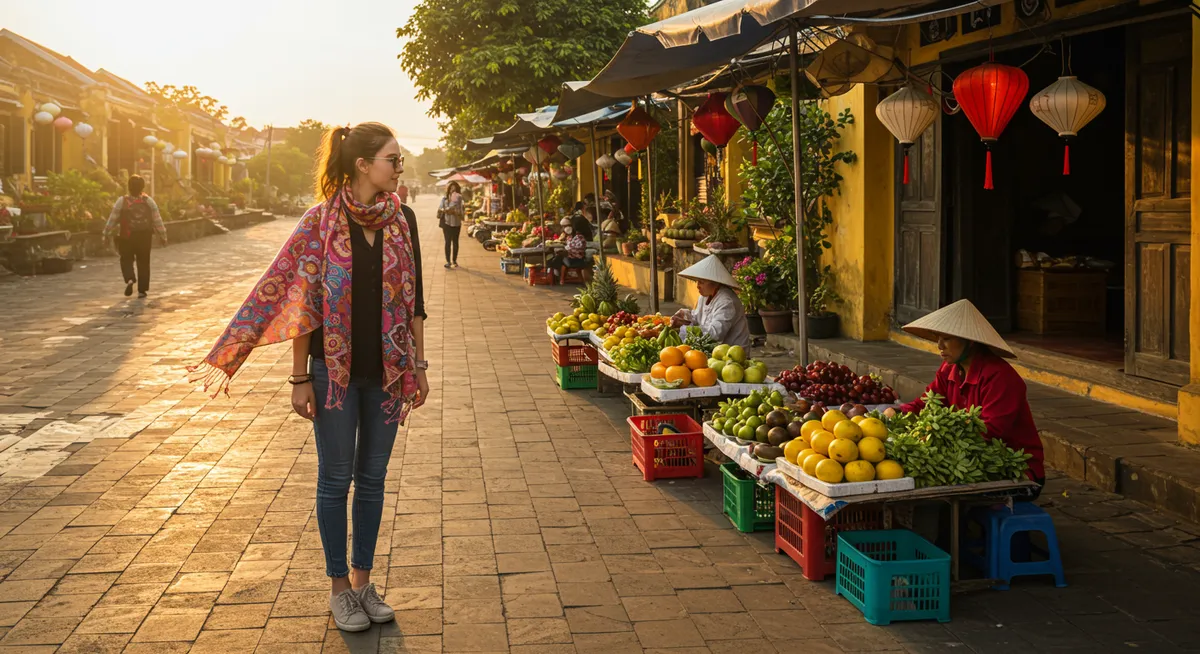
Can Tho, the charming capital of the Mekong Delta, offers a unique tapestry of culture, cuisine, and riverside life waiting to be explored. For the solo traveler, there’s no better way to truly immerse yourself than by lacing up your shoes and embarking on a walking tour. This guide provides comprehensive, practical advice for navigating Can Tho’s streets and alleys on foot, ensuring a safe, enjoyable, and deeply authentic solo adventure. Discover hidden gems, engage with locals, and experience the city at your own pace.
Key Tips and Takeaways
- Start your walks early (before 9 AM) to avoid the heat and heavy traffic.
- Always carry a fully charged phone, a power bank, and downloaded offline maps.
- Hydrate frequently; buy bottled water often from convenience stores.
- Embrace the vibrant street food scene, but choose busy stalls with fresh ingredients.
- Learn basic Vietnamese greetings (‘Xin chào’, ‘Cảm ơn’) – a smile goes a long way.
- Be highly aware of motorbike traffic, especially when crossing streets; make eye contact with drivers.
- Use a small, secure cross-body bag for your valuables to deter pickpockets.
- Don’t hesitate to use Grab (ride-hailing app) for convenient and affordable transport if tired or for longer distances.
Why Solo Walking in Can Tho is a Must-Do
Can Tho, the vibrant heart of the Mekong Delta, offers an unparalleled experience for the solo traveler willing to explore on foot. While group tours have their merits, opting for a solo walking adventure here is a truly transformative way to connect with the city’s authentic soul. It’s not just about seeing the sights; it’s about feeling the pulse of daily life, engaging with locals on your own terms, and discovering hidden gems that larger groups often miss.
The beauty of solo walking in Can Tho lies in its inherent flexibility. Your itinerary is dictated solely by your curiosity. Feel like lingering at a charming riverside cafe, sipping strong Vietnamese coffee and watching boats glide by? Do it. Stumble upon a bustling local market, like Tan An Market, and want to spend an hour observing the vibrant chaos and sampling exotic fruits? Absolutely. This freedom allows for spontaneous detours into narrow, atmospheric alleys where you’ll find artisan workshops, quaint guesthouses, or the aroma of incredible street food wafting from a hidden stall. Can Tho’s charm is often found in these unscripted moments.
Solo exploration fosters a deeper level of immersion and personal discovery. Without the distractions of companions, your senses are heightened. You become more attuned to the sounds of motorbike horns, the chatter of vendors, and the subtle nuances of local interactions. A simple smile or a basic “Xin chào” can open doors to brief, genuine connections with the incredibly friendly Can Tho residents. It’s an opportunity for quiet contemplation as you stroll along the scenic Ninh Kieu Wharf or navigate the bustling streets, allowing you to absorb the rhythm of the city and perhaps learn a little more about yourself in the process.
Can Tho itself is remarkably well-suited for solo walkers. The city center is largely flat and compact, making it easy to navigate its core attractions on foot. The riverside promenades provide safe, picturesque routes, and the general atmosphere is welcoming and relaxed. Locals are accustomed to tourists, and while English isn’t universally spoken, their warmth and willingness to help often transcend language barriers. This creates a comfortable and secure environment for individuals to explore independently, from finding a cozy spot for a solo meal to discovering a quiet pagoda tucked away from the main thoroughfare.
To make the most of your solo walking tour in Can Tho, here are some actionable tips:
- Comfort is Key: Wear comfortable walking shoes and light, breathable clothing, as the Mekong Delta can be hot and humid.
- Hydrate Regularly: Carry a reusable water bottle. You’ll find plenty of shops to refill or buy cold drinks.
- Go Early: Start your walks in the cooler morning hours to beat the heat and experience the city waking up. This is also when markets are at their most vibrant.
- Offline Maps are Your Friend: Download Google Maps or Maps.me for Can Tho. While getting a little lost can be fun, knowing your way back is reassuring.
- Embrace Local Fare: Don’t hesitate to sit down at a street food stall or a small local eatery. Solo dining is common and a fantastic way to sample authentic Can Tho cuisine like bánh xèo or hủ tiếu.
- Learn Basic Phrases: A simple “cám ơn” (thank you) or “bao nhiêu?” (how much?) goes a long way in building rapport.
Embrace the freedom, the quiet moments, and the unexpected interactions that solo walking in Can Tho offers. It promises not just a tour of a city, but a journey of personal discovery.
Preparing for Your Can Tho Walking Adventure
Embarking on a walking adventure in Can Tho promises an immersive experience, and a little preparation ensures comfort and enjoyment. Understanding the local climate, packing smartly, and knowing about currency are key steps to a seamless solo exploration.
Best Time to Stroll Through Can Tho
Can Tho, like much of Southern Vietnam, experiences a tropical climate with two distinct seasons. The dry season (December to April) is ideal for free walking tours in Can Tho, offering cooler temperatures and minimal rainfall, making explorations comfortable. Mornings are particularly pleasant, allowing you to beat the midday heat and witness the city come alive. While peak tourist season, Can Tho’s walking routes, especially in local neighborhoods, rarely feel overwhelmingly crowded, ensuring an authentic discovery.
The wet season (May to November) brings higher humidity and frequent, though usually short and heavy, afternoon downpours. Don’t let this deter you! Walking during the wet season offers lush greenery and often fewer visitors. Just be prepared for sudden showers. Early morning walks remain the best strategy regardless of the season to enjoy cooler temperatures and observe daily life.
Your Essential Can Tho Walking Pack List
Packing light but smart is crucial for a comfortable walking tour in Can Tho’s tropical climate. Here’s what you should definitely include:
- Comfortable Footwear: This is paramount! Opt for broken-in, breathable walking shoes or sturdy sandals with good arch support. Can Tho’s sidewalks can be uneven; save flip-flops for short distances.
- Hydration is Key: Bring a reusable water bottle. Staying hydrated is vital in the heat and humidity.
- Sun Protection: The Mekong Delta sun can be intense. A wide-brimmed hat, sunglasses, and high-SPF sunscreen are non-negotiable. Lightweight long-sleeved tops are also great for sun protection.
- Light Rain Gear: Even in the dry season, an unexpected shower can occur. A compact, lightweight umbrella or a foldable poncho is a smart addition, especially during the wet season.
- Lightweight, Breathable Clothing: Think cotton, linen, or moisture-wicking fabrics. Loose-fitting clothes will help you stay cool. A light scarf can be useful for modesty when visiting pagodas or for sun/dust protection.
- Small First-Aid Kit: Pack essentials like blister plasters (a lifesaver!), antiseptic wipes, pain relievers, and any personal medications. Insect repellent is highly recommended.
- Small Daypack: A comfortable, light backpack to carry your water, camera, sun protection, and small purchases.
- Portable Charger: Keep your phone charged for navigation, photos, and emergencies.
Local Currency and ATM Access
The local currency in Vietnam is the Vietnamese Dong (VND). While larger hotels and some upscale restaurants may accept credit cards, cash is king for local markets, street food, small shops, and local transport like xe oms or small boat rides.
You’ll find numerous ATMs throughout central Can Tho, particularly around Ninh Kieu Wharf and on major streets. Reputable banks like Vietcombank, BIDV, Sacombank, and Agribank are common and reliable for withdrawing cash. It’s always wise to inform your bank before you travel to avoid card freezing issues. When withdrawing, try to get a mix of denominations, including smaller notes (10,000 VND, 20,000 VND, 50,000 VND), as smaller vendors might not always have change for large bills.
Navigating Can Tho: Essential Tools for Solo Walkers
🌟 Local Expert Tip: Get the most out of your Can Tho visit with guided tours!
Navigating a new city on foot, especially solo, requires a smart approach. Can Tho offers a delightful walking experience, but arming yourself with the right tools will transform potential confusion into confident exploration. Here’s how to ensure you’re always heading in the right direction and making the most of your solo Can Tho walking tour.
Your Digital Compass: Offline Maps
Before you even step out of your guesthouse, make sure your digital navigation is ready. Wi-Fi can be spotty as you wander down charming alleys, so offline capabilities are non-negotiable.
- Google Maps: This is your primary workhorse. Before leaving your accommodation, download the offline map for the entire Can Tho area. It’s incredibly reliable for showing walking paths, points of interest like markets (Cai Khe Market, An Binh Market), specific temples (Ong Temple), and even estimated walking times. Pin your guesthouse location, key attractions, and any restaurants you’ve researched.
- Maps.me: A fantastic supplementary app, Maps.me often boasts incredibly detailed street names and points of interest that Google Maps might overlook, particularly in smaller residential lanes or less-touristed areas. Its offline functionality is robust; just remember to download the Can Tho map pack within the app before you need it.
Bridging the Language Gap: Basic Vietnamese Phrases
While many in the tourism sector have some English, venturing off the beaten path means relying on a few essential Vietnamese phrases. Locals deeply appreciate the effort, and even imperfect pronunciation can open doors to warmer interactions and clearer directions.
- Xin chào (Sin Chow): Hello
- Cảm ơn (Kam Un): Thank you
- Làm ơn (Lam Un): Please
- Tôi muốn đi… (Toy Moon Dee…): I want to go to… (then point to your map)
- Bao nhiêu tiền? (Bao Nyew Tee-en?): How much?
- Don’t be afraid to use hand gestures and point to locations on your map. A smile goes a long way!
Grounding Yourself: Using Local Landmarks for Orientation
Can Tho’s cityscape is relatively low-rise, making it easy to use prominent landmarks for orientation. Instead of towering skyscrapers, think distinctive bridges, temples, or major public spaces.
- Ninh Kieu Wharf (Bến Ninh Kiều): This bustling waterfront promenade is the undeniable heart of Can Tho. It’s an excellent reference point for finding your bearings, often visible from many central areas.
- Ong Temple (Chùa Ông): Located right by Ninh Kieu Wharf, its vibrant, distinctive architecture makes it easy to spot and serves as a great visual anchor in the bustling port area.
- Can Tho Museum (Bảo tàng Cần Thơ): A significant public building, it’s a good landmark for navigating the central district.
- Canals and Bridges: Can Tho is crisscrossed by numerous canals. Knowing which major canal you’re near or which bridge you’ve just crossed can help you mentally map your location relative to the Mekong River.
Staying Connected: The Local SIM Card
For solo walkers, a local SIM card is your lifeline. While offline maps are crucial, having real-time data allows for immediate map updates, quick searches, translation apps, and even summoning a Grab scooter if your feet get tired.
- You can easily purchase a SIM card at Can Tho Airport upon arrival, or from numerous phone shops throughout the city (e.g., Viettel, Mobifone, Vinaphone stores).
- Data packages are surprisingly affordable and offer excellent value, ensuring you’re connected throughout your adventures. Viettel often boasts the best coverage, especially if you plan to explore beyond the city center. Just ensure your phone is unlocked before you travel!
With these essential tools in your pocket, you’ll be well-equipped to confidently explore every charming corner of Can Tho on foot, truly immersing yourself in its unique atmosphere.
Suggested Solo Walking Routes & Neighborhoods
Venturing out on foot in Can Tho as a solo traveler offers an unparalleled opportunity to connect deeply with the city’s rhythm and charm. Each neighborhood presents a unique facet of local life, from bustling markets to tranquil riverside paths. Here are some suggested solo walking routes that promise an authentic and memorable experience, complete with practical advice for navigating them independently.
Ninh Kieu Wharf & Can Tho Market Loop
This is arguably Can Tho’s most iconic starting point and a must-do for any visitor. Begin your exploration at Ninh Kieu Wharf, the city’s bustling heart where the Can Tho River meets the Hau River. Marvel at the grand Ho Chi Minh statue, observe the colorful riverboats, and soak in the lively atmosphere. The pedestrian bridge (Cầu đi bộ Cần Thơ) stretching across the river offers fantastic panoramic views, especially enchanting as the lights twinkle at dusk. Continue your loop to Can Tho Market (Chợ Cần Thơ), a vibrant hub of activity. By day, it’s a sensory overload of fresh produce, textiles, and local goods; by night, the surrounding area transforms into a street food paradise.
- Solo Tip: This area is very safe and lively, making it perfect for evening strolls. However, always be aware of your surroundings, keep valuables secure (e.g., cross-body bag), and stick to well-lit areas after dark. Embrace the energy, but don’t get lost in the crowd.
Tran Phu Street & Historical Temples
For a dose of history and culture, head to Tran Phu Street. This thoroughfare is lined with fascinating French colonial architecture, showcasing elegant shophouses and faded grandeur that tell tales of a bygone era. Your walk here will lead you to significant cultural landmarks. First, discover Ong Pagoda (Chùa Ông), a vibrant Cantonese Chinese temple known for its intricate carvings and rich incense-filled air. Further along, you’ll encounter Munirensay Pagoda (Chùa Munirangsay), a striking Khmer Buddhist temple with distinctively vibrant colors and architectural styles. Observing the local businesses, from tailors to traditional medicine shops, provides a glimpse into the city’s enduring heritage.
- Solo Tip: Dress modestly when visiting temples (shoulders and knees covered). Take your time to appreciate the architectural details and the peaceful ambiance within these sacred spaces. It’s an excellent route for quiet contemplation and cultural immersion.
Local Alleys & Street Food Hunt (e.g., around Xóm Trọ Cổ)
To truly experience the soul of Can Tho, dare to venture into its myriad of smaller alleys and residential lanes. Areas like those around Xóm Trọ Cổ are perfect examples of where authentic local life unfolds away from the main tourist drag. Here, you’ll find hidden cafes serving strong Vietnamese coffee, tiny family-run eateries dishing out delectable regional specialties like hủ tiếu (noodle soup) or bánh xèo (savory pancake), and vendors selling unique snacks. This is where you connect with the everyday rhythm of the city.
- Solo Tip: Use offline maps (Google Maps, Maps.me) to navigate these charming labyrinths. When it comes to street food, look for places with a high turnover of local customers – a strong indicator of freshness and taste. Don’t be afraid to point to what others are eating or learn a few basic Vietnamese phrases like “Cảm ơn” (thank you) or “Bao nhiêu tiền?” (how much?). Carry hand sanitizer.
Cai Khe Islet & Riverside Walk
For a quieter, greener escape, head to Cai Khe Islet. Easily accessible via bridges like Cầu Rạch Ngỗng or Cầu Cái Khế, this islet offers a refreshing contrast to the bustling city center. It’s predominantly residential, with tree-lined streets, local schools, and a more relaxed pace of life. A leisurely walk along its riverside paths provides serene views of the Mekong branches, often dotted with passing boats. This is an ideal route for a longer, more contemplative stroll, perfect for clearing your head and seeing a different, more suburban side of Can Tho.
- Solo Tip: This area is excellent for an early morning or late afternoon walk when temperatures are milder. It’s very safe and peaceful, making it perfect for solo reflection. Remember to bring water, especially if you plan an extended walk.
Solo Safety & Smart Tips for Can Tho Walkers
Can Tho is a remarkably safe and inviting city for solo travelers, brimming with friendly faces and a laid-back Delta charm that makes exploring on foot a true pleasure. However, embracing smart safety practices is paramount for any solo adventurer, especially when navigating a new urban environment like Can Tho.
Awareness is Your Best Companion
Your keen observation skills are your primary safety tool. While Can Tho is generally relaxed, maintaining awareness of your immediate surroundings, especially in crowded markets or busy tourist zones like Ninh Kieu Wharf, can help you avoid minor inconveniences and ensure a smoother experience.
Mastering the Motorbike Maze
Perhaps the most unique challenge for walkers in Can Tho is the sheer volume of motorbikes. The traffic can seem chaotic at first glance, but it operates on its own predictable flow. The key is to be confident and consistent:
- Crossing Streets: Don’t wait for traffic to stop; it likely won’t. Instead, step out slowly and steadily, maintaining eye contact with approaching riders if possible. Walk at a consistent pace without sudden stops or changes in direction. Motorbike riders are skilled at weaving around obstacles, including pedestrians.
- Sidewalk Savvy: Can Tho’s sidewalks often double as parking lots for motorbikes, outdoor eateries, or impromptu shops. Be prepared to step off the curb and onto the road frequently. Always glance over your shoulder for oncoming traffic before doing so.
- Walk Against Traffic: On roads without sidewalks, or when forced to walk in the street, always walk facing oncoming traffic. This gives you a better view of approaching vehicles and allows riders to see you more clearly.
Nighttime Navigations: Stick to the Light
Can Tho comes alive at night, particularly along the Hau River promenade and around the bustling night markets. These areas are generally well-lit and populated, making them safe for evening strolls. However, venture into less central or residential areas, and lighting can become sparse.
- Prioritize Well-Lit Areas: For solo evening walks, stick to the main arteries and tourist-heavy zones. The lively streets around Ninh Kieu Wharf, the illuminated bridges, and commercial thoroughfares are your safest bets.
- Avoid Dark Alleys and Isolated Spots: Steer clear of unlit alleyways, empty parks, or dimly lit sections of the riverbanks, especially when alone. If an area feels deserted or poorly lit, it’s best to re-route or opt for a Grab ride.
Protecting Your Valuables
Petty theft, particularly snatch-and-grab incidents involving phones or bags from passing motorbikes, can occur in any busy Vietnamese city. A few simple precautions can significantly reduce your risk:
- Secure Your Bag: Wear a backpack on your front in crowded areas, or choose a cross-body bag worn securely across your chest. Avoid carrying bags loosely on one shoulder.
- Phone Awareness: Be extremely cautious when using your phone on the street, especially near the edge of the road. If you need to check a map or take a photo, step into a doorway, a cafe, or a less exposed spot. Never walk with your phone out and dangling by your side.
- Minimize Valuables: Leave expensive jewelry and excessive cash in your hotel safe. Carry only what you need for the day, keeping it securely tucked away.
Emergency Preparedness & Trusting Your Instincts
- Local SIM Card: Purchase a local SIM card upon arrival. It’s invaluable for navigation, calling for a Grab (Can Tho’s ride-hailing service), or making emergency calls.
- Important Contacts: Save the emergency numbers: Police (113), Fire (114), Ambulance (115). Also, keep your hotel’s contact information handy.
- Offline Maps: Download offline maps of Can Tho (e.g., via Google Maps or Maps.me). GPS works without data, so you’ll always have a way to find your bearings.
- Inform Someone: Let a trusted friend or family member know your general itinerary and check in with them periodically.
- Trust Your Gut: This is perhaps your most powerful solo travel tool. If a situation or person makes you feel uneasy, even if you can’t logically explain why, remove yourself from it immediately. Your instincts are often right.
Can Tho locals are renowned for their friendliness and welcoming nature. Embrace their warmth, but always prioritize your comfort and safety. With these smart tips, your solo walking adventures in Can Tho will be both safe and unforgettable.
Beyond Walking: Integrating Local Transport
While Can Tho is wonderfully walkable, especially around Ninh Kieu Pier and the bustling city center, the true magic of solo travel here often lies in strategically combining your steps with local transport. This isn’t about avoiding walking; it’s about extending your reach, saving energy in the tropical heat, and experiencing Can Tho’s unique rhythm more fully. Integrating local transport allows you to transform a series of short walks into a comprehensive exploration of the Mekong Delta.
Utilizing Grab for Convenience and Distance
For longer distances, beating the heat, or simply for convenience, Grab is your best friend in Can Tho. This ride-hailing app (widely used across Southeast Asia) offers both motorbike (GrabBike) and car (GrabCar) options, often at incredibly affordable rates. It’s particularly useful for solo travelers looking to reach:
- Cai Rang Floating Market: While you’ll likely take a boat tour to fully experience it, Grab can swiftly get you from your accommodation to Ninh Kieu Pier or one of the slightly further embarkation points early in the morning.
- Further Attractions: Places like the Can Tho Museum, Munirangsyaram Pagoda, or even the Can Tho Bridge viewpoint are easily accessible by Grab, allowing you to walk extensively once you arrive.
- Evening Returns: After a long day of walking and exploring, a Grab ride back to your hotel is a comfortable and safe option.
Actionable Tip: Ensure you have the Grab app downloaded and set up with a local SIM card or reliable Wi-Fi. Cashless payment via linked card is convenient, but you can also pay cash. Clearly confirm your destination with the driver, even if it’s on the app – a quick “Yes, this way?” can save confusion.
Embracing the Traditional Xe Om (Motorbike Taxi)
Before Grab, there was the Xe Om. These traditional motorbike taxis are still a common sight and offer a more direct, often exhilarating, local experience. They’re excellent for shorter hops where Grab might have a longer wait, or simply for the thrill of weaving through local streets.
Etiquette & Practical Advice:
- Agree on Price First: This is crucial. Always negotiate and confirm the price for your destination *before* you get on the bike. Use a calculator or hand gestures if language is a barrier. Prices are usually a little higher than Grab but still very reasonable.
- Helmets Provided: Your driver will always offer you a helmet – it’s mandatory and for your safety.
- Clear Destination: Have your destination clearly marked on a map or written down. If possible, show them a landmark or intersection nearby.
Consider a Xe Om for quick dashes between points of interest within the city center or to experience a more authentic local ride.
Navigating the Canals with River Taxis and Boats
Can Tho’s identity is intertwined with the Mekong Delta’s waterways, making boat transport an indispensable part of your walking tour strategy. You won’t be walking on water, but you’ll certainly be integrating boat rides to reach and explore areas that are otherwise inaccessible.
- Floating Market Access: A boat trip to Cai Rang Floating Market from Ninh Kieu Pier is non-negotiable. You can arrange private boats (more flexible) or join group tours.
- Canal Exploration: Beyond the markets, many fruit orchards, traditional houses, and smaller local communities are located along the labyrinthine canals. A river taxi or a rented sampan allows you to disembark at interesting points, walk through a village or orchard, and then catch another boat further along or back.
- Strategic Hopping: Think of river taxis as a scenic extension of your walking route. For example, walk along the promenade at Ninh Kieu, then take a boat to a specific canal-side restaurant for lunch, disembark, walk around that area, and then Grab back to your hotel.
Actionable Tip: At Ninh Kieu Pier, you’ll find many boat operators. Shop around a little, discuss your desired route and duration, and agree on a price before boarding. Hotels can also arrange reputable boat tours.
By artfully combining your walking adventures with strategic Grab rides, authentic Xe Om experiences, and immersive boat trips, you’ll unlock the full potential of your solo Can Tho journey, reaching more, seeing more, and truly feeling the pulse of the Mekong Delta.
Experiencing Can Tho’s Culinary Scene on Foot
🌟 Local Expert Tip: Get the most out of your Can Tho visit with guided tours!
One of the most rewarding aspects of solo travel in Can Tho is diving deep into its incredible culinary scene, and there’s no better way to do it than on foot. The city truly comes alive through its food, with hidden gems and bustling stalls waiting to be discovered around every corner.
Best Areas for Culinary Exploration on Foot
Can Tho offers several vibrant pockets perfect for a street food walking tour. Start your evenings around **De Tham Street**, often dubbed “Food Street.” It’s an energetic hub brimming with stalls selling everything from grilled seafood to local delicacies. Just a short stroll away, the area around **Nguyen An Ninh Street** and its surrounding alleys offers a more local, less touristy vibe, with smaller family-run eateries specializing in specific dishes. Don’t miss the **Can Tho Night Market** near Ninh Kieu Pier, especially lively after sunset, where you can sample a wide array of street food options while enjoying the riverside atmosphere.
During the day, venture into the residential streets surrounding the central **Can Tho Market**. These areas often house authentic, no-frills eateries serving delicious breakfast and lunch staples, where you’ll truly eat like a local. The compact nature of Can Tho’s city center makes these areas easily walkable, allowing you to spontaneously pop into a place that catches your eye.
Identifying Reputable Vendors
As a solo traveler, trust your instincts and observe the local scene. Look for stalls or small restaurants that:
- Are bustling with local customers – a crowd is always a good sign of quality and freshness.
- Have a visible cooking area that appears clean and well-maintained.
- Exhibit a high turnover of ingredients – fresh produce being continuously prepped.
- Specialize in one or two dishes, often a sign of mastery.
Don’t be afraid to try places that might not look overtly fancy; often, these are where the true culinary treasures lie.
Must-Try Can Tho Dishes
Your walking culinary adventure wouldn’t be complete without sampling these Mekong Delta delights:
- Banh Xeo (Sizzling Pancake): A crispy, savory pancake filled with shrimp, pork, bean sprouts, and mung beans, served with fresh herbs and a delicious dipping sauce. Look for it at dedicated Banh Xeo stalls – the sizzle will call to you!
- Bun Rieu (Crab Noodle Soup): A rich, flavorful crab and tomato-based broth with vermicelli noodles, topped with crab paste, tofu, and blood pudding. Perfect for breakfast or a light lunch.
- Hu Tieu (Pork Noodle Soup): A comforting clear broth noodle soup, often with sliced pork, shrimp, and sometimes offal. Many street-side vendors specialize in this.
- Che (Sweet Dessert Soup): A refreshing array of sweet concoctions featuring various beans, fruits, jellies, and coconut milk. Great for a sweet finish to your meal.
- Ca Phe Sua Da (Iced Coffee with Condensed Milk): Essential for a pick-me-up. Find a small cafe, sit on a plastic stool, and watch the world go by.
Advice for Solo Dining
Dining solo in Can Tho’s street food scene is an incredibly liberating experience. Embrace it! Most street food portions are relatively small, which is perfect for solo travelers as it allows you to try a wider variety of dishes without overeating. Don’t be shy about pointing at what you want or using a translation app for “mot phan” (one portion). Locals are generally welcoming and used to seeing tourists. Keep your belongings secure, but otherwise, immerse yourself in the vibrant atmosphere. You might even find yourself sharing a table with a local, leading to unexpected connections!
Connecting with Locals & Ethical Tourism
A solo walking tour in Can Tho offers an unparalleled opportunity to immerse yourself in the vibrant local culture of the Mekong Delta. Beyond the sights and sounds, the most memorable experiences often come from genuine connections with the people you meet. Practicing ethical tourism and respectful engagement not only enriches your journey but also ensures your visit positively impacts the local community.
Simple Greetings & Polite Interactions
Even a few basic Vietnamese phrases can open doors and warm hearts. Locals appreciate the effort! When walking through markets or along riverbanks, a simple:
- “Xin chào” (Sin chow) – Hello
- “Cảm ơn” (Cam uhn) – Thank you
Will go a long way. Maintain a polite smile, a gentle nod, and be mindful of personal space. If you’re unsure how to address someone, a friendly “chào bạn” (hello friend) or “chào anh/chị” (hello sir/madam – respectful general terms) works well. When giving or receiving items, especially money or gifts, try to use both hands as a sign of respect.
Respectful Photography
Can Tho is incredibly photogenic, from the bustling street food stalls to the serene pagodas and the lively Cai Rang Floating Market. However, always exercise sensitivity when taking photos of people. Before snapping a close-up of a vendor or a child:
- Ask for permission: A simple gesture like pointing to your camera and looking questioning or saying “Chụp ảnh được không?” (Can I take a picture?) is usually understood. A smile and a nod are often enough.
- Be discreet: Avoid large, intrusive lenses that might make people feel like objects of curiosity.
- Show the photo: If they agree, show them the picture afterward. It’s a wonderful way to connect and share a moment.
- Respect ‘no’: If someone declines, respect their wishes without question.
Supporting Local Businesses
One of the most direct ways to contribute to the local economy and experience authentic Can Tho is by supporting small, locally-owned businesses. As you wander:
- Eat local: Skip the international chains and dive into the world of Vietnamese street food and small, family-run eateries (quán ăn). Your purchases directly benefit the families running these establishments.
- Shop authentically: Purchase souvenirs and handicrafts directly from artisans in markets or small shops. For instance, at Cai Rang Floating Market, buy fruit or snacks directly from the boats. In town, seek out local craft stores rather than tourist traps.
- Bargain respectfully: Bargaining is common in markets, but do so with a smile and good humor. Don’t haggle aggressively over small amounts; a few thousand dong can mean a lot more to the vendor than to you.
Minimizing Environmental Impact
Can Tho’s beauty lies in its waterways and lush landscapes. As you walk, help preserve this environment:
- Reduce plastic: Carry a reusable water bottle and refill it. Decline single-use plastic bags when shopping; opt for a reusable tote.
- Dispose of waste properly: Use designated trash bins. If none are available, hold onto your litter until you find one. Never throw anything into the canals or rivers.
- Conserve resources: Be mindful of electricity and water usage, especially in guesthouses and cafes.
Engaging with the Community Respectfully
Beyond transactions, truly engaging with the community involves cultural sensitivity:
- Observe local customs: When visiting pagodas, dress modestly (shoulders and knees covered). Remove your shoes before entering temples or someone’s home.
- Be patient: Things might move at a different pace than you’re used to. Embrace the relaxed rhythm of the Mekong Delta.
- Openness to connection: Be open to spontaneous interactions. Can Tho locals are often curious and friendly. A smile can lead to a shared laugh or a brief chat, even with a language barrier.
- Avoid sensitive topics: Steer clear of discussions about politics, war, or anything that might be controversial or uncomfortable for locals.
By following these guidelines, your solo walking tour in Can Tho will not only be a journey of personal discovery but also a responsible and enriching experience for both you and the wonderful people you encounter.
Budgeting for Your Solo Can Tho Walking Tour
One of the joys of a solo walking tour in Can Tho is how incredibly budget-friendly it can be. Can Tho offers an authentic, rich experience without breaking the bank, especially by embracing walking as your primary mode of discovery.
Estimated Daily Costs for Your Can Tho Walk
- Food (Breakfast, Lunch, Dinner): Expect to spend 100,000 – 200,000 VND (roughly $4 – $8 USD). This covers delicious local street food and humble eateries. A bowl of hủ tiếu (noodle soup) or a plate of cơm tấm (broken rice) can be 25,000 – 60,000 VND. Local markets like An Binh or Ninh Kieu Wharf offer the best value.
- Drinks: Hydration is key! A large water bottle costs 10,000 – 15,000 VND. Fresh fruit shakes (sinh tố) or Vietnamese iced coffee (cà phê sữa đá) are typically 15,000 – 30,000 VND. Budget 30,000 – 70,000 VND (roughly $1.20 – $3 USD) for drinks.
- Small Entry Fees: Most of Can Tho’s walking highlights are free! Exploring pagodas (e.g., Ong Pagoda), Can Tho Museum, or wandering bustling streets costs nothing. Few attractions have a nominal fee (under 20,000 VND). Allocate 0 – 20,000 VND (roughly $0 – $0.80 USD), as paid walking stops are rare.
In total, a solo traveler focused on walking and local experiences can comfortably get by on 130,000 – 290,000 VND (roughly $5.50 – $12 USD) per day for food, drinks, and incidental entry fees, excluding accommodation.
Tips for Maximizing Your Walking Budget in Can Tho
- Embrace Street Food & Local Markets: Can Tho shines for budget travelers here. It’s cheap, delicious, and offers authentic cultural immersion. Look for bustling local stalls for quality and value.
- Hydrate Smartly: Buy large 5-liter water bottles from supermarkets to refill your reusable bottle. Far cheaper and more eco-friendly than daily single-use bottles.
- Walk Everywhere Possible: The core of your solo walking tour! Can Tho’s city center is very walkable, saving significantly on transportation. Use Grab bikes only for longer distances.
- Seek Out Free Attractions: Can Tho is rich in public spaces, beautiful architecture, and vibrant street life that costs nothing. Observe local life and explore alleyways.
- Carry Small Denominations: Street vendors and small shops prefer exact change or smaller bills. Have 10,000, 20,000, and 50,000 VND notes for smooth transactions.
- Enjoy Local Coffee: Indulge in Vietnamese coffee culture. Local coffee shops offer excellent brews at very reasonable prices, perfect for a mid-walk break.
Frequently Asked Questions
🌟 Local Expert Tip: Get the most out of your Can Tho visit with guided tours!
Q: Is Can Tho safe for solo female travelers walking alone?
A: Can Tho is generally very safe for solo travelers, including females. Locals are friendly and helpful. Exercise common sense as you would in any city: be aware of your surroundings, especially at night, and avoid poorly lit or deserted areas. Petty theft can occur, so keep valuables secure and out of sight.
Q: What’s the best time of day to embark on a walking tour in Can Tho?
A: Early mornings (6:00 AM – 9:00 AM) are ideal to beat the heat, experience local markets waking up, and enjoy cooler temperatures. Late afternoons (4:00 PM – 6:00 PM) offer a vibrant atmosphere as the city comes alive in the cooler evening. Avoid midday walks during the hot season (April-May).
Q: Can I join a walking tour group in Can Tho if I’m a solo traveler?
Q: Are public restrooms easily accessible during walking tours?
A: Public restrooms are not as common or easily identifiable as in Western cities. You can often find clean facilities at major attractions, shopping malls, larger cafes, or restaurants (it’s polite to make a small purchase if using their facilities). Always carry hand sanitizer and some tissue paper.
Q: How do I handle street vendors or touts while walking?
A: A polite ‘No, thank you’ (‘Không, cảm ơn’) with a gentle shake of the head and a smile usually suffices. If someone is persistent, maintain eye contact and firmly repeat ‘No.’ Engage only if you are genuinely interested in buying or trying something.
Embarking on a solo walking tour in Can Tho is an unparalleled way to connect with the city’s heart and soul. From the bustling energy of Ninh Kieu Wharf to the tranquil charm of hidden alleys, every step offers a new discovery. Armed with these practical tips and local insights, you’re ready to explore Can Tho at your own pace, creating unforgettable memories and a truly personal Mekong Delta adventure. So, lace up, step out, and let Can Tho reveal its magic to you, one walk at a time.