
Hue Walking Tour: Explore Vietnam's Imperial City on Foot (2026)
Unlock Hue’s secrets! This comprehensive guide offers practical tips, local insights, and itineraries for unforgettable walking tours through Vietnam’s historic Imperial City.
On this page
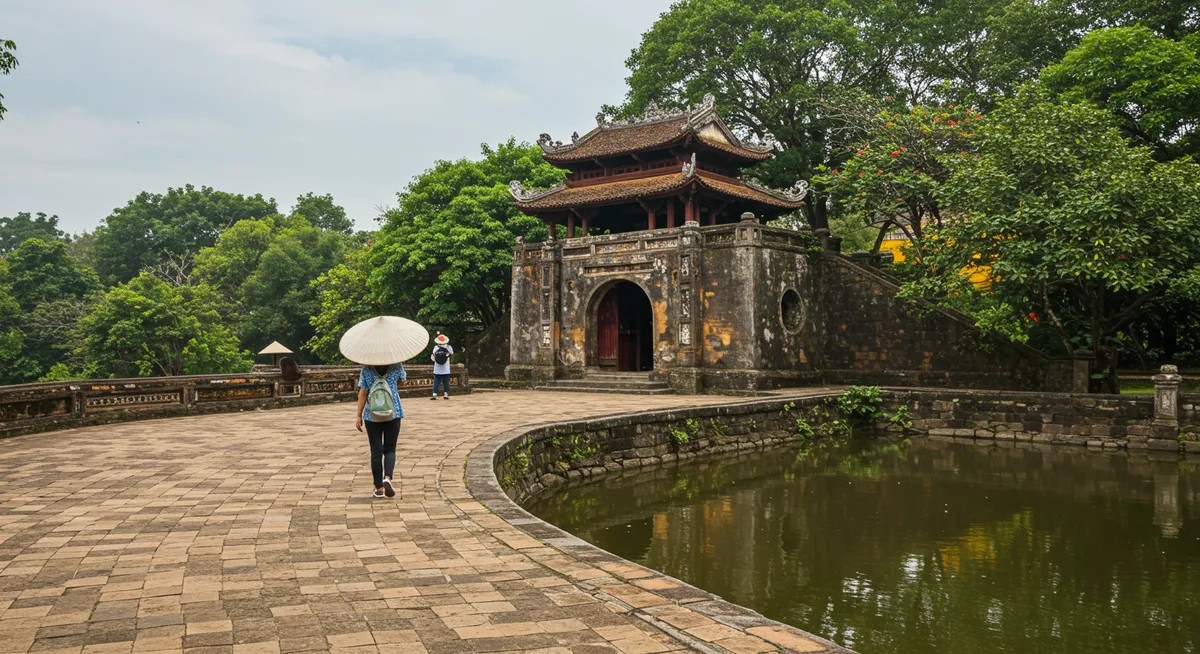
Hue, Vietnam’s former imperial capital, whispers tales of emperors, pagodas, and poetic landscapes. While motorbikes dominate the streets, the true essence of this enchanting city reveals itself to those who choose to explore it on foot. Walking tours in Hue offer an unparalleled opportunity to delve into its rich history, vibrant culture, and daily life, discovering hidden alleyways, charming garden houses, and delectable street food stalls often missed by faster modes of transport. This guide is designed to empower you to embark on your own immersive walking adventure, safely and enjoyably.
Key Tips and Takeaways
- Prioritize comfortable, breathable footwear for long walks on varied terrains.
- Start your walks early in the morning to beat the heat and avoid peak crowds at attractions.
- Stay hydrated by carrying a reusable water bottle and refilling often at cafes or shops.
- Dress modestly when visiting temples and religious sites; cover shoulders and knees out of respect.
- Always be aware of traffic, especially when crossing streets – look both ways and be predictable.
- Embrace spontaneity; some of Hue’s best discoveries are off the beaten path and unexpected.
Why Explore Hue on Foot?
While Hue offers various modes of transport, from traditional cyclos to convenient Grab bikes, truly uncovering its imperial charm, serene beauty, and vibrant local life is best done on foot. A walking tour isn’t just about covering ground; it’s about connecting deeply with the city’s soul, one step at a time.
Deeper Cultural Immersion and Sensory Discovery
Hue’s rich history and spiritual heritage are best absorbed at a pedestrian pace. Walking allows you to truly feel the ancient weight of the Imperial City walls, admire the intricate details of pagodas like Thien Mu, and witness the everyday rhythm of life along the Perfume River. You’ll hear the gentle chimes from a distant temple, catch the enticing aroma of authentic Bún Bò Huế wafting from a street stall, and observe local artisans crafting their wares. This sensory richness is often lost when whizzing by in a vehicle, making walking the ultimate way to engage all your senses with Hue’s unique atmosphere.
Unparalleled Flexibility and Freedom
Forget fixed itineraries and crowded tour buses. Exploring Hue on foot grants you unparalleled flexibility. Spot an intriguing alleyway leading to a hidden garden? Duck in. Notice a bustling local market that wasn’t on your map? Wander through. Want to spend an extra hour sketching the Ngọ Môn Gate or simply watching life unfold from a riverside bench? You can. This freedom to pause, linger, and spontaneously explore allows for a more personal and rewarding journey, letting you dictate your own pace and discover Hue on your own terms.
Discovering Hue’s Hidden Gems
Many of Hue’s most authentic experiences and charming spots are tucked away, inaccessible or easily overlooked by conventional transport. Walking tours often lead you down unassuming backstreets, revealing:
- Secret Courtyards: Within the Imperial City, beyond the main tourist routes, lie quiet courtyards and residential areas where local life unfolds.
- Authentic Eateries: Discover tiny, family-run street food stalls serving generations-old recipes, often located on narrow lanes.
- Artisan Workshops: Stumble upon traditional conical hat (nón lá) makers, incense crafters, or silk embroiderers working from their homes.
- Lesser-Known Temples: Beyond the famous pagodas, smaller, local temples offer peaceful retreats and a glimpse into community spiritual practices.
These are the places that truly define Hue’s character and create lasting memories.
Connecting with Locals
Walking naturally fosters more genuine interactions with the people of Hue. A friendly smile, a simple “Xin chào” (hello), or buying a small snack directly from a street vendor can open doors to brief but meaningful connections. You’ll observe daily routines – children cycling to school, elderly residents playing checkers, women tending to their vegetable gardens – providing a deeper understanding of local life than any guidebook could offer.
Environmentally Friendly Exploration
Choosing to explore Hue on foot is also a wonderful way to minimize your environmental footprint. It’s a quiet, zero-emission mode of transport that contributes to preserving the serene atmosphere of this historical city. Plus, the exercise is an added bonus!
Practical Walking Tips for Hue:
- Footwear is Key: Invest in comfortable, breathable walking shoes. You’ll be covering varied terrain, from flat paths to cobbled streets and potentially uneven temple grounds.
- Stay Hydrated: Hue can be hot and humid. Carry a reusable water bottle and refill it often. Many local shops sell cold drinks.
- Sun Protection: A wide-brimmed hat, sunglasses, and sunscreen are essential, especially during the midday sun.
- Best Times: Early mornings (before 9 AM) and late afternoons (after 4 PM) are ideal for walking, offering cooler temperatures and beautiful light for photography.
- Respect Local Customs: When visiting pagodas or historical sites, dress modestly (shoulders and knees covered) and remove your shoes if entering a temple.
Embrace the slower pace, open yourself to spontaneous discoveries, and let your feet guide you through the enchanting stories of Hue.
Preparing for Your Hue Walking Adventure
Embarking on a walking tour in Hue is an incredibly rewarding way to soak in the city’s imperial charm, riverside beauty, and vibrant street life. To ensure your adventure is seamless and enjoyable, a little preparation goes a long way. From understanding the local climate to navigating visa requirements and picking up a few handy phrases, here’s how to set yourself up for a memorable Hue walking experience.
Optimal Walking Weather in Hue: Hue experiences two main seasons, both of which impact your walking comfort. The absolute best time for extensive walking tours is typically from February to April. During these months, the weather is generally cooler, less humid, and sees minimal rainfall, making it perfect for exploring the sprawling Imperial City and strolling along the Perfume River without breaking too much of a sweat. May to August can be very hot and humid, so if you visit then, plan your walks for early mornings or late afternoons to avoid the midday sun. September to January constitutes the rainy season, with potential for heavy downpours and even typhoons. While walking is still possible with appropriate rain gear, it’s less ideal for long outdoor explorations.
Navigating Visa Requirements: Before you even pack your bags, ensure your visa for Vietnam is sorted. Most nationalities require a visa to enter Vietnam. The most convenient option for many travelers is the e-Visa, which you can apply for online through the official Vietnamese immigration portal. Alternatively, you might be eligible for a visa on arrival, which requires a pre-approval letter obtained before your flight. Always check the latest visa policies well in advance of your travel date, as requirements can change. Having your visa squared away prevents unnecessary stress and ensures you can hit the ground walking as soon as you arrive in Hue.
Essential Vietnamese Phrases for Walkers: While many locals in tourist areas may speak some English, knowing a few basic Vietnamese phrases will significantly enhance your interaction and overall walking tour experience. It shows respect and can open doors to more authentic encounters, especially when navigating local markets or asking for directions.
- Xin chào (Sin Chow): Hello
- Cảm ơn (Gam Un): Thank you
- Dạ vâng / Dạ không (Ya Vung / Ya Khong): Yes / No (polite, used by women; for men, it’s ‘Vâng’ / ‘Không’)
- Xin lỗi (Sin Loy): Excuse me / Sorry
- Bao nhiêu tiền? (Bao Nyoo Tyen?): How much? (Perfect for street food vendors)
- Cho tôi xin… (Chaw Toy Sin…): Please give me… (e.g., “Cho tôi xin một cốc cà phê” – Please give me a cup of coffee)
These simple phrases can make a big difference in your interactions, from ordering a refreshing drink during a break to asking for clarification if you momentarily lose your way.
General Trip Planning Tips for Walkers: Beyond the logistics, a few practical considerations will make your Hue walking adventure even smoother.
- Accommodation: Consider staying near the city center or along the Perfume River, as many walking tour starting points and key attractions are within easy reach.
- Currency: The local currency is the Vietnamese Dong (VND). While credit cards are accepted at larger establishments, cash is king for street food vendors, small shops, and many local experiences you’ll encounter on foot. ATMs are widely available.
- Connectivity: A local SIM card (Viettel, Mobifone, or Vinaphone) provides affordable data, essential for using maps, translation apps, or sharing your incredible walking discoveries in real-time.
- Health & Safety: Stay hydrated by carrying a reusable water bottle. Apply sunscreen and wear a hat, even on cloudy days. Be aware of scooter traffic, which can be dense; always look both ways before crossing the street.
- Footwear: This is non-negotiable for a walking tour! Bring comfortable, broken-in walking shoes or sandals. You’ll be covering significant distances, and happy feet make for a happy traveler.
By taking these preparatory steps, you’ll be well-equipped to immerse yourself fully in the historical grandeur and subtle beauty of Hue on foot.
Essential Gear & Packing List for Walkers
💡 Pro Tip: Book your Hue adventures in advance through Viator for the best deals!
Embarking on a walking tour in Hue is an immersive way to connect with the city’s imperial past and vibrant present. To ensure your journey is comfortable, enjoyable, and hassle-free, packing smart is key. Here’s a detailed guide to the essential gear that will make your Hue walking experience truly exceptional.
Footwear: Your Foundation for Exploration
- Comfortable Walking Shoes: This is non-negotiable! Hue’s attractions, from the sprawling Imperial City and intricate tombs to the charming riverside paths, demand significant walking. Opt for well-broken-in, breathable shoes with good arch support and cushioning. Given Hue’s humid climate and potential for unexpected showers, consider quick-drying materials. Leave the brand-new, untried shoes at home to avoid blisters.
Clothing: Dressing for Hue’s Climate & Culture
- Lightweight, Breathable Fabrics: Hue is generally hot and humid, especially from March to August. Pack light, loose-fitting clothing made from cotton, linen, or moisture-wicking synthetics to combat the warmth and humidity effectively.
- Layering Options: While most of the year is warm, the cool season (December to February) can bring slightly chillier mornings and evenings. A light long-sleeved shirt or cardigan can be useful, especially if you plan to start your walks early.
- Sun Protection & Cultural Sensitivity: When visiting temples, pagodas, or the Imperial City, it’s respectful to have your shoulders and knees covered. Lightweight long-sleeved shirts and pants also offer excellent sun protection from Hue’s strong rays.
Protection from the Elements
- Sun Protection (Hat, Sunglasses, Sunscreen): The Vietnamese sun can be intense year-round. A wide-brimmed hat or a baseball cap is crucial to protect your face and neck. Quality sunglasses will shield your eyes from glare. Apply high-SPF sunscreen liberally and reapply frequently, especially given the humidity and perspiration that can diminish its effectiveness.
- Rain Gear: Hue experiences a distinct rainy season (October to December), but sudden, brief downpours can occur any time of year. A compact, lightweight rain jacket or a foldable poncho is a smart addition to your daypack. A small umbrella can also be useful for both sun and light rain, offering versatile protection.
Smart Essentials for Your Daypack
- Reusable Water Bottle: Staying hydrated in Hue’s climate is vital. Carry a reusable water bottle and refill it at your hotel or many cafes. It’s an eco-friendly choice and saves you money!
- Small, Comfortable Daypack: Choose a lightweight backpack to carry your water, snacks, camera, rain gear, and any souvenirs you might pick up. Ensure it’s comfortable for extended wear and ideally has secure zippers for peace of mind.
- Portable Charger (Power Bank): Your phone will be your map, camera, and communication device. Frequent use of GPS and photo-taking can drain batteries quickly. A portable charger ensures you’re never left stranded, especially when navigating the sprawling Citadel or taking scenic photos along the Perfume River.
- Reliable Map App: Google Maps is widely used and effective. Download offline maps of Hue before you venture out, as cellular signal can sometimes be spotty in certain areas, particularly within the vast ancient grounds of the Imperial City or more remote tombs.
By preparing with these essentials, you’ll be well-equipped to comfortably explore Hue’s captivating history and vibrant street life on foot, turning every step into an unforgettable adventure.
Getting Started: Arrival & Orientation in Hue
Welcome to Hue, Vietnam’s ancient imperial capital! Your walking adventure begins the moment you arrive. Efficient orientation sets the perfect foundation for exploring this historically rich and wonderfully walkable city.
Arriving in Hue: Your First Steps
- Phu Bai International Airport (HUI): Located about 15-20 kilometers south of the city center, walking isn’t feasible. Upon arrival, the most convenient options are metered taxis (Mai Linh, Vinasun) or ride-hailing apps like Grab (approx. 200,000-250,000 VND). Many hotels also offer pre-arranged airport pick-ups, a stress-free option, especially for late arrivals.
- Hue Train Station (Ga Huế): Situated closer to the city center, about 2-3 kilometers west of the Perfume River’s main tourist area. A short taxi or Grab will quickly get you to most accommodations. If your hotel is in the popular backpacker area (Pham Ngu Lao, Chu Van An), a 15-20 minute walk is an option. For unique short distances, a cyclo is an option, but always agree on the price beforehand.
Pro-Tip for Arrival: Have your accommodation address written in Vietnamese to show your driver. Consider a local SIM card (available at airport or city shops); it’s invaluable for navigation apps and Grab.
Initial Orientation: Getting Your Bearings in Hue
Hue’s layout is straightforward, centered around the majestic Perfume River (Sông Hương). It acts as the city’s natural divider and primary compass for walkers:
- North Side: Home to the iconic Imperial Citadel (Kinh Thành Huế), a sprawling complex of palaces, temples, and gates—the heart of Old Hue.
- South Side: The ‘New City’ area, where you’ll find most hotels, guesthouses, restaurants, and the vibrant backpacker district.
Several bridges connect these two sides. The elegant, historic Trường Tiền Bridge (Cầu Trường Tiền) is the most prominent landmark and vital for pedestrian navigation. The newer Phú Xuân Bridge also offers convenient crossings.
Your First Hue Stroll: After settling in, take an initial leisurely walk around your immediate neighborhood. This helps you identify local eateries, pharmacies, ATMs, and get a feel for the local rhythm. Pay attention to major streets like Le Loi (south side, parallel to the river) and Hung Vuong, plus the unmistakable silhouette of the Citadel walls on the north bank.
Navigational Aids: Always keep an offline map app (Google Maps, Maps.me) handy. Use the Perfume River as your constant guide – knowing which side you’re on and its flow (east towards the sea) helps prevent getting lost. Look for the distinctive red and yellow arches of Trường Tiền Bridge; it’s visible from many points and makes an excellent central reference. Identifying these key landmarks will make you an expert in navigating Hue on foot.
Navigating Hue Safely & Smartly on Foot
Exploring Hue on foot is an incredibly rewarding experience, allowing you to soak in its imperial charm, vibrant street life, and serene landscapes at your own pace. However, like any city, navigating Hue safely and smartly requires a little preparation and awareness, especially when walking.
Mastering the Hue Pedestrian Dance
Unlike some Western cities, traffic in Hue (and Vietnam in general) operates on a different rhythm. Motorbikes dominate the roads, and while traffic is less intense than Hanoi or Ho Chi Minh City, it still demands attention. Sidewalks can also be unpredictable, often doubling as parking spaces, street food stalls, or temporary shops, meaning you might have to step into the road occasionally.
- Crossing Streets: This is perhaps the most crucial skill. The key is to walk slowly and predictably, making eye contact with approaching drivers. Do NOT make sudden movements or stop mid-crossing. Vehicles will generally flow around you. It feels counter-intuitive at first, but a steady, deliberate pace is safer than hesitant dashes.
- Awareness is Key: Always be mindful of your surroundings. Motorbikes can come from any direction, and even on sidewalks, you might encounter parked bikes or vendors spilling onto your path. Assume nothing, and be ready to yield.
- Walk Defensively: Don’t expect vehicles to stop for you, even at designated crossings. Traffic lights are present but often not strictly adhered to by all. Your safety is primarily your responsibility.
Beating the Hue Heat & Humidity
Hue’s climate is tropical, meaning heat and humidity are constant companions, especially from March to August. To ensure your walking tour remains enjoyable:
- Timing is Everything: Plan your longer walks for the early mornings (before 9 AM) or late afternoons (after 4 PM) when the sun is less intense. Midday is best spent in air-conditioned museums, cafes, or taking a break.
- Hydrate Constantly: Carry a large water bottle and refill it frequently. Bottled water is cheap and readily available at every corner shop (cửa hàng tạp hóa). Consider electrolyte drinks if you’re sweating a lot.
- Dress Smart: Opt for light, breathable fabrics like cotton or linen. Long sleeves and pants can offer better sun protection than shorts and t-shirts. A wide-brimmed hat, sunglasses, and high-SPF sunscreen are non-negotiable.
- Embrace the Breaks: Hue is full of charming cafes and shaded spots. Don’t hesitate to pop in for a refreshing iced coffee (cà phê sữa đá) or a cold drink to cool down and rest your feet.
Managing the Unexpected Hue Shower
Hue experiences distinct seasons, with the rainy season typically running from October to January, bringing heavy, prolonged downpours. However, tropical showers can occur unexpectedly at any time of year.
- Be Prepared: Always pack a lightweight rain jacket or a compact umbrella in your daypack, especially if visiting during the rainy season.
- Seek Shelter: If a sudden downpour hits, duck into the nearest shop, cafe, or under an awning. Locals do it, and it’s a good chance to grab a snack or drink while you wait it out.
Leveraging Technology for a Smart Stroll
Your smartphone can be your best friend when navigating Hue:
- Offline Maps: Download the Hue area on Google Maps or use an app like Maps.me before you head out. This is invaluable for finding specific attractions, navigating complex alleyways around the Imperial City, or simply re-orienting yourself without relying on data.
- Ride-Hailing Apps: Grab (the dominant app in Vietnam) is a lifesaver. Use GrabBike for quick, cheap hops between sights, or GrabCar for more comfort or if you’re tired, caught in rain, or need to cover a longer distance (e.g., from the Imperial City to Thien Mu Pagoda, or to your hotel after a long day). It’s also great for getting back if you’ve wandered a bit too far.
- Translation Apps: While many locals in tourist areas speak some English, a translation app like Google Translate can enhance interactions with street vendors or in less touristy areas.
- Power Bank: With all the navigation and photo-taking, your phone battery will drain quickly. A portable power bank is essential to keep your devices charged throughout the day.
By keeping these tips in mind, you’ll be well-equipped to enjoy a safe, comfortable, and truly immersive walking adventure through the captivating city of Hue.
Top Walking Tour Routes & Must-See Sights in Hue
💡 Pro Tip: Book your Hue adventures in advance through Viator for the best deals!
Hue, a city steeped in history and poetic charm, truly comes alive when explored on foot. Its compact, navigable streets, ancient citadel walls, and scenic riverside paths make it an ideal destination for leisurely walking tours. Prepare to immerse yourself in the former imperial capital’s grandeur, vibrant local life, and delicious culinary scene with these recommended routes:
The Imperial City & Forbidden Purple City Grandeur Walk
This is arguably Hue’s quintessential walking experience. Dedicate at least 2-3 hours to fully appreciate the vast complex that served as the administrative and ceremonial heart of the Nguyen Dynasty. The flat terrain makes it an easy walk, though the sheer size means comfortable shoes are a must.
- Must-See Sights:
- Ngo Mon Gate (Meridian Gate): The main entrance, a magnificent structure that sets the tone for your exploration.
- Thai Hoa Palace: The grand hall where important court ceremonies took place, adorned with intricate gold and red lacquer work.
- Forbidden Purple City: Although largely destroyed, the ruins offer a poignant glimpse into the emperor’s private world. Don’t miss the surviving gates and foundations.
- Mieu Temple & Hien Lam Pavilion: Pay respects to the Nguyen emperors at this solemn complex, featuring the impressive Nine Dynastic Urns.
- Practical Tips:
- Go early in the morning (before 9 AM) or late afternoon to avoid the heat and crowds.
- Consider hiring a local guide at the entrance for deeper historical insights.
- Bring water, a hat, and sunscreen, as there’s limited shade in some areas.
Perfume River Promenade & Dong Ba Market Immersion
Experience the pulse of Hue by tracing the tranquil Perfume River and diving into its bustling central market. This route offers a fantastic blend of scenic beauty and vibrant local commerce.
- Must-See Sights:
- Truong Tien Bridge: Hue’s iconic, graceful bridge, particularly beautiful when lit up at night.
- Perfume River Promenade: Stroll along the tree-lined banks, observing dragon boats, local fishermen, and city life.
- Dong Ba Market: A sensory overload in the best way! Explore endless stalls selling everything from fresh produce and seafood to local crafts, conical hats (nón lá), and traditional Ao Dai.
- Practical Tips:
- Visit the market in the morning for peak activity and the freshest goods.
- Be prepared for crowds and practice your bargaining skills politely.
- Sample local street food delights like Banh Beo (steamed rice cakes) or Bun Bo Hue (spicy beef noodle soup) from market vendors or nearby eateries.
Local Lanes & Culinary Delights of Pham Ngu Lao Area
Step off the main tourist streets and into the charming, slightly less-trodden alleys around the Pham Ngu Lao backpacker area. This walk is perfect for discovering hidden local cafes, authentic eateries, and observing everyday Hue life.
- Must-See Sights:
- Hidden Cafes: Seek out quaint, often beautifully decorated cafes tucked away in narrow lanes for a strong Vietnamese coffee.
- Street Food Stalls: The true gems are often found here. Look for stalls specializing in specific dishes like Banh Khoai (Hue savory pancake) or Nem Lui (lemongrass skewers).
- Residential Alleys: Simply wandering and observing daily life – children playing, locals chatting, small businesses operating – offers a genuine insight into the city’s character.
- Practical Tips:
- Go with an empty stomach and an open mind for culinary adventure.
- Don’t be afraid to venture down a promising-looking alley; you might discover a fantastic local eatery.
- This area is particularly lively in the late afternoon and evening as local food stalls open up.
General Walking Tour Advice for Hue:
- Comfort is Key: Always wear comfortable walking shoes and light, breathable clothing.
- Hydration: Carry a water bottle, especially during the hotter months (March to August).
- Sun Protection: A hat, sunglasses, and sunscreen are essential for daytime walks.
- Stay Alert: While generally safe, be mindful of traffic, especially motorbikes, and your belongings in crowded areas like markets.
- Offline Maps: Download an offline map (e.g., Google Maps) before you head out, as Wi-Fi isn’t always reliable.
- Embrace the Pace: Hue is best enjoyed slowly. Don’t rush, allow yourself to linger, and soak in the atmosphere.
Route 1: Imperial City & Forbidden Purple City Discovery
This immersive walk takes you deep into the heart of Hue’s imperial past, exploring the grandeur and poignant beauty of the Nguyen Dynasty’s former seat of power: the Imperial City and the Forbidden Purple City. It’s a journey through monumental gates, majestic palaces, and serene temples, offering a profound understanding of Vietnam’s last feudal dynasty.
Recommended Start Point: Ngo Mon Gate (Meridian Gate)
We recommend beginning your discovery at the iconic Ngo Mon Gate (Meridian Gate), the principal and most impressive entrance to the Imperial City. This five-tiered structure, once reserved for the Emperor and high-ranking officials, sets the tone for the historical exploration ahead. You can easily reach Ngo Mon by taxi, cyclo, motorbike, or even a pleasant walk from many central Hue accommodations across the Perfume River.
Key Historical Stops & Walking Flow:
-
Ngo Mon Gate (Meridian Gate): As you step through, take a moment to admire its intricate architecture, the yellow-tiled roof, and the sweeping views from its top balcony (often accessible to visitors). This was where major imperial announcements and ceremonies took place.
-
Court of the Great Salutation (Dai Trieu Nghi): Immediately inside, you’ll enter this vast courtyard paved with large stones, where mandarins once gathered for elaborate royal ceremonies. Imagine the vibrant pageantry and strict hierarchy that unfolded here centuries ago.
-
Thai Hoa Palace (Palace of Supreme Harmony): This magnificent building, the most important structure in the Imperial City, served as the Emperor’s throne hall for grand receptions, coronations, and official ceremonies. Its vibrant yellow roof, ornate interior, and impressive golden throne are a testament to imperial artistry and power.
-
Forbidden Purple City: Beyond Thai Hoa Palace lies the most exclusive area – the Forbidden Purple City (Tu Cam Thanh). While much was tragically destroyed during the wars, the foundations, remaining gates, and remarkably restored structures like Can Thanh Palace (the Emperor’s private residence) and the stunning Kien Trung Palace (recently unveiled after meticulous restoration) offer a poignant glimpse into the Emperor’s private life. Wander through these areas and imagine the bustling daily life of the concubines, eunuchs, and royal family members within its once-secluded walls.
-
Dien Tho Palace: Heading west from the Forbidden Purple City, you’ll discover the beautiful Dien Tho Palace, the residence of the Queen Mother. Its peaceful courtyards, traditional architecture, and serene gardens provide a quiet contrast to the more formal imperial areas. It’s a wonderful spot for quiet reflection.
-
Hien Lam Pavilion & The Mieu Temple: Conclude your tour of the core Imperial City by visiting Hien Lam Pavilion, a triple-tiered structure, and the adjacent The Mieu Temple. The Mieu is an ancestral temple dedicated to the Nguyen Emperors, filled with their altars and memorial tablets. In front of it stand the impressive Nine Dynastic Urns, each symbolizing an emperor and representing the dynasty’s power and continuity.
Practical Walking Advice & Local Insights:
- Duration: Allow a minimum of 2.5 to 4 hours for this route, especially if you wish to delve into each area, read the information boards, and take photos. History buffs and those keen on architecture could easily spend half a day or more.
- Entrance Fee: A comprehensive ticket is required to enter the Imperial City (Dai Noi). You can purchase this at the ticket booths near Ngo Mon Gate. Check current prices online or upon arrival, as they may vary for foreign visitors.
- Comfort is Key: Wear comfortable walking shoes as you’ll be covering significant ground on various surfaces. Hue’s climate can be hot and humid, so bring water, sunscreen, and a hat. An umbrella is also useful for both sun protection and sudden tropical rain showers.
- Navigation: The Imperial City is generally well-signposted, but a physical map or an offline map application on your phone (like Google Maps or Maps.me) will enhance your exploration. Consider downloading an audio guide or hiring a local English-speaking guide at the entrance for deeper historical insights and fascinating anecdotes – they truly bring the stones to life!
- Best Time to Visit: Morning is ideal to avoid the midday heat and larger crowds. Aim for opening time (usually 8:00 AM) for a more tranquil experience.
End Point Suggestion:
This route naturally concludes within the Imperial City, allowing you to exit through one of the gates convenient for your next destination, perhaps the Hoa Binh Gate (Peace Gate) on the western side or back towards Ngo Mon. From any exit, you can easily find taxis, cyclos, or a local eatery to refuel after your imperial discovery.
Route 2: Perfume River Promenade & Pagoda Exploration
For a serene yet culturally rich experience, “Route 2: Perfume River Promenade & Pagoda Exploration” offers a delightful blend of leisurely walking and unique boat travel. This route showcases the timeless beauty of Hue’s iconic Perfume River (Sông Hương) and leads you to one of Vietnam’s most revered pagodas.
Start your journey from the city centre, ideally near the historic Trang Tien Bridge or the lively Nguyen Dinh Chieu walking street on the southern bank. From here, head west, following the gentle curve of the Perfume River. The promenade offers varying degrees of shade, providing a tranquil escape from the urban bustle. As you stroll, you’ll observe local life unfolding: fishermen tending their nets, locals practicing tai chi or jogging, and vendors setting up small stalls. The pace is relaxed, encouraging you to simply absorb the peaceful riverside atmosphere.
While Thien Mu Pagoda is walkable from the city center (a pleasant but longer 3-4km walk along the river’s northern bank), the most iconic and rewarding way to experience it on this route is to combine your walk with a traditional dragon boat ride. Walk for about 1-2 kilometers along the promenade, soaking in the views. Then, keep an eye out for the numerous dragon boat operators docked along the river, especially closer to the city side. You can negotiate a one-way fare to the pagoda, or a round trip if you prefer to return by boat. This unique boat journey offers a different perspective of the river, passing by local villages and other small pagodas nestled along the banks, making the approach to Thien Mu even more majestic.
Upon arrival at Thien Mu Pagoda (Chùa Thiên Mụ), you’ll disembark and ascend the stone steps to explore its hallowed grounds. Dominating the landscape is the seven-story Phước Duyên Tower, an iconic symbol of Hue. Wander through the various halls, admire the ancient bell, and don’t miss the Austin car that once belonged to the venerable Thich Quang Duc, a significant figure in Vietnamese Buddhist history. The pagoda offers panoramic views of the river and is a serene place for quiet contemplation.
After your visit to Thien Mu, you can either take your pre-arranged dragon boat back to the city or opt for a Grab (ride-hailing app) or taxi for a quicker return. As evening approaches, the Perfume River transforms with twinkling lights reflecting on the water, and the promenade often buzzes with more activity, including street food vendors and riverside cafes.
Actionable Tips for Your Walk:
- Best Time: Early morning (6:00 AM – 9:00 AM) for cooler temperatures and less crowded paths, or late afternoon (4:00 PM – 6:00 PM) to catch the beautiful sunset over the river.
- What to Wear: Comfortable walking shoes are a must. Light, breathable clothing is advisable. For visiting Thien Mu Pagoda, remember to dress respectfully, ensuring shoulders and knees are covered.
- Hydration: Carry a bottle of water, especially during warmer months.
- Boat Negotiation: When hiring a dragon boat, always agree on the price (per person or per boat) and whether it’s one-way or round-trip before departing.
- Local Etiquette: Be mindful of your surroundings, especially when entering sacred sites. Remove your shoes before entering temple halls.
Route 3: Garden Houses & Rural Serenity Walk
For a truly unique Hue experience that steps away from the bustling city center, embark on the “Garden Houses & Rural Serenity Walk.” This route offers a profound glimpse into Hue’s aristocratic past and its enduring connection to nature, showcasing the exquisite traditional garden houses that are a hallmark of the Nguyễn Dynasty era. It’s a journey into tranquil landscapes, hidden architectural gems, and a slower pace of life.
Getting Started & What to Expect
Unlike our more central routes, this walk begins slightly outside the immediate city hub. We recommend taking a short Grab taxi or local xe ôm (motorcycle taxi) to reach the starting vicinity, which gives you immediate access to the serene rural paths that lead to the garden houses. Once there, the walking is relatively flat and incredibly scenic.
Hue’s garden houses (Nhà vườn) are not just residences; they are meticulously planned compounds embodying traditional Vietnamese architecture, often adhering to strict Feng Shui principles. Each house is nestled within lush, sprawling gardens featuring ancient trees, ornamental plants, ponds, and intricate rockeries. They served as private havens for mandarins and royalty, designed for contemplation and connection with nature.
Highlights of Your Walk
- An Hien Garden House: This is arguably the most famous and accessible example, located by the Perfume River on Kim Long Street. It’s a beautifully preserved estate, offering a rare opportunity to wander through its tranquil grounds, admire the traditional wooden architecture, and sense the aristocratic lifestyle of yesteryear. The garden itself is a masterpiece, particularly stunning when its ancient trees are in bloom. Expect to pay a small entrance fee, which contributes to its upkeep.
- Beyond An Hien: While many other garden houses remain private family residences, your walk through the surrounding rural lanes of Kim Long and Vy Da wards will give you a sense of their prevalence. You’ll pass by high walls and glimpses of verdant gardens, occasionally spotting another traditional roofline. These paths are incredibly peaceful, lined with rice paddies, small canals, and local homes, offering an authentic insight into Hue’s rural charm.
- Local Life & Scenery: This route is less about specific landmarks and more about the journey itself. You’ll observe everyday village life – farmers tending their fields, children playing, and the quiet rhythm of the countryside. The air here feels fresher, and the sounds are predominantly natural, offering a refreshing contrast to the urban environment.
Practical Walking Tips for This Route
- Footwear: Opt for comfortable walking shoes. While paths are mostly paved or well-trodden, you’ll be covering a fair distance.
- Sun Protection: Much of this route is exposed to the elements. Bring a hat, sunglasses, and high-SPF sunscreen.
- Hydration: Carry plenty of water. There are fewer shops or cafes along this route compared to the city center.
- Respect & Photography: When visiting An Hien Garden House, remember it’s a cultural heritage site; be respectful of the grounds and staff. If you encounter local residents, a polite smile and a “Chào bạn” (hello friend) go a long way. Always ask permission before photographing people.
- Navigation: Consider downloading an offline map of the area (e.g., Google Maps) as some rural lanes might not be clearly signposted.
- Duration: Allow at least 2-3 hours for this walk, including time to explore An Hien Garden House and soak in the serene atmosphere.
This walk is a contemplative journey, best enjoyed by those seeking tranquility, cultural depth, and a deeper appreciation for Hue’s historical elegance and natural beauty.
Route 4: Street Food & Night Market Delights
As the sun dips below the Perfume River, Hue awakens with a different kind of vibrancy – a symphony of sizzling woks, fragrant spices, and lively chatter. Route 4 is your essential culinary expedition, a delightful sensory overload designed to immerse you in Hue’s legendary street food scene, culminating in the bustling atmosphere of its night market.
Starting Your Culinary Journey: We recommend commencing this tour around 5:30 PM – 6:00 PM as vendors begin setting up. A great starting point is near the Truong Tien Bridge, particularly on the south bank, which naturally leads you towards the pedestrian streets and the heart of the night market activity, primarily along Nguyen Dinh Chieu Street and the surrounding alleys.
Must-Try Hue Delicacies: Your taste buds are in for a treat. Don’t leave Hue without sampling these iconic dishes:
- Bún bò Huế: This is the undisputed king of Hue cuisine. More than just a spicy noodle soup, it’s a complex broth simmered for hours with beef bones, lemongrass, shrimp paste, and chili oil. Look for stalls bustling with locals – a good sign of authenticity. The noodles are thick, and the soup often features slices of beef, pork hock, and sometimes congealed pig blood (you can ask for it without if preferred). It’s a rich, savory, and invigorating experience.
- Bánh khoái: Hue’s answer to the savory pancake. This crispy, turmeric-infused crepe is fried until golden, filled with shrimp, pork, bean sprouts, and sometimes mushrooms. It’s traditionally served with a rich, peanutty dipping sauce (nước lấm) and a plate of fresh herbs and lettuce. The local way to eat it is to break off a piece, wrap it in a lettuce leaf with herbs, and dip generously.
- Nem lụi: Grilled pork skewers, typically made from minced pork mixed with spices and wrapped around a lemongrass stalk. The skewers are grilled over charcoal, giving them a smoky, aromatic flavor. You’ll be given rice paper, fresh herbs, and sometimes star fruit or green banana slices to wrap your own Nem lụi, dipping it into that addictive peanut sauce. It’s an interactive and incredibly satisfying dish.
The Night Market Delights: As you wander, the Hue Night Market (Chợ Đêm Huế), primarily located along Nguyen Dinh Chieu Walking Street, comes alive. Beyond the culinary treasures, you’ll find stalls selling local handicrafts, souvenirs, and clothing. The atmosphere is electric – a symphony of smells from grilling meats and simmering broths, the cheerful chatter of vendors, and the buzz of motorbikes. Don’t be afraid to explore the smaller side alleys; often, the most authentic and delicious discoveries are found off the main thoroughfare.
Practical Tips for Your Street Food Adventure:
- Go with an Empty Stomach: Seriously, you’ll want to try everything!
- Carry Small Denominations: Street food vendors prefer cash, and small bills (VND 10,000, 20,000, 50,000 notes) are best for easy transactions.
- Look for Busy Stalls: A crowd of locals is usually a good indicator of fresh ingredients and delicious food. High turnover means less chance of food sitting around.
- Don’t Be Afraid to Point: If language is a barrier, pointing at what you want, or at a dish someone else is eating, is perfectly acceptable.
- Stay Hydrated: The evening can still be warm. Many stalls sell bottled water or local sugar cane juice (nước mía).
- Bring Hand Sanitizer: While most vendors are hygienic, it’s always good practice to have hand sanitizer after handling money and before eating.
- Pace Yourself: It’s a marathon, not a sprint. Share dishes with travel companions so you can sample more variety without getting too full too quickly.
- Embrace the Experience: Eating street food in Hue is more than just a meal; it’s a cultural immersion. Engage with the friendly vendors and soak in the authentic local atmosphere.
This walking tour offers a true taste of Hue, a vibrant journey through its culinary soul that promises unforgettable flavors and memories.
Local Insights & Hidden Gems for Walkers
💡 Pro Tip: Book your Hue adventures in advance through Viator for the best deals!
Walking through Hue is not just about ticking off famous landmarks; it’s an invitation to peel back the layers of this ancient city and discover its vibrant, beating heart. By slowing down and veering off the main tourist paths, you unlock a world of local insights and hidden gems that truly define the Hue experience.
Finding Authentic Local Markets
While Dong Ba Market is an undeniable Hue icon, for a truly local market experience, venture a little further. Explore the smaller neighborhood markets that spring up along the Perfume River’s banks, or tucked into residential areas, especially early mornings. Here, you’ll find vendors selling fresh produce, everyday household items, and local snacks (like bánh bèo, nậm, lọc – perfect walking fuel!) away from the main tourist bustle. Observe the bargaining, the vibrant colours, and the rhythm of daily life. Don’t be afraid to try a new fruit or street snack; a smile and pointing usually do the trick.
Discovering Artisan Workshops
Hue is a cradle of traditional Vietnamese crafts. Beyond the well-known sites, seek out smaller, family-run artisan workshops. A short walk or a delightful cyclo ride can take you to villages like Thuy Xuan Incense Village, where you can observe the intricate process of making colourful incense sticks. Look for conical hat (nón lá) makers – some small shops near the Imperial City might have artisans at work, or you can venture to villages like Phù Cam. Observe their meticulous handiwork; a quiet appreciation often opens the door to a friendly chat (even with language barriers).
Tranquil Tea Houses and Quiet Reflection Spots
For moments of tranquil reflection, Hue offers serene traditional tea houses (trà cung đình – royal tea). While some might be part of larger restaurants, seek out small, dedicated spots, often hidden in charming garden settings. Places like Vỹ Dạ Xưa (though a restaurant, boasts a lovely garden feel) or smaller, unnamed spots near pagodas offer a calming escape. For ultimate quiet, head to lesser-visited pagodas like Tu Hieu Pagoda, nestled in a pine forest, where you might hear monks chanting. Small, uncrowded temple courtyards or the quieter stretches of the Perfume River away from the main bridges are also perfect for simply sitting, observing, and soaking in the atmosphere.
Engaging Respectfully with Locals and Observing Daily Life
Walking allows for genuine interactions. A simple ‘Xin chào’ (hello) and ‘Cảm ơn’ (thank you) go a long way. When taking photos, especially of people, always ask for permission first with a gesture or a polite ‘Cho tôi chụp ảnh được không?’ (May I take a picture?). Many locals are friendly and appreciate your interest. Remember to dress modestly when entering pagodas or temples – shoulders and knees should be covered. Supporting local vendors by purchasing a small item or trying their food is a wonderful way to contribute directly to the community. Be patient, smile often, and embrace the unexpected moments that reveal the true heart of Hue.
Connecting with Hue’s Walking Tour Ecosystem
Hue offers a rich tapestry of experiences best savored on foot, and fortunately, the city provides various avenues to help you navigate its history, culture, and hidden nooks. Whether you prefer the insights of a local expert, the camaraderie of a group, or the freedom of a self-guided adventure, connecting with Hue’s walking tour ecosystem is straightforward and rewarding.
Hiring a Local Guide: Unlocking Hue’s Soul
For an unparalleled deep dive into Hue’s heritage, consider hiring a local guide. Their intimate knowledge of the city’s history, folklore, and even its best street food stalls can transform a simple walk into an unforgettable cultural immersion. A local guide can lead you through the labyrinthine alleys of the Imperial City, reveal the secrets of ancient garden houses, or introduce you to artisans practicing traditional crafts. They bridge language barriers, offer invaluable context, and often share personal anecdotes that bring the past to life.
- How to Find: Reputable hotels often have trusted guides they recommend. You can also inquire at the Hue Tourist Information Center or check online platforms like TripAdvisor, which list independent guides and small agencies. Always look for reviews and consider discussing your interests beforehand to ensure a tailored experience.
- Benefits: Personalized itineraries, access to non-touristy spots, support for the local economy, and authentic cultural exchange.
Joining Reputable Walking Tour Operators: Structured Exploration
Several tour operators in Hue specialize in organized walking tours, offering structured itineraries that cover key attractions. These are ideal if you prefer a pre-planned route and the convenience of having logistics handled. Many focus on the Imperial City, a UNESCO World Heritage site, offering detailed narratives of the Nguyễn Dynasty. Others delve into Hue’s culinary scene with with dedicated food walking tours, or explore the serene garden houses and pagodas dotting the landscape.
- Popular Themes: Imperial Citadel history tours, Perfume River bank walks, traditional craft village tours, and delightful street food tours.
Connecting with Walking Groups: Shared Discoveries
While less formal than organized tours, some travelers enjoy the dynamic of joining an existing walking group. This is most common when booking a group tour through an operator, where you’ll be paired with other travelers. It’s a fantastic way to meet new people, share insights, and enjoy the safety and camaraderie of numbers, especially during longer treks or explorations of less-trodden paths. Inquire with your chosen tour operator about their group size policies.
Resources for Self-Guided Tours: Paving Your Own Path
For independent explorers, Hue is remarkably accessible for self-guided walking tours. The city’s main attractions are often well-signposted, and its compact center makes navigation easy.
- Maps & Apps: Pick up a free tourist map from your hotel or the Tourist Information Center. Utilize Google Maps for real-time navigation and directions. For richer historical context, look for dedicated audio guide apps (e.g., izi.TRAVEL or VoiceMap sometimes feature Hue tours created by locals).
- Key Areas for Self-Exploration: The vast grounds of the Imperial City are perfect for self-guided walks; download a detailed map beforehand to identify key palaces and gates. The tranquil pathways along the Perfume River also offer beautiful, leisurely strolls. The colonial French Quarter, with its charming architecture, is another excellent area for a DIY discovery.
- Practical Tip: Research points of interest ahead of time, note opening hours, and consider starting early to avoid the midday heat, especially during the warmer months.
Responsible & Respectful Walking in Hue
Walking through Hue offers an unparalleled connection to its rich history and vibrant local life. This intimate experience comes with a shared responsibility to preserve the city’s serene beauty and cultural integrity. By adopting a mindset of respect and sustainability, you ensure your visit contributes positively to this magnificent destination.
Cultural Sensitivity & Respectful Conduct
Hue is steeped in spiritual tradition, with numerous pagodas, temples, and historical sites that are active places of worship and heritage. When visiting locations like Thiên Mụ Pagoda, Tu Duc Tomb, or the sacred areas within the Imperial City, remember to dress modestly. This typically means covering your shoulders and knees. While some sites might offer wraps, it’s best to come prepared. Always remove your shoes before entering prayer halls or residential areas within pagodas. Speak in hushed tones, avoid loud laughter, and refrain from touching altars or religious artifacts. When photographing locals, especially monks or elderly individuals, always ask for permission first and respect their decision if they decline. A smile and a polite gesture go a long way in showing respect for local customs.
Minimizing Environmental Impact & Waste
Hue, like many beautiful cities, is working towards greater cleanliness, particularly around its UNESCO World Heritage sites and the tranquil Perfume River. As a pedestrian, your footsteps can be your greatest contribution to sustainability. Embrace the “leave no trace” principle: carry a reusable water bottle and refill it whenever possible, avoiding single-use plastics. Dispose of all your trash in designated bins, which are increasingly common in tourist areas and along major walking routes. Under no circumstances should you litter, especially not into the Perfume River or within the delicate historical compounds. Every piece of trash you properly discard helps maintain Hue’s charm for future visitors.
Supporting the Local Economy
One of the true joys of walking through Hue is the opportunity to stumble upon authentic local experiences. Make an effort to support local businesses rather than international chains. Savor a bowl of authentic Bún Bò Huế from a street vendor, grab a Vietnamese coffee from a small local ‘quán,’ or purchase souvenirs directly from artisans at Dong Ba Market or craft shops along the riverbanks. These small enterprises are the lifeblood of Hue’s community and offer a deeper, more authentic cultural immersion. When bargaining, do so politely and with a friendly smile; remember that a few thousand VND might be negligible to you but significant to the vendor.
Conscious Walking Etiquette
While walking is inherently low-impact, being mindful of your surroundings enhances the experience for everyone. Stick to designated paths, especially within the Imperial City or garden houses, to protect delicate historical grounds and garden ecosystems. Be aware of your volume, particularly when walking through quiet residential alleys or near temples during prayer times. Observe and absorb, but always with respect for the privacy and daily lives of Hue’s residents. By walking consciously and respectfully, you not only enjoy Hue more deeply but also help preserve its unique spirit.
Frequently Asked Questions
Q: What’s the best time of year for free walking tours in Hue?
A: The ideal time for walking in Hue is during the dry season, from February to April, when temperatures are pleasant and humidity is lower. May to August can be hot and humid, while September to January is the rainy season, with potential for typhoons.
Q: Is Hue safe for solo female travelers walking alone?
A: Hue is generally considered safe for solo female travelers. Exercise normal precautions: be aware of your surroundings, avoid walking alone in poorly lit areas at night, and trust your instincts. Local people are usually friendly and helpful.
Q: Do I need to hire a guide for walking tours in Hue?
A: While not strictly necessary, hiring a local guide can significantly enrich your walking tour experience. They provide invaluable historical context, cultural insights, and access to hidden gems you might otherwise miss. For self-guided walks, use reliable maps and research key points of interest beforehand.
Q: How do I deal with the heat and humidity while walking in Hue?
A: To combat heat and humidity, start your walks early in the morning or late afternoon. Wear light, breathable clothing made of natural fibers. Stay hydrated by drinking plenty of water, and take frequent breaks in shaded areas or air-conditioned cafes. A hat and sunscreen are also essential.
Q: What local dishes should I prioritize trying during my walking food tour in Hue?
A: Don’t miss Bún bò Huế (Hue-style beef noodle soup), Bánh khoái (savory crepe), Nem lụi (grilled pork skewers), and various Bánh (rice cakes like Bánh bèo, Bánh nậm, Bánh lọc). For dessert, try Chè Huế (sweet soup varieties). These are best enjoyed from street vendors or local eateries found on foot.
Exploring Hue on foot is more than just sightseeing; it’s an immersive journey that connects you deeply with the soul of this historic city. From the majestic Imperial City to the serene Perfume River, and from the vibrant street food scene to the tranquil garden houses, every step reveals a new facet of Hue’s charm. Embrace the pace, savor the moments, and let Hue unfold its stories beneath your feet. Your ultimate walking tour in Hue promises not just memories, but a profound understanding of Vietnam’s imperial heartland.