
Sapa Customs: A Walking Tour Guide to Local Culture (2026)
Discover Sapa’s rich ethnic customs on an immersive walking tour. Learn local etiquette, traditions, and how to interact respectfully with Hmong, Dao, and other communities.
On this page
Sapa, nestled in the Hoàng Liên Sơn mountains of northern Vietnam, is a breathtaking tapestry of lush terraced rice fields, misty peaks, and vibrant ethnic minority cultures. While its landscapes draw visitors, it’s the profound cultural heritage of communities like the Hmong, Dao, Tay, and Giay that truly captivates. For the walking tour enthusiast, exploring Sapa on foot offers an unparalleled opportunity to delve deep into these traditions. This guide provides essential insights into local customs, ensuring your Sapa walking adventure is not only enjoyable but also respectful and enriching, fostering genuine connections with the people who call this magnificent region home.
Key Tips and Takeaways
- Always seek permission before taking photos of people or entering private property.
- Dress modestly, especially when visiting villages or religious sites, covering shoulders and knees.
- Bargain respectfully in markets; it’s part of the culture, but value the artisans’ work.
- Support the local economy directly by hiring local guides and buying authentic handicrafts from producers.
- Learn and use basic greetings like ‘Xin chào’ (hello) and ‘Cảm ơn’ (thank you).
- Avoid giving money or candy directly to children; it can create dependency and disrupt their schooling.
- Be mindful of your environmental footprint; pack out what you pack in and dispose of trash properly.
- If invited into a home, take off your shoes and show respect for elders and family customs.
Understanding Sapa’s Ethnic Mosaic
As you embark on your walking adventures through the mist-shrouded valleys and terraced rice paddies of Sapa, you’ll quickly realize that the region’s true beauty lies not just in its breathtaking landscapes, but also in its vibrant tapestry of ethnic minority cultures. Understanding Sapa’s local customs begins with appreciating this incredible diversity. Your treks will bring you into direct contact with several distinct groups, each contributing unique traditions, languages, and ways of life to Sapa’s identity.
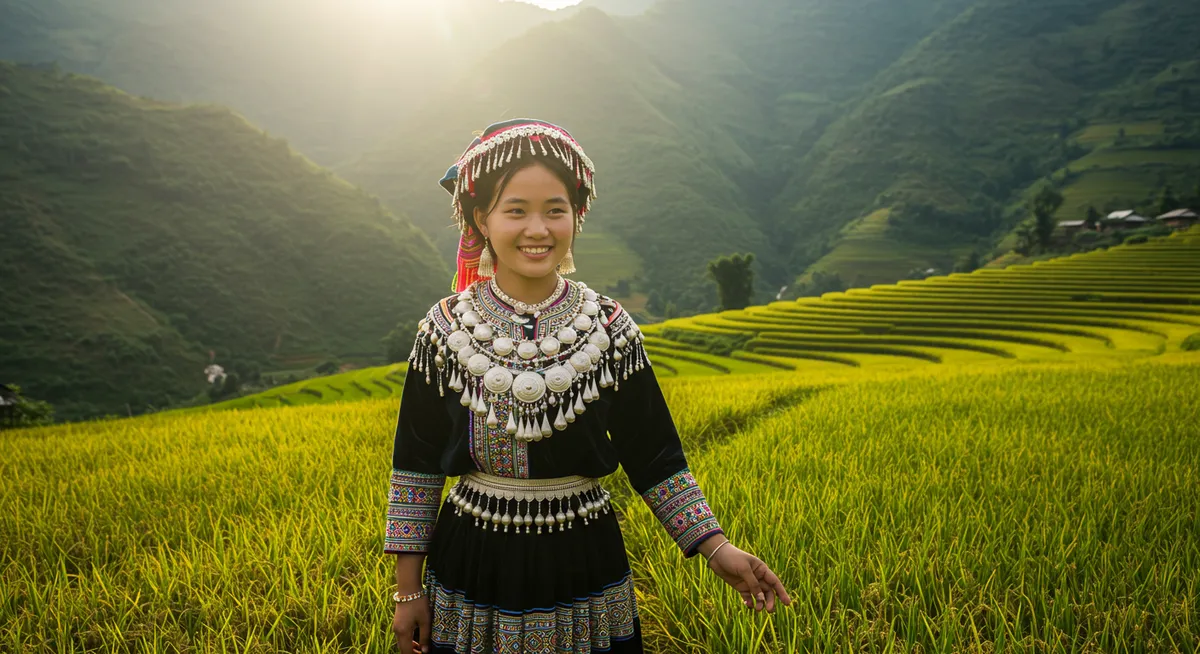
The most frequently encountered group on popular walking tours, especially in and around Sa Pa town and villages like Cat Cat, are the Black Hmong. Easily recognizable by their distinctive indigo-dyed clothing, often adorned with intricate embroidery and silver jewelry, the Black Hmong are renowned for their traditional handicrafts. You’ll often see them selling their beautiful textiles, accessories, and local produce along trekking paths and at the Sapa market. Engaging with them, even if just to purchase a small souvenir, is a direct way to support their livelihood and appreciate their artistry.
Journey a little further, perhaps towards the villages of Ta Phin, and you’ll discover the captivating culture of the Red Dao. Their name comes from the striking red headscarves worn by the women, often intricately embroidered and sometimes adorned with silver coins. The Red Dao are known for their profound knowledge of traditional herbal medicine, particularly their revitalizing herbal baths – a perfect way to soothe tired muscles after a long day of walking. Many homestays in Red Dao villages offer this unique cultural experience.
As you trek through the fertile valleys leading towards communities like Ta Van, you’ll start to notice the distinctive stilt houses of the Tay people. Unlike some other groups, the Tay often live in larger, more permanent villages, focusing on wet rice cultivation. Their vibrant textiles and melodious folk songs are hallmarks of their culture. Walking through a Tay village offers a glimpse into a more agricultural, settled way of life, distinct from the nomadic traditions of some other groups.
The Giay (also spelled Dzay) ethnic group, often found in villages such as Lao Chai, are known for their strong agricultural practices and more settled existence. Giay women typically wear simple yet elegant tops and trousers, often in bright colors. They are skilled at fishing and raising livestock, and their hospitality is legendary. A walking tour through a Giay village might involve observing their daily routines or even sharing a meal if you’re lucky enough to be invited into a local home.
Finally, while less numerous and often residing in more remote areas, the Xa Pho (or Phu La) people also contribute to Sapa’s cultural tapestry. Encountering them usually requires deeper, multi-day treks into less-visited territories. Their unique language, belief systems, and distinctive traditional attire, often featuring elaborate beadwork, offer a truly rare glimpse into a different facet of Sapa’s ethnic mosaic.
On your Sapa walking tours, remember that respectful engagement is key. These interactions are not just transactions; they are opportunities for cultural exchange. By choosing to walk with a local guide, supporting local artisans directly, and observing with an open mind, you contribute positively to the preservation of these incredible Sapa local customs and ensure your journey is as enriching for the communities as it is for you.
The Importance of Local Etiquette (Nghi Thuc)
As you embark on your immersive Sapa walking tour, venturing deep into the vibrant villages and stunning landscapes, understanding and practicing local etiquette, known as Nghi Thuc, is paramount. This isn’t just about avoiding offense; it’s about fostering genuine connections, demonstrating respect for the Hmong, Dzao, Tay, and other ethnic minority communities you’ll encounter, and enriching your entire experience. Your respectful demeanor can transform a simple passage through a village into a memorable cultural exchange.
Respectful Interactions and Greetings
At the heart of Sapa’s local cultures is the concept of ‘tôn trọng’ – profound respect. This is extended to elders, community leaders, and the traditional way of life. When you meet locals on your walk, a simple, warm smile often opens doors. While handshakes are becoming more common, especially with younger generations or if offered, a slight, polite nod is always a safe and appreciated greeting. If you wish to try some Vietnamese, a friendly “Chào bạn!” (Chow ban – Hello, friend!) will often elicit a delighted response. Observe how your local guide interacts; they are your best teachers in real-time.
Appropriate Attire and Gestures
Modesty in dress is a key aspect of respect, particularly when walking through villages, entering homes, or approaching any sacred spaces like small community altars or family shrines. We strongly recommend covering your shoulders and knees. Long pants or skirts and shirts with sleeves are ideal – not only do they show respect, but they also offer practical protection from the sun, insects, and potential scratches on trekking paths. Remember to always remove your shoes before entering a local home if invited inside; this is a universal sign of respect.
Beyond attire, certain gestures are considered highly impolite:
- Avoiding Touching Heads: The head is considered the most sacred part of the body. Never touch an adult’s head, or even a child’s, without explicit permission.
- Pointing with Feet: Conversely, the feet are considered the lowest and least clean part of the body. Never use your feet to point at people, objects, or religious altars. When sitting, be mindful not to point the soles of your feet towards anyone or an altar. Instead, use an open hand gesture if you need to indicate something.
- Public Displays of Affection: While locals are generally tolerant, discreet public displays of affection are appreciated, especially in front of elders or within traditional villages.
Showing Deference to Elders and Leaders
Elders and village leaders hold significant status within these communities. When walking through a village, if you encounter an elder, a polite nod and a respectful greeting are appropriate. If you are introduced to a village leader, a respectful bow or a two-handed handshake (if they initiate it) shows great appreciation. Always allow elders to pass first or offer them a seat if you are in a shared space. Patience and a calm demeanor are always valued.
Photography Etiquette
While the landscapes and people of Sapa are incredibly photogenic, remember to always ask for permission before taking someone’s photograph, especially children and elders. A simple gesture asking “Okay?” while pointing to your camera often suffices. If they agree, a genuine smile and a “Cảm ơn!” (Kam-un – Thank you!) will go a long way. Showing them the photo afterwards can also be a wonderful way to connect.
By embracing these simple tenets of Nghi Thuc, you’re not just a tourist passing through; you become a welcome guest, fostering genuine connections and gaining a deeper, more meaningful appreciation for the incredible cultures that call Sapa home. Enjoy your walk, and walk respectfully!
Interacting with Local Families & Children
⭐ Recommendation: Don't miss out on amazing Sapa tours - book now!
One of the most rewarding aspects of a Sapa walking tour is the opportunity to connect, even briefly, with the vibrant local ethnic minority communities, such as the Hmong, Red Dao, Tay, and Giay. These encounters offer a profound insight into their daily lives and unique cultures. However, it’s paramount to approach these interactions with deep respect and cultural sensitivity to ensure a positive and sustainable experience for everyone.
Visiting Homes (If Invited)
During your trek through a village, you might be invited into a local home, perhaps for a cup of tea or a simple meal. This is a special privilege and a sign of immense hospitality. When entering any home in Sapa, whether it’s a traditional wooden house or a more modern structure, always remember to remove your shoes before stepping inside. This is a universal sign of respect and cleanliness across Vietnamese cultures. Observe your guide or the host for cues, but typically, shoes are left at the doorway.
Thoughtful Gift-Giving
While generosity is appreciated, the manner of giving gifts is crucial to avoid inadvertently fostering dependency or creating negative impacts. Instead of candy, which can lead to dental issues and unhealthy habits, or money, which can encourage begging, consider practical items that support daily life and education. If you wish to offer something, practical donations are always best:
- School Supplies: Pens, notebooks, pencils, or small books are invaluable and directly support children’s education.
- Practical Goods: Small bags of rice, cooking oil, salt, or warm clothing (especially during Sapa’s colder months) are deeply appreciated by families.
- Donate to Projects: Consider contributing to a reputable local community project or school through your tour guide or a trusted local organization, rather than direct handouts.
If you have items to give, it’s best to offer them discreetly to a parent or community elder, rather than directly to children, to maintain dignity and ensure the items are used appropriately.
Photography Etiquette
Sapa’s landscapes are breathtaking, and its people are incredibly photogenic. However, always, always ask for permission before taking someone’s photograph, especially of children or older individuals. A simple smile and a gesture, or asking “Chụp ảnh được không?” (pronounced “Choop ang dook kong?”) which means “Can I take a photo?”, usually suffices. Respectfully accept a “no” if given, without pressure or disappointment. Showing them the photo afterward on your camera screen is often a lovely gesture that creates connection and brings smiles.
Engaging Children Respectfully
Children in Sapa’s villages are often curious and engaging. While it’s natural to want to interact, be mindful of how your actions might impact their well-being and education. Avoid giving money or buying items directly from very young children who might be out selling handicrafts instead of attending school. Encourage their education by showing interest in their studies or offering a friendly “Xin chào” (Hello) and a smile. Your respectful engagement contributes to positive tourism and supports local efforts to ensure children prioritize their schooling for a brighter future.
By following these guidelines, you’ll not only enrich your own Sapa experience but also contribute to respectful and sustainable interactions that truly benefit the local communities you encounter on your walking journey.
Customs Around Food & Drink
As you embark on a walking tour through Sapa’s vibrant villages and lush rice terraces, you’ll inevitably encounter moments centered around food and drink. These aren’t just about sustenance; they are deeply ingrained cultural rituals, especially within the ethnic minority communities like the Hmong, Red Dao, and Tay. Understanding and respecting these customs will enrich your experience immeasurably and foster genuine connections.
The Art of Shared Meals: A Community Affair
In Sapa, meals are almost always communal, symbolizing togetherness and hospitality. You’ll often find families and guests gathered around a low table, sharing multiple dishes. Here are some key practices to observe:
- Respecting Elders: This is paramount. Never begin eating until the oldest person at the table, or your host, has taken their first bite or explicitly invited everyone to start. Observe quietly and wait for their signal.
- Communal Etiquette: Dishes are placed in the center for everyone to share. When serving yourself from a shared platter, use the communal serving spoon provided, or if using your chopsticks, turn them around to use the clean end to pick up food. Avoid using the end that has touched your mouth directly in the shared dishes. Offering food to others, particularly elders or children, is a wonderful gesture of care and respect.
- Saying Thank You: A simple “Cảm ơn” (thank you) after the meal, or a compliment on the food, goes a long way.
The Warmth of ‘Rượu Ngô’ (Corn Wine)
One of the most cherished invitations you might receive, particularly in a Hmong or Red Dao homestay, is to share a glass of ‘rượu ngô’ or ‘rượu gạo’ – homemade corn or rice wine. This potent, often clear spirit is a powerful symbol of welcome and trust.
- Accepting the Offer: An offer of ‘rượu ngô’ is a high honor. It’s polite to accept at least a small sip, even if you’re not a big drinker. Refusing outright without a good reason can be seen as impolite. If you genuinely cannot drink alcohol, a polite refusal with a smile and a hand gesture while saying “Tôi không uống rượu” (I don’t drink alcohol) is usually understood. Don’t feel pressured to finish a large glass; a small taste is sufficient.
- Toasting Traditions: Toasts are common. Your host might raise their glass and say “Chúc sức khỏe!” (Cheers! / Good health!). Respond in kind or with a simple “Chúc sức khỏe!” back.
Navigating Dietary Practices and Taboos
While Sapa’s ethnic groups are generally adaptable, being mindful of potential dietary nuances is important. For instance, while pork is very common and widely consumed, some specific subgroups might have subtle restrictions or preferences. Dog meat, though consumed in some parts of Vietnam, is rarely offered to tourists by ethnic minorities in Sapa, and you should not expect to encounter it as part of your homestay or village meal.
- Vegetarian/Vegan Considerations: If you have strict dietary requirements (e.g., vegetarian, vegan, allergies), it is crucial to communicate these clearly and in advance, especially if you’re staying in a homestay. Learning a few basic phrases like “Tôi ăn chay” (I am vegetarian) or “Không thịt” (no meat) will be incredibly helpful. Outside of Sapa town, vegetarian options can be limited, so be prepared for simpler meals.
- Respecting Offerings: When invited into a home, it’s generally best to try a little of everything offered, unless it poses a genuine health risk or goes against deeply held beliefs. Your willingness to try local flavors, even unfamiliar ones, shows respect and appreciation for your hosts’ hospitality.
By approaching meals with an open mind and observing these simple customs, you’ll not only enjoy delicious local food but also gain deeper insights into the communal spirit and rich cultural tapestry of Sapa.
Marketplace Dynamics & Fair Trade
As you embark on your Sapa walking tour, venturing into the heart of its bustling markets is an essential and enlightening experience. These vibrant hubs, such as the main Sapa Market or the smaller stalls dotted around town, are not just places to shop; they are dynamic cultural crossroads where local ethnic minority groups from the surrounding villages bring their goods, traditions, and stories. Understanding the dynamics of these marketplaces, especially concerning fair trade and respectful interaction, is key to a truly enriching visit.
When it comes to purchasing, polite bargaining is an inherent part of Sapa’s market culture. It’s seen as a social dance, a friendly negotiation rather than a confrontational act. Always approach it with a smile and a good attitude. Start with an offer that feels reasonable (perhaps 60-70% of the initial asking price), but be prepared to meet somewhere in the middle. The goal isn’t to get the absolute lowest price, but a fair one that both parties are happy with. Remember, a few extra thousand VND to you might be negligible, but it can significantly impact a local artisan’s livelihood. Never bargain over food or very low-priced items, and if you can’t agree on a price, it’s perfectly fine to politely decline and walk away; sometimes, the vendor might call you back with a better offer.
The true essence of ethical shopping in Sapa lies in supporting local artisans directly. Many of the beautiful textiles, embroidery, and silver jewelry you’ll encounter are painstakingly crafted by H’mong, Red Dzao, and other ethnic minority women. These handicrafts represent generations of skill, tradition, and often, their primary source of income. Look for unique, handcrafted items that show slight imperfections or variations – these are hallmarks of authenticity, distinct from mass-produced souvenirs often imported and sold in many shops. By choosing to purchase directly from the person who made the item, you ensure fair compensation for their hard work and help sustain their traditional crafts and communities.
Here are some actionable tips for your market exploration:
- Allocate Time: Don’t rush. Take your time to browse, observe the craftsmanship, and engage with vendors.
- Carry Small Denominations: It makes transactions easier and avoids issues with vendors not having change for large bills.
- Ask Questions: Show genuine interest in the craft, the materials, or the meaning behind patterns. This builds rapport and enriches your understanding.
- Look Beyond the Main Street: While the main market is lively, venture down side alleys or smaller stalls where you might find more unique, locally made items.
- Prioritize Authenticity: Be discerning. Avoid identical items found across numerous stalls, which often indicate mass production. Seek out items with character and traditional patterns.
By navigating Sapa’s marketplaces with respect, awareness, and an appreciation for local craftsmanship, you contribute positively to the community and take home not just a souvenir, but a piece of Sapa’s authentic culture and a memory of a meaningful interaction.
Traditional Dress & Symbolism
⭐ Recommendation: Don't miss out on amazing Sapa tours - book now!
As you stroll through Sapa’s vibrant markets and along its village paths, one of the most striking visual elements you’ll encounter is the incredible diversity and richness of traditional ethnic minority dress. These garments are far more than just clothing; they are living tapestries of culture, history, and identity, offering a unique window into the lives and beliefs of the people who wear them.
During your Sapa walking tour, pay close attention to the distinctive attire. You’ll primarily see members of the Black Hmong and Red Dao communities. The Black Hmong are renowned for their intricate indigo-dyed fabrics. Their traditional outfits, often appearing dark blue or black, are made from hemp fabric that has been meticulously dyed using natural indigo plants. Look closely for the subtle sheen that develops over time, as well as the intricate batik wax-resist patterns and embroidery, especially on cuffs, collars, and hems. These geometric patterns often tell stories or represent elements of nature and daily life, passed down through generations.
In contrast, the Red Dao women are easily identified by their striking red head coverings, often adorned with silver coins, bells, or intricate embroidery. Their clothing typically features rich embroidery in shades of red, white, and black, depicting specific motifs that hold deep cultural significance. The amount of silver, the complexity of the embroidery, or particular accessories can even indicate a woman’s marital status, age, or social standing within her community. These details are not just aesthetic; they are cultural identifiers, akin to a visual language.
To truly appreciate this aspect of Sapa’s heritage, consider the following during your walks:
- Observation Points: The Sapa market is an excellent place to observe the full spectrum of traditional dress. As you trek to villages like Cat Cat (Black Hmong) or Ta Phin (Red Dao), you’ll see people wearing these clothes in their daily lives, offering a more authentic context.
- Cultural Storytelling: Remember that every pattern, color, and stitch carries meaning. These garments are akin to walking museums, telling tales of ancestors, myths, and community values.
- Photography Ethics: When photographing locals, especially those in traditional dress, always ask for permission first. A simple nod or smile can go a long way. Many will be happy to pose, and offering a small tip for their time is a respectful gesture, especially if you plan to take multiple photos.
- Appreciation vs. Appropriation: While it’s natural to be drawn to the beauty of these garments, it’s crucial to approach them with respect. If you wish to purchase an item, choose those handcrafted by local artisans directly from the villages or trusted local shops. This ensures your money supports the community and helps preserve these traditions. Avoid buying mass-produced imitations or wearing traditional clothing as a mere ‘costume’ without understanding its deep cultural significance. These are not fashion accessories but sacred representations of identity and heritage.
By engaging with Sapa’s traditional dress mindfully, you’ll gain a deeper understanding and appreciation for the rich tapestry of its ethnic cultures, turning your walk into a truly immersive learning experience.
Understanding Festivals & Rituals
As you embark on your Sapa walking adventure, you’ll discover that the region’s true heart beats within its vibrant festivals and deeply rooted life rituals. These are not merely spectacles but integral parts of the local ethnic communities’ identity, connecting them to their ancestors, land, and future. Understanding these customs allows for a richer, more respectful experience during your trek.
One of the most renowned, though now primarily a tourist event, is the legendary Sapa Love Market (Chợ Tình Sapa). Historically held on Saturday evenings, young Hmong and Red Dao people would gather to sing, play traditional instruments, and seek partners. While its original romantic purpose has largely faded, it remains a fascinating cultural display. When walking through Sapa town on a Saturday evening, you might still encounter groups of ethnic minority women dressed in traditional attire, often performing folk songs. Observe from a respectful distance, appreciating the melodies and vibrant costumes, and remember that its current manifestation is more about cultural preservation and interaction with visitors.
Throughout the year, various ethnic groups celebrate their own significant events. New Year celebrations are particularly profound. While the national Tết Nguyên Đán (Lunar New Year) in late January or early February is a time for family reunion and quiet reflection across Vietnam, many ethnic minorities in Sapa also observe their own unique New Year periods, often tied to agricultural cycles. If you happen to be walking through villages during these times, you might see homes adorned, smell special foods cooking, or hear traditional music from afar. These are typically private, family-focused affairs, so it’s best to maintain a respectful distance and avoid intrusion.
More intimate and deeply private are weddings and funerals. Should you stumble upon such a ceremony during your village treks – perhaps by hearing distinctive music, seeing a gathering of people in special attire, or noticing specific ritualistic decorations – remember that these are sacred family moments. The Red Dao, Hmong, Tay, and other groups have unique customs for these life events, often involving elaborate costumes, specific rites, and deep spiritual significance. Your presence, even as an observer, can be highly intrusive. Our strong recommendation is to:
- Maintain a significant distance: Do not approach a ceremony.
- Refrain from photography: This is paramount. Taking photos of private rituals, especially funerals, without explicit permission is considered highly disrespectful.
- Observe in silence and with discretion: If you find yourself in the vicinity, simply pass by quietly, avoiding direct eye contact or any action that draws attention to yourself.
- Never enter a home uninvited: Many rituals occur within family homes.
For any cultural interaction, the golden rules are respect and permission. If you wish to take a photograph of an individual in traditional dress, always ask first, either verbally (a simple “Cho tôi chụp ảnh được không?” – “May I take a photo?” or a gesture with your camera) or through your local guide. A smile and a respectful demeanor go a long way. Some may ask for a small fee, which is a fair exchange for their time and cooperation. Embrace Sapa’s cultural tapestry with an open mind and a respectful heart, and your walking tour will be immeasurably enriched.
Responsible Tourism & Community Support
Your walking tour through Sapa’s breathtaking landscapes offers an incredible opportunity to connect with nature and vibrant ethnic cultures. To ensure your visit is truly positive and sustainable, embracing responsible tourism is paramount. Your choices directly impact the livelihoods and well-being of the local Hmong, Red Dao, Tay, and other ethnic minority communities who call these mountains home.
Here’s how you can make a meaningful difference:
- Choose Ethical Tour Operators & Hire Local Guides: When booking a trekking or village tour, prioritize operators known for ethical practices. This means they pay fair wages to their guides and porters, respect local customs, and invest back into the community. Even better, opt to hire a local ethnic minority guide directly for your walking tour. Many Hmong or Red Dao women in Sapa are experienced, knowledgeable guides. Not only do they offer unparalleled insights into their culture, traditions, and the local flora and fauna, but your payment goes directly to them and their families, providing crucial income that helps sustain their way of life. They often know the best, most authentic trails away from the crowds.
- Stay in Authentic Homestays: Beyond the main town, consider extending your walking tour to include an overnight stay in a local homestay in villages like Lao Chai, Ta Van, or Giang Ta Chai. This provides a truly immersive cultural experience and directly benefits the host family. You’ll gain a deeper understanding of daily village life, perhaps sharing a meal or learning a few words of the local language. It’s a far more impactful experience than staying in a conventional hotel.
- Buy Authentic Local Products & Support Artisans: As you trek through villages, you’ll encounter local people selling handicrafts, especially intricate hand-embroidered textiles, indigo-dyed fabrics, and silver jewelry. When purchasing souvenirs, buy directly from the artisans or from small, local shops. This ensures your money goes directly to the producers, supporting their traditional skills and livelihoods. Be wary of mass-produced items; look for the unique, handmade quality. While bargaining is common in Vietnam, remember the immense time and effort that goes into these handmade goods. Try to offer a fair price that reflects the value of their craftsmanship rather than driving too hard a bargain. Your purchase can empower a family for days.
- Minimize Your Environmental Footprint: Sapa’s natural beauty is its greatest asset, and keeping it pristine is everyone’s responsibility. When on your walking tour, carry out everything you carry in, including all your trash, plastic bottles, and food wrappers. Avoid littering at all costs, even seemingly small items like fruit peels. Stick to marked trails to prevent erosion and disturbance to local agriculture.
- Avoid Supporting Child Begging: Sadly, you may encounter children begging for money or selling small trinkets, particularly around popular tourist spots. While it’s natural to feel compassion, giving money directly to begging children can perpetuate a cycle that keeps them out of school and reliant on tourism rather than attending classes. Instead, consider supporting local community projects, schools, or NGOs that work to improve educational opportunities and provide sustainable livelihoods for families in Sapa. If you wish to buy something, always buy from adults.
- Respect Local Customs and Privacy: Understanding Sapa’s local customs is key to a respectful visit. Always ask for permission before taking photos of people, especially children, and respect their decision if they decline. Dress modestly, especially when visiting homes or spiritual sites. A polite “Xin chào” (hello) and a smile go a long way in fostering positive interactions on your walking adventure.
By consciously making these choices, your Sapa walking tour becomes more than just a trip; it becomes a valuable contribution to the sustainable development and cultural preservation of these remarkable communities.
Navigating Sapa’s Trails Safely & Respectfully
Sapa’s majestic landscapes, from cascading rice terraces to mist-shrouded peaks, are best explored on foot. To ensure your trekking experience is not only breathtaking but also safe and respectful of the local environment and communities, a few key considerations are paramount.
Your physical preparation and gear are essential for tackling Sapa’s diverse terrain:
- Footwear is Fundamental: Sapa’s trails can be incredibly diverse – ranging from well-trodden paths to muddy, slippery slopes, especially after rain. Invest in sturdy, waterproof hiking boots with excellent ankle support and good grip. Trainers or sandals are simply inadequate and potentially dangerous here.
- Dress for Dynamic Weather: The weather in Sapa can change dramatically within hours. Even on a sunny morning, fog or rain can quickly descend. Pack layers, including a warm fleece or jacket, and a lightweight, waterproof rain jacket and trousers. Sunscreen and a wide-brimmed hat are also essential for protection on clear days.
Your adventure in Sapa will take you through stunning natural beauty and past the livelihoods of the local ethnic minority communities. Responsible trekking ensures this beauty is preserved and local traditions are respected:
- Stick to Marked Trails: It’s crucial to remain on designated walking paths. Venturing off-trail can lead you into dangerous terrain, onto private property, or inadvertently damage fragile ecosystems. Always follow your guide’s lead or signs indicating the trail.
- Protect Agricultural Land: Sapa’s iconic terraced rice fields and cornfields are the very essence of local life and sustenance. Under no circumstances should you walk on or disturb these agricultural lands. Your footsteps can damage delicate crops and the intricate irrigation systems that sustain them. Always observe from the designated paths.
- Leave No Trace: Embrace the “pack it in, pack it out” philosophy. Carry out everything you carry in, including all plastic bottles, food wrappers, and any other waste. Bring a small bag specifically for your trash to help keep Sapa’s pristine trails and villages clean.
While independent trekking might seem appealing, hiring a local Sapa guide, often from the H’mong or Red Dao communities, is highly recommended for an unparalleled and responsible experience. Their knowledge is truly invaluable:
- Enhanced Safety: Local guides possess an intimate knowledge of the trails, including shortcuts, safe crossings, and potential hazards, especially crucial during unpredictable weather conditions like sudden downpours or dense fog. They can navigate through challenging terrain with ease, ensuring your safety.
- Deeper Cultural Immersion: A local guide acts as a vital bridge to understanding. They can explain local customs and traditions, identify unique flora and fauna, facilitate genuine interactions with villagers (often translating), and share personal insights into their daily lives and the history of their communities. This direct connection offers a richer, more authentic cultural experience than you could ever gain on your own.
- Supporting Local Communities: Hiring a local guide directly contributes to their livelihoods and empowers these communities, ensuring tourism benefits those who call Sapa home. Many guides are women from the villages, providing vital income for their families and helping to preserve their cultural heritage.
Language & Communication Basics
Venturing through Sapa on foot is an immersive experience, and while many locals involved in tourism will have some command of English, especially in the main town, understanding basic Vietnamese and appreciating local communication nuances will profoundly enhance your journey. Sapa is home to diverse ethnic minority groups, including the Hmong, Dzao, Tay, and others, each with their own unique languages. While it’s impractical to learn phrases in every dialect, showing respect through a smile and a few key words goes a long way.
Essential Vietnamese Phrases for Your Sapa Walks
Mastering a handful of simple Vietnamese phrases can open doors, facilitate friendly interactions, and make your market bargaining a more enjoyable dance. Practice these:
- Xin chào (sin chow): Hello (formal, general use)
- Chào bạn (chow bahn): Hello friend (more informal, perfect for a friendly nod to a vendor or fellow trekker)
- Cảm ơn (gahm uhn): Thank you (always appreciated!)
- Vâng / Dạ (vung / zah): Yes (Dạ is often more polite, especially when speaking to elders or strangers)
- Không (kong): No
- Bao nhiêu tiền? (bow nyoo tee-en?): How much? (Your best friend at Sapa Market, or when buying handicrafts from vendors!)
- Ngon quá! (ngon kwah!): Delicious! (Use this often at street food stalls or after a homestay meal to show appreciation for local Sapa cuisine)
- Tạm biệt (tam bee-et): Goodbye
Beyond Words: The Power of Non-Verbal Communication
In Sapa, where linguistic diversity is rich, a genuine smile and expressive gestures can bridge almost any communication gap. This is especially true when trekking through remote villages like Cat Cat, Ta Van, or Lao Chai, or when browsing the Sapa Market, where English might be less common. Remember to:
- Smile Generously: It’s a universal welcome and can instantly diffuse awkwardness or shyness, fostering warmth with local villagers and vendors.
- Use Gestures and Mime: Pointing (politely, with your whole hand rather than a single finger), miming actions, or using hand signals for numbers can be incredibly effective, especially when asking for directions on a trail or inquiring about goods.
- Practice Patience: Communication might take a little longer. Allow for pauses, repeat yourself clearly, and don’t rush the interaction. This respect for their pace will be reciprocated by the local people.
- Show Respect: A slight bow when greeting, avoiding pointing with your feet, and offering or receiving items (especially money or gifts) with both hands are small gestures that show immense respect for local customs.
Leveraging Technology: Translation Apps
For more complex questions – perhaps asking about ingredients due to dietary restrictions at a local eatery, or inquiring about specific trekking routes from a local guide – a translation app can be invaluable. We recommend:
- Google Translate: It offers text, voice, and even image translation (pointing your camera at text).
- Offline Mode: Before you head out on a long walk or trek, download the Vietnamese language pack. Sapa’s internet can be spotty, especially once you leave the main town and venture into the valleys. This ensures you’re always equipped.
When using a voice translator, speak slowly and clearly into your device, and allow time for the person you’re speaking with to listen to the translated output. By combining a few key phrases, a friendly attitude, and smart use of technology, you’ll find connecting with the warm-hearted people of Sapa an incredibly rewarding part of your walking adventure.
Frequently Asked Questions
⭐ Recommendation: Don't miss out on amazing Sapa tours - book now!
Q: Is it safe to go on walking tours alone in Sapa’s villages?
A: While Sapa is generally safe, it’s highly recommended to hire a local ethnic minority guide, especially for longer treks into remote villages. They provide invaluable cultural insights, navigate safely, and ensure respectful interaction with communities, enhancing your experience and supporting the local economy.
Q: What is the appropriate dress code for free walking tours in Sapa?
A: Dress modestly, especially when entering homes or visiting sacred sites. This means covering your shoulders and knees. Comfortable walking shoes are essential, as trails can be uneven and muddy. Layered clothing is advisable due to varying temperatures and altitudes.
Q: Can I take photos of local people and their daily lives?
A: Always ask for permission before taking photos, especially close-ups of individuals or within private homes. A simple gesture or ‘Cho phép tôi chụp ảnh?’ (May I take a photo?) works. Respect their decision if they decline. Buying a small item from them is a kind gesture if you’ve taken their photo.
Q: How can I support the local communities responsibly during my visit?
A: The best ways are to hire local guides, stay in homestays, eat at local restaurants, and purchase handicrafts directly from the artisans in villages. Avoid giving money or candy to children; instead, support education or community projects through recognized NGOs if you wish to donate.
Q: What should I do if I am invited into a local’s home?
A: Consider it an honor. Always remove your shoes before entering. Be respectful of their privacy and belongings. Accept any offered tea or food politely, even if you only take a small portion. Avoid taking photos without explicit permission. A small, practical gift (e.g., school supplies, fruit) can be appreciated but is not mandatory.
A walking tour through Sapa is more than just a journey across stunning landscapes; it’s an intimate invitation to understand and appreciate a way of life deeply rooted in tradition and harmony with nature. By embracing Sapa’s local customs and practicing responsible tourism, you ensure your footsteps leave a positive impact, enriching both your experience and the lives of the vibrant communities you encounter. So lace up your boots, open your heart, and step into the captivating cultural tapestry of Sapa – an unforgettable adventure awaits on foot.