
Vientiane Walking Tour Prep: Essential Guide (2026)
Unlock Vientiane on foot! Essential guide for preparing your walking tours: what to wear, pack, stay safe, and navigate for an unforgettable experience.
On this page
Vientiane, Laos’s charming capital, offers a unique blend of French colonial architecture, gilded temples, and tranquil riverside life. While tuk-tuks and taxis are available, the city truly reveals its understated beauty and local rhythm when explored on foot. This comprehensive guide is designed to equip you with all the practical information and expert tips needed to prepare for safe, enjoyable, and immersive walking tours, ensuring you make the most of Vientiane’s pedestrian-friendly core.
Key Tips and Takeaways
- Pack lightweight, breathable clothing and comfortable, broken-in walking shoes.
- Stay hydrated with bottled water and take regular breaks, especially during the hotter parts of the day.
- Always carry sunscreen, a hat, and sunglasses for sun protection.
- Be mindful of uneven sidewalks and traffic when navigating Vientiane’s streets.
- Dress modestly (shoulders and knees covered) when visiting temples and religious sites.
- Consider a local SIM card for easy navigation and connectivity.
- Embrace local street food and cafes for authentic experiences and re-fueling.
Understanding Vientiane’s Walkability & Best Times to Explore
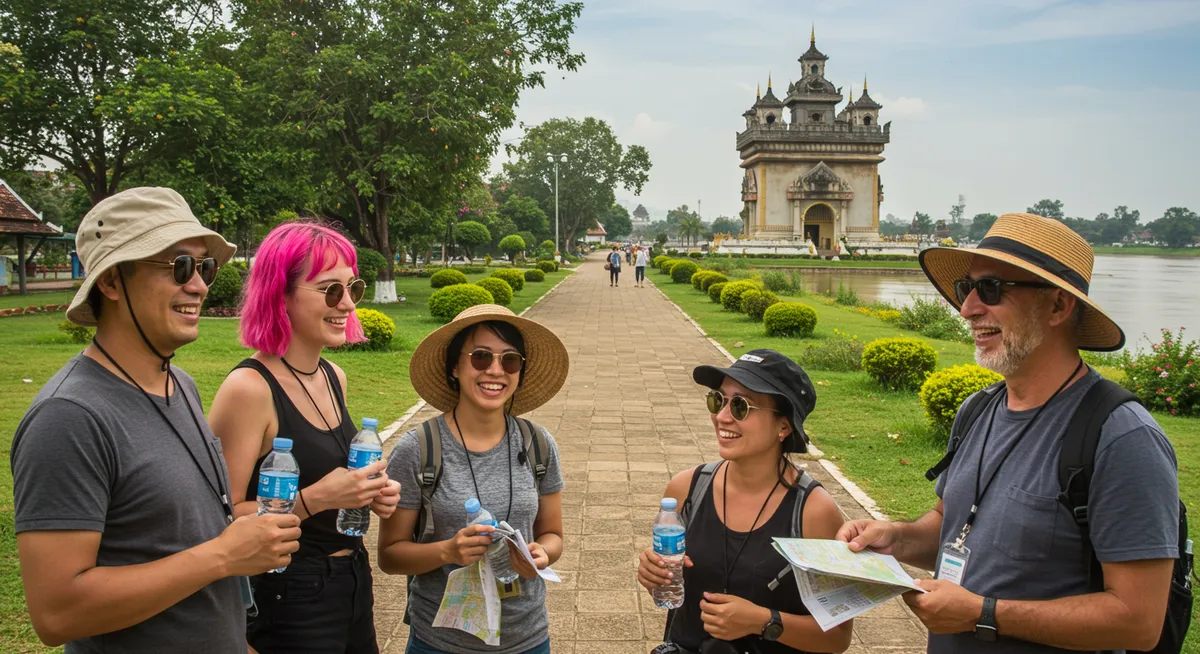
Vientiane, often described as a city with a provincial feel, is surprisingly compact and incredibly walkable, especially its charming city center. Unlike some bustling Southeast Asian capitals, Vientiane’s core attractions — from the iconic Patuxay (Victory Gate) and That Luang to the tranquil temples like Wat Sisaket and Haw Phra Kaew, and the vibrant Mekong Riverside area — are all within comfortable walking distance of each other. The terrain is largely flat, making it easy on the feet, even for longer strolls. This intimate layout encourages exploration on foot, allowing you to absorb the city’s relaxed pace, discover hidden alleyways, and stumble upon local eateries or quaint cafes.
However, understanding Vientiane’s climate is key to planning successful walking tours. Laos experiences two main seasons, both offering different experiences for pedestrians:
- The Dry Season (October to April): This is generally considered the best time to visit and walk. Temperatures are cooler, particularly from November to February (averaging 25-30°C), and humidity is lower. Rainfall is minimal, ensuring clear skies for your explorations. While it’s the peak tourist season, Vientiane rarely feels overwhelmingly crowded. Be aware that by March and April, temperatures can soar, making midday walks quite challenging despite the lack of rain.
- The Wet Season (May to September): Also known as the green season, this period brings higher humidity and regular rainfall. However, don’t let the “wet” deter you; rain often comes in short, heavy bursts, typically in the late afternoon, leaving the rest of the day clear and fresh. The city transforms into a lush, vibrant green, and there are far fewer tourists. Walking during this time can be very pleasant, especially after a refreshing shower, but be prepared for potential puddles and mugginess. Lightweight, quick-drying clothing and waterproof footwear are advisable.
Regardless of the season, timing your walks within the day is crucial for maximum comfort and enjoyment:
- Mornings (Pre-10 AM): This is hands down the prime time for walking in Vientiane. Temperatures are at their coolest, the air is fresh, and you’ll witness local life stirring – monks collecting alms, vendors setting up stalls, and locals starting their day. The light is fantastic for photography, and most major sites are less crowded. Aim to start your exploration shortly after sunrise to beat the heat.
- Late Afternoons/Early Evenings (4 PM onwards): As the sun begins to dip, temperatures become much more agreeable. This is an ideal time for leisurely strolls along the Mekong Riverside, enjoying the golden hour light, or heading to the night market. The city comes alive with families out for evening walks and street food vendors setting up shop.
- Avoid Midday (11 AM – 3 PM): During these hours, the sun is at its most intense, and temperatures can be stifling. It’s best to seek refuge indoors – perhaps in a museum, a shaded temple, a cafe with air conditioning, or enjoying a long, relaxed lunch. Planning your itinerary to include indoor activities or simply resting during this period will make your Vientiane walking experience much more enjoyable.
By understanding Vientiane’s layout and climate, you can strategically plan your walking tours to fully embrace the city’s charm at its most comfortable and beautiful times.
Essential Gear: What to Wear & Pack for Your Walks
Navigating Vientiane on foot is one of the most rewarding ways to experience its charm, but preparing correctly for its tropical climate and cultural nuances is key to a comfortable and enjoyable journey. The right gear will not only protect you from the elements but also ensure you move respectfully through this beautiful city.
What to Wear: Dressing for Comfort and Culture
Vientiane’s weather is consistently warm and humid, often with intense sunshine. Coupled with the city’s abundance of temples and cultural sites, your clothing choices need to balance comfort with cultural sensitivity.
- Lightweight, Breathable Fabrics: Prioritize natural materials like cotton or linen, or modern moisture-wicking synthetics. These will help you stay cool and dry as you explore. Avoid heavy denim or restrictive clothing.
- Modesty for Temples: This is crucial. When visiting wats (temples) and other religious sites, you must cover your shoulders and knees. For women, this means long skirts or loose trousers and shirts that cover the shoulders. For men, long shorts or trousers and shirts that cover the shoulders are appropriate. Consider carrying a lightweight scarf or sarong in your daypack to quickly drape over yourself if you’re wearing shorter attire and spontaneously decide to enter a temple. Many temples may offer loaner sarongs, but it’s always better to be prepared.
- Loose-Fitting Clothing: Loose garments allow for better airflow, which is essential in Vientiane’s heat. They also provide more freedom of movement for extended walks.
- Light Colors: Lighter colors reflect sunlight and absorb less heat, helping to keep you cooler than dark clothing.
Footwear: Your Foundation for Exploration
Vientiane’s pavements can be uneven, and you’ll be covering significant distances. Your feet will thank you for choosing wisely.
- Comfortable, Broken-In Walking Shoes: This is paramount. Opt for athletic walking shoes with good arch support and cushioning. Ensure they are well broken-in before your trip to avoid blisters.
- Sturdy Walking Sandals: If you prefer sandals, choose ones designed for walking with good sole support and secure straps. Flip-flops are generally not recommended for extended walking tours as they offer little support and can cause discomfort.
- Socks: If wearing closed-toe shoes, moisture-wicking socks will help prevent blisters and keep your feet dry.
Daypack Essentials: Your Walking Tour Toolkit
A small, comfortable daypack will be your best friend, carrying the immediate necessities for a full day of Vientiane exploration.
- Reusable Water Bottle: Staying hydrated is non-negotiable in the heat. Many cafes and guesthouses offer water refills, helping you reduce plastic waste. Aim to drink water regularly, even if you don’t feel thirsty.
- Hat and Sunglasses: Essential for sun protection. A wide-brimmed hat offers better coverage than a baseball cap.
- Sunscreen: Apply a high SPF sunscreen generously to all exposed skin, even on cloudy days. Reapply every few hours, especially if you’re sweating.
- Portable Handheld Fan: A small, battery-operated fan can be a lifesaver for personal cooling during peak heat.
- Power Bank: Keep your phone charged for navigation, photos, and emergencies.
- Basic First-Aid Kit: Include blister plasters, antiseptic wipes, pain relievers, and any personal medications.
- Insect Repellent: Especially useful around dawn and dusk, or if you plan to visit greener areas like parks or the Mekong riverside.
- Small, Quick-Dry Towel: Great for wiping sweat or quickly drying off if caught in a sudden tropical shower.
- Wet Wipes/Hand Sanitizer: For quick clean-ups, especially before eating street food.
- Small Umbrella or Lightweight Rain Jacket: Vientiane can experience sudden downpours, especially during the green season (May to October). A compact umbrella or light rain jacket can be invaluable.
- Shawl or Sarong: As mentioned, a lightweight one is perfect for temple visits or as an extra layer if you find yourself chilly in air-conditioned spaces.
Packing smart for your Vientiane walking tour ensures you’re comfortable, prepared, and ready to fully immerse yourself in the city’s tranquil beauty and vibrant culture.
Staying Safe & Healthy on the Go in Vientiane
🎯 Insider Tip: Discover the best Vientiane experiences with Viator Tours!
While Vientiane is renowned for its relaxed pace and friendly atmosphere, being prepared and mindful of your surroundings will ensure a seamless and enjoyable walking tour experience. Staying safe and healthy is paramount when exploring the charming streets of the Lao capital.
Hydration: Your Vientiane Essential
Vientiane’s tropical climate means staying hydrated is paramount. The heat and humidity can quickly lead to dehydration, especially when you’re on your feet exploring.
- Only drink bottled or filtered water. Tap water in Vientiane is not safe for consumption. You’ll find bottled water readily available at convenience stores, supermarkets, and restaurants throughout the city.
- Carry a reusable water bottle. Many accommodations and some cafes offer filtered water refill stations, which is an environmentally friendly and cost-effective option.
- Consider electrolyte sachets. On longer walking tours or particularly hot days, adding electrolyte powder to your water can help replenish salts lost through sweat, preventing fatigue and muscle cramps.
Sun Protection: Shield Yourself from the Tropical Sun
The sun in Vientiane is intense year-round. Protecting yourself from its rays is crucial to avoid sunburn and heat-related illnesses.
- Wear a wide-brimmed hat and sunglasses. These are non-negotiable for protecting your face and eyes.
- Opt for lightweight, breathable clothing. Light-colored, loose-fitting cotton or linen clothes will help keep you cool and provide coverage. Long sleeves and trousers can offer better sun protection than shorts and T-shirts.
- Apply high-SPF sunscreen generously. Reapply every few hours, especially if you’re sweating.
- Seek shade whenever possible. Plan your walks to include breaks in shaded areas, particularly during the hottest parts of the day (typically between 11 AM and 3 PM).
Road Safety: Navigating Vientiane’s Streets
While traffic isn’t as chaotic as some other Southeast Asian metropolises, navigating Vientiane’s streets on foot requires awareness.
- Uneven Sidewalks: Pavements in Vientiane can be irregular, cracked, broken, or even non-existent in many areas. Keep your eyes on the ground to avoid trips and falls.
- Traffic Awareness: Motorbikes, tuk-tuks, and cars can be unpredictable. They may not always adhere strictly to lane discipline or speed limits. Assume vehicles won’t stop for you.
- Crossing Roads: Look both ways multiple times. Make eye contact with drivers if possible. In busier areas, it’s often safer to walk confidently and slowly, allowing traffic to flow around you, rather than waiting indefinitely for a gap. Never dart into traffic.
General Awareness & Petty Crime
Vientiane is generally a very safe city for tourists, but like any popular destination, petty crime can occur. Staying alert and taking simple precautions can prevent issues.
- Be mindful of your belongings. Keep valuables out of sight, especially in crowded markets (like the Morning Market) or busy tourist areas. Consider using a cross-body bag worn to the front or a money belt.
- Avoid displaying expensive electronics. While taking photos is fine, avoid walking around with your phone or camera constantly in your hand, making it an easy target.
- Be wary of unsolicited offers or scams. While not widespread, be cautious of overly friendly strangers offering unsolicited tours or deals that seem too good to be true, particularly around popular temples. A polite but firm “no thank you” is usually sufficient.
Recognizing & Preventing Heat Exhaustion
The combination of heat and humidity in Vientiane can lead to heat exhaustion if you’re not careful.
- Symptoms: Watch for signs like dizziness, headache, excessive sweating, nausea, rapid pulse, muscle cramps, and extreme tiredness.
- Prevention: Stay hydrated, wear appropriate clothing, take frequent breaks in the shade or air-conditioned spots, and avoid strenuous activity during peak heat.
- Action: If you feel symptoms, immediately find shade, drink water or an electrolyte solution, cool your body with a wet cloth, and rest. Seek medical attention if symptoms worsen or don’t improve.
Food & Street Food Safety
Vientiane’s culinary scene, especially its vibrant street food, is a highlight of any visit. Enjoy it, but with some precautions.
- Opt for popular stalls with high customer turnover. This usually means ingredients are fresh and cooked frequently.
- Observe hygiene practices. Are the utensils clean? Is the food cooked thoroughly in front of you? Are raw ingredients kept separate from cooked ones?
- Avoid dishes that look like they’ve been sitting out uncovered for a long time.
- For drinks, choose bottled beverages. If ordering drinks with ice, ensure the ice is clear and solid, indicating it’s likely made from purified water, rather than cloudy ice, which might be from tap water.
- Wash your hands or use hand sanitizer before eating, especially after handling local currency or touching shared surfaces.
Navigation & Connectivity for Independent Walkers
Venturing through Vientiane’s charming streets and hidden alleys as an independent walker offers unparalleled freedom. To truly embrace this, seamless navigation and connectivity are your best friends. Here’s how to ensure you’re always on the right track and connected when you need to be.
Offline Maps: Your Pocket GPS
- Google Maps: This remains a powerful tool. Before you head out from your guesthouse or a Wi-Fi spot, download the Vientiane area for offline use. This allows you to navigate without an active data connection, viewing pedestrian routes, points of interest like Wat Si Saket or That Luang, and even local eateries. It’s remarkably accurate for Vientiane’s main grid, and useful for finding your way back after a long day of exploration.
- Maps.me: For an alternative, or if you prefer something that’s *always* offline once downloaded, Maps.me is excellent. It often features more detailed footpaths and user-contributed points of interest, which can be invaluable when exploring Vientiane’s quieter, more residential areas or trying to cut through a market complex. Download the Laos map pack before your trip.
Pro Tip: Always have at least two offline mapping options downloaded. Technology can be fickle, and a backup ensures you won’t get lost in translation (or location) on a hot Vientiane afternoon.
The Indispensable Local SIM Card
While offline maps are great, a local SIM card transforms your Vientiane walking experience from good to exceptional. For about 30,000-50,000 LAK (approx. $2-3 USD) you can get a SIM with enough data for your entire stay from providers like Unitel or Lao Telecom. Purchase one conveniently at Wattay International Airport upon arrival (though city kiosks might offer slightly better deals) or at official stores.
Here’s why it’s a game-changer:
- Real-time Navigation: Live traffic updates, re-routing if you take an unexpected turn, and precise location tracking when you’re deep in the intricacies of the Old Quarter.
- Loca App: This is Vientiane’s most popular ride-hailing app, similar to Grab or Uber. With a local SIM, you can easily call a Loca car or tuk-tuk if your legs are tired after visiting multiple temples, you’re heading to a distant restaurant, or simply need a quick ride back to your accommodation after enjoying the Mekong Riverside Night Market. It offers transparent pricing and a safe way to travel.
- Instant Information & Communication: Look up opening hours for attractions, check reviews for a street food stall, translate a menu, or call your guesthouse if you need directions. It’s also crucial for emergencies.
Leveraging Wi-Fi Hotspots
Vientiane is incredibly cafe-friendly, and most guesthouses, restaurants, and coffee shops offer free Wi-Fi. These spots are perfect for pre-walk planning, downloading map updates, syncing photos, or simply relaxing with a Lao coffee while checking your emails. They can serve as excellent planning hubs before you embark on your next segment of discovery, but remember that Wi-Fi isn’t reliable for continuous navigation while you’re actively moving through the city. Use it as a pit stop to recharge both yourself and your devices before heading out again, relying on your downloaded maps and local SIM for the journey itself.
Cultural Courtesy & Local Etiquette
Embarking on a Vientiane walking tour offers an incredible opportunity to immerse yourself in the city’s tranquil beauty and vibrant culture. To ensure your experience is not only enriching for you but also respectful to the local community, understanding and practicing basic cultural courtesy is paramount. Laotians are incredibly welcoming and forgiving, but making an effort goes a long way in fostering genuine connections and avoiding unintentional offense.
Dress Respectfully, Especially for Temples
Vientiane is dotted with magnificent temples (wats) that are central to Lao spiritual life. When planning your walking route to include sites like Wat Sisaket, Haw Phra Kaew, or even That Luang (though a bit further, still a common walking tour objective), ensure your attire is modest. This means covering your shoulders and knees. For women, a sarong or a long scarf can be a convenient addition to your day bag, easily slipped on before entering a temple. Men should also opt for trousers or longer shorts and a sleeved shirt. Remember, these are places of worship, and respectful dress demonstrates your appreciation for local traditions.
Embrace the Power of “Sabaidee”
A simple “Sabaidee” (hello) delivered with a warm smile is your golden ticket to positive interactions in Vientiane. Use it with street vendors, shopkeepers, guesthouse staff, and even fellow pedestrians. It’s an easy and meaningful way to acknowledge those you encounter on your walking journey, instantly bridging cultural gaps. While the traditional “nop” (a prayer-like gesture with hands pressed together) is often accompanied by “Sabaidee,” a simple verbal greeting is perfectly acceptable for visitors.
Temple Etiquette: Shoes Off, Feet In
When entering any temple building (or even a private home), always remove your shoes. Look for rows of shoes outside the entrance as your cue. For convenience on a walking tour, slip-on shoes are highly recommended. Equally important is minding your feet. In Lao culture, the feet are considered the lowest and least clean part of the body. Never point your feet at people, sacred Buddha images, or any revered object. When sitting, especially in a temple, tuck your feet to the side or under you, ensuring they are not pointing towards the altar or any individuals.
Bargain Gently at the Markets
Exploring local markets like Talat Sao (Morning Market) or the bustling riverside night markets is an integral part of the Vientiane walking experience. Bargaining for souvenirs or goods is common, but approach it with a friendly, gentle demeanor. Start with a polite inquiry about the price, and if you wish to negotiate, do so with a smile and good humor. Avoid aggressive tactics; it’s more about a friendly exchange than driving the price down drastically, especially for small items. Remember to always thank the vendor, whether you make a purchase or not.
Ask Before You Click
Vientiane offers countless photogenic moments, from monks collecting alms to bustling street scenes. While it’s tempting to capture every moment, always ask for permission before taking photographs of individuals, especially monks, children, or elderly people. A simple gesture indicating your camera, accompanied by a polite “Sabaidee,” usually suffices. If they decline, respect their wishes without hesitation. Discretion and courtesy will ensure your photographic memories are positive for everyone involved.
Fueling Your Walks: Food & Drink Stops
🎯 Insider Tip: Discover the best Vientiane experiences with Viator Tours!
Vientiane’s tropical climate means staying energized and hydrated isn’t just a comfort, it’s a necessity for enjoying your walking tours fully. Fortunately, this laid-back city offers a delectable array of options to refuel, turning your pit stops into delightful culinary discoveries. Think of these breaks not just as replenishment, but as integral parts of your authentic Vientiane experience.
Hydration & Refreshment Stops
The Vientiane sun can be intense, so prioritize hydration. Beyond carrying a reusable water bottle (which you can refill at many guesthouses or cafes), look out for these local refreshers:
- Local Cafes: Vientiane boasts a burgeoning cafe scene, often tucked away down charming side streets or along the Mekong riverfront. These are perfect havens to escape the heat, enjoy air conditioning (if available), and savor a rich Lao coffee – try the strong, sweet café nom yen (iced coffee with condensed milk) for an instant pick-me-up. Many also offer refreshing iced teas, sodas, and juices.
- Fresh Fruit Shakes (Nam Pan): A true Vientiane delight! You’ll find vendors everywhere blending an astonishing variety of fresh fruits like mango, passion fruit, pineapple, or dragon fruit with ice and a touch of condensed milk. They are incredibly refreshing and packed with natural sugars for energy. Opt for stalls that use bottled water and clean ice to ensure safety.
- Coconut Water: A natural electrolyte boost! Many street vendors sell fresh coconuts, chilled and ready for you to sip directly.
Energizing Snacks & Light Meals
Vientiane’s street food scene is vibrant and offers excellent, affordable options for quick energy boosts or a light, satisfying meal without derailing your walking plans. When choosing street food, observe where locals are eating – high turnover usually indicates freshness and quality.
- Sticky Rice (Khao Niao): The staple of Laos! A small packet of sticky rice is incredibly versatile, easily digestible, and provides sustained energy. You can often buy it plain or with a side of grilled meat (like ping gai – grilled chicken) or a spicy dip.
- Khao Piak Sen (Lao Noodle Soup): While a full bowl might seem substantial, a smaller portion of this comforting noodle soup (often with chicken, pork, or fish cakes) is a fantastic way to warm up on a cooler morning or get a savory boost. It’s readily available at small eateries and market stalls.
- Papaya Salad (Tam Mak Hoong): For something light, crunchy, and spicy, a small portion of papaya salad is ideal. It’s incredibly refreshing and zingy. Be sure to specify your preferred spice level; Lao spice can be intense!
- Sweets & Desserts: Look out for small sweet treats like coconut pancakes (khanom krok) or various sticky rice desserts wrapped in banana leaves for a quick sugar hit.
Practical Tips for Food & Drink Stops
- Carry Small Bills: Many street food vendors and smaller cafes prefer or only accept cash, often in smaller denominations (Lao Kip). This makes transactions much smoother.
- Observe and Choose Wisely: As mentioned, look for busy stalls with clear signs of fresh preparation, good hygiene, and clean utensils. If a stall looks quiet and the food has been sitting for a while, it might be best to move on.
- Hand Sanitizer is Your Friend: Always have a small bottle of hand sanitizer handy, especially before indulging in street food or after handling local currency.
- Pace Yourself: Don’t overeat just before embarking on a long leg of your walking tour. Opt for smaller, frequent snacks or light meals that won’t leave you feeling sluggish.
Embracing Vientiane’s food and drink culture is a rewarding part of your exploration. So, stop often, try new things, and let the local flavors keep you energized for every step of your Vientiane adventure!
Integrating with Organized Tours & Local Guides
While the charm of self-guided exploration in Vientiane is undeniable, integrating with organized walking tours or hiring a local guide can profoundly enrich your experience. These options offer a deeper dive into the city’s unique tapestry, unveiling layers you might otherwise miss.
The Unrivaled Benefits of Guided Walking Tours
- Authentic Local Insights: Imagine strolling through the quiet grounds of Wat Sisaket, not just admiring its architecture, but hearing a guide recount the stories of its resilience through history, or understanding the nuances of the daily alms giving. A local guide provides context that guidebooks simply can’t, from the best hidden coffee shops down a laneway to the true meaning behind the dragon motifs at That Luang. They connect you with the heartbeat of Vientiane, offering perspectives on local life, customs, and the gentle rhythm that defines Laos.
- Historical & Cultural Depth: Vientiane is steeped in history, from its ancient origins to French colonial influence and its modern-day development. A knowledgeable guide can bring these narratives to life, explaining the significance of monuments like Patuxay or the COPE Visitor Centre, and unraveling the intricate threads of Lao Buddhism and folklore.
- Safety & Navigation: Navigating a new city can sometimes be daunting. A local guide ensures you traverse Vientiane’s streets safely, confidently, and efficiently, saving you time and potential confusion. They can also offer tips on local etiquette, transport, and where to find genuine experiences away from tourist traps.
- Overcoming Language Barriers: While many Vientiane residents speak some English, having a guide fluent in both Lao and English can bridge communication gaps, allowing for more genuine interactions with locals and a richer understanding of your surroundings.
Finding Reputable Tour Operators in Vientiane
Vientiane’s growing tourism scene means several excellent options exist. Here’s how to find the right fit:
- Local Agencies: Upon arrival, explore the many tour agencies dotted around the Mekong Riverside area and major hotel lobbies. Reputable ones like Green Discovery Laos or local family-run outfits can offer personalized experiences. Don’t hesitate to pop in, ask questions about their guides, and discuss itineraries.
- Hotel Recommendations: Your hotel concierge can often recommend trusted local guides or tour companies they frequently work with.
- Check Reviews: Always consult platforms like TripAdvisor or Google Maps for recent reviews to gauge the quality and professionalism of operators and individual guides. Look for comments praising their knowledge, enthusiasm, and storytelling abilities.
Booking Options: Group vs. Private Tours
- Group Tours: These are generally more budget-friendly and offer a social dynamic, ideal for meeting fellow travelers. The itinerary is usually fixed, covering popular highlights like the major temples, Patuxay, and the Mekong Riverside.
- Private Tours: For a more personalized and flexible experience, consider a private guide. While more expensive, they can tailor the tour to your specific interests – whether it’s focusing on colonial architecture, street food, or a deeper dive into Buddhist practices. This is also a great option for families or small groups who prefer an intimate pace.
Exploring “Free” (Tip-Based) Walking Tours
Vientiane, like many major cities, occasionally offers “free” walking tours, usually run by passionate local students or young professionals looking to share their city. While technically free, these tours operate entirely on tips, meaning your generosity is crucial for their livelihood. They can be a fantastic, authentic, and budget-friendly way to see the city through local eyes. Search online for “Vientiane free walking tour” or inquire at hostels, which often have information about these initiatives. If you enjoy the tour, please tip your guide generously – it’s a direct investment in the local community and their passion for Vientiane.
Post-Walk Recovery & Relaxation
After a rewarding day exploring Vientiane’s charming streets and temples on foot, your body will undoubtedly appreciate some well-deserved TLC. Proper post-walk recovery isn’t just about comfort; it’s about preparing you for more adventures and fully enjoying the city’s relaxed pace. Here’s how to soothe tired muscles and rejuvenate your spirit in Vientiane.
Foot Care: Your Foundation for Further Exploration
Your feet bear the brunt of any walking tour, so prioritize their recovery. As soon as you return to your accommodation, consider these steps:
- Warm Water Soak: A simple basin of warm water can work wonders. If available, a handful of Epsom salts can further reduce swelling and soreness. Even just plain water helps improve circulation and relax tense muscles.
- Gentle Massage: Spend a few minutes gently massaging your feet, paying attention to the arches, heels, and balls of your feet. You can use a light lotion or oil. Roll a small ball (like a tennis ball) under your foot for a deeper self-massage.
- Elevate Your Feet: Lie down and elevate your feet above your heart for 10-15 minutes. This simple trick significantly helps reduce swelling and fatigue.
Rehydration & Nourishment
Walking in Vientiane’s tropical climate means you’ll sweat more than you think. Rehydrating immediately is crucial:
- Drink Up: Prioritize water, but also consider natural electrolytes. Vientiane is brimming with fresh coconut water vendors – a perfect, refreshing, and natural way to rehydrate. Fresh fruit shakes (try mango, passion fruit, or a mixed fruit blend) and freshly squeezed *nam som* (orange juice) are also excellent choices.
- Light & Nutritious Snacks: Opt for easily digestible, nutrient-rich snacks or meals. Fresh fruits (papaya, pineapple, watermelon) are readily available and incredibly refreshing. A light Lao soup or a plate of fresh spring rolls can also hit the spot without making you feel heavy.
Indulge in Vientiane’s Affordable Spa & Massage Services
This is where Vientiane truly shines for post-walk recovery! The city is renowned for its incredibly affordable and high-quality spa and massage services. Treat yourself to a traditional Lao massage, known for its focus on stretching and acupressure, or opt for a relaxing oil massage or a dedicated foot massage.
You’ll find massage parlors ranging from simple, clean establishments perfect for a quick foot rub to more upscale spas offering a full range of treatments. A typical one-hour foot or traditional Lao massage can cost significantly less than in Western countries, making it an accessible luxury. Many guesthouses and hotels also offer in-house massage services, providing ultimate convenience.
Allow yourself to truly unwind. The quiet ambiance, often accompanied by soothing music and gentle aromas, is the perfect antidote to a busy day on your feet. It’s not just a physical recovery; it’s a mental reset, allowing you to fully embrace Vientiane’s laid-back charm.
General Relaxation & Enjoyment
Beyond specific treatments, simply allowing yourself to rest and enjoy Vientiane’s tranquil atmosphere is key. Find a comfortable spot, perhaps by the Mekong River as the sun sets, and reflect on your day’s discoveries. A cool shower or a refreshing dip in a hotel pool (if available) can also make a world of difference.
By taking these simple steps for post-walk recovery, you’ll ensure your body is ready and eager for more Vientiane explorations, making your walking tour experience truly unforgettable.
Responsible Tourism: Leaving No Trace
Walking through Vientiane offers an intimate connection with its charming boulevards, tranquil temples, and bustling local life. As you explore this serene capital on foot, embracing responsible tourism practices ensures that you leave a positive impact, preserving its unique character for future visitors and locals alike. This isn’t just about minimizing your footprint; it’s about enriching your experience by engaging respectfully with the environment and community around you.
Keeping Vientiane Clean: Mindful Waste Disposal
While Vientiane is generally clean, public waste bins can be scarce in some areas or quickly reach capacity. As a responsible walker, you can play a significant role in maintaining the city’s cleanliness, especially along the Mekong River promenade or near local markets. Consider the following:
- Pack it in, pack it out: Carry a small, reusable bag for your personal trash, such as snack wrappers, tissues, or empty water bottles. Don’t leave anything behind, especially when enjoying street food.
- Proper disposal: When you do find a bin, use it correctly. If you can’t find one, hold onto your waste until you return to your accommodation where you can dispose of it properly.
- Be mindful of street food: Vientiane’s street food scene is incredible, but often comes with disposable packaging. Try to consolidate waste or choose vendors who use less plastic.
Minimizing Plastic Use: Hydrate Smartly
Southeast Asia faces significant challenges with single-use plastic. As a walker, you’ll be hydrating frequently due to Vientiane’s warm climate, offering a prime opportunity to reduce your plastic footprint:
- Reusable water bottle is key: Bring a durable, reusable water bottle. Many hotels, guesthouses, and even some cafes in Vientiane now offer filtered water refill stations, often for a small fee or free for customers. This is a far greener and more economical choice than buying multiple plastic bottles daily.
- Say no to straws and bags: Politely decline plastic straws (“bo lod” in Lao) for your drinks and plastic bags (“bo thung” in Lao) for small purchases. Consider carrying a small, foldable tote bag for shopping.
- Choose wisely: When buying snacks, opt for those packaged in paper, banana leaves, or other traditional/compostable materials over heavily plastic-wrapped items.
Supporting Local Businesses: Walk the Talk
One of the joys of a Vientiane walking tour is stumbling upon hidden gems and local enterprises. By consciously directing your spending, you can directly contribute to the local economy:
- Dine local: Prioritize family-run restaurants, humble eateries, and street food stalls. Not only do they offer the most authentic and delicious Lao cuisine, but your money directly supports local families and small entrepreneurs.
- Shop local: When buying souvenirs or gifts, seek out small shops, artisans, or market vendors (like those at the Night Market or around Talaat Sao). Look for authentic Lao silk, traditional crafts, and locally sourced products rather than mass-produced imports.
- Engage with local services: If you need a specific service or want a guided tour, consider using local operators and guides who truly understand and contribute to the community.
Respectful Demeanor: Embracing Lao Culture
Vientiane is known for its relaxed pace and deep-rooted Buddhist culture. Your demeanor as a walker can significantly impact your interactions and show respect for local customs:
- Dress modestly, especially near temples: When walking past or visiting temples (wats), ensure your shoulders and knees are covered. Remove your shoes before entering temple buildings and refrain from pointing your feet at Buddha images.
- Observe and listen: While walking, be mindful of noise levels, especially when passing residential areas, schools, or temples. A gentle smile and a nod are often enough to acknowledge locals.
- Ask before photographing: Always ask for permission before taking photos of people, particularly monks or children. A simple gesture or “Kor thot, tai roop dai bor?” (Excuse me, may I take a photo?) goes a long way.
- Public displays of affection: Avoid excessive public displays of affection as they are not common or widely accepted in Lao culture.
By adopting these responsible practices, your Vientiane walking experience will not only be more enjoyable and authentic but also contribute positively to the preservation of this enchanting city.
Frequently Asked Questions
Q: Is Vientiane safe for walking solo?
A: Yes, Vientiane is generally very safe for solo walkers, especially in tourist areas during the day. As with any city, exercise common sense at night, avoid poorly lit areas, and keep your valuables secure.
Q: What is the best time of year to undertake free walking tours in Vientiane?
A: The ideal time for walking tours in Vientiane is during the dry season, from October to February. Temperatures are milder, and humidity is lower, making it much more comfortable for extended periods of walking. March to May is the hottest, and May to September is the rainy season.
Q: How do I deal with the heat and humidity while walking?
A: Walk early in the morning or late in the afternoon/evening to avoid peak heat. Wear light, breathable clothing, stay well-hydrated with bottled water or fresh coconut water, seek shade frequently, and consider carrying a small portable fan or cooling towel.
Q: Are the sidewalks in Vientiane good for walking?
A: Sidewalk conditions in Vientiane vary. In some central areas, they are present but can be uneven, obstructed by vendors, or in disrepair. In other areas, sidewalks may be non-existent, requiring you to walk cautiously on the side of the road. Always be aware of your surroundings and watch your step.
Q: Do I need to carry cash, or are credit cards widely accepted?
A: While larger hotels and some restaurants accept credit cards, many local eateries, street vendors, and smaller shops operate on cash only. It’s advisable to carry a mix of small denominations of Lao Kip (LAK) for your daily expenses. ATMs are available for withdrawals.
Vientiane offers a unique and incredibly rewarding experience when explored on foot. By taking the time to prepare adequately – from choosing the right gear to understanding local customs and staying safe – you’ll unlock the city’s hidden charms at your own pace. Embrace the quiet rhythm of Vientiane, engage with its friendly locals, and create unforgettable memories as you traverse its streets and discover its spiritual and cultural treasures. Happy walking!