
Vientiane Walking Photography: Capture Laos' Charm (2026)
Unlock Vientiane’s beauty with our walking photography guide. Get practical tips on gear, safety, local insights, and capture stunning photos of Laos’ capital.
On this page
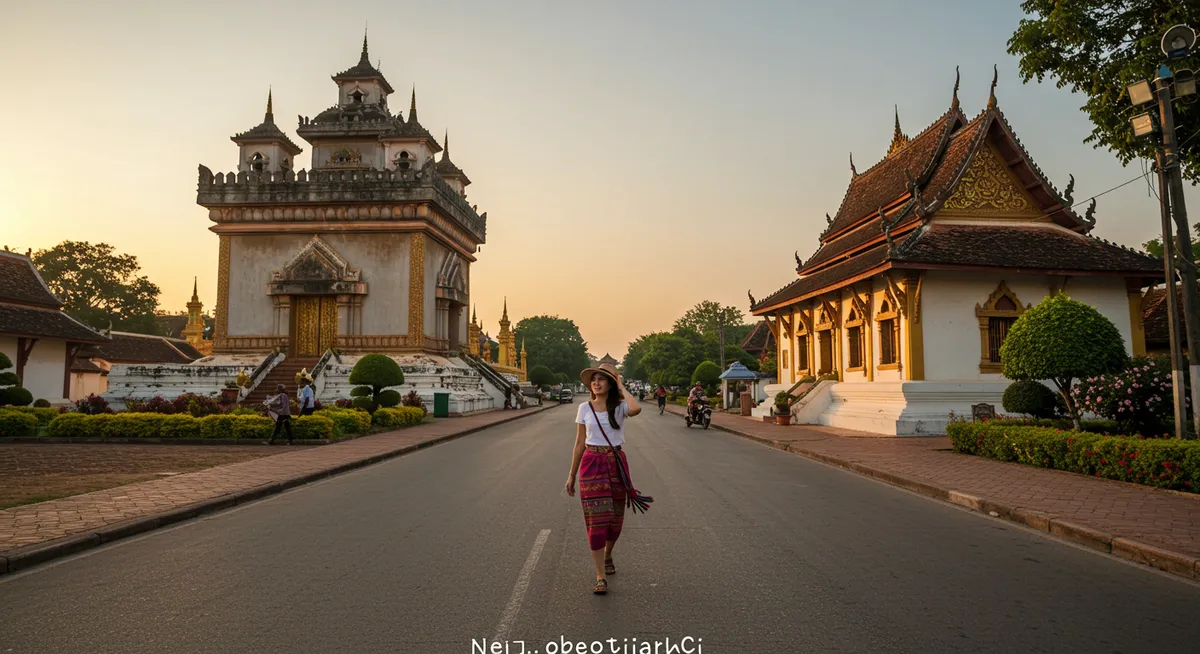
Vientiane, the charming capital of Laos, unfolds its quiet beauty best when explored on foot. For the photography enthusiast, a walking tour offers unparalleled opportunities to capture its unique blend of colonial architecture, ancient temples, tranquil Mekong River scenes, and vibrant daily life. This guide will equip you with practical advice, local insights, and essential tips to make your Vientiane walking photography experience safe, enjoyable, and artistically rewarding.
Key Tips and Takeaways
- Always carry sufficient water and sun protection.
- Prioritize respectful photography; ask permission for close-ups of people.
- Embrace the ‘golden hour’ for stunning light on temples and the Mekong.
- Wear comfortable, sturdy shoes for exploring Vientiane’s streets.
- Carry extra batteries and memory cards; you’ll take more photos than you expect.
- Dress modestly when visiting temples: shoulders and knees covered.
Why Walk Vientiane for Photography?
Vientiane, with its laid-back charm, French colonial heritage, and bustling local life, offers a unique canvas for photographers. While tuk-tuks and taxis can whisk you between major sights, the true magic for photographers unfolds when you explore on foot. A walking tour isn’t just about covering distance; it’s about immersing yourself in the city’s rhythm, providing unparalleled advantages for capturing its essence through your lens.
Unlocking Hidden Alleys and Authentic Scenes
Unlike vehicle tours confined to main roads, walking allows you to peel back the layers of Vientiane. You can duck down narrow, tree-lined sois (alleys) that reveal charming local eateries, small family-run businesses, and forgotten corners of crumbling colonial architecture. These are the spots where you’ll find candid moments of daily life: children playing, neighbours chatting over coffee, or street vendors meticulously preparing their wares. You might stumble upon a quiet, less-visited wat like Wat Ong Teu Mahawihan, offering serene photo opportunities away from the crowds, or discover vibrant street art that tells a local story. This intimate access to Vientiane’s nooks and crannies is simply impossible from a moving vehicle.
The Gift of Time for Composition and Light
Photography is as much about observation and composition as it is about subject. Walking gives you the invaluable gift of time. You’re not rushed; you can pause, observe the light playing on the Mekong River, wait for the perfect moment a monk passes a vibrant temple mural at Wat Sisaket, or spend minutes perfecting a shot of intricate details on a golden stupa at That Luang. You can revisit a spot at different times of day to see how the light transforms it, capturing the soft morning glow or the dramatic hues of a Vientiane sunset. This unhurried pace allows for thoughtful framing, ensuring your images tell a richer story.
Capturing Spontaneous Moments and Local Interactions
The proximity and slower pace of walking foster opportunities for authentic, spontaneous captures. Imagine photographing the early morning alms giving procession as monks silently collect offerings, or the genuine smiles of vendors at Talat Sao Morning Market as they arrange their colourful produce. You can anticipate moments, reacting quickly to a child’s curious glance or a street dog napping in a patch of sun. Remember to always be respectful; a friendly smile and a gesture asking for permission (especially for close-up portraits) go a long way in Laos. These candid shots of everyday life are what truly bring Vientiane to life in your photo collection.
An Immersive Experience Beyond the Tourist Trail
Walking through Vientiane engages all your senses, leading to a more profound connection with the city. You’ll smell the enticing aromas of Lao coffee and street food, hear the gentle chatter of conversations and the distant temple bells, and feel the unique atmosphere of each neighbourhood. This deep immersion helps you understand the local context, which translates into more meaningful photographs. It’s about seeing beyond the postcards and experiencing the raw, authentic pulse of Vientiane – a perspective often missed from inside a tour bus.
Practical Tips for Your Vientiane Photo Walk:
- Gear Light: Vientiane’s humidity calls for minimal, versatile gear. A lightweight mirrorless camera with one or two lenses (e.g., a 24-70mm equivalent and a prime for low light/portraits) is ideal.
- Hydrate: Always carry a reusable water bottle. Vientiane can be hot, and staying hydrated is crucial for stamina.
- Dress Smart: Wear comfortable, breathable walking shoes. Modest clothing (covering shoulders and knees) is essential, especially when visiting temples, and also helps protect from the sun.
- Sun Protection: A wide-brimmed hat, sunglasses, and sunscreen are non-negotiable.
- Be Patient & Observe: Don’t rush your shots. Sometimes the best opportunities arise when you simply sit and observe.
- Respect Local Customs: Always be mindful of local etiquette, especially when photographing people or sacred sites. A polite nod or a simple “Sabaidee” (hello) can open doors.
- Start Early: The cooler morning hours offer beautiful light and fewer crowds, perfect for capturing alms offerings and market life.
By embracing the pedestrian pace, you transform your Vientiane photography from mere sightseeing into a genuine exploration, yielding a collection of images that are not just beautiful, but deeply authentic and personal.
Essential Photography Gear for Vientiane Walks
When you’re exploring Vientiane on foot, every ounce of gear counts, especially when the Laotian heat and humidity are factored in. The goal is portability without sacrificing image quality, allowing you to capture the city’s tranquil beauty and vibrant street life effortlessly. Here’s what to pack for your photographic adventures.
Camera Body Recommendations: Balance Quality with Portability
- Mirrorless Cameras: For most walking photographers, a mirrorless camera is the sweet spot. They offer excellent image quality comparable to DSLRs but in a significantly lighter and more compact body. Brands like Sony, Fujifilm, Canon (R series), and Nikon (Z series) offer fantastic options that are perfect for discreet street photography and temple interiors.
- DSLRs: If you already own a DSLR, you can certainly bring it, but be mindful of its weight and bulk over a full day of walking. They are robust and offer great battery life, but might feel cumbersome after a few hours under the Vientiane sun.
- Smartphones: Don’t underestimate the power of modern smartphone cameras! For casual shots, quick snaps, and immediate social media sharing, your phone is indispensable. Many high-end smartphones now boast incredible low-light capabilities and versatile lens systems, making them perfect for capturing impromptu moments at the Morning Market or the subtle glow of sunset over the Mekong.
Lens Choices for Vientiane’s Diverse Scenes
Your lens selection will heavily influence the types of shots you can capture:
- Wide-Angle Lens (e.g., 16-35mm or 24mm prime equivalent): Absolutely essential for Vientiane. Temples like Pha That Luang and Wat Si Saket are grand, and a wide-angle lens allows you to capture their full glory, intricate roofs, and sprawling courtyards without having to step back too far (which isn’t always possible in busy areas). It’s also great for expansive shots of the Mekong River.
- Versatile Zoom Lens (e.g., 24-70mm or 18-55mm kit lens): If you can only bring one lens, a standard zoom is your best bet. It covers a good range for everything from street scenes near the Patuxay monument to candid shots of vendors.
- Fast Prime Lens (e.g., 50mm f/1.8 or 35mm f/2): For street photography, portraits, and low-light conditions (think Vientiane Night Market or dimly lit temple interiors), a fast prime lens is invaluable. The wider aperture (smaller f-number) allows more light in, producing beautiful background blur (bokeh) and sharper images in challenging light.
Essential Accessories for a Smooth Experience
- Lightweight Tripod/Monopod: For capturing the magical Vientiane sunsets along the Mekong or steadying your shots inside temples (where permitted and always without flash!), a compact and lightweight travel tripod or a GorillaPod-style flexible tripod is a game-changer. Avoid bulky tripods that will weigh you down.
- Filters: A circular polarizer filter will deepen blue skies, enhance cloud contrast, and reduce glare off the Mekong’s surface or temple roofs, making your colors pop. A neutral density (ND) filter can be useful for long exposures during the day, like capturing the smooth flow of thetonly river at sunset.
- Extra Batteries: The Vientiane heat and humidity, combined with constant shooting and reviewing, can quickly drain your camera’s battery. Always carry at least two fully charged spare batteries. For smartphones, a portable power bank is a must.
- Plenty of Memory Cards: Instead of one large card, consider bringing several smaller-capacity cards (e.g., 32GB or 64GB). This minimizes the risk of losing all your photos if one card gets corrupted. Look for high-speed cards for rapid shooting.
- Protective Gear: A comfortable, breathable camera bag is crucial. Look for one with good padding and easy access. Given Vientiane’s climate, a lightweight rain cover for your camera and bag is highly recommended, especially during the monsoon season. A lens pen and microfiber cloth are also handy for cleaning dust and smudges, which are common with the city’s sandy paths.
By thoughtfully selecting your gear, you’ll be well-prepared to capture the essence of Vientiane, ensuring your walking tour photos are as memorable as the experience itself.
Preparing for Your Vientiane Photography Walk
🎯 Insider Tip: Discover the best Vientiane experiences with Viator Tours!
Embarking on a photography walk through the charming streets of Vientiane is an incredible way to experience the city’s unique blend of tradition and tranquility. To ensure your experience is not only creatively rewarding but also comfortable and safe, thoughtful preparation is key. Here’s how to get ready for your Vientiane photography adventure:
Timing Your Shots: Best Light & Seasons
- Golden Hour Magic: For photographers, Vientiane truly comes alive during the ‘golden hours’ – shortly after sunrise and just before sunset. The soft, warm light at these times beautifully illuminates the Mekong River, gilded temple rooftops, and the relaxed pace of street life. Early mornings (around 6:00-8:00 AM) offer cooler temperatures and fewer crowds, perfect for capturing monks on their alms rounds or the city slowly waking up. Late afternoons (4:30-6:30 PM) provide stunning backdrops for riverside scenes and the vibrant Vientiane night market preparations. Avoid midday sun (10:00 AM – 3:00 PM) as it creates harsh shadows and can be intensely hot.
- Dry Season Delight (October – April): The most comfortable time to visit Vientiane is during the dry season. You’ll enjoy clearer skies, lower humidity, and more pleasant walking temperatures, making it ideal for extended explorations. While the wet season (May – September) brings lush greenery and dramatic skies, it also means higher humidity and frequent downpours, which can interrupt your outdoor photography plans.
Dress for Success: Comfort, Respect & Protection
- Comfortable Footwear is Non-Negotiable: Vientiane is best explored on foot. Opt for comfortable, breathable walking shoes or sturdy sandals with good arch support. You’ll be covering various terrains, from smooth pavements to uneven temple grounds. Blisters are a photographer’s worst enemy, so break in new shoes before your trip!
- Light & Respectful Clothing: Vientiane is hot and humid year-round. Choose lightweight, breathable fabrics like cotton or linen. When visiting temples (like Wat Sisaket or Pha That Luang), it is essential to dress respectfully. This means covering your shoulders and knees for both men and women. Loose-fitting long pants or skirts, and tops that cover your décolletage and shoulders, are ideal. Locals dress modestly, and following suit shows cultural sensitivity.
- Sun Protection is Paramount: The tropical sun in Vientiane can be intense, even on cloudy days. Protect yourself with a wide-brimmed hat, sunglasses, and high-SPF sunscreen (reapply regularly!). Staying protected will allow you to focus on your photography without worrying about sunburn or heatstroke.
Stay Hydrated & Pack Smart
- Hydration is Key: Walking for hours in Vientiane’s heat requires constant hydration. Carry a reusable water bottle and refill it frequently; bottled water is readily available from street vendors and convenience stores across the city. Don’t wait until you feel thirsty to drink.
- Your Essential Daypack: A small, secure, and comfortable daypack is indispensable. Choose one with good zippers to deter pickpockets, and wear it on your front in crowded areas like markets. Pack essentials such as:
- Your camera gear (camera body, lenses, extra battery, memory cards)
- Your water bottle
- A small towel (for sweat)
- Hand sanitizer
- A small first-aid kit (especially blister plasters)
- Insect repellent (useful, particularly near the Mekong River at dusk)
- A light rain poncho or umbrella during the wet season.
Photography Tips & Techniques for Vientiane
Capturing the serene beauty and vibrant daily life of Vientiane on foot is an incredibly rewarding experience. Your walking tour offers unique opportunities for stunning photographs. Here’s how to make the most of your lens in the Lao capital:
Mastering Vientiane’s Natural Light
- Golden Hour (Early Morning & Late Afternoon): This is your best friend for capturing Vientiane’s temples and the Mekong River. The soft, warm light of dawn (around 6:00-7:30 AM) illuminates the intricate details of Wat Si Saket or Wat Ho Phra Keo beautifully, casting long, gentle shadows. It’s also cooler for walking! In the late afternoon (4:30-6:00 PM), catch the sun dipping over the Mekong, creating a spectacular glow over the riverfront.
- Blue Hour (Just After Sunset): Don’t pack up your camera immediately after sunset. The ‘blue hour,’ that magical twilight when the sky deepens to a rich indigo, is perfect for capturing cityscapes and illuminated landmarks like Patuxay (Victory Gate) as they begin to glow against the fading light.
- Harsh Midday Sun: Vientiane’s midday sun (11:00 AM-2:00 PM) can be challenging, creating strong contrasts and blown-out highlights. Instead of direct shots, look for shaded areas, focus on intricate architectural details of temples like Pha That Luang under awnings, or use the strong light to create dramatic shadows. This is also a good time to visit indoor markets like Talat Sao Morning Market where light is diffused.
Composition & Framing for Vientiane’s Charms
- Rule of Thirds: Apply this fundamental rule to balance your shots. Position key elements like the golden stupa of Pha That Luang or a lone monk walking along a temple path on the intersecting lines or points of your frame for a more dynamic image.
- Leading Lines: Utilize Vientiane’s long, straight boulevards, temple walkways, or even the banks of the Mekong River to draw the viewer’s eye into your photograph. These lines can guide attention directly to your subject.
- Framing: Look for natural frames like doorways, windows, or overhanging tree branches to frame temples, street scenes, or the river. For instance, peeking through an ancient doorway at Wat Si Saket can add depth and context to your shot.
- Architectural Details: Vientiane’s temples are treasure troves of ornate carvings, vibrant murals, and gilded elements. Get up close to capture the intricate wood carvings of Wat Mai Suwannapoom or the unique Buddha statues inside Wat Si Saket. Don’t forget the faded grandeur of French colonial buildings along Rue Setthathirath.
Capturing Local Life (with Respect)
- Markets & Street Vendors: Vientiane’s markets, like Talat Kouadin or the smaller morning markets, are bustling hubs of activity. Capture the vibrant colors of fresh produce, the expressions of vendors, and the daily rhythm.
- People: This is crucial. Always prioritize respect. A smile and a simple gesture asking “Can I take your photo?” (Bo pai haup?) goes a long way. Many locals are friendly and happy to oblige. If you prefer candid shots, be discreet and use a slightly longer lens from a respectful distance, especially in public spaces like the Mekong Riverside Park or local eateries. Monks are an integral part of Vientiane’s landscape; if photographing them, be exceptionally mindful and respectful of their spiritual journey.
Nighttime Photography Opportunities
- Patuxay by Night: The Victory Gate is beautifully illuminated after dark, offering a grand subject. Use a stable surface (or a mini-tripod if you carry one) for longer exposures to capture its majesty and the surrounding reflections.
- Illuminated Temples: Some temples, particularly Wat Ong Teu Mahawihan and Wat Si Muang, are beautifully lit at night, offering a different perspective than their daytime appearance.
- Mekong Riverside Night Market: The lively night market along the Mekong is a great spot to capture the energy and ambiance, though challenging lighting will require higher ISO settings or a faster lens.
Practical Tips for Your Walking Photo Tour
- Gear Lightly: A walking tour means carrying your equipment. Opt for a lightweight mirrorless camera, a quality smartphone with good camera capabilities, or just one versatile lens (e.g., 24-70mm equivalent). Always carry an extra battery!
- Comfort is Key: Wear comfortable walking shoes. You’ll be covering ground, and tired feet distract from photo opportunities.
- Cultural Sensitivity: Dress respectfully, especially when visiting temples (shoulders and knees covered). Be aware of your surroundings and avoid disrupting local rituals or daily life for a photo.
- Patience is a Virtue: Vientiane moves at a relaxed pace. Embrace it. Wait for the perfect moment, the right light, or the ideal composition. Sometimes the best shots come when you simply observe.
- Look Up, Look Down, Look Around: Don’t just focus on eye-level shots. Look for details on temple roofs, ornate floor tiles, or interesting street textures.
Navigating Vientiane on Foot: Safety & Etiquette
Vientiane, with its laid-back charm and walkable riverside, is a delight to explore on foot. However, like any urban environment, a little preparation and awareness go a long way in ensuring a safe, enjoyable, and respectful walking tour. Here’s what you need to know to navigate its streets with confidence and courtesy.
Street Smarts: Traffic & Uneven Paths
- Navigating Traffic: Vientiane’s traffic is generally calmer than other Southeast Asian capitals, but motorbikes, tuk-tuks, and cars are ever-present. When crossing streets, be decisive and predictable. Make eye contact with drivers if possible, and often, it’s best to walk steadily rather than stop abruptly. Don’t expect vehicles to stop for you; you’ll need to adapt to the flow.
- Mind the Sidewalks: Sidewalks in Vientiane can be an adventure in themselves! They are often uneven, broken, have sudden drops, or are obstructed by parked motorbikes, street food stalls, and even drainage ditches. Keep your eyes peeled for obstacles, especially when admiring the scenery or focusing on photography. Comfortable, sturdy, closed-toe walking shoes are an absolute must.
Respecting Local Customs & Etiquette
Interacting respectfully with locals enriches your experience immensely. The Lao people are known for their gentle nature and warmth.
- Temple Attire (Wat Etiquette): Vientiane is dotted with beautiful temples. When visiting, always ensure your shoulders and knees are covered. This applies to both men and women. A light sarong or scarf is an excellent item to carry for quick temple visits. Remember to remove your shoes before entering any temple building (or a local’s home).
- Photography with Permission: While Vientiane offers countless photographic opportunities, always be respectful. For close-up shots of people, especially monks, always ask for permission first, either verbally or with a respectful gesture. Be prepared for a polite refusal. When photographing alms giving, observe from a distance and be discreet, avoiding the use of flash. A simple “Sa-bai-dee” (hello) and “Khop Jai” (thank you) go a long way.
- Understanding Body Language: The head is considered the most sacred part of the body; never touch someone’s head. Conversely, the feet are considered the lowest and least clean; avoid pointing your feet at people, Buddha images, or sacred objects.
- Bargaining Graciously: In markets, bargaining is common and expected, but do so with a smile and good humor. It’s usually a friendly negotiation, not an aggressive confrontation.
Protecting Your Valuables
While Vientiane is relatively safe, common sense precautions are always advisable, especially in crowded areas like markets or during festivals.
- Secure Your Belongings: Use a cross-body bag or a backpack that’s difficult to open discreetly. Avoid carrying large sums of cash. Divide your money and keep some in a separate, secure place (e.g., hotel safe).
- Be Aware of Your Surroundings: When engrossed in taking photos or navigating unfamiliar streets, it’s easy to become distracted. Be mindful of your surroundings, especially in bustling areas, to prevent opportunistic theft.
By keeping these practical tips in mind, you’ll be well-prepared to enjoy the fascinating street life and cultural gems of Vientiane on foot, making your walking tour both safe and memorable.
Recommended Vientiane Walking Photography Routes
🎯 Insider Tip: Discover the best Vientiane experiences with Viator Tours!
Vientiane’s charm lies in its laid-back atmosphere, golden temples, and vibrant street life, all perfect for capturing through your lens. Exploring on foot is the best way to immerse yourself and discover unique photo opportunities. Here are some recommended walking photography routes to help you make the most of your Vientiane adventure:
1. The Historic Temple Loop: Serenity and Spirituality
This accessible loop takes you to some of Vientiane’s most significant spiritual sites, all within a short walking distance from each other. Ideal for early mornings when the light is soft and crowds are fewer.
- Wat Si Saket: Marvel at the thousands of miniature Buddha statues enshrined in the cloister walls. The ancient architecture and peaceful courtyard offer stunning compositional elements. Look for monks during their morning routines for authentic shots.
- Ho Phra Keo (Wat Phra Keo Museum): While photography might be restricted inside, the exterior of this former royal temple and its surrounding gardens are exquisite. Capture the intricate wooden carvings, traditional Lao architecture, and the serene reflecting pools.
- Unique Photo Ops: Focus on the details – the faded frescoes, the expressions on Buddha statues, the golden spires against a blue sky, or the quiet reverence of devotees.
2. Mekong Riverside & Night Market: Sunset Spectacle & Daily Life
A leisurely stroll along the Mekong riverfront offers dynamic scenes, particularly in the late afternoon and evening.
- Sunset on the Mekong: Position yourself along the promenade as the sun dips below the horizon, casting golden hues over the river. Silhouettes of longtail boats and locals exercising create striking compositions.
- Vibrant Night Market: As dusk settles, the riverside transforms into a bustling night market. Capture the energy, the colorful stalls, the aromatic street food, and the lively interactions. Try close-ups of delicious local snacks like Khao Piak Sen or grilled Mekong fish.
- Unique Photo Ops: Golden hour portraits, bustling crowd shots, close-ups of street food vendors, and reflections of market lights on the river.
3. Patuxay to That Luang: Grand Structures & Perspectives
This route connects two of Vientiane’s grandest landmarks, offering architectural splendor and panoramic views. While a longer walk (around 2.5-3km), it’s rewarding.
- Patuxay (Victory Gate): Often called Vientiane’s “Arc de Triomphe,” this monument blends Parisian design with traditional Laotian motifs. Photograph its intricate carvings and the surrounding fountains. Climb to the top for expansive city views, perfect for wide-angle shots.
- That Luang: The national symbol of Laos, this magnificent golden stupa shimmers in the sunlight. Frame its grandeur against the sky or explore the surrounding temples and smaller stupas within the complex. Mid-morning or late afternoon light best highlights its golden surface.
- Unique Photo Ops: Architectural details, panoramic cityscapes from Patuxay, the impressive scale of That Luang, and the interplay of light on the golden surfaces.
4. Local Market Immersion: Talat Sao Morning Market
For an authentic slice of Vientiane life and vibrant street photography, head to the bustling Talat Sao (Morning Market), especially in the early hours.
- Vibrant Street Photography: Dive into the organized chaos of the market. Capture the kaleidoscope of fresh produce, colorful textiles, local handicrafts, and the lively banter between vendors and shoppers.
- Daily Life Scenes: Focus on candid moments – a vendor preparing fresh ingredients, a local bargaining, or the expressions of people going about their day. Be respectful and discreet when photographing individuals.
- Unique Photo Ops: Close-ups of exotic fruits and spices, patterns in textiles, portraits of vendors (with permission if possible), and dynamic shots of the bustling market activity.
Practical Walking Tips: Vientiane can be hot, so start early or go in the late afternoon. Always carry plenty of water, wear comfortable walking shoes, and a hat. For temples, dress modestly (shoulders and knees covered). Always be respectful of local customs and ask for permission before photographing people close-up.
Making the Most of Your Vientiane Photo Walk
Vientiane, with its laid-back charm and captivating blend of French colonial architecture and traditional Lao temples, offers a treasure trove of photographic opportunities. To truly elevate your photo walk experience and capture the authentic spirit of the city, consider these practical tips designed for the walking photographer.
Gear Up Smartly for the Vientiane Heat
- Comfortable Footwear: Vientiane’s pavements can be uneven, dusty, or non-existent in places. Opt for breathable, comfortable walking shoes.
- Stay Hydrated: The heat and humidity are no joke. Carry a reusable water bottle and refill often. You’ll find small shops and cafes everywhere.
- Sun Protection: A wide-brimmed hat, sunglasses, and high-SPF sunscreen are non-negotiable.
- Camera Essentials: Bring extra batteries and memory cards. A small lens cloth is useful for humidity or dust. Consider a lightweight tripod for golden hour shots along the Mekong.
- Local Currency: Always have small denominations of Lao Kip (LAK) for street food, small purchases, or quick tuk-tuk rides if you wander too far.
Embrace the Vientiane Rhythm: Patience & Spontaneity
Unlike bustling megacities, Vientiane moves at a gentle pace. This relaxed atmosphere is your best friend for photography. Don’t rush. Take a moment to observe, absorb, and let scenes unfold.
- Patience is Key: Wait for the perfect light, the gap in traffic, or for a local to enter (or exit) your frame naturally. Some of the most compelling shots come from simply observing and waiting.
- Be Spontaneous: While you might have a shot list, remain open to unexpected moments. A monk on his morning alms round near Wat Sisaket, children playing in a temple courtyard, or a street vendor meticulously preparing a snack – these spontaneous captures often tell the most vivid stories.
- Interact Respectfully: A genuine smile and a “Sabaidee” (hello) go a long way. If you wish to photograph people, always ask for permission first, even with a gesture. Offering to show them the photo afterwards can create a beautiful connection and often leads to more natural expressions. Engage with market vendors at the Morning Market or craftsmen along the riverfront; their stories are as vibrant as their wares.
Fuel Your Creativity: Food, Breaks & Review
Photography is physically demanding. Integrate breaks and culinary experiences into your photo walk.
- Indulge in Street Food: Vientiane’s street food scene is a feast for the senses and your lens. Try Khao Piak Sen (noodle soup) for breakfast, a refreshing Beerlao with sticky rice and Laap for lunch, or freshly grilled fish by the Mekong at sunset. These culinary stops offer fantastic photo opportunities, capturing the vibrancy of local life.
- Take Regular Breaks: Step into a shaded café for a refreshing drink, find a bench in a park, or simply sit by the Mekong River. These breaks allow you to rehydrate, rest your feet, and observe your surroundings from a new perspective.
- Review on the Go: Periodically check your camera’s LCD. This isn’t about perfection, but about learning. Are your exposures correct? Is the focus sharp? Are there any compositional issues? Reviewing helps you adjust your approach for the next set of shots, refining your technique throughout the day.
Polishing Your Captures: Post-Processing Considerations
The magic doesn’t end when you press the shutter. Post-processing is an integral part of modern photography, allowing you to enhance the beauty you’ve captured.
- Enhance, Don’t Manipulate: Focus on bringing out the natural colours, light, and atmosphere of your Vientiane photos. Simple adjustments like exposure, contrast, white balance, and minor cropping can significantly improve your images.
- Highlight Local Nuances: Consider enhancing the golden glow of temple roofs at sunset, the vibrant hues of fresh produce at Talat Sao, or the atmospheric lighting of night markets. These subtle touches can truly capture the essence of Vientiane.
By embracing Vientiane’s unique rhythm, preparing smartly, and engaging with its people and culture, your photo walk will yield not just stunning images, but also unforgettable memories.
Beyond the Lens: Connecting with Vientiane’s Culture
While Vientiane offers countless picturesque scenes begging to be captured through your lens, the true magic of this charming capital lies beyond the frame. A walking tour is an unparalleled opportunity to peel back the layers of everyday life, engage with locals, and truly connect with the relaxed rhythm of Laos. Here’s how to ensure your Vientiane experience is rich with cultural immersion, not just stunning photographs.
Learn Basic Lao Phrases
A little effort goes a long way in Vientiane. Learning a few basic Lao phrases won’t just earn you smiles; it can open doors to more genuine interactions. Locals appreciate the effort, and it often leads to friendlier negotiations at markets or deeper conversations with street vendors. Try:
- Sabaidee (สỏ บ าỏ ป ดỏ ): Hello / Good morning/afternoon/evening
- Khop jai (ข ค ป ใ จ ): Thank you
- Tao dai? (เ ท ่ า ใ ด ้ ): How much?
Even a simple “Sabaidee” as you pass by can make a difference in how you’re perceived and approached.
Support Local Vendors & Artisans
As you wander through the morning market or along the Mekong riverside, resist the urge to only look. Engage! Purchase a hand-woven textile, try a freshly baked local snack, or buy a refreshing fruit shake. Every kip spent with a local vendor directly supports families and preserves traditional crafts. Don’t be afraid to politely haggle a little, but remember to be fair – a few thousand kip (less than a dollar) can mean a lot to them and very little to you. Look for the bustling street food stalls for an authentic taste and lively atmosphere.
Savor Local Delicacies
Food is arguably the most delicious gateway to any culture. On your walking tour, commit to trying dishes you might not recognize. Vientiane offers incredible street food and humble local eateries that serve up authentic Lao flavors. Seek out:
- Khao Piak Sen: A hearty Lao noodle soup, perfect for breakfast.
- Laap: The national dish, a flavorful minced meat salad (often served with sticky rice).
- Tam Mak Hoong: Spicy green papaya salad, a must-try.
- Fresh fruit shakes: Blended on the spot with exotic local fruits.
Don’t be shy about pointing to what looks good or asking vendors for recommendations. The Mekong riverside comes alive at night with numerous food stalls offering grilled fish and local specialties.
Embrace the Laid-Back Pace
Vientiane is famously relaxed, often called the “sleepy capital.” Don’t rush your walking tour; instead, adopt the local tempo. Sit down at a roadside cafe for a Lao coffee or a refreshing BeerLao and simply observe daily life unfolding around you. Watch monks collect alms in the early morning, listen to the distant chanting from a temple, or marvel at the children playing in the parks. These quiet moments of observation are just as enriching as visiting major landmarks.
Practical Tips for Cultural Immersion
- Dress Modestly: Especially when visiting temples (wats). Cover your shoulders and knees out of respect. Lightweight, breathable fabrics are ideal for the humid climate.
- Carry Small Denominations: For easy transactions with street vendors and small shops.
- Stay Hydrated: Always carry a reusable water bottle. Vientiane’s heat can be intense.
- Open Mind & Friendly Smile: The most important tools for connecting with the local culture. Be patient, be curious, and be respectful.
By engaging beyond the viewfinder, you’ll discover Vientiane not just as a collection of sights, but as a living, breathing experience that will stay with you long after your tour concludes.
Frequently Asked Questions
Q: Is Vientiane safe for walking around with expensive camera gear?
A: Vientiane is generally very safe. However, like any city, it’s wise to be aware of your surroundings, avoid flashing expensive gear unnecessarily, and keep your bag secure, especially in crowded areas like markets.
Q: What’s the best time of day for photography in Vientiane?
A: The ‘golden hour’ (shortly after sunrise and before sunset) offers the best light for temples, the Mekong River, and street scenes. Early morning is also excellent for markets before they get too busy and hot. Midday can be challenging due to harsh light, but shaded areas or interiors can still work.
Q: Can I photograph monks in Vientiane?
A: Yes, respectfully. Always maintain a respectful distance, never interrupt religious ceremonies, and avoid touching them. A discreet nod and a polite ‘sabaidee’ (hello) can often signal your intention. If in doubt, it’s best not to. Never photograph monks bathing.
Q: What should I wear when visiting temples in Vientiane?
A: When visiting temples, ensure your shoulders and knees are covered. This applies to both men and women. It’s a sign of respect for the religious site. Light, breathable fabrics are best for the climate.
Q: Are there any photography restrictions in Vientiane?
A: Generally, no, but some specific areas or private establishments might have rules. Always look for ‘no photography’ signs. Be mindful and respectful of local customs, and avoid taking photos in sensitive areas or if asked not to.
Vientiane offers a unique canvas for photographers who embrace walking as their primary mode of exploration. By preparing wisely, understanding local customs, and seeking out the city’s hidden charms on foot, you’ll not only capture breathtaking images but also forge a deeper connection with the heart and soul of Laos. So lace up your shoes, grab your camera, and let Vientiane’s gentle pace guide your lens to unforgettable memories.
Looking for a complete guide? See our free walking tours in Vientiane. You might also enjoy Vientiane Walking Tours: Book Local Guides & Explore Laos, Vientiane Budget Walking Tours: Explore Laos on Foot, Free Walking Tours Luang Prabang: Explore on Foot, and Free Walking Tours Pakse: Discover Laid-back Charm.