
Vientiane Hidden Gems: Ultimate Walking Tour Guide (2026)
Uncover Vientiane’s secret spots and local life with our comprehensive walking tour guide. Explore temples, markets & cafes on foot in Laos’ charming capital.
On this page
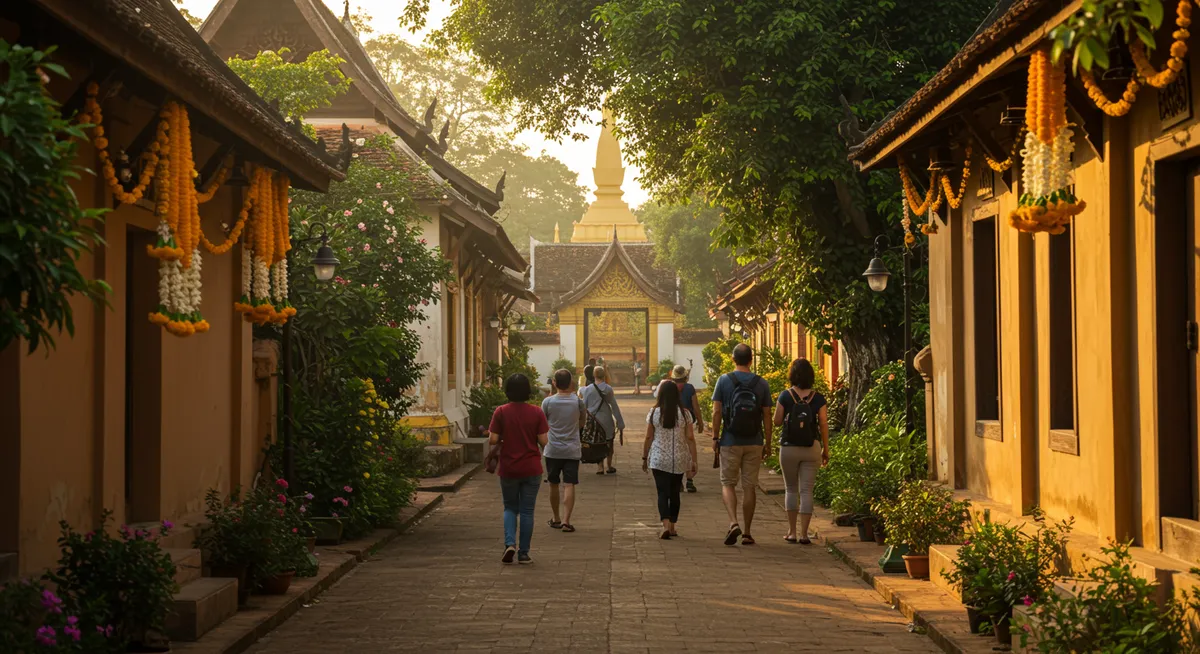
Welcome to Vientiane, the charming and often-underestimated capital of Laos! While many flock to its famous temples and riverside sunsets, the true magic of this city lies in its quiet alleys, hidden temples, bustling local markets, and serene green spaces that are best discovered at a leisurely pace, on foot. This guide is crafted for the intrepid traveler eager to peel back the layers of Vientiane, moving beyond the tourist brochures to uncover the authentic heartbeat of a city that truly rewards those who wander.
Key Tips and Takeaways
- Vientiane is incredibly walkable; embrace its relaxed pace.
- Walk early mornings or late afternoons to avoid the heat.
- Always carry water, a hat, and sunscreen.
- Dress respectfully, especially when visiting temples.
- Venture off main roads for authentic local discoveries.
- Support local businesses by eating and shopping locally.
- Consider a local guide for deeper cultural insights.
Why Explore Vientiane on Foot?
Vientiane, the charming capital of Laos, isn’t a city that shouts for attention; it whispers. And to truly hear its whispers, to understand its rhythm, and to uncover its most enchanting secrets, there’s no better way than to explore it on foot. While taxis and tuk-tuks offer convenience, walking offers an immersive journey that transforms mere sightseeing into an intimate connection with the city’s soul.
One of the most compelling reasons to lace up your shoes in Vientiane is the unparalleled opportunity to discover its many hidden gems. Beyond the well-known landmarks, walking allows you to peel back the layers of this fascinating city. You’ll stumble upon tucked-away temples with intricate murals, vibrant local alleyways where artisans ply their trade, or quiet courtyards overflowing with bougainvillea. These are the places often missed from a vehicle, offering authentic glimpses into daily Lao life and the chance to capture truly unique photographs and memories. Imagine finding a small, family-run noodle shop just off a main street, serving up the most delicious khao piak sen you’ve ever tasted – that’s a discovery only foot power can guarantee.
Walking also puts you at the heart of local life. You can pause to observe monks collecting alms in the early morning, chat with vendors at a bustling street market, or simply watch the world go by from a roadside coffee stall. The slower pace allows for meaningful interactions and observations that deepen your understanding of Lao culture. You’ll notice the details: the intricate carvings on a temple door, the scent of fresh baguettes mingling with incense, the genuine smiles exchanged with passersby. It’s a chance to truly absorb the unhurried atmosphere that defines Vientiane.
Indeed, the city’s celebrated relaxed pace is perfectly suited for a walking tour. Unlike some of Southeast Asia’s more frenetic capitals, Vientiane invites you to slow down. Its flat terrain and remarkably compact city centre make it incredibly pedestrian-friendly. Most major attractions, from the riverside promenade along the Mekong to significant wats like Wat Si Saket and Haw Phra Kaew, are within comfortable walking distance of each other. You won’t find yourself huffing and puffing up steep hills, allowing you to focus on the exploration rather than the exertion.
Exploring on foot provides an unparalleled way to connect with Vientiane’s rich history and culture on an intimate level. As you wander past charming French colonial buildings, ancient Buddhist temples, and modern Lao architecture, you’re tracing the city’s evolution. You can take your time to appreciate the intricate details of a Buddha statue, reflect in the serene silence of a temple courtyard, or imagine the stories held within the walls of a centuries-old structure. This direct, sensory experience allows for a deeper appreciation than any bus tour ever could.
Practical Walking Tips for Vientiane:
- Stay Hydrated: The tropical climate means you’ll sweat. Carry plenty of water.
- Dress Respectfully: Especially when visiting temples, ensure shoulders and knees are covered. Lightweight, breathable clothing is best.
- Best Times: Early mornings (before 9 AM) and late afternoons (after 4 PM) offer cooler temperatures and softer light for photography.
- Footwear: Comfortable, broken-in walking shoes or sandals are essential.
- Embrace the Detour: Some of Vientiane’s best moments are found when you veer off the main path. Be open to spontaneous exploration!
In essence, walking through Vientiane isn’t just about getting from point A to point B; it’s about the journey itself. It’s an invitation to engage all your senses, embrace spontaneity, and forge a personal connection with one of Southeast Asia’s most captivating, yet understated, cities. Prepare to be charmed.
Planning Your Vientiane Walking Adventure
Embarking on a walking tour through Vientiane promises an intimate discovery of its tranquil charm and hidden treasures. To ensure your adventure is as comfortable and rewarding as possible, a little pre-planning goes a long way. Here’s what you need to consider before lacing up your shoes.
Optimal Timing for Your Strolls
Vientiane’s tropical climate means strategic timing is key for an enjoyable walk. The best time of year to visit is during the dry season, spanning from October to April. Within this window, the months from November to February are particularly delightful. Temperatures are cooler, humidity is lower, and the skies are generally clear, creating ideal conditions for exploring on foot without the intense heat of the hot season (March-May) or the heavy rains of the wet season (May-October).
As for the ideal time of day for walking, prioritize early mornings or late afternoons. The tropical sun can be unforgiving between 10 AM and 4 PM.
- Early Mornings (6:00 AM – 9:00 AM): This is arguably the best time. The air is fresh, temperatures are pleasant, and you’ll witness local life stirring – monks collecting alms, vendors setting up their stalls, and the city awakening. It’s perfect for exploring temples or the bustling morning markets before the crowds and heat build up.
- Late Afternoons / Evenings (4:30 PM onwards): As the sun begins to dip, Vientiane cools down, offering a beautiful golden hour for photography. Head towards the Mekong River for stunning sunset views, and then continue your walk through the vibrant night markets or along the illuminated river promenade.
What to Pack for Your Vientiane Walking Adventure
Packing smart will significantly enhance your comfort and enjoyment. Think light, breathable, and practical:
- Lightweight, Breathable Clothing: Opt for cotton, linen, or moisture-wicking fabrics. Loose-fitting shorts, skirts, t-shirts, and tank tops are suitable for general wear. However, when visiting temples (wats), it’s respectful to cover your shoulders and knees. Consider packing a light sarong or scarf that you can easily throw over yourself.
- Comfortable Walking Shoes/Sandals: This is non-negotiable! You’ll be covering a lot of ground. Choose broken-in walking shoes, sturdy sandals, or sneakers. Remember that you’ll need to remove your footwear when entering temples and many local homes or businesses.
- Sun Protection: A wide-brimmed hat, sunglasses, and high-SPF sunscreen are essential to shield yourself from the strong tropical sun.
- Reusable Water Bottle: Staying hydrated is crucial. While bottled water is widely available, carrying a reusable bottle and refilling it (many cafes and guesthouses offer filtered water) is an eco-friendly choice.
- Insect Repellent: Especially during dawn and dusk, mosquitoes can be present. Apply repellent to exposed skin.
- Small Daypack: For carrying your essentials, water, camera, and any small souvenirs you pick up along the way.
Basic Lao Phrases to Enhance Your Experience
While many people in tourist areas speak some English, making an effort to use a few basic Lao phrases is always appreciated by locals and can open doors to more authentic interactions:
- Sabaidee (Sa-bye-dee): Hello / Goodbye
- Khop Jai (Khawp jai): Thank you
- Kho Thod (Kaw Tot): Excuse me / Sorry
- Chao (Chao): Yes
- Bor (Bawr): No
- Tao Rai? (Tao rai?): How much?
A simple “Sabaidee” with a smile goes a long way and can instantly make you feel more connected to the friendly people of Vientiane.
Self-Guided Hidden Gems Walking Routes
🎯 Insider Tip: Discover the best Vientiane experiences with Viator Tours!
Vientiane’s charm truly reveals itself when explored on foot. Beyond the well-trodden paths, the city holds a myriad of hidden gems – serene wats, bustling local markets, and quaint artisan corners – just waiting to be discovered. These self-guided routes are designed to offer a deeper, more personal insight into the Lao capital, blending iconic landmarks with the lesser-known spots locals cherish.
Route 1: Old Quarter Charm & Riverside Serenity
- Focus: A leisurely exploration of Vientiane’s colonial heritage, quiet spiritual sites, and vibrant riverside atmosphere.
- Approximate Duration: 2-3 hours (excluding extended stops for shopping or dining).
- Key Points of Interest:
- Begin near the historic Nam Phu Fountain, a central hub perfect for grabbing a coffee and people-watching.
- Wander along Rue Setthathirath and adjacent streets, admiring the subtle colonial architecture that blends with modern Lao life.
- Seek out the peaceful grounds of Wat Ong Teu Mahawihan, a significant temple known for its monastic university and serene atmosphere, offering a glimpse into traditional Buddhist education.
- Continue to Wat Mixay, a beautifully preserved temple offering a quiet escape from the main thoroughfare, with intricate details and a tranquil courtyard.
- Veer into the charming alleys off streets like Rue Pangkham to discover local boutique shops and hidden cafes, perfect for a unique souvenir or a refreshing drink.
- Conclude your journey at the Mekong Riverside Park, ideally in the late afternoon, to witness a stunning Vientiane sunset and browse the lively night market (if visiting in the evening), sampling local street food.
- Tips for this Route: This route is best enjoyed at a relaxed pace. Consider starting in the late afternoon to catch the golden hour light and finish with sunset over the Mekong. Stay hydrated, as riverside walks can be warm, and comfortable walking shoes are a must.
Route 2: Cultural Immersion & Artisan Alley
- Focus: Dive into the authentic local life, from the sensory delights of a bustling market to tucked-away artisan workshops and quiet temples.
- Approximate Duration: 2.5-3.5 hours (allowing time for market exploration).
- Key Points of Interest:
- Kick off your day at the local section of Talat Sao Morning Market. Beyond the modern mall, discover the vibrant pulse of daily life with fresh produce, fragrant spices, textiles, and local street food. Remember to observe, and politely bargain if purchasing!
- Head towards Wat Haysok, a serene and often overlooked temple that showcases intricate Lao Buddhist artistry away from the main tourist circuit. Its quietude offers a stark contrast to the market’s hustle.
- Explore the smaller streets and alleys around Rue François Ngin and Rue Pangkham. These hidden lanes often reveal local artisan studios, bespoke silk shops, or charming independent cafes where you can find unique, handcrafted Vientiane souvenirs or enjoy a quiet moment.
- Observe the exterior of the grand Presidential Palace as you pass by, noting its imposing presence within the city, an architectural landmark of national importance.
- Tips for this Route: Visit Talat Sao in the morning for the most activity and the freshest produce. Be prepared for a full sensory experience – sights, sounds, and smells – at the market. Don’t be afraid to look for signs pointing down narrow lanes; some of the best local discoveries are off the main road.
Route 3: Spiritual Sanctuaries & Green Oases
- Focus: A slightly longer journey exploring significant spiritual sites further afield, offering a glimpse into local devotion and tranquil green spaces.
- Approximate Duration: 3-4 hours (can be shortened with a short tuk-tuk ride between distant points).
- Key Points of Interest:
- Start your journey near the iconic Patuxay (Victory Monument). Climb to the top for panoramic views of the city and its leafy boulevards, a perfect vantage point.
- Walk or take a short tuk-tuk to Wat That Foon, an older, quieter temple known for its ancient stupa and peaceful ambiance, often less crowded than central temples.
- Continue to Wat Si Muang, a highly revered and active local temple. It’s a key spiritual center for Vientiane residents, often bustling with devotees seeking blessings. Observe respectfully from a distance to witness local customs.
- Integrate moments of tranquility by strolling through the nearby President’s Park or other peaceful public gardens, offering a green reprieve from urban life and a chance to relax.
- Conclude at the grounds of the majestic Pha That Luang, Laos’ national symbol and most important stupa. While famous, exploring its spacious perimeter and surrounding wats offers a sense of expansive spiritual calm and a grand architectural experience.
- Tips for this Route: This route covers more ground, so comfortable walking shoes are essential. Consider carrying a small backpack with water and snacks. If time or heat is a concern, don’t hesitate to hail a tuk-tuk for quick transfers between Patuxay and Wat Si Muang, or to Pha That Luang. Remember to dress respectfully for temple visits (shoulders and knees covered) – modesty is appreciated.
Enhancing Your Vientiane Walking Experience
While self-guided exploration offers immense freedom, there are several ways to profoundly enhance your Vientiane walking experience, transforming a simple stroll into a rich cultural immersion. From expert guidance to practical tools, these tips will help you uncover even more of the city’s charm and its many “hidden gems.”
One of the most enriching ways to explore Vientiane on foot is by hiring a knowledgeable local guide. More than just a navigator, a local guide acts as a cultural bridge, offering invaluable insights that you simply can’t find in a guidebook. They can:
- Unlock Hidden Narratives: Learn the stories behind ancient temples like Wat Sisaket or Haw Phra Kaew, understand intricate Buddhist symbolism, or hear anecdotes about Vientiane’s colonial past and its enduring influence.
- Navigate Local Nuances: Discover tucked-away artisan workshops, the best street food stalls on obscure sois (alleyways), or quiet temple courtyards that often go unnoticed by independent travelers.
- Bridge Language Barriers: Facilitate interactions with local vendors, monks, or residents, opening doors to authentic cultural exchanges that would otherwise be challenging.
- Support the Community: Directly contribute to the local economy, ensuring your tourism dollars benefit the people of Vientiane.
Many local tour operators in Vientiane offer specialized guided free walking tours in Vientiane, often themed around history, food, or specific neighborhoods, providing a structured yet deeply insightful way to experience the city’s core.
For self-guided walks, reliable navigation is key. Always ensure you have offline maps downloaded on your smartphone. Apps like Google Maps (allowing you to download specific areas for offline use) or Maps.me are invaluable, helping you pinpoint attractions, navigate Vientiane’s charming but sometimes winding streets, and locate your next coffee shop or market. While Vientiane’s internet connectivity has improved, it can still be patchy in certain areas, making offline access crucial for seamless exploration.
Vientiane’s relaxed pace invites spontaneous exploration. Don’t be afraid to veer off your planned route if a particular alleyway looks intriguing or a delightful aroma from a local kitchen beckons. These unplanned detours often lead to the most memorable discoveries and genuine “hidden gems.” Keep a small notebook and pen handy, or use your phone’s notes app, to jot down interesting observations, names of places you loved, or specific details that caught your eye. This personal journaling not only helps you remember your journey but also allows you to reflect on the unique charm of Vientiane long after your trip concludes.
Vientiane Walking Etiquette & Safety Tips
Exploring Vientiane on foot is an incredibly rewarding experience, offering a chance to truly soak in the city’s laid-back charm and discover its hidden gems. To ensure your walking tours are not only enjoyable but also safe and respectful, here are some crucial etiquette and safety tips specific to Vientiane’s unique environment.
Respectful Rambles: Vientiane Etiquette
- Dress Modestly, Especially for Temples: Laos is a predominantly Buddhist country, and respect for its religious sites is paramount. When visiting temples (Wats) like Wat Si Saket or That Luang, ensure your shoulders and knees are covered. This applies to both men and women. Light, loose-fitting clothing made of natural fabrics is ideal for the climate and perfectly suited for respectful visits. Many temples may offer sarongs for rent or loan at the entrance if you’re caught unprepared.
- Remove Your Shoes: Before entering any temple building (sim), or even a private home, it is customary and expected to remove your shoes. Look for piles of shoes outside the entrance as your cue. This practice signifies respect for the sacred space and cleanliness.
- Mind Your Manners: Laos is a gentle and polite society. Acknowledge greetings with a slight nod or a ‘wai’ (placing your palms together at chest level). Avoid touching people’s heads, as it’s considered the most sacred part of the body. Conversely, avoid pointing your feet at people or Buddha images, as feet are considered the lowest and least clean part of the body. Keep your voice down, particularly in temples and residential areas.
- Be Mindful of Monks: Monks are highly revered. Women should avoid direct physical contact with monks. If offering something to a monk, women should place it down for the monk to pick up, or offer it via a male companion.
Safety on Foot: Navigating Vientiane
- Traffic Awareness is Key: While Vientiane is quieter than some Southeast Asian capitals, its roads can be chaotic. Scooters, motorbikes, and tuk-tuks are ubiquitous and often disregard conventional traffic rules. When crossing the street, always look both ways, and then look again! Make eye contact with drivers to ensure they’ve seen you. Don’t expect vehicles to stop for pedestrians, even at designated crossings. Be prepared for uneven pavements, or even a complete lack of sidewalks in some areas, forcing you to walk on the road itself.
- Stay Hydrated: Vientiane’s tropical climate means heat and humidity can be intense. Carry a reusable water bottle and refill it frequently. Bottled water is readily available at convenience stores and street stalls. Dehydration can quickly sap your energy and enjoyment.
- Sun Protection: The sun’s rays are strong. Wear a wide-brimmed hat, sunglasses, and apply high-SPF sunscreen regularly, even on cloudy days. Seek shade whenever possible.
- Walk Smart at Night: While Vientiane is generally safe, it’s advisable to exercise caution when walking alone after dark, especially in dimly lit areas outside the main tourist strips along the Mekong River. Stick to well-lit, populated streets. For longer distances or when unsure, consider taking a tuk-tuk; they are plentiful and affordable.
- Secure Your Belongings: As with any urban environment, be mindful of your personal belongings. Keep wallets, phones, and cameras secure, ideally in a cross-body bag or a front pocket. While petty theft is not rampant, it’s always wise to be aware of your surroundings, especially in crowded areas like the Night Market or Talat Sao (Morning Market).
By keeping these etiquette and safety tips in mind, you’ll be well-prepared to respectfully and safely uncover the many hidden gems of Vientiane on your walking adventures.
Fueling Your Journey: Local Eateries & Cafes
🎯 Insider Tip: Discover the best Vientiane experiences with Viator Tours!
A successful Vientiane walking tour isn’t just about seeing the sights; it’s also about savoring the flavors. Fueling your journey with local delights is an essential part of the experience, offering delicious pit stops and genuine cultural immersion. Vientiane’s culinary scene, a delightful blend of Lao tradition and French colonial legacy, provides ample opportunities to recharge and taste the city.
Kickstart Your Day: Noodle Soups & French Pastries
For an authentic Vientiane breakfast or a hearty lunch, seek out a local noodle stall. Look for bustling spots serving Khao Piak Sen (thick rice noodle soup) or Khao Piak Khao (rice porridge). These warming, flavorful bowls are a staple, often customizable with various meats and fresh herbs. Don’t be shy; simply point to what looks good or the number of bowls you need. They are incredibly affordable and incredibly satisfying.
Alternatively, embrace Vientiane’s French influence with a visit to a French colonial bakery or cafe. Places like Le Banneton Cafe & Bakery are renowned for their freshly baked baguettes, croissants, and pain au chocolat, perfect with a strong Lao coffee. These spots offer a charming atmosphere and a comfortable break, ideal for planning your next steps or simply people-watching.
Lunch & Dinner: Lao Staples & Riverside Bliss
No visit to Laos is complete without indulging in sticky rice (khao niao) and laap (larb), the national dish. Laap, a flavorful salad of minced meat (or mushrooms) mixed with herbs, lime juice, and toasted rice powder, is best enjoyed with sticky rice, which you tear off and use to scoop up the food. For an authentic experience, venture slightly off the main tourist streets into local eateries where families gather. Don’t forget to pair it with Tam Mak Hoong (spicy green papaya salad) for a truly Lao feast.
As the day winds down, head towards the Mekong River for a serene stop at one of the riverside cafes or restaurants along the promenade. These spots are perfect for catching the stunning sunset over the Mekong while sipping on a refreshing fresh fruit shake or a chilled Beerlao. Many offer a mix of Lao and Western dishes, making them a great choice for a relaxed evening meal after a day of walking.
Hydration & Quick Bites: Coffee & Street Food
Vientiane’s heat demands regular hydration. You’ll find ubiquitous coffee shops ranging from international chains to cozy local establishments like Joma Bakery Cafe (a reliable choice for good coffee, sandwiches, and Wi-Fi) or smaller, independent spots. Lao coffee is strong and often served with condensed milk, a delicious pick-me-up.
For adventurous eaters, Vientiane’s street food scene is a must-try. While exploring, keep an eye out for vendors selling freshly grilled skewers (like ping gai – grilled chicken), spring rolls, and delicious fruit shakes. To ensure a safe experience, opt for stalls with high customer turnover and food that is cooked fresh in front of you. The area around the Night Market is a vibrant hub for diverse and affordable street eats, perfect for a casual evening snack or light dinner.
Practical Tips for Food Stops:
- Stay Hydrated: Always carry bottled water, especially on warmer days. Many cafes offer chilled water.
- Small Bills: Have plenty of Lao Kip in smaller denominations for street food vendors and smaller local eateries.
- Be Adventurous: Don’t be afraid to try something new, even if you don’t recognize it. Often, these hidden culinary gems provide the most memorable flavors.
- Observe Locals: A good sign of a delicious and reliable spot is one bustling with local customers.
Beyond the Pavement: Other Exploration Options
While the profound charm of Vientiane’s hidden gems is best uncovered on foot, truly experiencing this laid-back capital often means venturing a little further afield. Some of the city’s most iconic attractions lie beyond comfortable walking distance from the compact downtown core. This is where seamlessly blending your immersive walking tours with other modes of transport comes into play, allowing you to maximize your exploration and embrace Vientiane’s broader travel ecosystem.
Consider the practicalities: distances, the tropical heat, and simply maximizing your exploration time. Think of your walking tour as the core, allowing you to intimately connect with the city’s heartbeat and discover its tucked-away treasures. Then, seamlessly transition to other modes of transport for those longer hauls.
Key Destinations Beyond Walking Distance:
- Pha That Luang: The magnificent Pha That Luang, Laos’s most important national monument, is a prime example. While you could theoretically walk the 4-5 kilometers from the city center, it’s a significant trek, especially in the midday sun.
- Cycling: For a more active and environmentally friendly approach, renting a bicycle is an excellent option. Vientiane is remarkably flat, making cycling a breeze, and you’ll find numerous affordable rental shops around the city center. The ride to That Luang is pleasant, taking you through local neighborhoods and offering a different perspective than a tuk-tuk.
- Tuk-tuk: Alternatively, a tuk-tuk offers convenience and a quintessential local experience. They are plentiful throughout the city; just remember to negotiate your fare before setting off. Many drivers are happy to wait for you while you explore the stupa.
- Buddha Park (Xieng Khuan): For a truly unique half-day excursion, Buddha Park (Xieng Khuan) is an absolute must-see, though it’s located about 25 kilometers southeast of the city. This distance is clearly beyond walking limits and requires dedicated transport.
- Tuk-tuk or Local Bus: Your best bet here is a tuk-tuk hired for a round trip, often including waiting time, allowing you to explore the park at your leisure. Alternatively, for a more budget-friendly and local experience, you can catch the local bus (number 14) from the Central Bus Station (near the Morning Market) directly to Buddha Park. It’s a fantastic way to immerse yourself in Lao spiritual artistry, far removed from the city buzz.
Actionable Tips for Combining Transport:
- Pre-negotiate Fares: Always agree on a price with tuk-tuk drivers before you start your journey to avoid any misunderstandings. For longer distances like Buddha Park, you can often negotiate a round-trip rate that includes waiting time.
- Bicycle Rentals: Many guesthouses and dedicated shops around the city center offer affordable daily rentals, often including a lock and helmet. Check the brakes and tire pressure before you set off.
- Utilize Ride-Hailing Apps: While not as prevalent as in some other Southeast Asian cities, apps like Grab (for taxis/tuk-tuks) are increasingly available in Vientiane and can offer transparent pricing, especially for longer distances.
- Stay Hydrated: Even when not walking, the Vientiane heat can be intense. Keep water with you at all times, especially if you plan to cycle or spend extended time outdoors.
By strategically combining the immersive intimacy of walking with the efficiency and reach of bicycles or tuk-tuks, you’ll unlock the full spectrum of Vientiane’s charms, from its hidden alleyways and serene temples to its grand monuments and quirky sculpture parks. It’s the perfect way to truly experience the laid-back capital at your own pace.
Frequently Asked Questions
Q: Is Vientiane a walkable city for tourists?
A: Absolutely! Vientiane is relatively flat, compact, and possesses a laid-back atmosphere that makes it perfect for walking. Most major attractions within the city center are easily accessible on foot, and wandering off the main streets often leads to delightful discoveries.
Q: What’s the best time of year to do a walking tour in Vientiane?
A: The ideal time for walking tours is during the dry season, from November to February, when the weather is cooler and less humid. Mornings and late afternoons are generally the most pleasant times to walk to avoid the midday heat.
Q: Are there guided walking tours available in Vientiane?
A: Yes, several local tour operators and guesthouses offer guided walking tours, often focusing on history, food, or specific cultural themes. These can be an excellent way to gain deeper insights from a local perspective.
Q: What should I wear for a walking tour in Vientiane?
A: Lightweight, breathable clothing is recommended due to the tropical climate. Comfortable walking shoes are a must. When visiting temples, ensure your shoulders and knees are covered as a sign of respect. A hat and sunglasses are also advisable.
Q: Is Vientiane safe for solo female travelers walking alone?
A: Vientiane is generally considered safe for solo female travelers. However, like any city, it’s wise to exercise common sense: be aware of your surroundings, avoid walking alone in dimly lit areas at night, and keep valuables secure and out of sight. Local people are typically friendly and helpful.
Vientiane is a city that doesn’t scream for attention but quietly rewards those who take the time to truly see it. By embracing a walking tour, you’re not just moving from one landmark to another; you’re immersing yourself in the rhythm of daily life, stumbling upon unexpected beauty, and creating a truly personal connection with this captivating Lao capital. So, lace up your shoes, pack your sense of adventure, and prepare to uncover the hidden gems of Vientiane, one memorable step at a time.