
Luang Prabang Walking Tour: Self-Guided Routes & Tips (2026)
Discover Luang Prabang’s timeless charm on foot with our self-guided walking tours. Get practical tips, route ideas, and local insights for an unforgettable Lao adventure.
On this page
Luang Prabang, a UNESCO World Heritage town nestled at the confluence of the Mekong and Nam Khan rivers, is a dream destination for pedestrians. Its compact size, rich history, and captivating scenery make it perfectly suited for exploration on foot. Embarking on a self-guided walking tour here allows you to truly connect with the rhythms of local life, uncover hidden alleys, and soak in the spiritual ambiance at your own pace. This guide provides comprehensive, actionable advice to help you make the most of your walking adventure in this enchanting Lao city.
Key Tips and Takeaways
- Always wear comfortable, broken-in shoes.
- Stay hydrated; carry a reusable water bottle and refill often.
- Dress modestly, especially when visiting temples (shoulders and knees covered).
- Carry small denominations of Lao Kip for purchases.
- Start your walks early morning to beat the heat and witness local life.
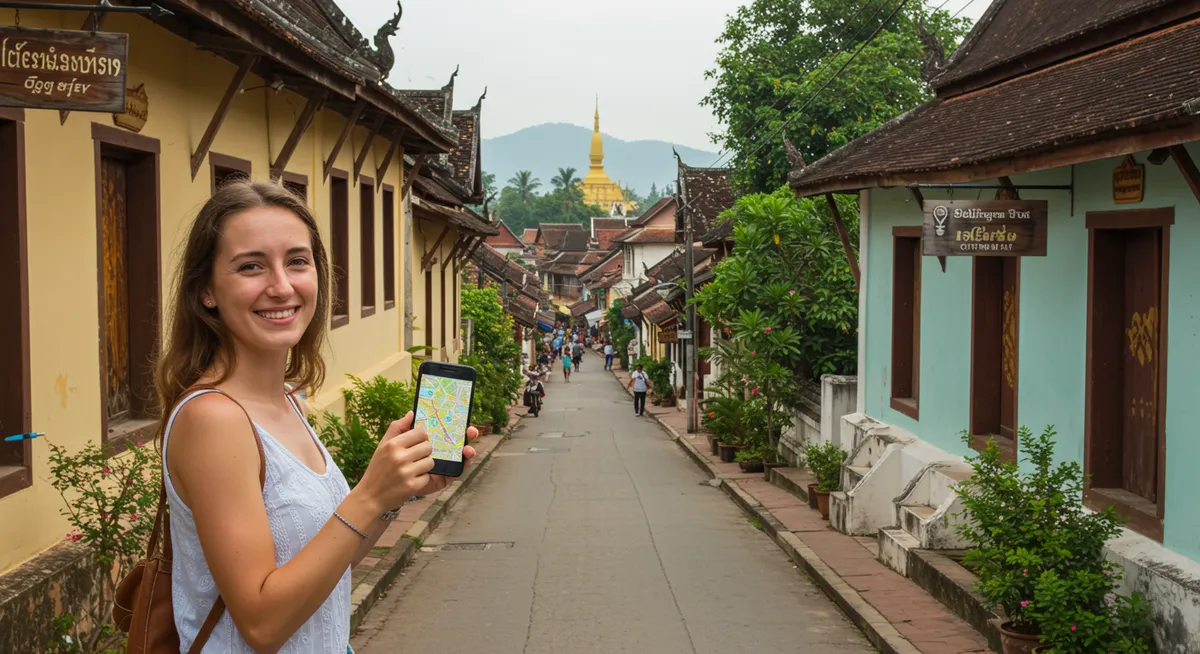
- Utilize offline maps on your phone for navigation.
Why Walk Luang Prabang? The Unique Charm on Foot
Luang Prabang isn’t just a destination; it’s an experience best savored at a leisurely pace, and there’s no better way to absorb its unique essence than on foot. As a designated UNESCO World Heritage site, the town’s core is meticulously preserved, offering an unparalleled pedestrian-friendly environment that makes walking not just convenient, but truly the most rewarding way to explore.
Imagine strolling past centuries-old golden temples, their roofs glinting in the sun, juxtaposed with charming French colonial villas. Every turn reveals another picturesque scene: a quiet alley leading to a hidden monastery, the scent of fresh coffee wafting from a riverside café, or the gentle murmur of the Mekong River flowing by. Luang Prabang’s compact size means that its main attractions – from the Royal Palace to Wat Xieng Thong, and the bustling Night Market – are all within easy walking distance. This allows you to ditch the reliance on tuk-tuks and truly immerse yourself in the local rhythm.
Walking unlocks a sensory journey. You’ll notice the intricate carvings on a temple door, hear the distant chants of monks, smell the incense, and feel the gentle breeze as you wander. More importantly, it provides opportunities for genuine local interactions that you’d miss speeding by in a vehicle. You can pause to watch local life unfold, discover a family preparing sticky rice, or stumble upon a serene garden tucked away from the main streets. These are the “hidden gems” that truly define a Luang Prabang visit.
Practical Tips for Walking Luang Prabang:
- Footwear is Key: Luang Prabang’s streets are generally well-maintained, but comfortable, breathable walking shoes are essential. You’ll be covering a lot of ground, and uneven pavements or temple steps can be taxing in flimsy footwear.
- Dress Respectfully: When visiting temples (and you’ll encounter many!), shoulders and knees must be covered. Carry a light scarf or sarong for quick covering, especially if wearing shorts or tank tops.
- Stay Hydrated: The tropical climate can be hot and humid. Always carry a reusable water bottle and refill it frequently. Many guesthouses and cafes offer filtered water.
- Protect Yourself from the Sun: A wide-brimmed hat, sunglasses, and high-SPF sunscreen are non-negotiable. Even on cloudy days, the UV index can be high.
- Small Notes for Small Purchases: You’ll likely want to buy a refreshing fruit shake, a snack from a street vendor, or make a small donation at a temple. Having small kip denominations (10,000, 20,000, 50,000 LAK notes) will be incredibly useful.
- Embrace the Slow Pace: Don’t rush! Luang Prabang teaches patience and observation. Take time to sit by the river, watch the alms giving ceremony (from a respectful distance, early in the morning), or simply people-watch from a café.
- Be Aware of Your Surroundings: While generally very safe, be mindful of motorbikes, especially in narrower streets or during peak hours.
- Capture the Moments: Bring your camera! Luang Prabang is incredibly photogenic, from its architecture to its vibrant markets and the natural beauty of the rivers.
By choosing to explore Luang Prabang on foot, you’re not just seeing the sights; you’re truly experiencing the soul of this enchanting town, one leisurely step at a time.
Preparing for Your Luang Prabang Walking Adventure
Embarking on a self-guided walking tour of Luang Prabang promises an immersive cultural experience. To ensure comfort and enjoyment, understanding the practicalities beforehand, especially given its tropical climate, will significantly enhance your adventure.
Timing Your Luang Prabang Walk: Climate Considerations
Luang Prabang experiences a distinct tropical monsoon climate, influencing the best time for free walking tours in Luang Prabang:
- Dry Season (October to April): Generally the most comfortable period.
- Cooler Dry Season (November to February): Ideal for extensive walking with average temperatures around 20-25°C and lower humidity. The air is clear, and the Mekong River levels are typically pleasant.
- Hot Dry Season (March to April): Temperatures can soar above 30°C. While still dry, midday walking can be challenging. Plan your walks for early morning or late afternoon.
- Rainy Season (May to September): Characterized by higher humidity and frequent, often intense, afternoon downpours. The landscape is incredibly lush and vibrant, but paths can be slippery. Be prepared for rain if visiting during this time.
For optimal walking comfort and clear skies, aim for the cooler dry season. Otherwise, plan your walking segments for the cooler parts of the day.
Physical Fitness and Pacing Yourself
Luang Prabang’s old town peninsula is largely flat, making it accessible for most fitness levels. However, many iconic sights, such as the ascent to Mount Phousi or various temple complexes, involve stairs. The tropical heat and humidity, even in the “cooler” months, can make even leisurely strolls feel more strenuous. Assess your current fitness level and be prepared to take it slow; frequent breaks in shaded areas or at a charming café are part of the Luang Prabang experience!
Visa Requirements: Plan Ahead
Before you even pack your walking shoes, ensure you understand Laos’s visa requirements for your nationality. Many visitors can obtain a Visa on Arrival at Luang Prabang International Airport, but policies can change. It’s always best to check the latest regulations through official channels (like the Lao Embassy or Consulate in your country, or the official Lao Ministry of Foreign Affairs website) well in advance of your trip. Consider applying for an e-Visa if available and convenient for your nationality, as this can streamline your arrival process.
Essential Health Precautions for Tropical Walking
Walking in a tropical climate requires specific health considerations:
- Hydration is Key: Carry a reusable water bottle and refill it frequently. Dehydration can set in quickly. Fresh coconut water and local fruit shakes are also excellent for replenishment.
- Sun Protection: The sun in Luang Prabang is intense. Use high-SPF sunscreen, wear a wide-brimmed hat, and quality sunglasses. Light, long-sleeved clothing made from breathable fabrics can offer additional protection.
- Insect Repellent: Mosquitoes, especially during the rainy season and around dawn/dusk, can be a nuisance and carry diseases like Dengue fever. Use a repellent containing DEET or picaridin.
- Foot Care: Comfortable, broken-in, breathable walking shoes are paramount. Blister prevention (e.g., appropriate socks, moleskin) is crucial. You’ll be doing a lot of walking!
- Basic First Aid Kit: Include plasters/band-aids, antiseptic wipes, pain relievers, anti-diarrhea medication, and any personal prescriptions.
- Food and Water Safety: Stick to bottled water. Be mindful of street food hygiene – while delicious, choose vendors with high turnover and freshly cooked items.
By taking these practical steps, you’ll be well-prepared to fully immerse yourself in the enchanting beauty and cultural richness of Luang Prabang on foot.
Essential Gear: What to Pack for Your Walking Tour
🌟 Local Expert Tip: Get the most out of your Luang Prabang visit with guided tours!
Prepping your gear properly is key to a comfortable and enjoyable self-guided walking tour in Luang Prabang. The city’s charming streets, ancient temples, and natural beauty are best explored on foot, but the tropical climate and cultural nuances mean a little foresight goes a long way. Here’s a detailed checklist focusing on versatility, comfort, and local considerations for your Luang Prabang adventure.
- Comfortable, Breathable Footwear: This is arguably the most crucial item. Luang Prabang’s footpaths can be uneven, and you’ll be doing a lot of walking. Opt for well-broken-in, comfortable walking sandals (like Chacos or Tevas that offer good support and can handle occasional wetness) or lightweight, breathable walking shoes (sneakers). Avoid brand-new shoes or anything that causes blisters. You might encounter steps (like at Mount Phousi) or slightly dusty paths, so prioritize good grip and all-day comfort.
- Light and Modest Clothing: Luang Prabang is hot and humid year-round. Pack light, breathable fabrics like cotton, linen, or quick-drying synthetics. However, cultural respect is paramount, especially when visiting temples (wats). Always carry clothing that covers your shoulders and knees. This means long skirts, lightweight trousers, or sarongs for women, and t-shirts or collared shirts for men. A lightweight scarf or shawl can be incredibly useful for quick temple coverings.
- Wide-Brimmed Hat & Sunglasses: The sun in Luang Prabang can be intense, especially during midday. A wide-brimmed hat will offer excellent protection for your face and neck, while sunglasses will shield your eyes from the strong glare.
- High SPF Sunscreen: Protect your skin! Apply a high SPF (30+) sunscreen generously and reapply throughout the day, especially if you’re sweating.
- Insect Repellent: Mosquitoes are prevalent, particularly around dawn and dusk, and near water bodies. A good insect repellent (containing DEET or Picaridin) will keep those pesky bites at bay, ensuring a more comfortable evening stroll or riverside meal.
- Reusable Water Bottle: Staying hydrated is non-negotiable in Luang Prabang’s heat. Carry a reusable water bottle and refill it frequently. Many guesthouses and cafes offer filtered water refill stations, which is environmentally friendly and more cost-effective than buying single-use plastic bottles.
- Small Daypack: A lightweight, comfortable daypack (15-25 liters) is essential to carry all your daily necessities – water, snacks, camera, sunscreen, and spare clothing. Choose one with good ventilation on the back.
- Portable Power Bank: Your phone will be working overtime for navigation, photos, and translations. A fully charged power bank ensures you won’t run out of juice mid-explore, especially vital for self-guided routes.
- Basic First-Aid Kit: A small kit with essentials like blister plasters (a must for walkers!), antiseptic wipes, pain relievers, and any personal medications will come in handy for minor scrapes or aches.
- Camera (or Smartphone): Luang Prabang is incredibly photogenic. Whether it’s the serene morning alms ceremony, the intricate temple details, or the Mekong River sunset, you’ll want to capture the magic. Ensure your device is charged, and consider extra memory cards if you’re using a dedicated camera.
Packing smart means you can focus less on discomfort and more on soaking in the unique charm of Luang Prabang on foot. Enjoy every step!
Navigating Luang Prabang: Maps, Apps, and Local Orientation
🌟 Local Expert Tip: Get the most out of your Luang Prabang visit with guided tours!
Navigating Luang Prabang on foot is one of the true joys of visiting this charming city. Its compact, largely flat peninsular layout, nestled between the mighty Mekong and tranquil Nam Khan rivers, makes it incredibly walkable. However, a little preparation and understanding of local orientation can elevate your self-guided walking tours from good to truly exceptional.
Your Digital Compass: Essential Offline Maps
While Luang Prabang’s main streets are straightforward, smaller alleys and identifying specific temples can be tricky, especially without reliable mobile data. Investing a few minutes upfront to set up offline maps is a game-changer:
- Maps.me: This app is a top recommendation for Luang Prabang. Download the Laos map pack before you arrive (preferably with strong Wi-Fi). Maps.me offers incredibly detailed footpaths, highlights points of interest, and often pinpoints guesthouses and restaurants more accurately than other apps when offline. It’s fantastic for discovering hidden alleys and quieter routes.
- Google Maps Offline: A reliable alternative, Google Maps also allows you to download specific areas for offline use. Simply search for “Luang Prabang,” tap the city name, and look for the “Download” option. While sometimes less detailed on minor footpaths than Maps.me, it’s excellent for main roads and identifying well-known landmarks.
Always ensure your chosen map is downloaded and functioning in offline mode before you head out, saving battery and preventing frustration.
Mastering the Layout: Analog Orientation
Beyond digital tools, understanding Luang Prabang’s unique geography is key to effortless navigation:
- The Peninsular Power: The city’s heart is a narrow peninsula. Keep the Mekong River (the wider one) to your west and the Nam Khan River to your east. Most major temples and the main street (Sisavangvong Road) run roughly parallel to these rivers. As you walk, you’ll naturally gravitate towards one river or the other, providing a constant sense of direction.
- Mount Phousi: This iconic hill, topped with a stupa, sits right in the center of the peninsula. It’s a visible landmark from almost anywhere in the core walking area. If you feel disoriented, look up! Phousi will help you re-establish your bearings.
- Key Landmarks: The Royal Palace Museum and Wat Xieng Thong (at the very tip of the peninsula) are excellent anchor points. Knowing their general location helps you gauge distances and understand your position relative to the ends of the walkable area.
Connecting with Locals: Basic Lao Phrases
While many in the tourism sector speak English, learning a few basic Lao phrases is a wonderful way to show respect and can be surprisingly helpful for directions or simply brightening someone’s day:
- Sabaidee (Sa-bye-dee): Hello/Greetings (use for everyone, it’s versatile!)
- Khop Jai (Khawp Jai): Thank you (informal, common)
- Khop Jai Lai Lai (Khawp Jai Lie Lie): Thank you very much
- Pai Sai? (Pai Sai?): Where are you going? (useful when asking tuk-tuk drivers)
- Tao Dai? (Tao Dai?): How much? (for prices, especially tuk-tuks)
Locals genuinely appreciate the effort, even if your pronunciation isn’t perfect.
Knowing When to Ride: Tuk-tuks for Relief
Luang Prabang is wonderfully walkable, but sometimes, a ride is exactly what you need. Don’t hesitate to hop into a tuk-tuk for:
- Longer Distances: While the core peninsula is easily covered on foot, attractions like the UXO Visitor Centre or some temples further afield are a good tuk-tuk ride away. Trips to Kuang Si Falls or Pak Ou Caves always require transport.
- Heat Relief: The midday heat and humidity can be intense. A quick tuk-tuk ride can be a welcome break from the sun, especially if you’re feeling fatigued.
- Evening Convenience: After a long day of walking, or if you’re heading to a specific restaurant or the night market from a quieter street, a tuk-tuk is a convenient option.
Always agree on a price with the driver before you set off. A little friendly negotiation is common and expected.
Suggested Self-Guided Walking Routes (Themes)
Luang Prabang is best explored on foot, where every turn reveals a gilded temple, a charming French colonial building, or a serene view of the Mekong. To help you discover its magic at your own pace, we’ve crafted a few self-guided walking routes, each with a distinct theme. Remember to wear comfortable shoes, stay hydrated, and carry a small backpack for essentials like water, sunscreen, and a camera.
1. The UNESCO Heritage & Riverfront Grand Tour
This route guides you through the heart of the Luang Prabang peninsula, showcasing its most iconic cultural treasures and the tranquil beauty of its two rivers. It’s perfect for first-time visitors wanting to soak in the essence of the town’s UNESCO-listed heritage.
- Estimated Duration: 2.5 – 3.5 hours (including time for visits inside sites).
- Highlights:
- Royal Palace Museum (Haw Kham): Start your tour here (opens 8:00 AM). Explore the former royal residence, now a museum, and its beautiful grounds.
- Wat Mai Suwannapumaham: Just opposite the palace, admire its stunning multi-tiered roof and intricate golden reliefs.
- Mekong Riverfront Promenade: Stroll along the scenic riverside, observing local life and the traditional longtail boats.
- Wat Xieng Thong: Continue to the iconic “Golden City Temple,” a masterpiece of Lao temple architecture with its unique ‘tree of life’ mosaic.
- Traditional Lao Houses & Cafes: Wander back through the charming streets lined with well-preserved wooden houses, stopping for a coffee or refreshment at one of the many cafes.
- Practical Tip: Begin early in the morning (around 8:00 AM) to avoid the heat and larger crowds, especially at the Royal Palace and Wat Xieng Thong. Remember to dress modestly (shoulders and knees covered) when visiting temples.
2. Spiritual Serenity & Monastic Life Discovery
Delve deeper into Luang Prabang’s spiritual soul by exploring some of its lesser-known temples and gaining insights into daily monastic life. This route offers a quieter, more contemplative experience, away from the main tourist hubs.
- Estimated Duration: 2 – 2.5 hours.
- Highlights:
- Wat Sensoukaram: Admire its striking golden façade and beautiful murals, often less crowded than Wat Xieng Thong.
- Wat Sop Sickharam: A serene temple offering a peaceful escape, often used for monastic teachings.
- Monastic Schools & Residences: Observe the daily routines of young monks from a respectful distance (e.g., around Wat Sensoukaram or Wat Sop Sickharam). You might see them walking to alms giving or studying.
- Quiet Residential Streets: Wander through the tranquil backstreets, discovering local homes and small community temples.
- Practical Tip: This route is best undertaken in the early morning or late afternoon when monastic activities are more visible. Maintain a quiet and respectful demeanor, and always ensure your attire is appropriately modest. Remember, you are observing a living spiritual tradition.
3. Flavors of Luang Prabang: Market & Culinary Journey
Awaken your senses with a walking tour dedicated to Luang Prabang’s vibrant culinary scene and bustling local markets. This route offers a taste of authentic Lao life, from fresh produce to delectable street food.
- Estimated Duration: Flexible, 1.5 – 3 hours (depending on time of day and how much you eat!).
- Highlights:
- Morning Market (Talat Sao): Start early (6:00 AM – 9:00 AM) to experience this sensory explosion. See fresh produce, exotic meats, local delicacies, and perhaps try a traditional Lao breakfast like khao soi (Luang Prabang noodle soup).
- Street Food Stalls (Daytime): Keep an eye out for mobile vendors selling sticky rice, grilled fish, or fresh fruit shakes throughout the day.
- Night Market (Talat Meun): Begin your evening (5:00 PM – 9:00 PM) at the famous Night Market. While known for handicrafts, the adjoining food alley is a must-visit. Sample everything from fresh spring rolls and ‘all-you-can-eat’ vegetarian buffets to delicious coconut pancakes and local BBQ.
- Local Restaurants & Cafes: Discover hidden gems along the streets offering traditional Lao dishes and fusion cuisine.
- Practical Tip: Bring small denominations of Lao Kip for easy purchases. Don’t be afraid to try new foods, but always prioritize stalls with high turnover for freshness. A friendly smile and a few Lao phrases like “Sabai Dee” (hello) or “Khop Jai” (thank you) go a long way!
Safety & Etiquette: Walking Smart in Luang Prabang
Walking through Luang Prabang offers an unforgettable experience. To ensure your self-guided tours are smooth and enjoyable, here’s how to navigate safely and respectfully.
Pedestrian Pointers
- Mind Your Step: Luang Prabang’s pavements are rustic, often uneven, narrow, or non-existent, featuring cracks and drainage covers. Always watch the ground to avoid falls, especially after dark when lighting is limited. A small flashlight helps.
- Traffic Awareness: Traffic, mainly scooters and tuk-tuks, requires vigilance. Rules can seem fluid; make eye contact and walk purposefully when crossing. Expect sudden vehicles, even on quiet lanes.
Cultural Courtesy
- Temple Etiquette: Respect local customs, particularly at Luang Prabang’s sacred wats (temples). Shoulders and knees must be covered before entering; remove shoes in temple halls. Carry a light sarong or scarf.
- Alms Giving (Tak Bat): Observe this profound daily ceremony quietly from a distance. Avoid flash photography. Do not participate unless you understand strict etiquette; observing from across the street is preferred.
- Photography Ethics: When photographing locals, especially monks, always ask permission with a respectful gesture or ‘Khop Chai’ (thank you). Be mindful of privacy.
- General Respect: Avoid public displays of affection. Pointing with feet is rude. Remove shoes when entering homes or certain shops.
Health & Hydration
- Stay Hydrated & Protected: Luang Prabang’s tropical climate means heat and humidity. Carry a reusable water bottle, refilling frequently. Drink plenty of bottled or filtered water. Sun protection is vital: wear a hat, sunglasses, and high-SPF sunscreen.
Street Smarts & Safety
- Secure Valuables: While Luang Prabang is generally safe, petty theft occurs. Keep passports, large cash, and valuables secure at your accommodation. Carry only what you need when out and be aware of surroundings.
- Bargaining: Common in markets; do so respectfully and with a smile. Avoid aggressive haggling.
- Avoid Scams: Beware of overcharging (agree on tuk-tuk fares beforehand) or unsolicited offers that seem too good to be true. Trust your instincts.
In Case of Emergency
- Emergency Contacts: Note your country’s embassy/consulate details in Laos and have travel insurance accessible. Luang Prabang has clinics and pharmacies. For serious medical issues, evacuation to Thailand is common, making comprehensive travel insurance essential. Local emergency numbers: Police (191), Ambulance (195), Fire (190); English assistance may be limited.
Making the Most of Your Walk: Expert Tips & Local Insights
Luang Prabang is a town made for discovery on foot. Its serene pace, intricate alleys, and spiritual heart reveal themselves most intimately when you slow down and truly immerse yourself. These expert tips and local insights will help you transform a simple stroll into a profound cultural journey.
Preparation & Essentials for Your Walk
- Footwear is Key: You’ll be doing a lot of walking, often on uneven sidewalks or dirt paths. Comfortable, breathable sandals or walking shoes that are easy to slip on and off (for temple visits) are ideal.
- Dress Respectfully & Practically: Light, breathable clothing is essential given the tropical climate. Always carry a sarong or scarf to cover your shoulders and knees when visiting temples or sacred sites. A wide-brimmed hat and sunglasses offer protection from the strong Mekong sun.
- Stay Hydrated: Carry a reusable water bottle. Many guesthouses and cafes offer refill stations, helping you reduce plastic waste.
- Cash is King (for small purchases): While larger establishments accept cards, street food vendors, small shops, and market stalls primarily deal in Lao Kip. Small denominations are always appreciated.
- Essentials Bag: A small backpack or crossbody bag for your water, sunscreen, insect repellent, and any charming souvenirs you might pick up. A portable power bank for your phone (for maps and photos) is also highly recommended.
Making the Most of Your Exploration
- Embrace the Slow Pace: Luang Prabang is not a city to rush through. Allow yourself to wander without a strict agenda. This is how you stumble upon hidden temples, charming cafes, or a quiet lane where local life unfolds.
- Detour Down Every Alley: The real soul of Luang Prabang often lies off the main streets. Duck into narrow alleys to discover traditional wooden houses, small family businesses, or the quiet courtyards of local *wats* (temples). You’ll be rewarded with authentic glimpses into daily life.
- Engage Respectfully with Locals: A simple “Sabaidee” (hello) and a smile go a long way. Lao people are incredibly welcoming. If you wish to take a photo of someone, always ask permission first with a polite gesture or a simple “Kho Thaayhuup dai boh?” (Can I take a photo?).
- Savour the Street Food Scene: Your walks are an invitation to a culinary adventure. Don’t shy away from the vibrant night market for delicious, affordable street food like fresh spring rolls, grilled meats, and tropical fruit shakes. Seek out local breakfast spots for a bowl of *khao soi* (Luang Prabang noodle soup) or a Lao coffee.
- Experience the Alms Giving (Tak Bat): For a truly profound experience, wake early (around 5:30-6:30 AM) to observe the daily alms giving ceremony. Position yourself respectfully across the street, maintain silence, and avoid flash photography. This ancient tradition offers a serene insight into the spiritual heart of the town.
Deeper Cultural Insights & Support
- Support Local Artisans: As you wander, you’ll encounter many opportunities to purchase beautiful handmade crafts. The Night Market is famous for its textiles, silverwork, and paper lanterns. Consider visiting social enterprises like Ock Pop Tok, which supports traditional Lao weaving techniques and provides fair incomes to artisans. Your purchases directly contribute to the local economy.
- Consider a Local Guide: While self-guided walks offer incredible freedom, hiring a local guide for even half a day can unlock deeper cultural understanding. They can share personal stories, explain the nuances of Buddhism, highlight architectural details you might miss, and introduce you to hidden gems, enriching your Luang Prabang experience beyond what any guidebook can provide.
Beyond the Pavement: Connecting to Luang Prabang’s Ecosystem
🌟 Local Expert Tip: Get the most out of your Luang Prabang visit with guided tours!
While exploring Luang Prabang on foot offers an unparalleled intimacy with its charming lanes, historic temples, and daily rhythms, remember that the city is part of a larger, vibrant ecosystem. To truly immerse yourself, consider how self-guided walking routes can beautifully integrate with other authentic local experiences. Think of your steps as the foundation upon which you build a richer, more comprehensive understanding of this UNESCO World Heritage city.
Complement Your Walks with Broader Exploration
- Mekong Sunset Cruise: After a day of wandering through the Old Quarter or along the riverfront, unwind on a traditional longtail boat. Seeing the city’s silhouette from the majestic Mekong River as the sun dips below the horizon offers a breathtaking new perspective. You’ll spot the temples you just explored from the water, appreciating their riverside grandeur and the daily life unfolding on the banks. It’s the perfect, serene counterpoint to active exploration.
- Lao Cooking Classes: Many cooking classes in Luang Prabang begin with a visit to a local market. Your earlier walking tours, where you might have casually observed market life, now gain profound practical relevance. You’ll learn about local ingredients, spices, and the vibrant culinary culture first-hand, deepening your appreciation for the food you’ll undoubtedly enjoy after your market stroll.
- Bicycle Rentals: For areas slightly beyond comfortable walking distance, or to simply cover more ground efficiently, renting a bicycle is an excellent option. It allows you to explore the outer edges of the peninsula, visit local villages just across the Nam Khan River, or reach more distant temples while still feeling connected to the local pace. Just remember to ride cautiously and respect local traffic.
- Excursions to Natural & Spiritual Sites: Luang Prabang’s allure extends beyond its urban core. Half-day or full-day excursions to breathtaking sites like Kuang Si Falls (with its stunning turquoise pools) or the sacred Pak Ou Caves (filled with thousands of Buddha images) offer a refreshing break from city walking. These trips provide diverse landscapes, cultural insights, and a deeper connection to the surrounding Laotian countryside, complementing your urban discoveries.
Practical Tips for Maximizing Your Walking Experience
To ensure your self-guided Luang Prabang walking adventures are comfortable, safe, and truly memorable, keep these practical tips in mind:
- Hydration is Key: Luang Prabang can be hot and humid. Carry a reusable water bottle and refill it frequently. Many guesthouses and cafes offer filtered water.
- Comfortable Footwear: This is non-negotiable. You’ll be doing a lot of walking on uneven pavements, dusty paths, and sometimes stairs. Opt for breathable, supportive shoes.
- Dress Respectfully: When visiting temples (wats), ensure your shoulders and knees are covered. Many temples also require you to remove your shoes before entering the prayer hall. Always carry a light scarf or sarong for quick coverage.
- Sun Protection: A wide-brimmed hat, sunglasses, and high-SPF sunscreen are essential, especially during the middle of the day.
- Early Bird Gets the Charm: The city truly awakens in the early morning. Witness the Tak Bat (alms giving ceremony) at dawn, or explore the quiet streets before the heat and crowds build up. This is also when the morning market is most vibrant.
- Embrace the Detours: Self-guided tours allow for spontaneity. If a small alleyway or a charming coffee shop catches your eye, take that detour! Some of the best discoveries are made off the planned path.
- Carry Local Currency: While credit cards are accepted in some larger establishments, many street vendors, small shops, and local eateries prefer or only accept Lao Kip.
- Stay Aware: While Luang Prabang is very safe, always be mindful of your surroundings, especially when crossing streets or walking at night.
Frequently Asked Questions
Q: Is Luang Prabang safe for solo female travelers walking alone?
A: Yes, Luang Prabang is generally considered very safe for solo travelers, including women. The town is small, and locals are friendly. Standard precautions apply: be aware of your surroundings, especially at night, and stick to well-lit areas. The main peninsula is well-populated.
Q: Do I need a local guide for walking tours, or can I do it myself?
A: Luang Prabang is very walkable and easy to navigate independently with a map or app. While a guide offers deeper historical and cultural insights, self-guided tours are perfectly feasible and rewarding for those who prefer to explore at their own pace.
Q: What’s the best time of day to do a walking tour in Luang Prabang?
A: Early mornings (from sunrise until around 9 AM) are ideal. The weather is cooler, and you can witness the traditional Alms Giving ceremony. Late afternoons (after 4 PM) are also pleasant as the heat subsides and you can enjoy sunsets over the Mekong.
Q: Can I walk to Kuang Si Falls from Luang Prabang town?
A: No, Kuang Si Falls is located approximately 29 kilometers (18 miles) south of Luang Prabang. It is not feasible to walk there. You’ll need to arrange transportation, such as a tuk-tuk, minivan, or motorbike rental.
Q: How should I dress when visiting temples during my walk?
A: When entering temples (wats), both men and women must cover their shoulders and knees. It’s also customary to remove your shoes before entering the main prayer hall. Loose-fitting, breathable clothing is recommended for comfort in the tropical climate.
Luang Prabang truly unveils its magic to those who choose to explore it on foot. Every step through its charming streets, past ancient temples, and along the serene riverbanks offers a unique glimpse into Lao culture and heritage. Embrace the slow pace, engage your senses, and let the town’s gentle spirit guide your way. By following these practical tips and suggested routes, you’re not just taking a walk; you’re embarking on an unforgettable journey of discovery and connection in one of Southeast Asia’s most captivating destinations.