
Pakse Walking Tours: Explore Laos on Foot Safely (2026)
Discover Pakse, Laos, like a local! This guide offers essential tips, routes, and advice for safe, enjoyable self-guided walking tours. Explore temples, markets & Mekong views.
On this page
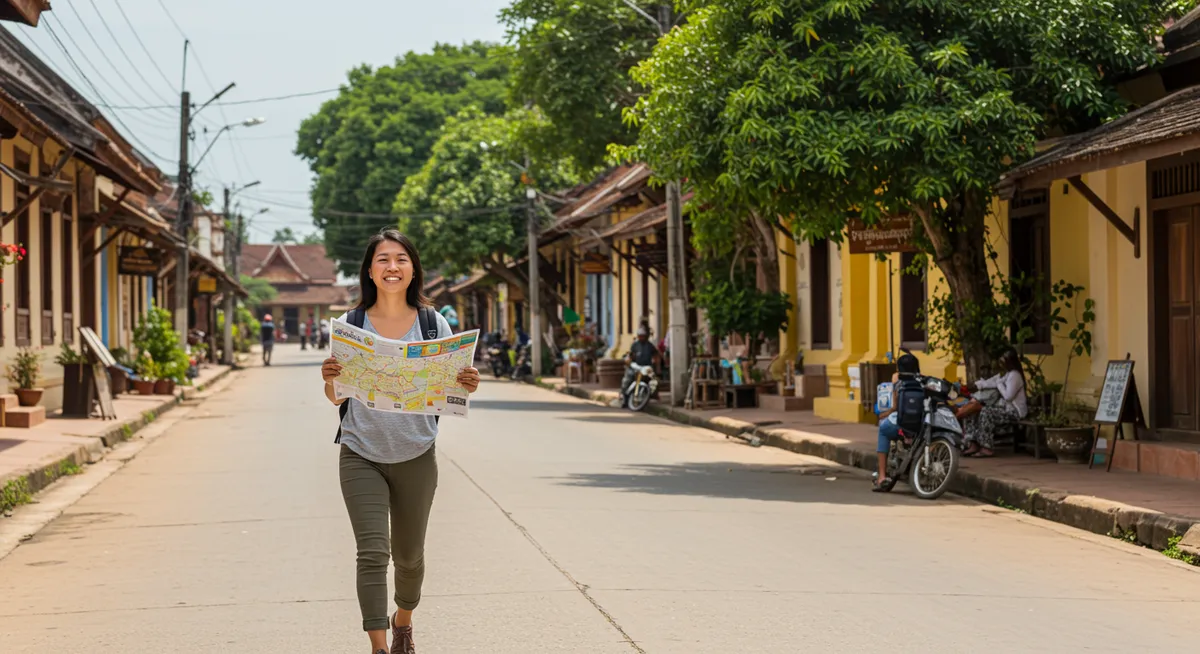
Pakse, the bustling gateway to Southern Laos, reveals its true charm and character when explored on foot. While motorbikes and tuk-tuks are common, nothing compares to the immersive experience of a self-guided walking tour. This comprehensive guide will equip you with the practical tips, local insights, and route ideas needed to safely and enjoyably uncover the heart of Pakse, allowing you to connect deeper with its vibrant street life, serene temples, and friendly locals.
Key Tips and Takeaways
- Start your walks early in the morning to avoid the midday heat and enjoy cooler temperatures.
- Stay hydrated! Carry a reusable water bottle and refill it often.
- Wear comfortable, sturdy walking shoes to navigate uneven pavements and maximize comfort.
- Always carry small denominations of Lao Kip for purchases and local transport.
- Embrace spontaneous interactions with locals; a friendly ‘sabaidee’ goes a long way.
- If taking a tuk-tuk for longer distances, always negotiate the fare before getting in.
Why Walk Pakse? The Undiscovered Charms on Foot
While motorbikes offer speed and tuk-tuks convenience, truly experiencing Pakse means slowing down and exploring its charming streets on foot. A self-guided walking tour isn’t just about getting from point A to B; it’s about unlocking the city’s unassuming beauty and discovering the authentic heartbeat of southern Laos that other transport options simply zip past.
Deeper Immersion & Unearthing Hidden Gems
Walking allows you to engage all your senses. You’ll notice the intricate details of French colonial architecture crumbling gracefully alongside traditional Lao wooden houses, the vibrant hues of fresh produce spilling from market stalls, and the quiet dignity of tucked-away temples like Wat Phou Salao in the distance or smaller neighborhood wats. Veer down a narrow alley and you might stumble upon a family crafting incense sticks, a hidden noodle shop serving up the best khao soi, or a community shrine adorned with fresh flowers. These are the moments you miss when rushing by in a vehicle – the subtle nuances that paint a richer picture of daily life in Pakse.
Connecting with Locals & Savoring the Slower Pace
Pakse residents are known for their gentle smiles and welcoming demeanor. On foot, you’re approachable. A simple “Sabaidee” (hello) can lead to a shared laugh, an impromptu recommendation for a local eatery, or a friendly wave from a shop owner. You become part of the streetscape, rather than an observer behind a window. This pedestrian pace also forces you to truly appreciate the tranquil flow of life here. Listen to the gentle lapping of the Mekong and Xe Don rivers, the distant chanting from a temple, or the quiet chatter of families enjoying their morning coffee. It’s a sensory experience that grounds you in the present moment, far removed from the hustle of bigger cities.
Practical Tips for Your Pakse Walking Adventure
- Comfortable Footwear is Key: Pakse can be warm and dusty, and pavements aren’t always perfect. Invest in breathable, broken-in walking shoes or sturdy sandals.
- Stay Hydrated: The Lao heat, especially from late morning to mid-afternoon, demands constant hydration. Carry a reusable water bottle and refill often. Many guesthouses and cafes offer filtered water.
- Sun Protection: A wide-brimmed hat, sunglasses, and high-SPF sunscreen are non-negotiable. Consider lightweight, long-sleeved clothing for extra sun protection.
- Navigation & Connectivity: Download offline maps (Google Maps, Maps.me) before you head out. While most of Pakse is walkable, having a reliable map prevents unnecessary detours. A local SIM card (available cheaply) can be helpful for quick online searches or emergency calls.
- Dress Respectfully: When entering temples (wats), ensure your shoulders and knees are covered. It’s also generally good practice to dress modestly out of respect for local customs.
- Small Notes & Awareness: Carry small denominations of Lao Kip for street food vendors, small shops, or impromptu purchases. Be mindful of occasional motorbike traffic, especially on narrower streets without dedicated sidewalks.
- Timing Your Walks: For the most pleasant experience, aim for early morning (before 9 AM) or late afternoon (after 4 PM) to avoid the midday heat and enjoy softer light for photography.
Embrace the freedom of your own two feet, and Pakse will reveal its most authentic and endearing self, one fascinating step at a time.
Getting Started: Planning Your Pakse Walking Adventure
Embarking on a self-guided walking tour in Pakse offers an authentic glimpse into the heart of Southern Laos. To ensure your adventure is both enjoyable and comfortable, a little planning goes a long way.
Timing Your Pakse Walking Adventure
The success of your Pakse walking tour largely depends on timing. The absolute best time of year to visit Pakse for walking is during the **dry season, spanning from October to April**. During these months, you’ll experience comfortable temperatures and minimal rainfall, making it ideal for exploring on foot. The air is generally clearer, and paths are dry and easy to navigate. Avoid the peak of the hot season (March-May), when temperatures can soar, and the rainy season (May-September), which brings high humidity and slippery conditions.
Regardless of the season, the best time of day to walk in Pakse is crucial for beating the heat. Aim for **early morning (before 9:00 AM)** or **late afternoon (after 4:00 PM)**. The midday sun can be incredibly intense, especially between 11:00 AM and 3:00 PM. Early mornings offer cooler temperatures and the chance to see Pakse wake up, while late afternoons provide beautiful golden hour light, perfect for photography, and a more relaxed atmosphere as locals unwind.
Pacing Your Exploration: Tour Durations
Pakse’s downtown area is compact and easily navigable on foot. For a focused exploration covering key attractions like Vat Luang, the French Colonial Quarter, and the riverside promenade, a **2-4 hour walk** is usually sufficient. However, don’t feel pressured to rush. Allow flexibility to stop for a refreshing Lao coffee, browse a local market, or simply observe daily life. Consider breaking your tour into shorter segments, perhaps a morning loop and an afternoon stroll, especially if you plan to cover more ground or visit sites further afield like Wat Phou Salao (which is best accessed via a short tuk-tuk ride to the base of the hill before walking up).
Navigating with Confidence: Offline Maps are Your Best Friend
While Pakse is relatively easy to navigate, having reliable maps is essential for a stress-free self-guided tour. Mobile data can be patchy, so **offline maps are non-negotiable**. We highly recommend:
- Google Maps: Before heading out, open the app while connected to Wi-Fi at your accommodation and download the offline map for the Pakse area. This allows you to use GPS navigation without an internet connection.
- Maps.me: This app is fantastic for walkers, often showing more detailed pathways, small alleyways, and points of interest that might not appear on other maps. Download the Laos map pack in advance.
Before you set off, take a moment to **identify key points of interest (POIs)** you wish to visit. Pin your accommodation, major temples (like Vat Luang and Wat Phou Salao), Dao Heuang Market, and any cafes or restaurants you’d like to try. This pre-planning will help you visualize your route and estimate walking times.
Essential Gear and Local Insights
Beyond mapping, come prepared. Wear **comfortable, broken-in walking shoes**, as you’ll be covering varied terrain. Lightweight, breathable clothing is best for Pakse’s humid climate. Don’t forget a **hat, sunglasses, and high-SPF sunscreen** to protect against the strong tropical sun. Hydration is key; carry a **refillable water bottle** and seek out roadside stalls or cafes for top-ups. A small backpack for essentials, a portable power bank for your phone, and a small first-aid kit (especially for blisters!) are also advisable. When visiting temples, remember to dress modestly, covering your shoulders and knees, as a sign of respect. Embrace the relaxed pace of Pakse, be open to impromptu discoveries, and always stay aware of your surroundings, particularly when crossing busy streets where motorbikes are prevalent.
Essential Gear for Your Pakse Walking Bag
🌟 Local Expert Tip: Get the most out of your Pakse visit with guided tours!
Embarking on a self-guided walking tour of Pakse is an incredible way to immerse yourself in the city’s unique charm, from its bustling morning markets to its serene riverside promenades and hidden wats. To ensure your adventure is as comfortable and enjoyable as possible, packing smart is key. The tropical climate of Pakse, combined with varied terrain, means a well-prepared walking bag can make all the difference. Here’s what you absolutely shouldn’t leave your guesthouse without:
- Comfortable, Broken-In Walking Shoes: This is non-negotiable. Pakse’s pavements can be uneven, dusty, and sometimes require navigating unpaved sections, especially as you explore local neighborhoods. New shoes are a recipe for blisters, which can quickly derail your enjoyment. Opt for breathable sneakers or sturdy walking sandals that offer good support and have been thoroughly ‘test-driven’ before your trip.
- Light and Breathable Clothing: Pakse is hot and humid year-round. Think loose-fitting garments made from natural fibers like cotton or linen, or quick-drying synthetics. Light colors will also help reflect the sun. Remember, if you plan to visit any temples (like the iconic Wat Phou Salao with its giant Buddha statue), it’s respectful to have clothing that covers your shoulders and knees.
- Hat and Sunglasses: The sun in Laos, especially midday, is incredibly strong. A wide-brimmed hat will offer crucial protection for your face and neck, while sunglasses will shield your eyes from the intense glare, making your walk much more comfortable.
- Sunscreen: Even on cloudy days, the UV index in Pakse can be very high. Apply a high-SPF sunscreen liberally before you head out, and consider bringing a small tube for reapplication throughout the day, especially if you sweat a lot.
- Reusable Water Bottle: Hydration is paramount in the Pakse heat. Carrying your own bottle allows you to stay hydrated by refilling it at cafes, guesthouses, or even some street vendors. This not only keeps you feeling fresh but also helps reduce plastic waste. Aim to drink more water than you think you need!
- Small Backpack: A lightweight, comfortable daypack is ideal for carrying all your essentials without weighing you down. Ensure it’s not too bulky so you can easily navigate crowded markets or narrow paths.
- Basic First-Aid Kit (with Blister Focus): While you hope not to need it, a small kit can be a lifesaver. Prioritize items for foot care: various sizes of band-aids, moleskin or blister patches, and antiseptic wipes. A few pain relievers for general aches or headaches wouldn’t go amiss either.
- Power Bank: Your phone will be your map, your camera, and your translator. Between navigating, taking photos of stunning Mekong River views, and looking up local eateries, your battery can drain quickly. A fully charged power bank ensures you’re never left stranded with a dead device.
- Supply of Local Currency (Lao Kip) in Small Denominations: While some larger establishments accept credit cards, most local markets, street food stalls, and small shops operate on a cash-only basis. Having a good supply of small notes (e.g., 10,000, 20,000, 50,000 Kip) is incredibly useful, as vendors often don’t have change for larger bills. It makes transactions smoother and quicker, especially when buying delicious snacks or refreshing drinks on the go.
By preparing your walking bag with these essential items, you’ll be well-equipped to enjoy every step of your self-guided exploration of Pakse, soaking in its sights, sounds, and vibrant local life without a hitch.
Navigating Pakse: Tips for Safe & Enjoyable Walking
🌟 Local Expert Tip: Get the most out of your Pakse visit with guided tours!
Walking is undoubtedly one of the best ways to immerse yourself in the local rhythm of Pakse. From its bustling markets to its tranquil riverside promenades, exploring on foot offers a unique perspective. However, to ensure your self-guided walking tours are both safe and enjoyable, it’s essential to be prepared for the city’s unique conditions.
Navigating the Sidewalks & Traffic
Unlike many Western cities, sidewalks in Pakse can be an adventure in themselves. Expect them to be often uneven, cracked, or even non-existent, forcing you to occasionally walk on the road shoulder. You’ll encounter obstacles ranging from parked motorbikes and street food stalls to utility poles and open drains. Constant vigilance is key – keep your eyes peeled for what’s ahead and below. Sturdy, closed-toe shoes are an absolute must for comfortable and safe navigation.
Traffic awareness is paramount, especially when crossing streets. Motorbikes are king in Pakse, zipping around with surprising speed and often little regard for traditional traffic rules. Cars also share the roads, and at intersections, the flow can seem chaotic. Unlike some countries where pedestrians have the right-of-way, in Laos, it’s generally best to wait for a clear opening. If you must cross, make eye contact with oncoming drivers, walk at a steady, predictable pace, and avoid sudden movements. Remember that even on seemingly one-way streets, motorbikes might be traveling against the flow.
Embracing Local Customs
Respectful engagement with local culture enhances your experience and builds positive interactions. When walking around Pakse, especially if you plan to visit temples (wats) or public buildings, dress modestly. This typically means covering your shoulders and knees. Lightweight, breathable fabrics are ideal for the tropical climate. A simple ‘Sabaidee’ (hello) to locals you pass, accompanied by a genuine smile, can go a long way. Lao people are generally very friendly and appreciate polite gestures. Remember that patience and a gentle demeanor are highly valued.
Staying Hydrated & Sun Safe
The tropical climate of Pakse means heat and humidity are constant companions. Staying hydrated is crucial for preventing fatigue and heatstroke. Always carry plenty of bottled water with you; you can easily purchase it from small shops (minimarts) and guesthouses throughout the city. Consider rehydration salts if you’re feeling particularly drained. Protect yourself from the strong equatorial sun. A wide-brimmed hat, sunglasses, and high-SPF sunscreen are essential. Light, long-sleeved clothing can also offer excellent sun protection. To avoid the harshest heat, plan your longer walks for the early morning or late afternoon.
Night Walking Considerations
While Pakse generally feels safe, it’s advisable to exercise caution when walking after dark. Many side streets and less-trafficked areas can be poorly lit or completely unlit. Stick to well-lit main thoroughfares, especially those around your accommodation or popular dining areas. If you anticipate being out late, a small flashlight or your phone’s torch can be incredibly useful for illuminating uneven surfaces and potential obstacles.
Suggested Self-Guided Walking Routes in Pakse
Pakse, with its laid-back atmosphere and compact town center, is an excellent city for exploring on foot. While the main roads can be busy, its charming riverside paths, quiet side streets, and prominent temples offer a wealth of discovery for the self-guided walker. Lace up your comfortable shoes, grab your water bottle, and get ready to immerse yourself in the everyday rhythms of southern Laos.
The Riverside & Downtown Discovery Walk
-
Route Overview: This route focuses on Pakse’s vibrant heart – its riverfront and bustling main market, offering a glimpse into local commerce and riverside life.
- Starting Point: Begin your journey near the confluence of the Mekong and Sedone rivers, often marked by the Japanese Bridge or the nearby Wat Luang.
- Key Highlights:
- Mekong & Sedone River Confluence: Enjoy the serene views where these two mighty rivers meet. It’s a great spot for sunrise or sunset.
- Riverside Promenade: Stroll along the Sedone River’s western bank. You’ll pass local guesthouses, small eateries, and observe daily life – fishing boats, children playing, and vendors setting up shop.
- Pakse Market (Talat Lak Sao): Head inland towards the town’s central market. This is a sensory feast – fresh produce, textiles, household goods, and an abundance of street food. Don’t be afraid to wander through the aisles; it’s a true slice of local life.
- French Colonial Remnants: Keep an eye out for old shophouses and faded colonial-era buildings as you navigate the streets around the market, particularly along Thanon 12.
- Street Food Alley: As evening approaches, numerous street food stalls emerge, especially near the market and along the river. Perfect for a delicious, budget-friendly dinner.
- Practical Tips:
- Best Time: Early morning (7-9 AM) to see the market at its busiest and enjoy cooler temperatures, or late afternoon (4-6 PM) for sunset views and street food.
- Navigation: The market can be a maze – embrace it! Google Maps can help you reorient.
- Bargaining: Polite bargaining is acceptable at the market, especially for non-food items.
Temples & Tranquility Tour
-
Route Overview: This walk delves into Pakse’s spiritual side, visiting some of its most significant temples and quieter neighborhoods.
- Starting Point: Begin at Wat Luang, easily accessible from the town center.
- Key Highlights:
- Wat Luang: Pakse’s largest and most revered temple. Spend time admiring its intricate architecture, the serene main viharn (assembly hall), and the surrounding grounds, home to monks. It’s a peaceful oasis.
- Wat Phabat: A short walk south from Wat Luang, this temple is known for its footprint of Buddha. It’s often quieter than Wat Luang, offering a more reflective experience.
- Local Neighborhoods: As you walk between temples, take detours down smaller lanes. You’ll discover local homes, small shops, and get a feel for everyday residential life in Pakse.
- Coffee Breaks: Pakse has a burgeoning coffee culture. Keep an eye out for charming local cafes to enjoy a Lao coffee or a refreshing fruit shake.
- Practical Tips:
- Dress Code: Always dress modestly when visiting temples – cover your shoulders and knees.
- Temple Etiquette: Remove your shoes before entering temple buildings. Speak softly and be respectful of worshippers and monks.
- Extending Your Walk: For panoramic views of Pakse and the rivers, consider taking a tuk-tuk across the Sedone River to Wat Phou Salao, located on a hill. While not strictly part of a continuous city walk, it offers an incredible photo opportunity at sunset.
Downtown & Riverside Loop: Culture, Commerce & Views
Lace up your walking shoes for an immersive journey through the heart of Pakse, a loop designed to reveal the city’s vibrant pulse, historical echoes, and serene riverside beauty. This self-guided “Downtown & Riverside Loop” offers a fantastic introduction to Pakse, blending cultural insights with everyday commerce and breathtaking views.
Begin your adventure along the tranquil Mekong Riverside Promenade. Early mornings or late afternoons are ideal here, as the sun paints the sky with incredible hues, casting a golden glow over the tranquil waters. Observe local life unfold – fishermen tending their nets, monks collecting alms, and families enjoying the cool breeze. The path is flat and easy, perfect for stretching your legs while soaking in the majestic river scenery.
As you continue, you’ll naturally find your way towards the iconic Xe Don River Bridge. Cross this vital link connecting different parts of the city. From the bridge, you’ll gain unique vantage points, offering panoramic views of both the Xe Don and Mekong Rivers converging, and the bustling cityscape below. It’s a great spot for photos!
Once across, delve into Pakse’s lively commercial heart. The streets around the central roundabout are buzzing with activity. Navigate towards the local markets – whether it’s the daytime bustle of fresh produce and goods, or the aromatic evening markets where street food vendors light up the night. Don’t be shy; sampling local delicacies like *khao soi* (Lao noodle soup) or fresh fruit shakes is a must. Remember to carry small denominations of Lao Kip (LAK) for easy transactions.
As you wander through the city center, keep an eye out for glimpses of French colonial architecture. Though often blended with modern structures, charming shophouses with their distinctive facades and faded elegance tell tales of Pakse’s past. Many now house cafes, guesthouses, or small businesses, offering a delightful contrast to the traditional wooden homes.
Practical Tips for Your Pakse Walking Tour:
- Best Time to Walk: Aim for early mornings (7:00 AM – 9:00 AM) or late afternoons (4:00 PM – 6:00 PM) to avoid the intense midday heat. Pakse can get very warm, especially between March and May.
- What to Bring:
- Hydration: A reusable water bottle is essential. You’ll find plenty of shops to refill.
- Sun Protection: A wide-brimmed hat, sunglasses, and high-SPF sunscreen are non-negotiable.
- Comfortable Footwear: Your feet will thank you! Opt for breathable, broken-in walking shoes.
- Small Change: For market snacks, drinks, or small purchases.
- Camera/Phone: To capture the vibrant scenes and beautiful views.
- Lightweight Bag: To carry your essentials and any small souvenirs.
- Making the Most of It:
- Embrace Detours: Don’t be afraid to veer off the main path down an interesting alley. Some of the best discoveries are made by accident.
- Observe & Engage: Smile at locals, try a few basic Lao phrases like “Sabaidee” (hello) and “Khop chai” (thank you). Observe daily life – from vendors setting up stalls to children playing.
- Stay Alert: While generally safe, be mindful of traffic, especially motorbikes, which can be unpredictable.
- Hydrate Regularly: Even if you don’t feel thirsty, keep sipping water to prevent dehydration.
- Respect Local Customs: Dress modestly, especially if you plan to enter any temples along your route (though this loop is primarily urban).
This loop, approximately 5-7 kilometers depending on your detours, can easily take 2-4 hours, allowing ample time for stops, photos, and soaking in the atmosphere. Enjoy the rich tapestry of Pakse at your own pace!
Cultural & Temple Trail: Serenity Amidst the City
Embark on a serene journey through Pakse’s spiritual heart with the “Cultural & Temple Trail,” a self-guided walking tour that promises tranquility amidst the city’s gentle hum. This route is designed to immerse you in Laos’s devout Buddhist culture, offering glimpses into daily life and architectural beauty.
The Trail Highlights:
-
Wat Luang: Begin your exploration at Pakse’s largest and most revered temple, Wat Luang. Located near the Xe Don River, its golden spires and intricate carvings are a sight to behold. Take your time to admire the stunning murals, the various Buddha statues, and the peaceful grounds where monks go about their daily routines. It’s an active monastery and a significant center for Buddhist education, offering a profound sense of calm.
-
Smaller Local Wats: As you wander through the city’s backstreets, keep an eye out for numerous smaller, less prominent wats. These local temples, often less adorned but equally significant to their communities, offer a more intimate look at local religious practices. Their quiet courtyards are perfect for a moment of reflection.
-
Wat Phou Salao (Giant Buddha): Your trail culminates with an ascent to Wat Phou Salao, home to the colossal golden Buddha statue overlooking Pakse. While a significant portion of the journey to the base of the hill can be walked, the final steep ascent to the main Buddha statue is best done via a short tuk-tuk ride from the bottom of the hill. The panoramic views of the Mekong and Xe Don rivers, the city, and the surrounding countryside from this vantage point are absolutely breathtaking, especially around sunset (though remember your walking tour focuses on daytime temple visits, so morning or late afternoon would be ideal here).
Cultural Etiquette & Dress Code:
Visiting temples is a deeply respectful experience in Laos. To ensure you honor local customs and traditions:
- Dress Modestly: Always cover your shoulders and knees. Lightweight, long-sleeved shirts or scarves for your shoulders, and long pants or skirts are ideal. Some temples may offer sarongs for rent or loan if you’re not adequately covered.
- Remove Your Shoes: It is customary to remove your shoes before entering any temple building (sim or viharn). Look for shoe racks outside the entrance.
- Be Respectful: Speak in hushed tones, avoid pointing your feet at Buddha images or people, and do not touch any religious artifacts. If monks are present, it is respectful for women not to touch them.
- Donations: Small donations are always appreciated to help maintain the temples. Look for donation boxes.
Practical Tips for Your Walk:
- Start Early: Pakse can get very hot, especially from late morning onwards. Begin your temple trail early in the day (e.g., 7:00-8:00 AM) to enjoy cooler temperatures and more tranquil temple atmospheres.
- Stay Hydrated: Carry plenty of water. You can buy cold drinks from small shops and stalls along the way.
- Sun Protection: A wide-brimmed hat, sunglasses, and high-SPF sunscreen are essential.
- Comfortable Footwear: You’ll be walking a fair distance and potentially removing shoes frequently, so opt for comfortable, easy-to-slip-on walking sandals or shoes.
- Offline Map: Download an offline map of Pakse (like Google Maps or Maps.me) before you set out, as street names can be confusing and Wi-Fi isn’t always available.
- Small Notes: Carry small denominations of Lao Kip (e.g., 10,000 or 20,000 LAK notes) for donations, buying water, or quick snacks.
- Be Open and Friendly: A warm smile and a “Sabaidee” (hello) will go a long way in connecting with locals.
This “Cultural & Temple Trail” is more than just a walk; it’s an opportunity to absorb the spiritual essence of Pakse, fostering a deeper appreciation for Laos’s rich heritage.
Market & Foodie Exploration: Taste of Pakse
🌟 Local Expert Tip: Get the most out of your Pakse visit with guided tours!
Pakse’s heart beats in its markets, offering an unparalleled sensory feast for the adventurous walker. This foodie exploration guides you through the vibrant pulse of local life, from bustling morning routines to aromatic evening delights.
Morning Market Mastery: Talat Dao Heuang
Begin your day with a sunrise stroll to Talat Dao Heuang, Pakse’s central morning market. It’s a sprawling hub of activity and a true immersion into local commerce. To truly experience it, aim to arrive before 7:00 AM when it’s at its most energetic. Your walking path can be organic – let the sights and sounds guide you. Start by weaving through the fresh produce sections, admiring mountains of exotic fruits, vibrant vegetables, and aromatic herbs. Observe how locals select their ingredients, and don’t be shy about asking questions (a smile and pointing work wonders!).
As you delve deeper, you’ll encounter sections dedicated to fresh fish, meats, and an array of unique local spices. Beyond raw ingredients, the market transitions into a haven for ready-to-eat breakfast items. This is your chance to sample authentic Lao morning fare. Look for stalls bustling with locals and point to what looks good. A must-try is Khao Piak Sen, a comforting Lao noodle soup, often with chicken or pork, served with fresh herbs. Pair it with a strong Lao coffee (café nom sod) for a true local start to your day. Remember to carry small denominations of Lao Kip (20,000, 10,000, or 5,000 kip notes) as vendors often don’t have change for larger bills.
Evening Delights: Pakse Night Market
As dusk settles, pivot your walking tour to the lively Pakse Night Market, often stretching along the Xe Don Riverfront. This is where Pakse comes alive with sizzling woks and a tantalizing array of street food. The atmosphere is relaxed and social, making it perfect for an evening stroll and graze.
Your walking strategy here is simple: follow your nose! Stroll from stall to stall, admiring the culinary craftsmanship. Be sure to seek out the famous Lao grilled fish, often served whole with sticky rice and a spicy dipping sauce – known locally as Pa Ping. Other popular options include grilled meats (chicken skewers, sausages), fresh spring rolls, various types of Lao salads (like Tam Mak Hoong – spicy papaya salad), and an abundance of sweet sticky rice desserts. Don’t hesitate to try a little bit of everything; most portions are small and inexpensive, encouraging sampling.
Bargaining Tip: While prices for street food are generally fixed and very reasonable, if you are buying a large quantity of produce at the morning market, a gentle and friendly attempt at bargaining might be accepted, particularly if you are buying multiple items. For small, prepared items, expect to pay the stated price.
Practical Tips for Your Foodie Walk:
- Go Hungry: This might seem obvious, but allocate ample stomach space for tasting.
- What to Bring: A reusable fabric bag for any market finds, a small bottle of water, wet wipes or hand sanitizer, and plenty of small kip notes.
- Be Adventurous: Don’t be afraid to try new flavors and textures. Look for stalls with long lines – it’s often a sign of delicious food.
- Observe and Learn: Watch how locals order and eat. It’s a great way to understand the culture and get recommendations.
- Food Safety: While generally safe, opt for food that is cooked fresh in front of you and served hot.
- Pace Yourself: It’s a marathon, not a sprint! Enjoy the journey and the myriad flavors at your own pace.
Beyond the Walk: Connecting to Pakse’s Broader Exploration
While Pakse offers a delightful canvas for self-guided walking tours, truly experiencing the charm of Champasak Province means occasionally venturing beyond the immediate city limits. Think of your urban strolls as the foundation, allowing you to intimately connect with the city’s heartbeat, while other modes of transport serve as bridges to unlocking wider adventures. Combining walking with strategic use of local transport is the smart way to explore Pakse and its stunning surroundings without getting overwhelmed.
Seamlessly Extending Your Exploration within Pakse
Even within Pakse itself, you might find moments where a walk transitions perfectly into a ride. For instance, after a rewarding morning exploring the market and riverside, your feet might appreciate a short tuk-tuk ride back to your guesthouse for a break. These ubiquitous three-wheeled vehicles are readily available and affordable. Always negotiate your fare beforehand, agreeing on a price before you hop in. For longer stretches within the city, like getting from the main tourist strip to the French Quarter, or accessing a specific temple slightly further afield, a quick tuk-tuk ride can save energy and time, allowing you to focus your walking efforts on the most interesting areas.
Unlocking Wider Adventures: Day Trips Beyond the City
Pakse serves as an excellent gateway to some of Southern Laos’ most iconic attractions, which are too far for a walking tour but perfect for a day trip with hired transport:
- The Bolaven Plateau: This stunning highland region, famous for its lush coffee plantations and breathtaking waterfalls (like Tad Fane, Tad Gneuang, and Tad Lo), is a must-see. It’s impossible to walk to or around, so hiring a private car with a driver or joining an organized tour is essential. Your guesthouse or any local travel agency in Pakse can easily arrange this for you. Discuss your desired itinerary, as many drivers offer customized routes to hit the best waterfalls and coffee farms.
- Wat Phou: Approximately 40 kilometers south of Pakse, this ancient Khmer temple complex, a UNESCO World Heritage site, rivals Angkor Wat in historical significance. It’s a full-day excursion requiring dedicated transport. You can hire a car and driver, or a tuk-tuk for the entire day (be prepared for a bumpy, but scenic, ride in a tuk-tuk). Many opt to combine it with a stop at Don Daeng island or a visit to Champasak town on the way.
Conquering the Climb: Wat Phou Salao’s Panoramic Views
One specific instance where a little help from a driver makes all the difference is the ascent to Wat Phou Salao, home to the gigantic Golden Buddha, perched high on the hill overlooking Pakse. While the views from the top are absolutely spectacular – offering a 360-degree panorama of the Mekong River, the city, and the surrounding countryside – the walk up the winding, steep road can be quite strenuous, especially in the Pakse heat. For this reason, we highly recommend hiring a tuk-tuk or taxi to take you to the very top. You can then leisurely explore the temple complex and take in the magnificent vistas without being exhausted, saving your energy for photo opportunities and contemplation. Negotiate a return fare with your driver, or arrange for them to wait for you.
By strategically integrating tuk-tuks and hired drivers into your travel plans, you can seamlessly combine the intimate experience of self-guided walking tours within Pakse with broader, unforgettable explorations of the Champasak Province’s rich culture and natural beauty.
Local Insights & Expert Tips for the Pakse Walker
Walking through Pakse offers a unique window into Southern Lao life, and truly experiencing it means tapping into the local rhythm. Here are some insider tips to make your self-guided explorations truly unforgettable.
Embrace the Spontaneous & Connect
Pakse isn’t about rigid itineraries; it’s about serendipity. The locals are incredibly friendly and often curious about visitors. Don’t be afraid to make eye contact, smile, and even try a few basic Lao phrases. You might find yourself invited for a spontaneous cup of tea, a shared snack at a street stall, or simply a warm chat. These unscripted moments, whether observing riverside life unfold or watching artisans at work, are the true gems of walking in Pakse.
Fuel Your Journey: Culinary Delights
Your walking adventures will require fuel, and Pakse delivers! Look out for local coffee stalls; Pakse is renowned for its rich, strong brew, often served with condensed milk. It’s the perfect pick-me-up. And no trip to Laos is complete without sticky rice (khao niao). You’ll find it served everywhere, from breakfast to dinner. Learn to eat it the traditional way – by hand, rolling a small ball to scoop up delicious curries or grilled meats. Don’t shy away from the vibrant street food scene around the central market or along the river – it’s safe, delicious, and incredibly affordable.
Speak a Little Lao: Basic Phrases
A little effort goes a long way. Learning just a couple of common Lao phrases will open doors and smiles.
- Sabaidee (สະຫາບາຂີດີ): Hello (use for everyone, regardless of gender).
- Khop Chai (ຂໍບໃຈ): Thank you. Add ‘der’ (ກະເດີ) for extra politeness, especially to elders: Khop Chai der.
These small gestures show respect and appreciation for the local culture, enhancing your interactions with vendors and passersby.
Cultural Nuances: Respectful Interactions
As you explore temples and interact with locals, remember these points:
- Respect for Monks: Monks are highly revered. Women should never touch a monk or hand anything directly to one. Always maintain a respectful distance. When passing monks, lower your head slightly as a sign of respect.
- Dress Modestly: Especially when visiting temples or sacred sites, ensure your shoulders and knees are covered. This is a sign of respect for the local customs and spiritual beliefs.
- Understanding ‘Lao Time’: Things generally move at a slower, more relaxed pace in Laos. Don’t be surprised if buses are late, or services take longer than expected. Embrace ‘Lao time’ – it’s part of the charm of the country, and trying to rush will only cause frustration.
Savvy Shopper: Market Bargaining Tips
Visiting Pakse’s markets, like the bustling Dao Heuang Market, is an essential experience. While prices for food and drinks are generally fixed, you can politely bargain for souvenirs, clothing, and crafts.
- Start with a Smile: Always begin with a friendly demeanor.
- Offer Reasonably: Don’t start with an insultingly low offer. A good starting point is usually 30-50% off the initial asking price.
- Be Prepared to Walk Away: If you can’t agree on a price, politely say “Khop Chai” and walk away. Sometimes, the vendor will call you back with a better offer.
- It’s About Connection: Bargaining is often a friendly interaction rather than a fierce negotiation. Don’t aim to get the absolute lowest price; aim for a fair price that makes both parties happy.
Practical Walking Tour Essentials
To ensure a comfortable walking experience in Pakse:
- Stay Hydrated: Carry a refillable water bottle. Pakse can get very hot and humid.
- Comfortable Footwear: Opt for sturdy, breathable walking shoes or sandals. You’ll be covering varied terrain.
- Sun Protection: A wide-brimmed hat, sunglasses, and high-SPF sunscreen are crucial to protect against the tropical sun.
- Lightweight Bag: A small backpack for essentials like water, snacks, hand sanitizer, and a power bank.
- Cash is King: While some larger establishments accept cards, street vendors, local restaurants, and market stalls primarily deal in Lao Kip. Carry small denominations.
- Offline Maps: Download offline maps (e.g., Google Maps) before you head out, as Wi-Fi can be patchy.
By keeping these insights and tips in mind, your self-guided free walking tours in Pakse will be not just explorations, but genuine cultural immersions.
Staying Safe & Responsible on Your Pakse Walk
While Pakse offers a wonderfully laid-back atmosphere, a little preparation and awareness ensure your self-guided walking tours are not only enjoyable but also safe and responsible. Embrace the local pace, but stay savvy.
General Safety & Valuables
Pakse is generally safe, but petty theft can occur in crowded areas like the Dao Heuang Market or bus stations. Keep belongings secure – a cross-body bag or money belt is ideal – and avoid flashing large amounts of cash or expensive electronics. Be aware of your surroundings, especially when admiring views along the Mekong or Xe Don rivers.
- Secure Your Valuables: Carry only daily essentials, leaving excess cash and documents in your hotel’s safe. Use a secure bag and avoid leaving it unattended.
- Scam Awareness: Be wary of overly friendly strangers offering unsolicited services or deals that seem too good to be true. Always clarify prices beforehand.
- Night Walking: Stick to well-lit areas after dark. A tuk-tuk is safer for longer distances.
Respecting Local Culture & Environment
Pakse’s charm lies in its authentic Lao culture. Respecting local customs enhances your experience and fosters positive interactions.
- Dress Modestly: When visiting temples (like Wat Phou Salao) or religious sites, ensure shoulders and knees are covered. Modest dress is generally appreciated.
- Temple Etiquette: Always remove shoes before entering temple buildings or homes. Speak softly; avoid pointing with your feet.
- Greetings: A simple “Sabaidee” (hello) with a gentle nod or “Nop” (prayer-like gesture) goes a long way.
- Environmental Responsibility: Public trash bins are scarce. Carry a small bag for your waste (wrappers, bottles) until you find a proper bin at your guesthouse or restaurant. Never litter, especially along rivers or in natural areas.
Supporting Local Businesses Ethically
One of the joys of walking in Pakse is discovering its local life. Your spending choices make a real difference.
- Buy Local: Prioritize small, family-run restaurants, street food vendors, and local shops; your money directly benefits the community.
- Bargaining: In markets, polite bargaining is acceptable. Do so with a smile; avoid aggressive haggling over small amounts that are significant to the vendor.
- Ethical Choices: Avoid purchasing goods made from endangered species or anything ethically questionable. Support artisans crafting traditional Lao products.
By keeping these tips in mind, you’ll enjoy a safer, more responsible Pakse walking tour, contributing positively to the local community and environment.
Frequently Asked Questions
Q: Is Pakse safe for walking tours?
A: Yes, Pakse is generally very safe for walking. Petty theft can occur, so be mindful of your belongings, especially in crowded markets. Always stick to well-lit areas at night and be aware of traffic, especially motorbikes.
Q: What are the best times of day to walk in Pakse?
A: The ideal times are early mornings (before 9 AM) and late afternoons (after 4 PM) to avoid the intense midday heat and humidity. These times also offer a more vibrant local atmosphere.
Q: How do I get around if I get tired or need to go further?
A: Pakse has an abundance of tuk-tuks, which are readily available and affordable. You can also find taxis (though less common) or rent a bicycle for shorter distances. Always agree on a fare before starting your ride.
Q: Are there public restrooms available along walking routes?
A: Public restrooms are not common. You can often find facilities in larger restaurants, cafes, or at major temples (often requiring a small fee or donation). Plan accordingly, especially before longer walks.
Q: Is English widely spoken in Pakse, especially for directions?
A: While English is understood in tourist-centric areas like hotels and some restaurants, it’s not widely spoken by the general population. Having an offline map or knowing a few basic Lao phrases (‘sabaidee’ – hello, ‘khop chai’ – thank you) will greatly assist you.
Q: How should I interact with street vendors or in markets?
A: Engage with a smile and a polite ‘sabaidee.’ Bargaining is common and expected in markets, but do so respectfully and with good humor. It’s often for a small discount, not a huge price drop.
Self-guided walking tours in Pakse offer an unparalleled opportunity to truly connect with this charming Lao city. By following these practical tips and embracing the local culture, you’ll uncover hidden alleyways, savor authentic flavors, and create lasting memories, all at your own pace. So, lace up your shoes, pack your sense of adventure, and step out to discover the heart and soul of Pakse, one delightful stride at a time.