
Vang Vieng Walking Tours: Your Ultimate Transportation Guide (2026)
Explore Vang Vieng safely and enjoyably on foot! Get practical advice, essential gear tips, navigation hacks, and local insights for your ultimate walking tour in Laos.
On this page
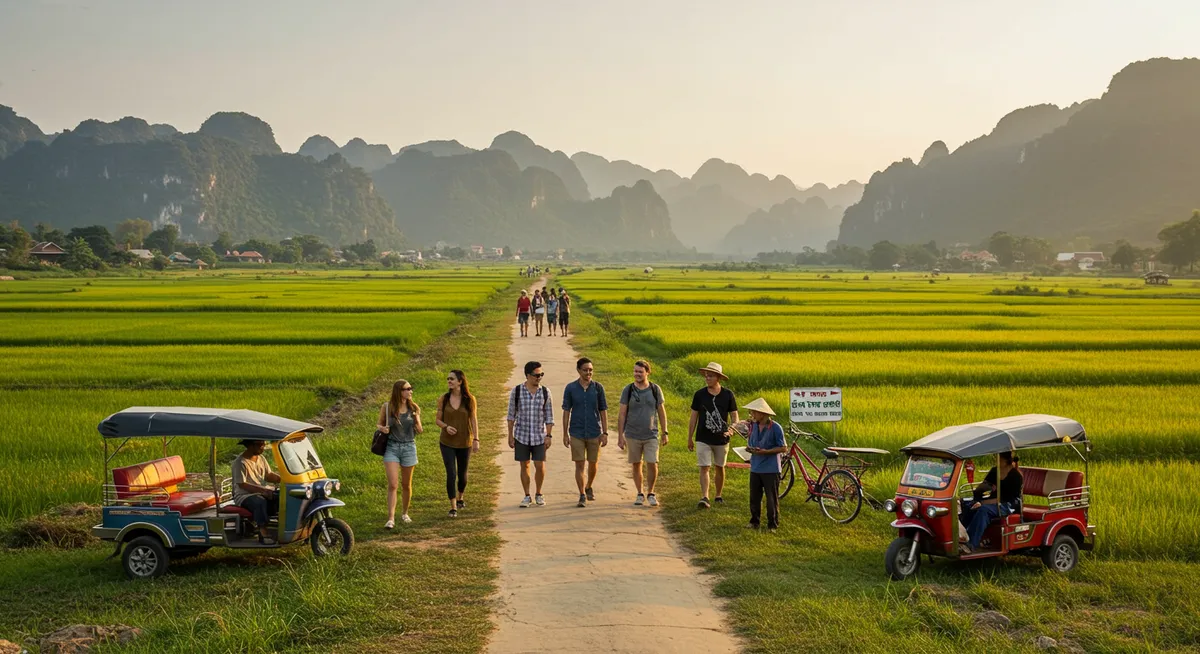
Vang Vieng, a picturesque town nestled amidst limestone karsts and the Nam Song River, is more than just an adventure hub – it’s a walker’s paradise. While motorbikes and tuk-tuks are common, exploring Vang Vieng on foot offers an unparalleled intimacy with its landscapes, local life, and hidden gems. This guide focuses on practical advice for travelers keen on discovering Vang Vieng’s charm through invigorating walking tours, ensuring your journey is both safe and immensely rewarding.
Key Tips and Takeaways
- Prioritize sturdy, closed-toe footwear for varied terrain.
- Always carry plenty of water; stay hydrated under the tropical sun.
- Utilize offline maps and consider supplementing long walks with tuk-tuks.
- Walk during cooler parts of the day (early morning/late afternoon) for comfort and safety.
- Engage with locals for directions and hidden gems; their insights are invaluable.
Why Choose to Walk in Vang Vieng?
While motorbikes and tuk-tuks certainly offer a quick way to navigate Vang Vieng, choosing to explore this charming Laotian town on foot unlocks an entirely different, richer experience. Walking isn’t just a mode of transport here; it’s an immersive journey that allows you to truly connect with the heart and soul of Vang Vieng.
Immersive Experiences & Deeper Appreciation
Ditch the rumble of an engine and embrace the quiet rhythm of Vang Vieng. On foot, you’re free to notice the subtle nuances of daily life: the aroma of freshly brewed Lao coffee, the distant sound of monks chanting, the vibrant colours of local produce at a street stall. You’ll observe children playing by the Nam Song River, watch locals going about their day, and feel the gentle breeze carrying the scent of frangipani. This slower pace allows for a deeper appreciation of the stunning karst landscapes that frame the town, giving you time to truly soak in the breathtaking views from every angle.
Discovering Hidden Gems
Vang Vieng’s main streets are lively, but its true character often lies in the quieter alleyways and less-trodden paths. Walking encourages spontaneous detours, leading you to discover quaint guesthouses, local noodle shops tucked away from the main tourist trail, serene temples, or even a hidden riverside viewpoint you’d never spot from a moving vehicle. These unexpected finds become some of the most memorable parts of your trip, offering a glimpse into authentic local life.
Environmental Friendliness & Cost-Effectiveness
Choosing to walk is the ultimate eco-friendly option. It produces zero emissions, contributing positively to the preservation of Vang Vieng’s pristine natural environment. Beyond its green credentials, walking is also completely free! Save your budget on vehicle rentals and allocate it instead to enjoying delicious street food, unique local crafts, or perhaps a relaxing Lao massage after a day of exploration. It’s a win-win for both your wallet and the planet.
Slower Pace & Relaxation
Vang Vieng has a wonderfully laid-back atmosphere, and walking perfectly complements this vibe. There’s no rush to get from A to B; instead, the journey becomes the destination. This slower pace fosters relaxation, allows for plenty of photo opportunities, and encourages you to simply be present. You can pause to admire the sunset over the limestone mountains from a bridge or simply sit on a bench and watch the world go by, feeling truly integrated into the town’s leisurely rhythm.
Practical Tips for Walking in Vang Vieng:
- Footwear is Key: Vang Vieng’s paths can be dusty, uneven, and sometimes muddy, especially after rain. Wear sturdy, comfortable walking shoes or sandals that you don’t mind getting dirty.
- Hydrate Constantly: Laos’s tropical climate means it gets hot. Carry a reusable water bottle and refill it frequently. Many guesthouses and cafes offer refills.
- Sun Protection: A wide-brimmed hat, sunglasses, and high-SPF sunscreen are essential to protect yourself from the strong tropical sun.
- Go Early or Late: To avoid the midday heat, plan your longer walks for the early mornings or late afternoons, when the temperatures are cooler and the light is often more beautiful for photography.
- Stay Aware: While Vang Vieng is generally safe, be mindful of scooter traffic, especially on narrower roads, and always watch your step on uneven surfaces.
- Carry Small Kip: Keep some small denominations of Lao Kip on hand for refreshing drinks, a quick snack from a street vendor, or to buy a local souvenir.
- Embrace the Detour: Don’t be afraid to wander off the main drag. Some of the best experiences in Vang Vieng are found when you let curiosity guide your steps.
Understanding Vang Vieng’s Terrain for Walkers
Vang Vieng is a walker’s paradise, but its diverse topography means you’ll encounter a fascinating mix of surfaces underfoot. Understanding what to expect will significantly enhance your exploration and ensure you’re adequately prepared for every step of your journey.
Within the main town area, walking is generally straightforward. You’ll navigate a grid of mostly paved roads, often lined with guesthouses, restaurants, and shops. These surfaces are flat and easy, making it a breeze to explore the town center on foot. You can comfortably wear sandals or lighter walking shoes for strolling around here, enjoying the local atmosphere.
However, as you venture beyond the immediate town limits towards Vang Vieng’s famed natural attractions – think the various Blue Lagoons, Tham Phu Kham Cave, or the starting points for tubing – the terrain quickly shifts. You’ll transition onto unpaved dirt paths. These can be wide and relatively smooth in dry season, but expect them to be incredibly dusty. During the wet season (May to October), these same paths can become muddy, slippery, and occasionally feature standing water or small ruts. Keep an eye out for local motorbikes and ATVs that also use these routes; they can kick up dust or mud.
For those seeking panoramic vistas, the treks to popular viewpoints like Nam Xay, Pha Ngern, or others involve a significant change in elevation and terrain. These are typically rocky trails, often steep and requiring careful footing. Paths can be uneven, feature loose scree, large rocks, and exposed roots. Some sections might require a bit of scrambling or using fixed ropes/handrails for assistance. Proper footwear with good ankle support and grip is absolutely essential for these more challenging ascents. Even entrances to caves like Tham Chang often involve a short, uphill climb or stairs, sometimes over slick rock surfaces.
A distinctive feature of Vang Vieng’s walking landscape is the need to navigate the beautiful Nam Song River. While concrete bridges exist further out, many popular walking routes involve crossing charming, if sometimes rickety, bamboo bridges. These are often seasonal, rebuilt after the wet season’s high waters, and typically operate as ‘toll bridges’. Expect to pay a small fee (usually 5,000-10,000 LAK per person for a return trip) to cross. This small local contribution helps with their maintenance and is a part of the authentic Vang Vieng experience. Be mindful of their sway, especially if many people are crossing simultaneously, and watch your step, as the bamboo slats can sometimes be uneven or slippery when wet.
Actionable Tips for Walkers:
- Footwear is Key: Bring sturdy, comfortable walking shoes with good grip (e.g., hiking shoes or trail runners) for anything outside the main town. Sandals are fine for town but inadequate for trails.
- Hydration: Always carry plenty of water, especially for longer treks in the heat.
- Small Bills: Keep small denominations of Lao Kip (LAK) handy for bridge tolls and small purchases from local vendors.
- Dust/Mud Preparedness: Consider a bandanna or buff for dusty paths, and know that your footwear will get dirty. Pack a plastic bag for muddy shoes if you’re returning to your accommodation.
- Sun Protection: The sun can be intense. A wide-brimmed hat, sunglasses, and high-SPF sunscreen are non-negotiable.
Essential Gear for Vang Vieng Walkers
⭐ Recommendation: Don't miss out on amazing Vang Vieng tours - book now!
Preparing for your Vang Vieng walking adventure means equipping yourself to fully enjoy its diverse landscapes, from riverside paths to rugged viewpoints and lush green trails. The tropical climate and varied terrain demand thoughtful packing. Here’s a comprehensive guide to the essential gear that will make your Vang Vieng walking tour comfortable, safe, and truly unforgettable.
Sturdy, Closed-Toe Walking Shoes or Sandals with Good Grip: This is arguably your most crucial item. Vang Vieng’s walking paths can be uneven, dusty, muddy after rain, or rocky near caves and lagoons. While sturdy hiking sandals like Tevas or Chacos with excellent grip can work for many, closed-toe shoes offer better protection against dust, small rocks, and accidental stubbing. Ensure they are well broken-in before your trip to prevent blisters, and ideally, choose a quick-drying material if you anticipate crossing shallow streams or getting caught in a downpour.
Lightweight and Breathable Clothing: Laos’s tropical climate means humidity and heat are constants. Opt for loose-fitting, moisture-wicking fabrics that dry quickly. Cotton can become heavy and uncomfortable when damp. Consider long sleeves and pants made from thin, breathable material for extra protection against the sun and insects, especially if you plan extended walks through rural areas or jungle paths.
Hat and Sunglasses: The Vang Vieng sun can be intense. A wide-brimmed hat provides excellent protection for your face and neck, significantly reducing the risk of sunburn and heatstroke. Combine this with UV-protective sunglasses to shield your eyes from the bright glare, particularly when walking in open areas or near the river.
High-SPF Sunscreen: Even with a hat, exposed skin needs protection. Pack a high-SPF (50+) broad-spectrum sunscreen and apply it generously and frequently, especially if you’re sweating or spending time near water. The sun’s reflection off the river or limestone karst can intensify its effects.
Insect Repellent: Vang Vieng, with its lush greenery and proximity to water sources, is home to mosquitoes and other biting insects, particularly during dawn and dusk, or in shaded, damp areas. A good repellent containing DEET or Picaridin is highly recommended to ward off uncomfortable bites and reduce the risk of mosquito-borne illnesses.
Reusable Water Bottle: Hydration is paramount in the Vang Vieng heat. Carry a reusable water bottle (at least 1-1.5 liters) and keep it topped up. Many guesthouses, cafes, and even some tour operators offer water refill stations, which is not only convenient but also helps reduce plastic waste. Do NOT drink tap water in Vang Vieng; always stick to filtered or bottled water for refills.
Small Backpack: A comfortable, lightweight daypack (15-25 liters) is perfect for carrying all your essentials – water, snacks, sunscreen, camera, and a change of clothes if needed. Look for one with good ventilation and adjustable straps for a snug fit.
Basic First-Aid Kit: For minor mishaps, a small personal first-aid kit is invaluable. Include items like adhesive bandages, antiseptic wipes, pain relievers, anti-diarrhea medication (a common traveler’s woe), and blister treatment. Uneven paths mean a scraped knee or blister can happen unexpectedly.
Power Bank for Electronics: Keep your phone charged for navigation, photos, or emergencies. A power bank ensures you won’t be caught without battery during a long day of exploration, especially when venturing out of town where power outlets might be scarce.
Waterproof Bag (Dry Bag): This is a non-negotiable if you plan on any river activities (like kayaking or tubing) or during the rainy season (May to October), when sudden tropical downpours are common. A dry bag will keep your camera, phone, wallet, and other valuables safe and dry, giving you peace of mind as you explore Vang Vieng’s wet and wonderful side.
Navigating Vang Vieng on Foot: Maps & Local Advice
While Vang Vieng’s compact town center makes it incredibly walkable, truly exploring its surrounding natural wonders requires a smart approach to navigation. Combining digital tools with invaluable local wisdom will ensure you discover hidden gems and always find your way back.
Your Digital Navigator: Offline Maps
Downloading offline maps for Vang Vieng is crucial, as internet can be spotty outside main areas. Prioritize this before arriving. Both Google Maps and Maps.me are excellent, with Maps.me often offering more detailed walking trails and traveler-contributed points of interest.
- Preparation: Download the Vang Vieng map via strong Wi-Fi before you go.
- Pin Your Spots: Mark accommodation, restaurants, and key sites (e.g., Pha Ngern Viewpoint, Blue Lagoon 1) directly on your map for easy offline navigation.
- GPS Power: Your phone’s GPS works even without data, showing your current location on the downloaded map.
Understanding Vang Vieng’s Layout: A Natural Compass
Vang Vieng’s compact town center is a simple grid. The Nam Song River and dramatic karst mountains are your primary navigation aids. The main town lies east of the river; looking west, you’ll see the river, then more karsts and popular activity sites like the Blue Lagoons. East of town takes you towards the main commercial area and bus station.
- River as Guide: The Nam Song flows north-south. Town is east of the river; the west bank hosts many activities, accessed by various bridges (some pedestrian-only, some toll).
- Karst Mountains: These omnipresent peaks are a stunning backdrop and visual reference, helping you gauge direction.
Engaging with Locals: The Best Map You’ll Find
While digital maps are invaluable, locals offer the most accurate, up-to-date information. Don’t hesitate to ask for directions or advice on routes, current trail conditions, or best visiting times.
- Simple Lao Phrases: A few basic phrases can go a long way.
- “Sabai dee” (sa-bye dee): Hello.
- “Khop jai” (kawp jai): Thank you.
- “Yu sai [place name]?” (yoo sai…?): Where is [place name]? (e.g., “Yu sai Blue Lagoon?”)
- “Pai [place name] dai bor?” (pai… dai baw): Can I go to [place name]? (Useful for checking accessibility)
- Be Respectful: Always approach with a smile. If asking for extended advice, especially in a shop, consider a small purchase as goodwill.
- Observe & Learn: Pay attention to local life; you’ll quickly pick up common routes and shortcuts.
By preparing your digital tools and embracing interactions with the warm-hearted people of Vang Vieng, you’ll navigate your walking adventures with confidence and truly immerse yourself in this spectacular region.
Staying Safe: Practical Tips for Walking Tours
While Vang Vieng offers stunning walking routes, prioritizing your safety is key to an enjoyable experience. Be aware that roads, especially outside the town center, are often unpaved, dusty, and lack dedicated sidewalks. You’ll share the path with scooters, motorbikes, and tuk-tuks, which can move unpredictably. Always be vigilant:
- Walk on the Side: Stick to the far left side of the road (Laos drives on the right) facing oncoming traffic, giving yourself maximum visibility and reaction time.
- Assume Nothing: Vehicles may not always yield to pedestrians, especially on less formal roads. Make eye contact with drivers if possible, and be prepared to step aside.
- Dust Control: On unpaved sections, traffic can kick up a lot of dust. A bandana or face mask can be useful, especially if you have respiratory sensitivities.
Always plan your walks for daylight hours. Vang Vieng has limited street lighting outside the main town, making uneven paths, potholes, and stray animals harder to spot after dark. Aim to be back in a well-lit area before dusk.
Vang Vieng’s tropical climate means high temperatures and humidity year-round. Dehydration is a real risk. Always carry a reusable water bottle and replenish it frequently from convenience stores or guesthouses. For longer treks, consider electrolyte-rich drinks to replace lost salts.
The Laotian sun is powerful. Apply high-SPF (50+) sunscreen liberally and reapply every two hours, especially when sweating. Protect yourself further with a wide-brimmed hat, sunglasses, and lightweight, breathable clothing (like long sleeves or pants) to prevent sunburn and heatstroke.
While Vang Vieng is generally safe, always maintain situational awareness. Keep valuables discreet, avoid flashing cash, and trust your instincts – if an area feels uncomfortable or too isolated, turn back. Watch your step on uneven terrain and rural paths to avoid falls.
Expect to encounter stray dogs and cats, especially outside town. While many are harmless, avoid approaching, feeding, or petting them, as reactions can be unpredictable. If a dog approaches, stay calm, avoid eye contact, and slowly back away. Report any bites or scratches to a medical professional immediately due to rabies risk.
For emergencies, save these crucial Vang Vieng numbers in your phone: Police: 191, Ambulance/Medical Emergency: 195, Fire: 190. Following these safety tips will ensure a relaxing and immersive walking tour experience in Vang Vieng.
Combining Walking with Other Local Transport
⭐ Recommendation: Don't miss out on amazing Vang Vieng tours - book now!
While Vang Vieng is incredibly walkable within its central town and surrounding riverside paths, its most stunning natural attractions, like the various Blue Lagoons and the majestic Tham Phu Kham Cave, are often a few kilometers away. To truly unlock the magic of Vang Vieng on foot, you’ll want to strategically combine your walking adventures with other local transport options. Think of these as your flexible support crew, allowing you to cover more ground, save energy for the trails that matter, and experience the full breadth of the region.
Utilizing Tuk-Tuks for Longer Distances
Tuk-tuks are your go-to for reaching destinations that are a bit too far for a comfortable stroll, especially under the midday sun. They are ubiquitous in Vang Vieng town and easily identifiable. Consider a tuk-tuk for:
- Blue Lagoon & Tham Phu Kham Cave: This iconic duo is approximately 7km from town. While an ambitious walk is possible, a tuk-tuk ride there allows you to conserve your energy for exploring the cave, swimming, and enjoying the lagoon. You can arrange a return trip or simply flag one down when you’re ready to head back.
- Distant Trailheads: If you’ve identified a specific hiking trail that starts further out of town, a tuk-tuk can drop you right at the beginning, maximizing your walking time on the scenic path.
- Evening Excursions: For dinner spots or riverside bars slightly outside the immediate town center after a long day of walking, a short tuk-tuk ride is convenient.
Practical Tip: Always negotiate the price before you start your journey. Sharing a tuk-tuk with fellow travelers is a great way to split the cost and make it even more economical.
Renting Bicycles for Flatter Exploration
Vang Vieng’s main valley is relatively flat, making bicycle rentals an excellent complement to your walking tours. Many guesthouses and shops in town offer bicycles for a very reasonable daily rate. Bicycles are perfect for:
- Exploring the Countryside Loops: Cycle across the famous wooden bridges, through rice paddies, and past local villages. You can easily combine a leisurely ride with short stops to walk through a village or to a specific viewpoint.
- Accessing Nearby Caves/Viewpoints: Some caves or viewpoints are just a few kilometers out of town on relatively flat or gently undulating roads, making a bicycle ideal for reaching their base before you embark on a walk up.
- Warm-up/Cool-down: A gentle bike ride can be a fantastic way to warm up before a longer hike or cool down afterwards, allowing you to see more of the immediate surroundings.
Practical Tip: Check the brakes and tire pressure before renting. While helmets aren’t commonly provided, prioritize safety on the often dusty and sometimes potholed roads.
Considering Motorbike Rentals for Remote Starts
For the more adventurous and experienced riders, a motorbike or scooter rental offers the greatest flexibility for reaching truly remote starting points for walking tours. This is ideal if you’re keen to explore lesser-visited caves, viewpoints, or trails that are off the main tourist routes.
- Beyond the Main Hubs: Motorbikes allow you to venture deeper into the surrounding countryside, opening up opportunities for walking trails that are otherwise inaccessible by tuk-tuk or bicycle due to distance or rough terrain.
- Time Efficiency: Cover significant distances quickly, allowing you to spend more time on foot exploring the destination rather than on the journey to get there.
Important Considerations: Road conditions can be challenging, especially off the main sealed roads, with dusty tracks and potholes. Only rent a motorbike if you are an experienced rider and always check your travel insurance covers motorbike accidents. Safety should be your absolute priority.
By thoughtfully integrating tuk-tuks, bicycles, and even motorbikes into your Vang Vieng itinerary, you can ensure that walking remains your primary mode of immersive exploration, while other transport options efficiently fill the gaps, enabling you to discover every hidden gem this beautiful region has to offer.
Local Insights & Expert Tips for Walkers
Vang Vieng’s undeniable charm truly unfolds when explored on foot. Beyond the more structured tours, walking allows you to connect with the stunning karst landscape and local culture on a deeper, more intimate level. To ensure your Vang Vieng walking tour is not just an activity but an unforgettable experience, here are some invaluable insider tips and practical advice.
Optimal Timing for Your Strolls
- Beat the Heat & Crowds: The tropical heat of Laos can be intense. The absolute best times to embark on your walking adventures are early mornings (ideally before 8 AM) or late afternoons (after 4 PM). This timing allows you to avoid the scorching midday sun, making for a much more comfortable and enjoyable stroll.
- Golden Hour Beauty: An added bonus of early or late walks is the opportunity to witness Vang Vieng’s breathtaking golden hour light. This soft, warm glow beautifully illuminates the karst peaks and rice paddies, providing incredible photographic opportunities, especially around popular spots like the Blue Lagoon trails or Namsay Viewpoint before the crowds arrive.
Respecting Local Customs & Environment
- Cultural Sensitivity: As you wander through local villages or near rural homesteads, remember that you are a guest. Dress respectfully, especially if you pass by temples or private homes – covering your shoulders and knees is always a good practice. A polite “Sabaidee” (hello) to locals you encounter goes a long way.
- Mind Your Footprint: Be mindful of noise levels, particularly in quiet residential areas. Always stick to established paths and trails, avoiding walking through private fields or gardens. Most importantly, practice “leave no trace” principles: carry out everything you carry in, including all your trash, to preserve Vang Vieng’s natural beauty.
Support Local Vendors Along Your Route
Embrace the opportunity to support the local economy directly. Instead of stocking up on water and snacks at larger stores in town, purchase them from the humble roadside stalls and small shops dotted along your walking routes. Not only is this convenient for staying hydrated and energized, but it also directly benefits the families and communities of Vang Vieng, offering them a direct economic boost.
Discovering Hidden Trails with Local Expertise
Some of the most rewarding discoveries in Vang Vieng aren’t found on official maps or in guidebooks. Your guesthouse owner or local staff can be invaluable sources of information. Don’t hesitate to ask them about lesser-known paths, scenic loops that bypass the main tourist arteries, or even secret swimming spots. They often have the most up-to-date information on trail conditions and local nuances, guiding you to a truly authentic Vang Vieng experience that few tourists encounter.
Understanding Local ‘Toll’ Practices
It’s quite common in Vang Vieng to encounter small fees for crossing certain bamboo bridges (often referred to as ‘toll bridges’ over the Nam Song River), entering specific caves like Tham Phu Kham (at Blue Lagoon 1), or accessing privately maintained viewpoints like Namsay Viewpoint. These small charges, typically ranging from 5,000 to 10,000 LAK (Lao Kip), are crucial for the maintenance of these attractions and provide a vital income source for local communities. Always carry small denominations of Lao Kip to pay these fees easily.
Essential Gear for Walkers
- Footwear: Sturdy, comfortable walking shoes or sandals with good grip are paramount. Vang Vieng’s trails can be rocky, dusty, or surprisingly muddy, depending on the season and recent rainfall.
- Hydration: Carry plenty of water, especially during warmer months. A reusable bottle is excellent, as many guesthouses offer refill stations.
- Sun Protection: A wide-brimmed hat, sunglasses, and high-SPF sunscreen are non-negotiable to protect yourself from the tropical sun.
- Insect Repellent: Mosquitoes and other biting insects are prevalent, particularly near water sources or during dawn/dusk.
- Small First-Aid Kit: Blister plasters, antiseptic wipes, and basic pain relievers can be lifesavers for minor scrapes or discomfort.
- Offline Map/GPS: While exploring less-marked trails, having a reliable offline map application (like Maps.me) downloaded on your phone can be incredibly helpful for navigation.
- Headlamp/Torch: If you plan on exploring any caves or anticipate walking near dusk, a small light source is essential for safety.
By keeping these local insights and practical tips in mind, your Vang Vieng walking tour will be transformed into an immersive journey, allowing you to truly connect with the heart and soul of this unique Lao town.
Vang Vieng’s Walking Tour Ecosystem: What to Expect
Vang Vieng offers a surprisingly diverse walking environment, making it a fantastic destination for those who love to explore on foot. Understanding its “walking tour ecosystem” will help you plan your excursions, whether you’re embarking on a self-guided adventure or joining an organized group.
Common Walking Areas in Vang Vieng
The town itself and its immediate surroundings provide varied terrain for walkers:
- Riverside Paths: Stretching along the Nam Song River, these flat, scenic paths offer beautiful views of the limestone karsts, especially at sunrise or sunset. They are generally easy to navigate, perfect for a leisurely stroll, and often lead to charming riverside restaurants or bamboo bridges.
- Village Strolls: Exploring the dusty, unpaved roads and alleys within Vang Vieng town and the small villages just outside can be fascinating. You’ll encounter local life, guesthouses, and market stalls. While generally flat, be mindful of passing scooters and tuk-tuks, especially during peak times.
- Approaches to Caves & Lagoons (e.g., Tham Chang): Many popular attractions like Tham Chang cave or the Blue Lagoon involve a pleasant walk to reach them. This often means crossing the iconic toll bridge (on foot or by vehicle), then following a relatively flat or gently undulating dirt road. The walk to the cave entrance itself is usually straightforward, though the cave interior might require more careful footing.
- Short Treks to Viewpoints: For the more adventurous, several viewpoints around Vang Vieng (like Pha Ngern or the Nam Xay Top Viewpoint) offer short, steep treks. These trails are often rocky, uneven, and can be slippery, especially after rain. The rewards are breathtaking panoramic views, but they demand proper footwear and a reasonable level of fitness.
Self-Guided Walks vs. Organized Tours
Your walking experience will differ significantly depending on whether you go solo or join a tour:
- Self-Guided Walks: Offer maximum flexibility and the chance to discover hidden gems at your own pace. For these, practical advice regarding navigation (offline maps are essential!), carrying enough water, and understanding local road conditions is paramount. You’ll be responsible for getting to your starting point and back, which is where external transportation advice (like renting a bicycle or scooter for longer distances) becomes relevant.
- Organized Tours: Provide convenience, local expertise, and often include transportation to and from the walking points. While guides handle the navigation and provide insights, you’ll still need to be prepared for the physical demands of the walk. The “transportation” aspect of these tours usually means less walking to reach the main sites, but more focus on the actual trail or cave exploration itself.
Practical Tips for an Amazing Walking Experience
No matter your chosen path, preparation is key:
- Footwear is Fundamental: For anything beyond a casual town stroll, sturdy, closed-toe walking shoes or hiking sandals with good grip are essential. Forget flip-flops for treks or cave approaches.
- Hydration is Crucial: Vang Vieng’s heat and humidity can be intense. Always carry plenty of water – more than you think you’ll need.
- Sun Protection: A wide-brimmed hat, sunglasses, and high-SPF sunscreen are non-negotiable.
- Insect Repellent: Especially near water bodies or jungle paths, mosquitos and other insects can be a nuisance.
- Small Backpack: Useful for carrying water, snacks, a camera, and your essentials.
- Offline Maps: Download maps of the area (e.g., Maps.me, Google Maps offline) if you’re self-guiding, as mobile data can be unreliable.
- Local Currency: Have small denominations of Lao Kip for entry fees, snacks, or water purchases along the way.
- Respectful Attire: While Vang Vieng is relaxed, it’s always wise to dress respectfully, especially when passing through local villages or visiting religious sites.
- Check Weather: During the rainy season (May-October), paths can become very muddy and slippery, making some treks more challenging or inaccessible.
By understanding these aspects of Vang Vieng’s walking landscape and preparing accordingly, you’re set for an unforgettable experience on foot.
Frequently Asked Questions
Q: Is Vang Vieng walkable for all fitness levels?
A: The main town area is relatively flat and very walkable for most. However, walks to caves, viewpoints, or more remote lagoons can involve uneven terrain, steep climbs, or unpaved paths, requiring a moderate fitness level. Always assess the trail difficulty before embarking.
Q: Are the roads safe for walking in Vang Vieng?
A: Inside the main town, roads are generally safe for pedestrians, though awareness of scooters and tuk-tuks is essential as pavements are limited. Outside town, roads can be dusty, unpaved, and shared with a mix of vehicles. Always walk facing traffic and be vigilant.
Q: What about walking at night in Vang Vieng?
A: Stick to well-lit areas in the main town at night. Paths leading to outside attractions or along the river can be poorly lit or unlit. It’s generally advised to complete longer walks before sunset for safety, or carry a reliable headlamp if venturing out.
Q: Do I need a guide for free walking tours in Vang Vieng?
A: For basic town strolls and well-trodden paths (like to Tham Chang Cave), a guide isn’t strictly necessary if you have maps. However, for more challenging treks, exploring remote areas, or gaining deeper cultural insights, a local guide is highly recommended for safety and enrichment.
Q: How far can I realistically walk in a day in Vang Vieng?
A: Comfortable walking distances vary by individual. In the main town, you can cover most sights within a few kilometers. A common loop to popular attractions like the Blue Lagoon and Tham Phu Kham (requiring a tuk-tuk ride to the starting point) might involve 2-4 km of walking at the destination. Be realistic about your stamina given the heat and terrain.
Embracing Vang Vieng on foot is an extraordinary way to connect with its stunning natural beauty and vibrant local culture. By following these practical transportation and preparation tips, you’re not just moving from point A to B; you’re embarking on an immersive journey, uncovering the soul of this Lao gem one step at a time. So lace up your shoes, grab your water bottle, and prepare for an unforgettable walking adventure in Vang Vieng!