
Hoi An Walking Tour Safety: Essential Traveler Tips (2026)
Explore Hoi An safely on foot! Our essential guide offers practical tips for walking tours, from preparation to local insights for a memorable, secure journey.
On this page
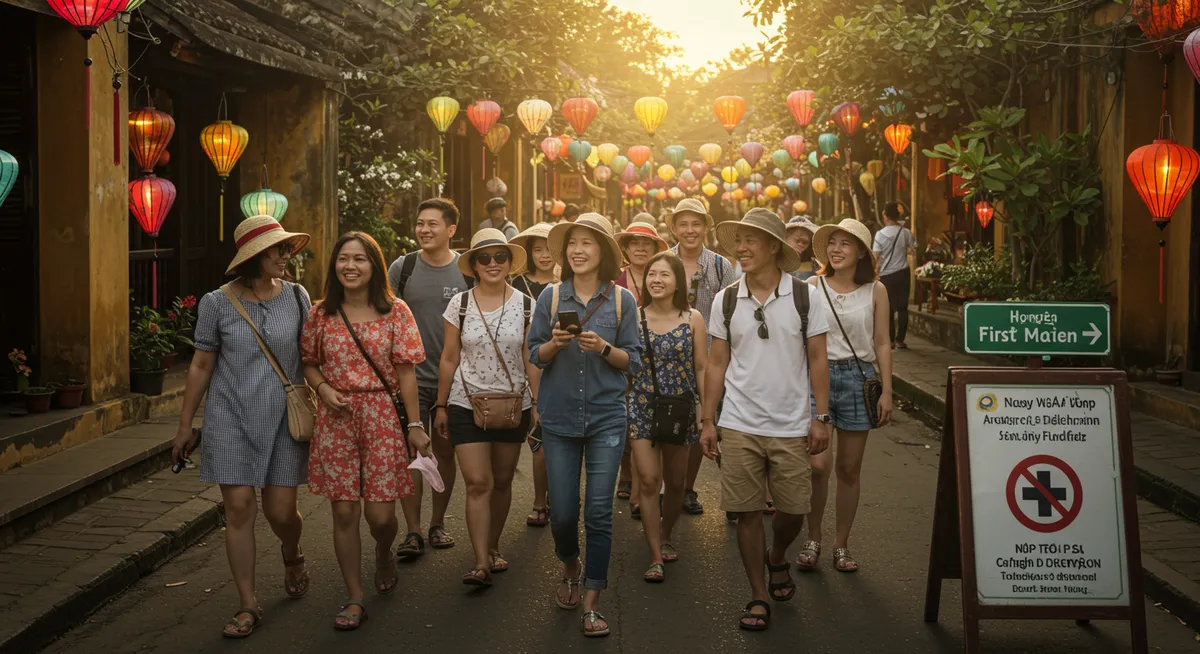
Hoi An, with its ancient charm, lantern-lit streets, and vibrant riverside life, is a paradise best explored on foot. A walking tour allows you to soak in every detail, from the intricate architecture of the Old Town to the bustling market scenes. To ensure your adventure is not only enchanting but also safe and comfortable, this comprehensive guide provides practical tips and local insights for a worry-free Hoi An walking experience.
Key Tips and Takeaways
- Stay hydrated constantly by carrying a refillable water bottle.
- Wear comfortable, broken-in walking shoes suitable for uneven surfaces.
- Be highly aware of scooter and bicycle traffic, especially when crossing streets.
- Carry small denominations of Vietnamese Dong for local purchases.
- Respect local culture and dress modestly when visiting religious sites.
- Consider a local guide for deeper insights and enhanced safety.
Before You Go: Pre-Tour Preparation
Embarking on a walking tour in Hoi An promises an immersive journey through its ancient charm and vibrant culture. A little foresight ensures a safe, enjoyable, and memorable experience. Before you even lace up your walking shoes, dedicate some time to pre-tour preparation.
Map Your Hoi An Walking Adventures
Hoi An offers diverse routes, each with unique characteristics. Researching these will help you gauge terrain and duration:
- Ancient Town: Expect charming, often uneven, cobblestone streets. Generally pedestrian-friendly, especially during vehicle-restricted hours, perfect for wandering lantern-lit alleys and past historic houses.
- Riverfront: Paved paths along the Thu Bon River offer scenic views and a refreshing breeze. Be mindful of occasional motorbikes, particularly outside the core Ancient Town area.
- Local Villages (e.g., Tra Que, Cam Thanh): Venturing to places like Tra Que Vegetable Village or Cam Thanh Coconut Village means less structured paths – dirt tracks, narrow village lanes, or even rice paddy dikes. These routes are longer, sunnier, and have fewer amenities, requiring more planning.
Utilize online maps and traveler itineraries to understand distances, potential challenges, and interesting points along your chosen walks.
Understand Hoi An’s Climate and Daily Rhythms
Hoi An’s tropical climate is consistently hot and humid, with two main seasons:
- Dry Season (February – August): Characterized by intense sunshine and high temperatures. Early mornings (before 9 AM) or late afternoons (after 4 PM) are significantly more comfortable for walking than midday.
- Wet/Rainy Season (September – January): Expect frequent afternoon showers, ranging from drizzles to heavy downpours. October and November often see the heaviest rains, potentially causing localized flooding in low-lying areas of the Ancient Town.
Always check the daily weather forecast before heading out. Pay attention not just to temperature, but also to humidity and UV index, which greatly impact comfort levels for walking. This will help you pack appropriately and plan your timings.
Respect Local Customs and Etiquette
Hoi An is incredibly welcoming. Observing a few local customs shows respect and enhances your experience:
- Dress Modestly: When visiting temples, pagodas, or traditional homes, it’s respectful to ensure shoulders and knees are covered. Lightweight, breathable clothing is practical and widely accepted for general wear.
- Bargaining: In markets, a bit of friendly bargaining is expected, but always keep it polite and good-natured.
- Footwear: Be prepared to remove your shoes when entering someone’s home, pagodas, or certain shops.
- Photography: Always ask permission before taking photos of locals, especially children. A smile and a respectful gesture often go a long way.
Prioritize Your Health and Safety
Your well-being is paramount for an enjoyable trip:
- Health Consult: Before traveling to Vietnam, consult your healthcare provider about recommended vaccinations (e.g., Hepatitis A & B, Typhoid) and general health precautions.
- Mosquito Protection: Dengue fever is a risk. Use insect repellent diligently, especially during dawn and dusk, and consider wearing long sleeves and pants, particularly during the wet season or when walking near dense vegetation.
- Hydration & Sun Protection: The heat and humidity demand constant hydration; carry plenty of bottled water and drink frequently. A wide-brimmed hat, sunglasses, and high-SPF sunscreen are essential for protection against Hoi An’s strong sun.
- Food and Water: Stick to bottled water. While Hoi An’s street food is legendary, choose busy stalls with high turnover and observe hygiene practices for safer consumption.
By taking these proactive steps, you’ll be well-prepared to fully immerse yourself in the magic of Hoi An on foot.
Packing Smart: What to Bring for Your Hoi An Walk
Hoi An’s ancient charm unfolds best on foot, but the tropical climate and intricate streets demand a thoughtful approach to packing. To ensure your walking tour is comfortable, enjoyable, and safe, here’s a rundown of essential items that will make your exploration of this UNESCO World Heritage site truly amazing.
- Lightweight, Breathable Clothing: Given Hoi An’s warm, humid climate, lightweight and breathable clothing is paramount. Think natural fabrics like cotton or linen that allow your skin to breathe. Loose-fitting shirts, shorts, or skirts are ideal. Remember that some local temples and pagodas may require shoulders and knees to be covered out of respect, so it’s wise to carry a light scarf or choose attire that offers this flexibility for impromptu visits.
- Comfortable Walking Shoes: Your feet will be doing a lot of work exploring the cobbled lanes, riverside paths, and bustling markets. Prioritize comfortable, broken-in walking shoes or sturdy sandals with good arch support. Avoid brand-new shoes to prevent blisters, and steer clear of high heels – they’re a recipe for discomfort and potential injury on the uneven ancient town streets.
- Sun Protection: The Vietnamese sun can be intense, even on seemingly cloudy days. A wide-brimmed hat and UV-protective sunglasses are non-negotiables for protecting your face and eyes. Slather on a reef-safe sunscreen (SPF 30+) regularly. While not directly ocean-related in Hoi An Ancient Town, choosing reef-safe products supports broader environmental consciousness.
- Refillable Water Bottle: Staying hydrated is crucial in the tropical heat. A refillable water bottle is an absolute must. You’ll find numerous cafes and shops happy to refill it, helping you reduce plastic waste while keeping cool. Consider bringing an insulated bottle to keep your water colder for longer, especially during peak afternoon heat.
- Small First-Aid Kit: For minor scrapes, blisters, or headaches that can arise from extensive walking, a personal first-aid kit can be a lifesaver. Include band-aids, antiseptic wipes, pain relievers, and any personal medications you might need. It’s better to be prepared for small mishaps.
- Insect Repellent: While the Ancient Town is relatively clear, if your tour extends into the late afternoon or evening near the Thu Bon River or into more vegetated areas, mosquitoes can be present. A small bottle of insect repellent can ensure your experience remains bite-free.
- Portable Power Bank: Your phone will likely be your map, camera, and translator. All that usage drains battery quickly. A portable power bank is essential for keeping your devices charged throughout your walking tour, ensuring you don’t miss out on capturing Hoi An’s picturesque scenes or navigating back to your accommodation.
- Mix of Small Local Currency (VND): While many larger establishments accept cards, the best way to experience Hoi An’s vibrant street food scene, artisan shops, and smaller vendors is with cash. Carry a mix of small denominations of Vietnamese Dong (VND) for quick purchases, delicious snacks from street carts, and small souvenirs. This also helps with bargaining at local markets and makes transactions smoother for local businesses.
Packing smart ensures you’re prepared for whatever Hoi An’s charming streets throw your way. With these essentials, you’re all set to immerse yourself fully in the magic of your walking tour, comfortable and ready for adventure.
Navigating Hoi An: Staying Safe on Foot
⭐ Recommendation: Don't miss out on amazing Hoi An tours - book now!
Hoi An’s charm lies in its pedestrian-friendly Ancient Town, but navigating its bustling streets, especially outside the core walking zones, requires a savvy approach. While generally a very safe city, understanding the local rhythm and taking proactive steps will ensure your free walking tours in Hoi An are both enjoyable and secure.
Mastering Hoi An’s Traffic Dance
Hoi An’s streets are a lively ballet of scooters, bicycles, and pedestrians. While it might seem chaotic at first, there’s an underlying predictability. The key is to be visible and maintain a steady pace.
- Cross with Confidence: When crossing a street without a dedicated crossing light, simply walk slowly and steadily into the traffic flow. Don’t make sudden stops or dashes. Motorists are generally skilled at swerving around obstacles; your consistent movement allows them to predict your path. Make eye contact if possible.
- Sidewalk Savvy: Sidewalks in Hoi An, particularly outside the Ancient Town, can be narrow, uneven, or even used for parking and street vendors. Be prepared to step off onto the road for short stretches. Always be aware of vehicles mounting the curb.
- Pedestrian Zones: The Ancient Town is largely pedestrian-only during peak hours (roughly 9 AM – 11 AM and 3 PM – 9:30 PM). Even then, watch out for bicycles and the occasional authorized scooter. Outside these hours, or in areas like Cam Chau and An Bang, traffic will be much heavier.
- Listen Up: Many vehicles in Vietnam honk not aggressively, but as a warning of their presence. A honk usually means “I’m here, I see you, I’m passing.” Acknowledge it and be ready to step aside if needed.
Staying Alert and Secure
While serious crime is rare, petty theft and scams can occur. A little vigilance goes a long way:
- Secure Your Valuables: Keep wallets, phones, and passports in front pockets, a secure cross-body bag, or a money belt. Be especially cautious in crowded areas like the Night Market or near the Japanese Bridge, where pickpocketing could occur.
- Beware of Overly Friendly Strangers: Most locals are genuinely friendly, but be wary of individuals offering unsolicited help, “free” tours, or very cheap cyclo rides that might end up being much more expensive. Politely decline if something feels off.
- Vendor Interactions: Enjoy bargaining in the markets, but be firm yet polite if a vendor is overly persistent. A simple “No, thank you” with a smile and continuing to walk usually suffices. Don’t feel pressured to buy.
- Trust Your Gut: If a situation feels uncomfortable or too good to be true, it probably is.
Navigating Crowds and Exploration Styles
Hoi An can get very busy, especially in the evenings. Navigating the throngs requires patience and awareness.
- Patience is Key: During peak times, particularly around the Japanese Bridge, Lantern Market, and riverside, expect to move slowly. Enjoy the atmosphere rather than fighting the flow.
- Walk with Purpose: Even in crowds, maintaining a steady, confident pace can help you weave through people more effectively.
- Group vs. Solo: Hoi An is safe for solo exploration, even for female travelers. Solo walks offer freedom and the chance to discover hidden gems. Walking in a group provides an extra layer of security, shared awareness, and often makes it easier to navigate persistent vendor interactions. Both are excellent ways to experience the city; choose based on your comfort level.
Reliable Navigation Tools
Even in a compact city like Hoi An, a good navigation tool is indispensable.
- Google Maps: This is your best friend. Download offline maps of the Hoi An area before you leave your accommodation. This saves data and battery and works even if your signal drops.
- Maps.me: Another excellent offline map application that uses OpenStreetMap data, often providing very detailed walking paths and points of interest.
- Local Landmarks: Hoi An is full of iconic landmarks like the Japanese Bridge, specific temples, and the river. Use these as mental anchors to orient yourself, even if your phone battery dies.
- Ask a Local: Don’t hesitate to ask your hotel staff, guesthouse owner, or a reputable shopkeeper for directions or clarification. They are usually happy to help.
Heat & Hydration: Beating the Tropical Climate
Hoi An’s tropical climate, characterized by high humidity and soaring temperatures (especially March-September), demands strategic preparation for a comfortable and safe walking tour. Prioritizing heat management and consistent hydration is key to enjoying your exploration without discomfort or risk.
Optimal Timing for Your Stroll
Timing is everything when navigating Hoi An on foot. To truly beat the heat and experience the Ancient Town at its most serene, plan your walks for the cooler parts of the day:
- Early Mornings (Pre-9 AM): Enjoy cooler temperatures, soft golden light, and quieter streets. Ideal for visiting key spots like the Japanese Bridge or local markets before the crowds and peak heat.
- Late Afternoons/Evenings (Post-4 PM): Temperatures become more tolerable as the sun sets. Experience Hoi An’s enchanting lantern-lit evenings, perfect for a leisurely stroll and dinner.
Avoid Midday (11 AM – 3 PM): The sun is most intense during these hours. Plan indoor activities like lunch, cooking classes, or spa treatments to escape the peak heat.
Stay Consistently Hydrated
The humid climate means you’ll sweat more than you realize, leading to rapid dehydration. Proactive and consistent hydration is your best defense:
- Start Hydrated: Begin your day by drinking plenty of water, even before you step out.
- Carry Water: Always have a reusable water bottle. While tap water is unsafe, bottled water is widely available, and some cafes offer refills for a small fee.
- Embrace Local Refreshments: Hydrate with local delights like fresh coconut water, refreshing sugarcane juice (Nuoc Mia), or Vietnamese iced coffee (Ca Phe Sua Da).
- Consider Electrolytes: If planning extended walks, electrolyte packets can help replenish essential salts lost through sweat.
Strategic Breaks & Cooling Off
Don’t push yourself. Incorporate regular breaks into your walking itinerary to cool down and recuperate:
- Seek Shade: Utilize the Ancient Town’s narrow alleys and the shade from ancient buildings or trees for cool pockets of relief.
- Embrace Café Culture: Hoi An’s abundant cafes offer perfect respite. Enjoy a refreshing drink in an air-conditioned or fan-cooled spot, and people-watch.
- Browse Air-Conditioned Shops: Pop into souvenir shops, art galleries, or tailor shops for a quick cool-down in their air-conditioned interiors.
- Visit Indoor Attractions: Incorporate cultural stops like the Old House of Tan Ky or Hoi An Museum of Culture and History for both insights and sun protection.
Recognizing Heat Exhaustion
Be aware of the signs of heat exhaustion, which can escalate quickly in a tropical environment. Symptoms include dizziness, nausea, headache, excessive sweating, rapid pulse, and fatigue. If you experience any of these, immediately:
- Stop walking and find a shaded or air-conditioned spot.
- Drink water or an electrolyte drink.
- Loosen any tight clothing.
- Apply cool, damp cloths to your neck and forehead.
If symptoms persist or worsen, seek medical attention. Your safety is paramount to enjoying Hoi An’s magic.
Finally, dress appropriately for the heat: opt for lightweight, breathable fabrics (cotton, linen), wear a wide-brimmed hat, sunglasses, and generously apply high-SPF sunscreen to protect your skin from the intense sun.
Local Insights & Cultural Courtesy
A walking tour in Hoi An is more than just sightseeing; it’s an opportunity to step into a vibrant, living museum. To truly enrich your experience and ensure respectful interaction, understanding and practicing local insights and cultural courtesy are paramount. Your thoughtful approach will not only be appreciated by the locals but will also deepen your connection to this magical town.
Respectful Attire for Sacred Sites
Hoi An is home to numerous ancient houses, assembly halls, and temples, such as the iconic Japanese Covered Bridge’s temple interior or the majestic Phuc Kien Assembly Hall. When visiting these sacred or historical sites, it’s crucial to dress modestly as a sign of respect. This generally means:
- Keeping your shoulders and knees covered.
- Avoiding overly revealing clothing like tank tops, short shorts, or mini-skirts.
Lightweight, breathable fabrics are ideal for Hoi An’s tropical climate. Consider carrying a sarong or a large scarf in your daypack – it’s a versatile item that can quickly cover your shoulders or legs if you encounter a site requiring more modest attire.
Polite Interactions with Locals and Vendors
Hoi An residents are renowned for their warmth and hospitality. A genuine smile goes a long way. When interacting, especially in the bustling markets or along the Thu Bon River, patience and a friendly demeanor are your best assets. Remember:
- Bargaining Etiquette: Bargaining is common in Hoi An, particularly at the Central Market or the Night Market for souvenirs, clothing, and crafts. It’s an expected part of the exchange, but always approach it with a smile and good humor. Start by offering around 50-70% of the asking price, and meet somewhere in the middle. Don’t haggle aggressively over small amounts, and if you can’t agree on a price, politely decline. For food stalls and fixed-price shops, bargaining is generally not appropriate.
- Always be polite: Even if you’re not buying, a friendly “no thank you” or a smile can make a difference.
Appropriate Photo Etiquette
Hoi An offers countless picturesque moments, but be mindful when photographing people. Always ask for permission before taking a photo of a local, especially children, elderly individuals, or those working. A simple gesture of pointing to your camera and raising an eyebrow with a smile is often understood. If someone poses for you or you photograph their craft, consider offering a small tip as a token of appreciation. In religious sites, avoid using flash and be discreet so as not to disturb worshippers.
Embrace Basic Vietnamese Greetings
Learning a few basic phrases not only shows respect but can also open doors to more genuine interactions with locals. You’ll find people genuinely appreciate the effort, even if your pronunciation isn’t perfect:
- ‘Xin chào’ (sin chow): Hello. Use it widely when entering shops, greeting vendors, or passing by locals.
- ‘Cảm ơn’ (gahm uhn): Thank you. This is essential for showing appreciation for any service or kindness you receive.
By integrating these courtesies into your Hoi An walking tour, you’ll not only navigate the town safely and smoothly but also create more meaningful connections and memories that truly reflect the spirit of this enchanting destination.
Emergency Preparedness
⭐ Recommendation: Don't miss out on amazing Hoi An tours - book now!
While Hoi An is renowned for its tranquil atmosphere and is generally considered a very safe city for tourists, being prepared for any unexpected situation is paramount. When you’re exploring the ancient town’s charming alleyways or cycling through rice paddies, having essential emergency information at your fingertips can make all the difference, ensuring peace of mind throughout your walking tour.
First and foremost, save crucial local contact numbers to your phone and, ideally, also jot them down on a physical piece of paper kept separately from your main wallet. In Vietnam, the general emergency numbers are:
- Police: 113 (for any crime or serious incident)
- Fire Brigade: 114
- Ambulance/Medical Emergency: 115
Locate and save the contact details for your country’s embassy or consulate in Vietnam (most are in Hanoi or Ho Chi Minh City, but they can still provide remote assistance). This information is vital for lost passports, legal issues, or more serious emergencies requiring consular support.
Your travel insurance details should be readily accessible. Before you even set foot on a plane, ensure you have comprehensive travel insurance that covers medical emergencies, trip cancellations, and personal liability. Save your policy number and the insurer’s emergency contact number to your phone, and consider printing a physical copy to keep in a separate part of your luggage or day bag. This way, if your phone is lost or damaged while you’re out exploring, you still have the necessary information to file a claim or seek assistance.
One simple yet incredibly effective tip for any walking tour in an unfamiliar city is to always know your accommodation address and phone number. Get a business card from your hotel or guesthouse upon arrival. If you happen to get disoriented or lost while wandering the lantern-lit streets, or need to explain your whereabouts to a taxi driver or local, having the address written in Vietnamese is incredibly helpful. This is particularly useful when you’re exploring the less tourist-trodden paths around Hoi An’s outskirts, where English might be less commonly spoken.
Finally, prepare for the possibility of a language barrier. While many people in Hoi An’s tourist areas speak some English, venturing off the beaten path or dealing with an emergency might require more precise communication. Download an offline translation app like Google Translate or Microsoft Translator to your phone before you arrive. These apps can translate text, speech, and even images, proving invaluable for asking for directions, explaining a situation, or understanding signs. Learning a few basic Vietnamese phrases like “Xin chào” (hello), “Cảm ơn” (thank you), and “Giúp tôi!” (Help me!) can also go a long way in showing respect and facilitating interaction during your Hoi An walking adventure.
Making the Most of Your Hoi An Walking Tour
To truly unlock the magic of Hoi An on foot, preparation is key, but so is an open mind. This ancient town rewards those who delve deeper, allowing for both structured discovery and delightful spontaneity.
Hiring a Local Guide for Deeper Insights
While self-guided exploration is charming, consider investing in a local guide for at least part of your walking tour. They are invaluable for navigating Hoi An’s rich tapestry of history and culture. A local guide can illuminate the stories behind the 17th-century Japanese Covered Bridge, explain the intricate carvings of a centuries-old assembly hall, or introduce you to a hidden family temple tucked away in a quiet alley. Beyond historical facts, they offer insights into local customs, traditions, and the daily lives of Hoi An residents. They can also help you safely navigate bustling markets, translate when needed, and point you towards authentic experiences away from the main tourist drag, enriching your journey and ensuring you avoid common tourist pitfalls.
Savouring Hoi An’s Street Food Safely
No Hoi An walking tour is complete without sampling its world-renowned street food. From the iconic Banh Mi Phuong to the unique Cao Lau noodles and delicate White Rose dumplings, these culinary delights are an integral part of the experience. To enjoy them safely, observe local practices: look for stalls with a high turnover of customers, indicating fresh ingredients. Ensure food is cooked to order in front of you and that vendors maintain good hygiene, using clean utensils and surfaces. Always opt for bottled water. Don’t hesitate to ask your guide or hotel staff for recommendations on reputable street food vendors – their local knowledge is your best assurance for a delicious and safe gastronomic adventure.
Embrace Spontaneous Discoveries
Hoi An’s charm lies in its hidden gems. While a structured itinerary is helpful, allow ample time for spontaneous exploration. Wander down a narrow alleyway you hadn’t planned to explore; you might stumble upon a serene Buddhist pagoda, a quaint riverside cafe, or a hidden artisan workshop creating beautiful lanterns. The Old Town is particularly conducive to this kind of serendipitous discovery, especially in the quieter morning hours or late afternoon. These unexpected finds often become the most memorable parts of your trip, offering unique photo opportunities and a deeper sense of connection with the town’s authentic spirit.
Balancing Structured Tours with Leisurely Exploration
The ideal Hoi An walking experience often involves a thoughtful blend of planned activities and personal wanderings. Perhaps dedicate your mornings to a guided tour to absorb historical context and navigate the busiest sites when it’s cooler and less crowded. Then, spend your afternoons or evenings revisiting areas that captivated you, or simply relaxing by the Thu Bon River with a traditional Vietnamese coffee. This approach allows you to benefit from expert insights while also giving you the freedom to linger, shop, or simply soak in the atmosphere at your own pace. Remember to wear comfortable walking shoes on Hoi An’s cobblestone streets and stay hydrated, especially during the warmer months.
Frequently Asked Questions
Q: Is Hoi An safe for walking tours at night?
A: Yes, Hoi An’s Old Town is generally very safe and enchanting at night, especially with its lantern-lit streets. Stick to well-lit, populated areas and always be mindful of your personal belongings. Scooter traffic lessens but still requires attention.
Q: What’s the best time of year for walking in Hoi An?
A: The best time for walking tours is from February to May, when the weather is warm with less humidity and rain. Avoid the peak rainy season (October to December) and the scorching hot months (June to August) for extensive walking.
Q: Do I need a guide for a walking tour in Hoi An?
A: While you can easily explore the Old Town on your own, hiring a local guide is highly recommended. They offer invaluable cultural insights, help navigate hidden alleys, share local stories, and ensure a safer, more enriching experience, especially outside the main tourist zones.
Q: How do I handle street vendors and hawkers politely?
A: A polite but firm ‘Không, cảm ơn’ (No, thank you) usually suffices if you’re not interested. If you are, engage respectfully and be prepared to bargain fairly but always with a smile. Avoid aggressive interactions.
Q: Are the streets accessible for strollers or wheelchairs?
A: Hoi An’s Old Town has many charming cobblestone streets and some uneven paths, which can be challenging for strollers and wheelchairs. While navigable, it requires extra effort. Outside the Old Town, sidewalks can be inconsistent.
Hoi An truly comes alive when explored on foot. With a little preparation and awareness, you can confidently navigate its enchanting alleys, immerse yourself in its rich history, and connect with its vibrant culture. Embrace the slower pace, engage with the locals, and savor every moment of your safe and unforgettable walking tour through this Vietnamese gem.