
Accessible Sapa Walking Tours: Explore with Ease (2026)
Discover accessible walking tours in Sapa, Vietnam. Explore stunning landscapes & cultural villages with practical tips for all mobility levels. Enjoy Sapa!
On this page
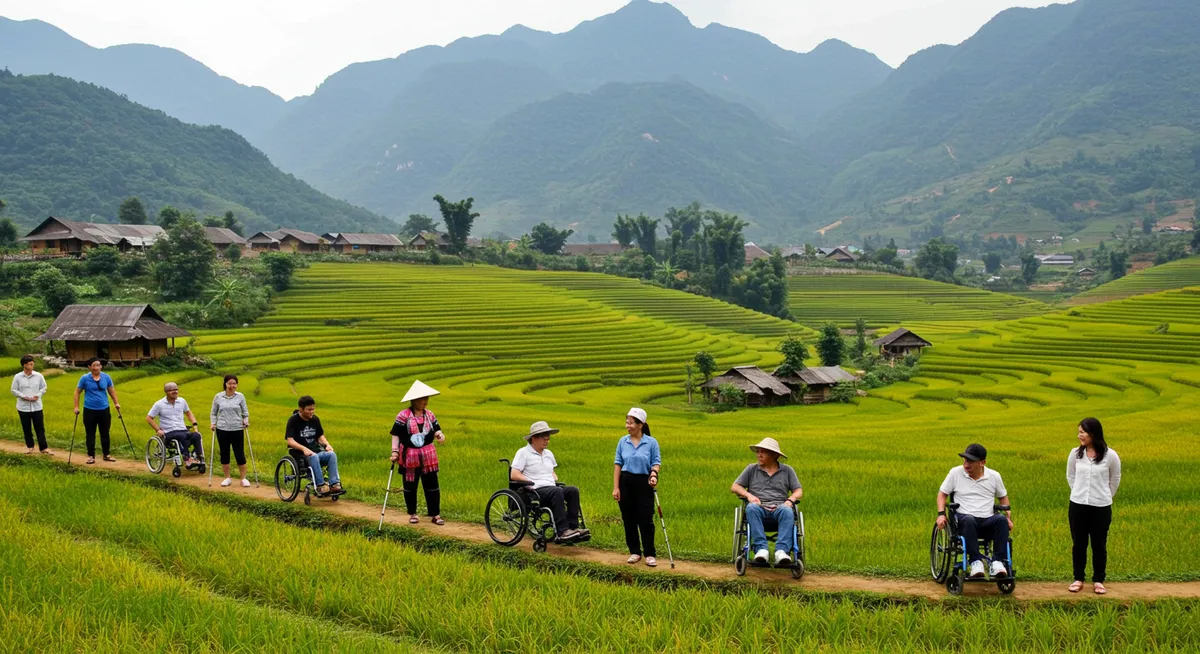
Sapa, Vietnam, beckons with its breathtaking terraced rice fields, vibrant ethnic cultures, and mist-shrouded mountains. While often perceived as a destination for avid trekkers, the magic of Sapa can be experienced by everyone. This guide delves into creating accessible walking tours, ensuring travelers of all mobility levels can immerse themselves in Sapa’s unique charm, safely and enjoyably on foot.
Key Tips and Takeaways
- Always communicate your specific mobility needs clearly when booking tours and accommodation.
- Hire local guides with proven experience in accommodating diverse mobility levels.
- Consider combining walking with local transport (car, motorbike) for parts of your journey.
- Prioritize the dry season (March-May, September-November) for easier trail conditions.
- Pack sturdy, comfortable, waterproof footwear and layers for unpredictable mountain weather.
Understanding Sapa’s Terrain and Accessibility Challenges
Sapa, with its breathtaking terraced rice fields, dramatic mountain ranges, and vibrant ethnic minority villages, offers an unparalleled walking experience. However, to truly appreciate its allure and plan an enjoyable walking tour, it’s crucial to understand the inherent challenges posed by its unique terrain and often rudimentary infrastructure, particularly for those with mobility considerations.
The very landscape that makes Sapa so picturesque – its steep valleys, towering peaks, and intricate rice terraces – also presents significant accessibility hurdles. Most walking trails outside the immediate town center are unpaved, ranging from narrow dirt paths and rocky stretches to slippery mud tracks, especially during the rainy season. Steep inclines and descents are the norm, not the exception, often lacking handrails or even clear, wide footpaths. Even within Sapa town itself, sidewalks can be uneven, narrow, or crowded, and the town is built on a significant slope, making navigation challenging.
Seasonal weather drastically impacts trail conditions. From May to September, Sapa experiences its rainy season, transforming many paths into muddy, slick waterways. This not only makes walking more difficult but also increases the risk of slips and falls. Visibility can also be reduced due to persistent fog. During the drier months (October to April), trails are less muddy but can still be dusty, rocky, and uneven, requiring careful footing.
For travelers using wheelchairs, walkers, or those who require flat, stable surfaces, Sapa presents significant limitations. The region simply lacks the widespread accessible infrastructure found in more developed tourist destinations. Ramps are rare, and paved, even paths are largely confined to the very heart of Sapa town. This means that many of the iconic village treks – such as those to Cat Cat, Lao Chai, Ta Van, or Y Linh Ho – are generally not feasible for individuals with severe mobility impairments or those relying on mobility aids. Even accessing some of the local homestays often involves navigating steep, unpaved inclines.
Understanding these challenges isn’t meant to deter, but to empower you to plan smarter. Here’s how to approach your Sapa walking tour with accessibility in mind:
- Realistic Expectations: Acknowledge that a traditional multi-village trek might be difficult. Focus on shorter, less strenuous options or combine walking with other forms of transport.
- Communicate Your Needs: When booking a tour or guide, explicitly detail any mobility limitations. Experienced local guides, especially those from the Hmong or Red Dao communities, can tailor routes, focusing on more manageable sections or suggesting alternative transport for portions of the journey.
- Consider Alternative Transport: For those unable to navigate the steep trails, local xe om (motorbike taxis) or private cars can transport you between villages, allowing you to experience the scenery without the intense physical demands of trekking. This can be a great way to still visit villages like Ta Van or Lao Chai.
- Focus on Sapa Town & Nearby: The central areas of Sapa town offer more paved surfaces, albeit still hilly. Explore the market, Sapa Lake (around its paved perimeter), and perhaps the short walk to Ham Rong Mountain’s lower levels if your mobility allows.
- Essential Gear: Always wear sturdy, waterproof hiking boots with good ankle support and strong grip. Trekking poles are highly recommended, even for those without significant mobility issues, as they provide extra stability on uneven and slippery terrain.
- Pace Yourself: Even if you are an experienced walker, Sapa’s terrain demands a slower pace. Take breaks often, hydrate, and listen to your body.
Identifying Accessible Trails and Routes in Sapa
Don’t let Sapa’s mountainous reputation deter you from enjoying its breathtaking beauty on foot. While much of the region involves challenging terrain, Sapa offers several routes and areas specifically suited for varying mobility levels, allowing a rewarding walking tour experience for almost everyone. The key is to be selective, plan, and often leverage local transport to reach more accessible starting points.
Within Sapa Town & Immediate Surroundings
- Sapa Lake and Town Centre: The paved walkways around Sapa Lake (Ho Sapa) offer a delightful, relatively flat loop perfect for a leisurely stroll. The main streets within Sapa town, such as Cau May and Thach Son, are also largely paved, providing accessible pathways to explore local shops, cafes, and the iconic Sapa Church. While some sidewalks can be uneven or have occasional steps, the central area is generally manageable for those with minor mobility challenges.
- Ham Rong Mountain (Dragon Jaw Mountain) Gardens: While reaching the very peak involves many steps, the lower sections of Ham Rong Mountain’s botanical gardens near the entrance offer paved paths and gentle slopes. You can enjoy the meticulously arranged flowers, miniature landscapes, and some initial viewpoints with less exertion. Always confirm the most accessible entry points with local guides or information centers.
Accessible Village Sections & Valley Pathways
- Lower Cat Cat Village (with considerations): Cat Cat is famously picturesque but involves a steep, winding path down (and up!) from Sapa town. For enhanced accessibility, consider arranging a private vehicle to drop you closer to the lower sections of the village. Once there, the main path within the lower village area, especially around the waterfall and central performance area, is relatively flat or gently sloped, allowing for some exploration. However, be prepared for the return journey, which may require vehicle pick-up if walking back up is not feasible.
- Ta Van and Lao Chai Village Roads: Instead of trekking the steep rice terraces, focus on the main roads that connect these villages. Sections of the paved road running through Ta Van and Lao Chai are relatively flat. You can arrange for a car or motorbike taxi to drop you at specific points within the villages, enabling you to enjoy short, level walks along the main village thoroughfares, observing local life and enjoying valley views without venturing onto challenging dirt trails. These main roads offer insights into village life and the stunning surrounding landscapes.
- Valley Roads from Sapa to Lao Chai/Ta Van: The main road connecting Sapa to these villages (TL152) has stretches with gentle gradients and paved surfaces. While not a “trail” in the traditional sense, walking portions of this road, particularly in quieter sections, can offer pleasant, accessible views of the terraced valleys and local interactions, free from significant obstacles.
Viewpoints & Attractions by Vehicle/Cable Car
- Fansipan Cable Car Complex: The journey to the “Roof of Indochina” is incredibly accessible. The cable car station near Sapa town is designed with accessibility in mind, and the ride itself offers unparalleled panoramic views of the Hoang Lien Son mountain range. Once at the upper station, while reaching the absolute summit involves many stairs, the main complex has paved pathways and platforms, allowing visitors to enjoy magnificent vistas without extensive walking.
- O Quy Ho Pass (Heaven’s Gate): Easily reachable by car or taxi, O Quy Ho Pass offers one of Sapa’s most iconic viewpoints. You can step out of your vehicle and immediately be greeted by vast, sweeping views of the mountains and valleys. There’s minimal walking required here, making it an excellent option for those seeking stunning scenery without physical exertion.
When planning your accessible Sapa walking tour, always communicate your specific mobility needs with your tour operator or guide. Opt for private vehicle hire for maximum flexibility, allowing you to choose your walking distances and accessible drop-off/pick-up points. With a little planning, Sapa’s beauty can be enjoyed by all.
Tailoring Your Sapa Walking Tour for Enhanced Mobility
⭐ Recommendation: Don't miss out on amazing Sapa tours - book now!
Sapa’s breathtaking terraced rice fields, ethnic minority villages, and majestic mountains are a dream for any traveler. While its terrain can be challenging, enjoying an immersive walking tour with enhanced mobility is entirely achievable with smart planning and local insights. Tailoring your Sapa experience means focusing on flexibility and leveraging the region’s unique resources to ensure a comfortable and rewarding adventure.
Leveraging Local Expertise: Guides and Porters
The most crucial step in customizing your Sapa walking tour is to hire a local guide with experience catering to diverse mobility needs. When booking, clearly communicate your specific requirements and preferences. Many local H’mong or Red Dao guides, who have walked these paths their entire lives, possess an intimate knowledge of the terrain, including less strenuous routes, flatter sections, and scenic spots with easier access. They can adjust the pace, suggest shortcuts, or modify the itinerary on the fly based on your comfort levels. Don’t hesitate to ask about their experience with previous clients who had similar considerations.
For additional support, consider engaging a local porter. These individuals, often women from the surrounding villages, are accustomed to navigating Sapa’s challenging trails. They can carry your daypack, offer a steadying hand on uneven ground, or provide a physical assist over small obstacles. This not only enhances your stability and comfort but also directly supports the local community.
Strategic Combinations: Walk, Ride, Rest
Sapa’s beauty isn’t confined to a single trail. Optimize your mobility by strategically combining walking with private transfers. A private car or a local motorbike taxi (Xe Om) can be invaluable for:
- **Reaching Starting Points:** Drive to the trailhead of a village like Cat Cat, Ta Van, or Lao Chai, allowing you to walk only the most enjoyable sections within the village.
- **Skipping Difficult Sections:** Bypass particularly steep, muddy, or long stretches of trail by hopping in a vehicle for a short transfer to the next accessible point.
- **Efficient Returns:** After exploring a village or a gentle trail, a car or motorbike can whisk you back to Sapa town or your accommodation, saving energy.
Discuss these options with your guide to create a flexible itinerary that balances walking with comfortable transitions, allowing you to soak in more of Sapa’s diverse landscapes without overexertion.
Pacing and Terrain Choices
When planning your routes, prioritize paths known for their relative flatness or gentle slopes, such as the main village roads or established trekking paths that connect larger settlements, rather than challenging mountain ascents. Focus on experiences like strolling through terraced fields, exploring local markets, or visiting village homes, which require less strenuous activity. Crucially, build in frequent, generous rest stops. Sapa offers numerous local cafes, homestays, and stunning viewpoints where you can pause, refresh, and simply absorb the incredible scenery.
Essential Gear and Footwear
Regardless of your mobility level, appropriate gear is non-negotiable for Sapa’s often unpredictable terrain. Invest in sturdy, waterproof hiking boots with good ankle support and excellent grip. Sapa’s paths can be muddy, slippery, and uneven, especially after rain. Trekking poles are highly recommended for added stability and balance on varied surfaces. Dress in layers, as Sapa’s weather can change rapidly from warm sunshine to cool mist. A small, comfortable daypack for water, snacks, and a light rain jacket will complete your essential kit, ensuring you are prepared for whatever Sapa throws your way while minimizing unnecessary strain.
Choosing Accessible Accommodation and Services in Sapa
Ensuring your comfort and ease of movement begins long before you even set foot on Sapa’s stunning trails. Choosing the right accommodation and services is paramount for an enjoyable accessible walking tour experience. While Sapa’s mountainous terrain and traditional architecture can present unique challenges, thoughtful planning can unlock incredible opportunities.
Selecting Accessible Accommodation in Sapa
Sapa offers a range of lodging, from large hotels to charming guesthouses and homestays. When seeking accessible options, here’s what to prioritize:
- Direct Communication is Key: Do not solely rely on website icons. Directly email or call hotels, guesthouses, or homestays. Be specific about your needs: Are there steps at the entrance? Is there an elevator? What are the doorway widths? Can they provide a ground-floor room? Are there grab bars in the bathroom, or a roll-in shower?
- Ramps and Elevators: Larger, newer hotels in the town center are more likely to feature elevators or ramps, though they might not always be up to international accessibility standards. Traditional guesthouses or homestays often have steps; however, some may offer ground-floor rooms that are easier to access. Always inquire about the number and height of steps to entrances, common areas, and rooms.
- Ground-Floor Rooms: For properties without elevators, a ground-floor room is essential. Confirm its availability and proximity to the main entrance and dining areas.
- Wider Doorways: If using a wheelchair or walker, ensure doorways to rooms and bathrooms are wide enough for comfortable passage. Ask for specific measurements if possible.
- Bathroom Accessibility: This is often the most challenging aspect. Inquire about grab bars, shower chairs, or roll-in showers. Many local accommodations may have wet-room style bathrooms that, while not fully accessible, might offer more flexibility than traditional shower stalls.
- Location Matters: Consider the accommodation’s location relative to Sapa town center. Staying closer to the main square and flatter areas can significantly reduce the effort required to begin your daily walking tours or access services. Some hotels might be on steep hillsides, making even short walks challenging.
Finding Accessible Tour Operators and Local Services
For accessible free walking tours in Sapa, partnering with a knowledgeable operator can make all the difference. They can help navigate the terrain and customize your experience:
- Customizable Itineraries: Seek out operators who are flexible and willing to adapt their tours. This might mean shorter walking distances, selecting flatter village paths (e.g., specific sections of Cat Cat Village or areas around Lao Chai that are less steep), or incorporating vehicle transport for scenic viewpoints that are otherwise challenging to reach on foot.
- Experience with Mobility Challenges: Inquire about their previous experience with travelers using mobility aids. A good operator will understand the nuances of accessible travel and be proactive in suggesting suitable routes and solutions.
- Accessible Transport Options: Can they arrange private transfers in vehicles that accommodate mobility aids, or provide assistance with boarding and alighting? This is crucial for reaching trailheads or distant viewpoints.
- Local Guides with Awareness: A local guide who understands accessible needs can enhance your experience. They can identify the most comfortable paths, offer support where needed, and ensure your pace is respected.
- How to Find Them: Research online for “accessible tours Sapa” or “disabled travel Sapa.” Reputable international accessible travel agencies often partner with local operators in Vietnam who can provide tailored services. You can also contact larger, established Sapa tour companies and clearly outline your specific accessibility requirements to see if they can meet them.
By taking the time to research and communicate your needs upfront, you can significantly enhance your comfort and ensure a memorable, accessible walking tour adventure through the stunning landscapes of Sapa.
Beyond Walking: Complementary Accessible Experiences
While Sapa is renowned for its breathtaking trekking routes, an accessible walking tour doesn’t mean you miss out on the region’s magic. In fact, some of Sapa’s most iconic and culturally enriching experiences are wonderfully accessible, allowing you to immerse yourself in the local way of life and stunning landscapes without extensive physical exertion.
Soaring Above Sapa: The Fansipan Cable Car
One of Sapa’s undeniable highlights, offering panoramic views that would typically require days of strenuous hiking, is the Fansipan Cable Car. This modern marvel provides a smooth, comfortable journey up Vietnam’s highest peak, the “Roof of Indochina.” The cable car cabins are spacious and wheelchair-friendly, and the boarding process is designed for ease of access.
- Accessibility Tip: The main complex at the summit (Sun World Fansipan Legend) features paved pathways, elevators, and escalators, making it largely navigable. While some sections at the very peak might have stairs or uneven terrain, the primary viewing platforms and pagodas are accessible, offering incredible photo opportunities and spiritual serenity. Allow ample time to explore at your own pace.
A Taste of Local Life: Sapa Town Market
No visit to Sapa is complete without experiencing the vibrant energy of the Sapa Town Market. This bustling hub is a sensory feast, where ethnic minority groups like the Hmong, Red Dao, and Tay gather to trade goods, socialize, and sell their exquisite handicrafts. The main market area is relatively flat with paved surfaces, making it accessible for wheelchair users or those using mobility aids.
- Accessibility Tip: While the market can get crowded, especially on weekends, navigating the main aisles is generally manageable. Be mindful of foot traffic and uneven surfaces in some peripheral stalls. This is an excellent opportunity for cultural immersion through observation, casual interaction, and sampling local street food.
Cultural Deep Dive: Indigenous Arts and Culinary Delights
Beyond the market, Sapa offers other accessible avenues for cultural engagement. Consider visiting the Sapa Culture Museum, which provides fascinating insights into the history and traditions of the region’s diverse ethnic groups. While specific accessibility features can vary, many museums are designed with wider entrances and ramps. It’s always a good idea to confirm ahead of your visit.
For a true taste of Sapa, explore its culinary scene. Many restaurants in the town center offer ground-floor dining with accessible entrances. You can savor local specialties like Sapa hot pot, grilled skewers (often cooked right outside), or the unique “thang co” (horse meat stew, for the adventurous!).
- Actionable Tip: Seek out eateries with wide doorways and ample space between tables. Don’t hesitate to ask locals for recommendations for accessible dining. Some local cooking classes might be adaptable for limited mobility; inquire in advance if this interests you.
Practical Considerations for Accessible Experiences
Even for these “beyond walking” activities, planning is key. Local transportation around Sapa town, while generally consisting of car taxis, can sometimes involve uneven roads. Always communicate your accessibility needs clearly when booking tours or transport. Hiring a local guide who understands accessibility can significantly enhance your experience, ensuring smoother transitions and pointing out the best accessible routes and facilities.
By blending accessible walking tours with these complementary experiences, you’ll gain a comprehensive and unforgettable understanding of Sapa’s stunning landscapes and rich cultural tapestry, proving that incredible adventures are within reach for everyone.
Essential Practical Tips for a Smooth Accessible Sapa Trip
⭐ Recommendation: Don't miss out on amazing Sapa tours - book now!
Embarking on an accessible walking tour in Sapa promises breathtaking landscapes and cultural immersion, but a little preparation goes a long way to ensure a smooth and enjoyable experience. Sapa’s unique mountainous terrain and microclimates require specific considerations, especially for travelers with mobility challenges.
Optimal Timing for Your Sapa Adventure
The best time to visit Sapa for walking tours, particularly when prioritizing accessibility and stable trail conditions, is during the dry season, roughly from October to April/May. During these months, trails are less muddy and slippery, making navigation easier whether you’re walking independently, using a cane, or navigating with specialized adaptive equipment. While clear skies offer stunning views of terraced rice fields (especially October-November post-harvest), be prepared for cooler temperatures and occasional fog, which adds to Sapa’s mystical charm but can reduce visibility.
Smart Packing for Comfort and Safety
- Footwear: This is paramount. Opt for sturdy, waterproof hiking shoes with excellent grip. If using crutches or a walking frame, ensure your footwear provides maximum stability. For those utilizing all-terrain wheelchairs, confirm your wheels are suitable for potentially uneven, gravel paths and damp earth.
- Layered Clothing: Sapa’s weather can be unpredictable, often shifting from chilly mornings to warm afternoons, especially during the dry season. Pack moisture-wicking base layers, a fleece or insulated mid-layer, and a waterproof yet breathable outer shell. Even if it’s sunny, a light rain jacket is a wise addition.
- Sun and Rain Protection: A wide-brimmed hat, sunglasses, and high-SPF sunscreen are essential, as the sun can be strong even on cloudy days. A compact umbrella can offer both sun and light rain protection.
- Hydration and Snacks: Carry a reusable water bottle and stay hydrated throughout your walks. While local vendors might be available in villages, bringing your own energy bars or trail mix is always a good idea for sustained energy.
- Mobility Aids & Personal Medications: Ensure all mobility aids are in excellent working condition. Pack any necessary personal medications, along with copies of prescriptions. Consider a small repair kit for your aid if applicable.
- Small Backpack: To carry essentials like water, snacks, a camera, and a light jacket, keeping your hands free.
On the Trail: Safety, Etiquette & Communication
- Pace Yourself & Communicate: Sapa’s trails, even the accessible ones, can involve gentle inclines or declines. Communicate openly and frequently with your guide about your comfort level, desired pace, and any need for breaks. Don’t hesitate to ask for assistance or to slow down.
- Hydration & Sun Protection: Reapply sunscreen frequently. Even on overcast days, UV radiation is present.
- Local Etiquette: When visiting ethnic minority villages (like Cat Cat or Ta Van), always ask for permission before taking photos of local people, especially children. Dress modestly, particularly when entering homes or community spaces. Respect local customs and traditions; your guide can offer invaluable insights.
- Emergency Contacts: Before your trip, ensure you have your tour operator’s contact details, your guide’s phone number, and local emergency numbers (e.g., 115 for ambulance, 113 for police in Vietnam). Share your itinerary with someone at home.
The Power of Clear Communication with Providers
From the moment you book, be explicit and detailed about your accessibility needs with your tour operator and guide. Provide clear information about your mobility level, the type of assistance you require, and any specific equipment you use. This proactive communication allows them to tailor your Sapa accessible walking tour to your comfort and safety, ensuring a truly unforgettable experience.
Engaging Responsibly with Sapa’s Local Communities
Embarking on a walking tour in Sapa isn’t just about witnessing breathtaking landscapes; it’s an unparalleled opportunity to connect deeply with the vibrant local communities, primarily the Hmong, Red Dao, Tay, and other ethnic minority groups who call these mountains home. Engaging responsibly ensures your visit contributes positively to their livelihoods and helps preserve their unique culture for generations to come. Your accessible walking tour can be a powerful vehicle for ethical tourism.
Prioritizing Local Guides: The Heart of Your Journey
The most impactful way to engage responsibly is by hiring local ethnic minority guides directly. These guides, often women from villages like Cat Cat or Ta Van, possess intimate knowledge of the terrain, local customs, and the best — and often most accessible — paths. They can navigate you through stunning rice paddies, explain traditional farming practices, and share personal stories that truly bring the landscape to life. For travelers with mobility considerations, a local guide is invaluable; they know which routes are flatter, which paths offer better footing, and can provide physical assistance or suggest alternative viewpoints accessible by shorter, paved sections. Avoid booking through large, non-local agencies that may not ensure fair wages to the local community. Seek out independent guides in town or through reputable community-based tourism initiatives, often identifiable by word-of-mouth or through community-run homestays.
Supporting Local Businesses Directly
Beyond guides, make conscious choices to support local enterprises. When purchasing the beautiful indigo-dyed textiles, intricate embroidery, or unique silver jewelry that Sapa is known for, buy directly from the artisans in the markets or villages. This ensures that the money goes straight into their hands, empowering families and fostering traditional craftsmanship. Similarly, choose local restaurants, guesthouses, or homestays for your meals and accommodation. Opting for a homestay experience, even if just for a meal and conversation, offers an authentic glimpse into daily life and directly supports a family’s income. Even small purchases, like water or snacks from a village shop, add up and circulate within the local economy, strengthening the community from within.
Embracing Cultural Sensitivity and Respect
A respectful approach is paramount. Sapa’s ethnic groups have distinct traditions, and understanding these sensitivities enriches your experience and shows genuine appreciation. Always ask permission before taking photographs of individuals, especially children, and be prepared for them to decline. Dress modestly, particularly when visiting temples or local homes, showing respect for their customs. Be mindful of bargaining; while common in markets, do so respectfully and consider what the item truly means to the seller rather than focusing solely on the lowest price. Avoid giving money or candy directly to children, as it can encourage begging and detract from their schooling. Instead, consider donating to reputable local charities or buying goods from their parents. Remember, your accessible tour allows you to interact with communities often overlooked by conventional tourism, making your respectful engagement even more vital.
Accessible Tourism as a Catalyst for Positive Change
By seeking out accessible options, you’re not just ensuring your own comfort; you’re encouraging a more inclusive tourism infrastructure in Sapa. Your patronage of accessible-friendly guesthouses or tours signals to local businesses that investing in ramps, wider doorways, or modified transport is worthwhile. This can lead to broader improvements that benefit both visitors and the local community, promoting Sapa as a welcoming destination for all. Your responsible choices, whether in hiring a knowledgeable local guide, choosing an authentic souvenir, or engaging with an open heart, weave a deeper, more meaningful connection with Sapa’s incredible people and leave a positive footprint.
Frequently Asked Questions
Q: Is Sapa truly accessible for people with significant mobility issues?
A: While Sapa’s natural terrain presents challenges, it is increasingly possible to experience its beauty with careful planning. Focus on specific accessible routes, utilize local transport for difficult sections, and work with tour operators who specialize in tailored accessible experiences. It requires more preparation but is achievable.
Q: Can I use a wheelchair on Sapa’s walking trails?
A: Most of Sapa’s traditional trekking trails are unpaved, steep, and often muddy, making them unsuitable for wheelchairs. However, you can use a wheelchair on paved areas within Sapa town, on some resort grounds, and in accessible sections of villages that have paved paths. Specific accessible viewpoints are also an option.
Q: How do I find an accessible tour guide in Sapa?
A: Start by contacting reputable Sapa tour agencies and clearly state your mobility requirements. Ask if they have guides experienced with accessible travel or if they can customize itineraries. Look for reviews or recommendations from other travelers with similar needs. Sometimes, local homestay hosts can also connect you with suitable guides.
Q: What’s the best way to get around Sapa if I can’t walk long distances?
A: For longer distances or challenging terrain, motorbike taxis (Xe Om) are common, but private cars/SUVs with drivers are the safest and most comfortable option for those with mobility challenges. Many tours offer combinations of walking and driving, allowing you to experience the landscapes without overexertion.
Sapa’s majestic landscapes and rich cultural tapestry are waiting to be explored by everyone. By understanding the terrain, planning thoughtfully, and leveraging local expertise and services, accessible walking tours in Sapa are not just a possibility but a profoundly rewarding reality. Embrace the adventure, connect with the local communities, and create unforgettable memories in the heart of Vietnam’s highlands, at your own pace.