
Accessible Haiphong Walking Tours: Explore Vietnam Comfortably (2026)
Explore Haiphong’s charm with our accessible walking tour guide. Tips, routes, and advice for comfortable, enjoyable exploration for all.
On this page
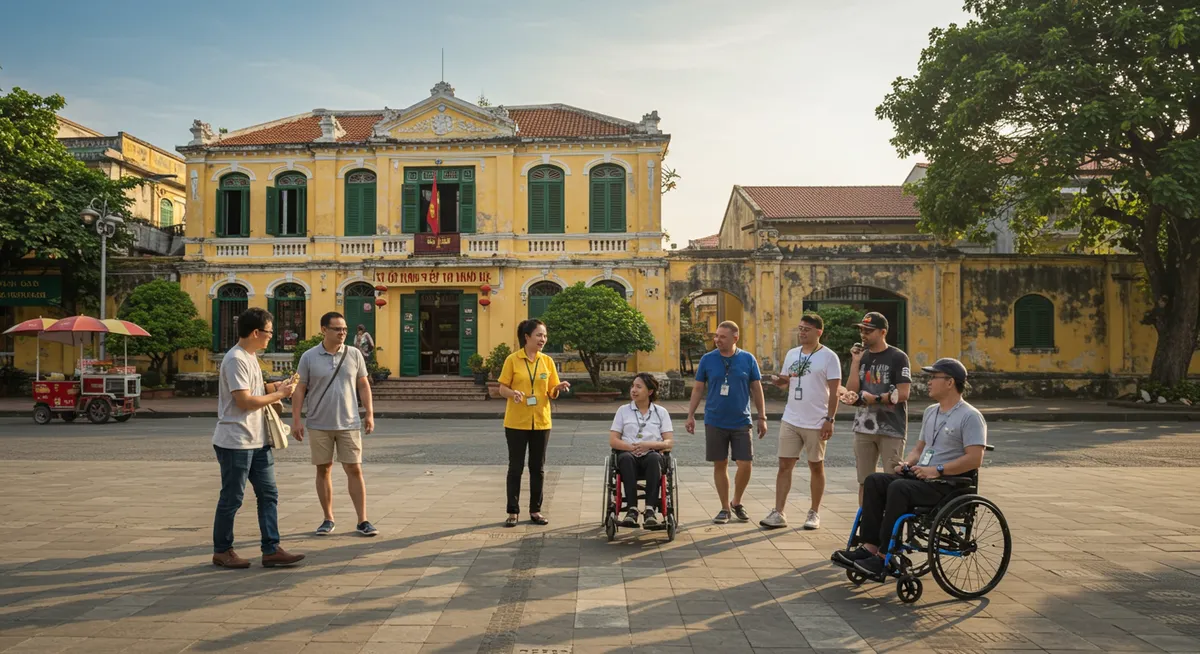
Haiphong, Vietnam’s vibrant port city, offers a rich tapestry of history, culture, and cuisine. While often overshadowed by Hanoi or Halong Bay, its charming streets and colonial architecture make it a fantastic destination for urban exploration. This comprehensive guide focuses on making the city’s pedestrian delights accessible to everyone, ensuring a comfortable and enjoyable walking experience, regardless of mobility challenges. Prepare to uncover Haiphong’s hidden gems on foot, at your own pace.
Key Tips and Takeaways
- Prioritize comfort and safety by choosing appropriate gear and planning your routes thoughtfully.
- Embrace flexibility and patience; Haiphong’s charm often reveals itself off the beaten path.
- Consider hiring a local guide for personalized assistance and deeper cultural insights.
- Utilize ride-hailing apps (Grab) for convenient and often more accessible transportation.
- Stay hydrated and protected from the sun, especially during peak walking hours.
Why Haiphong for an Accessible Walking Tour?
When planning an accessible walking tour in Vietnam, major hubs like Hanoi or Ho Chi Minh City often come to mind. However, for a truly unique and comfortable experience, Haiphong emerges as an increasingly appealing destination. Often overshadowed by its larger counterparts, Vietnam’s third-largest city offers a distinct advantage for walkers, particularly those seeking a more manageable pace and accessible routes.
One of Haiphong’s greatest draws is its mercifully less crowded environment. Unlike the often-overwhelming throngs of tourists and vehicles in other major cities, Haiphong presents a more relaxed urban landscape. This translates directly into a more enjoyable and safer walking experience, allowing you to navigate pavements and cross streets with greater ease. For individuals using mobility aids or preferring a slower pace, this reduced congestion is invaluable, offering the space and comfort to truly soak in the city’s atmosphere without constant pressure.
Beyond the comfortable pace, Haiphong is a treasure trove of fascinating architecture. The city proudly displays a rich legacy of French colonial buildings, particularly around the central districts, offering stunning facades and wide boulevards that are a joy to explore on foot. Areas surrounding the Haiphong Opera House and the historic old quarter boast relatively flat terrains, making them ideal for leisurely strolls to admire the intricate details of these well-preserved structures. Interspersed with these colonial gems, you’ll discover authentic Vietnamese shophouses and local residences, providing a visual narrative of Haiphong’s evolving identity.
An accessible walking tour here also offers unparalleled access to authentic local life. Haiphong is a working city, less geared towards mass tourism, meaning your strolls will immerse you directly into the daily routines of its friendly residents. Witness street vendors selling fragrant flowers and fresh produce, observe locals enjoying their morning coffee by the Tam Bac Lake, or stumble upon hidden temples. This genuine immersion provides a richer, more meaningful travel experience, often best discovered by simply walking its streets.
Practical Considerations for Accessible Walking
While Haiphong offers many advantages, it’s wise to be prepared. Many central areas, especially around Tam Bac Lake, the Opera House, and the main thoroughfares, are notably flatter and have wider sidewalks, making them excellent starting points for accessible tours. However, like any Vietnamese city, pavements can be uneven in places, and street vendors might occasionally narrow pathways. Here are some actionable tips:
- Choose Your Routes Wisely: Focus on the main boulevards and renovated areas like those around the lake. Your tour guide can help pre-scout the most comfortable paths.
- Pace Yourself: Embrace Haiphong’s slower rhythm. There’s no need to rush; take breaks at local cafes to observe life unfold.
- Footwear is Key: Even for shorter walks, comfortable, supportive footwear is essential to navigate varied surfaces.
- Utilize Local Transport: For longer distances between accessible districts, don’t hesitate to use a Grab (ride-hailing app for cars or motorbikes) or a metered taxi. They are affordable and readily available, allowing you to cover ground efficiently between walking segments.
Haiphong truly is an emerging gem for those seeking an accessible, comfortable, and deeply authentic Vietnamese walking tour. Its gentle pace, captivating architecture, and genuine local charm make it an ideal choice for travelers looking for a less strenuous yet profoundly rewarding exploration.
Understanding Accessibility in Haiphong (and Vietnam)
Venturing out on foot in Haiphong offers an unparalleled immersion into local life, but it’s important to approach accessibility with a realistic and flexible mindset. Unlike many Western cities with well-established universal design standards, accessibility in Vietnam, and specifically in Haiphong, is still developing. This doesn’t mean exploration is impossible, but rather that you’ll encounter unique considerations.
Common Accessibility Challenges on Haiphong’s Streets
- Uneven and Obstacle-Strewn Pavements: Haiphong’s sidewalks are a mosaic of challenges. Expect cracked paving stones, sudden dips, exposed utility covers, and frequent obstacles like parked motorbikes, street vendor stalls, and construction debris. Many sections are narrow, hindering easy navigation for wheelchairs or walking aids.
- High Curbs and Lack of Ramps: Stepping up or down from the pavement to the street can be tricky. Curbs are often high, and dedicated ramps for wheelchairs or strollers are rare outside of newer, large-scale developments. Be prepared for lifts or assistance when crossing streets.
- Steps at Entrances: Most traditional shophouses, local restaurants, cafes, and smaller hotels in Haiphong feature one or more steps leading to their entrance. Even modern establishments may have a single step. Historic sites and temples commonly involve multiple flights of stairs with no alternative access.
- Busy and Dynamic Traffic: Crossing streets in Haiphong demands confidence and awareness. Motorbikes are ubiquitous and frequently spill onto sidewalks. While pedestrian crossings exist, they aren’t always strictly observed. You’ll need to master the local technique of slow, steady walking into traffic, allowing vehicles to flow around you. This can be intimidating, especially for those with mobility challenges.
Managing Expectations and Embracing Flexibility
The key to a rewarding walking tour in Haiphong is a flexible mindset. Instead of dwelling on potential difficulties, focus on what is achievable. Haiphong’s charm often lies in its spontaneous, organic environment. Be prepared for detours, unexpected obstacles, and the need to adapt your route. Locals are generally incredibly friendly and willing to assist, so don’t hesitate to ask for help if you need to navigate a particularly tricky spot.
Practical Tips for Accessible Exploration
- Footwear is Key: Always wear sturdy, comfortable, closed-toe shoes with good grip for stability on uneven surfaces.
- Pace Yourself: Plan shorter walking segments and factor in plenty of breaks. Enjoy a Vietnamese coffee at a cafe or relax at a park bench.
- Consider Alternatives: For longer distances or impassable streets, utilize ride-hailing apps like Grab or Gojek (for motorbikes or cars). They offer convenient and affordable transport. Traditional cyclo (pedicabs) can offer a unique sightseeing experience, but confirm comfortable entry/exit.
- Pre-Scout or Ask: For specific destinations like restaurants or shops, consider calling ahead or checking online reviews for entrance accessibility. For major attractions, examine traveler photos to gauge step counts.
- Guided Tours: A private local guide can significantly enhance your experience. They can help navigate challenges, adapt routes, and assist with physical obstacles, allowing you to focus on the city’s vibrant atmosphere.
While Haiphong’s streets present undeniable challenges, approaching them with an open mind and a willingness to adapt will allow you to discover the city’s vibrant heart and create unforgettable memories. The warmth of the people and the richness of the culture often outweigh any bumpy pavements.
Identifying Accessible Routes & Key Attractions
🎯 Insider Tip: Discover the best Ho Chi Minh City experiences with Viator Tours!
Navigating Haiphong on foot, especially with mobility considerations, requires a strategic approach. While the city, like many in Vietnam, presents its share of uneven pavements and busy intersections, several areas are significantly more conducive to an enjoyable and accessible walking tour experience. Identifying these routes beforehand can transform your exploration of Haiphong’s charm.
One of Haiphong’s most rewarding accessible walking routes is the picturesque promenade around Tam Bac Lake. This beautifully renovated area boasts wide, flat pathways that are ideal for a leisurely stroll. The smooth surface allows for easy navigation, and benches are strategically placed for rest stops, offering lovely views of the water and the vibrant cityscape. In the evenings, the area comes alive with colorful lights and local activity, creating a truly immersive yet comfortable experience for all.
Another excellent starting point for accessible walking is the vicinity of the Opera House and the central government buildings. This historical French colonial quarter typically features wider sidewalks compared to older, narrower streets. While still requiring awareness of street vendors and occasional motorbikes, the general infrastructure here is more forgiving. The spacious boulevards allow for easier movement, and the grand architecture provides a stunning backdrop for your walk, making it a culturally rich and relatively smooth journey.
For a touch of greenery and tranquility, consider Nguyen Du Park. While not every path within the park may be perfectly smooth, many main walkways are relatively flat and well-maintained. It’s an excellent spot for a quieter, more relaxed pace, offering shaded areas and benches. Always assess the specific paths upon entry, as conditions can vary, but generally, parks like this provide a welcome respite and more predictable surfaces.
When it comes to local experiences like markets and eateries, finding truly step-free access can be more challenging. However, look for larger, more modern street-level cafes and restaurants, especially those on main thoroughfares, as they often have minimal or no steps at their entrance. Traditional street food stalls or smaller, older establishments might involve high curbs or small steps. For markets, focus on the perimeter areas or larger aisles within newer market structures that might offer more navigable space than the densely packed, older sections. Patience and a willingness to observe from the outside can be key here.
Before visiting specific venues, particularly museums, temples, or unique shops, it is highly advisable to pre-check their accessibility. A quick phone call to the establishment (using a local SIM or asking your hotel staff for assistance), checking recent online reviews with an accessibility focus, or even looking at Google Maps street view can provide valuable insights. While Haiphong is making strides, universal accessibility standards are not yet widespread, so proactive research will significantly enhance your accessible walking tour in this vibrant Vietnamese city.
Essential Gear & Preparation for Comfortable Walks
Embarking on an accessible walking tour in Haiphong promises a rich cultural experience, but comfort and safety are paramount. Thoughtful preparation and the right gear will significantly enhance your enjoyment, allowing you to focus on the city’s charm rather than discomfort. Here’s a breakdown of what to pack and consider for a seamless journey through Haiphong’s vibrant streets.
The Foundation: Comfortable and Supportive Footwear
This is arguably the most crucial item on your packing list. Haiphong’s urban landscape, while fascinating, can present varying sidewalk conditions, from smooth paths to uneven pavers and occasional curbs. Opt for walking shoes or sneakers with excellent cushioning, arch support, and a non-slip sole. If you use orthotics, ensure they fit comfortably. Break in any new shoes before your trip to avoid blisters. For those with mobility challenges, consider shoes that provide extra stability and are easy to put on and take off.
Mobility Aids: Lightweight & Foldable is Key
If you rely on mobility aids, prioritize lightweight and foldable options. A compact rollator, a collapsible walking stick, or a folding cane can be invaluable for navigating Haiphong’s bustling streets, entering local shops, or even boarding accessible transport if needed. The ability to fold and stow your aid easily will make your experience more flexible and less cumbersome, especially when encountering narrower passages or crowded areas typical of Vietnamese cities.
Stay Hydrated: Combatting Haiphong’s Humidity
Haiphong’s tropical climate means humidity and heat are constants, even outside of peak summer. Dehydration can quickly set in. Carry a reusable water bottle and commit to refilling it frequently. Look for convenience stores (like Circle K or VinMart+) or local cafes where you can purchase chilled bottled water. Don’t be shy about asking for ice (‘đá’ – dah) to keep your drinks cool. Embrace local hydration options too, like fresh coconut water or sugar cane juice, widely available from street vendors.
Sun Protection: Shielding from the Tropical Sun
The sun in Haiphong can be intense. Protect yourself with a wide-brimmed hat or a cap to shield your face and neck. Apply a high SPF sunscreen generously and reapply throughout the day, especially if you’re sweating. Lightweight, breathable clothing that covers your skin (like long-sleeved linen shirts or cotton pants) will also offer excellent protection while keeping you cool. Sunglasses are a must to protect your eyes from glare.
Small First-Aid Kit: Be Prepared for Minor Mishaps
A compact personal first-aid kit can be a lifesaver for minor issues. Include blister plasters (essential!), antiseptic wipes, pain relievers, any personal medications, insect repellent (especially useful if you’re out in the evenings), and perhaps some anti-diarrhea medication. While pharmacies are available in Haiphong, having immediate access to these basics can prevent small discomforts from escalating.
Communication Tools: Bridging the Language Gap
While many in the tourism sector may speak some English, having communication aids will greatly enrich your interactions. Download an offline translation app (Google Translate is excellent) before your trip. Learning a few basic Vietnamese phrases – such as ‘Xin chào’ (Hello), ‘Cảm ơn’ (Thank you), ‘Dạ không’ (No), ‘Dạ vâng’ (Yes), ‘Làm ơn’ (Please), and ‘Bao nhiêu tiền?’ (How much?) – will be incredibly helpful and appreciated by locals. A small notebook and pen can also be useful for writing down addresses or prices.
Know Your Limits & Plan for Breaks
Beyond gear, self-awareness is key. Haiphong is best explored at a comfortable pace. Don’t feel pressured to rush. Plan your walking routes to include regular breaks, perhaps at a charming cafe for a Vietnamese coffee, a park bench, or a shaded temple courtyard. Research potential accessible restrooms along your route. Listen to your body, especially regarding fatigue and heat. It’s perfectly okay to shorten a planned walk or switch to a taxi or ride-sharing app (like Grab) if you feel overwhelmed. Haiphong’s compact city center makes it easy to adjust your plans on the fly, ensuring a truly enjoyable and accessible adventure.
Navigating Transport & Logistics for Accessible Explorers
Haiphong offers a unique experience for accessible explorers. While navigating a Vietnamese city with mobility considerations presents challenges, strategic planning for transportation and logistics will significantly enhance your walking tour. The key is to understand your options and communicate your needs.
For door-to-door convenience, taxis and ride-hailing services like Grab are your best allies in Haiphong. Grab, widely used across Vietnam, allows booking cars directly from your smartphone, providing upfront pricing and a clear route. When booking via Grab, always opt for larger vehicle categories (e.g., Grab Car 7-seater) if you need space for a collapsible wheelchair or walker. Local taxi companies like Mai Linh and Thong Nhat are also reliable. When hailing or calling a dispatch, clearly articulate your need for a larger vehicle (“xe 7 chỗ” – “seven-seater car”) if necessary. Having your destination written in Vietnamese or showing it on a map app will smooth communication, ensuring efficient travel between your walking tour points.
While public buses are a common mode of transport for locals in Haiphong, they generally present significant accessibility barriers. High steps, crowded interiors, and no designated space make them impractical for most mobility aid users. Similarly, the iconic cyclo, though a delightful way to experience Haiphong’s street life, is not suitable for individuals using wheelchairs or walkers due to transfer difficulties and lack of space. These options are best enjoyed from afar.
Finding accessible restrooms in Haiphong, as in many Vietnamese cities, requires forethought. Dedicated accessible facilities are not as widespread as one might hope. Your best bets will typically be larger, newer hotels (especially those catering to international tourists), modern shopping centers like Aeon Mall Le Chan, and upscale restaurants or cafes. Newer establishments often have more spacious restrooms, though not always specifically designated as accessible. Always try to use a restroom when the opportunity arises, particularly before embarking on longer stretches of your walking tour. Don’t hesitate to ask staff for guidance.
Securing accessible accommodation is paramount for a comfortable Haiphong visit. When booking, prioritize hotels that explicitly state they have:
- Elevators: Crucial for multi-story buildings. Verify elevator dimensions if you have a larger mobility device.
- Ground-floor rooms: A safe alternative if elevators are small or unavailable.
- Accessible room features: While less common in Vietnam, look for mentions of wider doorways, grab bars, or roll-in showers.
Always contact hotels directly before booking to confirm specific accessibility features. Online descriptions can be misleading; verify details. Newer international chain hotels in Haiphong are generally more likely to meet higher accessibility standards than older, independent guesthouses.
By proactively addressing transportation and logistical needs, you empower yourself to fully enjoy Haiphong’s accessible walking tours. While challenges exist, the city’s welcoming spirit and private transport options make it a viable destination for travelers with mobility aids.
Engaging with Local Tour Operators & Guides
While exploring Haiphong on foot offers unparalleled intimacy with the city, engaging with local tour operators and guides elevates the experience significantly, especially when considering accessibility. These local experts are not just guides; they are your navigators, cultural interpreters, and advocates for a smooth, enjoyable journey.
One of the primary benefits of hiring a local guide in Haiphong is their intimate knowledge of the city’s labyrinthine streets and hidden gems. They know the best routes, the most delicious local eateries (perhaps where to find the most authentic Banh Da Cua or Nem Cua Be), and the stories behind the French colonial architecture or the bustling markets like Cho Sat. Crucially for walking tours, they can identify paths that are more manageable for varying mobility levels, bypassing particularly uneven sections or crowded areas where navigation might be challenging. They can also assist with practical obstacles, from finding an accessible restroom to helping you cross a busy intersection safely amidst the motorbike traffic that Haiphong is famous for.
Beyond practical assistance, local guides offer invaluable cultural insights that simply cannot be gleaned from guidebooks. They can help you understand local customs, facilitate interactions with vendors, and bridge any language barriers, making your immersion into Haiphong’s vibrant culture far deeper and more meaningful. For travelers with accessibility needs, this cultural facilitation can be particularly empowering, as it allows for more independent and confident engagement with the local environment.
When booking, it is absolutely essential to communicate your specific accessibility needs clearly and comprehensively. Don’t assume; be explicit. For instance, specify if you use a wheelchair, a cane, crutches, or if you have limited stamina. Provide details such as: “I can walk for 500 meters comfortably before needing a rest,” or “I need routes that avoid stairs wherever possible,” or “I require assistance with high curbs.” The more precise you are, the better the guide can tailor the experience. Consider sending photos of your mobility aid if it helps illustrate your requirements.
Inquire about customized accessible tour options. Many reputable local operators in Haiphong are increasingly sensitive to diverse traveler needs and may be able to design bespoke itineraries. Ask about:
- Modified routes: Can they adjust the path to prioritize flatter surfaces, wider sidewalks, or areas with ramps?
- Pacing: Are they flexible with the tour speed, allowing for frequent breaks?
- Alternative transport integration: For longer distances or particularly challenging sections, can the walking tour be combined with accessible taxi or car rides?
- Accessibility at specific points of interest: Can they confirm access to particular temples, museums, or markets you wish to visit?
A good local guide will be transparent about Haiphong’s infrastructure challenges but will also be resourceful in finding solutions, ensuring your accessible walking tour is not just possible, but genuinely enjoyable and enriching. Their expertise transforms potential hurdles into manageable parts of your Haiphong adventure.
Safety Tips & Local Insights for Confident Exploration
🎯 Insider Tip: Discover the best Ho Chi Minh City experiences with Viator Tours!
Navigating a new city on foot is an exhilarating experience, and Haiphong is no exception. With its bustling streets, unique charm, and warm locals, a confident approach to safety and cultural understanding will greatly enhance your accessible walking tour. Here’s how to explore Haiphong with ease and respect.
Navigating Haiphong’s Dynamic Streets
- Mastering Traffic Crossings: Haiphong’s streets, while exciting, can feel overwhelming due to the sheer volume of motorbikes. The key is to walk slowly and predictably across the road. Make eye contact with approaching drivers (especially motorbike riders), maintain a steady pace, and allow them to flow around you. Sudden stops or changes in direction are more dangerous. Many main roads now have designated pedestrian crossings, but always remain vigilant.
- Sidewalks and Terrain: Be aware that Haiphong’s sidewalks can be uneven, narrow, or occasionally obstructed by parked motorbikes, street vendors, or construction. For travelers with mobility challenges, this requires extra vigilance. If you’re using a wheelchair or have significant mobility limitations, be prepared for stretches where you might need to use the road (with extreme caution) or plan routes that favor wider, newer pavements where available, such as around newly developed areas or major boulevards like Hoang Van Thu. Tour operators specializing in accessible tours can help identify the smoothest paths.
Staying Healthy and Comfortable
- Hydration is Key: Haiphong’s tropical climate means humidity and heat are often high, especially from May to October. Staying hydrated is crucial. Carry a reusable water bottle and refill it frequently. Many cafes and shops sell bottled water cheaply.
- Sun Protection: Sunscreen, a wide-brimmed hat, and sunglasses are highly recommended, even on cloudy days. Lightweight, breathable clothing is best to keep cool.
- Footwear Matters: Comfortable, broken-in walking shoes with good grip are essential. The uneven pavements and occasional wet surfaces (especially during the rainy season) can be challenging.
- Pace Yourself: Even for seasoned walkers, it’s wise to take regular breaks, particularly if you have mobility considerations. Duck into a cafe for a refreshing drink or find a shady spot to rest. Communicate your needs to your tour guide if you have one.
Awareness and Handling Minor Issues
- Personal Belongings: While Haiphong is generally safe, it’s always wise to keep your valuables secure. Use a cross-body bag or a front-facing backpack. Avoid displaying large amounts of cash or expensive electronics overtly.
- Basic Phrases: Learning a few basic Vietnamese phrases like “Xin chào” (hello), “Cảm ơn” (thank you), “Bao nhiêu tiền?” (how much?), and “Tôi bị lạc” (I am lost) can go a long way. Locals are generally very helpful and friendly.
- Minor Discomforts: Carry a small first-aid kit with plasters for blisters, antiseptic wipes, and any personal medications. In case of a minor issue, pharmacies are widely available and marked by a green cross sign.
Local Insights & Cultural Nuances
- The Vietnamese Smile: Locals in Haiphong are known for their friendliness. A genuine smile can open many doors and lead to pleasant interactions. Don’t be surprised if people are curious about you; a simple wave or nod is often enough.
- Dress Code: When visiting pagodas, temples, or other religious sites, it’s respectful to dress modestly, covering your shoulders and knees. While walking around the city, casual attire is perfectly acceptable.
- Photography: While generally fine to take photos, always ask for permission if you are taking close-up shots of individuals, especially children or vendors. A simple gesture with your camera and a questioning look is usually understood.
- Respecting Elders: Vietnamese culture highly values elders. Show respect by offering a slight bow or a polite greeting. This small gesture is much appreciated.
By keeping these tips in mind, you’ll not only ensure a safe and comfortable exploration of Haiphong but also foster positive interactions that make your accessible walking tour truly memorable.
Connecting Your Accessible Haiphong Walk to Broader Experiences
Your accessible walking tour of Haiphong is just the beginning of a truly immersive and comfortable journey through northern Vietnam. Haiphong’s strategic location and growing focus on accessibility make it an ideal hub for expanding your adventures without compromising comfort or ease of movement. By leveraging accessible transport and services, you can seamlessly connect your urban explorations with broader, unforgettable experiences that start and end right here.
Accessible Halong Bay Cruises from Haiphong
One of the most compelling reasons to base your broader itinerary in Haiphong is its direct access to the breathtaking Lan Ha Bay, a less crowded and equally stunning extension of the Halong Bay UNESCO World Heritage site. Cruises typically depart from Got Pier (Dinh Vu Port), which is easily accessible from central Haiphong. Look for:
- Dedicated Accessible Cruises: While not every vessel is fully adapted, a growing number of cruise operators are offering modern ships with wider doorways, ramp access to main decks, and sometimes even accessible cabins and bathrooms. It’s crucial to communicate your specific mobility needs clearly when booking.
- Smaller, Boutique Boats: Sometimes, smaller, private charters or boutique cruise lines can be more flexible in accommodating specific requests for mobility aids or personal assistance.
- Day Trips vs. Overnight: Both options are available. A day cruise allows you to experience the bay’s grandeur and return to your accessible Haiphong accommodation. Overnight cruises offer a deeper immersion, so ensure the cabin and facilities meet your requirements.
Always contact cruise operators directly or work with an accessible travel agent to confirm facilities like lift access, ramp availability, cabin sizes, and staff assistance on board.
Adapted Culinary Journeys and Workshops
Haiphong is a culinary delight, famous for its unique local dishes. Integrating accessible culinary experiences into your itinerary allows you to savor the flavors without limitations:
- Accessible Restaurants: Many newer or larger restaurants in Haiphong, particularly those around the city center, have better infrastructure than traditional street food stalls. Seek out establishments with level entrances and spacious dining areas. Don’t hesitate to call ahead to confirm accessibility.
- Private Cooking Classes: Consider arranging a private cooking class. Many guesthouses or culinary centers can offer bespoke sessions that can be adapted for various mobility levels, bringing the local cuisine experience directly to you in a comfortable setting. Learn to make iconic dishes like Banh Da Cua (red crab noodle soup) or Nem Cua Be (crab spring rolls).
- Cultural Workshops: Explore workshops that require less physical movement but offer deep cultural immersion. This could include traditional Vietnamese lantern making, a tea ceremony experience, or even a session learning about Vietnamese folk music. Inquire with local cultural centers or reputable tour operators about venues that are accessible and can accommodate your needs.
Seamless Integration and Practical Advice
To ensure a smooth transition from your Haiphong walking tour to these broader experiences:
- Pre-Planning is Key: For all extended activities, especially cruises and specialized workshops, advanced booking and clear communication of your mobility needs are paramount.
- Accessible Transport: Utilize accessible taxi services or ride-hailing apps that may offer larger vehicles (if available) for comfortable transfers between your accommodation, Got Pier, restaurants, and workshop locations.
- Haiphong as Your Hub: By returning to Haiphong each night, you maintain a familiar base, allowing you to relax and enjoy your diverse experiences without the hassle of frequent check-ins and check-outs.
Embracing Haiphong as your accessible gateway ensures your Vietnamese adventure is as rich in culture and comfort as it is in breathtaking scenery.
Frequently Asked Questions
Q: Is Haiphong generally accessible for wheelchair users?
A: While Haiphong, like many Vietnamese cities, presents challenges with uneven sidewalks and steps, specific areas (like Tam Bac Lake promenade) and planned routes can be navigated. Full wheelchair accessibility across the city is limited, but with careful planning and assistance, comfortable exploration is possible.
Q: Can I find accessible restrooms easily in Haiphong?
A: Accessible restrooms are not always common in smaller establishments. Larger hotels, modern cafes, and some newly built public facilities are more likely to have them. It’s advisable to plan stops in advance or inquire at larger, reputable venues.
Q: How do I get around Haiphong if I have mobility challenges?
A: Taxis and ride-hailing services like Grab are your best bet. You can often request larger vehicles. Public buses are generally not accessible, and traditional cyclos might be difficult to enter/exit for some individuals with mobility challenges.
Q: Are there specific accessible walking tours available in Haiphong?
A: Dedicated, pre-packaged accessible walking tours are rare. However, many local tour guides are willing to customize private tours based on your specific accessibility needs and interests. It’s recommended to communicate your requirements clearly when booking.
Q: What’s the best time of year for free walking tours in Haiphong for comfort?
A: The most comfortable times for walking tours in Haiphong are during the spring (March-April) and autumn (September-November), when temperatures are milder and rainfall is less frequent, making for more pleasant outdoor exploration.
Haiphong may present unique accessibility considerations, but its vibrant spirit and welcoming atmosphere make it a rewarding destination for determined explorers. With careful planning, flexibility, and a willingness to embrace its authentic charm, an accessible walking tour of Haiphong can be a truly unforgettable experience. Lace up your comfortable shoes, prepare for adventure, and discover the hidden gems of this fascinating Vietnamese city on your own terms. Your accessible Haiphong adventure awaits!