
Accessible Danang: Walking Tours for All Mobilities (2026)
Discover Danang on foot with our accessible walking tour guide. Practical tips, routes, and local insights for travelers with mobility challenges to enjoy Vietnam’s charming city.
On this page
Danang, a vibrant coastal city in Vietnam, beckons travelers with its beautiful beaches, iconic bridges, and rich cultural tapestry. While its bustling streets and dynamic energy offer an authentic experience, navigating them on foot can present unique challenges, especially for those with mobility considerations. This comprehensive guide is crafted for every curious traveler, focusing on how to embark on accessible free walking tours in Danang, ensuring a safe, enjoyable, and inclusive exploration of this captivating destination.
Key Tips and Takeaways
- Prioritize routes with flat, well-maintained surfaces like the Han River Promenade and My Khe Beach boardwalk.
- Walk during off-peak hours (early morning/late afternoon) to avoid heat and heavy crowds.
- Clearly communicate your specific mobility needs to guides, hotels, and service providers in advance.
- Utilize local services like Grab (taxi/car service) for accessible transport to and from walking areas.
- Always carry water, sun protection, and ensure your mobility aids are well-maintained.
- Be patient and observant when crossing streets; motorbikes are prevalent.
- Research specific attractions for their internal accessibility (ramps, elevators, accessible restrooms) before visiting.
Understanding Accessibility in Danang’s Urban Landscape
Danang, a vibrant coastal city in Vietnam, is renowned for its stunning beaches, modern bridges, and burgeoning tourism scene. As you plan your accessible walking tours here, it’s important to understand the nuances of the city’s urban landscape regarding accessibility. While Danang is making significant strides in modernizing its infrastructure, navigating the city on foot, especially for those with mobility challenges, requires a thoughtful approach.
Generally, Danang’s urban design, like many rapidly developing Asian cities, wasn’t originally conceived with universal accessibility as a primary focus. Sidewalks are present across most of the city, but their condition can vary dramatically. You’ll frequently encounter uneven pavements, cracked sections, sudden drops, and even missing segments. Ramps, where they exist at street crossings or building entrances, can often be steep, narrow, or blocked by parked motorbikes. Street crossings themselves can be a dynamic challenge; while main thoroughfares often have signalized pedestrian crossings, adherence to traffic laws by drivers (especially of motorbikes) can be inconsistent, requiring pedestrians to be highly vigilant.
A common sight, and a frequent obstruction, is the ubiquitous motorbike. They are often parked on sidewalks, sometimes leaving minimal space for pedestrians, or even forcing you into the street. Similarly, lively street vendors, a charming aspect of Vietnamese culture, can set up shop on pavements, further narrowing pathways. Construction activity, a sign of Danang’s growth, can also temporarily block routes with debris or unfinished works.
However, Danang is actively investing in its tourism infrastructure, and this is visibly impacting accessibility in specific areas. You’ll find significantly better conditions in newer developments and around key tourist attractions. For instance, the **Han River waterfront** and the **My Khe beach promenade** offer wide, smooth, and relatively unobstructed pathways – ideal for leisurely strolls or longer accessible walks. These areas are often well-maintained and provide ample space, making them excellent starting points for more comfortable walking tours. Newer hotels and commercial centers also tend to incorporate more modern accessibility features, although consistency can still be an issue.
For those planning accessible walking tours in Danang, here are some practical tips:
- Choose Your Routes Wisely: Focus on areas known for better infrastructure, such as the Han River promenade, My Khe beach, and the immediate vicinity of major hotels or international standard shopping malls. Avoid older, more residential areas if mobility is a significant concern.
- Pace Yourself: Even on smoother paths, be prepared for occasional unevenness. Take your time, look ahead, and be mindful of your footing.
- Sturdy Footwear is Key: Comfortable, supportive shoes with good grip are essential for navigating varied surfaces.
- Consider Local Guides: A knowledgeable local guide can be invaluable. They can plan routes that minimize obstacles, assist with navigation, and help communicate with locals if needed.
- Flexibility is Crucial: Be prepared for detours or unexpected challenges. Have a backup plan, whether it’s hopping into a Grab (ride-hailing app) or a taxi.
- Travel with a Companion: If possible, having a travel companion can greatly assist with navigating tricky spots, crossing busy streets, or dealing with unexpected obstructions.
While Danang is still on its journey towards comprehensive accessibility, its commitment to tourism means continuous improvements are being made. With careful planning and an understanding of the local landscape, an engaging and rewarding walking tour experience is certainly achievable.
Planning Your Inclusive Danang Walking Adventure
Embarking on an inclusive walking adventure in Danang requires thoughtful preparation, ensuring your journey is as enjoyable and barrier-free as possible. From selecting the perfect route to packing the right gear, these proactive steps will help you maximize your accessible experience in this vibrant Vietnamese city.
Route Selection: Paving Your Way to Discovery
Danang offers a mix of urban landscapes; choosing your walking path wisely is key. Prioritize flat, smooth surfaces, ideal for everyone, especially those using mobility aids. Consider the wide, well-maintained promenades along the Han River or the pathways bordering My Khe Beach, which are generally expansive and obstacle-free. While main boulevards are often good, be mindful that smaller alleys (khems) or older market areas might present uneven ground or steps. Research specific attractions: APEC Park offers large, accessible spaces, but some traditional pagodas might have stairs.
Timing is Everything: Beat the Heat and Crowds
Danang’s tropical climate means strategic timing is crucial. To avoid discomfort from heat and humidity, plan your walks for early mornings (before 9:00 AM) or late afternoons/evenings (from 4:00 PM onwards). Early mornings offer cooler temperatures and a calmer atmosphere, perfect for exploring a quiet beach or riverside. Evenings, while potentially busier, provide the spectacular sight of Danang’s illuminated bridges and a lively atmosphere along the Han River.
Duration: Pace Yourself for Pleasure
Be realistic about your walking duration. It’s always better to start with shorter, manageable walks (e.g., 1-2 hours) to gauge your comfort level, especially given the heat. Factor in time for breaks, hydration, and spontaneous stops. Danang’s relatively compact city center allows for pleasant, segment-by-segment exploration.
Essential Gear: Prepared for Every Step
- Comfortable Footwear: Supportive, breathable walking shoes with good traction are paramount.
- Sun Protection: Pack a wide-brimmed hat, sunglasses, and high-SPF, water-resistant sunscreen. The Danang sun is intense.
- Hydration: Carry a reusable water bottle and stay hydrated constantly.
- Mobility Aids:
- Lightweight, Foldable Wheelchair: A portable wheelchair can be ideal for longer distances or resting. Danang’s newer sidewalks are generally navigable.
- Walking Poles: Provide additional stability and support, especially useful on slightly uneven patches.
- Small Backpack: To carry essentials like a portable fan, power bank, and a small first-aid kit.
Communicate and Research: Your Accessible Advocate
Proactive communication and research are vital. When booking tours or interacting with local service providers, clearly articulate your specific accessibility needs (e.g., “I use a wheelchair,” “I need flat routes,” “I walk at a slower pace”). Ask if guides have experience accommodating diverse mobility challenges. Simultaneously, research specific venues you plan to visit. While popular spots like My Khe Beach have accessible pathways, not all smaller businesses or older attractions will. Check websites, call ahead, or look for reviews mentioning accessibility to avoid unexpected obstacles. Your preparation ensures Danang is not just beautiful, but also truly welcoming and accessible for your walking adventure.
Top Accessible Walking Routes & Attractions in Danang
🎯 Insider Tip: Discover the best Da Nang experiences with Viator Tours!
Danang is increasingly recognized for its beautiful landscapes and modern infrastructure, and fortunately, several areas offer notably better accessibility for walkers and those using mobility aids. While perfect universal design is still a work in progress in many parts of Vietnam, these routes stand out for their flat, wide paths and thoughtful pedestrian-friendly layouts, making them ideal for enjoyable accessible walking tours.
The Han River Promenade: A Flat & Scenic Stroll
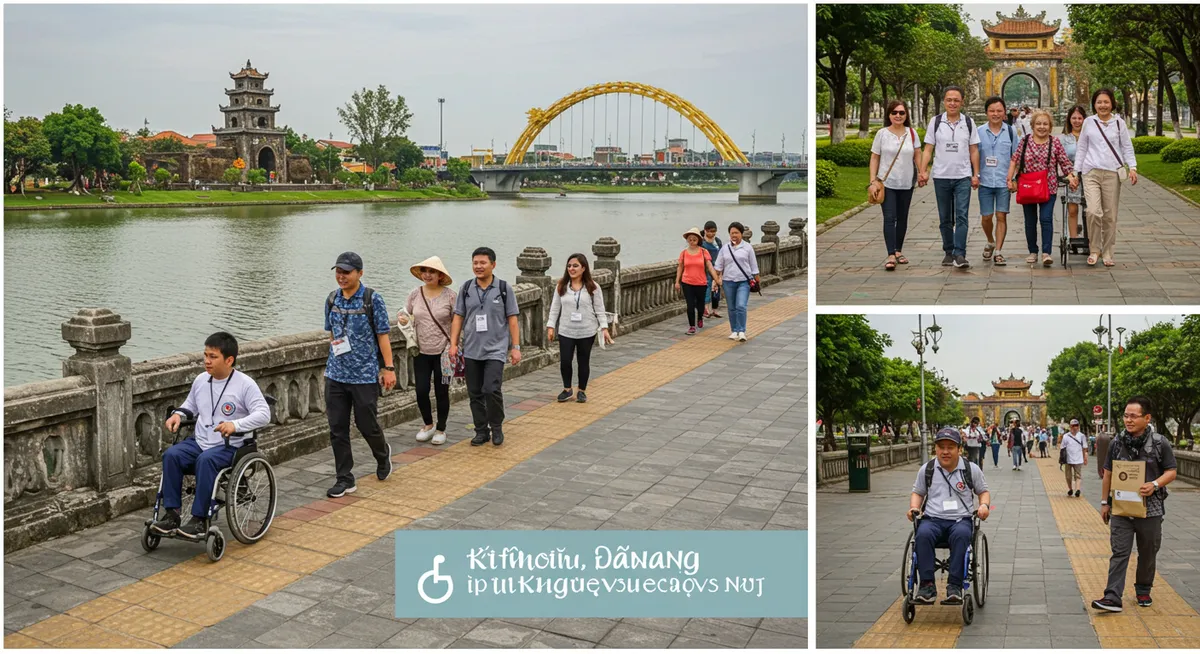
One of Danang’s most accessible and picturesque walking routes is the Han River Promenade. Stretching along both banks of the Han River, this area boasts extensive, wide, and remarkably flat paved pathways. It’s perfect for a leisurely stroll, whether you’re using a wheelchair, a stroller, or simply prefer smooth surfaces. You’ll find numerous spots to sit and rest, enjoying panoramic views of the city skyline, the iconic Dragon Bridge, and the sparkling lights at night. Key viewing points for the Dragon Bridge and Love Lock Bridge are generally accessible, allowing everyone to witness the spectacular fire-breathing show on weekend evenings. The gentle incline of the pedestrian bridges (like the Han River Bridge itself) is manageable, though it’s often more comfortable to enjoy views from the promenade level.
My Khe Beach Boardwalk: Ocean Breezes on Smooth Paths
Often lauded as one of the world’s most beautiful beaches, My Khe Beach offers a fantastic, accessible boardwalk experience. Running parallel to the expansive sandy shore, the boardwalk is wide, smooth, and paved, providing an effortless route to soak in the coastal atmosphere. While direct beach access onto the sand can be challenging for those with mobility aids, the boardwalk itself allows you to enjoy the fresh sea breeze, listen to the waves, and take in the vibrant beach scene. Numerous beachfront restaurants and cafes line the boardwalk, many with ground-level access or manageable ramps, perfect for a refreshment stop.
Cultural Immersion: Danang Museum & Cham Sculpture Museum
For those seeking indoor cultural experiences, the Danang Museum and the Museum of Cham Sculpture offer potential accessible options. While it’s always advisable to call ahead to confirm specific ramp and elevator availability for mobility aids, these institutions, particularly the more modern Danang Museum, generally strive for better visitor access. Inside, you’ll find flat floors and spacious exhibition halls, making for a comfortable walking or rolling experience as you explore Danang’s history and the exquisite artifacts of the ancient Cham kingdom. Accessible restrooms may also be available, but confirmation is key.
APEC Park & Love Lock Bridge Area: Modern Public Spaces
Adjacent to the Han River, the APEC Park and the surrounding Love Lock Bridge area are excellent examples of Danang’s commitment to well-maintained public spaces. APEC Park features broad, paved pathways, lush greenery, and the impressive APEC sculptures, all designed for easy navigation. The Love Lock Bridge, part of the larger Han River promenade system, is readily accessible and offers romantic views and photo opportunities. This entire precinct is pedestrian-friendly, bustling with local life, and well-lit in the evenings, offering a safe and enjoyable environment for walkers of all abilities.
Modern Developments & Pedestrian-Friendly Zones
Keep an eye out for Danang’s newer urban developments, particularly around major shopping centers or planned residential areas. These modern zones often prioritize wide sidewalks, gentle curb cuts, and well-maintained public plazas, reflecting a growing awareness of pedestrian needs. While less common, some newer multi-story buildings and shopping malls (like Vincom Plaza or Indochina Riverside Towers) offer elevators and accessible restroom facilities, providing excellent respite and accessible amenities during your explorations.
Navigating Danang’s Streets: Practical Tips for Mobility Challenges
Danang offers a captivating blend of urban vibrancy and scenic beauty, but navigating its bustling streets can present unique challenges, especially for those with mobility considerations. With some practical tips and a keen awareness of the local environment, you can confidently explore this dynamic city on foot.
Mastering the Danang Street Crossing
One of the most common hurdles for visitors is crossing Danang’s busy streets, often teeming with motorbikes. Unlike Western cities where traffic stops for pedestrians, here it’s a fluid dance. The key is to be predictable and walk with purpose:
- The “Danang Shuffle”: Don’t sprint or make sudden movements. Step into the traffic flow slowly and steadily, maintaining a consistent pace. Motorbike drivers are incredibly adept at anticipating your movement and will often swerve around you.
- Patience and Eye Contact: Wait for a small gap, then make eye contact with approaching drivers if possible. A slight nod can signal your intent. Even at pedestrian crossings, traffic may not always stop, so proceed with caution.
- Walk with Locals: If you see a group of locals crossing, consider joining them. There’s safety in numbers, and they intuitively understand the flow.
Navigating Uneven Surfaces and Obstructions
Danang’s sidewalks are often lively spaces shared by pedestrians, parked motorbikes, street food vendors, and small businesses. This means paths can be uneven, cracked, or temporarily blocked:
- Constant Vigilance: Keep your eyes scanning ahead for loose paving stones, sudden dips, temporary ramps, or obstructions like parked motorbikes or vendor carts. Wearing sturdy, comfortable shoes with good grip is highly recommended.
- Sidewalks vs. Roads: Be prepared for stretches where the sidewalk is impassable, requiring you to briefly walk on the road. Do this with extreme caution, always facing oncoming traffic, and be ready to step aside quickly.
- Street Food Stalls: Embrace them! They are part of the charm. Politely navigate around them, giving vendors space, or use it as an opportunity to sample local delicacies while resting.
Seeking Local Assistance and Cultural Etiquette
Danang’s people are generally warm and helpful. Don’t hesitate to ask for assistance:
- Asking for Help: A simple “Xin chào” (hello) and “Giúp tôi?” (help me?) with a polite gesture can go a long way. Many younger Vietnamese may have some English, especially in tourist areas.
- Hiring a Companion/Guide: For those with significant mobility challenges, consider hiring a local guide or companion for your walking tours. They can not only offer physical assistance but also provide invaluable insights, navigate challenges, and ensure a smoother, more enjoyable experience. Many reputable tour operators offer this service.
- Personal Space: Vietnamese cultural norms regarding personal space can differ. Physical contact may be more common in assisting someone. If help is offered, a polite “Cám ơn” (thank you) is appreciated. If you wish to decline, a gentle “Không, cám ơn” (no, thank you) with a polite hand gesture is appropriate.
Identifying Accessible Restrooms and Safe Resting Spots
Planning your breaks is crucial for an enjoyable walking tour:
- Hotels and Malls: Your best bet for western-style, often more accessible restrooms are in major hotels (e.g., Novotel, Hilton) and modern shopping malls like Vincom Plaza or Lotte Mart.
- Cafes and Restaurants: Danang boasts countless cafes. They are excellent spots to rest your feet, enjoy a refreshing drink, and often provide clean, albeit sometimes compact, restrooms. Support local businesses while taking a break.
- Public Parks: Areas like Bach Dang street along the Han River or the vicinity of the Dragon Bridge offer benches and green spaces for a quick rest, though public restrooms here might be less accessible.
By keeping these tips in mind, you can navigate Danang’s streets with greater ease and confidence, ensuring your accessible walking tour is as rewarding as possible.
Finding Accessible Support & Services
Navigating Danang with mobility considerations for a walking tour requires a bit of proactive planning, but the rewards are well worth the effort. Finding the right support and services can transform your experience, making it seamless and enjoyable.
Connecting with Local Tour Operators
While dedicated accessible tour operators are still emerging in Danang, many local companies are increasingly open to customizing itineraries. Don’t hesitate to reach out to general tour agencies and clearly articulate your specific needs. Look for operators who are:
- Responsive: A good sign is quick, detailed replies to your inquiries.
- Flexible: They should be willing to adjust pace, routes, and even transport methods based on your mobility.
- Experienced (or willing to learn): Ask if they have previously catered to travelers with mobility challenges. Even if not, their enthusiasm to understand and accommodate is a positive indicator.
Websites like TripAdvisor or local Danang tourism portals can be starting points, but direct email communication is often the most effective way to gauge their understanding and willingness to help.
Vetting Your Guide for Accessibility Understanding
Your walking tour guide is your key companion, so it’s vital they understand your accessibility requirements. Before booking, ask potential guides:
- Experience with Mobility Aids: Have they guided individuals using wheelchairs, walkers, or scooters? Do they know how to assist safely?
- Route Knowledge: Can they identify accessible routes, areas with curb cuts, ramps, and suitable rest stops or accessible restrooms along the way? Uneven sidewalks are common in Danang, so local knowledge of smoother paths is invaluable.
- Pace and Flexibility: Confirm their willingness to maintain a comfortable pace and adapt the itinerary on the fly if a particular path proves challenging or if you need extra rest.
- Problem-Solving: Inquire about their approach to unexpected obstacles. A good guide will be prepared to find alternative routes or solutions.
Clear communication upfront ensures your guide can tailor the experience to your comfort and safety, making your Danang exploration truly enjoyable.
Accessible Transportation Options in Danang
Even on a walking tour, you’ll likely need transport to reach starting points or bridge longer distances between accessible areas. Here’s what to consider in Danang:
- Grab (Ride-Hailing App): Grab is ubiquitous and convenient. While standard GrabCar vehicles are often compact sedans, you can select “GrabCar 7 Seater” or larger SUV options within the app. Crucially, immediately after booking, message your driver via the app to confirm if their vehicle can accommodate your mobility aid (e.g., a folded wheelchair or walker) and whether they are comfortable assisting. Drivers may cancel if they can’t meet the need, so this upfront communication is essential.
- Accessible Taxis: Dedicated accessible taxis with ramps or lifts are rare in Danang. However, major taxi companies like Mai Linh or Vinasun (identifiable by their green and white livery respectively) operate larger van-style vehicles alongside their standard sedans. It’s best to pre-book these through your hotel or a reputable tour operator who might have direct contacts to ensure a larger vehicle. Flagging one down randomly might be hit-or-miss for size.
- Local Insight: While local drivers are generally helpful, be prepared for some communication challenges. Having key phrases translated on your phone or asking your hotel staff to assist with bookings can be beneficial. Avoid motorbike taxis if you have mobility challenges, as they are unsuitable.
With careful planning and open communication, Danang’s charm and beauty are incredibly accessible for an unforgettable walking tour experience.
Beyond Walking: Ensuring a Fully Accessible Danang Experience
🎯 Insider Tip: Discover the best Da Nang experiences with Viator Tours!
While discovering Danang on foot offers an incredible immersion into its vibrant culture and stunning scenery, a truly accessible journey extends beyond the walking paths themselves. To ensure your Danang adventure is as comfortable and fulfilling as possible, it’s vital to consider accessibility across your entire travel itinerary – from where you rest your head to where you savor local delicacies.
Finding Accessible Accommodation in Danang
Danang’s hospitality scene is growing rapidly, and with newer developments often comes improved accessibility. When booking your stay, prioritize hotels and resorts that explicitly state their accessibility features. Look for:
- Ground Floor Rooms or Elevator Access: Essential for avoiding stairs. Verify that elevators are wide enough for wheelchairs or mobility scooters if needed.
- Wider Doorways and Spacious Layouts: Especially in bathrooms, ensuring easy maneuverability.
- Roll-in Showers and Grab Bars: These are critical for many travelers with mobility aids. Don’t assume; check photos or ask the hotel directly for specific details.
- Communicate Your Needs: After booking, send a quick email to the hotel outlining your specific requirements (e.g., “We require a roll-in shower and space for a mobility scooter”). Many establishments, especially international chains and newer boutique hotels in areas like My Khe Beach, are increasingly equipped and willing to assist.
Enjoying Accessible Dining Experiences
Danang’s culinary landscape is a highlight, and you shouldn’t miss out due to accessibility concerns. While traditional street food stalls often present challenges with uneven ground or high stools, many modern restaurants and cafes are becoming more accommodating.
- Look for Ramps and Wide Entrances: Newer establishments, particularly those catering to tourists in central areas or along the Han River, often feature ramp access.
- Spacious Seating Areas: Opt for restaurants with ample space between tables, making navigation easier. Outdoor seating can sometimes be more accessible than cramped indoor spaces.
- Modern Cafes and International Cuisine: These venues generally have better infrastructure than very traditional Vietnamese eateries. Places around Bach Dang Street or the bustling An Thuong tourist area are good starting points.
- Check Google Maps and Reviews: Many users leave accessibility notes and photos. A quick search for “accessible restaurants Danang” can yield helpful results, or look for accessibility icons on listings.
Planning Your Accessible Walking Tours (and Beyond)
The key to a truly holistic accessible travel experience in Danang lies in meticulous planning and clear communication. For your walking tours, specifically, ensure you:
- Communicate with Tour Operators: Before booking any walking tour, reach out to the operator. Clearly describe your mobility needs. Ask about the specific terrain (e.g., paved sidewalks, uneven cobblestones, presence of curbs or steps), average distances, and availability of rest stops or accessible transport options if a section becomes too challenging. Local operators are often very keen to help make their tours inclusive.
- Research Specific Routes: If planning self-guided walks, use tools like Google Street View to scout out paths, pavements, and potential obstacles around key attractions like the iconic Dragon Bridge or along the Han River. While Danang’s city center has many relatively flat areas, bridges and riverside paths may have inclines or occasional steps that require consideration.
- Consider Private Transport: For longer distances between accessible points or when public transport isn’t suitable, pre-arranging accessible taxis or private vehicles can significantly enhance your comfort and flexibility. Grab (the popular ride-hailing app) is widely available, and you can often message drivers to confirm vehicle type and assistance.
By extending your accessibility focus beyond just the walking paths to include your accommodation, dining, and overall transport, you empower yourself to craft a truly seamless and enjoyable Danang adventure, ensuring every aspect of your journey is as welcoming and barrier-free as possible.
Frequently Asked Questions
Q: Is Danang generally accessible for people using wheelchairs?
A: While Danang is making strides in accessibility, it’s a developing city with varying infrastructure. Many newer areas, like the Han River promenade and some modern hotels/malls, offer good accessibility. However, older parts of the city and smaller shops may have uneven pavements, steps, and narrow entrances. Planning specific routes and communicating your needs is key.
Q: Are there specific accessible tour operators in Danang?
A: Dedicated accessible tour operators are still emerging in Danang. However, many reputable local tour companies are willing to customize itineraries. It’s best to contact them directly, clearly outline your accessibility requirements, and ask for specific details on routes, transportation, and venue accessibility. Some international tour companies also offer accessible Vietnam tours that may include Danang.
Q: What are the best times of day to walk in Danang for accessibility?
A: For comfort and ease of movement, the best times are early morning (6:00 AM – 9:00 AM) or late afternoon/early evening (4:00 PM – 7:00 PM). These hours offer cooler temperatures and generally fewer crowds on sidewalks, making navigation simpler, especially for those with mobility aids. Avoid midday heat and peak traffic hours.
Q: Are public transportation options in Danang accessible?
A: Public buses in Danang are generally not wheelchair accessible, and city buses can be crowded. Ride-hailing services like Grab (GrabCar) are a better option as you can request larger vehicles, but specific accessible vans are not widely available. Taxis are plentiful, but it’s advisable to check if they can accommodate your mobility aids before getting in.
Danang is a city of incredible beauty and warmth, and with careful planning and an understanding of its unique urban landscape, it is entirely possible to create a truly rewarding accessible walking tour experience. Embrace the local charm, enjoy the breathtaking views, and allow yourself to discover Danang’s heart and soul on foot. This guide empowers you to explore confidently, turning potential challenges into memorable adventures.