
Can Tho Afternoon Walk: Explore Mekong Delta Charm by Foot (2026)
Explore Can Tho’s vibrant streets, local markets, and riverside charm on an unforgettable afternoon walking tour. Get practical tips and local insights.
On this page
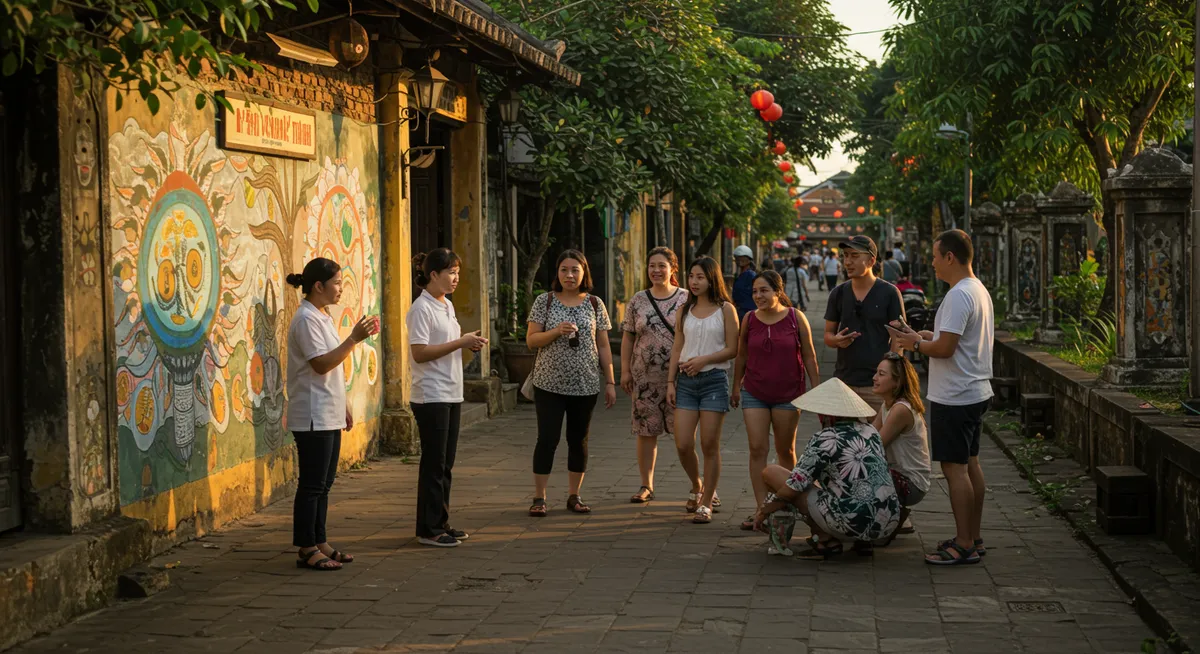
Can Tho, the heart of the Mekong Delta, offers a unique charm that truly comes alive in the cooler, softer light of the afternoon. While morning tours often focus on the bustling floating markets, an afternoon walking tour provides a deeper, more intimate glimpse into the city’s urban pulse, cultural heritage, and local life. This comprehensive guide outlines an engaging itinerary, packed with practical advice and expert tips, to help you safely and enjoyably explore Can Tho’s hidden gems on foot, connecting you directly with the vibrant rhythm of this fascinating Vietnamese city.
Key Tips and Takeaways
- Start your walk hydrated and carry plenty of water.
- Wear comfortable, breathable shoes – you’ll be covering varied terrain.
- Embrace the spontaneity; sometimes the best discoveries are off-itinerary.
- Always look both ways (and then some!) when crossing streets, especially for scooters.
- Don’t hesitate to politely ask locals for directions or recommendations.
- Carry small denominations of VND for street food and small purchases.
- Protect yourself from the sun, even in the afternoon; hats and sunscreen are a must.
Why an Afternoon Walk in Can Tho?
While most travelers to Can Tho are up before dawn to experience the bustling energy of the Cai Rang Floating Market, overlooking the city’s afternoon charm would be a significant missed opportunity. An afternoon walking tour in Can Tho offers a distinctly different, equally enriching, and often more intimate perspective on local life compared to the morning’s flurry.
Embrace the Cooler Temperatures
One of the most practical reasons to embark on an afternoon stroll is the welcome reprieve from the midday heat. By late afternoon, typically from 3:30 PM onwards, the intense tropical sun begins its descent, casting longer shadows and bringing a noticeable drop in temperature. A gentle breeze often sweeps in from the Hau River, making walking around the city’s charming streets and along Ninh Kieu Wharf far more comfortable. This allows you to explore at a relaxed pace without feeling overheated, truly enjoying your surroundings.
A Different Pace, A Different Atmosphere
The city’s rhythm shifts dramatically in the afternoon. The early morning rush of market vendors, students, and commuters subsides, giving way to a more tranquil, yet vibrant, energy. You’ll witness locals winding down their workday, children playing in alleyways after school, and families gathering for their evening meals. This slower pace allows for more observant exploration, where you can truly soak in the ambiance of residential areas, observe daily rituals, and perhaps even strike up a conversation with a local enjoying the shade outside their home.
Fewer Tourist Crowds, Authentic Encounters
Many of Can Tho’s popular spots, while busy in the morning, become delightfully less crowded in the afternoon. Ninh Kieu Wharf, for instance, transitions from a vibrant morning hub to a peaceful promenade before the evening dinner cruise crowds arrive. This golden window allows you to appreciate the river views, the iconic Ho Chi Minh statue, and the surrounding architecture without the usual throng. Venturing into side streets and quieter neighborhoods during this time also reveals a more authentic slice of Can Tho life, less tailored for tourist consumption and more reflective of everyday local existence. You might stumble upon a small, serene temple like Ong Pagoda with fewer visitors, allowing for a moment of quiet contemplation.
Unique Insights into Local Life and Emerging Flavors
The afternoon walk unveils unique facets of Can Tho’s culture. You’ll see street food vendors beginning to set up their stalls, the tempting aromas of local delicacies like bánh xèo or various noodle soups filling the air as evening approaches. This is a prime time to observe the meticulous preparation of dishes and sample some early evening snacks. You might also notice locals engaging in their favorite afternoon pastimes – perhaps a game of checkers, a quiet chat over iced coffee, or simply relaxing in hammocks. It’s an opportunity to see Can Tho transitioning from its daily grind into its evening social scene, offering a glimpse into the local community’s leisure and cultural activities often missed by those focused solely on morning excursions.
Practical Tips for Your Afternoon Stroll:
- Timing is Key: Aim to start your walk between 3:30 PM and 4:00 PM to maximize comfort and capture the evolving atmosphere.
- Stay Hydrated: Even in the cooler afternoon, the tropical climate necessitates carrying water.
- Embrace the Detours: Don’t be afraid to wander down charming alleyways; they often lead to hidden gems and authentic local scenes.
- Light & Comfortable Attire: Wear breathable fabrics and comfortable walking shoes.
- Capture the Light: The afternoon “golden hour” light is perfect for photography, casting a warm glow over the city.
An afternoon walk in Can Tho isn’t just about covering ground; it’s about connecting with the city’s soul, understanding its rhythms, and experiencing its less-seen, yet equally captivating, moments.
Your Can Tho Afternoon Walking Tour Itinerary
As the afternoon sun mellows, Can Tho truly comes alive, offering a delightful blend of history, culture, and local life that’s perfect for a leisurely walk. This itinerary guides you through the city’s charming core, focusing on key historical sites and vibrant local spots, all within comfortable walking distance. Remember to stay hydrated, wear comfortable shoes, and embrace the relaxed pace of the Mekong Delta!
2:00 PM – 2:15 PM: Start at Ninh Kieu Wharf
- Location: Along the Hau River, where the Can Tho River meets.
- Activity: Begin your walk at the iconic Ninh Kieu Wharf. This bustling promenade is the heart of Can Tho, offering picturesque views of the Hau River and its boats. Take moments to soak in the atmosphere and get your bearings.
- Local Tip: Notice the traditional sampans and modern tourist boats. Many offer evening cruises if you’re looking for a post-dinner activity.
2:15 PM – 3:15 PM: Delve into History at Can Tho Museum
- Walking Time: Approximately 5-7 minutes walk from Ninh Kieu Wharf.
- Location: 1 Hoa Binh Street, Tan An Ward.
- Activity: Head to the Can Tho Museum, an excellent place to escape the afternoon heat and gain deeper insights into the region’s history, culture, and ethnic groups. The museum showcases exhibits from ancient artifacts to wartime memorabilia and traditional Mekong Delta life.
- Practical Advice: Allow at least 45 minutes to an hour here to explore the main exhibits comfortably.
3:15 PM – 3:45 PM: Discover Spiritual Tranquility at Ong Temple
- Walking Time: Approximately 10-12 minutes walk from Can Tho Museum.
- Location: 32 Hai Ba Trung Street, Tan An Ward.
- Activity: A short stroll brings you to Ong Temple (Chua Ong), a vibrant Chinese-style temple dedicated to Kuang Kung. Step inside to admire its intricate architecture, colorful altars, and the scent of incense. This Taoist temple is a striking example of Chinese influence in the region.
- Local Insight: Observe locals offering prayers and burning incense – a testament to the multicultural fabric of Can Tho.
3:45 PM – 4:30 PM: Glimpse the Past at Can Tho Ancient House
- Walking Time: Approximately 5-7 minutes walk from Ong Temple.
- Location: 54 Phan Dinh Phung Street, Tan An Ward.
- Activity: Continue your walk to the Can Tho Ancient House, a beautifully preserved traditional Vietnamese dwelling. While it may sometimes be closed, its exterior offers a fascinating peek into the architectural style of wealthy merchant families from the late 19th century.
- Actionable Tip: Even if you can’t enter, the surrounding street offers charming old-world vibes and photo opportunities.
4:30 PM – 5:30 PM: Experience Local Flavors at Can Tho Market (Cho Can Tho) & Street Food Alley
- Walking Time: Approximately 8-10 minutes walk from Can Tho Ancient House.
- Location: Phan Boi Chau Street and nearby alleys, close to Ninh Kieu Wharf.
- Activity: As the afternoon winds down, immerse yourself in the lively atmosphere of Can Tho Market (Cho Can Tho). Wander through the stalls, taking in the sights and sounds. In the surrounding alleys, you’ll find a fantastic array of street food vendors to sample authentic Can Tho specialties.
- Recommendation: Try a refreshing sugarcane juice (nuoc mia) – perfect after a walk!
5:30 PM Onwards: Return to Ninh Kieu Wharf for Sunset & Dinner
- Walking Time: Approximately 5-10 minutes walk from the market.
- Activity: Conclude your walking tour by returning to Ninh Kieu Wharf. As dusk settles, the wharf transforms with twinkling lights and a gentle breeze, creating a magical ambiance. Find a spot along the riverfront to watch the sunset over the Hau River, painting the sky with vibrant colors.
- Final Tip: Consider a fresh coconut or local beer at one of the riverside cafes as you unwind and reflect on your afternoon discoveries.
Starting Point: Ninh Kieu Wharf (Bến Ninh Kiều)
🌟 Local Expert Tip: Get the most out of your Can Tho visit with guided tours!
Your afternoon walking adventure through Can Tho begins at the city’s vibrant pulse: Ninh Kieu Wharf (Bến Ninh Kiều). Often hailed as the heart of Can Tho, this iconic waterfront promenade is the perfect introduction to the Mekong Delta’s largest city. As you arrive, you’ll immediately feel the lively energy that defines Can Tho – a harmonious blend of historical significance and modern-day bustle.
Ninh Kieu Wharf has been a pivotal commercial hub for centuries, connecting Can Tho to the wider Mekong Delta through its intricate network of rivers and canals. While its primary role has evolved from a bustling trading port to a beloved public space, it retains an undeniable charm. The area is constantly alive with activity, from local vendors selling snacks to families enjoying the breeze, and couples strolling hand-in-hand as the sun begins its gentle descent. It’s this authentic local ambiance that makes it an ideal starting point for immersing yourself in Can Tho life.
Before you embark on the next leg of your tour, take a moment to soak it all in. This is prime territory for your initial Can Tho photos. Look out for the imposing Ho Chi Minh statue, a significant landmark overlooking the Hau River. Capture the colorful passenger boats and traditional sampans bobbing on the water, juxtaposed against the modern Ninh Kieu pedestrian bridge in the distance. The evolving light of the late afternoon casts a beautiful glow, perfect for capturing the essence of the city.
To truly embrace the local experience, consider a brief stop at one of the numerous cafes dotted along the wharf or just a street back. Many offer comfortable seating with views of the river. This is an excellent opportunity to hydrate and energize with a refreshing local beverage. Grab a classic Vietnamese iced coffee (cà phê sữa đá), a tropical fruit smoothie, or a fresh coconut. It’s a great way to observe the rhythm of local life, watch the river traffic, and finalize your mental preparation for the walking journey ahead. Remember to wear comfortable walking shoes; while Ninh Kieu Wharf is pleasant, the rest of your tour will involve considerable exploration on foot!
This bustling riverside gateway sets the stage for a memorable afternoon, offering a taste of Can Tho’s history, culture, and undeniable charm right from the very first step.
First Stop: Ong Temple (Chùa Ông)
Welcome to our first stop on this Can Tho afternoon walking tour, a vibrant testament to the city’s rich cultural tapestry: Ong Temple (Chùa Ông). Just a short, pleasant stroll from the bustling Ninh Kieu Pier area, this magnificent Chinese-style temple is a feast for the senses and an important spiritual hub for Can Tho’s Chinese community.
As you approach, you’ll immediately be struck by the temple’s incredibly ornate and colourful exterior. Built in 1894 by the local Cantonese community, it’s dedicated to Kuang Kung (Quan Cong), a revered historical figure representing loyalty, integrity, and justice. The temple’s architecture is a dazzling display of traditional Chinese design, featuring a striking red facade, intricately carved wooden doors, and a roof adorned with mythical creatures like dragons and phoenixes, all symbols of prosperity and good fortune. Take a moment to admire the elaborate mosaic work and vibrant glazed tiles before stepping inside.
Upon entering, you’ll be enveloped by the serene atmosphere, rich with the scent of burning incense. Look up, and you’ll notice hundreds of spiralling incense coils hanging from the ceiling, slowly burning down over days, symbolising continuous prayers and offerings. The main hall houses several altars, each dedicated to different deities, all richly decorated with gold leaf, intricate carvings, and colourful statues. Pay particular attention to the main altar for Kuang Kung, often flanked by his trusted lieutenants. The details, from the delicate patterns on the wooden beams to the expressions on the statues, tell stories of ancient beliefs and devotion.
For a respectful and enriching visit, here are some actionable tips:
- Dress Modestly: As with any place of worship, it’s respectful to dress modestly, covering your shoulders and knees.
- Remove Shoes: You’ll need to remove your shoes before entering the main prayer hall. Wear comfortable slip-on shoes for ease.
- Be Quiet: Maintain a low voice and respectful silence. Observe the worshippers and their rituals from a distance.
- Photography: Photography is generally permitted, but be discreet and respectful. Avoid using flash, especially near altars or if people are praying. Always ask permission if you wish to photograph individuals.
- Take Your Time: This isn’t a quick stop. Spend at least 30-45 minutes here. Wander slowly, absorb the intricate details, and feel the spiritual energy. Look closely at the carved figures, the beautiful calligraphy, and the offerings.
Chùa Ông serves not just as a temple but also as a community centre, embodying the enduring cultural heritage of the Chinese diaspora in the Mekong Delta. It’s a beautiful reminder of Can Tho’s multicultural identity and offers a peaceful oasis amidst the city’s lively streets. Enjoy your time reflecting on its beauty and significance before we continue our walking exploration!
Next: Can Tho Ancient Market (Chợ Cổ Cần Thơ)
From the vibrant, bustling energy of the traditional market, our afternoon walking tour now guides you to a contrasting, yet equally fascinating, landmark: the Can Tho Ancient Market (Chợ Cổ Cần Thơ). This short stroll offers a wonderful change of pace, revealing another layer of Can Tho’s rich history and evolving culture.
To reach Chợ Cổ Cần Thơ from the traditional market area, simply head towards the waterfront along Hai Ba Trung Street. It’s a very pleasant walk, just a few minutes, allowing you to take in the riverside atmosphere. You’ll spot its distinctive colonial architecture quite easily, standing out amidst the more modern buildings.
A Glimpse into the Past: Architecture and History
Stepping into the Can Tho Ancient Market is like stepping back in time. Built in 1915 during the French colonial period, this market was once the commercial heart of the city, a bustling hub where goods from across the Mekong Delta were traded. Unlike many other markets that have been rebuilt, this one remarkably retains much of its original French design. As you approach, marvel at its elegant, sturdy structure: the high ceilings, large arched windows, and intricate ironwork are hallmarks of early 20th-century colonial architecture in Vietnam. Notice the natural light pouring in, designed to illuminate the goods on display in an era before widespread electricity.
From Commerce to Culture: Its Modern Incarnation
While no longer functioning as a traditional wet market, Chợ Cổ Cần Thơ has been beautifully preserved and repurposed, transforming into a charming cultural and art space. Today, it houses a curated selection of souvenir shops, art galleries showcasing local talent, and quaint cafes where you can relax and soak in the historical ambiance. This transformation reflects Can Tho’s desire to preserve its heritage while adapting to modern tourism, offering visitors a serene environment to explore and purchase unique local crafts, silk products, and mementos.
Capture the Moment: Photo Opportunities
The Can Tho Ancient Market is a photographer’s dream, especially in the soft afternoon light. The interplay of light and shadow through the arched windows creates stunning visual effects. Focus your lens on the intricate details of the iron railings, the aged patina of the walls, and the unique displays within the shops. Don’t miss capturing the entire facade from outside, showcasing its grand colonial presence. Inside, the quiet charm and artful arrangements make for beautiful, reflective shots. This spot truly offers a different aesthetic from the vibrant street scenes, providing a diverse portfolio of your Can Tho experience.
Practical Tips for Your Visit:
- What to Look For: Keep an eye out for high-quality local handicrafts, textiles, and unique art pieces that make perfect souvenirs.
- Relax and Refresh: Many small cafes within the market offer local coffee and refreshing drinks. It’s an ideal spot to take a break, enjoy a Vietnamese iced coffee, and observe the surroundings.
- Best Time: The late afternoon is perfect. The light is beautiful for photography, and the market generally feels relaxed and inviting after the midday heat.
- Support Local: Consider making a purchase; you’ll be supporting local artisans and small businesses within this preserved heritage site.
As you leave the Can Tho Ancient Market, you’ll carry with you not just souvenirs, but a deeper appreciation for the city’s enduring charm and its ability to blend history with contemporary appeal. It’s a testament to Can Tho’s commitment to preserving its past while building its future.
Strolling Through Downtown Can Tho & Local Alleys
Once you’ve soaked in the initial riverside charm, it’s time to truly immerse yourself in the authentic pulse of Can Tho. This part of your afternoon walk takes you away from the main tourist drag and into the meandering downtown streets and, more excitingly, the hidden local alleys known as *hẻm*.
Think of this as an urban treasure hunt, where the treasures are everyday moments, genuine smiles, and the delicious aromas of home cooking and street food. Starting perhaps a few blocks back from the waterfront, aim to wander into the grid of streets that stretch inwards from the Hau River. Streets like Phan Dinh Phung, Nguyen Thai Hoc, or even smaller, unnamed lanes off these main arteries, often lead to fascinating discoveries.
Discovering the Local Pulse
- Venture into the *Hẻm* (Alleys): This is where the magic happens. Can Tho’s *hẻm* are narrow passages, often barely wide enough for a single scooter, that snake between buildings. Here, you’ll witness daily life unfold: children playing, laundry drying, potted plants adorning doorways, and neighbors chatting. It’s a sensory experience – the clatter of a wok, the scent of incense, the distant murmur of a TV. Always be mindful and polite; you are entering someone’s neighborhood.
- Local Shops & Businesses: Keep an eye out for traditional *tạp hóa* (small convenience stores), tailor shops, bicycle repair stalls, and family-run eateries. These aren’t glossy boutiques but practical, often multi-generational businesses that serve the local community. Don’t be afraid to poke your head in (politely!) or make a small purchase, like a refreshing drink.
- Street Vendors & Snacks: As the afternoon progresses, more street food vendors emerge. This is your chance to sample authentic Can Tho flavors beyond the main restaurants. Look for carts selling freshly grilled skewers, *bánh mì* with various fillings, or sweet desserts like *chè* (sweet soup). If you see something that looks intriguing, point and smile – most vendors are friendly and happy to serve curious travelers.
- Hidden Cafes: Can Tho is dotted with charming, often unassuming cafes tucked away in quiet spots. They might be just a few plastic stools on a sidewalk or a small, cozy room. This is the perfect opportunity to grab a potent *cà phê sữa đá* (iced milk coffee) and simply watch the world go by.
Practical Tips for Your Urban Exploration
- Dress Comfortably: Wear comfortable walking shoes. You’ll be covering a fair bit of ground, and the alleys can sometimes be uneven.
- Stay Hydrated: It can get warm, even in the late afternoon. Buy bottled water frequently from small shops.
- Be Mindful of Scooters: Even in narrow alleys, scooters can zip through. Be aware of your surroundings, and step aside if needed.
- Engage with a Smile: A friendly smile goes a long way. While English isn’t widely spoken in the deepest alleys, gestures and good intentions are universal.
- Observe and Absorb: This isn’t a tour about ticking off landmarks. It’s about soaking in the atmosphere, observing local life, and feeling the rhythm of Can Tho. Take your time, let your curiosity guide you, and allow yourself to get a little “lost” in the best possible way.
This stroll is a fantastic way to peel back the layers of Can Tho, offering a glimpse into the everyday charm and resilience of its people, far from the tourist brochures.
Riverside Promenade & Sunset Views
🌟 Local Expert Tip: Get the most out of your Can Tho visit with guided tours!
As the afternoon wanes, the banks of the mighty Hau River transform into a vibrant canvas of local life and serene beauty, offering the perfect setting for a leisurely stroll. This section of your walking tour invites you to immerse yourself in the daily rhythm of Can Tho, enjoying the gentle breeze off the water and spectacular sunset vistas.
Begin your promenade along the wide, well-maintained pathways that stretch along the Hau River, particularly around the Ninh Kieu Wharf area and extending westwards. This is where Can Tho truly breathes. You’ll quickly notice the refreshing change in atmosphere as the heat of the day dissipates, replaced by a comfortable coolness.
The riverside promenade is a bustling hub of local activity, yet it maintains a surprisingly tranquil vibe. Observe Can Tho residents going about their routines: groups of friends and families enjoying an evening walk, individuals practicing tai chi or jogging, and local fishermen patiently casting their lines into the river, hoping for the day’s catch. It’s a wonderful opportunity to witness authentic Mekong Delta life unfold before your eyes, offering endless fascinating vignettes for observation and photography.
As you meander, you’ll encounter charming pedestrian bridges gracefully arching over the smaller canals that feed into the Hau River. Take a moment to cross these bridges; they offer different vantage points for photos and add a delightful dimension to your walk, connecting you more intimately with the city’s intricate waterway system.
The highlight of this walk is undoubtedly the sunset. Position yourself anywhere along the promenade facing west, and prepare for a breathtaking display of colors as the sun dips below the horizon, painting the sky in fiery oranges, soft purples, and deep reds. The reflections on the calm waters of the Hau River create an almost ethereal scene, making it a paradise for photographers. Aim to arrive at least 30-45 minutes before the official sunset time to fully enjoy the transition and secure a prime spot.
Practical Tips for Your Riverside Stroll:
- Best Time: Late afternoon, ideally starting about an hour before sunset, to enjoy the activities and the changing light.
- Footwear: Comfortable walking shoes are a must for this extended walk.
- Hydration: Bring a bottle of water, or be ready to purchase cold drinks from local vendors often found along the promenade.
- Camera Ready: This section offers incredible photographic opportunities, especially during golden hour and sunset.
- Embrace the Local Scene: Don’t be shy to smile or give a friendly wave to locals; they are generally welcoming.
- Extend Your Stay: After sunset, the promenade often lights up, and street food vendors emerge, offering a chance to sample local snacks.
This riverside promenade offers more than just a walk; it’s an immersive experience into the heart and soul of Can Tho, leaving you with lasting memories of its beauty and vitality.
Optional Extension: Local Street Food Hunt
As your afternoon walking tour concludes, you might find yourself with an appetite for more of Can Tho’s local flavors. This optional extension transforms your daytime exploration into a delightful evening street food hunt, a true highlight of any visit to the Mekong Delta.
The city truly comes alive after dark, with countless food stalls popping up, filling the air with enticing aromas. From many points along the main riverfront promenade (where your afternoon tour might end), some of Can Tho’s most famous street food havens are just a pleasant stroll away.
Where to Hunt for Delicacies:
- Nguyen An Ninh Street: Arguably the most famous street food thoroughfare in Can Tho. Just a short walk from Ninh Kieu Wharf, this street transforms into a bustling culinary artery in the evening. You’ll find a fantastic array of local dishes, from savory pancakes to grilled skewers and refreshing desserts. The energy here is infectious, with plastic stools spilling onto the sidewalks and the sizzle of woks providing a lively soundtrack.
- De Tham Street: While slightly less sprawling than Nguyen An Ninh, De Tham also offers a concentrated cluster of excellent food stalls. It’s particularly known for seafood and noodle dishes. It’s also easily accessible on foot from the city center, making it a great alternative or a delicious second stop if your stomach allows!
Must-Try Local Dishes Post-Walk:
Prepare for a sensory feast. Don’t be shy; point, smile, and try a bit of everything that catches your eye!
- Bánh Xèo: The quintessential Vietnamese savory pancake. A crispy, turmeric-infused rice flour crepe filled with pork, shrimp, bean sprouts, and often mushrooms. Eaten by tearing off a piece, wrapping it in fresh lettuce and herbs, and dipping it into a sweet and sour nước chấm (fish sauce). A must-try in Can Tho.
- Bánh Cống: A specialty of Can Tho, these are crispy fried shrimp cakes. Made from a batter of rice flour and mung beans, deep-fried with a whole shrimp on top, and served with herbs and a tangy dipping sauce. Absolutely delicious!
- Nem Nướng Cái Răng: While the full experience of a Nem Nướng restaurant is at the famous bridge, many street stalls offer excellent grilled pork skewers (nem nướng) that you can wrap with rice paper, herbs, and starfruit, then dip in a special peanut sauce.
- Ốc (Snails/Shellfish): For the adventurous eater, Can Tho’s street food scene offers a wide variety of fresh snails and shellfish prepared in countless ways – stir-fried with tamarind, grilled with scallion oil, or steamed with ginger. Just pick a stall that looks busy and fresh!
- Chè (Sweet Soup/Dessert): After all the savory delights, cool down with a refreshing Chè. These sweet concoctions feature various ingredients like beans, jellies, fruits, and coconut milk. Perfect for cleansing the palate.
Practical Tips for Your Street Food Hunt:
- Go with an Empty Stomach: Portion sizes are often small, allowing you to sample many different dishes.
- Carry Small Bills: Most street food vendors prefer cash, and small denominations (e.g., 10,000-50,000 VND notes) are always appreciated.
- Look for the Locals: The busiest stalls with lots of Vietnamese diners are usually a good sign of quality and freshness.
- Embrace the Atmosphere: Street food is as much about the experience as it is about the food. Don’t expect fancy settings; enjoy the plastic stools and vibrant street life.
- Don’t Be Afraid to Point: If language is a barrier, pointing at what others are eating or at the ingredients you want is perfectly acceptable.
- Hygiene: While street food is generally safe, look for stalls where food is cooked fresh in front of you and where utensils appear clean.
Extending your walking tour into a street food hunt is the perfect way to cap off your Can Tho experience, immersing you deeply in the local culture and leaving you with unforgettable flavors.
Practical Tips for Your Can Tho Walking Adventure
To truly savor your Can Tho walking adventure, being prepared is key. The city offers a vibrant tapestry of sights, sounds, and flavors best experienced on foot, but the tropical climate and unique local environment call for some practical considerations. Here’s how to ensure a comfortable, safe, and utterly enjoyable stroll through the heart of the Mekong Delta.
Gear Up for Comfort
- Footwear is Fundamental: Can Tho’s charming streets and bustling alleys, while generally paved, can feature uneven surfaces, occasional puddles, or bustling market activity. Opt for lightweight, breathable, and above all, comfortable walking shoes or sandals with good support. Avoid brand-new shoes that haven’t been broken in.
- Dress for the Tropics: The Mekong Delta’s tropical climate means humidity is high, and even in the late afternoon, temperatures can be warm. Choose light, breathable fabrics like cotton or linen. Loose-fitting clothing will help you stay cool and comfortable. Consider wearing light long sleeves or trousers for extra sun protection and to deter mosquitoes, especially as dusk approaches.
- Hydration is Non-Negotiable: You’ll sweat more than you think! Carry a reusable water bottle and refill it frequently. Bottled water is readily available at convenience stores, cafes, and street stalls throughout the city. Staying hydrated is crucial to avoid fatigue and heat exhaustion.
- Sun Smarts: Even in the late afternoon, the sun can be surprisingly intense. A wide-brimmed hat, sunglasses, and high-SPF sunscreen are your best friends. Applying sunscreen generously before you start your tour and reapplying as needed is highly recommended.
Navigate Like a Local
- Mastering Road Crossings: Can Tho, like most Vietnamese cities, has busy motorbike traffic. There aren’t always designated pedestrian crossings, or if there are, they may not be strictly observed. The key is to walk slowly and predictably, making eye contact with approaching drivers. Don’t stop or dart; just maintain a steady, slow pace, and the motorbikes will flow around you. It sounds daunting but becomes intuitive quickly!
- Stay Aware of Your Surroundings: While Can Tho is generally safe, it’s always wise to be mindful of your belongings. Keep your wallet, phone, and passport secure in a crossbody bag worn in front of you, or a secure travel belt. Be particularly vigilant in crowded market areas.
- Offline Maps are Your Friend: Download an offline map of Can Tho (e.g., Google Maps) before you head out. This will be invaluable for navigation, especially if you venture off the main streets, and it won’t rely on mobile data.
Embrace the Local Culture
- A Friendly Hello: A warm smile and a simple “Xin chào” (sin chow – hello) go a long way when interacting with locals, especially street vendors or shop owners. Can Tho residents are known for their hospitality.
- Embrace the Street Food: Don’t be afraid to try the incredible array of street food. Look for stalls with high turnover and plenty of locals – these are usually the freshest and most authentic. Carry small denominations of Vietnamese Dong (VND 10,000, 20,000, 50,000 notes) for easy transactions at street food stalls and small shops.
- Pace Yourself: This is a walking adventure, not a race. Take your time to soak in the atmosphere, observe local life, and pause for a refreshing drink at a riverside cafe. The beauty of a walking tour is the freedom to explore at your own rhythm.
Best Time & Weather Considerations
🌟 Local Expert Tip: Get the most out of your Can Tho visit with guided tours!
Navigating Can Tho’s tropical climate is key to an enjoyable afternoon walking tour. The city, nestled in the Mekong Delta, experiences a warm, humid environment year-round. Understanding these patterns will help you plan your stroll effectively and comfortably.
Ideal Afternoon Hours
For an afternoon walking tour in Can Tho, the sweet spot is typically from **3:00 PM onwards**. This timing offers several advantages:
- **Cooler Temperatures:** While Can Tho remains warm, the intense midday sun begins to dip, and temperatures become slightly more manageable than the scorching heat of 12:00 PM – 2:00 PM.
- **Golden Hour:** As you progress into the late afternoon (around 4:30 PM – 5:30 PM), you’ll hit the ‘golden hour’ – the perfect time for photography, especially around the Can Tho River and Ninh Kieu Wharf, as the light softens beautifully.
- **Local Vibe:** This is when the city truly comes alive. Locals emerge to socialize, eat street food, and enjoy the promenade, offering a more vibrant and authentic atmosphere.
Typical Weather Patterns
Can Tho has two main seasons, both impacting your afternoon walk:
- Dry Season (roughly December to April): Afternoons are generally hot and sunny with high humidity. Rain is infrequent, making for consistently bright, though warm, walking conditions. Expect temperatures to hover around 30-35°C (86-95°F) or even higher.
- Wet Season (roughly May to November): While still hot and humid, the wet season brings frequent afternoon showers and thunderstorms. These are often short, intense downpours that can last from 30 minutes to an hour, then clear up quickly, leaving the air feeling refreshed but potentially humid. Temperatures remain high, similar to the dry season, but the rain provides occasional relief.
Advice for Heat & Humidity
Regardless of the season, Can Tho’s afternoons will be warm and humid. Here’s how to stay comfortable:
- **Hydrate Constantly:** This is paramount. Carry a large water bottle and refill it frequently from convenience stores or buy fresh coconut water from street vendors for a refreshing electrolyte boost.
- **Dress Appropriately:** Opt for lightweight, breathable fabrics like cotton or linen. Light colors reflect the sun’s rays better. Consider long sleeves and pants made of light material for sun protection, especially if you’re prone to sunburn.
- **Sun Protection:** A wide-brimmed hat, sunglasses, and high-SPF sunscreen are non-negotiable.
- **Pace Yourself:** Don’t rush. Take your time, walk slowly, and utilize shaded areas. Many local shops and cafes offer air-conditioned respite if you need a quick cool-down break.
- **Utilize Cafes:** Can Tho has an abundance of charming cafes. Duck into one for a Vietnamese iced coffee (cà phê sữa đá) or a fresh fruit smoothie to recharge and escape the heat.
Advice for Rain (Wet Season)
Don’t let the wet season deter you; afternoon showers are a common part of life in Can Tho and often add to the experience:
- **Be Prepared:** Always carry a compact, lightweight umbrella or a foldable rain poncho. These are easily purchased from local shops if you forget yours.
- **Quick Shelter:** Know where to duck for cover. Shops, cafes, temple entrances, and market stalls offer immediate shelter during downpours. The rain often passes quickly.
- **Footwear:** Choose quick-drying shoes or sturdy sandals that you don’t mind getting wet. Avoid heavy leather or suede footwear.
- **Embrace It:** Many locals simply continue their day, often with a poncho. The rain can be surprisingly refreshing, washing away the heat and sometimes leading to stunning post-rain sunsets.
Before heading out, a quick check of the daily weather forecast for Can Tho is always a good idea, allowing you to pack accordingly and adjust your starting time if necessary.
What to Wear & Bring
Preparing appropriately for your afternoon walking tour in Can Tho will significantly enhance your comfort and enjoyment. Can Tho, nestled in the Mekong Delta, experiences warm, humid weather year-round, and afternoons can be particularly sunny and muggy. Dressing smart and packing light essentials are key to a fantastic experience.
Essential Gear for Your Can Tho Walk
- Comfortable Footwear: This is paramount! You’ll be on your feet exploring vibrant markets, serene canals, and bustling streets. Opt for well-ventilated, broken-in sneakers or sturdy, comfortable walking sandals with good arch support. Avoid new shoes that could cause blisters, or flip-flops that offer insufficient support for extended walking. Your feet will thank you!
- Light, Breathable Clothing: Choose loose-fitting garments made from natural, breathable fabrics like cotton, linen, or moisture-wicking synthetics. Light colors will help reflect the sun. Think t-shirts, comfortable shorts, capris, or light dresses. While Can Tho is generally relaxed, it’s always respectful to have shoulders and knees covered if you plan to visit any pagodas or temples, although a general afternoon walk might not focus on these.
- Sun Protection: The afternoon sun in Can Tho can be surprisingly strong, even on overcast days.
- Wide-Brimmed Hat or Cap: Crucial for protecting your face and neck from direct sun.
- Sunglasses: To shield your eyes from glare and UV rays.
- High SPF Sunscreen: Apply generously to all exposed skin before you start and reapply as needed, especially if you perspire.
- Water Bottle: Staying hydrated is non-negotiable in Can Tho’s humid climate. Bring a reusable water bottle (at least 1 liter) and refill it frequently. Many cafes and shops may be willing to top you up, or you can buy bottled water easily.
- Small Backpack or Crossbody Bag: A lightweight, comfortable bag is ideal for carrying your essentials. A backpack distributes weight evenly, while a crossbody bag keeps your valuables secure and accessible in front of you. Choose one large enough for your water, sunscreen, and other small items, but not so big that it becomes cumbersome.
- Power Bank: Your phone will likely be working hard capturing photos, navigating, and possibly translating. A portable power bank ensures your device stays charged throughout your tour, so you don’t miss any photo opportunities or navigation needs.
- Insect Repellent: As a city surrounded by rivers and canals in a tropical environment, mosquitoes are a common presence, especially as dusk approaches. Apply insect repellent to exposed skin to avoid itchy bites. Look for products with DEET or Picaridin for effective protection.
By packing smart and considering Can Tho’s climate, you’ll be well-prepared to fully immerse yourself in the sights, sounds, and flavors of your afternoon walking adventure!
Navigation & Safety
While Can Tho is incredibly welcoming, staying oriented and safe is key to a stress-free walk. Being prepared allows you to relax and fully immerse yourself in the vibrant atmosphere of this Mekong Delta gem.
Using Offline Maps: Your Digital Compass
Wi-Fi can be unreliable in parts of Can Tho, and relying solely on mobile data might leave you searching for directions when you’d rather be admiring the sights. We highly recommend downloading offline maps before you even step out of your hotel. Apps like **Google Maps** allow you to download entire areas – simply search for ‘Can Tho’ and select the option to download offline. Alternatively, **Maps.me** or **Organic Maps** are excellent, providing detailed street layouts, points of interest, and even walking paths without an internet connection.
Pin your hotel, key landmarks like Ninh Kieu Wharf, and any specific cafes or attractions on your chosen map. This preparation will be your best friend when exploring the charming backstreets, bustling markets, and riverside promenades, ensuring you can always find your way back.
Navigating Can Tho Traffic: The Scooter Ballet
Now, let’s talk about the vibrant, often chaotic, yet surprisingly rhythmic heartbeat of Can Tho: the traffic. Scooters are king here, and they’ll be your constant companions on the streets. Don’t be intimidated; instead, learn to dance with the flow.
- Crossing the Street: This is an art form in Vietnam. Unlike in many Western cities, traffic often won’t stop for you at every intersection. Instead, commit to a slow, steady pace, making eye contact with approaching drivers. Don’t make sudden movements; allow the scooters to weave around you. It feels counter-intuitive at first, but it’s the safest way. Always look both ways, as scooters might come from unexpected directions, even on seemingly one-way streets.
- Sidewalk Savvy: Be mindful that sidewalks are not always pedestrian-exclusive. They often double as parking lots for bikes, impromptu market stalls, or even temporary riding lanes. Be prepared to step off the curb occasionally, but always remain vigilant and aware of your surroundings, especially for scooters exiting shops or houses.
General Street Smarts for Walkers
Can Tho is generally a very safe city, but practicing common street smarts will enhance your peace of mind.
- Secure Valuables: Keep your valuables secure. A cross-body bag worn in front, or items in a zipped front pocket, are excellent deterrents against opportunistic snatch theft (though rare, it’s always wise to be cautious). Avoid flashing expensive electronics or large wads of cash.
- Night Walking: When walking at night, especially after sunset, stick to well-lit and populated areas like the riverside promenade or main streets. While the city buzzes with life, common sense applies.
- Stay Hydrated: The Can Tho heat and humidity can be intense, especially during an afternoon walk. Carry a reusable water bottle and refill it frequently at cafes or shops.
- Comfortable Footwear: This is non-negotiable for a walking tour. You’ll be covering varied terrain, from smooth pavements along the river to potentially uneven market alleys. Breathable, sturdy shoes will make all the difference to your comfort.
Emergency Contacts & Being Prepared
While we hope you’ll never need them, having essential contacts at your fingertips is crucial for any unexpected situation.
- Program these into your phone:
- **Police:** 113
- **Ambulance/Medical Emergency:** 115
- **Fire:** 114
- **Your Hotel’s Reception Number:** They can often assist with translation or local information.
- **Documents:** Consider having a physical copy or a photo on your phone of your passport and visa details, separate from your main documents.
- **Inform Someone:** Let a trusted friend or family member back home know your general itinerary, especially if you plan to explore less-trafficked areas.
With these practical tips in mind, you’re well-equipped to enjoy a safe, memorable, and immersive walking tour through the charming streets of Can Tho.
Language & Communication Basics
Embarking on a walking tour through Can Tho is an immersive experience, and while many locals involved in tourism will speak some English, a little effort in communicating in Vietnamese goes a long way. The people of Can Tho, like much of the Mekong Delta, are renowned for their warmth and hospitality. Even a few basic phrases and an understanding of local non-verbal cues can unlock more authentic interactions, making your afternoon strolls even more rewarding.
Key Vietnamese Phrases for Your Walk
Don’t be intimidated by the tonal nature of Vietnamese. Locals appreciate any attempt you make, and context often helps. Here are some essentials for navigating Can Tho’s streets, markets, and eateries:
- Hello: Xin chào (pronounced: sin chow)
Actionable tip: Use this when entering a shop, passing a street vendor, or greeting someone you ask for directions. It’s a polite and friendly opener. - Thank you: Cảm ơn (pronounced: gahm uhn)
Actionable tip: Crucial for any interaction! Use it after a purchase at a market stall, when receiving help, or after a meal. A sincere “Cảm ơn” is always well-received. - How much?: Bao nhiêu? (pronounced: bow nyoo?)
Actionable tip: Essential for bargaining at Cai Rang Floating Market, negotiating a price for a souvenir near Ninh Kieu Wharf, or simply asking the cost of a street food item. Often, vendors will show you the number on a calculator or their fingers. - Delicious!: Ngon quá! (pronounced: ngon wah!)
Actionable tip: A fantastic phrase to use when enjoying Can Tho’s incredible street food. Saying “Ngon quá!” to the vendor after trying their Bánh xèo or hủ tiếu will invariably bring a big smile to their face and show genuine appreciation.
Non-Verbal Cues & Local Etiquette
Beyond words, body language plays a significant role in communication in Vietnam, especially in a relaxed setting like Can Tho. Understanding these nuances can enhance your interactions:
- Smiling: A universal bridge! A warm smile goes a very long way in Can Tho. It conveys friendliness and openness, even when words fail.
- Pointing: When pointing at people or things (e.g., a dish at a food stall), it’s generally more polite to use an open hand rather than a single index finger. Avoid pointing with your feet, as this is considered very rude.
- Eye Contact: Maintain polite, gentle eye contact. While direct, prolonged eye contact can sometimes be seen as aggressive in certain contexts, for casual tourist interactions, a friendly gaze is fine.
- Transactions: When giving or receiving money, gifts, or business cards, it’s customary and polite to use both hands, especially when interacting with elders or people you respect.
- Patience: Can Tho operates at a more relaxed pace. Be patient if there’s a language barrier or a misunderstanding. A good-natured attitude will always yield better results.
Practical Tips for Can Tho
Don’t be afraid to try out your new phrases! Locals are generally very encouraging and understand that you’re learning. Have a translation app (like Google Translate) downloaded on your phone for more complex inquiries, especially when looking for specific ingredients at a market or asking for detailed directions to a temple. Often, showing a picture on your phone or pointing to a location on a map can bypass language barriers entirely. Embrace the friendly spirit of Can Tho, and you’ll find communication to be an enjoyable part of your walking adventure.
Respectful Exploration
🌟 Local Expert Tip: Get the most out of your Can Tho visit with guided tours!
As you embark on your afternoon walking tour through the heart of Can Tho, you’ll discover a city brimming with warm hospitality, rich traditions, and spiritual tranquility. Engaging with this vibrant culture respectfully not only enriches your experience but also leaves a positive impression, fostering beautiful connections with the local community. Your footsteps become a gesture of appreciation, and understanding local etiquette is key to an authentic and rewarding exploration.
When Visiting Temples & Pagodas:
Can Tho is home to several beautiful places of worship, such as the vibrant Ong Pagoda with its intricate murals or the serene Munirangsyaram Pagoda, a peaceful Khmer temple. Encountering these spiritual sites is a privilege, and mindful behavior is essential.
- Dress Modestly: Always ensure your shoulders and knees are covered. A light scarf or sarong kept in your daypack is perfect for quick adjustments.
- Remove Shoes: It’s customary to remove your shoes before stepping inside the main prayer hall of a pagoda. Look for shoe racks near the entrance.
- Speak Softly: Maintain a quiet demeanor, especially during prayer or meditation times. Listen more than you speak.
- Observe, Don’t Intrude: If people are praying or engaged in religious rituals, give them space and avoid walking in front of them.
Interacting with Locals:
The people of Can Tho are renowned for their friendliness. A little effort to bridge the cultural gap will be met with genuine smiles and warmth.
- Greetings Go a Long Way: A simple ‘Xin chào’ (sin chow – hello) will open many doors. A polite ‘Cảm ơn’ (gahm uhn – thank you) is always appreciated.
- Ask Permission: Before taking a photo of a local, particularly children or elderly individuals, always seek their permission with a nod or a spoken request. Most are happy to oblige.
- Bargaining with a Smile: If you’re buying souvenirs or street food from small vendors, light-hearted bargaining is common, but do so with a smile and good humor. Don’t push too hard over small amounts.
- Respect Personal Space: While Vietnamese culture is generally warm, avoid overly boisterous behavior or excessive physical contact with strangers.
- Tipping: While not generally customary in Vietnam for everyday services, a small gratuity for exceptional service (e.g., your boat rower if you extend your tour, or a particularly helpful street food vendor) is always appreciated, but never expected.
Responsible Photography:
Can Tho offers a plethora of picturesque scenes, from bustling markets to tranquil river views, but always prioritize respect over the perfect shot.
- Permission First: This bears repeating: always ask before photographing people. A non-verbal gesture like pointing to your camera and looking for a nod is often sufficient.
- Be Discreet: Avoid intrusive flash photography, especially in low-light environments or religious settings.
- Respect Privacy: Be mindful of residential areas and private homes. Do not photograph inside without a direct invitation.
- Focus on the Moment: Sometimes, the best way to capture the essence of Can Tho is to put your camera down and simply absorb the sights, sounds, and smells around you.
By embracing these simple guidelines, you not only enhance your own walking tour experience but also contribute positively to the local community, ensuring Can Tho remains a welcoming and authentic destination for everyone. Your respectful exploration is a tribute to the beauty and spirit of the Mekong Delta.
Connecting to Can Tho’s Walking Ecosystem
While our afternoon itinerary offers a focused glimpse into Can Tho’s charm, it’s merely a thread in the rich tapestry of the city’s broader walking ecosystem. Can Tho is a city best savored on foot, where every turn reveals a new facet of local life, from bustling markets to tranquil riverside paths and hidden alleyways.
Think of your afternoon walk as an excellent starting point, typically anchored around the iconic Ninh Kieu Pier area. From here, the possibilities for extending your exploration are vast:
- The Riverside Promenade Extension: Beyond the main Ninh Kieu stretch, the promenade extends for kilometers in either direction. Venturing further will lead you past local fishing boats, quaint cafes, and residents enjoying the cool breeze. It’s a fantastic way to observe daily life away from the main tourist hubs, connecting you to the rhythm of the Hau River.
- Alleyway Adventures: Don’t be afraid to duck into the narrower side streets and alleys that branch off the main roads. This is where you’ll discover authentic local eateries, traditional family businesses, and the genuine pulse of neighborhood life. These areas are typically safe during the day and offer incredible photo opportunities and insights into Can Tho’s residential character.
- Market Connections: Walking allows for spontaneous stops at the numerous smaller markets (chợ) that dot the city. While the floating markets are famous, the land-based markets like those near Cai Khe or the vibrant Luu Huu Phuoc Park area offer a sensory overload of sights, sounds, and smells. Engage with vendors, sample local snacks, and absorb the lively atmosphere.
- Bridging the City: Can Tho is crisscrossed by many bridges, large and small, connecting different districts. Walking across even smaller pedestrian bridges can offer unique vantage points and lead you to new neighborhoods to explore. While the main Can Tho Bridge is too far for a casual stroll, the smaller ones within the city center are perfect for a short diversion.
Practical Tips for Expanding Your Can Tho Walking Experience:
- Footwear is Key: With varied terrain from smooth promenades to uneven alleyways, comfortable, sturdy walking shoes are non-negotiable.
- Hydrate and Protect: Can Tho’s tropical climate means humidity and sun. Carry plenty of water, wear a hat, and apply sunscreen, especially if you’re exploring during peak daylight hours.
- Embrace the Unexpected: Some of the best discoveries are made by simply allowing yourself to wander. Don’t be afraid to take a detour if something catches your eye.
- Combine Modes of Transport: For longer distances, or to cross to areas like An Binh Islet (which has fantastic walking paths once you’re there), consider combining your walk with a short ferry ride, a xe ôm (motorbike taxi), or a Grab ride. This allows you to cover more ground and still enjoy the benefits of walking.
- Respect Local Life: When walking through residential areas or local markets, be mindful of people’s privacy and daily routines. A friendly smile goes a long way.
By understanding how each walk contributes to the larger Can Tho experience, you’ll be well-equipped to unlock the city’s authentic charm, one delightful step at a time.
Beyond This Tour: Other Walks to Consider
While the afternoon walking tour you’ve just completed offers a fantastic glimpse into Can Tho’s vibrant heart, the city and its surrounding areas are ripe for further exploration on foot. Beyond the bustling Ninh Kieu Wharf, numerous other paths and neighborhoods await, offering different perspectives and experiences.
Morning Market Immersion: A Feast for the Senses
For an authentic dive into local life, set your alarm early and head to one of Can Tho’s traditional wet markets. While the famous Cai Rang Floating Market requires a boat, a walk through a land-based market like An Lac Market (Chợ An Lạc) or the larger Can Tho Market (Chợ Cần Thơ) offers an equally captivating experience.
- Why Walk It: Experience a symphony of sights, sounds, and smells. Witness locals buying fresh produce, seafood, and meats, or observe vendors expertly preparing street food. It’s an intimate look at the daily rhythm of Can Tho.
- Practical Tips:
- Timing: Aim for 6:00 AM to 8:00 AM for the most bustling atmosphere.
- Footwear: Wear comfortable, washable shoes, as the ground can be wet and slippery.
- Engage: A smile goes a long way. Try local breakfast snacks like bún riêu or bánh mì from a stall.
- Safety: Keep an eye on your belongings in crowded areas.
A Step Back in Time: Binh Thuy Ancient House & Cultural Lanes
Escape the city center’s buzz with a journey to the charming Binh Thuy district, home to the magnificent Binh Thuy Ancient House (Nhà cổ Bình Thủy). This area offers a quieter, more historical walking experience.
- Why Walk It: After admiring the French colonial architecture of the ancient house, take your time strolling through the peaceful, tree-lined residential lanes nearby. You’ll discover older homes, local pagodas (like Long Quang Pagoda), and observe a slower pace of life, showcasing the blend of traditional Vietnamese and French influences.
- Practical Tips:
- Getting There: Binh Thuy is about 6-7 kilometers from Ninh Kieu Wharf. Take a Grab taxi or motorbike taxi there, then explore on foot.
- Time: Allocate 2-3 hours for a leisurely walk around the house and its surrounding streets.
- Hydration: Bring water, as convenience stores are fewer here.
- Respect: Be mindful of noise and privacy in residential areas.
Evening Serenity: Riverside Promenade & Pedestrian Bridge
While you might have seen parts of Ninh Kieu in the afternoon, returning in the evening offers an entirely different, enchanting walking experience.
- Why Walk It: As the sun sets, the Ninh Kieu Riverside Promenade transforms into a lively social hub. Walk along the river, enjoy the cool breeze, and marvel at the illuminated boats. A stroll across the distinctive, brightly lit Can Tho Pedestrian Bridge (Cầu đi bộ) offers panoramic views of the city skyline and the Hau River.
- Practical Tips:
- Timing: Best visited from 6:00 PM onwards, when the lights are on and the atmosphere is vibrant.
- Food: The area is dotted with street food vendors and riverside restaurants.
- Atmosphere: Expect a lively, family-friendly, safe, and well-lit environment.
Each of these walks offers a unique slice of Can Tho, allowing you to delve deeper into its culture, history, and daily life. Lace up your shoes, grab your camera, and enjoy exploring this charming city on foot!
Guided vs. Self-Guided: Making Your Choice
Deciding between a guided and a self-guided walking tour in Can Tho fundamentally shapes your experience. Both options offer distinct advantages and disadvantages, and your best choice depends on your travel style, budget, and desired depth of immersion.
Self-Guided Walking Tour: The Independent Explorer’s Path
Opting for a self-guided afternoon walk through Can Tho gives you unparalleled flexibility. You set your own pace, linger longer at a street food stall that catches your eye, or duck into a quiet temple for a moment of reflection. It’s often the most budget-friendly option, requiring only your two feet and perhaps a smartphone with maps.
- Pros: Total freedom and flexibility, cost-effective, a strong sense of personal discovery, perfect for those who prefer spontaneity.
- Cons:
- Language Barrier: Outside of major tourist spots like Ninh Kieu Wharf, English isn’t widely spoken in local areas of Can Tho. Ordering food, asking for directions, or understanding local customs can be challenging.
- Navigation: While Google Maps is helpful, Can Tho’s charming labyrinthine alleys (hẻm) and sometimes unmarked street food stalls can be tricky to navigate independently. You might miss hidden gems tucked away from the main roads.
- Lack of Context: You’ll see the sights – the French colonial architecture, the bustling markets, the tranquil pagodas – but you’ll lack the rich narratives, historical anecdotes, and cultural insights a local guide provides. You might not understand the significance of a specific shrine or the story behind a particular dish.
- Safety/Comfort: Knowing the safest routes, especially as dusk approaches or when crossing busy roads, can be a concern.
- Practical Tips for Self-Guided:
- Download Offline Maps: Essential for navigating without constant data.
- Learn Basic Vietnamese Phrases: Even “Xin chào” (hello) and “Cảm ơn” (thank you) go a long way. “Bao nhiêu?” (how much?) is also useful for markets.
- Research Thoroughly: Identify specific points of interest, street food addresses, and opening hours beforehand.
- Stay Hydrated: Can Tho afternoons can be hot and humid. Carry plenty of water.
- Be Aware of Your Surroundings: Especially when crossing roads or in crowded market areas.
Guided Walking Tour: The Immersive Experience
Hiring a local guide for your Can Tho walking tour, especially in the afternoon, transforms your experience from simply seeing to truly understanding. A guide acts as your cultural bridge, interpreter, and personal storyteller.
- Pros:
- Local Insights & Stories: A guide brings the city to life with tales of its history, local legends, and everyday life. They can explain the significance of Ong Pagoda’s architecture, the intricacies of the local floating markets (even if you’re not visiting them on a walking tour, they can provide context), or the best time to visit certain areas to avoid crowds or catch a specific local activity.
- Overcome Language Barriers: They’ll navigate complex menus at street food stalls, help you interact with local vendors, and facilitate conversations you wouldn’t have otherwise.
- Efficient Navigation: Guides know the shortcuts, the best routes, and how to safely cross busy intersections. They can lead you to hidden gems you’d never find on your own.
- Cultural Immersion: They offer deeper explanations of Vietnamese customs, traditions, and the local way of life. You’ll understand why things are done a certain way.
- Safety & Peace of Mind: With a local by your side, you can relax and focus on enjoying the sights and sounds without worrying about getting lost or misinterpreting situations.
- Cons: Higher cost, less flexibility (fixed itinerary and pace), you might feel a bit rushed at certain stops, less “personal discovery” if you prefer to wander aimlessly.
- Practical Tips for guided:
- Research Reputable Guides: Look for guides or tour companies with good reviews focusing on free walking tours in Can Tho.
- Communicate Your Interests: Let your guide know what you’re most interested in (e.g., food, history, architecture, local life) so they can tailor the experience.
- Clarify Inclusions: Ask if the cost includes food samples, entrance fees, or transportation to the starting point if needed.
- Ask Questions: Don’t hesitate to engage your guide with questions about anything you see or wonder about.
Making Your Choice for Can Tho
For an afternoon walking tour in Can Tho, if your priority is a deep, authentic immersion into local life, especially exploring the vibrant street food scene or understanding historical sites without a language barrier, a local guide is highly recommended. They will unlock layers of understanding that are difficult to access independently. If you prefer a casual stroll along Ninh Kieu Wharf, enjoying the river breeze and the general atmosphere, a self-guided approach is perfectly fine. Consider your comfort level with navigating a foreign city with limited English and your desire for context to truly make the most of your Can Tho adventure.
Local Guides & Community Support
🌟 Local Expert Tip: Get the most out of your Can Tho visit with guided tours!
Embarking on an afternoon walking tour in Can Tho is an incredibly rewarding experience, and its richness can be amplified exponentially with the insights of a knowledgeable local guide. Beyond just navigation, a local guide acts as your personal cultural ambassador, unlocking the true spirit of the Mekong Delta and ensuring your journey is not just a walk, but a deep dive into local life.
Finding Your Authentic Can Tho Guide
While exploring on your own has its charm, a local guide provides context, shares stories, and introduces you to hidden gems you might otherwise miss. Here’s how to find reputable guides in Can Tho:
- Hotel Concierge Services: Many reputable hotels in Can Tho, especially those around the Ninh Kieu Wharf area, have connections with experienced local guides. They can often arrange half-day or full-day tours tailored to your interests, including specific walking routes focused on food, history, or local crafts.
- Local Travel Agencies: Can Tho has numerous small, independent travel agencies that specialize in Mekong Delta experiences. These agencies often employ or partner with local guides who are fluent in English and possess a deep understanding of the city’s nuances. Look for offices near popular tourist spots or browse online reviews.
- Tourist Information Centers: The official Tourist Information Center in Can Tho can provide a list of registered guides or guide services. This is a reliable starting point to ensure you’re connecting with legitimate professionals.
- Word-of-Mouth & Online Forums: Don’t hesitate to ask fellow travelers for recommendations on social media groups or travel forums dedicated to Vietnam. Personal endorsements often lead to the best experiences.
What to Look for and Discuss with Your Guide
Once you’ve found a potential guide, a brief conversation can ensure a perfect match for your afternoon walking adventure:
- Language Proficiency: Confirm their English (or preferred language) proficiency to ensure clear communication throughout your tour.
- Local Knowledge: A good guide won’t just recite facts; they’ll share personal anecdotes, local legends, and practical insights into Can Tho’s daily rhythms. Ask about their favorite local eateries or hidden alleys.
- Flexibility: For a walking tour, ensure your guide is flexible and can adapt the pace and route to your interests and comfort level. If you want to linger at a specific market stall or explore a side street, they should be amenable.
- Agreed Itinerary & Price: Always discuss and agree on the specific itinerary, duration, and total cost before starting the tour. This prevents misunderstandings and ensures a smooth experience.
The Profound Impact of Supporting Local Guides & Community
Choosing to hire a local guide in Can Tho extends far beyond just enhancing your personal travel experience; it’s a direct act of community support and sustainable tourism:
- Direct Economic Benefit: Your payment goes directly into the pockets of local families, contributing to their livelihoods and helping them provide for their children and communities. This is vital in a region where tourism is a significant economic driver.
- Cultural Preservation: Local guides are often passionate about their heritage. By sharing stories, traditions, and the challenges facing their community, they help travelers understand and appreciate the unique culture of Can Tho, fostering respect and encouraging its preservation.
- Authentic Immersion: Guides can introduce you to local vendors, artisans, and family businesses that you wouldn’t find on your own. Imagine being invited for a fresh coconut water at a family-run stall or learning about rice paper making directly from a local craftswoman – these are moments only a local connection can provide.
- Sustainable Tourism: Supporting local guides empowers communities to thrive through tourism, reducing reliance on larger, often foreign-owned tour operators. This helps ensure that the benefits of your visit remain within Can Tho, promoting more equitable and responsible travel.
By engaging with a local guide, you’re not just booking a tour; you’re investing in a more authentic, enriching, and responsible travel experience that truly benefits the vibrant community of Can Tho.
Local Insights & Expert Tips
Venturing out for an afternoon walking tour in Can Tho offers a unique perspective on local life as the day starts to wind down. While the main tourist spots are often bustling, an afternoon stroll allows you to observe the city’s rhythms as locals return from work, street food vendors set up their evening stalls, and the riverside breezes pick up. To truly immerse yourself and make the most of your experience, here are some expert tips and local insights:
Embrace the Afternoon Climate
- Hydration is Key: Can Tho’s tropical climate means it’s still warm and humid in the afternoon. Carry a reusable water bottle and replenish it frequently. You’ll find plenty of small shops and street vendors selling chilled bottled water, fresh coconut water, or local sugarcane juice (nước mía) – a refreshing treat!
- Dress for Comfort & Sun Protection: Opt for light, breathable fabrics. Even in the late afternoon, the sun can be intense. A wide-brimmed hat, sunglasses, and sunscreen are highly recommended. Consider packing a light, compact umbrella; unexpected showers are common, especially during the rainy season (May to November).
- Footwear is Crucial: You’ll be covering a fair bit of ground, often on uneven sidewalks or bustling market paths. Comfortable walking sandals or breathable sneakers are essential to avoid blisters and ensure a pleasant experience.
Navigate Like a Local
- Mind the Motorbikes: Can Tho traffic, like much of Vietnam, is dominated by motorbikes. When crossing streets, walk slowly and predictably, making eye contact with approaching drivers. Don’t make sudden movements. Sidewalks can also be narrow or used for parking, so be prepared to share the space.
- Stay Aware of Your Surroundings: While Can Tho is generally safe, it’s always wise to be mindful of your belongings, especially in crowded market areas or along the riverside. Keep valuables secure and out of sight.
Savour Local Flavours & Interactions
- Afternoon Culinary Delights: This is a prime time to sample Can Tho’s incredible street food. Look out for afternoon snacks like bánh xèo (crispy savoury pancakes), bánh tét lá cẩm (violet sticky rice cake), or a bowl of sweet, refreshing chè (Vietnamese dessert soup) from a street cart. Don’t be afraid to try something new – many vendors specialise in just one or two dishes, perfecting them over generations.
- Bargaining & Courtesy: While less common for street food, you might find opportunities to politely bargain for souvenirs or items in local markets. A friendly smile and a few basic Vietnamese phrases (“Chào bạn” for hello, “Cảm ơn” for thank you) go a long way in enhancing your interactions with locals.
- Riverside Charm: The Can Tho riverside (Ninh Kieu Wharf area) truly comes alive in the late afternoon as the sun dips lower. Families gather, street performers appear, and the atmosphere becomes particularly enchanting. It’s a fantastic spot for people-watching and capturing some beautiful photos.
Photography & Etiquette
- Capture the Golden Hour: The afternoon light, especially closer to sunset, provides excellent conditions for photography, casting a warm glow over the city and its waterways.
- Ask Before You Click: When photographing people, especially street vendors or those going about their daily lives, it’s courteous to ask for permission with a nod or a simple “OK?” before snapping a photo. A genuine smile after the shot is always appreciated.
By keeping these insights in mind, your afternoon walking tour in Can Tho will be more than just a stroll; it will be an engaging journey into the heart of this vibrant Mekong Delta city.
Hidden Gems & Local Hangouts
As the afternoon sun begins its gentle descent, painting the Mekong Delta sky in hues of orange and gold, it’s the perfect time to peel back the layers of Can Tho and discover its true, local heartbeat. Beyond the bustling Ninh Kieu Wharf and the main thoroughfares, lies a network of hidden gems and local hangouts where life unfolds authentically, away from the tourist gaze. This part of your walking tour is about serendipity, local flavors, and quiet moments that define the city for its residents.
Start your exploration by veering off the main streets like Hai Ba Trung or Hoa Binh and diving into the labyrinthine alleys (hẻm). These narrow passages are the capillaries of Can Tho, offering a fascinating glimpse into daily life. You’ll pass small family homes, tiny workshops, and perhaps even stumble upon a neighborhood pagoda or a miniature market stall selling fresh produce. The air here often carries the aroma of home-cooked meals, incense, and fresh laundry. It’s a place to simply wander, observe, and appreciate the quieter rhythm of the city. Don’t be afraid to take a turn down an interesting-looking alley; you might discover a charming, unassuming cafe or a street art mural tucked away.
Feasting on Local Flavors
The afternoon is prime time for Can Tho’s legendary street food scene, but we’re looking for the spots where locals truly gather. Instead of the obvious tourist eateries, seek out the humble stalls that set up on quieter corners or near local schools. Here are a couple of must-try experiences:
- Authentic Bánh Cống (Fried Shrimp Cake): This Can Tho specialty is a crispy, savory pancake filled with shrimp and mung bean, often served with fresh herbs and a tangy fish sauce. Look for small, unassuming stalls that are busy with Vietnamese customers – a sure sign of authenticity. A great spot might be found around the residential areas behind Tran Van Kheo Street, where neighborhood eateries thrive.
- Nem Nướng Cái Răng (Grilled Pork Sausage Skewers): While Nem Nướng is popular across Vietnam, Can Tho has its own delightful rendition. Seek out a street-side vendor grilling these succulent skewers over charcoal. They are often served with rice paper, fresh vegetables, and a rich, peanut dipping sauce. It’s a perfect, satisfying snack that feels distinctly local.
- Afternoon Chè (Sweet Soups & Desserts): To cool down, find a local chè stall. These vibrant stands offer a dazzling array of sweet concoctions made from beans, fruits, jellies, and coconut milk, often served over crushed ice. It’s the ultimate refreshing treat on a warm afternoon. Ask for recommendations or simply point to what looks good!
Relaxing Like a Local
For a true local hangout experience, find a quiet, non-touristy coffee shop. Can Tho is dotted with charming, often unassuming, cafes that serve excellent Vietnamese coffee. Look for places tucked away from the main roads, perhaps with an outdoor seating area or a small garden. These are perfect spots to escape the heat, sip on a rich cà phê sữa đá (iced milk coffee) or a lighter bạc xỉu (iced coffee with extra milk), and watch local life unfold. You might notice groups of friends chatting, students studying, or families enjoying a leisurely break. It’s a wonderfully authentic way to experience Can Tho’s relaxed afternoon vibe.
Practical Walking Tips for Hidden Gems:
- Embrace Getting (Slightly) Lost: The beauty of this section is the discovery. Don’t rely solely on Google Maps in the alleys; trust your instincts and enjoy the unexpected turns.
- Follow Your Nose: The aroma of delicious food is your best guide to hidden eateries. If it smells good and looks busy with locals, it’s probably a winner.
- Carry Small Denominations: Many smaller stalls prefer cash, and having smaller bills (e.g., 10,000-50,000 VND) makes transactions smoother.
- Hydrate: Even in the afternoon, it can be warm. Carry water or stop for a refreshing drink often.
- Observe & Engage: A smile goes a long way. Even if language is a barrier, a friendly gesture is always appreciated.
By venturing into these hidden gems, you’ll unlock a more intimate and memorable Can Tho experience, connecting with the city on a deeper, more authentic level.
Best Sunset Spots on Foot
🌟 Local Expert Tip: Get the most out of your Can Tho visit with guided tours!
As the afternoon sun begins its graceful descent, Can Tho transforms, painting the Mekong sky with breathtaking hues of orange, pink, and purple. The city’s prime riverside location makes it a spectacular canvas for sunset viewing, and thankfully, the best vantage points are easily accessible on foot, especially around the bustling Ninh Kieu Wharf area.
Ninh Kieu Wharf Promenade
The most iconic and quintessential spot for a Can Tho sunset is undoubtedly the **Ninh Kieu Wharf promenade itself**. Stretching out along the Hau River, this wide, bustling walkway offers uninterrupted, panoramic views as the river catches the last glorious rays of sunlight. You’ll witness a constant parade of boats – from small sampans to larger dinner cruises – silhouetted dramatically against the vibrant sky, creating a truly picturesque scene. In the distance, the majestic **Can Tho Bridge** often becomes a dramatic backdrop, glowing as the sun dips lower.
To secure a prime spot and truly soak in the ambiance, aim to arrive at least 30-45 minutes before the official sunset time. This allows you to witness the magical transition of light, find a comfortable vantage point (there are benches along the promenade, or you can simply stand by the railing), and avoid the last-minute rush. Embrace the lively local atmosphere; you’ll be sharing the view with residents out for their evening stroll, street vendors selling refreshing drinks and snacks, and families enjoying the cool breeze.
Along the Cai Khe Canal Bridges
For a slightly different perspective, or if you prefer a quieter moment away from the main hubbub of Ninh Kieu Wharf, consider walking a little further north along the riverbank towards the **Cai Khe Canal bridges**. As you cross these smaller bridges that span the Cai Khe Canal (which feeds into the Hau River), you’ll find elevated walkways that offer excellent, often unobstructed views of the river.
The reflections of the setting sun on the calm canal waters can be particularly stunning here, often with fewer crowds than the main wharf. These bridges provide a unique angle, allowing you to capture the urban landscape subtly framed by the sunset, perhaps with a traditional boat passing underneath. This area is fantastic for photographers looking for interesting foreground elements or those who prefer a more tranquil viewing experience.
Practical Tips for an Amazing Sunset Experience
- Timing is Key: Check the local sunset time (easily found online) and aim to arrive at your chosen spot at least 30-45 minutes beforehand. The ‘golden hour’ leading up to sunset often offers the most magical light for photos.
- Best Vantage Points: Along Ninh Kieu Wharf, the section directly opposite the main monument and the statue of Uncle Ho is very popular. For Cai Khe, experiment with different bridge viewpoints until you find your perfect frame.
- Photography: Don’t just point and shoot! Look for reflections in the water, silhouettes of passing boats and the distant bridge, and the vibrant colors painting the sky. Capture the human element too – locals enjoying the evening – to add depth to your memories.
- Stay Hydrated & Comfortable: Bring a small bottle of water. Even in the evening, Can Tho can be warm. Wear comfortable walking shoes, as you’ll be standing or strolling to find your ideal spot.
- Mosquito Repellent: As you’re by the river, especially during dusk, a little insect repellent can go a long way in ensuring an uninterrupted, comfortable viewing experience.
- Post-Sunset Delights: Once the sun has dipped below the horizon, the magic doesn’t end. The promenade lights up, and the street food stalls along the wharf truly come alive. Consider grabbing a delicious local snack like banh xeo or grilled seafood, or find a charming riverside restaurant for dinner, continuing your authentic Can Tho evening.
Street Food Recommendations
As your afternoon walking tour unfolds in Can Tho, prepare for one of the most delightful aspects of Vietnamese culture: its incredible street food scene. This city, nestled in the Mekong Delta, offers a bounty of fresh, flavorful, and incredibly affordable dishes that are best experienced right on the sidewalks and in bustling local markets. Your walk will naturally lead you past countless opportunities to savor authentic regional specialties.
One of the best areas to find a concentration of excellent street food is around the Ninh Kieu Wharf and extending into the smaller alleys off Ngo Quyen Street or Hai Ba Trung Street. As the sun begins to set, these areas come alive with vendors setting up their mobile kitchens, inviting you with tantalizing aromas.
Must-Try Local Dishes:
- Bánh Xèo (Sizzling Vietnamese Pancake): A Mekong Delta classic, these savory pancakes are made from rice flour, coconut milk, and turmeric, filled with shrimp, pork, and bean sprouts. They’re typically served with fresh herbs and crisp lettuce, which you use to wrap pieces of the pancake before dipping it into a sweet and sour fish sauce (nước chấm). Look for a stall with a large, flat griddle where multiple pancakes are sizzling at once.
- Bún Nước Lèo (Fermented Fish Noodle Soup): This is a true Can Tho specialty, known for its unique, rich broth made from fermented fish paste (mắm). Don’t let the name deter you; the flavor is surprisingly delicate and deeply umami, often featuring fresh seafood, pork, and a medley of herbs. It’s a hearty and authentic taste of the Delta.
- Nem Nướng Cái Răng (Grilled Pork Sausage): Named after Can Tho’s famous floating market, this dish features deliciously seasoned grilled pork skewers. The pork is often ground and mixed with spices, then grilled over charcoal until slightly charred and fragrant. It’s typically served with rice paper, fresh vegetables, and a special dipping sauce that might contain peanuts or fermented beans.
- Chè (Sweet Dessert Soup): For something sweet and refreshing, keep an eye out for stalls selling chè. Can Tho offers various versions, from colorful concoctions with fruit, beans, and jellies in coconut milk to warm, ginger-infused sticky rice desserts. They’re perfect for cooling down on a warm afternoon.
Practical Tips for Your Street Food Journey:
- Look for Crowds: A bustling stall usually indicates fresh ingredients and delicious food. Locals know best!
- Observe Hygiene: While street food is inherently rustic, observe how ingredients are handled and if the cooking area appears reasonably clean.
- Cash is King: Always have small denominations of Vietnamese Dong ready. Most street vendors don’t accept cards.
- Point and Smile: If language is a barrier, don’t be afraid to point at what you want. A friendly smile goes a long way.
- Embrace the Low Stools: Many street food experiences involve sitting on tiny plastic stools at equally tiny tables. It’s all part of the authentic local vibe!
- Stay Hydrated: With all the delicious food, remember to drink plenty of bottled water or try a refreshing fresh coconut water (nước dừa) or sugarcane juice (nước mía) from a street vendor.
Diving into Can Tho’s street food is an essential part of your walking tour, offering not just a culinary adventure but a genuine connection with the city’s vibrant local life.
Interacting with Locals
One of the most rewarding aspects of an afternoon walking tour through Can Tho is the opportunity to truly connect with its residents. The people of the Mekong Delta are renowned for their warmth, genuine curiosity, and hospitable nature. Engaging with locals will not only enrich your experience but also provide unique insights into the daily life and vibrant culture of this charming city.
The simplest and most effective tool for interaction is a genuine smile. It transcends language barriers and immediately conveys friendliness. While many younger Vietnamese may have some English, especially in tourist-heavy areas, a few basic Vietnamese phrases will go a long way in showing respect and appreciation. Don’t worry about perfect pronunciation; the effort itself is highly appreciated.
- Chào (Chow): This is the universal “Hello.” Use it when entering shops, passing by street vendors, or greeting someone you make eye contact with.
- Cảm ơn (Gam Un): Meaning “Thank You.” Essential for every interaction, whether you’re handed change, served a drink, or just given directions.
- Xin lỗi (Sin Loy): “Excuse me” or “Sorry.” Useful for navigating crowded markets or getting someone’s attention respectfully.
When it comes to photography, always exercise politeness and respect. While people in Can Tho are generally accustomed to tourists, it’s courteous to ask for permission, especially before taking close-up shots of individuals, children, or vendors at their stalls. A simple gesture asking “Can I take your picture?” (often understood with a camera gesture) or a polite nod and smile can go a long way. If someone declines, respect their wishes immediately.
Your walking tour will undoubtedly lead you through bustling markets and past inviting food stalls. These are prime spots for interaction. Don’t hesitate to engage with vendors – even if just pointing to what you want to buy. In places like Can Tho’s night market or smaller street food vendors, a lighthearted attempt at communication, often involving gestures and smiles, can lead to delightful exchanges and a deeper understanding of local culinary traditions. Support local businesses by purchasing small items or trying a local snack.
Remember to be mindful of local customs. When visiting pagodas or family homes, always remove your shoes before entering. Dress modestly when visiting religious sites, covering shoulders and knees. Vietnamese culture values discretion, so avoid overly loud conversations or public displays of affection. Most importantly, approach every interaction with patience and an open mind. Differences in communication or cultural norms are part of the adventure. Embrace the slower pace, the curious gazes, and the genuine hospitality, and you’ll find your Can Tho walking tour to be a truly unforgettable journey of connection.
Frequently Asked Questions
Q: Is Can Tho safe for walking alone?
A: Generally, Can Tho is very safe for tourists, even when walking alone during the day and early evening. As with any city, be aware of your surroundings, especially in crowded areas or after dark. Keep valuables secure and avoid dimly lit alleys.
Q: How long does this afternoon walking tour typically take?
A: The core itinerary (Ninh Kieu Wharf to Riverside Promenade) can take approximately 2-3 hours at a leisurely pace, not including extended stops for food or shopping. With the optional street food extension, plan for 3-4 hours.
Q: Are there public restrooms available along the route?
A: Public restrooms are not widely available directly on the street. It’s best to utilize facilities at cafes, restaurants, or hotels near your route. Many places are happy to let you use their facilities if you purchase a drink or snack.
Q: What’s the best way to get around Can Tho before/after the walk?
A: For short distances, walking is ideal. For longer trips, ride-hailing apps like Grab (motorbikes or cars) are convenient and affordable. Traditional xe om (motorbike taxis) and metered taxis are also readily available. Public buses are less common for tourists in the city center.
Q: Can I do this walk with children?
A: Yes, the route is generally flat and manageable for children. However, be mindful of traffic and ensure children stay close. The cultural stops and riverside views offer plenty to keep them engaged. Bring snacks and ensure they stay hydrated.
An afternoon walking tour in Can Tho is more than just sightseeing; it’s an immersive journey into the soul of the Mekong Delta. By embracing the rhythm of its streets, savoring its local flavors, and connecting with its friendly people, you’ll uncover the authentic charm of this captivating city. So lace up your shoes, pack your sense of adventure, and step out to discover Can Tho one memorable stride at a time. Happy walking!