
Accessible Vung Tau: Walking Tours for All Mobilities (2026)
Explore Vung Tau’s beauty on foot! Our guide covers accessible walking tours, routes, and tips for travelers with mobility challenges in Vietnam.
On this page
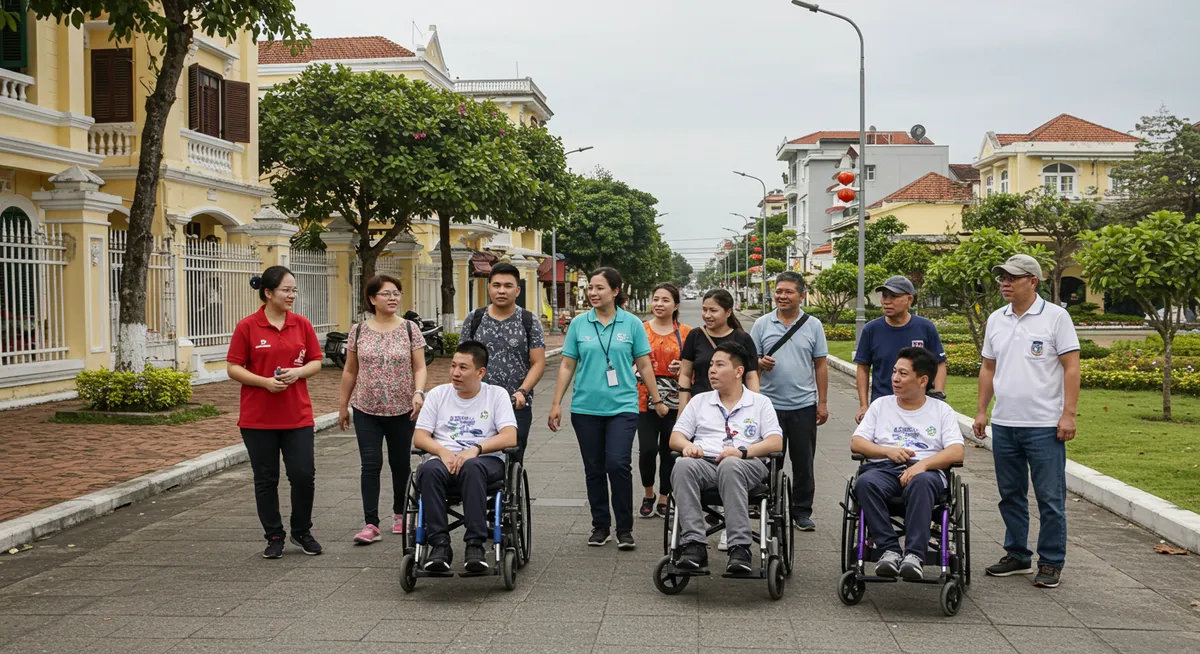
Vung Tau, with its stunning coastline, vibrant culture, and delicious seafood, is a fantastic destination for explorers. While many envision strolling its charming streets and scenic promenades on foot, concerns about accessibility can arise for travelers with mobility challenges. This comprehensive guide aims to illuminate how Vung Tau can indeed offer rewarding and enjoyable walking tour experiences for everyone, ensuring no one misses out on its unique charm and breathtaking views.
Key Tips and Takeaways
- Extensive pre-planning is crucial for an enjoyable accessible walking tour in Vung Tau, especially for routes and accommodation.
- Leverage local support services; a knowledgeable local guide can significantly enhance accessibility and safety.
- Be flexible and adaptable to varying ground conditions and infrastructure. Focus on what is accessible rather than what isn’t.
- Prioritize your comfort and safety: stay hydrated, protect from the sun, and take frequent breaks.
- Embrace the local culture and hospitality; Vung Tau’s people are generally welcoming and willing to assist.
Vung Tau’s Walkable Charm: An Overview for All
Beyond its reputation as a bustling coastal escape, Vung Tau truly shines as a surprisingly walkable city, offering an inviting canvas for exploration on foot. This charming Vietnamese city caters to a diverse range of interests, from serene beachfront strolls to vibrant urban discoveries, making it an ideal destination for travelers who love to immerse themselves in local life, one step at a time.
Vung Tau’s geographical layout lends itself well to pedestrian exploration. Imagine starting your day with a tranquil walk along the expansive Front Beach (Bãi Trước) promenade, where you can watch local fishermen bring in their catch or simply enjoy the gentle sea breeze. This flat, well-maintained pathway is excellent for all walkers, including those using wheelchairs or mobility aids, offering smooth surfaces and ample space to enjoy the coastal views. Similarly, sections of the Back Beach (Bãi Sau) provide long stretches of sand and paved sidewalks perfect for leisurely ambles, though do note that accessing the sand itself might involve navigating steps or less even terrain in some spots.
For those seeking more urban adventures, Vung Tau’s city center is a treasure trove of discovery. Wander through charming streets lined with French colonial architecture, bustling markets, and an endless array of local eateries. While pavements in the city can vary in condition – some areas are smooth and wide, while others might present uneven surfaces or require careful navigation around parked motorbikes – the city’s compact nature means many attractions are within reasonable walking distance of each other. Strategic planning, perhaps focusing on a smaller district or combining walking with short taxi or Grab (ride-hailing app) trips, can make the urban exploration highly enjoyable for everyone.
Practical Walking & Accessibility Considerations in Vung Tau:
- Choose Your Terrain: Prioritize the flat, accessible promenades of Front Beach for relaxed, barrier-free walks. These areas are truly inclusive.
- Strategic Planning: For iconic, but potentially challenging, landmarks like the Christ the King statue or the Vung Tau Lighthouse (both involving steep climbs and many steps), consider taking a taxi or Grab to the base. You can then decide to ascend if comfortable, or simply enjoy the views from below.
- Footwear Matters: Comfortable, sturdy walking shoes are essential, especially if you plan to explore diverse terrains.
- Hydration & Sun Protection: Vung Tau’s tropical climate means it can be warm and humid. Carry water, wear a hat, and apply sunscreen, especially during peak daylight hours. The best times for walking are typically early morning or late afternoon to avoid the midday heat.
- Traffic Awareness: Like most Vietnamese cities, motorbike traffic can be dense. Always be vigilant when crossing streets and use designated crosswalks where available.
- Leverage Local Transport: Don’t hesitate to use taxis, Grab motorbikes, or Grab cars to cover longer distances or to reach specific points that might be less accessible on foot, allowing you to conserve energy for the walks you enjoy most.
Vung Tau offers a delightful mix of coastal beauty and urban vibrancy that is surprisingly accessible for walkers of all abilities. With a little planning and awareness of the local environment, you can craft a walking tour experience that is both fulfilling and inclusive, truly uncovering the walkable charm of this captivating city.
Understanding Accessibility in Vung Tau: What to Expect
Vung Tau, with its stunning coastline and vibrant street life, offers a captivating experience for walkers. However, when planning your walking tour, it’s crucial to have a realistic understanding of the city’s accessibility infrastructure, especially if you have mobility considerations. While Vung Tau is making strides towards greater inclusivity, it’s still a developing city, and challenges are common.
For most pedestrians, the primary challenge lies with the sidewalks. Many older areas feature uneven pavements, cracks, sudden drops, or missing sections. Obstacles like parked motorbikes, street vendor stalls, and drainage grates frequently block paths, often forcing pedestrians into the street. Dropped curbs at crossings are rare, meaning navigating intersections can involve stepping up and down significant heights, often amidst busy traffic without dedicated pedestrian signals. Sturdy, comfortable footwear with good grip is absolutely essential for comfortable and safe exploration.
Stairs are another common feature you’ll encounter, particularly when visiting popular viewpoints or older attractions. Iconic sites like the Christ the King statue and Vung Tau Lighthouse involve numerous steps to reach their summits, offering breathtaking views but posing significant barriers for those unable to climb. Similarly, many traditional temples and smaller local establishments may not have ramps or accessible entrances. Always factor in potential stairways when planning your route to specific points of interest.
Despite these challenges, Vung Tau is gradually improving. Newer developments, such as modern hotels, resorts, and some shopping centers along the main avenues (like Ha Long Street or Thuy Van Street), often incorporate better accessibility features, including ramps, elevators, and wider, smoother pathways. Local awareness regarding the needs of people with disabilities is also growing, though progress on city-wide infrastructure updates can be slow.
Here are some practical tips for an accessible walking tour in Vung Tau:
- Route Planning is Key: Utilize online maps with satellite view (like Google Maps) to scout your routes in advance. Look for wider, less obstructed streets and areas known for newer construction.
- Embrace the Beachfront: The promenades along Front Beach (Bãi Trước) and Back Beach (Bãi Sau) offer long, relatively flat stretches perfect for accessible walking, especially near the newer hotel zones.
- Consider Assisted Transport: For longer distances or navigating particularly challenging sections, ride-hailing apps like Grab (for cars or bikes) or local taxis are readily available and can help you cover ground between more accessible walking zones.
- Pace Yourself: Allow ample time for your walks, anticipating potential detours or slower navigation due to uneven surfaces.
- Don’t Hesitate to Ask: Vung Tau locals are generally friendly and helpful. If you encounter an obstacle, don’t be afraid to ask for assistance; many will be happy to lend a hand.
- Focus on Newer Areas: If mobility is a significant concern, prioritize exploring newer hotels, shopping centers, and main beach areas first, as these are more likely to offer improved accessibility.
By setting realistic expectations and planning accordingly, you can still enjoy the charm and beauty of Vung Tau on foot, focusing on routes and attractions that best suit your needs.
Top Accessible Walking Routes & Attractions in Vung Tau
🎯 Insider Tip: Discover the best Vung Tau experiences with Viator Tours!
Vung Tau offers a surprisingly accommodating landscape for accessible free walking tours in Vung Tau, particularly along its beautiful coastline. While some of its iconic attractions require stairs, many areas provide flat, wide paths perfect for strollers, wheelchairs, or anyone seeking a leisurely stroll. Here’s a breakdown of the top accessible routes and attractions to explore:
Front Beach (Bai Truoc) Promenade
The crown jewel for accessible walking in Vung Tau is undoubtedly the Front Beach (Bai Truoc) Promenade. This picturesque stretch boasts a wide, beautifully paved walkway that runs parallel to the bay. It’s remarkably flat and smooth, making it ideal for continuous, unhindered movement. You can enjoy:
- Scenic Views: Panoramic vistas of the boats docked in the bay, the lush hills, and the distant Vung Tau Lighthouse.
- People-Watching: A vibrant atmosphere with locals and tourists strolling, exercising, and enjoying the sea breeze.
- Easy Access to Amenities: Numerous cafes, restaurants, and convenience stores are dotted along the promenade, many with ground-level access.
Practical Tip: Visit in the early morning or late afternoon to avoid the midday heat and enjoy the most comfortable walking temperatures. The promenade is well-lit at night, offering a pleasant evening stroll too.
Back Beach (Bai Sau) – Paved Sections
While the sandy expanse of Back Beach (Bai Sau) itself isn’t suitable for all mobility aids, the main promenade running parallel to the beach road is largely flat and paved. This offers a much longer, more expansive walking experience than Front Beach.
- Long Stretches: Enjoy extended walks with ocean views without encountering significant inclines or uneven terrain.
- Relaxed Atmosphere: Generally less crowded than Front Beach, especially during weekdays, providing a serene environment.
Practical Tip: Stick to the paved walkway adjacent to Thuy Van Street. Be mindful that direct access to the sand from the promenade might involve steps or ramps that are not always gentle. Look for specific marked accessible ramps if you wish to get closer to the beach, though the primary accessible experience is on the promenade itself.
Ho May Park (Accessible Cable Car Access)
Reaching Ho May Park offers a unique accessible experience, primarily through its cable car system. The cable cars themselves are spacious and provide an accessible means to ascend Nui Lon (Big Mountain).
- Accessible Ascent: The cable car journey provides breathtaking aerial views of Vung Tau as you smoothly ascend the mountain.
- Consideration at the Top: While the cable car is accessible, paths within Ho May Park at the summit can be varied. Some main pathways are paved and relatively flat, allowing for enjoyment of viewpoints and certain attractions. However, other areas within the park might involve gentle slopes, uneven surfaces, or steps.
Practical Tip: Focus on the main accessible viewpoints and enjoy the fresh air and panoramic scenery. If mobility is a significant concern, it’s advisable to call Ho May Park ahead to inquire about the specific accessibility of attractions you wish to visit at the top.
Jesus Christ Statue & Vung Tau Lighthouse (Views from Base & Surrounding Areas)
It’s important to set expectations for two of Vung Tau’s most iconic landmarks. Both the Jesus Christ Statue and the Vung Tau Lighthouse require climbing numerous stairs to reach their respective summits, making internal access challenging for those with mobility issues.
- Jesus Christ Statue: The climb to the statue itself involves over 800 steps. However, the good news is that the area at the base of the statue, once you’ve reached the hill by taxi or car, offers incredibly sweeping panoramic views of Vung Tau city and its coastline. This surrounding area is relatively flat and provides an excellent photo opportunity without needing to ascend the statue.
- Vung Tau Lighthouse: Similarly, the lighthouse requires climbing stairs inside. Yet, the road leading up to the lighthouse offers stunning vistas, and the area immediately surrounding its base is generally flat and accessible, allowing for magnificent views of the ocean and nearby mountains. There’s a small, charming coffee shop near the lighthouse where you can enjoy the view.
Practical Tip: For both the statue and the lighthouse, consider hiring a taxi or private car to take you up the respective hills. Once at the top, enjoy the breathtaking views from the easily approachable surrounding areas without attempting the challenging internal climbs.
Planning Your Accessible Vung Tau Walking Tour: Practical Advice
Planning an accessible walking tour in Vung Tau requires a bit of foresight, but with the right preparation, you can ensure a comfortable and enjoyable experience. Vung Tau offers a unique blend of coastal charm and urban vibrancy, and understanding its specific nuances will help you navigate the city with ease, especially if you have mobility considerations.
Choosing Accessible Accommodation
Your choice of accommodation is foundational to an accessible trip. When booking in Vung Tau, look for hotels that explicitly state features like step-free access to lobbies and rooms, wide doorways, and roll-in showers. Be cautious of vague descriptions; it’s highly recommended to:
- Communicate Directly: Call or email the hotel to confirm specific accessibility features that matter most to you (e.g., exact bathroom dimensions, presence of grab bars, elevator access to all floors). Photos can sometimes be misleading.
- Newer vs. Older Buildings: Generally, newer hotels and resorts in Vung Tau are more likely to have modern accessibility standards than older, charming but potentially less modified guesthouses.
- Location Matters: Consider hotels located on flatter main roads or near key attractions you plan to visit, minimizing the need to traverse Vung Tau’s sometimes uneven pavements or sloped side streets.
Navigating Local Transportation
While walking is your primary goal, efficient transport is crucial for covering longer distances or reaching less walkable areas. Vung Tau offers several options:
- Grab (Car): This ride-hailing app is ubiquitous in Vung Tau and highly recommended. Opt for “Grab Car” over “Grab Bike.” Once you’ve booked a ride, use the in-app chat to clearly communicate your needs (e.g., “Need space for a foldable wheelchair,” or “Please assist with entry/exit”). Most drivers are helpful, but clear communication prevents misunderstandings.
- Taxis: Traditional meter taxis are readily available. Look for reputable companies like Vinasun or Mai Linh. Similar to Grab, communicate your needs to the driver before starting the journey. Larger sedans often provide more space.
- Private Drivers: For ultimate flexibility and guaranteed accessibility, consider hiring a private driver for a half or full day. This allows you to pre-arrange a suitable vehicle (e.g., a larger van) and a driver familiar with accessible routes. Your hotel or a reputable local tour operator can usually help arrange this. This is often the best choice for seamless transitions between Vung Tau’s attractions.
Mobility Equipment: Bring or Rent?
Deciding whether to bring your own mobility equipment or rent locally depends on your specific needs and the equipment type:
- Bringing Your Own: For specialized wheelchairs or scooters, bringing your own ensures comfort and familiarity. Be sure to check airline policies for transport and consider the practicalities of navigating Vung Tau’s urban landscape with your specific device, as some sidewalks can be narrow or have obstacles.
- Renting Locally: Rental options for specialized mobility equipment (beyond basic manual wheelchairs) can be limited in Vung Tau itself. You might need to arrange rentals from Ho Chi Minh City and have them transported. Inquire with local medical supply stores or through major hotels/tourism services well in advance. Always confirm the equipment’s condition and suitability for Vung Tau’s environment.
Pacing Your Accessible Walking Tour
Vung Tau’s allure is best enjoyed at a relaxed pace. Don’t try to cram too much into one day:
- Break it Up: Plan shorter walking segments with ample breaks for rest, hydration, and enjoying local cafes. Vung Tau has many shaded spots and beachfront cafes perfect for a leisurely pause.
- Prioritize: Identify the key sights or areas that are most accessible and appealing to you, rather than attempting to see everything. Combine walking segments with transportation to cover longer distances between attractions.
- Listen to Your Body: Vung Tau’s tropical climate can be draining. Don’t hesitate to adjust your plans if you feel tired or overheated.
Optimal Times to Visit
Your timing significantly impacts your walking tour experience:
- Weather: Vung Tau has a tropical climate. The dry season (November to April) offers less rain but can be very hot and humid. The wet season (May to October) brings refreshing afternoon showers, which can be heavy but often brief. Plan outdoor walks for early mornings or late afternoons to avoid the midday sun, regardless of the season.
- Crowds: Vung Tau is a popular weekend getaway for residents of Ho Chi Minh City. Weekends, especially long public holiday weekends, see a significant increase in crowds, traffic, and prices. For a more peaceful and accessible experience, aim to visit on weekdays (Monday to Friday) when the city is much calmer and easier to navigate.
Essential Tools, Resources & Local Support for Accessible Travel
Navigating an unfamiliar city, especially with specific accessibility needs, requires foresight and the right tools. Vung Tau, while generally welcoming, presents a mix of modern and older infrastructure. Equipping yourself with essential resources and understanding the crucial role of local support will significantly enhance your accessible walking tour experience.
Mapping Your Accessible Path
- Google Maps & Street View: Your primary digital companion. Before heading out, meticulously scout your intended walking routes using Google Street View. This allows you to visually inspect sidewalk conditions, identify potential obstacles like broken pavement, lack of curb cuts, or steep inclines. For instance, while the beachfront promenades along Back Beach (Bãi Sau) offer relatively flat surfaces, exploring side streets might reveal uneven ground or significant curbs.
- Offline Maps: Download Vung Tau maps for offline use. This ensures navigation even without an internet connection, which can be spotty.
Bridging the Language Gap with Translation Apps
While many in Vung Tau’s tourist areas speak some English, a reliable translation app is invaluable. Google Translate is highly recommended, especially its offline feature and camera function for reading signs. Learning a few basic Vietnamese phrases can also go a long way:
- Chào bạn: Hello
- Cảm ơn: Thank you
- Bạn có thể giúp tôi không?: Can you help me?
- Xe lăn: Wheelchair
The Crucial Role of Local Assistance & Specialized Guides
Local knowledge is paramount for accessible travel in Vung Tau. Infrastructure can be unpredictable, and what appears accessible on a map might not be in reality. Locals are often incredibly kind and willing to assist, but clear communication of your specific needs is key.
- Pre-Booked Accessible Tour Operators: Research and pre-book tours with operators specializing in accessible travel to Vietnam. While dedicated “accessible walking tours” in Vung Tau might be limited, these operators often have established networks and can arrange for guides familiar with accessible routes, transportation, and facilities. They can provide invaluable insights into navigating popular sites like the Jesus Statue (where the base is a more accessible viewing point than the stairs) or finding suitable eateries.
- Hotel Staff & Local Contacts: Your hotel reception can often provide the most up-to-date information on local conditions and may help you find local assistance.
- Consider a Local Assistant: For more extensive walking or if you anticipate needing consistent support, consider hiring a local assistant for a few hours through reputable agencies or hotel recommendations.
Emergency Contacts & Preparedness
Always have essential emergency contact information readily available:
- Local Emergency Services: Police (113), Ambulance (115)
- Your Country’s Embassy/Consulate: Keep their contact details handy.
- Travel Insurance Emergency Line: Know how to reach your travel insurance provider.
- Hotel Contact: Your accommodation’s phone number and address.
By leveraging these tools, embracing local support, and planning proactively, your accessible walking tour in Vung Tau can be a truly enriching and comfortable experience.
Safety & Etiquette for Accessible Explorers in Vung Tau
Exploring Vung Tau on foot is a delightful way to soak in its coastal charm, but like any vibrant Vietnamese city, it comes with its unique dynamics. For accessible explorers, understanding key safety measures and local etiquette will ensure a smooth, enjoyable, and respectful journey.
Navigating Vung Tau’s Lively Streets
Vung Tau’s traffic is a bustling symphony of motorbikes, cars, and pedestrians. While not as overwhelming as Ho Chi Minh City, it requires awareness, especially for those with mobility aids or visual impairments.
- Traffic Flow: Motorbikes are king. Pedestrian crossings exist, but they are often treated more as suggestions than absolute rights-of-way. The key to crossing is to be predictable and walk slowly and steadily. Make eye contact with approaching drivers. Don’t stop abruptly or dart across. The traffic will often flow around you. For wheelchair users or those with canes, consider having a companion to help navigate or be extra vigilant.
- Uneven Pavements: Sidewalks in Vung Tau, particularly outside the main tourist zones, can be uneven, cracked, or obstructed by parked motorbikes, food stalls, or construction. Curb cuts are rare, meaning navigating pavements often involves small steps up or down. Always look ahead and be prepared for sudden changes in surface. Sticking to main thoroughfares or coastal promenades (like along Front Beach) will generally offer smoother, more accessible paths.
- Awareness: Keep your wits about you. While Vung Tau is generally safe, be mindful of your belongings in crowded areas like markets or at popular attractions. Keep valuables out of sight and maintain awareness of your surroundings.
Beating the Tropical Heat & Hydration
Vung Tau boasts a tropical climate, meaning it’s hot and humid year-round. Staying comfortable and safe during your walking tours is paramount:
- Hydration is Key: You’ll perspire more than you think. Carry a reusable water bottle and refill often. Bottled water is cheap and widely available at convenience stores, cafes, and street vendors. Don’t wait until you’re thirsty to drink.
- Sun Protection: The sun can be intense, even on cloudy days. Wear a wide-brimmed hat, sunglasses, and apply high-SPF sunscreen regularly. Lightweight, breathable clothing that covers your skin is also advisable. Seek shade whenever possible, especially during the hottest parts of the day (mid-morning to mid-afternoon). Plan your longer walks for early mornings or late afternoons.
Local Etiquette & Embracing Vietnamese Hospitality
The Vietnamese people are renowned for their warmth and hospitality. A little effort in understanding local customs goes a long way:
- Respectful Interactions: A simple “Xin chào” (seen chow – hello) when greeting someone and “Cảm ơn” (gahm un – thank you) will be greatly appreciated. When visiting pagodas or temples, dress modestly (shoulders and knees covered) and remove your shoes before entering.
- Asking for Assistance: Don’t hesitate to ask for help if you need it. Vung Tau locals, especially younger generations, are often eager to assist foreigners. If you encounter a particularly difficult curb or obstacle with a mobility aid, a polite gesture or a simple “giúp tôi?” (zoop toy – help me?) with a smile can often lead to immediate and genuine assistance. Many people will go out of their way to offer a hand, even if there’s a language barrier. Embrace their kindness; it’s a beautiful part of the Vietnamese experience.
- Bargaining: In local markets, lighthearted bargaining is common and expected, but always do so with a smile and good humor.
By being prepared for the practicalities of Vung Tau’s environment and embracing the local culture with an open heart, your accessible walking tours will be safe, fulfilling, and truly memorable.
Connecting with Vung Tau’s Accessible Tour Ecosystem
🎯 Insider Tip: Discover the best Vung Tau experiences with Viator Tours!
Exploring Vung Tau with accessibility in mind is an enriching experience, and connecting with the local ecosystem of service providers and community groups can make your walking tour truly exceptional. While Vung Tau’s accessible infrastructure is still developing, proactive engagement with local resources facilitates a tailored and enjoyable journey.
Finding Your Accessible Allies: Local Tour Operators and Guides
Your best bet for a personalized accessible walking tour is to engage directly with local experts. Many Vung Tau tour operators are willing to adapt if your specific needs are clearly communicated. Here’s how to connect:
- Direct Communication is Key: When contacting local agencies (search “Vung Tau tours”), explicitly detail your accessibility requirements. Inquire about:
- Route conditions: pavement quality, slopes, steps (e.g., around historical sites, coastal paths).
- Pacing: Can the tour be adjusted with frequent, planned rest stops?
- Accessibility of planned stops: restaurants, temples, markets.
- Options for integrating vehicle support for longer distances or challenging inclines (like ascending Small Mountain towards the Lighthouse or Jesus Statue).
- Guide’s experience assisting with mobility devices.
- Leverage Your Accommodation: Reputable hotels in Vung Tau, particularly those catering to international guests, often have concierges who can recommend reliable local guides or drivers experienced in assisting travelers with specific needs.
Connecting with Community and Local Insights
Beyond formal tour operators, local community groups or individuals passionate about inclusive travel can offer invaluable, ground-level insights:
- Local Disability Advocacy Groups: A search for “Hội Người Khuyết Tật Vũng Tàu” (Vung Tau Association of People with Disabilities) may lead to organizations that can provide advice on local accessibility challenges and successes, or connect you with volunteers.
- Online Forums & Social Media Groups: Expat or travel forums focusing on Vietnam often discuss accessibility. Posting your specific questions can yield recommendations for individual guides or services.
Optimizing Your Accessible Walking Tour in Vung Tau
Once you’ve connected, here are practical tips for a seamless experience:
- Pre-Walk Consultation: Have a thorough discussion with your chosen guide. Share your comfort levels, mobility aid type, and any specific areas to avoid (e.g., very steep sections or notoriously uneven sidewalks in older parts of the city).
- Flexible Itineraries: Vung Tau’s diverse landscapes mean a good accessible tour should be flexible. For example, instead of walking the entire perimeter of Small Mountain, consider shorter, flatter sections along the beach promenade, then use accessible private transport to cover challenging inclines or distances between sights like the White Palace or Nghinh Phong Cape.
- Rest & Refreshment Stops: Plan for accessible breaks at cafes or restaurants. Many local establishments in Vung Tau offer ground-level access.
- Navigating Uneven Terrain: Be prepared for varied sidewalk conditions. Your guide can help identify the smoothest routes or assist with navigation around obstacles like street vendor stalls.
By proactively engaging with Vung Tau’s developing accessible tour ecosystem, you not only enhance your own travel but also contribute to fostering a more inclusive environment for future accessible travelers.
Frequently Asked Questions
Q: Is Vung Tau generally wheelchair-friendly?
A: Vung Tau offers a mixed experience. While newer promenades and some resorts have good accessibility, older city areas and sidewalks can be uneven or lack ramps. Focus on specific accessible routes rather than expecting universal friendliness.
Q: Can I rent mobility equipment like wheelchairs or scooters in Vung Tau?
A: Rental options for specialized mobility equipment are limited in Vung Tau. It’s highly recommended to bring your own if possible, or pre-arrange rentals through specialized tour operators or major hotel chains before your arrival.
Q: Are public restrooms in Vung Tau accessible?
A: Generally, public restrooms in Vung Tau, especially older ones, are not designed for full accessibility. It’s best to utilize facilities at accessible hotels, modern restaurants, or shopping centers when available.
Q: How can I find accessible transportation within Vung Tau?
A: Grab (car hailing app) or traditional taxis can be an option, but drivers may or may not have vehicles suitable for mobility devices. For guaranteed accessible transport, pre-book private transfers with a clear explanation of your needs or work with an accessible tour company.
Q: What are the biggest challenges for accessible walking in Vung Tau?
A: The primary challenges include inconsistent sidewalk conditions (cracks, obstacles), lack of curb cuts/ramps at many intersections, the prevalence of stairs in older buildings/attractions, and busy motorbike traffic on narrow streets.
Vung Tau, a coastal gem, is increasingly opening its arms to all travelers, including those with mobility challenges. While some planning and adaptation are necessary, the rewarding experience of exploring its beautiful beaches, vibrant markets, and scenic vistas on foot is within reach. By leveraging local insights, choosing accessible routes, and embracing the warmth of Vietnamese hospitality, every traveler can discover the unique charm of Vung Tau and create unforgettable memories. So, pack your bags, plan your accessible adventure, and get ready to walk the beautiful paths of Vung Tau!