
Accessible Hoi An: Walking Tours for Every Traveler (2026)
Discover accessible walking tours in Hoi An, Vietnam. Explore ancient streets, vibrant markets, and cultural sites with practical tips for all mobility levels.
On this page
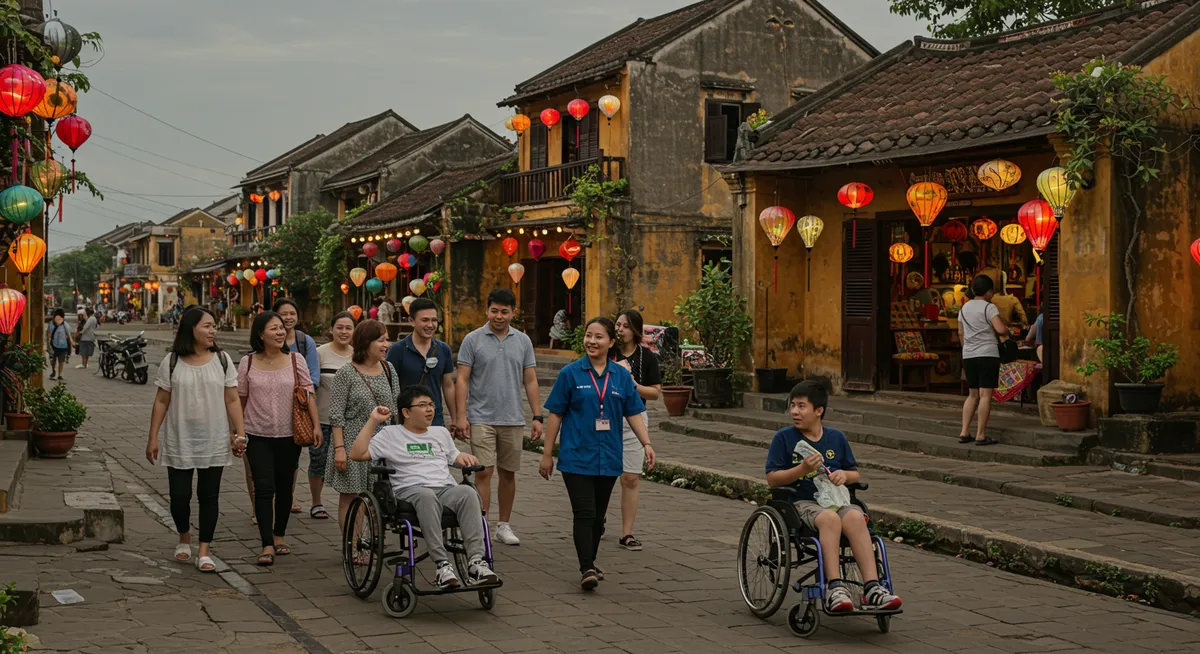
Hoi An, Vietnam’s enchanting Ancient Town, is a UNESCO World Heritage site celebrated for its lantern-lit streets, historic architecture, and vibrant culture. While its pedestrian-friendly charm beckons walkers, many travelers wonder about accessibility, especially those with mobility challenges. This comprehensive guide is crafted to help you navigate Hoi An on foot, ensuring an enjoyable and accessible walking tour experience for everyone, unlocking the magic of this timeless destination.
Key Tips and Takeaways
- Prioritize key accessible areas like riverside paths and main pedestrian streets.
- Utilize electric golf carts for convenient movement within the Ancient Town.
- Consider hiring a local guide experienced in accessible tourism for personalized routes.
- Pack light, comfortable footwear and any necessary mobility aids.
- Plan your day to avoid peak crowds, especially in narrow alleys.
Understanding Hoi An’s Walkability & Accessibility Landscape
Hoi An Ancient Town is undeniably a pedestrian’s paradise, a core reason why free walking tours in Hoi An are the ideal way to immerse yourself in its timeless charm. However, understanding the practicalities of its terrain and accessibility is crucial for an enjoyable experience, especially if you have mobility considerations.
The Pedestrianized Heart: A Walker’s Delight (with caveats)
The core of Hoi An Ancient Town is largely pedestrianized, particularly during designated hours (usually mornings and evenings). This creates a wonderfully relaxed atmosphere, free from the constant buzz of motorbikes and cars, offering a safer and more peaceful environment for exploration. This car-free zone is a significant advantage for walkers of all abilities.
Navigating the Terrain: Cobblestones, Alleys, and Steps
While pedestrian-friendly, the ground beneath your feet presents challenges. Hoi An is famously characterized by its extensive network of uneven cobblestone streets. These historic stones, while beautiful, are bumpy, can be slippery when wet, and require extra caution. For those using wheelchairs, walkers, or crutches, these surfaces significantly impact comfort and ease of movement.
Beyond the main thoroughfares, numerous narrow alleys crisscross the town. These charming passages offer glimpses into local life but can become congested, especially during peak tourist hours, making maneuverability difficult for mobility aids. Many shops, restaurants, and historic homes feature a step or two at their entrance, and iconic bridges like the Japanese Bridge have steps, making direct access challenging.
Accessibility Challenges and Local Efforts
Hoi An, like many heritage sites, faces inherent accessibility challenges. Beyond the terrain, there’s a general lack of consistent curb cuts, universally accessible restrooms, and ramps at public facilities. The town’s infrastructure, designed centuries ago, wasn’t built with modern accessibility in mind. While a widespread, comprehensive government initiative for a full accessibility overhaul is constrained by UNESCO heritage preservation, there is a growing awareness among some individual businesses. Newer establishments or renovated guesthouses might incorporate ramps, but this isn’t universal. The emphasis often leans towards preserving ancient architecture, which can limit modifications.
Practical Advice for an Accessible Walking Tour
- Footwear is Key: Sturdy, comfortable shoes with good grip are essential for navigating the cobblestones.
- Embrace Assistance: If using a wheelchair or mobility scooter, be prepared for assistance, particularly on cobblestones and at steps. Traveling with a companion is highly recommended.
- Strategic Timing: Explore in the early mornings or late afternoons/evenings when crowds are thinner and temperatures cooler.
- Consider Hybrid Tours: For those with significant mobility challenges, combine walking with other transport. Cyclos (bicycle rickshaws) or electric buggies can be hired for parts of your tour, allowing you to cover greater distances or bypass particularly challenging sections.
- Plan Your Route: Focus your walking on the main, wider streets first. Adapt your plan if an alley or specific site seems too challenging.
- Communicate Your Needs: When booking a tour or accommodation, clearly communicate your accessibility requirements. Knowledgeable local guides can tailor routes to highlight accessible points of interest.
By understanding Hoi An’s unique landscape, you can plan a captivating and manageable walking tour, ensuring you fully enjoy the magic of this ancient town.
Best Accessible Routes & Areas for Walking Tours
Navigating Hoi An’s charming Ancient Town on foot is an integral part of the experience, and while its historic nature presents some mobility challenges (uneven cobblestones, narrow paths), several routes and areas are remarkably accessible, making it possible for everyone to enjoy its beauty.
For the most comfortable and navigable experience, focus your accessible walking tour on these areas:
- Bach Dang Street Riverside Path: This is arguably Hoi An’s most accessible and picturesque route. The path running along the Hoai River, particularly the stretch parallel to Bach Dang Street from the Japanese Bridge area towards the night market on An Hoi Islet, is largely paved and relatively flat. It offers stunning views of the river, lantern-lit boats, and the ancient houses across the water. It’s perfect for a leisurely stroll, offering plenty of space for wheelchairs and strollers.
- Cầu An Hội Bridge: This wide, well-paved pedestrian bridge connects the Ancient Town with An Hoi Islet. It’s an essential crossing for accessing the night market and numerous riverside restaurants on the islet. The bridge itself is flat and offers fantastic panoramic views of both sides of the Hoai River, especially captivating at sunset.
- Main Thoroughfares (Limited Sections): While many streets in the Ancient Town feature uneven cobblestones, main streets like Trần Phú Street and Nguyễn Thái Học Street are wider, providing more space to maneuver. Look for sections where the paving is less disrupted or where there are smoother walkways. Many shops and cafes on these streets have relatively flat entrances, allowing for easier access to browse or grab a coffee. However, always be mindful of steps or raised thresholds at older establishments.
Key Accessible Viewpoints & Attractions:
While many ancient assembly halls and temples have steps, you can still enjoy their exterior beauty and often access their main courtyards. The riverside paths provide excellent viewpoints for observing daily life, the iconic Japanese Bridge (from the outside, as the bridge itself has steps), and the general ambiance of the town. The open-air markets, particularly the Central Market near the river, can be navigated with patience, though their vibrancy means they can be crowded.
Optimal Times for Easy Movement:
- Early Mornings (6:00 AM – 8:30 AM): This is hands-down the best time for an accessible walking tour. The Ancient Town is serene, crowds are minimal, and the cooler temperatures make movement much more comfortable. You’ll have ample space to navigate the riverside paths and main streets, truly soaking in the town’s charm before the bustle begins. It’s ideal for photography and experiencing Hoi An at its most peaceful.
- Late Afternoons (After 4:00 PM, Before Peak Dinner Rush): As the sun begins to set, the town comes alive with lanterns. While crowds will start to gather, the light is beautiful, and many riverside areas are still manageable. Aim for this time if you want to experience the magical glow but still avoid the densest crowds of the evening.
Actionable Tips for a Smooth Experience:
- Patience is Key: Hoi An’s charm often lies in its narrow lanes and bustling atmosphere. Be prepared for occasional slowdowns and take your time.
- Prioritize Riverside: If mobility is a primary concern, stick largely to the well-paved riverfront paths and the Cầu An Hội Bridge for the most comfortable experience.
- Hydration: Hoi An can be hot and humid. Carry plenty of water, especially during warmer months.
- Local Assistance: Vietnamese people are generally very helpful and friendly. Don’t hesitate to ask for assistance if you encounter a challenging spot or need directions.
Navigating Mobility Aids: Tips for a Smooth Journey
⭐ Recommendation: Don't miss out on amazing Hoi An tours - book now!
Hoi An’s Ancient Town, with its lantern-lit lanes and vibrant atmosphere, is a dream for walkers. However, when navigating with mobility aids like wheelchairs, scooters, walkers, or canes, a little preparation and local insight can significantly smooth your journey. While the town is largely pedestrian-friendly, its historic charm also presents unique considerations.
Mastering Hoi An’s Terrain
- Uneven Surfaces: The Ancient Town is famous for its charming cobblestone streets. While beautiful, these can be quite uneven and bumpy. For wheelchair and scooter users, consider models with larger, more robust wheels if possible, as they handle rougher terrain better. Go slowly, especially around the Japanese Covered Bridge area and other popular spots. Many areas, particularly along the riverside promenade, have smoother concrete paths, offering a respite from the cobblestones.
- Small Steps and Thresholds: Most traditional shophouses, cafes, and tailor shops in Hoi An have small steps or raised thresholds at their entrances. These are often just a few inches high but can pose a significant barrier. Don’t hesitate to signal for assistance; Vietnamese people are incredibly helpful and often eager to lend a hand. Shop owners may even have a makeshift ramp they can bring out.
- Crowded Areas: Hoi An’s popularity means crowds, especially in the evenings and during weekends. Navigating these can be challenging with a mobility aid. Consider scheduling your walking tours for early mornings or late afternoons when the crowds are thinner, particularly if you rely on a wheelchair or scooter for maneuverability. The pedestrian-only zones within the Ancient Town (usually from 9 AM – 11 AM and 3 PM – 9 PM) are fantastic as you won’t contend with motorbikes, but they are also when foot traffic peaks.
Accessible Restrooms and Ramps
Finding truly accessible public restrooms in Hoi An can be a challenge. Most public facilities are not designed with wide doorways or grab bars. Your best bet is often to utilize restrooms in larger, more modern hotels or reputable restaurants. It’s always wise to ask at your accommodation or a tour operator for recommendations on accessible facilities along your planned route. Some newly built or renovated establishments are starting to incorporate better accessibility, but it’s not yet widespread.
Ramps are generally not common features in older establishments. While some businesses have installed them, they can vary widely in steepness and stability. Always assess the ramp before using it or ask staff for assistance. Many places still rely on portable ramps, which might require staff to set up for you. Don’t be shy about asking; local businesses are increasingly aware of the need to accommodate all visitors.
Practical Tips for a Smooth Journey
- Scout Ahead: If possible, use Google Street View or online photos to get a sense of the terrain and entrance types for specific places you plan to visit.
- Communicate Your Needs: Whether with your hotel, a tour guide, or restaurant staff, clearly communicate your mobility needs. Most locals are eager to help make your visit enjoyable.
- Pace Yourself: Allow ample time for your tours. Rushing will only add stress. Embrace the slower pace and absorb the atmosphere.
- Battery Life: If using a mobility scooter, always ensure your battery is fully charged before heading out, especially for longer excursions. Charging stations are rare in public, so plan accordingly.
- Consider a Local Guide: A local guide experienced with accessible tourism can be invaluable, knowing the best routes, accessible points, and places with helpful staff.
While Hoi An presents some navigational quirks for those with mobility aids, its inherent charm and the warmth of its people make it a truly rewarding destination. With a little planning and flexibility, you can enjoy all the magic this ancient town has to offer.
Beyond Walking: Accessible Transportation Options in Hoi An
While the charm of Hoi An truly unfolds on foot, we understand that an entire day of walking might not be suitable for everyone, or perhaps you wish to explore areas beyond the Ancient Town’s pedestrian-friendly core. Fortunately, Hoi An offers several excellent accessible transportation options that can seamlessly complement your walking tours, extend your reach, or provide a comfortable alternative when needed. Integrating these choices ensures a more flexible and enjoyable experience for all.
Electric Golf Carts: Navigating the Ancient Town
Within Hoi An’s Ancient Town, particularly the pedestrianized zone, electric golf carts (often referred to as ‘electric cars’ or ‘buggies’) are a fantastic, accessible option. They operate on designated routes, typically circling the perimeter of the Ancient Town and sometimes venturing into wider, less crowded lanes. These open-sided vehicles offer a breezy way to sightsee or cover longer distances within the core area without significant walking.
- Accessibility: Generally easy to board for those with limited mobility, as they are low to the ground. While not equipped with ramps for direct wheelchair access, they can accommodate foldable wheelchairs in the rear or adjacent seats if the user can transfer.
- Practical Use: Use them for a quick loop tour, to get from one end of the Ancient Town to the other (e.g., from the Japanese Bridge area to the Central Market), or simply to rest your legs while still experiencing the sights. Look for designated stops and fixed routes, or inquire about a private hire for a specific duration.
- Cost: Fares are typically fixed per ride or per hour, depending on whether you’re joining a shared loop or hiring privately. Confirm the price before boarding.
Accessible Taxis & Ride-Hailing Services
For destinations outside the Ancient Town’s pedestrian zone, or when you need a door-to-door service, taxis are readily available. While fully ramp-accessible taxis are rare in Vietnam, standard sedans can often accommodate foldable wheelchairs or provide comfortable transport for those who can transfer. Major ride-hailing apps like Grab and Be are widely used in Hoi An, offering convenience and upfront pricing.
- Accessibility: When booking via Grab/Be, you can sometimes request larger vehicle types (e.g., GrabCar 7-seater) which offer more space for mobility aids. Always communicate your needs with the driver if possible, or have your hotel assist with booking.
- Practical Use: Ideal for reaching attractions slightly further afield, like the handicraft villages, An Bang Beach, or your accommodation if it’s outside the Ancient Town. They are also excellent for travel to/from Da Nang airport or railway station.
- Tip: If using a taxi, show your destination on a map or have it written down in Vietnamese to avoid misunderstandings. Confirm the fare before starting the journey or ensure the meter is on.
Private Car Services: Tailored Comfort and Convenience
For ultimate flexibility, comfort, and customized accessibility, hiring a private car with a driver is often the best solution. This option is particularly beneficial for longer excursions, such as a day trip to the Marble Mountains, My Son Sanctuary, or even for connecting various points within Hoi An with ease.
- Accessibility: You can specifically request a larger vehicle (e.g., SUV or minivan) to ensure ample space for mobility aids. Drivers arranged through reputable agencies or hotels are often more experienced in assisting passengers with specific needs.
- Practical Use: A private car allows you to set your own pace, make spontaneous stops, and have direct transport to less accessible areas. It’s perfect for ensuring a smooth connection between your hotel and the starting point of a walking tour, or for returning comfortably after a full day of exploration.
- Booking: Arrange private car services through your hotel, a trusted local tour operator, or by researching reputable online providers in advance. Clearly communicate your accessibility requirements when booking to ensure the right vehicle and assistance are provided.
By leveraging these diverse transportation options, you can design your Hoi An itinerary to be as accessible and comfortable as possible, ensuring you experience the best of this captivating city at your own pace.
Hiring Accessible Guides & Tailored Tour Operators
Navigating a new destination, especially one with unique historical charm and bustling street life like Hoi An, can present unforeseen challenges for travelers with mobility needs. While the Ancient Town is largely pedestrian-friendly, its centuries-old infrastructure includes uneven surfaces, occasional steps, and crowded areas that can be tricky. This is precisely where hiring an experienced, accessible-focused local guide or a tailored tour operator becomes an invaluable asset, transforming your walking tour experience from potentially difficult to wonderfully enriching and hassle-free.
Benefits of Hiring a Local Accessible Guide
A guide deeply familiar with Hoi An offers much more than just navigation; they provide a crucial layer of support and local insight:
- Expert Navigation & Route Optimization: They know the best accessible routes, identifying paths that avoid stairs, significant inclines, or overly narrow sections. They can expertly steer you away from the most crowded spots of the Ancient Town during peak hours, revealing quieter, equally charming alleys. Imagine having someone who knows the exact ramp access points for riverside restaurants or the most manageable route around the Japanese Bridge.
- Practical Assistance & Support: Beyond showing you around, a guide can offer direct physical assistance if needed, whether it’s helping with a tricky curb, navigating through a bustling market, or providing a steady arm. They can also facilitate communication with locals, ensuring your needs are understood at shops, cafes, or attractions.
- Personalized & Flexible Itineraries: Unlike fixed group tours, a private guide can tailor your itinerary precisely to your pace, energy levels, and specific mobility requirements. Want to spend more time exploring a specific heritage house or need frequent breaks? They can adjust the schedule on the fly, ensuring your comfort and enjoyment.
- Access to Local Insights & Hidden Gems: Accessible guides are not just about ramps; they offer deep cultural context. They can share fascinating stories about Hoi An’s history, traditions, and daily life, leading you to authentic local experiences and accessible spots that might be off the typical tourist radar.
- Peace of Mind: Knowing you have a knowledgeable local looking out for your accessibility needs allows you to relax and truly immerse yourself in Hoi An’s magic without constant worry about obstacles.
How to Find & Vet Accessible Guides or Tour Operators
Finding the right partner for your Hoi An accessible walking tour requires proactive research and clear communication:
- Seek Out Specialized Agencies: Look for tour operators that explicitly advertise “accessible travel” or “wheelchair-friendly tours” for Vietnam or Hoi An. These agencies often have existing networks of trained guides and a deeper understanding of accessibility standards.
- Thorough Online Research: Utilize travel forums, accessible travel blogs, and social media groups dedicated to accessible tourism. Look for reviews and recommendations from other travelers who have similar mobility challenges. Websites like TripAdvisor or Google Reviews can also be helpful, but try to find reviews that specifically mention accessibility.
- Direct & Detailed Communication is Key: Once you’ve identified potential guides or operators, initiate contact and ask very specific questions:
- What experience do they have assisting travelers with your specific mobility aid (e.g., manual wheelchair, power chair, walker, cane)?
- Can they provide examples of accessible routes or venues they commonly use in Hoi An? Ask about specific landmarks like the Japanese Bridge or the market.
- How flexible are they with itinerary changes and breaks?
- What kind of assistance can they realistically provide (e.g., lifting, pushing, steadying)?
- Do they know where accessible restrooms are located in the Ancient Town?
- If transport is involved, can they confirm it’s truly accessible and suitable for your needs?
- Ask for References or Testimonials: If possible, ask if they can put you in touch with previous clients who had similar mobility needs.
- Confirm Inclusions and Exclusions: Ensure you understand what services are included (e.g., entrance fees, meals, transportation) and what are not.
By investing time in finding the right accessible guide, you’ll unlock the true beauty and cultural richness of Hoi An, experiencing its charm at your own pace and with unparalleled support.
Essential Tips for an Enjoyable Accessible Walk
⭐ Recommendation: Don't miss out on amazing Hoi An tours - book now!
Embarking on an accessible walking tour in Hoi An is an incredible way to immerse yourself in its ancient charm. To ensure your experience is as smooth and enjoyable as possible, a little foresight and preparation go a long way. Here’s how to make the most of your accessible adventure in this enchanting Vietnamese town:
Timing Your Visit for Comfort
- Weather Wise: Hoi An experiences two main seasons. The dry season (February to August) offers sunny skies, but temperatures can soar, especially from June to August. For comfortable walking, aim for February to May, when the weather is generally cooler and less humid. The rainy season (September to January) brings heavy downpours and potential flooding, particularly in October and November, which can significantly impact accessibility on the cobbled streets.
- Beat the Crowds: The Ancient Town can get very busy, especially on weekends and during major holidays like Tet (Vietnamese New Year). To enjoy more serene walks, plan your outings for early mornings (before 9 AM) or late afternoons (after 4 PM). Weekdays are generally less crowded than weekends.
Essential Packing for Accessible Exploration
- Footwear is Key: This cannot be stressed enough! Hoi An’s beautiful Ancient Town is paved with uneven cobblestones, and some areas can be slippery when wet. Pack comfortable, sturdy, and most importantly, non-slip shoes with good ankle support. Avoid flip-flops or open sandals for extended walks.
- Hydration: Vietnam’s tropical climate means staying hydrated is crucial. Always carry a reusable water bottle. Many cafes and hotels offer refill stations.
- Sun Protection: The sun can be intense. Don’t forget a wide-brimmed hat, sunglasses, and high-SPF sunscreen to protect yourself.
- Lightweight Clothing: Opt for breathable fabrics like cotton or linen to stay cool. Consider light layers.
- Rain Gear: Even during the dry season, an unexpected shower can occur. A compact umbrella or lightweight poncho is a smart addition.
- Mobility Aid Considerations: If you use a wheelchair or scooter, consider packing a small repair kit or essential spare parts. A portable, lightweight ramp can also be incredibly useful for navigating small steps into shops or restaurants. Ensure your battery is fully charged for electric aids.
Communication and Local Insights
- Basic Phrases: While many locals in tourist areas speak some English, knowing a few basic Vietnamese phrases like “Xin chào” (hello), “Cảm ơn” (thank you), and “Xin lỗi” (excuse me) can greatly enhance interactions and show respect.
- Google Translate: A lifesaver for more complex conversations. Download the offline language pack for Vietnam before you go.
- Patience and Politeness: Navigating new environments with accessibility needs can sometimes be challenging. A calm, patient, and polite approach, along with a smile, will go a long way in soliciting help from friendly locals.
- Inform in Advance: When booking tours, accommodations, or even restaurant reservations, clearly communicate your accessibility needs. This allows providers to prepare and offer the best possible assistance.
Planning Ahead and Emergency Preparedness
- Research Routes: While spontaneity is charming, accessible travel benefits from prior research. Look for information on specific routes, including surface types (cobblestones, compacted earth), inclines, and potential obstacles like parked motorbikes or narrow passages.
- Flexibility is Key: Despite meticulous planning, unexpected situations can arise – a sudden downpour, a temporarily blocked path, or a venue not as accessible as anticipated. Embrace flexibility and be ready to adapt your plans. Hoi An’s magic often lies in its unplanned moments.
- Emergency Contacts: Keep a list of important numbers readily accessible:
- Local Police: 113
- Ambulance: 115
- Hotel Front Desk: (Your hotel’s number)
- Your Travel Insurance Emergency Line
- Your Embassy/Consulate in Vietnam
By keeping these practical tips in mind, you’ll be well-equipped to navigate Hoi An’s charming streets comfortably and safely, ensuring your accessible walking tour is nothing short of memorable.
Experiencing Hoi An’s Culture & Cuisine Inclusively
Hoi An offers a vibrant tapestry of culture and cuisine, and experiencing it inclusively is entirely possible with a bit of planning and local insight. Whether you’re a food enthusiast or a history buff, here’s how to navigate Hoi An’s cultural and culinary scene with accessibility in mind during your walking tour.
Savoring Hoi An’s Flavors Inclusively
Hoi An is a food lover’s paradise, famed for dishes like Cao Lau, White Rose dumplings, and Banh Mi. When seeking out accessible dining, consider the following:
- Restaurants & Cafes: Many establishments, especially those catering to tourists, offer ground-level entry or have outdoor seating areas that are easily accessible. Look for restaurants along the main streets of the Ancient Town or those with visible ramps. Don’t hesitate to check Google Maps for photos or call ahead to inquire about their entrance and restroom accessibility. Smaller, local eateries might have steps, but their friendly owners are often willing to assist.
- Cooking Classes: Engaging in a cooking class is a fantastic way to immerse yourself in Vietnamese cuisine. When booking, inquire about the kitchen setup. Many classes operate from open, ground-floor spaces. Smaller, private classes may offer more flexibility to adapt the setup for mobility challenges. Confirm the class location and whether they can accommodate specific needs before signing up.
- Street Food & Markets: While the bustling Central Market and Night Market can be challenging due to uneven surfaces, crowds, and narrow aisles, the sensory experience is unforgettable. For wheelchair users or those with mobility aids, visiting during off-peak hours (mornings at the Central Market, early evenings for the Night Market) can significantly reduce crowds. Many street food vendors are located on sidewalks, allowing for easier access to their stalls. Focus on vendors near the edges of the main walking paths.
Immersing in Hoi An’s Culture & Crafts
Hoi An’s cultural charm extends beyond its food, encompassing ancient architecture, lantern-making, and bespoke tailoring.
- Lantern Workshops: Participating in a lantern-making class is a quintessential Hoi An experience. Most workshops are set up in ground-floor storefronts or open-air courtyards, making them generally accessible. Communicate your needs when booking; instructors are often very accommodating and can position materials conveniently.
- Tailor Shops: Hoi An is famous for its custom tailoring, and the tailor shops are usually located at street level with flat entrances, making them highly accessible for browsing and fittings. Staff are attentive and can easily assist with measurements and fabric selection.
- Ancient Town Exploration (Nightlife): The illuminated Ancient Town at night is magical. While the main walking streets are relatively flat and cobblestoned, they can become very crowded, especially on weekends and during festivals. For a more relaxed experience, consider exploring immediately after sunset on weekdays. The riverside paths offer beautiful views and are generally less congested than the main bridge or market areas. Many boat tours along the Thu Bon River are accessible from the riverbanks and provide a different perspective of the illuminated town.
Remember, communication is key. Don’t hesitate to ask locals for assistance or recommendations; Hoi An residents are known for their hospitality and willingness to help travelers have a wonderful experience.
Frequently Asked Questions
Q: Are the cobblestone streets in Hoi An difficult for wheelchairs?
A: While many streets have cobblestones, main thoroughfares like Tran Phu and riverside paths are generally smoother. Some areas can be challenging, so consider using wider wheeled mobility aids or having assistance where possible. Electric golf carts offer an alternative for longer distances.
Q: Are there accessible restrooms in Hoi An Ancient Town?
A: Accessible restrooms are still limited in Hoi An. Some larger restaurants, cafes, and hotels may offer them. It’s advisable to ask staff or use facilities at your accommodation before heading out, or consult with your guide for known accessible options.
Q: Can I rent a wheelchair or scooter in Hoi An?
A: Rental options for wheelchairs or scooters are not widely advertised, but some medical supply stores or larger hotels might have them. It’s best to inquire with your hotel or a specialized tour operator in advance for availability.
Q: What’s the best time of day for an accessible walk to avoid crowds?
A: Early mornings (before 9 AM) and late afternoons (after 4 PM, before the evening rush) are generally less crowded, making it easier to navigate. The evening lantern display is beautiful but can be very busy, requiring extra patience.
Hoi An, with its captivating beauty and rich history, truly offers something for every traveler. By understanding its unique accessibility landscape and utilizing smart planning, resources, and local insights, you can confidently embark on an unforgettable walking tour experience. Don’t let mobility concerns deter you from exploring the charm of its ancient lanes, the vibrancy of its markets, and the warmth of its people. Hoi An is ready to welcome you, step by accessible step.