
Accessible Walking Paths Nha Trang: Explore Safely (2026)
Explore Nha Trang on foot with our guide to accessible paths. Find safe, enjoyable routes, practical tips, and local insights for travelers with mobility needs.
On this page
Nha Trang, with its stunning coastline and vibrant city life, offers a captivating experience for travelers. While many cities can be challenging for those with mobility concerns, Nha Trang is progressively improving its urban landscape. This comprehensive guide focuses on uncovering the most accessible walking paths, ensuring everyone can enjoy the beauty and charm of this Vietnamese gem on foot.
Key Tips and Takeaways
- Prioritize the Tran Phu Beachfront Promenade for its excellent accessibility and scenic views.
- Always carry water, a hat, and sunscreen due to Nha Trang’s tropical climate.
- Utilize Grab or local taxis for convenient, accessible transport between distinct walking zones.
- Communicate your mobility needs clearly to tour operators or local businesses to ensure a comfortable experience.
- Be mindful of uneven pavements and traffic; observe local pedestrian behavior for safer navigation.
Understanding Accessibility in Nha Trang’s Urban Landscape
Navigating Nha Trang on foot offers a vibrant, immersive experience, but it’s crucial to understand what “accessibility” truly means within this bustling Vietnamese city. Unlike many Western urban centers with strict ADA (Americans with Disabilities Act) or similar compliance standards, Nha Trang’s infrastructure presents a unique set of challenges and opportunities for walkers of all mobility levels.
For most pedestrians, the primary hurdles involve the uneven and often obstructed sidewalks. You’ll frequently encounter:
- Inconsistent Surfaces: Potholes, cracked tiles, sudden drops, and missing sections are common, requiring constant vigilance.
- Motorbike Presence: Sidewalks often double as parking lots or impromptu roadways for motorbikes, forcing pedestrians into the street.
- Street Vendors & Obstructions: Local businesses, street food stalls, and even household items often spill onto the pedestrian path, creating narrow passages.
- Lack of Curb Ramps: Crossing streets can be challenging, as curb cuts are often non-existent, poorly designed, or too steep for smooth transitions.
This dynamic urban landscape means that extensive unassisted wheelchair use can be particularly challenging off the main thoroughfares. For individuals with limited mobility, using canes, walkers, or pushchairs, patience and adaptability are key. Walking tours will inevitably encounter these conditions, so preparing mentally and physically is essential.
However, there are notable exceptions and areas where accessibility improves:
- Tran Phu Street Promenade: The long, wide promenade along the main beach is generally much smoother, relatively flat, and provides an excellent, more accessible walking experience for strollers, wheelchairs, and those seeking an easier stroll.
- Newer Developments: Modern hotels, shopping malls, and some upscale residential complexes often feature better internal accessibility, including ramps and elevators.
- Resort Areas: If your walking tour is focused within a resort’s grounds, accessibility will likely be significantly higher.
Practical Advice for Walking Tours:
- Footwear is King: Opt for sturdy, comfortable shoes with good grip to handle uneven surfaces. Avoid flip-flops or high heels for extensive walking.
- Stay Alert: Always be aware of your surroundings – motorbikes, vendors, and sudden changes in pavement.
- Consider Your Route: For those with significant mobility challenges, prioritize tours that focus on the Tran Phu promenade or within more controlled environments.
- Flexibility is Key: Be prepared to occasionally step into the street for short distances to bypass obstructions.
- Communicate Your Needs: If joining an organized walking tour, inform your guide in advance about any mobility concerns. Reputable tour operators can often adapt routes or recommend alternatives.
- Mix it Up: For longer distances or when tired, don’t hesitate to use alternative transport like a Grab car/bike or a taxi, which are readily available and affordable, to reach your next walking destination.
Understanding these local nuances will help you set realistic expectations and ensure a more enjoyable and safer walking experience as you explore the vibrant tapestry of Nha Trang.
Nha Trang’s Top Accessible Walking Routes & Areas
Nha Trang, with its stunning coastline and vibrant atmosphere, offers several routes and areas that are particularly well-suited for accessible free walking tours in Nha Trang, catering to a wide range of mobility needs. While Vietnam’s urban landscapes can sometimes be challenging, these specific locations provide a more comfortable and enjoyable experience for strollers, wheelchairs, and anyone seeking a smooth, leisurely stroll.
Tran Phu Beachfront Promenade
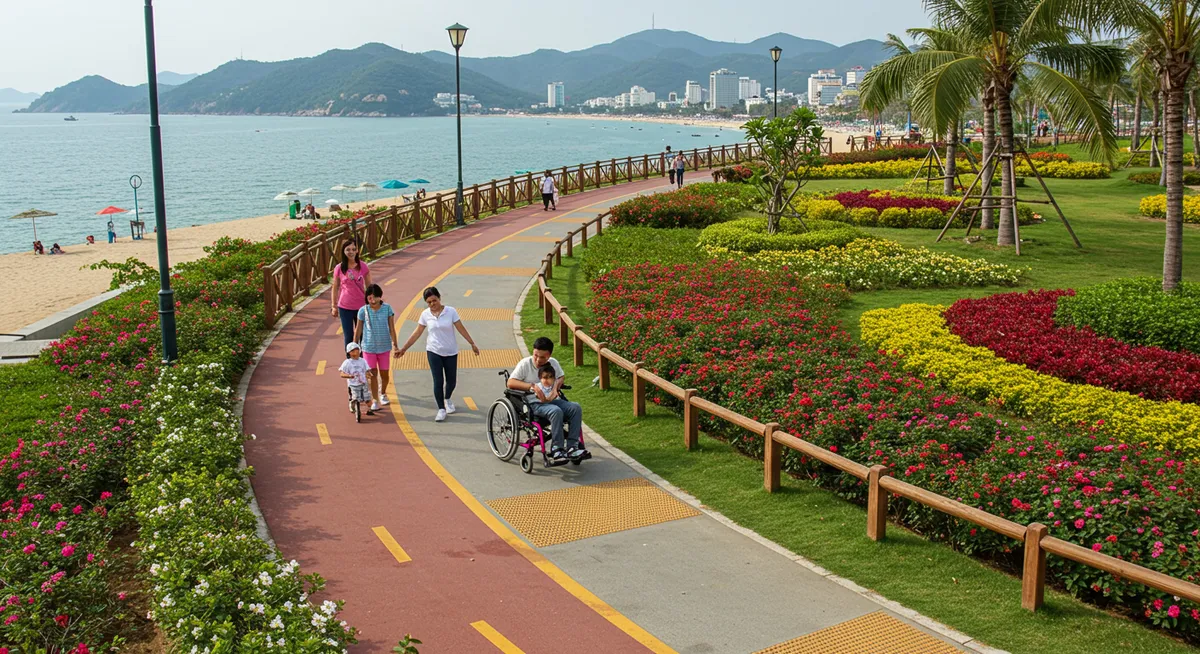
Undoubtedly Nha Trang’s most accessible and popular walking route, the Tran Phu Beachfront Promenade stretches for kilometers along the city’s main beach. This expansive pathway is a dream for accessible exploration, boasting:
- Wide, Flat, and Smooth Surface: The promenade is meticulously paved, offering an exceptionally even and consistent surface. This makes it ideal for wheelchairs, mobility scooters, and strollers, allowing for uninterrupted movement.
- Ample Space: Its generous width means there’s plenty of room to navigate without feeling cramped, even during peak times.
- Scenic Views: Enjoy panoramic vistas of the sparkling East Sea, the sandy beach, and distant islands. You’ll pass by numerous beachfront cafes, public art installations, and a constant buzz of local life.
- Key Sights Along the Way: From the iconic Tram Huong Tower (Agarwood Tower) to various sculptures and open spaces, there are plenty of spots to pause, rest, and soak in the surroundings. Many beachfront restaurants and hotels also have accessible entrances directly from the promenade.
Practical Tip: For the most comfortable experience, consider walking during the early morning or late afternoon/early evening when the heat is less intense and a gentle sea breeze often accompanies your stroll.
Alexandre Yersin Park
Located near the southern end of the Tran Phu Promenade, Alexandre Yersin Park offers a delightful escape with its relatively flat and well-maintained paved paths. This serene green space provides a tranquil contrast to the bustling beachfront. It’s an excellent spot for a leisurely walk, offering:
- Paved Paths: Most of the main walkways within the park are paved and relatively level, making them suitable for easy navigation.
- Shade and Seating: Numerous trees provide welcome shade, and benches are strategically placed for resting.
- Cultural Significance: The park is home to the Alexandre Yersin Museum, honoring the pioneering French-Swiss physician who made significant contributions to Vietnam. While the museum itself might have some steps, the surrounding park offers an accessible outdoor experience.
Specific Sections of City Streets
While general sidewalks in Nha Trang can be inconsistent with uneven surfaces, obstacles, and frequent motorbike traffic, certain areas and newer developments offer significantly better pavement. Look for improved accessibility around:
- Major Hotels: Streets immediately surrounding international hotel chains like the InterContinental, Sheraton, Novotel, and Vinpearl Condotels often feature wider, smoother, and better-maintained sidewalks. These areas are typically designed to accommodate guests with varied needs.
- Newer Developments: As Nha Trang continues to modernize, newly developed districts or renovated areas often incorporate modern urban planning with improved pedestrian infrastructure. Exploring these newer blocks can yield pleasant surprises.
Local Insight: Even on improved sidewalks, always remain vigilant for motorbikes that might occasionally mount the pavement, and watch out for impromptu street vendor stalls or parked vehicles.
Hon Chong Promontory (Nuance)
The picturesque Hon Chong Promontory, known for its unique rock formations and panoramic views, offers some accessible viewpoints, though the area as a whole presents mixed accessibility. For those with mobility challenges:
- Accessible Viewpoints: The main entrance area and the primary viewing platform offer relatively flat, paved access to spectacular ocean and city views. You can enjoy the beauty without venturing onto challenging terrain.
- Challenging Sections: Be aware that exploring the actual rock formations involves climbing over uneven surfaces, steps, and narrow passages, which are not accessible.
Recommendation: Enjoy the accessible paved sections for photos and views, but be prepared to limit your exploration to these areas.
Planning Your Accessible Walking Adventure: Practical Logistics
🎯 Insider Tip: Discover the best Nha Trang experiences with Viator Tours!
Embarking on an accessible walking adventure in Nha Trang requires a little foresight and planning, but with the right approach, you can truly savor the city’s coastal charm. Here’s how to ensure your journey is smooth, comfortable, and memorable:
Optimal Walking Times for Comfort
Nha Trang’s tropical climate means sunshine is abundant, but so is the heat. To maximize your comfort and avoid the strongest rays and largest crowds, plan your walks for:
- Early Mornings (6:00 AM – 9:00 AM): The air is freshest, temperatures are milder, and the beachfront is bustling with locals exercising – a truly authentic Nha Trang experience. Plus, the light is beautiful for photos.
- Late Afternoons/Evenings (4:00 PM onwards): As the sun begins to set, the city cools down, making it ideal for strolling along the promenade or exploring night markets. The evening ambiance is vibrant and lively.
Avoid midday (11:00 AM – 3:00 PM) whenever possible, especially if you have heat sensitivities or are using mobility aids that can be affected by overheating.
Navigating Mobility Aids: Practicalities and Pointers
Nha Trang’s relatively flat beachfront promenade is fantastic for those using wheelchairs, scooters, or walkers, but sidewalks can be uneven elsewhere. Consider the following:
- Bringing Your Own Aid: If traveling with a personal wheelchair or scooter, confirm airline policies regarding battery types and dimensions well in advance. Having your familiar equipment offers the most comfort and reliability.
- Renting in Nha Trang: Dedicated, high-quality accessible mobility aid rental services are not as common as in Western countries. While some hotels might offer basic wheelchairs, for specialized equipment like electric scooters, it’s advisable to inquire with larger medical supply stores in Nha Trang or via your hotel concierge well before your arrival. Pre-arrangement is key to avoid disappointment.
- Battery Life: If using an electric wheelchair or scooter, always start your day with a full charge. Plan your routes to include opportunities for recharging, perhaps at your hotel or a friendly café where you can relax. Be mindful of inclines; while the main beach road is flat, some side streets or attractions (like Po Nagar Cham Towers) involve gradients that can drain batteries faster.
- Navigating Inclines & Obstacles: Most accessible paths are flat, but be aware that some older areas or entrances to smaller establishments might have steps or ramps that are not up to modern accessibility standards. Always scout ahead if possible.
Finding Accessible Restrooms
Public accessible restrooms can be a challenge in Nha Trang, but there are reliable options:
- Major Hotels: Upscale hotels (especially 4-star and 5-star establishments like InterContinental, Sheraton, or Novotel) are generally your best bet. Many have accessible facilities in their lobbies or restaurants. Don’t hesitate to ask politely if you can use their facilities.
- Shopping Centers: Vincom Plaza Nha Trang is a modern shopping complex with well-maintained, generally accessible restrooms. This is a reliable stop for a comfortable break.
- Restaurants and Cafés: Larger, more modern restaurants and cafés might have accessible facilities, but it’s always best to check before committing to a meal.
- Carry Essentials: It’s always a good idea to carry your own hand sanitizer and a small amount of toilet paper, just in case.
Integrating Local Transportation for Longer Distances
To cover longer distances or reach specific attractions beyond comfortable walking range, combining walking with local transportation is a smart move:
- Grab (Ride-Hailing App): Grab is widely used and highly recommended. Simply select “GrabCar” for a standard sedan. While “Grab Assist” or dedicated accessible vehicles are not commonly available in Vietnam, many drivers are helpful and will assist with folding wheelchairs into the trunk. Be prepared to communicate your needs using translation apps if necessary.
- Traditional Taxis: Reputable taxi companies like Mai Linh (green cars) and Vinasun (white/green cars) are reliable. They are metered, and drivers are generally trustworthy. Ensure there’s enough trunk space for any folded mobility aids before starting your journey. Avoid motorbike taxis (xe ôm) if you have mobility challenges, as they are not suitable.
By keeping these practical logistics in mind, you can plan an accessible walking tour of Nha Trang that is both enjoyable and stress-free, allowing you to focus on the beauty and vibrant culture of this coastal gem.
Navigating Challenges & Harnessing Local Insights
Navigating Nha Trang on foot is an immersive adventure, but like any vibrant Vietnamese city, it comes with its own unique set of challenges and charms. Understanding these nuances, especially with accessibility in mind, will significantly enhance your walking tour experience.
Mastering Urban Obstacles
Nha Trang’s sidewalks, while often present, can be a delightful mosaic of uneven surfaces, small curbs, and impromptu marketplaces. You’ll encounter everything from cracked pavers to missing sections, especially off the main Trần Phú Street promenade. For those with mobility aids, the smooth, wide sidewalks along the main beach stretch are generally excellent. However, venturing into side streets or older districts will require vigilance. Be prepared to navigate around parked motorbikes that often spill onto the pavement, street vendors selling delicious snacks from their carts, and even potted plants. Our advice: Keep your gaze ahead, be patient, and don’t hesitate to briefly step into the quieter edges of the road if the sidewalk becomes impassable, always prioritizing safety and traffic awareness. For wheelchair users or those with limited mobility, consider planning routes that stick to the more modern and well-maintained areas, or ask locals for directions to smoother paths.
Dancing with Traffic and Crossings
Traffic in Nha Trang, like much of Vietnam, can initially seem chaotic but operates with an organic flow. Motorbikes are king, and pedestrian crossings, while marked, don’t always guarantee a halt in traffic. The key to safe crossing is confidence and steady movement. Walk purposefully, maintain eye contact with approaching drivers (they are often looking for you!), and avoid sudden stops or sprints. The traffic tends to flow around you. For those needing extra time or assistance, consider crossing at intersections with traffic lights, if available, or politely waiting for a local to cross and follow their lead. The beachside promenade along Trần Phú Street offers extensive stretches free from vehicular traffic, providing a wonderfully accessible and serene walking experience.
Unlocking Local Insights: Basic Phrases & Etiquette
Engaging with locals is incredibly rewarding and can also be your best resource for navigating challenges. A few basic Vietnamese phrases will go a long way:
- Xin chào (Sin chow): Hello
- Cảm ơn (Kam un): Thank you
- Làm ơn giúp tôi (Lam un yoop toy): Please help me (invaluable for any assistance needed)
When interacting, a smile is your universal passport. Vietnamese people are generally warm and helpful. Remember to remove your shoes when entering someone’s home or a pagoda. When haggling at markets, do so politely and with a smile; a firm but friendly “Không, cảm ơn” (Kohng, kam un – No, thank you) is perfectly acceptable if you’re not interested. Asking for permission before taking photos of individuals is also a sign of respect. Embracing these small courtesies fosters positive interactions and allows you to truly connect with the heart of Nha Trang, turning potential challenges into authentic, memorable experiences.
Connecting with Nha Trang’s Broader Walking Tour Ecosystem
While self-guided exploration offers incredible freedom, Nha Trang also presents opportunities to connect with a broader walking tour ecosystem, whether through existing guided experiences or by crafting a bespoke adventure. Understanding how to navigate these options, particularly with accessibility in mind, can significantly enhance your trip.
Self-Guided vs. Guided Tours: An Accessibility Perspective
- Self-Guided Tours (Pros): Perfect for maintaining your own pace, choosing specific accessible paths you’ve researched, and adjusting plans on the fly. This gives you ultimate control over your energy levels and comfort. It’s also often the most cost-effective option.
- Self-Guided Tours (Cons): The onus is entirely on you to research and verify accessibility, which can be time-consuming and sometimes reveal unexpected barriers. You might miss local insights or assistance if a path becomes challenging.
- Guided Tours (Pros): Offers the invaluable benefit of local expertise. A good guide can provide cultural context, lead you efficiently, and potentially offer assistance. For accessible travelers, a pre-vetted route (if communicated properly) means less uncertainty.
- Guided Tours (Cons): Less flexibility in pace and route. More importantly, not all local tour operators are experienced or equipped to handle diverse accessibility needs. Standard tours may visit sites with significant barriers (e.g., the upper levels of Po Nagar Cham Towers, some traditional markets).
Communicating Your Specific Accessibility Needs
When considering a guided tour in Nha Trang, proactive and detailed communication is paramount. Do not assume operators are inherently accessible-aware. Before booking, contact them directly and:
- Be Specific: Clearly state your mobility device (e.g., “I use a wheelchair,” “I use a walking cane and cannot manage stairs,” “I need frequent breaks”).
- Enquire About Routes: Ask explicitly if the planned walking route is step-free, has ramp access, or includes uneven terrain. For instance, many older parts of Nha Trang have narrow sidewalks or occasional missing sections, and some pagodas have numerous steps.
- Transportation: If transportation is part of the tour, inquire about the vehicle type. Are there steps to enter? Can a wheelchair be accommodated?
- Restroom Access: Ask about accessible restroom availability along the route or at planned stops.
- Pace and Group Size: Discuss the typical walking pace and group size. A smaller, slower-paced group might be more suitable.
Customized Routes and Private Tours
If standard group tours don’t meet your needs, consider requesting a customized route or booking a private tour. This allows you to tailor the experience to your specific accessibility requirements and interests. Many local operators are keen to accommodate private bookings, especially if they can create a unique, accessible itinerary.
- Focus on Flat Paths: Suggest areas known for their flat, paved surfaces, such as the Trần Phú promenade, accessible sections of Dam Market (the newer indoor section is generally better), or the grounds around modern shopping centers like Nha Trang Center or Vincom Plaza.
- Specify Attractions: Express interest in visiting specific accessible landmarks or areas that emphasize street-level exploration, local cuisine accessible from the street, or view-only stops that don’t require extensive walking or climbing.
Identifying Accessible Eateries and Shops
Nha Trang’s dining and shopping scene is vibrant, but accessibility varies. As you plan your self-guided excursions or discuss customized tours:
- Look for Street-Level Entry: Modern establishments, especially those along Trần Phú Boulevard and within newer shopping malls (like Nha Trang Center or Vincom Plaza), are more likely to have street-level entry without steps.
- Observe Doorways: Wide doorways are a good sign of potential accessibility. Traditional Vietnamese shops or smaller cafes often have narrow entrances or a small step up.
- Google Maps & Reviews: Utilize Google Maps’ accessibility filters and user reviews. While not always foolproof in Vietnam, they can offer initial guidance.
- Ask Locally: Don’t hesitate to ask locals or hotel staff for recommendations for restaurants or shops known to be accessible. Many establishments are happy to assist if needed.
By taking a proactive and informed approach, you can seamlessly integrate into Nha Trang’s tour ecosystem, ensuring your walking adventures are as enjoyable and barrier-free as possible.
Essential Gear & Safety Tips for Accessible Walkers
🎯 Insider Tip: Discover the best Nha Trang experiences with Viator Tours!
Ensuring you’re well-equipped and prepared for any situation will make your accessible walking tour in Nha Trang not just enjoyable, but also safe and comfortable. Nha Trang’s tropical climate and urban environment require specific considerations to maximize your experience.
Recommended Gear for Comfort and Protection
- Footwear: This is arguably your most important piece of gear. Opt for comfortable, closed-toe shoes with good arch support and non-slip soles. Even on accessible paths, minor imperfections, sudden changes in surface, or the occasional wet spot (especially after a brief shower or near water features) can make stability paramount. Sandals or flip-flops generally offer insufficient support and protection for extended walking, particularly if you are using a mobility aid or have balance considerations.
- Clothing: Nha Trang is hot and humid year-round. Pack lightweight, breathable fabrics like cotton, linen, or moisture-wicking synthetics. Light colors will reflect the sun’s heat better than dark ones. Consider long-sleeved shirts and long pants made of light material for ultimate sun protection, or simply opt for shorts and t-shirts, applying sunscreen generously.
- Hydration: The tropical heat can lead to rapid dehydration. A reusable water bottle is an absolute must. You’ll find plenty of shops and street vendors selling bottled water throughout Nha Trang, but carrying your own helps reduce plastic waste. Stay proactive and drink frequently, even if you don’t feel thirsty.
- Sun Protection: The Vietnamese sun is intense. A wide-brimmed hat or cap is essential to protect your face, neck, and ears. High-SPF sunscreen (at least SPF 30, preferably higher) should be applied generously to all exposed skin and reapplied every two hours, or more frequently if you are sweating. Don’t forget quality sunglasses to protect your eyes from glare.
- Small Backpack/Bag: A lightweight daypack to carry your water bottle, sunscreen, hat, and any personal items is convenient.
Essential Safety Tips
- Emergency Preparedness:
- Local Emergency Numbers: Before you head out, save these numbers in your phone: Police (113), Fire (114), and Ambulance (115). While English proficiency might be limited, having them readily available is crucial.
- Medical Information: Carry a small card or print-out with your essential medical information. This should include any pre-existing conditions, allergies, medications you’re taking, and an emergency contact person’s name and number. For those with specific mobility challenges or conditions, this information is even more vital. Consider wearing a medical alert bracelet if applicable.
- Basic First-Aid: A small personal kit with blister plasters, antiseptic wipes, and pain relievers can be invaluable for minor scrapes or discomfort.
- Mobile Phone: Ensure your phone is fully charged before you leave and consider having a local SIM card or adequate international roaming for reliable communication.
- Staying Visible: While most accessible paths in Nha Trang are well-lit during peak hours, if you plan to walk during dawn or dusk, wear bright colors or reflective gear. This is especially important on shared paths or near roadways where motorbikes are common. A small, personal flashlight or headlamp can also be useful for unexpected dark spots or to ensure confident footing.
- Be Aware of Your Surroundings: Even on designated accessible routes, remain vigilant for unexpected obstacles, uneven pavement, or sharing paths with pedestrians and local vendors. Nha Trang’s vibrancy means activity can be unpredictable.
- Listen to Your Body: Take breaks frequently, especially in the heat. There are many cafes and shaded areas along Nha Trang’s accessible routes where you can rest and recharge. Don’t push yourself beyond your comfort zone.
By preparing thoroughly, you can fully embrace the beauty and charm of Nha Trang on its accessible walking paths, confident in your comfort and safety.
Frequently Asked Questions
Q: Are sidewalks generally good for wheelchairs in Nha Trang?
A: While major tourist areas like the beachfront promenade are relatively smooth and wide, many sidewalks in older parts of the city can be uneven, narrow, or obstructed by street vendors and parked motorbikes. Route planning and flexibility are key.
Q: Can I find accessible restrooms easily in Nha Trang?
A: Accessible restrooms are not as commonly available as in Western cities. Your best bet for reliably accessible facilities will be larger hotels, modern shopping malls (like Vincom Plaza), and some newly built, upscale restaurants. Always plan ahead and utilize facilities when available.
Q: Is it safe to walk alone as a person with mobility challenges in Nha Trang?
A: Nha Trang is generally safe, especially in tourist areas. However, navigating independently requires heightened awareness of your surroundings, particularly traffic and uneven terrain. Consider walking during daylight hours and on well-trafficked paths. If you have significant mobility challenges, a companion can be very helpful.
Q: Are there any tour companies specializing in accessible tours in Nha Trang?
A: Dedicated accessible tour companies are not common, but many local tour operators are willing to customize private tours to accommodate specific mobility needs. When inquiring, clearly outline your requirements regarding vehicle access, route terrain, pace, and specific attractions. This upfront communication is crucial for a successful experience.
Nha Trang’s charm is best experienced on foot, and with a bit of planning and local insight, its beauty is accessible to all. From the expansive beachfront promenade to quieter park paths, the city is gradually opening up its sidewalks to every explorer. Embrace the journey, arm yourself with this guide, and discover the welcoming spirit of Nha Trang, one accessible step at a time.