
Hue Walking Tours: What to Wear for Every Season (2026)
Explore Hue on foot confidently! Our guide covers what to wear for every season in Hue, from sunny days to rainy spells. Pack smart for your Vietnam adventure.
On this page
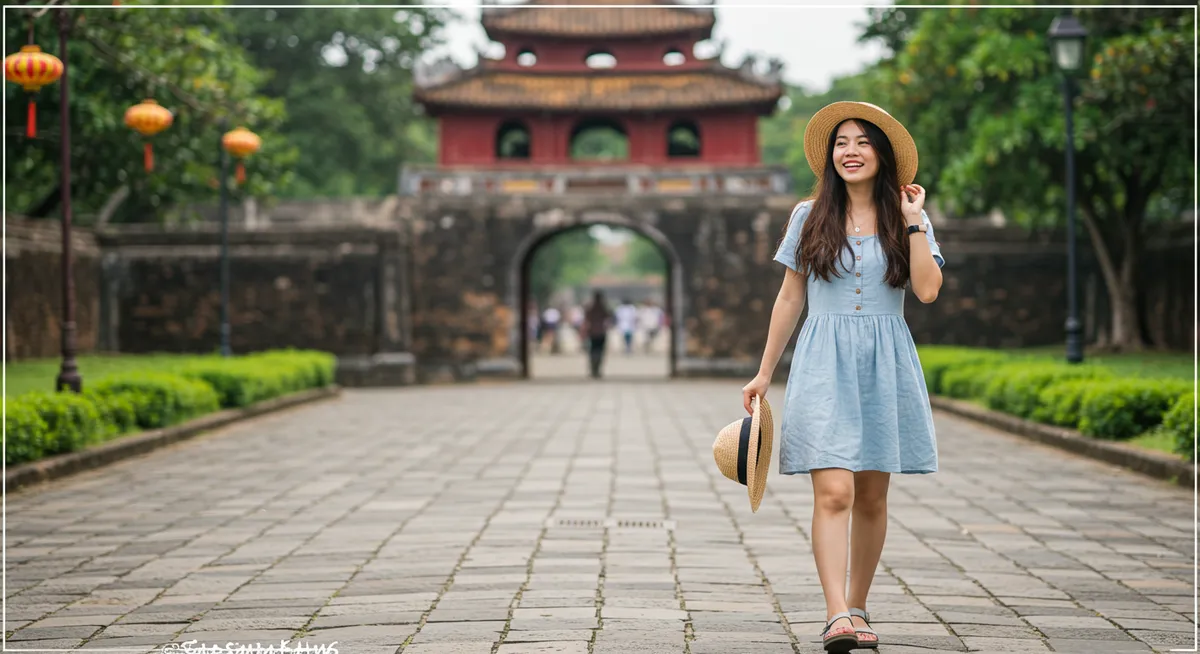
Hue, Vietnam’s former imperial capital, unfolds its charm beautifully on foot. From the majestic Imperial City to serene pagodas and bustling local markets, a walking tour offers an intimate connection with this historic city. However, to truly enjoy Hue’s rich tapestry, understanding what to wear is paramount. This comprehensive guide will equip you with the knowledge to dress comfortably, safely, and appropriately for any Hue walking adventure, regardless of the season.
Key Tips and Takeaways
- Prioritize comfort and adapt to Hue’s distinct seasonal weather (hot/dry vs. Cool/rainy).
- Invest in good, broken-in walking shoes that suit the season.
- Pack versatile, breathable, and quick-drying fabrics.
- Always carry sun protection and stay hydrated, especially during the hot season.
- Be prepared for rain with a compact umbrella or lightweight poncho during the wet season.
- Dress modestly (shoulders and knees covered) when visiting temples and the Imperial City.
Understanding Hue’s Climate: A Walker’s Perspective
Understanding Hue’s unique climate is paramount for any walker planning to explore its imperial grandeur and serene landscapes on foot. Unlike other Vietnamese cities, Hue experiences a distinct shift between its two primary seasons, both of which significantly impact your comfort, hydration needs, and, crucially, what you should pack and wear for your walking excursions.
Nestled in Central Vietnam, Hue is characterized by a tropical monsoon climate, meaning high humidity is a constant companion throughout the year. However, don’t mistake this for uniform weather. The city truly divides its year into two very different chapters:
The Dry & Hot Season (Roughly March to August)
This period often feels like Hue is turning up the heat. Expect intense sunshine, soaring temperatures, and pervasive humidity that can make even short strolls feel challenging. Daily temperatures frequently hover in the high 30s°C (90s°F), often creeping into the low 40s°C (100s°F) during peak summer months like June and July. While it’s called the “dry” season, tropical downpours are still possible, though typically brief and refreshing rather than prolonged.
For the walking enthusiast, this means:
- Sun Protection is Non-Negotiable: A wide-brimmed hat, UV-protective sunglasses, and high-SPF sunscreen are absolute essentials to protect against intense sun exposure.
- Light & Breathable Fabrics: Opt for loose-fitting, light-colored clothing made from natural fibers like cotton or moisture-wicking synthetics. Think linen shirts, breathable t-shirts, and comfortable shorts or light trousers.
- Hydration, Hydration, Hydration: Dehydration is a real risk. Carry ample water and take frequent breaks in the shade. Look out for local vendors selling fresh coconuts or sugarcane juice – a delicious and refreshing way to rehydrate.
- Early Bird or Night Owl: Plan your longer walks for the early morning (before 9 AM) or late afternoon/early evening (after 4 PM) to avoid the midday sun’s peak intensity.
The Rainy & Cooler Season (Roughly September to February)
This is when Hue reveals its more contemplative, often misty, side. The northeast monsoon brings significant rainfall, which can range from persistent drizzles to torrential downpours, sometimes accompanied by typhoons in the early part of the season (Sept-Nov). Temperatures are noticeably cooler, generally ranging from 18-25°C (64-77°F), though the persistent rain can make it feel much chillier, especially after sunset.
Navigating Hue on foot during this season requires a different approach:
- Waterproof Everything: A lightweight, packable waterproof rain jacket is your best friend. Consider bringing a sturdy travel umbrella too, as it can offer more coverage from persistent drizzle.
- Quick-Drying Layers: While it’s cooler, you’ll still appreciate layers you can shed if the rain stops or you duck into a sheltered area. Quick-drying fabrics are crucial here, as getting soaked can lead to discomfort and chafing.
- Appropriate Footwear: Your comfortable walking shoes should ideally be waterproof or water-resistant. Otherwise, pack a spare pair or consider waterproof sandals/crocs for lighter walks, especially if there’s minor flooding in certain areas.
- Embrace the Atmosphere: While rain might seem like a deterrent, walking through Hue’s ancient sites under a soft drizzle can be incredibly atmospheric, offering a unique, tranquil perspective often devoid of large crowds.
Regardless of the season, checking the local weather forecast a day or two before your intended walk is always a smart move. Hue’s climate is predictable in its seasons but can still surprise with sudden showers or an unexpected burst of sunshine. Being prepared ensures your walking tour of this historic city is comfortable, safe, and truly unforgettable.
The Dry/Hot Season (March – August): Beating the Heat and Sun
Hue’s dry season, spanning from March to August, brings intense heat and high humidity, often feeling much warmer than the thermometer indicates. Exploring the city’s ancient wonders and scenic riverside paths on foot during this period requires strategic preparation to ensure comfort and enjoyment. The key is to protect yourself from the relentless sun while allowing your body to breathe and regulate its temperature.
Clothing: Lightweight, Breathable, and Loose
- Fabrics are Your Friend: Opt for materials that excel at wicking away moisture and promoting airflow. Natural fibers like lightweight cotton and linen are excellent choices, as they are incredibly breathable and soft against the skin. Modern moisture-wicking synthetic blends are also fantastic for managing sweat, drying quickly, and preventing that clammy feeling.
- Loose-Fitting is Key: Tight clothing can restrict air circulation and trap heat. Instead, choose garments that are loose and flowing. This allows air to circulate freely around your body, helping to evaporate sweat and keep you cooler. Think flowy dresses, wide-leg pants, or relaxed-fit shorts and shirts.
- Light Colors, Surprisingly Long Sleeves: Stick to light-colored clothing (whites, pastels) as they reflect sunlight rather than absorbing it. While counter-intuitive, thin, long-sleeved shirts and long pants made of breathable fabric can offer superior sun protection compared to exposing your skin. They create a barrier against UV rays while still allowing air to circulate, often making you feel cooler than direct sun exposure.
Sun Protection: Don’t Skimp!
- Headwear is Essential: A wide-brimmed hat is non-negotiable. It protects your face, neck, and ears from direct sun, significantly reducing the risk of sunburn and heatstroke.
- Eyewear: Good quality sunglasses with UV protection are crucial for protecting your eyes from glare and harmful rays, especially when walking along the Perfume River or open historical sites.
- Sunscreen, Sunscreen, Sunscreen: Apply a high SPF (30+) broad-spectrum sunscreen generously to all exposed skin and reapply frequently, especially after sweating.
- Consider a Shawl or Scarf: For women, a lightweight scarf or pashmina can be a versatile addition. It can be draped over shoulders for sun protection, or used to modestly cover up when visiting temples or pagodas.
Footwear: Comfort and Airflow
Your feet will thank you for choosing footwear designed for walking in heat. Breathable walking sandals with good arch support are ideal, allowing your feet to breathe and preventing sweat build-up. Alternatively, light, well-ventilated sneakers paired with moisture-wicking socks can work well. Avoid heavy boots or shoes that lack ventilation, as they can lead to blisters and discomfort in the humidity.
Staying Hydrated & Local Insights
Hydration is paramount. Carry a reusable water bottle and refill often. Look out for local vendors selling fresh coconut water or sugar cane juice – these are excellent for replenishing electrolytes. Locals often start their day early to beat the heat, and you should too! Aim for walking tours in the early morning (before 9:00 AM) or late afternoon (after 4:00 PM). Midday heat in Hue, especially from 11:00 AM to 3:00 PM, can be oppressive, making it an ideal time for a leisurely lunch, a museum visit, or a relaxing break in an air-conditioned cafe.
The Rainy/Cool Season (September – February): Embracing the Monsoon
💡 Pro Tip: Book your Hue adventures in advance through Viator for the best deals!
While many associate Vietnam with perpetual sunshine, Hue’s distinct cool and rainy season runs from September to February. This monsoon period brings cooler temperatures and frequent downpours. With the right preparation, however, walking tours offer a uniquely atmospheric, often less crowded, perspective of Hue’s ancient beauty.
Essential Outerwear: Your Rain Shield
- Lightweight Waterproof Rain Jacket or Poncho: This is your absolute non-negotiable. Opt for a truly waterproof (not just water-resistant) option; a lightweight packable rain jacket or traditional Vietnamese poncho is invaluable. Breathable materials are a plus. A poncho can also conveniently cover your backpack.
- Umbrella: A compact umbrella is perfect for lighter drizzles, sudden showers, or even unexpected sun. They are widely available locally.
Layering & Quick-Drying Fabrics: Combatting the Damp
- Versatile Layers: Temperatures fluctuate (cooler mornings/evenings, milder middays), so layering is key. Start with a quick-drying base layer (synthetic or merino wool), adding a lightweight long-sleeved top or thin fleece. Avoid cotton; it absorbs moisture, dries slowly, and leaves you feeling clammy.
- Quick-Drying Fabrics: Prioritize synthetic blends (polyester, nylon) or merino wool. These wick moisture, dry rapidly even in high humidity, and help you stay comfortable if caught in a shower.
Footwear: Navigating Wet Paths
- Closed-Toe, Water-Resistant Shoes: Puddles are common and stone paths can be slippery. Sturdy, closed-toe, water-resistant or quick-drying shoes are crucial. Trail shoes or waterproof walking sneakers are excellent.
- Avoid: Open sandals (unless fully waterproof and you don’t mind wet feet) and canvas shoes that soak through and stay wet.
- Quick-Drying Socks: Pair with synthetic or wool-blend socks to prevent blisters.
Protecting Your Essentials: Waterproofing Your Gear
- Waterproof Bag or Rain Cover: Ensure your backpack or day bag has a rain cover, or use dry bags for electronics, passports, and valuables. A small, resealable dry bag for your phone is highly recommended.
Local Insights for Rainy-Day Exploration
- Embrace the Atmosphere: The rain often lends a mystical, ethereal quality to Hue’s historic sites (Imperial City, royal tombs), creating stunning photo opportunities and a quieter experience.
- Slippery Surfaces: Be extra mindful on stone paths and steps, especially at pagodas and ancient monuments, as they become very slippery when wet.
- Cultural Sites & Shoes: When visiting pagodas and temples, you’ll remove your shoes. Quick-drying footwear makes this more comfortable; consider carrying a small, quick-drying towel.
- Cafe Breaks: The rain provides the perfect excuse to duck into Hue’s charming local cafes or tea houses for a warm drink and to observe local life.
With the right gear, Hue’s “rainy season” transforms into an opportunity for a truly unique and memorable walking tour, allowing you to discover the city’s profound beauty in a different, often more serene, light.
Footwear: Your Foundation for Exploration
When embarking on a walking tour in Hue, your footwear isn’t just an accessory; it’s the bedrock of your comfort and enjoyment. From the vast, historic grounds of the Imperial City to the serene paths leading to ancient pagodas and royal tombs, you’ll be covering significant distances on varied terrain. The golden rule for free walking tours in Hue is simple: prioritize comfort, support, and a shoe that’s well broken-in. Blisters or aching feet can quickly turn an incredible exploration into a miserable slog.
Recommended Footwear for Hue’s Climate
Understanding Hue’s distinct seasons is key to selecting the perfect pair:
- Breathable Sneakers or Walking Shoes: These are your best friends for most of the year, especially during the dry season (typically April to September). Look for shoes with good arch support and ample cushioning. Brands known for comfort and durability will serve you well. They offer the necessary support for navigating the often-uneven cobblestone paths within the Citadel and around the various monument complexes.
- Sturdy Walking Sandals with Straps: When the weather is hot and humid, but you still want airflow, a sturdy pair of walking sandals with secure straps (not flimsy flip-flops!) can be an excellent choice. Ensure they offer good arch support and a cushioned sole. These are ideal for exploring open-air sites when rain isn’t a concern, allowing your feet to breathe while providing necessary stability.
- Waterproof or Water-Resistant Shoes: This is a non-negotiable for Hue’s rainy season, which typically runs from October to March/April. Hue experiences significant rainfall during these months, and paths can become damp, muddy, or even have puddles. A good pair of waterproof walking shoes or boots will keep your feet dry, preventing discomfort and potential slipping. Consider quick-drying materials even if they aren’t fully waterproof, just in case.
Socks Matter Too!
It’s not just about the shoes! The right socks can make a world of difference:
- Moisture-Wicking Socks: Ditch the cotton socks, especially in Hue’s humid climate. Opt for synthetic blends (like polyester or nylon) or merino wool socks. These materials wick moisture away from your skin, keeping your feet dry and significantly reducing the risk of blisters, even after hours of walking.
Footwear to Avoid on Hue Walking Tours
To ensure your Hue walking tour is memorable for all the right reasons, leave these at home:
- Brand New Shoes: Resist the urge to debut a fresh pair. New shoes are notorious for causing blisters before they’re properly broken in. Always wear shoes you’ve walked in extensively before your trip.
- High Heels: Hue’s historical sites feature uneven terrain, gravel paths, and ancient cobblestones. High heels are a recipe for discomfort, sprained ankles, and a frustrating experience.
- Flimsy Flip-Flops or Thongs for Long Walks: While fine for short strolls to a nearby café or around your hotel, these offer zero support for extended walking. They can lead to foot pain, blisters, and are unsuitable for the varied surfaces you’ll encounter on a proper walking tour through the Imperial City or the tomb sites.
Remember, your feet are your primary mode of transport on a Hue walking tour. Investing in the right footwear is an investment in your comfort and your ability to fully immerse yourself in this incredible city’s history and beauty.
Essential Accessories for Every Hue Walking Tour
Beyond your clothing choices, a successful and enjoyable walking tour in Hue hinges on a few essential accessories. These items, often small and lightweight, can make a significant difference in your comfort, safety, and overall experience as you explore the ancient city’s charming streets, majestic Citadel, and serene pagodas.
The Essentials Checklist for Your Hue Walking Adventure:
-
Small, Lightweight Daypack:
A compact daypack is your best friend for carrying all your essentials without weighing you down. Choose one that’s comfortable to wear for extended periods, ideally with padded straps and a breathable back panel. It allows you to keep your hands free for taking photos, holding an umbrella, or simply enjoying the sights. You’ll easily find suitable daypacks in various sizes at local supermarkets like Big C or Aeon Mall, or even smaller stationery and general stores around Hue city center.
-
Reusable Water Bottle:
Hue’s tropical climate means humidity and heat are often constant companions, especially from March to August. Staying hydrated is paramount. Carry a reusable water bottle (at least 750ml to 1 liter capacity) and refill it frequently. Many cafes, restaurants, and hotels in Hue are happy to refill your bottle, helping you reduce plastic waste. Bottled water is readily available at any convenience store (like Circle K or VinMart) or local shop if you need to purchase some initially.
-
Sun Protection (Hat, Sunglasses, Sunscreen):
The Vietnamese sun can be intense year-round, even on cloudy days. Protect yourself with a wide-brimmed hat or a cap, good quality sunglasses, and high-SPF sunscreen. Apply sunscreen generously to all exposed skin and reapply every few hours, especially if you’re sweating. You can purchase these items at pharmacies, supermarkets, or even from street vendors near popular tourist spots, though quality might vary.
-
Compact Umbrella or Lightweight Poncho:
Hue’s weather can be notoriously unpredictable, especially during the rainy season (typically October to January). A sudden downpour can occur even on a sunny day. A compact, foldable umbrella offers dual protection – from both sun and rain. Alternatively, a lightweight rain poncho is an excellent, packable option that keeps you dry without adding bulk. Both are widely available in local markets (like Dong Ba Market) or convenience stores for a few dollars.
-
Insect Repellent:
With its lush greenery, rivers, and ancient moats, Hue can have mosquitoes, especially around dusk or in shaded, damp areas. A good insect repellent is invaluable to prevent itchy bites and potential mosquito-borne illnesses. Sprays or roll-ons are available at any pharmacy or convenience store throughout the city.
-
Small First-Aid Kit (especially for Blisters):
Walking for hours means your feet will be working hard. A small kit with blister plasters, antiseptic wipes, and a few pain relievers (like paracetamol or ibuprofen) can be a lifesaver. Don’t let a minor foot ailment cut short your exploration of the Imperial City! Basic first-aid supplies are easily found at local pharmacies (nhà thuốc).
-
Portable Power Bank:
Your smartphone will likely be working overtime – for navigation, taking countless photos of pagodas and tombs, and perhaps researching local eateries. A portable power bank ensures your device doesn’t run out of juice mid-tour. You can find these at electronics stores or even larger convenience stores in Hue.
By packing these essential accessories, you’ll be well-prepared to comfortably navigate Hue’s captivating landscapes, no matter what the weather brings. Enjoy your journey through this historic city!
Cultural Sensitivity & Dress Code for Hue’s Sacred Sites
💡 Pro Tip: Book your Hue adventures in advance through Viator for the best deals!
Exploring Hue’s rich tapestry of history, culture, and spirituality on foot is an incredibly rewarding experience. To ensure your walking tour is both enjoyable and respectful, particularly when visiting the city’s revered sites, understanding local customs and dress codes is essential. Hue, as a former imperial capital and a deeply spiritual city, holds its traditions in high regard, and your attire is a subtle yet significant way to show your appreciation.
When your Hue walking tour takes you through the majestic gates of the Imperial City, into the tranquil courtyards of ancient pagodas like Thien Mu, or within the sacred confines of temples and shrines, a modest dress code is not just a suggestion – it’s a mark of respect. This applies to both men and women.
Key Dress Code Requirements for Sacred Sites:
- Cover Shoulders and Knees: This is the most crucial rule. Avoid tank tops, sleeveless shirts, short shorts, and mini-skirts. Opt for t-shirts, blouses with sleeves, trousers, or long skirts/dresses that fall below the knee. Lightweight linen or cotton trousers for men and flowy maxi skirts or dresses for women are excellent choices that combine comfort with modesty.
- Footwear Considerations: Many pagodas and temples will require you to remove your shoes before entering the main prayer halls or sanctuaries. For this reason, choose footwear that is easy to slip on and off – comfortable walking sandals, slip-on trainers, or loafers are ideal. Avoid intricate laces or boots that will slow you down. As a practical tip for walking tours, ensure your socks are clean, as you’ll often be walking barefoot inside.
Integrating Respectful Dressing with Walking Tour Comfort:
Hue’s climate, often characterized by heat and humidity, demands smart clothing choices that don’t compromise on comfort or respect. The good news is that these two aspects can easily coexist:
- Breathable Fabrics: Prioritize lightweight, breathable fabrics such as cotton, linen, rayon, or quick-drying synthetics. These materials will help you stay cool and dry as you explore.
- Strategic Layering: For women, a lightweight scarf or sarong can be an invaluable accessory. You can wear cooler, more casual clothing while walking between sites, then quickly drape the scarf over your shoulders or tie the sarong around your waist to cover your knees when entering a sacred area. Men might consider carrying a lightweight long-sleeved shirt to throw on over a t-shirt. This flexibility allows you to adapt instantly to different environments.
- Sun Protection: While not directly a dress code item, wide-brimmed hats and sunglasses are highly recommended for Hue’s often strong sun, adding another layer of comfort to your walking experience.
By dressing thoughtfully, you’ll feel more comfortable and welcomed by locals, enhancing your appreciation for Hue’s profound spiritual heritage. It’s a small effort that yields a much richer and more authentic walking tour experience.
Packing Smart: Your Hue Walking Tour Checklist
A successful Hue walking tour isn’t just about comfortable shoes; it’s about smart preparation that allows you to fully immerse yourself in the city’s imperial grandeur and vibrant street life, come rain or shine. Hue’s weather can be notoriously changeable, from scorching sunshine to sudden downpours, often within the same day, especially during the rainy season (October to March). A well-thought-out packing strategy is your best ally.
This actionable checklist condenses all the seasonal advice into a concise guide, ensuring you have everything you need for a comfortable, enjoyable, and hassle-free exploration of Hue’s captivating sites, from the ancient Citadel walls to tranquil pagodas along the Perfume River.
- Comfortable, Broken-In Footwear: This is non-negotiable! You’ll be covering significant ground on various terrains – cobblestones, paved paths, and potentially uneven surfaces. Opt for breathable walking shoes, sneakers, or sandals with good arch support. Ensure they’re quick-drying if possible, especially during the wetter months. Leave the brand-new shoes for another trip!
- Lightweight, Breathable Clothing: Pack clothes made from natural fibers like cotton or moisture-wicking synthetic blends. These are ideal for Hue’s year-round humidity and often high temperatures. Think t-shirts, light blouses, and convertible pants or shorts.
- Sun Protection: Even on cloudy days, Hue’s sun can be strong.
- Wide-brimmed hat or cap: Crucial for protecting your face and neck.
- Sunglasses: To shield your eyes from glare.
- High-SPF Sunscreen: Apply generously and reapply throughout the day.
- Light scarf or sarong: Versatile for sun protection, modesty at temples, or a light cover-up.
- Rain Gear (Especially Oct-Mar): Hue is famous for its rain, particularly during the monsoon season.
- Lightweight, Packable Rain Jacket or Poncho: Essential for sudden showers. Look for one that’s easy to fold up.
- Compact Umbrella: Useful for both rain and sun protection, providing extra shade.
- Modest Attire: When visiting Hue’s sacred sites like the Imperial City or pagodas (e.g., Thien Mu Pagoda), respectful dressing is required. Carry a light cardigan, shawl, or long-sleeved shirt to cover shoulders and knees if your primary walking attire is too revealing. Many sites will deny entry if you are not appropriately covered.
- Small Daypack or Crossbody Bag: A lightweight bag is perfect for carrying your essentials (water, camera, umbrella, sunscreen, etc.). Look for one that’s comfortable to wear for extended periods.
- Reusable Water Bottle: Staying hydrated is paramount in Hue’s heat and humidity. Many cafes and hotels offer refill stations, helping you reduce plastic waste.
- Hand Sanitizer and Tissues: Always useful, especially when exploring local markets or street food stalls.
- Portable Power Bank: For keeping your phone charged – essential for navigation, photos, and staying connected.
- Small Denominations of Vietnamese Dong (VND): Handy for quick purchases from street vendors, paying for small entrance fees (if applicable), or tipping.
By packing smart and being prepared for Hue’s unique blend of weather and cultural norms, you’re all set to embark on an unforgettable walking journey through its historic heart.
Frequently Asked Questions
Q: Do I need specific walking shoes for Hue’s terrain?
A: While Hue isn’t overly hilly, you’ll be on your feet for extended periods on uneven surfaces (cobblestones, dirt paths, concrete). Comfortable, supportive, broken-in walking shoes or sturdy sandals are highly recommended. Prioritize breathability in the dry season and water resistance in the rainy season.
Q: Is it safe to walk in Hue during the rainy season (September-February)?
A: Yes, it’s generally safe, but prepare for heavy downpours. Streets can get wet and sometimes flood briefly. Good waterproof footwear, a reliable rain jacket/poncho, and caution when crossing streets are essential. Many locals continue their daily lives and tours still operate, often with a unique misty charm.
Q: What should I specifically wear to visit the Imperial City and pagodas?
A: For these significant cultural and religious sites, it’s respectful to dress modestly. This means covering your shoulders and knees. Opt for lightweight trousers or long skirts, and t-shirts or blouses that cover your shoulders. A light scarf can be useful to quickly cover up if needed.
Q: Can I buy suitable clothing and gear for walking tours once I arrive in Hue?
A: Absolutely! Hue has numerous markets (like Dong Ba Market) and shops where you can find affordable and suitable clothing, including lightweight fabrics, hats, umbrellas, and even basic rain gear. However, for specialized walking shoes, it’s best to bring your own broken-in pair.
Hue truly reveals its soul when explored on foot. By packing smart and understanding the city’s unique climate and cultural norms, you’ll ensure your walking tours are not just comfortable, but deeply enriching. So, lace up those walking shoes, embrace the local insights, and prepare for an unforgettable journey through the heart of Vietnam’s imperial past. Happy walking!