
Vung Tau Walking Tour: Essential Guide & Local Tips (2026)
Discover Vung Tau on foot! Our essential walking tour guide covers routes, safety, local insights, and expert tips for an unforgettable self-guided adventure in Vietnam.
On this page
Vung Tau, with its stunning coastline, vibrant markets, and rich history, offers a unique charm best experienced on foot. Beyond the popular beaches, a walking tour allows you to delve into the city’s hidden alleys, discover local life, and savor authentic flavors at your own pace. This comprehensive guide provides everything you need to embark on a safe, enjoyable, and insightful walking adventure through Vung Tau’s diverse landscapes.
Key Tips and Takeaways
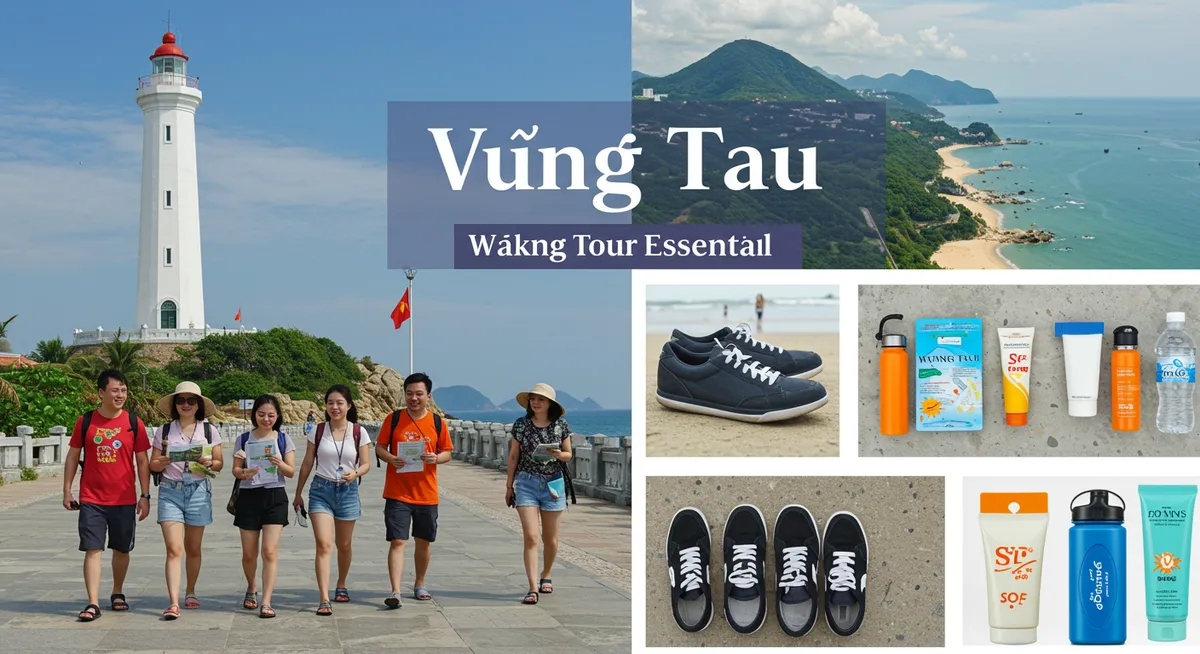
- Prioritize comfortable, supportive walking shoes and light, breathable clothing.
- Always carry water, sunscreen, a hat, and sunglasses – Vung Tau sun is intense.
- Be aware of traffic; motorbikes are prevalent. Look both ways before crossing.
- Embrace local street food, but choose busy stalls for freshness and hygiene.
- Start your walks early in the morning or late afternoon to avoid peak heat.
- Don’t be afraid to wander off the main streets to discover hidden local life.
- Always carry a portable power bank for your phone’s navigation and camera.
- Learn a few basic Vietnamese phrases; it enhances interactions with locals.
Why Walk Vung Tau? Unveiling Coastal Charms on Foot
While Vung Tau offers convenient motorbike taxis and ride-sharing services, truly experiencing this vibrant coastal city’s unique charm is best done on foot. A Vung Tau walking tour isn’t just about getting from point A to B; it’s an immersive journey that peels back the layers of this fascinating destination, revealing its authentic pulse and hidden beauty that often goes unnoticed from a vehicle. It’s an opportunity to connect directly with the city’s environment and its people.
One of the foremost reasons to embrace walking in Vung Tau is the unparalleled opportunity to discover its hidden gems. Veer off the main thoroughfares and you’ll stumble upon charming alleys adorned with vibrant bougainvillea, quaint local coffee shops brewing robust Vietnamese coffee, or a serene, unassuming temple tucked away from the bustling streets. These aren’t stops on a typical tour bus itinerary; they’re the delightful surprises that only a leisurely stroll can unearth. Walking fosters genuine interaction with locals. You’ll find yourself easily striking up conversations with friendly street vendors, observing daily life unfold outside bustling markets like Xom Luoi Seafood Market, or simply exchanging smiles with residents going about their day. This direct engagement provides invaluable insights into Vung Tau’s culture and a warmth that truly enriches your travel experience.
Beyond the cultural immersion, walking allows for uninterrupted enjoyment of Vung Tau’s stunning scenic views. Imagine pausing at any moment along the expansive beachfront promenades, whether it’s the lively curve of Front Beach (Bãi Trước) or the more serene stretch of Back Beach (Bãi Sau), to fully absorb the gentle rhythm of the waves, the distant fishing boats, or the dramatic sunsets painting the sky. There’s no rush, no window obstructing your view. You can leisurely make your way up to the iconic Christ the King statue or explore the French colonial Lighthouse on Small Mountain (Núi Nhỏ), taking in panoramic vistas of the city, coastline, and surrounding islands at your own pace. This unhurried pace truly allows you to connect with the city’s unique blend of historical charm, natural beauty, and bustling local life, letting you experience its true rhythm.
Vung Tau is exceptionally well-suited for exploration on foot. Its main tourist areas, including the city center, both Front and Back Beaches, and the prominent Small Mountain, are surprisingly compact and interconnected. The city boasts wide, well-maintained sidewalks along many of its main streets and, most notably, the long, inviting promenades that hug the coastline. These pathways are perfect for leisurely strolls, morning jogs, or simply people-watching as the city awakens or winds down. While some areas, like the ascent to the Lighthouse or Christ the King, involve inclines, the majority of the popular walking routes along the beaches and through the central area are relatively flat and easily navigable for most fitness levels.
To maximize your Vung Tau walking adventure, always prioritize comfort. Wear sturdy, breathable walking shoes, carry plenty of water, and protect yourself from the tropical sun with a hat, sunglasses, and sunscreen – especially during the hotter midday hours. Consider starting your walks early in the morning to enjoy cooler temperatures and witness the city come alive, or later in the afternoon for stunning sunsets and cooler breezes. Don’t be afraid to wander off the beaten path a little; some of the best discoveries are made when you let curiosity guide your steps. Embrace the unique pace of life, savor the street food aromas emanating from every corner, and let your feet lead you to the vibrant heart of Vung Tau.
Planning Your Vung Tau Walking Adventure: Pre-Trip Essentials
Embarking on a Vung Tau walking adventure promises an intimate connection with this charming coastal city. To ensure your journey is comfortable, enjoyable, and truly unforgettable, a little pre-trip planning goes a long way. Here’s what you need to consider before lacing up your walking shoes.
Optimal Timing: When to Walk Vung Tau
Vung Tau, like much of Southern Vietnam, experiences a tropical monsoon climate with distinct dry and wet seasons. For avid walkers, timing is paramount to avoid the most intense heat and humidity, and to maximize your enjoyment.
- Best Time of Year: The ideal period for walking in Vung Tau is during the dry season, from November to April/May. During these months, temperatures are generally milder (though still warm), humidity is lower, and rainfall is minimal. This creates a much more pleasant environment for extended strolls and outdoor exploration. December to February are often considered the sweet spot, offering the most agreeable conditions.
- Wet Season Considerations: From May/June to October, Vung Tau experiences its wet season. While showers can be heavy, they are often short-lived tropical downpours, typically occurring in the afternoon. Walking during this time means embracing higher humidity and the possibility of getting caught in rain, though the city can feel lusher and less crowded. If you visit during the wet season, plan your walks for the mornings.
- Ideal Time of Day: Regardless of the season, Vung Tau’s sun can be intense. To escape the midday heat and crowds, aim for early morning or late afternoon walks.
- Early Morning (Sunrise to 9:00 AM): This is arguably the best time. The air is freshest, temperatures are coolest, and you’ll often see locals jogging, doing tai chi by the beach, or heading to the markets. Key landmarks like the Christ the King statue or Nghinh Phong Cape are quieter, offering peaceful moments and stunning light for photography.
- Late Afternoon (4:00 PM onwards): As the sun begins to dip, temperatures become more bearable, and the city comes alive with activity. This is a great time to explore the bustling promenade along Front Beach, enjoy street food, or catch a beautiful sunset. Avoid walking extensively between 10:00 AM and 3:00 PM when the sun is at its zenith and temperatures are highest.
Essential Packing List for Your Vung Tau Walking Tour
Packing smart is key to a comfortable walking experience in Vung Tau’s tropical climate. Think lightweight, breathable, and sun-protective.
- Comfortable Walking Shoes: This is non-negotiable! Pack a pair of well-worn, breathable walking shoes or sneakers with good arch support. Vung Tau’s terrain includes paved roads, sidewalks, and sometimes uneven paths, so comfort is paramount. Avoid new shoes that could cause blisters.
- Lightweight, Breathable Clothing: Opt for fabrics like cotton, linen, or moisture-wicking synthetics. Light colors will help reflect the sun’s rays. Pack loose-fitting shorts, t-shirts, and perhaps a pair of lightweight long pants or a skirt for visiting temples (where modesty is appreciated).
- Sun Protection: The Vietnamese sun is powerful!
- Wide-Brimmed Hat or Cap: Crucial for protecting your face and neck.
- UV-Protective Sunglasses: To shield your eyes from glare.
- High SPF (50+) Sunscreen: Apply generously to all exposed skin, and reapply frequently, especially if you’re sweating or after swimming.
- Light Scarf or Sarong: Versatile for extra sun protection for your shoulders/neck, or for covering up when entering religious sites.
- Reusable Water Bottle: Staying hydrated in Vung Tau’s humidity is vital. Carry a reusable bottle and refill it often. Many hotels and cafes offer filtered water, and bottled water is readily available.
- Small Daypack: A lightweight backpack (10-20 liters) is perfect for carrying your essentials: water, snacks, sunscreen, camera, and any small souvenirs you pick up.
- Basic First-Aid Kit: Even for short walks, a small kit is invaluable. Include:
- Blister Plasters/Moleskin: Your feet will thank you!
- Antiseptic wipes and a few small band-aids for minor scrapes.
- Pain relievers (e.g., ibuprofen).
- Insect repellent (especially for evening walks or if you plan to venture into greener areas).
- Any personal medications.
With these essentials thoughtfully packed and your timing optimized, you’ll be well-prepared to fully immerse yourself in the beauty and charm of Vung Tau on foot.
Iconic Vung Tau Walking Routes & Must-See Sights
🎯 Insider Tip: Discover the best Vung Tau experiences with Viator Tours!
Vung Tau, with its dramatic coastline, historical landmarks, and vibrant local life, is a fantastic city to explore on foot. Lace up your most comfortable shoes, grab a hat and water, and prepare to immerse yourself in its unique charm through these iconic walking routes.
1. The Beachfront Promenade: Front Beach (Bãi Trước) to Back Beach (Bãi Sau)
Start your Vung Tau walking adventure along the expansive beachfronts. The bustling Front Beach (Bãi Trước) offers a picturesque promenade dotted with cafes, palm trees, and fishing boats bobbing in the bay. It’s perfect for a leisurely evening stroll as the city lights begin to twinkle. In contrast, the much longer Back Beach (Bãi Sau) is a lively stretch popular for swimming, sunbathing, and beach activities, extending for several kilometers.
- Walking Time: A full loop around Front Beach is approximately 30-45 minutes. Strolling a significant section of Back Beach can take 1-2 hours, depending on your pace and how far you venture.
- Practical Tip: Early mornings (before 8 AM) or late afternoons (after 4 PM) are ideal to avoid the midday heat and enjoy the best light.
2. The Iconic Climbs: Jesus Christ Statue & Vung Tau Lighthouse
For breathtaking panoramic views, embark on the ascents to Vung Tau’s most famous landmarks. The towering Jesus Christ Statue requires a climb of nearly 1,000 steps, rewarding you with spectacular vistas from its shoulders. Afterwards, or as a separate climb, head to the nearby Vung Tau Lighthouse. A winding paved road and a final set of steps lead to another incredible viewpoint overlooking the city and ocean.
- Walking Time:
- Jesus Christ Statue: Allow 30-45 minutes for the ascent (one way) plus time at the top.
- Vung Tau Lighthouse: The walk up from the base takes about 20-30 minutes (one way).
- Practical Tip: Wear sturdy, comfortable shoes. Bring plenty of water, especially for the Jesus statue climb, as there are no refreshment stalls on the stairs themselves. Consider an early morning start to beat the heat and crowds.
3. Scenic Serenity: Nghinh Phong Cape & “Heaven’s Gate”
Often referred to as the “Cape of Wind,” Nghinh Phong Cape offers stunning cliffside views where the ocean winds whip around you. It’s easily accessible from the base of the Jesus Christ Statue hill and provides incredible photo opportunities, including the famous “Heaven’s Gate” archway. From here, you can gaze out at both Front and Back Beaches simultaneously.
- Walking Time: From the base of the Jesus statue, it’s a pleasant 15-20 minute walk to the main viewpoint. Allow 30-45 minutes to explore the cape fully.
- Practical Tip: Combine this walk with your Jesus Statue climb for a truly immersive experience of Vung Tau’s most scenic points.
4. Cultural Immersion: Markets, Villas & Temples
Delve into the local pulse by exploring Vung Tau’s cultural hubs on foot. The bustling Xom Luoi Seafood Market (near Front Beach) is a sensory explosion of fresh catches, perfect for experiencing local life and even picking out your dinner. The central Vung Tau Market offers a wider range of goods, from fresh produce to clothing. For a glimpse into the city’s colonial past, stroll to the elegant White Palace (Bach Dinh), a former French governor’s residence offering stunning architecture and elevated views.
Don’t forget to visit some of Vung Tau’s tranquil spiritual sites. Wander through the serene grounds of local temples and pagodas like Linh Son Co Tu or Thich Ca Phat Dai, offering peaceful escapes and intricate Buddhist architecture.
- Walking Time: Exploring a market can take 30-60 minutes. A visit to White Palace might be 30-45 minutes. Temple visits vary. These areas can be explored independently or as part of a longer city wander.
- Practical Tip: Visit markets in the morning for the freshest produce and liveliest atmosphere. Dress respectfully when visiting temples (shoulders and knees covered).
Navigating Vung Tau: Safety, Etiquette & Local Transport
Vung Tau is a charming city best explored on foot, but like any bustling Vietnamese locale, it has its unique rhythm and customs. Understanding how to navigate safely, respecting local etiquette, and knowing your transport options will significantly enhance your walking tour experience.
Pedestrian Safety & Street Smarts
Walking in Vung Tau means sharing the roads with a constant flow of motorbikes, cars, and bicycles. Unlike Western countries, pedestrians often don’t have the automatic right-of-way. The key to safe street crossing is embracing the ‘flow’ method:
- Be Predictable: When crossing a busy street, walk slowly and consistently. Avoid sudden stops or changes in direction. Drivers will generally anticipate your speed and navigate around you.
- Make Eye Contact: Try to make eye contact with approaching drivers to acknowledge each other’s presence.
- Use Marked Crossings (with caution): While white lines indicate a pedestrian crossing, they are not always respected. Use them, but still apply the ‘flow’ method.
- Mind Your Belongings: Like any tourist destination, be aware of your surroundings, especially in crowded markets or busy areas. Keep your phone and wallet secure.
- Avoiding Scams: Be wary of unsolicited offers for tours or services, especially around popular spots like the Jesus Statue or Nghinh Phong Cape. Firmly decline if you’re not interested. Always agree on prices before committing to a service or purchase.
Local Etiquette & Cultural Respect
Showing respect for local customs not only enhances your experience but also fosters positive interactions:
- Dress Code for Temples: Vung Tau is home to beautiful spiritual sites like Thich Ca Phat Dai and the Pagoda at Nghinh Phong Cape. When visiting these or any religious sites, ensure your shoulders and knees are covered. It’s also respectful to remove your hat and shoes before entering prayer halls.
- Bargaining in Markets: At local markets such as Vung Tau Market or Xom Luoi Seafood Market, bargaining is common and expected for souvenirs, clothing, and sometimes even fresh produce or seafood. Start by offering about 50-70% of the initial price, and negotiate friendly. If you can’t agree on a price, it’s perfectly fine to politely walk away.
- General Conduct: A smile goes a long way. Use both hands when giving or receiving items, especially money. Avoid pointing with a single finger; use an open hand instead. Public displays of affection are generally frowned upon.
Basic Vietnamese Phrases for Walkers
Learning a few basic phrases will greatly enhance your interactions and show respect for the local culture:
- Hello: Xin chào (sin chow)
- Thank You: Cảm ơn (gahm un)
- How Much?: Bao nhiêu? (bow nyew)
- Excuse Me/Sorry: Xin lỗi (sin loy)
Local Transport for Longer Distances
While walking is the best way to explore Vung Tau’s core attractions, you might find yourself needing a ride for longer distances or when your feet get tired. Here are your best options:
- Grab (Recommended): Southeast Asia’s most popular ride-hailing app, Grab, operates extensively in Vung Tau. You can book both cars (GrabCar) and motorbikes (GrabBike). It’s convenient, offers fixed prices, and you can pay with cash or a linked credit/debit card. Download the app before your trip and set up your account.
- Taxis: Reputable taxi companies like Mai Linh (green cars) and Vinasun (white cars) are reliable. Always ensure the driver uses the meter. Avoid unmetered taxis or those that seem unofficial. Taxis are good for groups or when Grab is unavailable.
- When to Use: Consider using Grab or a taxi for journeys between major landmarks that are far apart (e.g., from the Jesus Statue to the Lighthouse if you’re not keen on the uphill walk), or for returning to your accommodation after a long day of exploration.
Fueling Your Journey: Vung Tau’s Culinary Delights on the Go
A successful Vung Tau walking tour isn’t just about the sights; it’s also about savoring the incredible flavors that fuel your journey. Vung Tau, being a coastal city, offers a vibrant street food scene perfect for on-the-go snacking and deeper culinary explorations. Embrace the local way of eating – pull up a small plastic stool, grab a quick bite from a street vendor, or enjoy a refreshing drink to beat the heat.
Vung Tau’s Signature Delights for Walkers
You absolutely cannot leave Vung Tau without trying Bánh Khọt. These mini savory pancakes are the city’s culinary pride. Made from a rice flour batter, often infused with turmeric for a golden hue, they’re fried until crispy in special molds, topped with shrimp, scallions, and sometimes pork floss. The Vung Tau style is often served with a generous plate of fresh herbs and leafy greens, which you use to wrap the pancakes before dipping them into a sweet and tangy fish sauce (nước chấm). Look for bustling local eateries, often identifiable by the rows of griddles at the front – they indicate freshness and popularity. Many famous spots are found on Hoàng Hoa Thám Street, but even smaller, family-run stalls offer authentic experiences.
Street Food Stalls & Quick Bites
Beyond Bánh Khọt, Vung Tau’s streets are a treasure trove of quick, delicious eats suitable for a walking tour. As you stroll, keep an eye out for:
- Bánh Mì: Vietnam’s iconic baguette sandwich, filled with various meats, pâté, pickled vegetables, and fresh herbs. A perfect, portable meal.
- Gỏi Cuốn (Fresh Spring Rolls): Light and refreshing, filled with shrimp, pork, vermicelli, and herbs, served with a peanut dipping sauce.
- Hải Sản Xiên Que (Seafood Skewers): Grilled octopus, squid, or various fish cakes on a stick – a delightful and easy snack to enjoy while exploring.
- Bánh Bông Lan Trứng Muối (Salted Egg Sponge Cake): A unique Vung Tau specialty, this fluffy sponge cake is topped with savory shredded pork floss, salted egg yolk, and often a creamy, sweet-savory sauce. Great for a sweet-and-savory energy boost.
The areas around the local markets (like Vung Tau Market) and along the main beach roads (Thùy Vân, Hạ Long) are excellent hunting grounds for these street food gems. Look for stalls with a constant stream of local customers – it’s often a good sign of quality and freshness.
Fresh Seafood Spots
Given its coastal location, Vung Tau boasts incredible fresh seafood. While many large seafood restaurants exist, for a more authentic and walking-friendly experience, seek out the casual ‘quán ốc’ (snail and shellfish eateries) that often set up shop in the late afternoons and evenings. These spots offer a wide array of grilled, steamed, or stir-fried shellfish (clams, snails, scallops, oysters) often cooked to order and served with zesty dipping sauces. They’re usually lively, open-air venues perfect for a casual, shareable meal after a day of walking.
Stay Hydrated & Try Local Drinks
Vung Tau’s tropical climate means staying hydrated is crucial for an enjoyable walking tour. Don’t forget to carry a reusable water bottle, but also dive into the local drink scene for refreshing treats:
- Dừa Tươi (Fresh Coconut Water): Served straight from the coconut, it’s naturally hydrating and delicious.
- Nước Mía (Sugarcane Juice): Often pressed fresh on the spot with a squeeze of kumquat, it’s incredibly sweet and revitalizing.
- Cà Phê Sữa Đá (Iced Coffee with Condensed Milk): Vietnam’s famous strong coffee, perfect for a caffeine kick on a hot day.
Food Hygiene Awareness
While exploring Vung Tau’s culinary landscape, a little awareness goes a long way. Stick to places that appear clean and busy with locals, indicating fresh ingredients and quick turnover. If you’re sensitive, it’s generally safer to opt for cooked food and bottled water, and avoid ice from unknown sources. Embrace the adventure, trust your instincts, and prepare for a delicious journey through Vung Tau!
Beyond the Pavement: Local Insights & Hidden Gems
While Vung Tau’s main attractions are captivating, the true magic of this coastal city often unfolds beyond the well-trodden tourist paths. To genuinely connect with Vung Tau, embrace the spirit of discovery and seek out the quiet corners where daily life thrives. This is where your walking tour transforms from sightseeing into a truly immersive cultural experience.
One of the best ways to uncover Vung Tau’s authentic pulse is by venturing into its myriad of hẻm – the narrow alleyways that crisscross the city. These residential arteries offer a fascinating glimpse into local life. You’ll hear the clatter of woks from tiny kitchens, the laughter of children playing, and the murmur of neighbors chatting over morning coffee. Notice the small altars outside homes, the potted plants, and the ubiquitous motorbikes parked neatly. These aren’t just shortcuts; they are living, breathing communities. Take your time, walk slowly, and simply observe the rhythm of everyday Vung Tau away from the main thoroughfares.
Engaging with locals, even with a language barrier, enriches your journey immensely. A simple “Xin chào” (hello) and “Cảm ơn” (thank you) go a long way. Don’t be afraid to politely interact with street vendors. They are often the best source of authentic Vung Tau flavors. Look for the small, unassuming stalls serving up local delicacies like the crispy bánh khọt (mini savory pancakes) or a fresh bowl of gỏi cá mai (herring salad). These hidden culinary treasures are often found where locals eat, providing an unparalleled taste of the city’s heart.
Beyond the well-known Christ the King statue or White Palace, Vung Tau harbors numerous lesser-known pagodas and local parks that offer serene escapes and a window into spiritual life. Seek out a smaller, more intimate temple tucked away in a residential area, perhaps slightly inland from the main tourist areas. Here, you’ll find locals coming to pray, make offerings, and meditate, offering a peaceful and profound insight into Vietnamese spiritual practices without the bustle of larger tourist sites. Local parks, even small ones, are fantastic spots to witness morning exercise routines or families enjoying the cool evening breeze.
As you delve deeper, remember to always practice respectful tourism. When visiting religious sites, dress modestly, covering your shoulders and knees, and remove your shoes before entering. If you wish to capture a moment through photography, particularly of people, always ask for permission first. A simple gesture or pointing to your camera with a smile is usually understood. If consent isn’t clear, capture the wider scene or focus on architectural details and vibrant market produce instead. Capturing authentic moments means respecting the privacy and dignity of the people whose lives you are privileged to observe.
By stepping “Beyond the Pavement,” you’ll discover a Vung Tau that few tourists experience – a city rich in genuine human connection, vibrant daily routines, and quiet, contemplative beauty.
Connecting to the Vung Tau Walking Ecosystem: Guided vs. Self-Guided
🎯 Insider Tip: Discover the best Vung Tau experiences with Viator Tours!
Vung Tau, with its compact layout, scenic coastal paths, and charming inner streets, is a city truly made for walking. As you plan your exploration, a key decision you’ll face is whether to embark on a self-guided adventure or join a curated guided tour. Both offer distinct advantages, allowing you to connect with Vung Tau’s unique atmosphere in different ways.
Self-Guided Adventures: Embrace Your Freedom
Opting for a self-guided walking tour in Vung Tau offers unparalleled flexibility and cost-effectiveness. You are the master of your itinerary, free to linger at a bustling market, divert down a tempting alleyway, or spend extra time admiring the panoramic views from the Vung Tau Lighthouse. This approach is perfect for budget travelers, those who prefer a slower pace, or individuals seeking spontaneous discoveries.
- Pros: Complete flexibility, budget-friendly, personalized pace, opportunity for spontaneous discoveries.
- Cons: Requires more pre-trip research, potential to miss out on historical anecdotes or hidden gems without local insights, can be challenging for navigation in less-trodden areas.
Practical Tips for Self-Guidance in Vung Tau:
- Mapping & Navigation: Always have Google Maps on hand for real-time navigation, directions to specific eateries, or public transport options. Crucially, download offline maps for Vung Tau areas (especially around Nui Nho or Nui Lon if you plan to venture beyond paved roads), as signal can be patchy.
- Pre-Trip Research: Familiarize yourself with key landmarks like the Christ the King statue (check opening hours for the climb), Bach Dinh (White Palace), various pagodas, and market areas. Understanding their significance enhances your experience.
- Leverage Local Knowledge: Don’t underestimate the power of your hotel staff! They are invaluable resources for recommended routes, local eateries, or tips on the best times to visit popular spots (e.g., climbing Christ the King early morning to beat the heat and crowds).
Guided Journeys: Unlocking Local Insights
For those who prefer a deeper dive into Vung Tau’s history, culture, and lesser-known stories, a guided walking tour is an excellent choice. A local expert will lead the way, providing context, sharing personal anecdotes, and navigating effortlessly. This option is ideal if you want to maximize your understanding without the hassle of planning or worrying about getting lost.
- Pros: Expert commentary and historical context, hassle-free navigation, access to local secrets, opportunities to meet fellow travelers, often includes entry fees or transport.
- Cons: Less flexible itinerary, potentially higher cost, fixed pace.
Finding Guided Tours in Vung Tau:
- Local Tour Operators: While Vung Tau doesn’t have a large “free walking tour” scene like some bigger cities, reputable local travel agencies (often found near tourist hubs like Back Beach) offer guided tours that can be tailored to walking.
- Hotel Concierge: Many hotels have partnerships with local guides or can arrange private free walking tours in Vung Tau for their guests. This is often the most convenient way to find a reliable guide.
- Online Platforms: Check international tour booking platforms for Vung Tau-specific tours that might include walking components.
- Local Walking Groups: While less common for casual tourists, a few expat community groups in Vung Tau might organize social walks. If you’re staying longer, asking around in expat forums could uncover such opportunities.
Ultimately, whether you choose the independence of a self-guided stroll or the enriched experience of a guided tour, Vung Tau promises a captivating journey on foot. Consider your travel style, budget, and desired level of engagement to pick the option that best suits your Vung Tau adventure.
Making Memories: Photography Tips for Walkers
Vung Tau is a city brimming with visual appeal, offering countless opportunities to capture stunning memories during your walking tour. With a few photography tips, you can truly immortalize your adventure, from the vast ocean vistas to intricate architectural details and the vibrant tapestry of local life.
Chasing the Golden Hour
The magic light often referred to as the “golden hour” is your best friend for photography. This occurs shortly after sunrise and before sunset. In Vung Tau, the soft, warm glow of the morning sun (around 6:00 AM – 7:30 AM) casts a beautiful light on landmarks like the Christ the King statue or the Vung Tau Lighthouse, often with fewer crowds. As the day ends, the late afternoon light (around 4:30 PM – 6:00 PM) offers dramatic backlighting for the beaches and breathtaking sunsets over the West Sea, creating unforgettable silhouettes.
Angles and Perspectives
Don’t just shoot head-on! Experiment with different angles to add depth and interest to your photos. Get low to emphasize the grandeur of the Christ the King statue or the Vung Tau Lighthouse, making them tower over the landscape. Shoot from above, perhaps from a high vantage point on Small Mountain, to capture sprawling panoramic views of the city or the bustling activity of a local market like Xom Luoi Seafood Market. Look for natural frames, such as tree branches, archways, or even gaps between buildings, to compose your shots more effectively.
Focus on the Details
While grand landscapes are captivating, some of the most compelling photos come from focusing on the smaller, often overlooked, details. Capture the intricate colonial architecture of the White Palace, the weathered textures of an old fishing boat along the coast, or the vibrant colours of fresh produce and seafood at a morning market. Don’t forget the food! A close-up of a steaming plate of bánh khọt or a vibrant fruit smoothie captures Vung Tau’s culinary delights. Look for candid moments of local life – street vendors, children playing, or fishermen mending their nets – these tell Vung Tau’s unique story.
Ethical Photography Practices
As a guest in Vung Tau, practicing ethical photography is paramount. When capturing people, especially vendors or fishermen, always make eye contact and politely ask for permission (a smile and gesture, or “Xin phép chụp ảnh nhé?” – Sin fehp choop ung nyuh? – May I take a photo?). Respectfully accept a refusal. Avoid disrupting local business, religious ceremonies in pagodas, or private moments. Your lens should observe and appreciate, not intrude.
Practical Tips for Walkers
- Battery Life: Walking tours mean continuous shooting. Carry an extra battery or a portable power bank for your phone or camera.
- Protection: Vung Tau can be humid or see sudden rain showers. Protect your gear from moisture and dust.
- Look Up, Look Down: Don’t forget to look for interesting reflections in puddles after rain or unique patterns on the ground.
- Patience: Sometimes the best shots require waiting for the right moment – for people to clear, or for that perfect light.
By keeping these tips in mind, you’ll not only capture beautiful images of Vung Tau but also deepen your appreciation for its unique charm and character, turning your walking tour into a truly memorable photographic journey.
Frequently Asked Questions
Q: Is Vung Tau a walkable city for tourists?
A: Yes, Vung Tau is very walkable, especially its main tourist areas like the beachfront promenades (Front and Back Beach), the central market area, and the paths leading to the Jesus Christ Statue and Lighthouse. Many attractions are within comfortable walking distance of each other, allowing for an immersive experience. However, some distances are longer, making a mix of walking and local transport (Grab, taxi) ideal.
Q: What’s the best time of day to go on a walking tour in Vung Tau?
A: The best times are early mornings (before 9 AM) or late afternoons (after 4 PM) to avoid the midday heat and strong sun. Mornings are particularly pleasant for cooler temperatures and witnessing local life beginning, while afternoons offer beautiful sunsets over the ocean.
Q: What should I wear for a Vung Tau walking tour?
A: Opt for lightweight, breathable clothing (e.g., cotton, linen) that covers your shoulders and knees, especially if planning to visit temples or pagodas. Comfortable, broken-in walking shoes or sturdy sandals are essential. Don’t forget a wide-brimmed hat, sunglasses, and a good quality sunscreen.
Q: Is it safe to walk around Vung Tau as a tourist?
A: Vung Tau is generally safe for tourists. The main safety considerations are traffic awareness (motorbikes can be chaotic) and minor petty theft, especially in crowded market areas. Always keep your valuables secure and be mindful of your surroundings. Walking in well-lit areas at night is advised.
Q: How can I stay hydrated during my walk?
A: Carry a reusable water bottle and refill it frequently. You’ll find plenty of convenience stores, street vendors, and cafes selling bottled water, fresh coconut water, or sugarcane juice. Staying hydrated is crucial in Vung Tau’s tropical climate.
Embarking on a walking tour in Vung Tau is more than just sightseeing; it’s an intimate journey into the heart and soul of this charming coastal city. From the bustling markets to the serene temples, every step unveils a new story, a fresh scent, or a vibrant color. Armed with these essential tips, you’re ready to explore Vung Tau on your own terms, connecting with its local rhythm and creating unforgettable memories, one rewarding stride at a time. So, lace up your shoes, pack your sense of adventure, and let Vung Tau’s streets guide your exploration.