
Vung Tau Walking Safety Guide: Explore Confidently (2026)
Explore Vung Tau safely on foot! Our essential guide covers preparation, what to bring, and local tips for an enjoyable and secure walking tour adventure in Vung Tau, Vietnam.
On this page
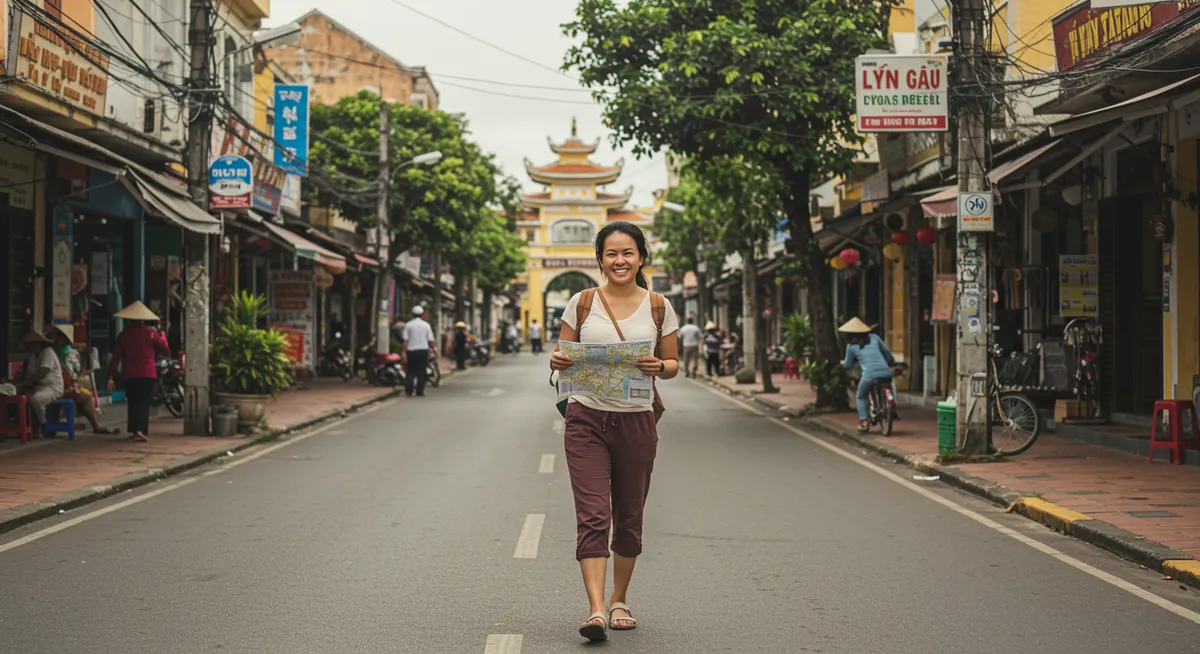
Vung Tau, with its stunning coastline, bustling markets, and historical landmarks, is a city best explored on foot. While free walking tours in Vung Tau offer an immersive experience, ensuring your safety and comfort is paramount. This guide provides practical tips and local insights to help you navigate Vung Tau’s charming streets securely and make the most of your adventure.
Key Tips and Takeaways
- Always prioritize hydration, especially in Vung Tau’s climate.
- Wear comfortable, supportive, and broken-in footwear.
- Be highly aware of motorbikes on sidewalks and when crossing roads.
- Protect yourself from the sun with a hat, sunscreen, and sunglasses.
- Carry small denominations of Vietnamese Dong for ease of transaction.
- Inform someone of your walking itinerary and expected return time.
- Respect local customs and dress modestly when visiting religious sites.
Before You Go: Pre-Tour Preparation
Before you even lace up your shoes for an unforgettable walking tour in Vung Tau, a little foresight and preparation can dramatically enhance your experience and, crucially, your safety. Think of this as your essential pre-adventure checklist!
Research Your Chosen Routes
Vung Tau offers a delightful mix of walking experiences, from leisurely beachfront strolls to more challenging ascents. Before you set out, thoroughly research your intended routes. Is it a gentle ramble along Front Beach (Bãi Trước) or a strenuous climb up the hundreds of steps to the Christ the King statue? Or perhaps the winding road to the iconic Vung Tau Lighthouse?
- Terrain & Elevation: Understand if you’ll be on paved promenades, uneven natural paths, or steep staircases. For instance, the path up Lighthouse Hill is paved but inclines steadily, while the Christ Statue involves numerous steps. Be aware of significant elevation changes.
- Distance: Estimate the total distance. What sounds like a short distance on a map can feel much longer in Vung Tau’s tropical heat and humidity.
Check Vung Tau’s Weather Forecasts
Vung Tau’s tropical climate means sunshine, humidity, and the occasional sudden downpour. Always check the weather forecast for your planned walking days. The dry season (November to April) generally offers more predictable sunshine, while the wet season (May to October) can bring heavy, albeit often short-lived, rains.
- Heat & Humidity: Plan walks for the cooler parts of the day – early mornings (before 9 AM) or late afternoons (after 4 PM) are ideal to avoid the midday sun.
- Rain: If rain is forecast, pack a lightweight rain jacket or a compact umbrella. Tropical showers can be intense but usually pass quickly.
Inform Someone of Your Itinerary
Even if you’re traveling with companions, it’s wise to let someone outside your immediate group know your plans. If you’re a solo traveler, this step is non-negotiable for your Vung Tau walking tour safety.
- Share Details: Tell a friend, family member, or your hotel reception staff your intended route, estimated start and end times, and when you expect to check back in.
- Keep Your Phone Charged: Ensure your mobile phone is fully charged before you leave and consider carrying a power bank.
Assess Your Physical Fitness
Vung Tau offers walks for all fitness levels, but some, like the hundreds of steps to the Christ the King statue or the winding road up Lighthouse Hill, require a decent level of stamina. Be honest with yourself about your current physical condition.
- Be Realistic: Don’t attempt a challenging climb if you haven’t been active recently, especially given Vung Tau’s heat and humidity, which can make even moderate walks feel more strenuous.
- Hydrate Adequately: Always carry plenty of water, regardless of the walk’s difficulty. Dehydration is a real risk in humid climates.
Consider Travel Insurance
While Vung Tau is generally a safe and welcoming destination, unexpected incidents can happen. Travel insurance is a smart investment for any trip abroad.
- Comprehensive Coverage: Ensure your policy covers medical emergencies, trip interruption/cancellation, and loss or theft of personal belongings.
- Peace of Mind: A good policy provides crucial financial protection and peace of mind should unforeseen circumstances arise during your Vung Tau adventure.
Taking these preparatory steps will lay a solid foundation for a safe, enjoyable, and truly memorable walking tour in Vung Tau.
What to Bring: Your Essential Packing List
Embarking on a Vung Tau walking tour offers an incredible way to experience its coastal charm, historical landmarks, and vibrant local life. To ensure your adventure is comfortable, safe, and utterly enjoyable, thoughtful preparation is key. Packing smart will allow you to fully immerse yourself without a hitch. Here’s your essential checklist for navigating Vung Tau on foot:
Hydration is Key: Reusable Water Bottle
Vung Tau’s tropical climate means constant heat and humidity. Staying hydrated is paramount. Carry a durable, reusable water bottle. While bottled water is widely available, an eco-friendly reusable option allows for constant sips and easy refills at cafes or your accommodation. Drink frequently, even if you don’t feel thirsty.
Beat the Heat: Sun Protection Essentials
The Vietnamese sun in Vung Tau is incredibly intense, especially in open areas like the Lighthouse or around the Jesus Christ Statue. Protect yourself with:
- Wide-Brimmed Hat: Offers comprehensive shade for your face, neck, and ears.
- High-SPF Sunscreen: Apply generously before heading out and reapply every few hours, especially if you’re sweating.
- UV-Protected Sunglasses: Essential for eye protection and glare reduction during sunny walks along the beaches or through the streets.
Footwear Focus: Comfortable, Broken-In Walking Shoes
This is arguably the most critical item. Vung Tau’s terrain varies from flat beachfront promenades to steep climbs up Small Mountain (Núi Nhỏ) and uneven city pavements. Opt for well-ventilated, comfortable walking shoes or sneakers that you’ve already broken in. New shoes are a recipe for blisters and discomfort.
Dress for Success: Light, Breathable Clothing
Given Vung Tau’s year-round warm temperatures, choose light, loose-fitting clothing made from breathable, quick-drying fabrics like cotton or linen. This helps manage sweat and keeps you cooler. Light colours that reflect sunlight are also a good choice. A respectful top is advisable if you plan to visit any temples or pagodas.
Prepared for Anything: Small First-Aid Kit
A compact first-aid kit can be a lifesaver for minor ailments. Include essentials like band-aids for blisters, antiseptic wipes for small cuts or scrapes, mild pain relievers, and insect repellent (mosquitoes are common, especially around dusk or in greener areas). Immediate care for common issues is invaluable.
Stay Connected & Charged: Power Bank for Devices
Your smartphone will serve as your camera, navigation, and communication tool. Between capturing Vung Tau’s scenic vistas and checking maps, your battery can drain quickly. A fully charged power bank is non-negotiable to keep your device powered throughout your day of exploration.
Navigate with Confidence: Offline Maps/GPS
Even with a local SIM card, mobile signals can occasionally be spotty in parts of Vung Tau. Before heading out, download offline maps of the Vung Tau area on Google Maps or a similar app. This ensures you can always find your way and locate attractions, even without an internet connection.
Local Transactions: Local Currency in Small Denominations
While larger establishments may accept cards, many local eateries, street food stalls, and small shops in Vung Tau prefer cash, specifically Vietnamese Dong (VND) in smaller denominations. Having 5,000 to 50,000 VND notes makes paying for a refreshing drink or a local souvenir much smoother and avoids issues with vendors breaking large bills.
Peace of Mind: Anti-Theft Bag
While Vung Tau is generally safe, practicing smart travel habits is always recommended. An anti-theft bag – such as a cross-body with secure zippers or slash-resistant material – provides an extra layer of security for your valuables. Keep your bag in front of you in crowded areas, ensuring your essentials are always within sight and reach.
Navigating Vung Tau: On-the-Ground Safety
🎯 Insider Tip: Discover the best Vung Tau experiences with Viator Tours!
Navigating Vung Tau on foot offers an authentic glimpse into local life, but it requires a keen awareness of your surroundings. Unlike cities with dedicated pedestrian zones, Vung Tau’s bustling streets present unique challenges. Embracing these dynamics, rather than fighting them, is key to a safe and enjoyable walking tour.
Pedestrian Awareness: Sidewalks and Motorbikes
Vung Tau’s sidewalks can be a mixed bag – sometimes wide and clear, other times narrow, uneven, or even non-existent. Adding to this, motorbikes frequently use pavements as extended roadways, especially during peak hours or when traffic is heavy. Always assume a motorbike could appear from any direction, even behind you on the sidewalk. Walk defensively, keep an eye out for obstacles (stray signs, food stalls, parked bikes), and be prepared to step onto the road temporarily if the sidewalk is impassable. It’s a dance, not a rigid pathway.
Mastering the Road Crossing Dance
Crossing roads in Vung Tau, particularly multi-lane thoroughfares like Le Hong Phong or Thuy Van, can seem daunting. The key is to walk slowly, steadily, and predictably. Vietnamese drivers are incredibly skilled at anticipating pedestrian movement; they’ll typically weave around you if you maintain a constant, unhurried pace. Avoid sudden stops, changes in direction, or darting across. Make eye contact with approaching drivers to signal your intent. While marked pedestrian crossings exist, they don’t always guarantee right-of-way, so proceed with caution. Embrace the “flow” – it’s a unique part of the Vietnamese urban experience.
Staying Visible and Alert
For enhanced safety, especially if your walking tour extends into the late afternoon or evening, consider wearing light-colored or bright clothing. This increases your visibility to drivers. More generally, practice situational awareness. While Vung Tau is a relatively safe city, like any popular tourist destination, petty crime can occur. Keep your valuables secure and out of sight. Carry your bag across your body, and avoid flashing expensive cameras or phones unnecessarily, particularly in crowded areas like markets or around the base of the Jesus Statue. Trust your instincts; if an area feels uncomfortable, find an alternative route.
Emergency Contacts and Basic Phrases
Before heading out, save essential emergency numbers on your phone. It’s also wise to have a copy written down in case your phone battery dies. Knowing a few basic Vietnamese phrases can be incredibly helpful in an emergency.
- Police: 113
- Medical Emergency: 115
- Fire: 114
- “Cứu!” (Coo!) – Help!
- “Tôi cần giúp đỡ.” (Toy kun gup duh.) – I need help.
- “Gọi cảnh sát!” (Goy cahn sat!) – Call the police!
- “Bệnh viện.” (Benh vee-en.) – Hospital.
Having your embassy or consulate’s contact information readily accessible is also a smart precaution. By taking these practical steps, you can confidently navigate Vung Tau’s vibrant streets and fully immerse yourself in its charm.
Weather Wisdom: Beating the Heat and Rain
Vung Tau’s tropical climate brings heat and humidity year-round, with distinct wet and dry seasons. Smart planning is key to comfortable and safe walking tours, meaning you need to know when to walk, what to wear, and what to carry.
Beat the Heat: Strategize Your Strolls and Stay Hydrated
- Optimal Walking Times: Embrace early morning (roughly 6:00 AM – 9:00 AM) or late afternoon (from 3:30 PM until sunset) for your walks. These times offer cooler temperatures and softer light, ideal for exploring Bai Sau beach, Nghinh Phong Cape, or the Vung Tau Lighthouse. Avoid the peak midday heat (10:00 AM – 3:00 PM) whenever possible.
- Hydration is Non-Negotiable: The humidity and heat mean you’ll sweat more than you think. Carry a large, reusable water bottle and refill it frequently. Bottled water is readily available at virtually every convenience store (`tạp hóa`) and street vendor. Don’t hesitate to pop into a local cafe for a refreshing iced coffee (`cà phê sữa đá`) or a glass of fresh sugarcane juice (`nước mía`) – these local delights not only quench your thirst but also offer a delightful cultural experience.
- Seek Shade and Take Breaks: Plan routes that incorporate shaded areas, such as tree-lined boulevards or paths alongside buildings. Vung Tau has numerous charming cafes (`quán cà phê`) – use them! They’re perfect for quick air-conditioned breaks, a chance to cool down, and observe local life. Consider bringing a small, portable fan if you’re particularly sensitive to heat.
- Dress for Success: Opt for light-colored, loose-fitting clothing made from breathable fabrics like cotton or linen. A wide-brimmed hat and sunglasses are essential for protecting yourself from the strong equatorial sun. Don’t forget to apply high-SPF sunscreen generously and reapply often, especially if you’re sweating.
Rainy Day Ready: Embracing the Monsoon
- Monsoon Preparedness: Vung Tau’s monsoon season, typically from May to October, often brings heavy but short tropical downpours. Don’t let this deter your plans; these showers can offer a refreshing break and clear the air. Be prepared by carrying a lightweight, compact rain poncho (widely available and affordable locally) or a small, sturdy umbrella. These are essential for staying dry.
- Be Flexible: If a sudden downpour hits, duck into the nearest cafe, shop, or restaurant. It’s a perfect excuse to try a new local snack or simply enjoy the moment until the rain passes. Vung Tau’s indoor attractions, like the Vung Tau Museum or local markets, can also be great alternatives on a particularly wet day.
- Footwear Choices: During the wet season, consider wearing water-resistant sandals or open-toed shoes that dry quickly. Avoid heavy sneakers or socks that can become waterlogged and uncomfortable.
By understanding Vung Tau’s weather patterns and preparing accordingly, you’ll ensure your walking tours are not just safe, but also incredibly enjoyable and memorable, rain or shine.
Local Insights & Cultural Courtesy
A Vung Tau walking tour isn’t just about seeing the sights; it’s an incredible opportunity to immerse yourself in the local culture. By understanding and respecting local customs, you’ll not only enhance your experience but also foster positive interactions with the welcoming people of Vung Tau.
Respecting Local Customs & Sacred Spaces
As you wander through Vung Tau, you’ll likely encounter numerous pagodas and temples, such as the serene Quan Am Cac or the magnificent Niet Ban Tinh Xa. These are sacred spaces, and showing respect is paramount:
- Dress Modestly: When visiting religious sites, ensure your shoulders and knees are covered. It’s advisable to carry a lightweight scarf or sarong in your daypack for spontaneous visits.
- Remove Shoes and Hats: Always remove your shoes and hats before entering the main prayer halls of pagodas or temples.
- Keep Quiet: Maintain a respectful quietness inside, especially if prayers or meditations are underway.
- Mind Your Feet: In Vietnamese culture, pointing with your feet is considered rude. Avoid pointing your soles towards people, altars, or statues.
- Photography: While many pagodas allow photography, always be discreet. If you wish to photograph monks or local people, politely ask for permission first. A simple smile and a gesture often suffice if language is a barrier.
Beyond religious sites, remember to be mindful of noise levels in residential areas and avoid public displays of affection, which are generally not common in Vietnam.
Understanding Local Gestures & Body Language
Non-verbal cues can tell you a lot! A gentle nod or slight bow is a common sign of acknowledgment or respect. When beckoning someone, locals typically wave their hand downwards with the palm facing down, rather than using an index finger pointed upwards, which can be seen as impolite. Personal space can be less defined in crowded areas, especially in markets or on busy sidewalks; don’t be offended if someone brushes past you. A warm smile, though, is universally understood and appreciated!
Basic Vietnamese Phrases for Interaction
Learning a few basic phrases goes a long way and often brings a smile to locals’ faces. Even a simple attempt shows respect:
- Hello: Xin chào (sin chow) – A universal greeting. For a more personal touch, you can add an age/gender suffix like chào anh (for an older man), chào chị (for an older woman), or chào em (for a younger person).
- Thank You: Cảm ơn (gam un) – Use this frequently!
- Excuse Me / Sorry: Xin lỗi (sin loy) – Useful for navigating crowds or if you accidentally bump into someone.
- Yes: Dạ (ya) – A polite way to say yes, especially when speaking to elders.
- No: Không (kong)
- How much?: Bao nhiêu? (bow nyew?) – Essential for market haggling.
- Can you help me?: Bạn có thể giúp tôi không? (ban co teh yoop toy kong?)
Asking for Help Safely
If you find yourself needing assistance or directions during your Vung Tau walking tour, approach hotel staff, reputable shop owners, or individuals who appear to be working in official capacities. In a pinch, younger locals might have some English proficiency. Always be wary of unsolicited offers of help from strangers, especially if they seem overly eager or steer you away from your intended path.
Food Safety Tips for Street Food Vendors
Vung Tau’s street food scene is a highlight, offering delicious and affordable local flavors. To enjoy it safely:
- Follow the Crowds: A busy stall is often a sign of good, fresh food and a high turnover, meaning ingredients are constantly replenished.
- Observe Hygiene: Before ordering, take a quick look. Does the vendor handle money and food separately? Are the cooking surfaces clean? Is the cutlery clean or disposable?
- Stick to Hot & Cooked: Opt for dishes that are cooked fresh and served piping hot. Avoid anything that looks like it’s been sitting out for a while.
- Bottled Water & Ice: Always drink bottled water. Be cautious with ice in drinks; clear, solid ice cubes are generally safer as they often come from purified water factories, whereas cloudy, hollow ones might be made from tap water.
- Washable Fruit: If buying fruit from a street vendor, choose items you can peel yourself (like bananas or oranges), or ensure they are thoroughly washed before consumption.
By keeping these cultural insights and practical tips in mind, your Vung Tau walking tour will be not only safe but also deeply enriching and memorable.
Making the Most of Your Vung Tau Walking Tour
A Vung Tau walking tour is an invitation to immerse yourself in the city’s unique coastal charm. To truly make the most of your adventure, approach it with an open mind and a spirit of discovery.
Embrace Spontaneity and Hidden Gems: Don’t be afraid to veer off course. Vung Tau is full of charming side streets and “hẻm” (alleys) leading to local markets or unassuming eateries. The area around Xom Luoi market, for instance, is a vibrant maze of authentic local life. Follow an interesting smell, listen to the chatter, or simply turn down a street that catches your eye. You might stumble upon a quiet pagoda or a lively seafood vendor not in any guidebook, offering a truly unique Vung Tau experience.
Interact Respectfully with Locals: Vung Tau residents are generally friendly and welcoming. A simple smile and a “Xin chào” (hello) go a long way. If taking a photo of someone, especially children or vendors, always ask permission first with a polite gesture or a “Cho tôi chụp ảnh được không?” (May I take a picture?). Supporting local vendors by buying a refreshing drink or snack is also a wonderful way to connect.
Practice Mindful Photography: Vung Tau offers incredible photo opportunities, from the Christ the King statue and panoramic Nghinh Phong Cape views to bustling fishing boats and colonial architecture. When capturing these moments, be mindful. Avoid blocking foot traffic, especially in busy market areas or on narrow sidewalks. Be particularly aware of scooters. Respect people’s privacy and ensure you’re not inadvertently photographing private residences without consent.
Take Regular Breaks and Hydrate: Vung Tau’s tropical climate means heat and humidity. Don’t push yourself too hard. Plan for regular breaks. Pop into a local quán cà phê (coffee shop) for a refreshing cà phê sữa đá (iced milk coffee) or a fresh coconut. These breaks offer a fantastic opportunity to people-watch and soak in the city’s relaxed pace. Always carry a reusable water bottle and refill it frequently.
Savor Local Cuisine Safely: One of Vung Tau’s greatest pleasures is its food. You must try bánh khọt (mini savory pancakes), fresh seafood, and perhaps some bún riêu (crab noodle soup). When enjoying street food, look for busy stalls with high customer turnover – this indicates freshness. Opt for bottled water and avoid ice if concerned about water quality. Embrace trying new flavors; it’s a vital part of your tour.
Appreciate the Slower Pace: Unlike bustling metropolises, Vung Tau has a more leisurely rhythm. Don’t try to cram too much into one day. Allow yourself the luxury of slow exploration. Sit on a bench at Front Beach, watch the boats, linger over a bowl of noodles, or simply observe daily life. This slower pace allows for deeper connections with the city and its people, transforming your walk into a truly enriching cultural immersion.
For a comfortable and enjoyable Vung Tau walking tour, remember these essentials:
- Comfortable Walking Shoes: Non-negotiable for varied terrain.
- Light, Breathable Clothing: Helps manage Vung Tau’s heat and humidity.
- Sun Protection: Hat, sunglasses, and high-SPF sunscreen are vital.
- Reusable Water Bottle: Stay hydrated throughout your exploration.
- Small Backpack: For water, snacks, sunscreen, and souvenirs.
- Local Currency (VND): Small denominations are best for street vendors and local eateries.
- Offline Map/Power Bank: For navigation and keeping your phone charged.
Frequently Asked Questions
🎯 Insider Tip: Discover the best Vung Tau experiences with Viator Tours!
Q: Is Vung Tau safe for solo female travelers walking?
A: Vung Tau is generally considered safe for solo female travelers. However, it’s always wise to exercise common sense: avoid walking alone in poorly lit or isolated areas at night, be aware of your belongings, and trust your instincts.
Q: How do I deal with Vung Tau traffic when walking?
A: Traffic can seem chaotic. When crossing, walk slowly and predictably, making eye contact with drivers. Don’t stop in the middle of the road. On sidewalks, be prepared for motorbikes driving on them or obstacles.
Q: What’s the best time of day to walk in Vung Tau?
A: The ideal times are early morning (before 9 AM) or late afternoon (after 4 PM) to avoid the midday heat and intense sun. These times also offer pleasant light for photography and often cooler breezes near the coast.
Q: Should I hire a local guide for a walking tour?
A: While not strictly necessary for all walks, a local guide can significantly enhance your experience. They provide invaluable cultural insights, help navigate complex areas, ensure safety, and lead you to hidden gems you might otherwise miss.
Q: Are sidewalks good for walking in Vung Tau?
A: Sidewalk conditions in Vung Tau vary. In some areas, they are well-maintained, but in others, they can be uneven, narrow, or obstructed by parked motorbikes, street vendors, or construction. Always be vigilant of your footing and surroundings.
Vung Tau truly comes alive when explored on foot. By following these practical safety tips and embracing local insights, you’ll not only navigate the city with confidence but also forge a deeper connection with its vibrant culture and breathtaking scenery. Lace up your shoes, prepare wisely, and embark on an unforgettable walking adventure in Vung Tau!