
Vung Tau Walks: Post-Tour Activities & Local Delights (2026)
Discover Vung Tau’s best post-walk activities: delectable seafood, relaxing spas, cultural gems, and vibrant nightlife. Your ultimate guide to enriching your walking tour experience in this coastal gem.
On this page
Vung Tau, with its captivating coastline, historical landmarks, and bustling local life, offers an invigorating canvas for walking tour enthusiasts. But the adventure doesn’t end when your feet hit the pavement. This guide is crafted to enhance your Vung Tau experience by providing comprehensive insights into the best post-tour activities, ensuring every stride is followed by an equally rewarding unwinding, cultural immersion, or culinary delight.
Key Tips and Takeaways
- Always stay hydrated during your Vung Tau walks and carry small denominations of Vietnamese Dong (VND).
- Embrace the local street food scene; it’s a culinary adventure and great value for money.
- Pre-book popular spa treatments or well-known seafood restaurants, especially during peak seasons.
- Utilize ride-hailing apps like Grab for convenient and safe transportation, especially after sunset.
- Don’t shy away from bargaining politely at local markets – it’s part of the experience!
- Allocate time for both active exploration and tranquil relaxation to truly savour Vung Tau.
Refueling Your Spirit: Vung Tau’s Culinary Delights
After a rewarding exploration of Vung Tau’s scenic walks, your body and soul will undoubtedly crave replenishment. Luckily, Vung Tau’s culinary scene is a vibrant tapestry of flavors, offering everything from exquisite seafood to comforting street food and aromatic coffee, perfect for refueling your spirit.
No culinary journey in Vung Tau is complete without diving into its famed seafood. The absolute must-try is Banh Khot, a savory mini pancake that is a true Vung Tau specialty. These crispy, golden bites are typically topped with fresh shrimp, scallions, and served with a generous plate of fresh herbs and leafy greens, which you use to wrap the pancakes before dipping them into a sweet and tangy fish sauce. You’ll find Banh Khot stalls buzzing with activity, especially in the evening, often identified by their rows of small, circular molds cooking over hot coals. Follow your nose and the crowds for the freshest ones!
For a more adventurous and hearty meal, consider trying Lau Ca Duoi, or Stingray Hotpot. This unique local dish features tender stingray meat cooked in a sour and spicy broth, often infused with bamboo shoots, taro, and local herbs. It’s a wonderfully communal experience, perfect for sharing with fellow travelers after a long walk. The rich, tangy flavors are incredibly comforting and truly showcase Vung Tau’s coastal culinary heritage.
Beyond the signature seafood, Vung Tau’s streets are a treasure trove of authentic Vietnamese street food. Wander through the bustling markets or along the main thoroughfares, and you’ll discover vendors offering delicious options like Banh Mi (Vietnamese baguette sandwiches), fresh spring rolls (Goi Cuon), and various grilled skewers. Don’t be shy; point to what looks good, and let the enticing aromas guide your choices. Street food is an integral part of the local experience, offering incredibly fresh and flavorful dishes at unbeatable prices.
To truly unwind and soak in the local ambiance, seek out one of Vung Tau’s charming cafes. Vietnamese coffee is renowned for its strength and distinctive flavor, and you can enjoy it in various forms. Opt for a classic Ca Phe Sua Da (iced coffee with condensed milk) for a sweet and energizing boost, or a robust Ca Phe Den Da (iced black coffee) if you prefer it strong. Many cafes also offer a delightful array of local desserts, such as che (sweet soup) or flan, perfect for a relaxing afternoon treat. These spots are excellent for people-watching and observing the rhythm of local life.
Practical Tips for Your Culinary Adventure:
- Embrace Street Food: Don’t be afraid to try food from street stalls. Look for places with a steady stream of local customers, as this is usually a good indicator of freshness and quality.
- Cash is King: While some larger restaurants accept cards, most street food vendors and smaller cafes prefer cash (Vietnamese Dong – VND).
- Hydrate: With Vung Tau’s tropical climate, remember to drink plenty of water throughout the day, especially after your walks.
- Ask for Recommendations: Locals are often happy to share their favorite eateries. Don’t hesitate to ask your hotel staff or friendly passersby for their top food picks.
- Taste and Share: Order a variety of dishes to share with your walking companions. It’s the best way to sample as much as possible!
Allow Vung Tau’s vibrant flavors to be an unforgettable part of your post-walk rejuvenation, leaving you fully satisfied and ready for your next adventure.
Relax & Rejuvenate: Unwinding Near the Coast
After a rewarding day exploring Vung Tau’s vibrant streets, historical landmarks, and scenic trails on foot, your body will undoubtedly be calling for some well-deserved rest. Thankfully, Vung Tau is perfectly equipped for rejuvenation, offering a sublime blend of coastal serenity, therapeutic treatments, and breathtaking natural spectacles. Let the ocean breeze and warm hospitality wash away any lingering fatigue.
Embrace the Coastal Calm: Beaches for Every Mood
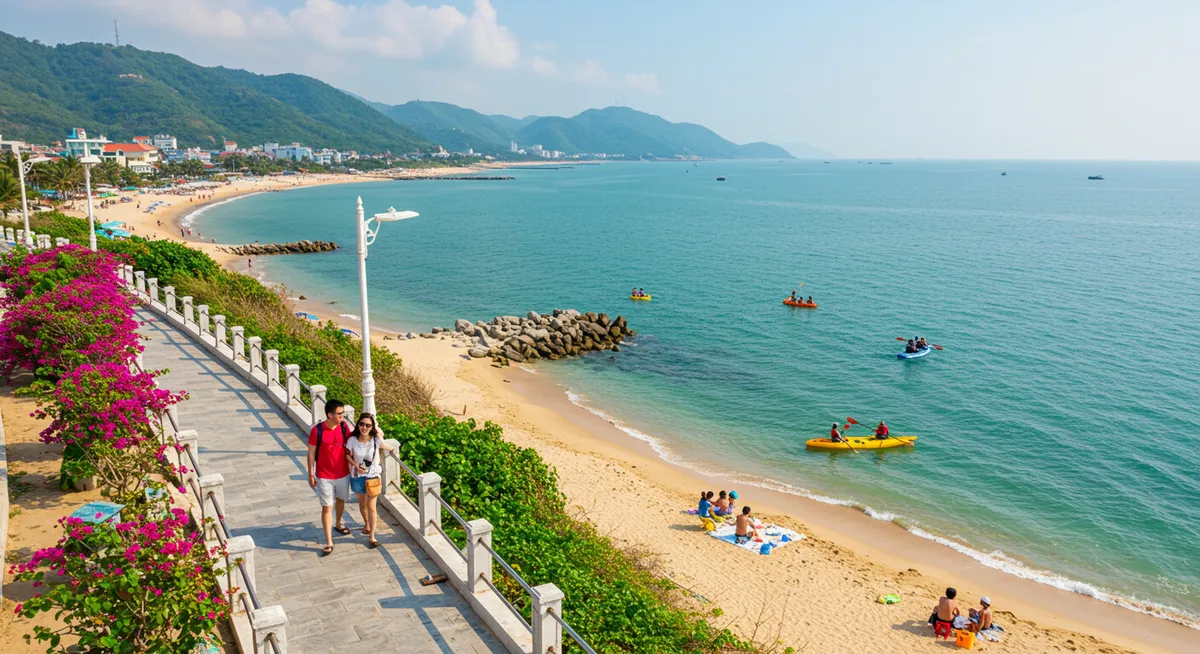
Vung Tau is famous for its stunning coastline, and a visit to one of its beaches is the quintessential post-tour activity. Whether you seek lively energy or tranquil seclusion, there’s a sandy stretch waiting for you.
- Back Beach (Bãi Sau/Thùy Vân): Vung Tau’s most popular and expansive stretch, Back Beach is ideal for swimming and sunbathing. Its long, wide sandy expanse is perfect for a leisurely post-walk dip in the refreshing waters. You’ll find plenty of beachfront vendors offering snacks, drinks, and chair rentals. It’s lively and popular, especially in the late afternoon.
- Front Beach (Bãi Trước): While less suitable for swimming due to fishing boat activity, Front Beach is an absolute delight for a relaxed evening stroll. This crescent-shaped bay is lined with charming cafes, restaurants, and lush parks, making it perfect for people-watching and enjoying the cool sea breeze as the city lights begin to twinkle.
- Pineapple Beach (Bãi Dứa/Bãi Hương Phong): Tucked away between Front and Back Beach, this smaller, more secluded cove offers a picturesque and tranquil escape. It’s less crowded, making it perfect for a quiet swim, enjoying the tranquil scenery, or simply meditating to the sound of gentle waves.
Practical Tip: Remember to pack sunscreen, a hat, and a towel. Early mornings or late afternoons (after 3 PM) are generally the best times to visit the beaches, avoiding the midday heat and the largest crowds.
Indulge in Rejuvenating Spa & Massage
Nothing unwinds tired muscles quite like a therapeutic massage. Vung Tau boasts numerous reputable spa and massage establishments, perfect for soothing your legs after extensive walking. Look for places offering traditional Vietnamese massage, which often incorporates deep tissue techniques and acupressure to release tension. Alternatively, opt for a relaxing hot stone or oil massage to truly de-stress. Many establishments specialize in excellent foot massages – a true blessing for tired walkers!
- Actionable Tip: Prioritize establishments with clear pricing menus and positive online reviews to ensure a quality and safe experience. Don’t hesitate to ask for a price list before committing to a service.
- Local Insight: Foot massages are very popular and affordable in Vung Tau, often starting from around 100,000 VND (approx. $4 USD) for an hour.
Witness Breathtaking Sunset Spectacles
As dusk approaches, Vung Tau transforms, offering some truly spectacular sunset views. Find an elevated vantage point to witness the sky ablaze with vibrant hues as the sun dips below the horizon.
- Vung Tau Lighthouse (Hải Đăng Vũng Tàu): Perched atop Small Mountain (Núi Nhỏ), the iconic Vung Tau Lighthouse offers arguably the most panoramic sunset views in the city. The winding road or steps up provide a gentle pre-sunset walk, rewarding you with sweeping vistas of the city, coastline, and the shimmering South China Sea.
- Jesus Christ Statue (Tượng Chúa Kitô Vua): While requiring a climb of nearly 1,000 steps, reaching the arms of the colossal Christ statue before sunset is an unforgettable experience. From this elevated vantage point, you’ll witness a breathtaking display of colors painting the sky and the city below. Be sure to check the statue’s opening hours, as access is limited.
Sunset Pro Tip: Arrive at your chosen spot at least 30-45 minutes before the official sunset time to secure a good viewing position and enjoy the pre-show. Alternatively, many beachfront restaurants and cafes along Back Beach offer fantastic sunset dining experiences without the need for a climb, providing a relaxed end to your day.
Immerse in Culture & History: Beyond the Beaten Path
🎯 Insider Tip: Discover the best Vung Tau experiences with Viator Tours!
Once your legs have enjoyed the invigorating challenge of Vung Tau’s scenic walks, it’s time to shift gears and truly immerse yourself in the city’s rich tapestry of culture and history. Beyond the panoramic vistas, Vung Tau offers profound insights into its past, from colonial grandeur to spiritual tranquility, perfect for winding down after an active morning or dedicating a relaxed afternoon to deeper exploration.
White Palace (Bach Dinh)
Perched elegantly on the slopes of Large Mountain, a short, pleasant walk or quick Grab ride from the city center, the White Palace, or Bach Dinh, is a captivating relic of Vung Tau’s colonial past. Built by the French as a summer residence for Governor-General Paul Doumer, it later served as a retreat for Emperor Bao Dai and President Ngo Dinh Diem. As you stroll through its impeccably maintained gardens, admire the French colonial architecture, and browse the collection of Nguyen Dynasty artifacts, you’ll gain a tangible sense of the opulence and power that once shaped this region. The modest size allows for an easy, contemplative exploration, offering fantastic views of Front Beach below.
Vung Tau Lighthouse & Christ the King Statue (Post-Climb Reflection)
While the climb to these iconic landmarks atop Small Mountain is a core part of many free walking tours in Vung Tau, the true cultural immersion happens when you pause to reflect on their significance. The Vung Tau Lighthouse, built by the French in 1907, isn’t just a beacon; it’s a testament to maritime history and colonial engineering. Take a moment to appreciate its enduring purpose and the unparalleled 360-degree views it provides, stretching from the city skyline to the vast South China Sea. Similarly, standing at the base of the majestic Christ the King Statue, you’re not just admiring its scale; you’re engaging with a powerful symbol of faith for many Vietnamese. Consider the journey to its summit as a pilgrimage, and the views from its arms as a spiritual reward, offering a unique perspective on the city’s layout and spiritual heart.
Thich Ca Phat Dai Pagoda
For a dose of spiritual serenity and architectural beauty, make your way to Thich Ca Phat Dai. Nestled peacefully on the side of Big Mountain, this expansive Buddhist complex is more than just a pagoda; it’s a tranquil sanctuary composed of several temples, gardens, and statues, including a towering white statue of Buddha. The walk around its grounds is gentle and contemplative, allowing you to absorb the peaceful atmosphere and intricate details of the pagodas. It’s an excellent place to experience local religious life, observe devotees, and enjoy quiet moments amidst beautifully landscaped surroundings. Remember to dress modestly (shoulders and knees covered) and remove your shoes before entering any temple buildings as a sign of respect.
Local Museums for Deeper Insights
To truly piece together Vung Tau’s narrative, consider dedicating time to its local museums. While Vung Tau may not boast a plethora of large-scale museums, smaller establishments or cultural centers often focus on specific aspects like maritime history, the city’s role during the Vietnam War, or local customs. These venues offer a deeper dive into the socio-political fabric of the region, providing context to the sights you’ve explored on foot. They are perfect for a cooler, indoor activity after a warm walk, allowing you to absorb information at a relaxed pace and connect the historical dots.
Actionable Tips for Cultural Immersion:
- Combine Transport: While walking is key, use Grab (taxi/bike) for longer distances between cultural sites, especially if your legs are tired from earlier climbs.
- Respectful Attire: Always carry a light scarf or shawl for modesty when visiting religious sites like pagodas.
- Go Beyond the Surface: Don’t just tick off sites; take time to read information boards, observe local interactions, and reflect on the historical context.
- Hydrate & Recharge: Keep water handy, and don’t hesitate to find a local coffee shop or eatery near cultural sites for a refreshing break.
Evening Entertainment & Local Buzz
As the sun dips below the horizon, painting the Vung Tau sky with vibrant hues, your walking adventures don’t have to end. Vung Tau truly comes alive after dark, offering a delightful array of evening entertainment and a palpable local buzz that invites you to continue exploring on foot. From the tantalizing aromas of street food to the gentle clinking of glasses in a local bar, the city transitions into a captivating nocturnal playground perfect for unwinding after a day of sightseeing.
One of the most essential Vung Tau evening experiences is a visit to its vibrant night markets. The most popular and easily walkable is the Vung Tau Night Market (Chợ Đêm Vũng Tàu), located near Bãi Sau (Back Beach). As you stroll through, prepare for a sensory overload: the sizzle of grilling seafood, the chatter of vendors, and the kaleidoscope of local crafts. This is your prime spot for a street food odyssey.
- Street Food Feast: Don’t miss the incredibly fresh, affordable seafood, grilled right before your eyes. Look for local specialties like Bánh Khọt (miniature savory pancakes), Bún Hải Sản (seafood noodle soup), and various skewers. It’s a fantastic opportunity to sample authentic Vietnamese flavors in a lively atmosphere.
- Shopping & Souvenirs: Beyond food, the market offers a range of clothing, accessories, and unique souvenirs, from handcrafted items to quirky Vung Tau-themed trinkets. Practice your bargaining skills politely for the best deals!
- Practical Tip: Go hungry! The market gets busy, especially on weekends, so be prepared for crowds. Wear comfortable shoes, as you’ll be doing a fair bit of standing and browsing.
For those looking to unwind with a refreshing drink, Vung Tau boasts a selection of local bars and pubs catering to various moods. The areas around both Bãi Sau (Back Beach) and Bãi Trước (Front Beach) offer pleasant options. You’ll find relaxed beachfront bars where you can enjoy a cold Vietnamese beer (like Bia Saigon or 333) with the sound of the waves, or more intimate local spots perfect for people-watching.
- Beachfront Chill: Numerous casual bars dot the promenade along Bãi Sau. These are ideal for a post-dinner drink, offering open-air seating and a breezy ambiance. Some might even have live acoustic music.
- Local Watering Holes: Venture slightly off the main tourist strips, and you’ll discover smaller, authentic Vietnamese pubs where locals gather. These offer a more genuine insight into Vung Tau’s social scene and are usually very welcoming.
- Safety Note: While generally safe, always be aware of your surroundings, especially when walking late at night. Consider using ride-hailing apps like Grab if your chosen spot is a long walk from your accommodation.
While Vung Tau isn’t renowned for grand theatrical performances like some larger Vietnamese cities, its unique evening cultural experience lies in its relaxed, seaside ambiance and the simple joy of local life unfolding. Take an evening stroll along the illuminated promenade of Bãi Trước, where families gather, street performers entertain, and couples enjoy the cool breeze. You might encounter impromptu local karaoke sessions or groups of friends sharing stories over iced coffee. Observing this unscripted local buzz is a cultural immersion in itself.
Another option is to visit the Jesus Christ Statue (Tượng Chúa Kitô Vua) or the Vung Tau Lighthouse just before sunset or after dark. While the climb to the statue closes by late afternoon, the base area and surrounding paths offer stunning city lights views. The lighthouse, accessible by a scenic walk, provides panoramic nighttime vistas of the city and coastline, a truly memorable way to cap off your Vung Tau walking tour.
Practical Tips for Post-Tour Exploration
As your Vung Tau walking adventure concludes, a few practical tips will ensure your post-tour transitions are as smooth and enjoyable as the walk itself, whether you’re heading to dinner, back to your hotel, or continuing to explore.
Navigating Vung Tau: Your Transport Options
- Grab (Ride-Hailing App): Your go-to for convenient and affordable transport in Vung Tau. Grab operates extensively for both cars (GrabCar) and motorbikes (GrabBike), with GrabBike often being cheaper for solo travelers. The app is user-friendly, shows fixed fares, and has an English interface, making it perfect for getting around seamlessly.
- Taxis: Reputable taxi companies like Mai Linh (green) and Vinasun (white) are widely available. Always opt for metered taxis to ensure fair pricing. You can easily flag them down on main roads, especially near tourist spots like the beachfront.
- Motorbike Rentals: For independent exploration, renting a motorbike offers flexibility (typically VND 100,000-150,000/day). Ensure you have an international driving permit and wear a helmet (mandatory). While Vung Tau traffic is less chaotic than Ho Chi Minh City, drive cautiously, especially on coastal roads.
Safety and Awareness: Keeping You Secure
Vung Tau is generally a safe and welcoming city. However, exercising standard travel precautions is always wise:
- Personal Belongings: Keep an eye on your valuables, especially in crowded areas like local markets or busy streets. A cross-body bag is often recommended.
- Nighttime Safety: Stick to well-lit and populated areas after dark. If heading back late from dinner or a bar, it’s advisable to take a Grab or a reputable taxi rather than walking long distances on deserted streets.
- Traffic Awareness: After enjoying a leisurely walk, remember that Vung Tau’s traffic, particularly motorbikes, can be busy. When crossing streets, make eye contact with drivers and walk confidently.
A Few Vietnamese Phrases Go a Long Way
While many in the tourism sector speak English, knowing a few basic Vietnamese phrases will enhance your interactions and show respect for the local culture. Locals genuinely appreciate the effort!
- Hello: Xin chào (sin chow)
- Thank you: Cảm ơn (gam un)
- Excuse me/Sorry: Xin lỗi (sin loy)
- How much?: Bao nhiêu tiền? (bow nyew tee-en?)
Currency Essentials: Cash vs. Card
Vietnam’s currency is the Vietnamese Dong (VND). Here’s how to manage your money in Vung Tau:
- Cash is King (for smaller transactions): Essential for street food vendors, local markets, small shops, and many cafes. Always carry smaller denominations (e.g., 10,000, 20,000, 50,000 VND notes) for convenience. ATMs are widely available.
- Cards for Larger Purchases: Major credit cards (Visa, Mastercard) are accepted at most hotels, larger restaurants, supermarkets, and upscale souvenir shops. Be aware that some establishments might add a 2-3% surcharge for card payments. Carrying cash as a backup is always recommended.
With these practical tips, you’re well-equipped to transition from your Vung Tau walking tour into further exploration, ensuring a seamless and enjoyable continuation of your adventure in this charming coastal city.
Integrating Walks with Post-Tour Plans: Sample Itineraries
One of the true joys of a Vung Tau walking adventure is the seamless transition from invigorating exploration to delightful relaxation and cultural immersion. By thoughtfully integrating your walking routes with complementary post-tour activities, you can craft truly memorable days. Here are some sample itineraries designed to help you maximize your Vung Tau experience, blending physical activity with the city’s unique charm.
Sample Itinerary 1: Morning Mountain Ascend & Seafood Bliss
- The Walk: Start your day bright and early with a rewarding climb up Small Mountain (Nui Nho) to the iconic Jesus Christ Statue. This involves a challenging but well-maintained series of steps, offering panoramic views of Vung Tau as you ascend. Aim to begin around 7:00 AM to enjoy cooler temperatures and the soft morning light, perfect for photography. The full ascent and descent, including time at the statue, takes approximately 1.5 to 2 hours.
- Post-Tour Activity: After conquering the mountain, your reward is a well-deserved seafood feast. Vung Tau is renowned for its fresh catches. Head towards Bai Sau (Back Beach) and explore the array of local seafood restaurants along Thuy Van Street or the smaller, more authentic spots tucked away on side streets off Hoang Hoa Tham. Indulge in grilled scallops, steamed crab, or a traditional hot pot.
- Relaxation: Following your meal, the proximity of Bai Sau makes it ideal for a leisurely afternoon. Rent a beach chair, enjoy a refreshing swim in the South China Sea, or simply relax under a parasol, soaking in the coastal atmosphere. This combination offers a perfect balance of exertion and repose.
- Practical Tip: Wear sturdy walking shoes for the mountain climb and bring plenty of water. For seafood, don’t be afraid to point at the fresh catches in the tanks and ask for recommendations on how they’re best prepared.
Sample Itinerary 2: Afternoon Coastal Stroll & Night Market Delights
- The Walk: As the afternoon heat begins to wane, embark on a picturesque stroll along the Front Beach (Bai Truoc) promenade. This flat, easy walk offers charming views of fishing boats and the city skyline. Extend your walk towards the Vung Tau Lighthouse, a moderate uphill climb that rewards you with stunning 360-degree vistas of the city and coastline, especially as sunset approaches. This walk can take 1.5 to 2.5 hours, depending on your pace and time spent at the lighthouse.
- Post-Tour Activity: After soaking in the sunset from the lighthouse or a nearby café, make your way to the bustling Vung Tau Night Market (Cho Dem Vung Tau), typically located near Bai Sau. This vibrant market is a sensory delight, offering an incredible array of street food, fresh seafood grills, and local snacks. It’s the perfect spot to grab a casual, authentic dinner.
- Cultural Immersion: Wander through the market, sampling different dishes like banh khot (miniature savory pancakes), grilled skewers, or fresh fruit shakes. Experience the lively local atmosphere as you mingle with both tourists and residents.
- Practical Tip: Time your lighthouse visit to coincide with the golden hour for spectacular sunset photos. At the night market, pace yourself to try a variety of dishes, and don’t hesitate to ask about ingredients if you have dietary restrictions.
Sample Itinerary 3: Scenic Cape & Riverside Serenity
- The Walk: Explore the captivating Nghinh Phong Cape, a stunning headland offering dramatic sea views and a refreshing breeze. You can walk along the pathways leading to the “Gate to Heaven” archway, a popular photo spot, and descend towards the “Pineapple Beach” (Bai Dua) below. For those seeking more spiritual insight, a short walk or Grab ride from the cape can take you to Thich Ca Phat Dai, a beautiful Buddhist temple complex built into the mountain. This walk offers flexibility, lasting 1.5 to 3 hours depending on how much you explore.
- Post-Tour Activity: Following your coastal and cultural exploration, unwind with a tranquil dinner along the Dinh Co River. Vung Tau boasts several charming riverside restaurants that offer a different ambiance from the bustling beach areas. Enjoy fresh seafood or local Vietnamese specialties with views of fishing boats and the city lights reflecting on the water.
- Relaxation: The riverside dining experience is typically more relaxed and less frenetic, providing a peaceful conclusion to your day. Consider lingering over a Vietnamese coffee or a local craft beer as you enjoy the gentle evening breeze.
- Practical Tip: Wear comfortable sandals or shoes as parts of the cape can be rocky. If visiting Thich Ca Phat Dai, remember to dress modestly (shoulders and knees covered) out of respect for the sacred site. Confirm temple opening hours in advance.
Expert Local Insights for the Savvy Traveler
🎯 Insider Tip: Discover the best Vung Tau experiences with Viator Tours!
To truly unlock Vung Tau’s charm on foot, embracing local insights will elevate your walking experience from good to unforgettable. Think like a local, live like a local, and you’ll discover the city’s authentic pulse.
Optimal Timing for Your Vung Tau Walks
- Best Time of Day: Vung Tau can get quite warm. For comfortable exploration, plan your longer walks for the early morning, ideally just after sunrise (around 6:00 AM – 8:00 AM), or in the late afternoon as the sun begins to set (from 4:00 PM onwards). These times offer cooler temperatures, beautiful soft light for photography, and a chance to witness local life unfold, from morning exercises along the promenade to bustling evening markets.
- Best Time of Year: The dry season, from November to April, is generally the most pleasant for walking in Vung Tau. Expect sunny days and lower humidity. While the rainy season (May to October) brings refreshing showers, they can be unpredictable and might interrupt your walking plans. Avoid major Vietnamese public holidays (like Reunification Day on April 30th or National Day on September 2nd) if you prefer fewer crowds, as Vung Tau is a popular domestic getaway.
Unearthing Vung Tau’s Culinary Secrets
Beyond the popular seafood restaurants along the beaches, Vung Tau holds a treasure trove of authentic, often family-run eateries that are perfect for a post-walk refuel. Don’t be shy to venture down narrow alleys; that’s where the magic happens:
- Bánh Khọt Perfection: This is Vung Tau’s signature dish – mini savory pancakes. While many places serve it, seek out smaller, less flashy spots like Bánh Khọt Gốc Vú Sữa (though it’s popular, its quality is high) or smaller, unnamed stalls tucked away on local streets around the Xóm Lưới Market area. They often use charcoal stoves, giving the cakes a distinct smoky flavor.
- Lẩu Cá Đuối (Stingray Hotpot): A local favorite, especially for dinner. Head to Lẩu Cá Đuối Hoàng Minh for a consistently good bowl of this tangy, flavorful hotpot. It’s a true Vung Tau experience.
- Street Food Alleys: Explore the small lanes branching off the main roads, particularly around the Vung Tau Market (Chợ Vũng Tàu). You’ll find vendors selling delicious *bánh mì*, *hủ tiếu*, *cơm tấm*, and a variety of refreshing drinks like *nước sâm* (herbal tea). These are excellent quick bites during your walks.
Discovering Serene, Less-Crowded Paths
While Front Beach (Bãi Trước) and Back Beach (Bãi Sau) are popular, Vung Tau offers quieter spots for a more tranquil walking experience:
- Lighthouse Walk (Hải Đăng): Ascending to the lighthouse offers stunning panoramic views. While it can get busy, going early in the morning allows for a peaceful walk up the winding road, with fewer motorbikes and tourists.
- Hòn Bà Island (Đảo Hòn Bà): At low tide, a natural stone bridge emerges, connecting the mainland to Hòn Bà Island, home to a small temple. Check tide schedules and walk across. It’s a unique, spiritual experience and a less-trodden path, especially on weekdays.
- The Small Mountain (Núi Nhỏ) Backside: Instead of just the main Jesus Statue path, explore the roads and alleys on the quieter, less developed side of Núi Nhỏ (Small Mountain), away from the main tourist beach areas. You’ll find local homes, small guesthouses, and serene views.
- Residential Alleys: Wander through the residential areas set back from the main beaches. You’ll gain an authentic glimpse into local life, see vibrant street art, and discover charming little cafes.
Respectful Interaction: Tips for the Savvy Walker
Engaging respectfully with locals enriches your travel experience significantly:
- Dress Modestly: Especially when visiting pagodas, temples, or religious sites, ensure your shoulders and knees are covered. This shows respect for local customs.
- Basic Vietnamese Phrases: A simple “Xin chào” (hello) and “Cám ơn” (thank you) go a long way. Locals appreciate the effort, even if your pronunciation isn’t perfect.
- Bargaining Etiquette: In markets, light bargaining is expected but always keep it polite and friendly. Smile, and be prepared to walk away if the price isn’t right.
- Photography Courtesy: Always ask for permission before taking photos of people, especially children. A simple gesture or “Chụp hình được không?” (Can I take a photo?) is appreciated.
- Support Local: Choose local street food vendors, small family-run shops, and independent guides. Your contribution directly benefits the community.
Frequently Asked Questions
Q: What are the best seafood dishes to try in Vung Tau after a long walk?
A: After a rewarding walk, you must try ‘Banh Khot’ (mini savoury pancakes), ‘Lau Ca Duoi’ (stingray hotpot), fresh grilled seafood (oysters, prawns), and ‘Goi Ca Mai’ (mai fish salad). Look for local eateries away from the main tourist strips for authentic flavours.
Q: Is it safe to walk around Vung Tau at night, and what are good post-sunset activities?
A: Generally, Vung Tau is safe for walking at night, especially in well-lit areas like the promenade and around major tourist spots. After sunset, consider visiting the night markets for shopping and street food, enjoying a drink at a beachfront bar, or simply strolling along Bai Sau (Back Beach) to enjoy the cool breeze.
Q: How can I best integrate a walking tour with relaxation activities in Vung Tau?
A: Plan your walks for early morning or late afternoon to avoid the midday heat. After a morning climb (e.g., to Jesus Statue or Lighthouse), cool off with a swim at Bai Sau, then enjoy a leisurely seafood lunch. In the afternoon, explore the promenade, followed by a relaxing traditional Vietnamese massage and a sunset view.
Q: What transportation options are best for getting to post-tour activities from my walking route?
A: For convenience and reliability, Grab (car or motorbike taxi) is highly recommended and widely used. Traditional taxis are also readily available. For shorter distances, cyclos (pedicabs) can offer a unique experience, though ensure to agree on a price beforehand. Many points of interest in central Vung Tau are also walkable from each other.
Vung Tau invites you not just to walk its charming streets and climb its scenic peaks, but to truly live its vibrant rhythm. By seamlessly integrating your walking tours with the city’s incredible post-tour offerings – from fresh seafood feasts to rejuvenating spa treatments and cultural discoveries – you’ll create a holistic travel experience. So, lace up your boots, explore to your heart’s content, and then dive into the myriad of delights that await you in this beautiful coastal gem. Happy walking, and even happier unwinding!