
Best Time for Vung Tau Walking Tours | Ultimate Guide (2026)
Discover the ideal seasons and times of day for Vung Tau walking tours. Get expert tips, practical advice, and local insights for an unforgettable on-foot exploration of this Vietnamese coastal city.
On this page
Vung Tau, a charming coastal city just a short drive from Ho Chi Minh City, offers more than just beautiful beaches and fresh seafood. Its unique blend of French colonial architecture, vibrant markets, iconic landmarks, and stunning ocean views makes it an incredibly rewarding destination for those who love to explore on foot. This comprehensive guide will help you pinpoint the absolute best time for Vung Tau walking tours, ensuring you maximize your comfort, enjoyment, and cultural immersion.
Key Tips and Takeaways
- Aim for Vung Tau’s dry season (November-April) for the most comfortable walking conditions.
- Plan your walks for early mornings or late afternoons to avoid midday heat and sun.
- Prioritize hydration and sun protection, regardless of the season.
- Wear comfortable, supportive footwear suitable for varied terrain (pavement, stairs, sand).
- Embrace local food and drink stops as part of your walking adventure.
- Be aware of motorbike traffic, especially when crossing streets.
- Consider using Grab or local taxis to link longer walking segments or for a quick cool-down.
Why Vung Tau is a Walker’s Paradise
Vung Tau, with its unique blend of bustling city life, serene beaches, and dramatic hillsides, is an absolute dream for the adventurous walker. While motorbikes might dominate the roads, truly experiencing the city’s charm means lacing up your shoes and exploring on foot. It’s not just a way to get around; it’s the very best way to connect with the authentic rhythm of this coastal gem.
Walking through Vung Tau allows for an unparalleled level of intimate cultural immersion. You’ll find yourself naturally slowing down, noticing the intricate details of colonial-era architecture nestled beside modern storefronts. Discover hidden alleys brimming with local life – a spontaneous street food stall serving up delicious bánh khọt, a family-run coffee shop brewing robust Vietnamese coffee, or vibrant local markets where the scent of fresh seafood and tropical fruits fills the air. These are the moments you miss when whizzing by, but they become the most memorable parts of your Vung Tau journey when explored at a pedestrian pace.
Many of Vung Tau’s most iconic attractions are best, or even exclusively, accessed on foot. The majestic Christ the King statue, for instance, requires an ascent of over 1,000 steps. While challenging, the climb itself is part of the experience, offering ever-expanding panoramic views of the city and coastline with each step. Similarly, the historic Vung Tau Lighthouse, perched atop Nui Nho (Small Mountain), is reached via a charming, winding paved path. The walk provides stunning photo opportunities at every turn, culminating in breathtaking vistas from the lighthouse itself. Beyond these landmarks, a leisurely stroll along the Front Beach (Bai Truoc) promenade or exploring the quiet lanes around the various temples and pagodas offers different facets of Vung Tau’s allure.
The city’s unique topography, with its dramatic hills meeting the sea, makes walking an incredibly rewarding experience. Imagine feeling the sea breeze on your face as you walk along coastal roads, or discovering elevated viewpoints that offer sweeping perspectives of both the bustling city and the tranquil ocean. This interplay of urban landscape and natural beauty is best appreciated when you can pause, breathe, and soak it all in. From the bustling energy of Back Beach (Bai Sau) to the tranquil coves, each step reveals a new dimension of Vung Tau’s charm.
Practical Tips for Your Vung Tau Walking Adventure:
- Footwear is Key: Comfortable, sturdy walking shoes are non-negotiable, especially if you plan to tackle the stairs to Christ the King or the climb to the Lighthouse.
- Stay Hydrated: Vung Tau can be hot and humid. Carry plenty of water, especially during midday walks. You’ll find plenty of small shops and vendors for refills.
- Sun Protection: A hat, sunglasses, and high-SPF sunscreen are essential to protect against the strong tropical sun.
- Pace Yourself: Don’t try to see everything at once. Break your walks into manageable sections, allowing time for breaks, refreshments, and spontaneous discoveries.
- Embrace the Detour: Some of the best discoveries are made by wandering off the main path. Keep an open mind and a sense of adventure!
By choosing to explore Vung Tau on foot, you’re not just seeing the city; you’re truly living it. It’s an immersive, healthy, and incredibly rewarding way to uncover the heart and soul of this captivating Vietnamese coastal destination.
Understanding Vung Tau’s Climate: A Seasonal Overview
Understanding Vung Tau’s distinct tropical monsoon climate is key to planning the most enjoyable walking tour experiences. The city experiences two primary seasons: a pronounced dry season and a more humid rainy season, each offering unique considerations for exploration on foot.
The Dry Season: November to April
Often considered the prime time for Vung Tau walking tours, the dry season brings consistently sunny skies and comfortable temperatures. From November through February, you’ll find the weather at its most pleasant, with average temperatures hovering between a delightful 24-28°C (75-82°F) and lower humidity levels. March and April see a gradual increase in heat, reaching averages of 28-32°C (82-90°F), particularly around midday.
Walking Tour Insights for the Dry Season:
- Ideal Conditions: Clear visibility, less chance of interruptions from rain, and generally more comfortable for extended walks to attractions like the White Palace or up Nui Nho Mountain for panoramic views.
- Practical Advice:
- Hydration is paramount: Even with lower humidity, the tropical sun can be intense. Carry plenty of water.
- Sun Protection: A wide-brimmed hat, sunglasses, and high-SPF sunscreen are non-negotiable.
- Early Starts: To beat the peak midday heat, especially in March and April, plan your longer walks for early mornings (before 9 AM) or late afternoons (after 4 PM).
- Clothing: Opt for lightweight, breathable fabrics that wick away moisture.
The Rainy Season: May to October
While often associated with “rain,” Vung Tau’s rainy season doesn’t mean non-stop downpours. Instead, you’ll typically encounter short, heavy tropical showers, often in the afternoon or evening, with plenty of sunshine in between. Temperatures during this period are slightly warmer, averaging 26-32°C (79-90°F), and humidity levels are significantly higher, which can make it feel muggier.
Walking Tour Insights for the Rainy Season:
- Lush Scenery: The landscape truly comes alive, appearing greener and more vibrant after the rains. Often, attractions are less crowded.
- Practical Advice:
- Be Prepared for Showers: Always carry a lightweight poncho or a compact umbrella. It’s common to duck into a café for 30 minutes while a shower passes.
- Footwear Matters: Choose quick-drying shoes or sandals with good grip, as streets can become slick. Avoid heavy, non-waterproof materials.
- Flexibility is Key: Check local weather forecasts frequently and be prepared to adjust your walking plans. Consider shorter morning walks and indoor activities during peak rain times.
- Mosquito Repellent: With increased humidity and moisture, mosquitoes can be more prevalent, especially in the evenings.
- Embrace the Refreshment: A post-rain cool-down can be incredibly refreshing after a humid walk.
Regardless of the season, Vung Tau’s charm is always present. By understanding its climate and preparing accordingly, you’ll ensure a comfortable and memorable walking tour experience.
The Dry Season (November – April): Vung Tau’s Prime Walking Window
🎯 Insider Tip: Discover the best Vung Tau experiences with Viator Tours!
For any avid walker eyeing Vung Tau, the dry season, stretching from November to April, isn’t just a good time to visit – it’s the prime window for truly exceptional walking tour experiences. This period ushers in a significant shift in weather patterns, making the city a delight to explore on foot.
The most immediate and welcome change is the cooler, more comfortable temperatures. Gone is the intense, humid heat of the wet season. During the dry months, Vung Tau typically enjoys daytime temperatures hovering between a pleasant 25-30°C (77-86°F), often accompanied by refreshing sea breezes. Coupled with significantly lower humidity levels, walking becomes a genuinely enjoyable activity rather than a sweaty endurance test. Imagine strolling along Bai Truoc (Front Beach) or navigating the charming streets of the Old Quarter without the oppressive stickiness, allowing you to fully appreciate the local sights, sounds, and smells.
Another major advantage for walkers is the minimal rainfall and consistently clearer skies. With fewer sudden downpours interrupting your plans, you can embark on longer, more uninterrupted explorations. The skies are often a brilliant azure, offering superb visibility for iconic Vung Tau landmarks. This is particularly crucial for walks involving panoramic views, such as the ascent to the Christ the King statue on Nui Nho (Small Mountain), where the breathtaking coastal vistas are at their most spectacular, or a leisurely climb up to the Vung Tau Lighthouse for commanding views over the city and sea.
For optimal comfort and visibility, we highly recommend targeting the months of December to February. These tend to be the coolest and driest months within the season, making them ideal for ambitious walking itineraries. You’ll find the air crisp, the sun welcoming, and the conditions perfect for long rambles along the beaches, through local markets, or up Vung Tau’s scenic hills.
Regarding the general atmosphere and tourist crowds, the dry season naturally attracts more visitors, especially during holidays like Christmas, New Year (both Western and Lunar/Tet), and other public holidays. Vung Tau becomes a vibrant hub during these times, bustling with both domestic and international tourists. While certain popular spots might see higher foot traffic, the city is expansive enough to absorb the crowds. For a more tranquil walking experience, consider starting your tours in the early morning (before 9 AM) or in the late afternoon (after 4 PM), when the heat is softer and many day-trippers have departed. This also allows you to witness the city’s lively awakening or its beautiful sunset glow.
Actionable Tips for Dry Season Walking Tours:
- Hydration is Key: Even with cooler temperatures, Vung Tau’s sun is strong. Carry plenty of water.
- Sun Protection: Don’t forget sunscreen, a wide-brimmed hat, and sunglasses, especially for mid-day walks.
- Footwear: Comfortable, broken-in walking shoes are non-negotiable for tackling Vung Tau’s varied terrain, from paved promenades to hillside steps.
- Light Layers: While days are warm, evenings can be pleasant. A light jacket or long-sleeved shirt might be useful.
- Embrace the Morning/Late Afternoon: These times offer the best light for photography, cooler temperatures, and a chance to experience local life before or after the main rush.
The dry season transforms Vung Tau into a walker’s paradise, offering the perfect blend of pleasant weather and stunning scenery for an unforgettable on-foot exploration.
Navigating the Rainy Season (May – October): Opportunities & Challenges
While many travelers flock to Vung Tau during the dry season, navigating the city’s walking paths between May and October offers a unique, albeit challenging, experience. This period marks Vung Tau’s rainy season, characterized by higher temperatures, increased humidity, and distinct weather patterns that demand thoughtful preparation from any enthusiastic walker.
The Challenges: Heat, Humidity, and Sudden Showers
Expect daily temperatures to hover around 28-32°C (82-90°F) with high humidity, making even a short stroll feel more strenuous. The primary challenge, however, comes from the rainfall. Unlike temperate climates, Vung Tau’s rainy season rarely sees prolonged, all-day drizzle. Instead, you’ll encounter intense, sudden downpours that typically last from 30 minutes to a couple of hours, often occurring in the late afternoon or early evening. These tropical deluges can quickly flood streets and sidewalks, turning your planned route into an impromptu wading pool. Steep climbs, like the ascent to the Christ the King statue or the Vung Tau Lighthouse, can become particularly slippery.
Actionable Advice for Rainy Season Walkers
Don’t let the rain deter you; with the right strategy, Vung Tau’s rainy season can be a fantastic time for walking. Here’s how to navigate it:
- Embrace the Gear: A lightweight, packable rain jacket or poncho is non-negotiable. Consider waterproof sandals or quick-drying walking shoes rather than heavy sneakers that might get waterlogged. An umbrella is also handy for lighter drizzles or for seeking quick shelter. A dry bag for your electronics (phone, camera) is essential.
- Plan Around Rainfall: Keep a close eye on local weather forecasts, but be prepared for sudden changes. The best times for walking are often early mornings (before 10 AM) when the air is cooler and rain is less likely, or late afternoons once a shower has passed. Many downpours are intense but brief, so you might find yourself waiting out the rain in a charming local cafe or sheltered market.
- Stay Hydrated: High temperatures and humidity demand constant hydration. Carry plenty of water and utilize the many convenience stores and cafes to refuel.
- Choose Your Route Wisely: Opt for routes with easy access to shelter, such as streets lined with shops or cafes. While exploring the Back Beach (Bãi Sau) promenade is great, remember that the lush paths around Big Mountain (Núi Lớn) might become muddy. Paved roads are generally safer than unpaved trails during or after rain.
- Safety First: Watch your step! Wet pavements and stairs, especially around landmarks like the Christ the King statue or Nghinh Phong Cape, can be slippery.
The Hidden Opportunities & Rewards
Despite the challenges, the rainy season offers distinct advantages for free walking tours in Vung Tau:
- Lush, Vibrant Landscapes: The rain breathes life into Vung Tau’s already beautiful scenery. The surrounding mountains and parks become incredibly lush and verdant, offering a refreshing contrast to the drier months. The air feels cleaner and fresher after a downpour.
- Fewer Crowds: This is a significant perk! Popular spots like the Christ the King statue, the Lighthouse, and the beaches will be noticeably less crowded, allowing for a more serene and intimate experience. You’ll find it easier to capture unobstructed photos and enjoy the views without feeling rushed.
- Unique Photographic Opportunities: The dramatic cloud formations, reflective puddles on the streets, and the vibrant, rain-kissed foliage create stunning and atmospheric photo opportunities. Capture Vung Tau’s charm in a different, more moody light.
- Authentic Local Life: Witnessing how locals adapt to and embrace the rain provides a glimpse into daily Vung Tau life. Seek shelter in a bustling local coffee shop or a cozy restaurant and watch the world go by, often sparking unexpected conversations with friendly residents.
Embracing Vung Tau’s rainy season as a unique aspect of your walking adventure can lead to some of the most memorable and authentic experiences the city has to offer.
Best Times of Day for Your Vung Tau Strolls
Optimizing your walking tour timing in Vung Tau isn’t just about comfort; it’s about unlocking the city’s true charm and avoiding the intense tropical heat. While Vung Tau offers stunning coastal vistas year-round, knowing the best times of day to lace up your walking shoes can significantly enhance your experience, allowing you to fully appreciate its beauty without battling the elements.
Embrace the Early Mornings (Pre-7:30 AM)
For the most refreshing and authentic Vung Tau walking experience, setting your alarm for an early start is non-negotiable. As the sun begins to peek over the East Sea, transforming the sky with soft hues, Vung Tau wakes up in a gentle, captivating rhythm. This is the prime time for several reasons:
- Cooler Temperatures: The air is wonderfully crisp and less humid, making long walks along the promenades or up Vung Tau’s scenic hills far more enjoyable and less strenuous.
- Sunrise Spectacle: Witnessing the sunrise from the eastern side of the peninsula, perhaps from the promenade along Back Beach (Bãi Sau) or even from a vantage point on Small Mountain (Nui Nho) on your way to Christ the King statue, is an unforgettable sight.
- Authentic Local Life: You’ll see Vung Tau’s residents in their daily routines – fishermen bringing in their catch at local docks, elderly locals practicing tai chi or morning exercises along the beaches, and street food vendors setting up their stalls. It’s a glimpse into the city’s soul before the tourist rush.
- Fewer Crowds: Popular spots like Front Beach (Bãi Trước) and the pathways leading to landmarks are significantly less crowded, offering a more serene and personal exploration.
Actionable Tips for Morning Strolls: Aim to start your walk between 5:30 AM and 7:00 AM. Bring a small bottle of water, wear light clothing, and consider combining your walk with a delicious local breakfast of bánh khọt (miniature savory pancakes) or bún riêu (crab noodle soup) at a bustling morning eatery.
Savor the Late Afternoons & Evenings (4:30 PM Onwards)
As the day progresses and the sun begins its descent, Vung Tau undergoes another magical transformation. The late afternoon and evening hours offer a different but equally rewarding walking experience:
- Cooling Breeze: The fierce midday heat begins to dissipate, replaced by a welcome sea breeze, perfect for a leisurely stroll.
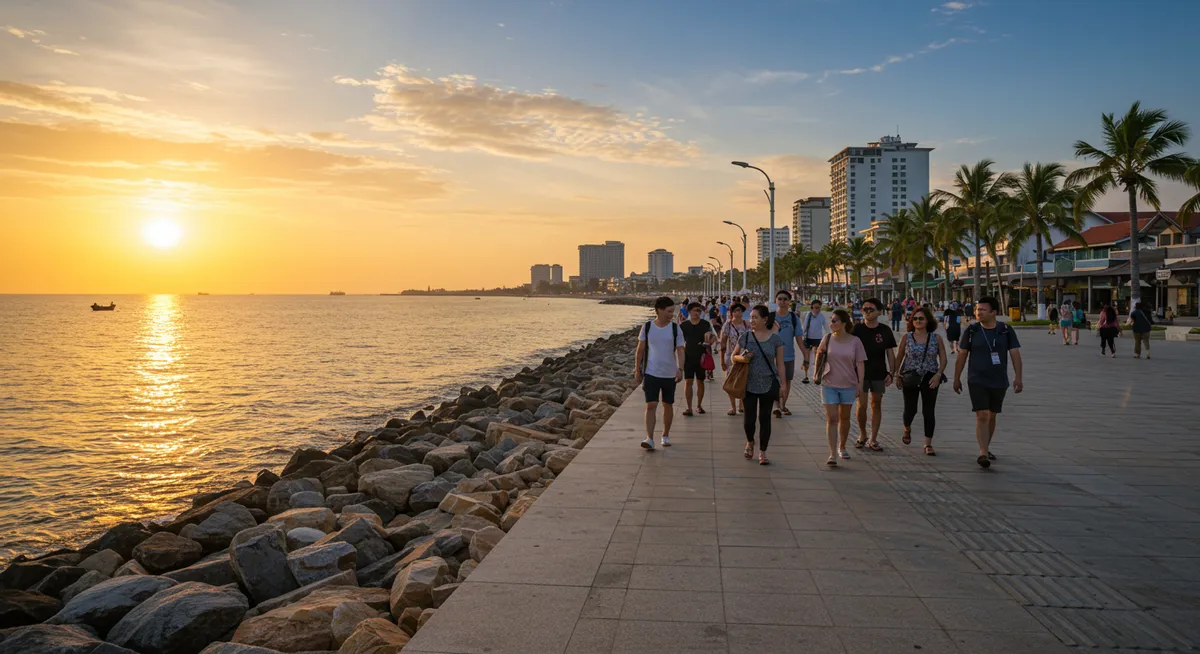
- Stunning Sunsets: Vung Tau is renowned for its spectacular sunsets, particularly from vantage points on the western side of the peninsula like Nghinh Phong Cape or along Hạ Long Street. The sky bursts into vibrant colors over the ocean, providing incredible photo opportunities.
- Vibrant Evening Ambiance: As darkness falls, the city lights twinkle to life, and the atmosphere becomes more lively. Street food stalls become more active, and locals and tourists alike emerge to enjoy the cooler air.
- Relaxed Exploration: It’s an ideal time for a relaxed walk along the beach, a casual wander through the night markets (though less prominent than in other Vietnamese cities, there are still evening food areas), or a stroll along the illuminated promenades.
Actionable Tips for Evening Walks: Start your walk around 4:30 PM to catch the golden hour before sunset. Be mindful of increased scooter traffic, especially on main roads. Consider ending your walk at a seafood restaurant or a local eatery to refuel after your exploration.
Why Midday is a No-Go (10:30 AM – 3:30 PM)
While the mornings and evenings are perfect for walking, the period between late morning and mid-afternoon in Vung Tau should be strictly avoided for any extensive outdoor activity. The tropical sun during these hours is incredibly intense, leading to:
- Extreme Heat & Humidity: Temperatures often soar above 30-35°C (86-95°F) with high humidity, making even short walks uncomfortable and potentially dangerous.
- High UV Radiation: Direct sun exposure can lead to severe sunburn and increase the risk of heatstroke or heat exhaustion.
- Exhaustion: Battling the heat and humidity will quickly sap your energy, turning what should be an enjoyable exploration into a grueling ordeal.
Practical Advice: Use these midday hours for indoor activities. Seek refuge in air-conditioned cafes, explore Vung Tau’s museums (like the White Palace or Robert Taylor Museum of Worldwide Arms), enjoy a leisurely lunch, or simply relax and recharge at your accommodation. Hydrate continuously with water or fresh coconut juice.
By timing your Vung Tau walking tours intelligently, you’ll maximize your comfort, safety, and enjoyment, allowing you to fully immerse yourself in the beauty and local culture of this charming coastal city.
Key Vung Tau Walking Routes & Areas
Vung Tau, with its unique coastal geography and rich history, offers an array of walking experiences that cater to every interest and fitness level. From challenging ascents to serene beach strolls and bustling market explorations, here are some of the most rewarding routes and areas to discover on foot.
The Iconic Ascents: Small Mountain (Nui Nho), Christ the King & Lighthouse
For those seeking a rewarding workout with breathtaking panoramas, the ascent of Small Mountain is a must. Your journey typically begins with the climb to the majestic Christ the King statue. This involves navigating several hundred steps, but the effort is handsomely repaid with stunning 360-degree views of the city, coastline, and surrounding islands. For an equally impressive, though slightly less strenuous, climb, follow the winding paved road up to the Vung Tau Lighthouse. This historic French-built landmark also offers unparalleled vistas, especially captivating at sunrise or sunset. This area is perfect for active walkers and photographers.
- Practical Tip: Wear comfortable walking shoes, bring plenty of water, and consider going early in the morning or late afternoon to avoid the midday heat.
Leisurely Promenades: Front Beach (Bai Truoc) & Back Beach (Bai Sau)
If a more relaxed pace is your preference, the promenades along Vung Tau’s two main beaches offer delightful strolls. Front Beach (Bai Truoc), nestled in the city center, boasts a palm-lined boulevard perfect for a leisurely evening walk. You’ll find charming cafes, street food vendors, and a vibrant atmosphere, ideal for people-watching and catching a picturesque sunset over the bay. Back Beach (Bai Sau), on the other hand, offers a much longer and wider stretch of sand and promenade. It’s perfect for a more expansive walk or a morning jog, offering refreshing sea breezes and views of the open ocean. These routes are suitable for all ages and fitness levels.
- Practical Tip: For Front Beach, explore the side streets leading off the promenade to discover local eateries. Back Beach is great for a longer, more contemplative walk.
Cultural Immersion: Local Markets, French Quarter & Sacred Temples
To truly connect with Vung Tau’s local pulse, immerse yourself in its vibrant street life. A walk through Xom Luoi Market (Fishermen’s Market) is a sensory feast, especially in the early morning when local fishermen bring in their fresh catch. The bustling energy, the aromas of the sea, and the lively bargaining create an unforgettable experience. This is a short, but incredibly rich walking tour. For a glimpse into Vung Tau’s colonial past, wander through the French Quarter, particularly around Ngoc Son Street. Here, tree-lined avenues and charming old villas transport you to another era, offering quieter, more reflective walks. Don’t miss the opportunity to visit some of Vung Tau’s tranquil temples and pagodas, such as Quan Am Pagoda or Linh Son Co Tu, which often feature intricate architecture and serene atmospheres. These are wonderful for cultural exploration and peaceful reflection.
- Practical Tip: At Xom Luoi Market, be prepared for crowds and a lively atmosphere; try some local snacks! When visiting temples, dress respectfully (shoulders and knees covered).
Each of these walking zones offers a distinct flavor of Vung Tau, ensuring that every step you take on these routes contributes to a memorable travel experience.
Essential Gear & Practical Tips for Walkers
🎯 Insider Tip: Discover the best Vung Tau experiences with Viator Tours!
To truly immerse yourself in the charm of Vung Tau on foot, packing smart and being aware of local nuances are key. The city’s tropical climate demands specific gear, and its bustling streets require a mindful approach. Here’s your comprehensive guide to ensuring a comfortable, safe, and enjoyable walking tour experience.
Essential Gear for Your Vung Tau Walks
- Comfortable Walking Shoes: This is paramount. Vung Tau offers diverse terrain, from the smooth pavements of the seafront promenade to the cobbled paths leading up to the Jesus Christ Statue. Opt for breathable, well-cushioned shoes (sneakers, walking sandals with good support) that you’ve already broken in. Blisters are no fun when you’re exploring!
-
Sun Protection: Vung Tau is blessed with abundant sunshine, but it can be intense.
- Wide-brimmed Hat or Cap: Crucial for protecting your face and neck from direct sun.
- High-SPF Sunscreen: Apply liberally to all exposed skin, even on cloudy days, and reapply every few hours, especially if you’re sweating.
- Sunglasses: Protect your eyes from the strong glare, particularly when walking near the coast or open areas.
- Light, Breathable Clothing: Vung Tau’s tropical climate means humidity. Choose lightweight, loose-fitting, and quick-drying fabrics like cotton or moisture-wicking synthetics. Light colors will help reflect the sun. Consider packing a spare top if you plan a long walk, as you might get sweaty.
- Hydration – Reusable Water Bottle: Staying hydrated is non-negotiable in Vung Tau’s heat. Carry a reusable water bottle (at least 1 liter) and refill it frequently. Bottled water is readily available at convenience stores, cafes, and street vendors across the city. Many guesthouses also offer filtered water.
- Light Rain Jacket or Umbrella: While you’ll be checking the weather, Vung Tau can experience sudden, short tropical downpours, especially during the rainy season (May to October). A compact, lightweight rain jacket or a small umbrella can save you from a drenching.
- Small Backpack or Daypack: A comfortable daypack is perfect for carrying your water, sunscreen, hat, camera, and any small souvenirs you might pick up.
-
Optional (but Recommended):
- Portable Power Bank: For keeping your phone charged for navigation and photos.
- Basic First-Aid Kit: Small plasters for blisters, antiseptic wipes, pain relievers.
- Insect Repellent: Especially if you plan to walk near greenery or around dusk.
Practical Tips for Walkers in Vung Tau
-
Traffic Awareness (Especially Motorbikes!): This is perhaps the most critical safety tip for Vung Tau. Motorbikes are king, and traffic can seem chaotic to Westerners.
- Cross Streets Carefully: Look both ways, several times. Make eye contact with drivers if possible. Often, the best strategy is to walk slowly and predictably, allowing motorbikes to flow around you. Don’t make sudden movements.
- Pavements: While some areas have good pavements, many are narrow, uneven, or obstructed by parked motorbikes or street vendors. Be prepared to step onto the road briefly, always with caution.
- Stay Hydrated (Seriously!): We can’t stress this enough. Drink water consistently, even if you don’t feel thirsty. Consider refreshing coconut water (nước dừa) from street vendors – it’s delicious and replenishing.
- Local Etiquette: When visiting temples or religious sites (like the Thich Ca Phat Dai Pagoda or the White Palace), dress modestly. This means covering your shoulders and knees. It’s also respectful to remove your shoes before entering certain areas.
- Carry Small Denominations of VND: While many places accept cards, street food stalls, smaller shops, and public transport (if you take a local bus for part of your journey) often prefer cash. Small notes (10,000 VND, 20,000 VND, 50,000 VND) are useful.
- Offline Maps: Download an offline map of Vung Tau (Google Maps allows this) before you head out. This saves data and ensures you can navigate even without a strong signal.
- Learn a Few Basic Vietnamese Phrases: Simple greetings like “Xin chào” (hello) and “Cảm ơn” (thank you) go a long way in showing respect and often elicit a warm response.
By preparing adequately and being mindful of your surroundings, your Vung Tau walking tours will be safe, comfortable, and truly unforgettable experiences.
Local Insights & Enhancing Your Walking Experience
To truly unlock the soul of Vung Tau and transform your walk into an authentic cultural immersion, go beyond the main tourist trails. These local insights will help you connect deeper with the city, its people, and its hidden charms.
Capturing Vung Tau: Photography Hotspots
While the iconic Christ the King statue and Vung Tau Lighthouse offer breathtaking panoramic views, don’t stop there. For a different perspective, head to the bustling Xom Luoi market early in the morning to capture the vibrant energy of fishermen bringing in their daily catch and locals bartering for fresh seafood. The Front Beach area, especially near the fishing boat moorings at sunrise, provides incredibly picturesque scenes of traditional life. Wander through the older alleyways tucked behind the main streets of Back Beach for glimpses of local homes, vibrant street art, and everyday moments. Keep an eye out for lesser-known, ornate pagodas nestled in residential areas – their intricate architecture often goes unnoticed by casual visitors.
Fueling Your Journey: Street Food & Coffee Breaks
Vung Tau is a culinary delight, and street food is key to its charm. No visit is complete without trying Banh Khot, the city’s signature mini savory pancakes. Look for clusters of Banh Khot stalls, particularly around Hoang Hoa Tham or Nguyen Truong To streets, where you can watch them cooked fresh. For seafood lovers, the area surrounding Xom Luoi market offers an array of freshly grilled or steamed delights. Don’t miss a local Ca Phe Sua Da (Vietnamese iced coffee with condensed milk) from a small, unassuming café. Look for spots with tiny plastic stools spilling onto the sidewalk – this is where the locals gather. Another must-try snack is Banh Bong Lan Trung Muoi (salted egg sponge cake), a surprisingly delicious local specialty perfect for a sweet pick-me-up.
Connecting with Locals: Simple Phrases & Etiquette
A little effort goes a long way in connecting with Vung Tau’s friendly residents. A smile and a few simple Vietnamese phrases can open doors to warmer interactions and more authentic experiences.
- Xin chào (Sin chow): Hello
- Cảm ơn (Gahm uhn): Thank you
- Ngon quá! (Ngawn gwah!): Delicious! (Use this enthusiastically after a good meal)
- Bao nhiêu? (Bow nyew?): How much?
- Xin lỗi (Sin loy): Excuse me / Sorry
Locals appreciate the effort, even if your pronunciation isn’t perfect. Be patient, use gestures, and embrace the cultural exchange.
Unearthing Vung Tau’s Hidden Gems
The best hidden gems are often found when you allow yourself to wander off the most trodden paths. Look down narrow alleyways that seem to lead nowhere – they often reveal charming local eateries, quiet temples, or unique artisan workshops. Observe where locals gather for their morning coffee or evening meals; these are usually indicators of authentic, high-quality spots. Sometimes, a “hidden gem” is simply a moment: a quiet corner of a park, a vibrant mural on a nondescript wall, or the simple sight of children playing in the street. Trust your instincts and let curiosity guide you.
Smart Movement: Blending Walks with Rides
While Vung Tau is wonderfully walkable, especially along its main beaches and through the city center, it’s also more spread out than it appears. Don’t hesitate to integrate short rides into your walking strategy, especially when covering longer distances (e.g., from Front Beach to the base of Christ the King statue) or when the heat becomes intense. The Grab app (for both cars and motorbikes) is incredibly convenient, affordable, and widely used. Alternatively, traditional metered taxis like Mai Linh (green) and Vinasun (white) are reliable and readily available. Using these services strategically allows you to save energy for exploring specific areas on foot, ensuring your walking tour remains enjoyable and sustainable throughout the day.
Beyond the Pavement: Combining Walking with Local Transport
While Vung Tau is wonderfully walkable, especially along its scenic coastlines and charming city streets, you’ll find that truly optimizing your exploration means going beyond just your two feet. Seamlessly integrating local transportation into your walking tours allows you to cover more ground, reach distant attractions, and provides a welcome respite from the tropical heat, ensuring a more comprehensive and enjoyable Vung Tau experience.
Why Combine Walking with Local Transport?
- Maximize Exploration: Vung Tau’s key attractions, like the iconic Jesus Statue, the historic White Palace, the serene Big Buddha (Thich Ca Phat Dai), and the bustling Back Beach, are spread out. Walking between all of them in one go can be exhausting and time-consuming. A quick ride can bridge the gaps.
- Beat the Heat: Vung Tau’s climate can be warm and humid, especially during midday. Using a Grab or taxi for a longer stretch allows you to conserve energy, avoid the most intense sun, and arrive refreshed at your next walking destination.
- Access Distant Gems: Some beautiful spots, like the Minh Dam Army Base or Ho May Park, are further afield and best reached by vehicle, serving as excellent starting points for more focused walking around their specific areas.
- Save Time & Energy: Instead of trekking miles, you can enjoy a leisurely walk in one area, hop in a ride to another, and then continue your stroll, seeing more in less time without feeling rushed or tired.
Your Local Transport Allies in Vung Tau:
The most convenient and reliable options for travelers are:
- Grab (Bike & Car): This ride-hailing app is ubiquitous in Vung Tau and incredibly user-friendly, even for non-Vietnamese speakers. Just download the app, set your destination, and see the fixed fare upfront.
- GrabBike: Perfect for solo travelers wanting to zip through traffic, enjoy the breeze, and experience a truly local mode of transport. They are very affordable.
- GrabCar: Ideal for groups, families, or if you prefer air-conditioned comfort and space for shopping bags.
- Taxis: Reputable taxi companies like Vinasun and Mai Linh are readily available throughout the city. They are metered and generally reliable. Look for clearly marked cars and ensure the meter is running. Taxis are great for direct trips, especially when your phone battery is low or if you prefer not to use an app.
- Motorbike Taxis (Xe Om): While traditional xe om drivers are common, for peace of mind regarding pricing and safety, using GrabBike through the app is generally recommended over flagging down a random driver.
Smart Strategies for Seamless Integration:
Think of your Vung Tau journey as a series of walkable “zones” connected by quick rides:
- Coastal Hopping: Start your morning with a leisurely walk along the picturesque Front Beach (Bai Truoc), enjoying the cafes. When you’re ready to explore the wilder side, hail a Grab to Nghinh Phong Cape or directly to Back Beach (Bai Sau) for a different vibe, saving a significant amount of walking time.
- Attraction Bridging: Walk around the base of Small Mountain, exploring the local seafood stalls and temples. Then, instead of a hot, uphill climb, grab a Grab or taxi to the top for the iconic Jesus Statue of Vung Tau or the Vung Tau Lighthouse, allowing you to save your energy for exploring the summit on foot. You can then walk down or grab another ride back.
- Midday Escape: If you’re walking around the city center and the sun gets too intense, use a Grab to quickly transport you to an air-conditioned shopping mall, a shaded coffee shop, or back to your hotel for a break, then resume your walking tour later in the cooler late afternoon.
- Big Buddha Journey: The Big Buddha complex (Thich Ca Phat Dai) is a significant distance inland from the main beaches and involves some uphill sections. It’s highly recommended to take a Grab or taxi there, allowing you to comfortably explore the peaceful grounds and temples on foot once you arrive.
By cleverly combining your walking explorations with Vung Tau’s efficient local transport, you’ll unlock a richer, more comfortable, and ultimately more rewarding journey through this charming coastal city.
Frequently Asked Questions
🎯 Insider Tip: Discover the best Vung Tau experiences with Viator Tours!
Q: Is Vung Tau safe for walking tours?
A: Yes, Vung Tau is generally safe for walking tourists. Exercise standard precautions like being aware of your surroundings, especially regarding motorbike traffic. Stick to well-lit areas at night and use trusted navigation apps.
Q: What’s the best footwear for Vung Tau walking tours?
A: Comfortable, breathable walking shoes or sturdy sandals are highly recommended. You’ll encounter pavements, stairs (e.g., Christ the King), and potentially sandy areas. Avoid flip-flops for extended walks.
Q: Can I walk to the Christ the King statue and Vung Tau Lighthouse?
A: Yes, both are popular walking destinations on Small Mountain. The climb to Christ the King involves hundreds of stairs, while the lighthouse walk is a winding road. Both offer stunning panoramic views and are best tackled in the early morning or late afternoon.
Q: How do I deal with the heat and humidity while walking in Vung Tau?
A: Walk during cooler parts of the day (early morning/late afternoon). Stay hydrated by carrying water, wear light, breathable clothing, and utilize sun protection. Take frequent breaks in shaded areas or air-conditioned cafes to cool down.
Q: Are there any guided walking tours available in Vung Tau?
A: While less common than in larger cities, you can find local guides or small tour operators offering bespoke walking experiences, often focusing on food or historical sites. Inquire with your hotel or local tour agencies upon arrival for options.
Vung Tau truly shines when explored on foot. By understanding its climate and planning your walks during the most opportune times of day, you unlock a deeper appreciation for this vibrant coastal city. Whether you’re scaling a mountain for panoramic views, strolling along a bustling promenade, or discovering hidden culinary gems, Vung Tau’s walkable charm promises an unforgettable journey. So lace up your shoes, pack your sense of adventure, and prepare to discover the best of Vung Tau, one step at a time.