
Vung Tau Walking Tour: Cultural Insights & Hidden Gems (2026)
Uncover Vung Tau’s rich culture, history, and local life on an immersive walking tour. Get practical tips, suggested routes, and local insights for an unforgettable adventure.
On this page
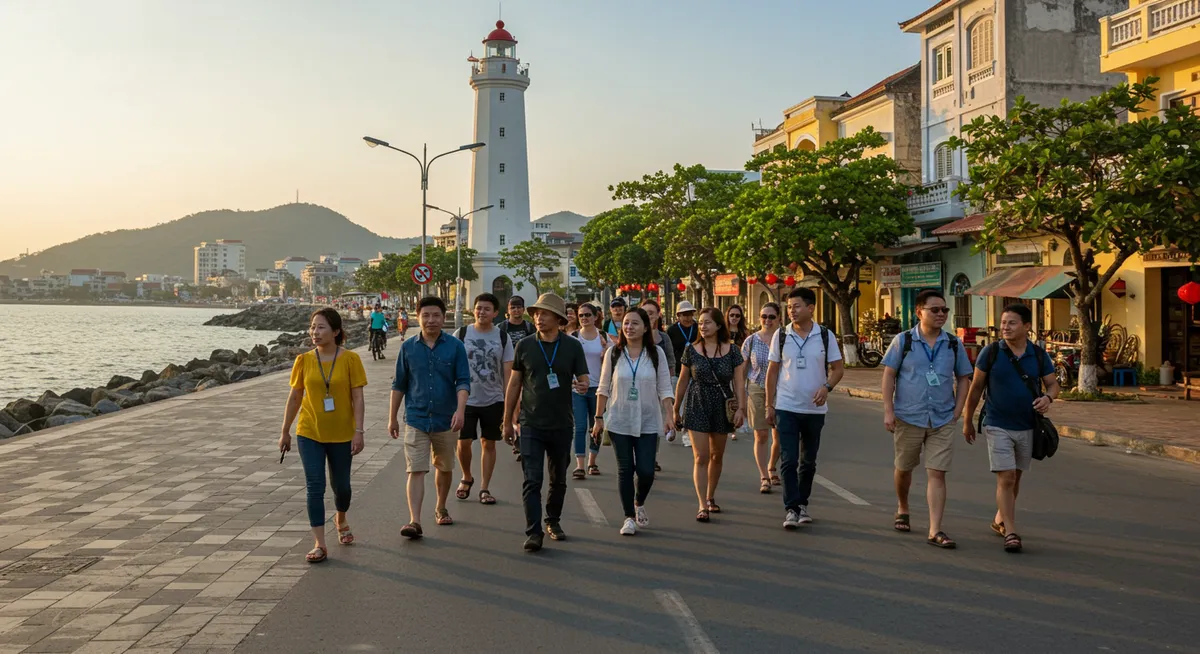
Vung Tau, a coastal city in Southern Vietnam, offers more than just pristine beaches. Its vibrant culture, intriguing history, and bustling local life truly come alive when explored on foot. This comprehensive guide is designed for the intrepid traveler eager to delve into Vung Tau’s soul, providing actionable advice and local insights to make your walking tour both safe and incredibly enriching.
Key Tips and Takeaways
- Start your walks early in the morning or late afternoon to avoid the heat and traffic.
- Always carry water, sunscreen, and a hat to protect yourself from the tropical sun.
- Wear comfortable, broken-in walking shoes – you’ll be covering varied terrain.
- Be mindful of motorbikes and traffic; look before you step, especially when crossing streets.
- Embrace street food! It’s a key part of Vung Tau’s culture and incredibly delicious.
- Learn a few basic Vietnamese phrases; locals appreciate the effort.
- Consider an offline map app for navigation, as Wi-Fi might be spotty in some areas.
Why Vung Tau is Best Explored on Foot
While Vung Tau boasts scenic coastal roads perfect for a motorbike ride, to truly unlock its charm and delve into its authentic pulse, there’s no better way than on foot. A Vung Tau walking tour offers a unique lens through which to experience this vibrant Vietnamese city, transforming a simple visit into a profound cultural immersion.
One of the most rewarding aspects of exploring Vung Tau on foot is the access it grants to the city’s myriad hidden alleys and lesser-known lanes. Tucked away from the bustling main thoroughfares, these narrow passages reveal the everyday rhythm of local life. You’ll stumble upon tiny family-run eateries wafting tantalizing aromas of fresh seafood and simmering pho, discover quaint coffee shops (quán cà phê) where locals gather for their morning brew, and observe the unhurried pace of neighborhood interactions. This isn’t the Vung Tau seen from a tour bus; it’s the Vung Tau where children play in courtyards and vendors sell fresh produce right from their homes.
Walking also allows for a much deeper appreciation of Vung Tau’s diverse architectural tapestry. The city is a fascinating blend of French colonial elegance, traditional Vietnamese design, and modern flourishes. On foot, you can pause to admire the intricate details of a century-old villa, the vibrant colors of a Buddhist temple like Linh Son Co Tu, or the charming, slightly weathered facades of old shophouses. You’ll notice the subtle carvings, the unique tile work, and the blend of influences that tell the story of Vung Tau’s past and present – details often missed when zipping by in a vehicle.
Navigating Vung Tau by foot allows you to truly synchronize with the city’s natural pace. You can breathe in the salty sea air, listen to the distant clang of temple bells, and soak in the lively chatter of street vendors. It’s a sensory experience that grounds you in the moment, fostering a more authentic connection to your surroundings. You’re not just observing Vung Tau; you’re becoming a part of its ebb and flow, whether it’s the morning rush to the local market (Chợ Vũng Tàu) or the relaxed afternoon strolls along Front Beach (Bãi Trước).
Perhaps most importantly for cultural insights, walking inherently encourages genuine interaction with locals. A quick smile, a shared laugh, or a simple “Xin chào” (hello) can open doors to spontaneous conversations. Whether you’re asking for directions to a local eatery, trying a street snack recommended by a vendor, or simply observing daily rituals, these personal encounters provide invaluable glimpses into Vietnamese hospitality and customs, enriching your understanding far beyond any guidebook.
To make the most of your Vung Tau walking adventure:
- Wear Comfortable Shoes: This is non-negotiable! You’ll be covering varied terrain.
- Hydrate: The tropical climate demands frequent water intake. Carry a reusable bottle.
- Sun Protection: A hat, sunglasses, and sunscreen are essential, especially during midday.
- Go Early or Late: Mornings (before 9 AM) and late afternoons (after 4 PM) offer cooler temperatures and softer light.
- Embrace Getting “Lost”: Some of the best discoveries are made when you veer off the main path.
- Have a Map/Offline GPS: While embracing spontaneity, it’s wise to have a backup for navigation.
By choosing to explore Vung Tau on your own two feet, you’re not just moving from point A to point B; you’re embarking on a journey of discovery, finding the soul of the city in its quiet corners, bustling markets, and the warm smiles of its people.
Planning Your Vung Tau Walking Adventure
Embarking on a Vung Tau walking adventure offers a unique way to truly immerse yourself in the city’s coastal charm and rich cultural tapestry. To ensure your exploration is as enjoyable and comfortable as possible, a little practical planning goes a long way. Here’s how to prepare for your urban trek in this beautiful Vietnamese city.
Optimal Timing for Your Strolls
Vung Tau, with its tropical climate, is best explored during specific times to avoid the peak heat and humidity. The dry season, typically from November to April, generally offers cooler temperatures and less rainfall, making it the most comfortable period for extended walks. Even during the dry season, the sun can be intense.
- Mornings (before 9:30 AM): This is arguably the best time to walk in Vung Tau. The air is freshest, the temperatures are mild, and you’ll experience the city waking up, often seeing locals enjoying their morning coffee or tai chi by the beach. Popular spots like the Christ the King statue or Nghinh Phong Cape are less crowded, offering serene photo opportunities.
- Evenings (after 4:00 PM): As the sun begins to set, the city cools down, and a pleasant sea breeze often picks up. This is an excellent time for a leisurely stroll along Front Beach or Back Beach, enjoying the vibrant atmosphere as locals gather for evening activities and street food stalls begin to light up. Avoid walking during midday (11 AM – 3 PM) when the sun is at its strongest.
Dress for Success: What to Wear & Carry
Comfort and sun protection are paramount for a Vung Tau walking tour. Choose your attire wisely:
- Light, Breathable Clothing: Opt for loose-fitting, light-colored fabrics like cotton, linen, or moisture-wicking synthetics. These will help keep you cool and comfortable in the humid environment.
- Comfortable Walking Shoes: This is non-negotiable. Vung Tau’s streets can vary from smooth pavements to uneven paths, especially around older neighborhoods or attractions like the Lighthouse. Good quality sneakers or sturdy walking sandals will be your best friends.
- Hat & Sunglasses: A wide-brimmed hat offers excellent protection for your face and neck, while sunglasses shield your eyes from the bright tropical sun.
- Small Backpack/Daypack: Ideal for carrying essentials like water, sunscreen, and a light snack.
Stay Hydrated & Sun-Protected
The tropical climate of Vung Tau means you’ll sweat more, making hydration crucial.
- Carry Water: Always have a reusable water bottle with you and refill it frequently. Bottled water is readily available at convenience stores (like Circle K, VinMart) and local shops throughout the city. Don’t underestimate how quickly you can dehydrate.
- Sunscreen: Apply a high SPF, broad-spectrum sunscreen generously to all exposed skin, and reapply every few hours, especially if you’re sweating. Seek shade whenever possible.
Basic Navigation Tips
While Vung Tau is relatively easy to navigate, a few tips can enhance your self-guided walking experience:
- Offline Maps: Before heading out, download offline maps of Vung Tau (e.g., Google Maps or Maps.me) onto your phone. This ensures you can navigate even without an internet connection, invaluable when exploring less-trodden paths.
- Landmark Recognition: Familiarize yourself with key landmarks like Christ the King, Vung Tau Lighthouse, and prominent temples. These act as excellent reference points for orientation.
- Local Assistance: Don’t hesitate to ask locals for directions. While English proficiency varies, most Vung Tau residents are friendly and eager to help, often using gestures to guide you.
With these practical tips in hand, you’re well-equipped to enjoy a rewarding and insightful Vung Tau walking tour, discovering its cultural gems at your own pace.
Essential Cultural Walking Routes in Vung Tau
🎯 Insider Tip: Discover the best Vung Tau experiences with Viator Tours!
Vung Tau offers a delightful blend of history, spirituality, and authentic local life, all best discovered on foot. These suggested walking routes are designed to immerse you in the city’s unique cultural tapestry, providing practical advice for an enhanced exploration.
Route 1: Colonial Charms & Coastal Views (Front Beach Area)
Explore Vung Tau’s historical quarter, showcasing French colonial heritage and offering stunning coastal vistas. Ideal for a morning or late afternoon stroll.
- Starting Point: Near Bach Dinh (White Palace) on Tran Phu Street.
- Key Stops:
- Bach Dinh (White Palace): A beautifully preserved French colonial villa. Admire its architecture, gardens, and sea views.
- Vung Tau Lighthouse: Walk or ride up Nui Nho (Small Mountain) to this iconic lighthouse. The ascent provides panoramic city and coastline views.
- Local Markets: Wander through the vibrant Vung Tau Market (near Ly Tu Trong Street) to observe daily commerce and local produce.
- Estimated Duration: 3-4 hours.
- Practical Tips: Wear comfortable shoes for the lighthouse climb. Bring water and sun protection. A Grab motorbike can assist with the steep incline.
Route 2: Spiritual Peaks & Serene Shores (Back Beach & Jesus Statue)
This route combines a rewarding climb with serene temple visits, offering profound spiritual insights and dramatic coastal scenery.
- Starting Point: Base of the Jesus Christ Statue (Tuong Dai Chua Kito Vua) at the end of Thuy Van Street.
- Key Stops:
- Jesus Christ Statue: Ascend hundreds of steps to the colossal Christ statue. The climb culminates in incredible 360-degree views of Vung Tau’s coastline and Nghinh Phong Cape.
- Nghinh Phong Cape: Just below the statue, this “Cape of Welcome Wind” features dramatic cliffs where the East Sea meets the land.
- Linh Son Co Tu or Quan Am Pagoda: Visit one of Vung Tau’s serene pagodas, such as Linh Son Co Tu (the city’s oldest) or Quan Am Pagoda, to experience local Buddhist culture.
- Estimated Duration: 3-5 hours.
- Practical Tips: The statue climb is strenuous; wear appropriate footwear and carry water. Dress modestly for pagodas (shoulders and knees covered). Early morning is recommended to avoid heat and crowds.
Route 3: Local Life & Hidden Alleys (Off-the-Beaten-Path)
Dive deep into the authentic rhythm of Vung Tau by exploring its lesser-known residential areas, bustling fishing villages, and vibrant street food scenes. This route focuses on observation and local interaction.
- Starting Point: Area around Xom Luoi Market (on Phan Boi Chau Street), near the fishing harbor.
- Key Stops:
- Xom Luoi Market: Experience the lively atmosphere of a traditional Vietnamese seafood market. Observe vendors and daily life.
- Fishing Village Alleys: Wander narrow lanes behind the market and along the harbor, observing fishermen and colorful boats.
- Local Food Streets & Street Art: Explore residential alleys. Discover hidden coffee shops, humble eateries serving authentic Vietnamese dishes, and vibrant street art.
- Estimated Duration: 2-3 hours.
- Practical Tips: Best explored early morning (for the market) or late afternoon. Be respectful when observing local life. Don’t hesitate to try street food from busy stalls. Be mindful of motorbikes in narrow alleys.
Engaging with Vung Tau’s Culture on Your Walk
One of the most enriching aspects of any walking tour in Vung Tau is the opportunity to truly immerse yourself in its vibrant local culture. Beyond the scenic views, it’s the daily rhythms, flavors, and interactions that will leave a lasting impression. Embrace a spirit of curiosity and openness, and you’ll uncover the authentic heart of this captivating coastal city.
Savor the Street Food Scene
Your walk through Vung Tau will inevitably lead you past countless street food vendors, each offering a tempting array of local delights. This is where the city’s culinary soul truly shines! Don’t miss trying Banh Khot, Vung Tau’s signature savory mini pancakes, often served with a generous plate of fresh herbs and a sweet-sour fish sauce. You’ll find bustling stalls along Hoang Hoa Tham street and near the beaches. Be adventurous and sample the incredibly fresh seafood, from grilled squid to steamed clams – often caught just hours before. A general rule: if a stall is busy with locals, it’s usually a fantastic sign of quality and authenticity. Always carry small denominations of Vietnamese Dong for easy transactions.
Engage Respectfully with Locals
Beyond the culinary adventures, genuine interaction with Vung Tau’s friendly residents can be incredibly rewarding. A warm smile and polite demeanor go a long way! While many service staff in tourist areas may understand basic English, learning a few simple Vietnamese phrases will be greatly appreciated. Try: Xin chào (sin chow – hello), Cảm ơn (gahm un – thank you), and Bao nhiêu tiền? (bow nyoo tee-en – how much?). Observe the daily life around you: elderly residents practicing Tai Chi in parks, fishermen mending nets along the coastline, or families sharing meals at roadside eateries. These everyday scenes offer profound glimpses into the city’s rhythm and traditions.
Explore Bustling Local Markets
No cultural walk in Vung Tau is complete without a deep dive into its local markets. Head to Cho Vung Tau (Vung Tau Market) for a sensory explosion of fresh produce, fragrant spices, vibrant textiles, and everyday goods. For an authentic seafood experience, make your way to Xom Luoi Market, located near the fishing port. It’s a lively hub where you can see the day’s fresh catch being sold directly from boats. Wander through the bustling aisles, observe the lively bargaining, and perhaps pick up some exotic fruits or a unique souvenir. Markets are not just places to shop; they are living arteries of the community, pulsating with local life and commerce.
Observe Traditional Practices & Discover Hidden Gems
As you stroll through Vung Tau, keep an eye out for moments that reflect the city’s cultural and spiritual heritage. You might pass by a small temple or pagoda where locals are offering prayers – respect their space, but feel free to observe the intricate architecture and serene atmosphere. Vung Tau is home to several beautiful spiritual sites. While larger landmarks like those on Big Mountain and Small Mountain are prominent, smaller, more intimate pagodas can often be found nestled within residential areas. Also, while Vung Tau isn’t renowned for extensive street art like larger cities, it occasionally surprises with charming murals or creatively decorated shopfronts in its quieter alleys. Keep an eye out for unique souvenir shops selling local crafts or distinct Vung Tau specialties, reflecting the city’s coastal heritage.
Ultimately, engaging with Vung Tau’s culture on your walk is about embracing curiosity and openness. Be willing to step off the most beaten path, follow your nose to an interesting aroma, or simply sit and watch the world go by. Each interaction, each observation, adds another rich layer to your understanding of this charming coastal city. Your Vung Tau walking tour isn’t just about seeing sights; it’s about connecting with the very soul of the place.
Practical Tips for a Safe & Enjoyable Walk
A Vung Tau walking tour offers an incredible way to immerse yourself in the city’s vibrant culture and stunning scenery. To ensure your adventure is both safe and enjoyable, keeping a few practical tips in mind is key. Vung Tau, while generally safe and welcoming, has its own unique rhythm, especially when it comes to navigating its streets and respecting local customs.
Navigating Vung Tau’s Streets & Traffic
Unlike some Western cities, traffic in Vietnam operates on a different dynamic, and Vung Tau is no exception. Motorbikes are abundant, and while drivers are generally aware of pedestrians, you are expected to be vigilant. Always assume vehicles may not stop for you.
- Look Both Ways (and then some): Even on one-way streets, look in all directions. Motorbikes often travel against traffic on smaller lanes or turn unexpectedly.
- Walk with Confidence: When crossing a street, try to maintain a slow, steady pace. Don’t dart or make sudden movements. Drivers will generally navigate around you if you’re predictable.
- Stick to Sidewalks: Where available, utilize sidewalks. However, be aware they can be obstructed by parked motorbikes or street vendors, requiring you to momentarily step into the street.
- Be Aware of Your Surroundings: Keep an eye out for open drains, uneven pavement, or sudden obstacles that might not be immediately obvious.
Staying Hydrated & Protected from the Elements
Vung Tau enjoys a tropical climate, meaning it’s often hot and humid, especially during the day. Sun protection and hydration are paramount for comfortable walking.
- Hydrate Constantly: Carry a reusable water bottle and refill it often. Bottled water is readily available at convenience stores and small shops throughout the city. Consider electrolyte drinks on longer walks.
- Sun Protection is a Must: Apply high-SPF sunscreen generously and reapply throughout the day. A wide-brimmed hat and sunglasses are essential for shielding yourself from the intense sun.
- Lightweight Clothing: Wear breathable, light-colored clothing. Long sleeves and trousers made of natural fibers can actually keep you cooler and offer better sun protection than shorts and T-shirts.
- Take Breaks: Don’t hesitate to pop into a coffee shop for a refreshing iced coffee (cà phê sữa đá) or a cold drink to escape the midday heat.
Keeping Valuables Secure
While serious crime is rare, petty theft like pickpocketing can occur in crowded areas. Simple precautions will help ensure your peace of mind.
- Minimize Flashy Items: Avoid wearing expensive jewelry or flashing large amounts of cash.
- Secure Your Bag: Use a cross-body bag or a backpack worn on your front, especially in busy markets or tourist spots. Ensure zippers are closed.
- Be Mindful of Your Phone: Avoid leaving your phone on restaurant tables or easily accessible pockets. Use it discreetly when taking photos, especially near roads where snatch-and-grab thefts by motorbike are a slight risk.
- Carry Small Bills: When making purchases from street vendors, it’s helpful to have smaller denominations (10,000, 20,000, 50,000 VND notes) to avoid fumbling with large bills.
Understanding Local Etiquette & Cultural Sensitivity
Vung Tau is rich in cultural sites, from temples to pagodas. Showing respect for local customs enhances your experience and demonstrates goodwill.
- Dress Modestly at Temples: When visiting religious sites like Thich Ca Phat Dai or Linh Son Co Tu, ensure your shoulders and knees are covered. It’s a sign of respect.
- Ask Before Photographing People: Always politely ask for permission before taking someone’s photo, especially monks or older individuals. A smile and a nod are usually sufficient.
- Be Polite and Friendly: A simple “xin chào” (hello) or “cảm ơn” (thank you) in Vietnamese goes a long way and will be greatly appreciated.
What to Do in Case of an Emergency
While unlikely, knowing what to do in an emergency can provide peace of mind.
- Emergency Numbers:
- Police: 113
- Ambulance: 115
- Fire: 114
- Hotel Contact: Always carry your hotel’s address and phone number, or have it saved on your phone. They can be a valuable first point of contact and assistance.
- Travel Insurance: Ensure you have comprehensive travel insurance that covers medical emergencies and potential evacuations. Keep your policy details accessible.
- Local Assistance: If you find yourself in a difficult situation, approach hotel staff, reputable tour guides, or even friendly-looking shopkeepers for assistance. Most Vietnamese are incredibly helpful.
By following these practical tips, you’re well-equipped to enjoy a safe, comfortable, and truly enriching walking tour experience through the charming streets of Vung Tau.
Connecting with Vung Tau’s Walking Tour Ecosystem
Vung Tau offers a multifaceted landscape for the intrepid walker, extending beyond simple point-to-point navigation. Connecting with Vung Tau’s walking tour ecosystem means understanding the various ways you can explore the city on foot, each offering unique cultural insights and experiences tailored to your preference.
Embracing Self-Guided Adventures
For those who relish flexibility and the thrill of discovery, Vung Tau is incredibly navigable for self-guided explorations. Modern technology puts a wealth of information at your fingertips, allowing you to craft a personalized Vung Tau walking tour cultural insights journey. Apps like Google Maps are invaluable for real-time navigation, identifying points of interest like the iconic Christ the King statue, the serene Linh Son Co Tu pagoda, or bustling local markets such as Xom Luoi. For areas with less reliable internet, Maps.me is an excellent offline alternative, ensuring you can always find your way back to your hotel or discover hidden gems like a tucked-away café.
Tips for Self-Guided Walks:
- Download Offline Maps: Before heading out, download Vung Tau maps on Google Maps or Maps.me to save data and ensure continuous navigation.
- Power Up: Carry a portable power bank; extensive GPS use can drain your phone battery quickly.
- Stay Hydrated: Vung Tau can be hot and humid. Bring a water bottle and refill often.
- Dress Appropriately: For temples and pagodas, wear clothing that covers your shoulders and knees out of respect.
Deepening Your Journey with Local Guides
While self-guided tours offer freedom, hiring a local guide can transform your Vung Tau walking experience into an immensely rich cultural immersion. A local expert brings the city to life with anecdotes, historical context, and an understanding of nuances that might otherwise be missed. They can offer invaluable Vung Tau walking tour cultural insights, explaining the significance of the White Palace’s French colonial architecture, the fishing traditions at a local wharf, or even introducing you to authentic street food vendors you wouldn’t find on your own. They bridge language barriers and provide a safe, informed passage through bustling areas.
How to Find a Local Guide:
- Hotel Concierge: Often the best starting point for reliable recommendations.
- Local Tour Agencies: Look for agencies specializing in cultural or historical tours.
- Online Platforms: Search for independent guides or small tour operators with good reviews.
Considering Small Group Cultural Walking Tours
While less prevalent than in major metropolises, some local operators in Vung Tau may offer specialized small group cultural free walking tours in Vung Tau. These often focus on specific themes, such as Vung Tau’s colonial heritage, a culinary street food tour, or a spiritual journey visiting several pagodas and temples. Joining a group provides the benefit of a pre-planned itinerary and expert commentary, allowing you to relax and absorb the information while also meeting fellow travelers. Always check with local tour offices or online platforms for availability and themes.
Essential Vietnamese Phrases for Walkers
Learning a few basic Vietnamese phrases will not only enhance your Vung Tau walking tour experience but also earn you smiles and respect from locals. It shows you’re making an effort to connect with the culture.
- Hello: Xin chào (seen chow)
- Thank you: Cảm ơn (gahm un)
- Excuse me / Sorry: Xin lỗi (seen loy)
- How much?: Bao nhiêu? (bow nyew?)
- Yes: Dạ / Vâng (zah / vung – formal, used when speaking to elders)
- No: Không (kong)
- Delicious!: Ngon quá! (ngon kwah! – great for street food!)
- Where is…? / … ở đâu?: … ở đâu? (… uh dow?) (e.g., Chợ ở đâu? – Where is the market?)
By understanding these various avenues for exploration, you can truly connect with Vung Tau’s unique spirit and rich cultural tapestry on your own terms.
Beyond the Pavement: Vung Tau’s Other Delights
🎯 Insider Tip: Discover the best Vung Tau experiences with Viator Tours!
While a Vung Tau walking tour offers unparalleled cultural insights and allows you to truly feel the city’s pulse, part of what makes this coastal gem so captivating are the delightful experiences found just beyond its sidewalks. After immersing yourself in Vung Tau’s history and vibrant street life on foot, consider complementing your journey with a taste of its other unique offerings, enhancing your overall appreciation for this diverse destination.
Discovering Hòn Bà Island: A Tidal Walk or Boat Ride
One of Vung Tau’s most intriguing “beyond the pavement” experiences involves its connection to the sea. Hòn Bà Island, home to a serene temple (Miếu Bà Ngũ Hành), offers a truly unique pilgrimage. At low tide, a natural stone path emerges from the sea, allowing you to literally walk across the water to reach the island. This rare phenomenon provides a memorable and almost spiritual extension to your walking adventure.
- Practical Tip: Check local tide charts (or ask your hotel/a local) to time your visit for low tide. If the tide is high, don’t worry! Local fishermen offer short, inexpensive boat rides to the island, providing a different perspective of Vung Tau’s coastline. It’s a wonderful way to see the city from the water after exploring it on foot.
Seafood Sensations: A Culinary Reward After Your Walk
No visit to Vung Tau is complete without indulging in its renowned fresh seafood. After a day of exploring on foot, there’s nothing more satisfying than refuelling with the day’s catch. Vung Tau’s seafood scene is a vibrant part of its cultural tapestry, and finding the best spots often involves a short detour from the main walking paths.
- Must-Try: Seek out local eateries for Bánh Khọt, Vung Tau’s signature mini savory pancakes, often topped with fresh shrimp and served with a variety of herbs and dipping sauce. It’s a delicious, iconic dish that’s perfect for sharing.
- Market Fresh: For the ultimate local experience, head to Xóm Lưới Market (Chợ Xóm Lưới) in the evening. While the market itself isn’t a long walk, the surrounding area is bustling with seafood restaurants where you can pick your fresh seafood directly from tanks and have it cooked to order. This bustling hub offers a fantastic insight into local life and an unparalleled culinary reward after your walking explorations.
Coastal Perspectives: Short Boat Trips for Panoramic Views
To truly grasp Vung Tau’s beautiful peninsula setting, consider a brief scenic boat ride around the coastline. While not an “offshore island” trip, these short excursions from Front Beach or Back Beach offer breathtaking panoramic views of landmarks like Christ the King statue, the lighthouse, and the entire city skyline from a different vantage point. It’s a perfect way to relax and appreciate the scale of your walking achievements, seeing the very paths you traversed from the water.
These complementary activities aren’t just diversions; they’re integral parts of the Vung Tau experience, offering different textures and tastes that enrich the cultural insights gained from your detailed walking tour. They provide a deeper connection to the city’s unique charm, reinforcing why Vung Tau is truly a multifaceted coastal delight.
Frequently Asked Questions
Q: Is Vung Tau walkable for tourists?
A: Yes, Vung Tau is very walkable, especially its main attractions and coastal areas. The city center and beach promenades are pedestrian-friendly. Some areas like the Jesus Statue require uphill walking, but the city overall is great for exploration on foot.
Q: What’s the best time of day to walk in Vung Tau?
A: The best times are early morning (6:00 AM – 9:00 AM) or late afternoon/early evening (4:00 PM – 6:00 PM). During these hours, the weather is cooler, and you can observe local life as the city wakes up or winds down.
Q: Are there guided walking tours available in Vung Tau?
A: While less common than in larger cities, you can find local guides through tour operators or independent tour platforms. Many travelers also opt for self-guided tours using online resources and maps, which offer more flexibility.
Q: What cultural sites should I prioritize on a Vung Tau walking tour?
A: Don’t miss the Vung Tau Lighthouse for stunning views and history, the Jesus Christ Statue for its iconic presence, Bach Dinh (White Palace) for colonial architecture, and the bustling Xom Luoi seafood market for local flavors and atmosphere.
Q: How can I stay safe while walking in Vung Tau?
A: Prioritize hydration, wear sun protection, be aware of motorbike traffic (especially at intersections), keep your valuables secure, and trust your instincts. Local people are generally very friendly and helpful.
Walking through Vung Tau is an unparalleled way to connect with its cultural heartbeat. Beyond the well-trodden paths, you’ll discover hidden gems, savor authentic flavors, and engage with the friendly locals who define this charming city. So lace up your shoes, pack your sense of adventure, and embark on a Vung Tau walking tour that promises not just sights, but profound cultural insights and memories to last a lifetime. Happy walking!