
Sapa Walking Tour Food Stops: A Culinary Journey (2026)
Discover Sapa’s best food stops on your walking tour! Savor local specialties, get practical tips, and fuel your adventures in the mountains of Vietnam.
On this page
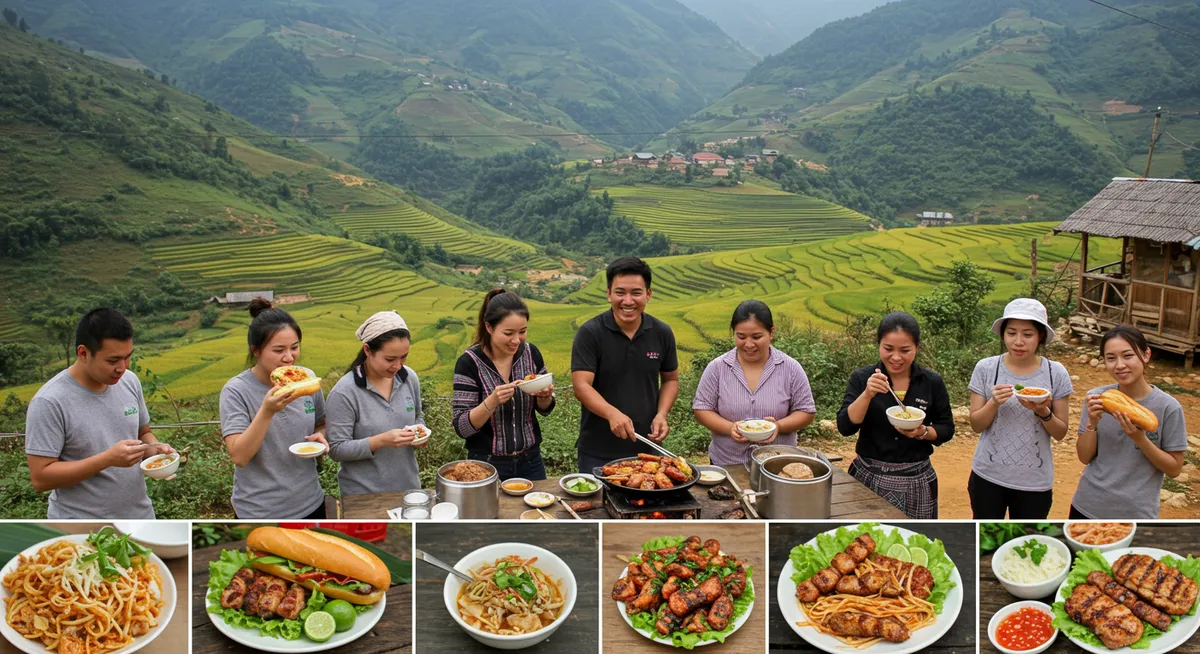
Sapa, with its breathtaking terraced rice fields and vibrant ethnic minority cultures, is a paradise for walkers. But no walking tour is complete without indulging in the local flavors. This guide ensures your Sapa adventure is as delicious as it is scenic, highlighting essential food and refreshment stops to fuel your explorations.
Key Tips and Takeaways
- Always carry sufficient bottled water, especially on longer treks.
- Don’t be afraid to try street food from busy, well-regarded vendors.
- Learn a few basic Vietnamese food phrases like ‘Không cay’ (no spicy) or ‘Chay’ (vegetarian).
- Factor food costs into your daily trekking budget; local food is generally affordable.
- Embrace the communal dining experience, especially if staying at a homestay – it’s a cultural highlight.
Why Food is Key to Your Sapa Walking Experience
Embarking on a walking tour through Sapa’s majestic landscapes is an unforgettable experience, but to truly conquer its terraced hills and misty valleys, you need more than just sturdy boots – you need proper fuel. Food in Sapa isn’t merely sustenance; it’s an integral part of your adventure, a crucial energy source, and a profound gateway into the region’s vibrant culture and diverse ethnic communities.
Sapa’s terrain, while breathtakingly beautiful, can be deceptively challenging. Whether you’re ascending steep paths overlooking Hoàng Liên Son mountains or trekking through lush rice paddies to remote villages, your body will demand significant energy. Prioritizing well-balanced meals before and during your Sapa walking tour ensures you maintain stamina, prevent fatigue, and fully immerse yourself in the stunning scenery without feeling drained. Hydration is equally vital; always carry ample water, especially on longer treks, and look for opportunities to replenish.
Beyond physical necessity, food offers unparalleled cultural immersion. Sapa is home to a rich tapestry of ethnic minority groups, including the Hmong, Red Dzao, Tay, and Giay, each with unique culinary traditions. Eating local means supporting these communities directly, learning about their way of life, and experiencing the authentic flavours born from centuries of adaptation to the mountain environment. Sharing a meal in a local home or a small village eatery isn’t just about the food; it’s about connection, stories, and understanding Sapa’s soul.
The unique dishes you encounter during your Sapa walking tour directly reflect the region’s climate, resources, and history. Here are some of the essential Sapa food stops and specialties to enhance your journey:
- Warming Mountain Delicacies: Sapa’s cool climate makes grilled foods incredibly popular and perfect for a quick, hot refuel. Look out for stalls offering succulent Lon Cap Nach (grilled “armpit” pork), grilled corn, or various skewers (fish, chicken, vegetables). These are fantastic for a mid-hike energy boost.
- Hearty Soups & Staples: Start your day with a steaming bowl of Pho or a local noodle soup at one of Sapa Town’s many eateries. For lunch in a village, inquire about simple, nourishing dishes like sticky rice (Com Lam, often cooked in bamboo) or humble chicken and rice (Com Ga), which provide sustained energy for your trek.
- Sapa’s Unique Ingredients: Don’t miss trying Sapa Black Chicken (ga den), renowned for its lean meat and believed medicinal properties, often served in hot pot or grilled. Surprisingly, Sapa is also known for its fresh salmon, raised in local streams, offering a delicious and unexpected mountain delicacy. For the adventurous, a small taste of Thang Co, a traditional Hmong hot pot, offers an authentic (and challenging) culinary dive.
- Refreshment Opportunities: Keep an eye out for small stalls selling fresh fruit, local herbal teas (like ginger tea to warm you up), or even simple rice wine in villages. These unexpected refreshment points can be a welcome pause and a chance to interact with locals.
Actionable Tips for Food & Your Walking Tour:
- Pre-Hike Power-Up: Always have a substantial breakfast. A full stomach makes those initial inclines much easier.
- Pack Smart Snacks: While local food stops are available, carry some energy bars, nuts, or dried fruit for emergencies or remote stretches.
- Hydrate Constantly: Even if it’s cool, walking burns water. Carry a reusable bottle and refill whenever possible.
- Be Adventurous: Don’t be afraid to try new dishes. Ask your guide or locals for recommendations – they know the best hidden gems.
- Support Local: Choose small, family-run eateries and street food vendors to directly contribute to the local economy.
By consciously integrating food into your Sapa walking experience, you’re not just fueling your body; you’re enriching your journey with authentic flavours, meaningful cultural exchanges, and a deeper appreciation for this magnificent corner of Vietnam.
Breakfast & Morning Bites: Starting Your Sapa Trek Right
A successful Sapa walking tour begins long before your first step on a mountain trail – it starts with a hearty, authentic breakfast. Fueling up properly is crucial for sustained energy during your trek through rice paddies and ethnic minority villages. Sapa’s cool mornings make warming dishes particularly inviting, and you’ll find plenty of delicious, affordable options right in town or conveniently close to common trek departure points.
For a quintessential Vietnamese morning, a steaming bowl of Phở is unparalleled. While Hanoi’s Phở is world-renowned, Sapa offers its own take, often featuring richer, more robust broths perfect for the mountain climate. Look for small, unassuming eateries (often just a few tables) packed with locals – a sure sign of authenticity. A recommended spot to truly experience this is Phở Quy, located just a short walk from Sapa’s main square on Xuân Viên Street. Their beef pho (Phở Bò) is consistently praised for its flavorful broth and tender meat, providing the ideal carbohydrate and protein boost you’ll need.
If you prefer something a bit quicker and incredibly satisfying, the humble Bánh Mì is your best friend. This crispy baguette sandwich, filled with various meats (often pork pâté, grilled pork, or cold cuts), fresh herbs, pickled vegetables, and chili, is a portable powerhouse. It’s easy to eat on the go or grab for a short stop before heading out. You’ll find excellent Bánh Mì from street vendors around the Sapa Market area, or a reliable option is Bánh Mì Baguette & Co. near the Sun Plaza, though local stalls often offer a more authentic experience at a lower price. Just ask for “Bánh Mì heo quay” (roasted pork) for a particularly hearty start.
For a taste of truly local fare, seek out Xôi (sticky rice). This incredibly versatile dish comes in many forms, from simple steamed sticky rice (Xôi trắng) served with savory toppings like ground peanuts and fried shallots, to colorful, nutrient-rich varieties like Xôi Ngũ Sắc (five-colored sticky rice), dyed naturally with local plants. Xôi provides a slow-release energy source, keeping you full for hours. You can often find vendors selling Xôi in the mornings near the Sapa Market or along Điện Biên Phủ Street. It’s a fantastic, often overlooked breakfast choice for trekkers.
And of course, no Sapa morning is complete without a strong Vietnamese coffee (cà phê phin). Many local eateries will offer this, or you can pop into one of the numerous cafes dotted around town. A strong coffee provides that extra kick to get you going, especially after a cool night.
Practical Tip: When choosing your spot, look for places bustling with local Vietnamese customers – this is generally a strong indicator of good food and reasonable prices. Don’t be afraid to point at what others are eating if you’re unsure how to order. Most small establishments operate from early morning, ready to serve trekkers and locals alike from around 6:00 AM onwards. Enjoy your delicious start!
Mid-Trek Fuel: Lunch Stops & Picnic Ideas
⭐ Recommendation: Don't miss out on amazing Sapa tours - book now!
As you immerse yourself in the stunning landscapes of Sapa, trekking through terraced rice fields and ethnic minority villages, maintaining your energy levels is key. Mid-trek fuel isn’t just about sustenance; it’s an opportunity to dive deeper into Sapa’s unique culinary landscape. Whether you prefer a communal meal in a village or a serene picnic amidst nature, Sapa offers delightful options for your midday refuel.
Village Eateries and Homestay Hospitality
For many Sapa walking tour participants, lunch becomes an integral part of the cultural exchange. Longer treks often lead you through charming villages like Cat Cat, Lao Chai, Ta Van, or Giang Ta Chai. Here, you’ll find simple yet incredibly authentic eateries, often extensions of local homes or dedicated village kitchens.
- Authentic Flavors: Expect hearty, home-cooked meals featuring fresh, locally sourced ingredients. Dishes might include stir-fried vegetables harvested from nearby plots, grilled pork or chicken, fragrant rice, and sometimes, a comforting hotpot (lẩu) if you’re part of a larger group or have arranged in advance.
- Support Local: Eating at these village establishments directly supports the local Hmong or Red Dao communities, offering a genuine taste of their daily life and hospitality.
- How to Find Them: Your trekking guide will often have preferred stops that are clean and welcoming. If you’re venturing independently, look for modest signs advertising “nhà hàng” (restaurant) or simply follow the scent of delicious cooking. In smaller, less-frequented hamlets, a homestay might even offer a simple meal if you inquire politely.
Crafting Your Sapa-Inspired Picnic
If you prefer flexibility, solitude, or simply want to maximize your time soaking in Sapa’s panoramic views, packing your own picnic is an excellent choice. This allows you to choose your perfect lunch spot, whether it’s by a cascading waterfall, atop a scenic viewpoint, or nestled beside a quiet stream.
- Must-Pack Local Delights:
- Com Lam (Bamboo-cooked Rice): This iconic Sapa specialty is perfect for a picnic. Sticky rice is cooked inside a bamboo tube, imparting a unique aroma and flavor. It’s portable, easy to eat, and widely available at Sapa market or from roadside vendors near town. Simply peel back the bamboo casing as you eat!
- Gỏi Cuốn (Fresh Spring Rolls): Light, refreshing, and packed with fresh herbs, vermicelli, and often shrimp or pork, these are a fantastic, healthy option for a midday boost. You can often find them pre-made at local eateries or small food stalls in Sapa town.
- Local Fruits: Grab some fresh bananas, juicy passion fruit, or sweet mandarins from the market. They’re excellent for natural energy.
- Dried Snacks: Consider packing some local dried buffalo jerky (Thịt Trâu Gác Bếp) for a savory, protein-rich snack.
- Where to Stock Up: The main Sapa Market is your best bet for fresh ingredients and pre-made snacks before you set off on your trek. Many smaller convenience stores also offer bottled water and basic provisions.
- Eco-Friendly Tip: Bring reusable containers, cutlery, and a water bottle to minimize waste and leave Sapa’s beautiful environment pristine.
Hydration and Refreshments
Regardless of your lunch choice, always carry ample water. Sapa’s treks can be demanding, and staying hydrated is crucial. Many village stops will sell bottled water and soft drinks, but it’s wise to start your day with enough. You might also find local tea or sugarcane juice vendors in more populated areas, offering a refreshing local treat.
Embracing the mid-trek meal in Sapa is more than just eating; it’s an experience that enriches your walking tour, connecting you with the local culture and the land in a truly unforgettable way.
Refreshments & Afternoon Delights: Post-Hike Treats
After traversing Sapa’s breathtaking rice terraces and challenging mountain trails, there’s nothing quite as satisfying as a well-deserved refreshment. This section guides you to the best spots to recharge, rehydrate, and indulge in the local flavors, turning your post-hike recovery into another highlight of your Sapa walking tour.
Cozy Cafes in Sapa Town: A Slice of Comfort
Once you descend into Sapa town, charming cafes await, offering warmth, stunning views, and a diverse menu of thirst-quenchers and light bites. These are perfect havens to rest weary feet and soak in the mountain ambiance.
- Fresh Juices: Sapa boasts an abundance of fresh, tropical fruits. Look for vibrant passion fruit juice, refreshing lime juice, or even a creamy avocado smoothie. They’re packed with vitamins and a great way to replenish energy after a strenuous hike.
- Vietnamese Coffee: No visit to Vietnam is complete without trying its iconic coffee. Whether you prefer a strong, bitter cà phê đen (black coffee) or a sweet, creamy cà phê sữa đá (iced coffee with condensed milk), it’s the perfect pick-me-up. Many cafes offer great views, making your coffee break even more enjoyable.
- Traditional Herbal Teas: Beyond common green tea, Sapa is known for unique herbal blends, often incorporating local mountain herbs and flowers. These teas are not only fragrant and warming but are also believed to have medicinal properties. Ask for a local “ethnic minority tea” for an authentic taste.
- Light Snacks: Many cafes serve simple yet delicious snacks like bánh mì (Vietnamese baguette sandwich) with various fillings, or local pastries and cakes that pair perfectly with your drink.
Village Delights: Authentic Post-Hike Rewards
For a truly immersive experience, some free walking tours in Sapa incorporate stops in local villages like Cat Cat, Ta Van, or Lao Chai. Here, the post-hike treats are often more rustic, intimate, and deeply rooted in local culture.
- Sapa Corn Wine (Rượu Ngô): A specialty of the H’mong and Dao ethnic minorities, this potent, clear spirit is distilled from fermented corn. Often offered as a welcome drink or a celebratory toast, trying a small sip of rượu ngô at a family home or a small local shop is a unique cultural experience. Be mindful, as it’s strong!
- Sticky Rice Cakes & Grilled Treats: In the villages, you might encounter vendors selling freshly grilled sticky rice cooked in bamboo tubes (cơm lam), or various kinds of sticky rice cakes. Grilled corn on the cob, especially during harvest season, is another simple yet delicious treat.
- Herbal Foot Baths: While not a food item, some village homestays or small community centers offer traditional Dao herbal foot baths. Soaking your tired feet in a fragrant blend of mountain herbs is an incredible way to relax and rejuvenate after a long walk, often accompanied by a cup of local tea. Your guide can often arrange this.
Practical Tips for Your Post-Hike Indulgence:
- Hydrate First: While the treats are tempting, prioritize rehydrating with plenty of water before indulging.
- Embrace Local Hospitality: Especially in villages, accepting an offer of tea or a small snack from a local family is a wonderful way to connect and experience their culture.
- Ask Your Guide: Your Sapa trekking guide will have insider knowledge on the best and most authentic spots for refreshments along your specific route. Don’t hesitate to ask for their recommendations!
- Support Local Businesses: Purchasing your snacks and drinks from small, family-run establishments directly supports the local economy and communities you’re visiting.
Enjoy these moments of relaxation and delicious discovery, making your Sapa walking tour not just a feast for the eyes but also a treat for your taste buds!
Sapa Dinner Delights: Concluding Your Culinary Day
As the cool mountain air descends and the mist playfully dances around Sapa town, your culinary journey culminates in a delightful evening meal. After a day of exploring and tasting, dinner is your chance to truly unwind and savor Sapa’s heartier, warming dishes – perfect for concluding a walking tour.
Sapa’s evening dining scene is heavily influenced by its climate and local ingredients, making hotpot (Lau) and barbecue (Nuong) the undisputed stars. These communal dining experiences are not just meals; they’re social events, ideal for sharing stories from your day.
For hotpot, you’ll find numerous options scattered around the town center, particularly along Cau May and Xuan Vien streets, or near Sapa Lake. Don’t miss the famed Sapa Salmon Hotpot, featuring fresh, local salmon often raised in nearby farms. Its rich broth, complemented by fresh Sapa vegetables like chayote and local mushrooms, is incredibly comforting. Other popular choices include fragrant Black Chicken Hotpot (Gà Đen Lẩu) and various mushroom or mixed meat hotpots. It’s customary to order a hotpot for the table, with various raw ingredients for you to cook directly in the simmering broth.
If you prefer a more interactive experience, Sapa’s barbecue (Nuong) stalls, especially vibrant at the night market, are a must-try. You’ll be presented with an array of marinated skewers and fresh produce, often grilled right at your table over a small charcoal stove. Essential Sapa BBQ items include tender wild boar (Heo Bản), often thinly sliced and marinated, and the unique black chicken (Gà Đen), recognizable by its dark skin and meat, offering a distinct, rich flavor. You’ll also find grilled corn, sweet potatoes, and various local vegetables, making for a hearty and satisfying meal after a day on your feet.
Beyond hotpot and barbecue, many local restaurants offer other Sapa specialties. Look for stir-fried or steamed wild boar and black chicken dishes. For the adventurous palate, some eateries might serve Thang Co, a traditional H’mong horse meat stew, though its unique aroma and taste aren’t for everyone. When choosing a restaurant, observe where locals are dining – often a strong indicator of authentic and delicious food. Many central restaurants are within easy walking distance from most hotels, making it simple to hop from one spot to another if you want to sample different atmospheres.
Actionable Tips for Your Dinner Delights:
- Location: Most central dining options are clustered around Sapa Lake, Cau May Street, and the bustling night market area. All are easily accessible on foot.
- Ordering: For hotpot and BBQ, items are typically priced per portion or per skewer. Don’t be afraid to point to what looks good!
- Cash is King: While some larger establishments might accept cards, smaller local spots and market stalls often prefer cash (Vietnamese Dong).
- Embrace the Local Scene: Don’t expect white-glove service. These are authentic, lively local experiences – enjoy the bustle and camaraderie!
Concluding your day with a warm, flavorsome Sapa dinner is the perfect way to reflect on your walking tour and prepare for more adventures. Enjoy the unique tastes that truly define this mountain town!
Must-Try Sapa Local Specialties
⭐ Recommendation: Don't miss out on amazing Sapa tours - book now!
Embarking on a walking tour through Sapa isn’t just about breathtaking landscapes; it’s an immersive journey for your taste buds. The cool mountain air whets your appetite for the region’s unique culinary offerings, deeply rooted in the traditions of its diverse ethnic minority communities. Here are the must-try local specialties to seek out during your Sapa explorations:
-
Thang Co (Horse Meat Hotpot): For the truly adventurous palate, Thang Co is an iconic H’mong hotpot. This hearty, aromatic dish features horse meat (or sometimes pork/beef) slow-cooked with unique herbs, spices, and local vegetables. Its distinctive, slightly gamey flavor is often enhanced with local corn wine. While it might sound daunting, it’s a cultural experience! Many restaurants around Sapa Lake and on Xuan Vien Street offer Thang Co. Best enjoyed communally after a long day of trekking, typically in the evening. Don’t be shy – embrace the local way!
-
Com Lam (Bamboo Sticky Rice): A delightful and portable treat, Com Lam is glutinous rice cooked perfectly inside bamboo tubes over an open fire. The bamboo imparts a subtle, earthy aroma and flavor, making the sticky rice incredibly fragrant and slightly smoky. It’s often served plain as a snack or as a perfect accompaniment to grilled meats. You’ll frequently find ethnic minority vendors selling freshly prepared Com Lam at Sapa Market, along walking paths leading to Cat Cat Village, and at various roadside stalls. It’s an ideal grab-and-go snack to fuel your walks and a wonderful way to experience traditional cooking.
-
Grilled Fish & Meat (Ga Nuong & Lon Cap Nach): The enticing aroma of grilled dishes often wafts through Sapa’s streets. Keep an eye out for Ga Nuong (grilled black chicken) – a lean, flavorful local free-range variety. Another highlight is Lon Cap Nach (“armpit pig”), referring to the small, free-range pigs often roasted whole or grilled, offering incredibly tender and flavorful meat with crispy skin. You’ll find numerous eateries on Xuan Vien Street and near Sapa Lake with outdoor grilling setups. These make for satisfying lunch or dinner stops, especially when paired with Com Lam or fresh local vegetables.
-
Sapa Salmon Hotpot (Lau Ca Hoi Sapa): Surprisingly, Sapa’s cool climate is ideal for freshwater salmon. This popular local specialty features fresh salmon slices cooked in a light, tangy broth with local vegetables like watercress, taro, and mushrooms. It’s a comforting and nutritious meal, especially welcome on a chilly Sapa evening. Most mid-range to upscale restaurants throughout Sapa town center offer this dish, making it an easy find after a leisurely walk through the town’s charming streets.
-
Unique Wild Vegetables (Rau Rung): Sapa’s mountains are a treasure trove of edible greens. Local menus often feature “wild vegetables” (rau rừng), foraged fresh from the hills. These can include watercress, various wild greens, and edible flowers, each offering distinct flavors. They are commonly stir-fried with garlic, boiled, or added fresh to hotpots. Exploring these unique greens is a simple yet authentic way to taste Sapa’s natural bounty. Ask your server for “rau rừng” to discover what fresh, seasonal varieties are available – they’re a perfect, healthy complement to any Sapa meal.
As you wander through Sapa, let your nose guide you to these culinary delights. Don’t hesitate to ask local vendors for recommendations, and prepare to be surprised by the rich, authentic flavors that await you at every turn.
Practical Tips for Foodie Walkers in Sapa
Embarking on a walking tour through Sapa’s stunning landscapes is an adventure for the senses, and that absolutely includes your taste buds! To ensure your foodie journey is as delightful and safe as your treks, here are some essential practical tips tailored for the culinary explorer in Sapa.
Food Hygiene and Safety: Eating Smart
While Sapa offers incredible culinary delights, exercising caution with food and water hygiene is paramount. Always opt for bottled water for drinking and even brushing your teeth; tap water is not safe for consumption. When enjoying street food or local eateries, look for places with high customer turnover, indicating freshness. Ensure all meat and seafood are thoroughly cooked. Be wary of raw salads or fruits that haven’t been peeled or washed thoroughly with purified water. For ice, stick to establishments that use commercially produced, filtered ice (often recognizable by its uniform shape with a hole in the middle), or avoid it altogether if unsure.
Budgeting for Your Bites
Sapa offers a range of dining experiences to fit any budget. Street food stalls and humble local eateries (often called “quán”) are incredibly affordable, with a satisfying meal typically costing between 50,000 – 100,000 VND. Mid-range restaurants in Sapa town might charge 150,000 – 300,000 VND per dish. Always carry sufficient cash (Vietnamese Dong) as many smaller, village-based eateries or street vendors may not accept card payments. While bargaining is common for souvenirs, it’s generally not expected for food prices in established restaurants or even most street food stalls.
Communicating Dietary Needs
Navigating dietary restrictions can be challenging but is manageable with a few key phrases. Learning these simple Vietnamese expressions can make a huge difference:
- “Tôi ăn chay.” (I am vegetarian.)
- “Tôi không ăn thịt.” (I don’t eat meat.)
- “Tôi không ăn cá/hải sản.” (I don’t eat fish/seafood.)
- “Tôi bị dị ứng với…” (I am allergic to…) followed by:
- “…đậu phộng.” (peanuts.)
- “…hải sản.” (seafood.)
- “…sữa.” (dairy.)
Consider having these phrases written down or use a translation app to show vendors or restaurant staff. Be aware that fish sauce (nước mắm) and shrimp paste (mắm tôm) are common ingredients in Vietnamese cuisine, so clarify if these are an issue for your diet.
Carry Snacks and Adequate Water
Sapa’s walking tours can be extensive, often leading you through remote villages where refreshment stops are scarce. It’s crucial to pack plenty of water to stay hydrated, especially during warmer months or challenging uphill treks. Electrolyte packets can also be beneficial. Carry energy-boosting snacks like granola bars, dried fruit, nuts, or local fruits purchased from Sapa town’s market beforehand. These will be invaluable for maintaining your energy levels between proper meal stops.
Best Times to Eat & Foodie Opportunities
To fully immerse yourself in Sapa’s culinary scene without the crowds, consider dining at slightly off-peak hours (e.g., lunch before noon or after 1:30 PM, dinner before 6 PM or after 8 PM). For a unique local experience, plan your walking tour to coincide with a village market day, such as the famous Bac Ha Market on Sunday (though this requires a longer trip out of Sapa town) or smaller, less frequent village markets. These markets are vibrant hubs offering a chance to taste authentic local fare and observe daily life.
Keep an eye out for refreshment opportunities along popular trekking routes like the paths to Cat Cat Village, Ta Van, or Lao Chai. Many local homestays in these villages offer delicious, authentic meals, often made with fresh, local ingredients – an excellent way to refuel and experience H’mong or Red Dao hospitality. Don’t miss trying Sapa’s specialties like cơm lam (sticky rice cooked in bamboo tubes), thắng cố (a traditional hotpot for the adventurous palate), or fresh Sapa salmon hotpot (
Integrating Food with Your Sapa Walking Tour Type
Integrating food seamlessly into your Sapa walking tour is key to a truly authentic and energizing experience. Depending on your chosen adventure – be it a guided tour, an independent trek, a homestay, or a market visit – your culinary opportunities will vary, each offering unique flavors and insights into local life.
Guided Tours: Curated Culinary Stops
On a guided Sapa walking tour, your meals are often pre-arranged and included in your itinerary. These typically involve hearty, communal meals served at local restaurants or designated stops along your trekking route. Expect to savor dishes like fresh spring rolls, stir-fried vegetables, local pork, and sometimes even unique Sapa specialties like grilled black chicken or hotpot (often featuring local salmon or sturgeon). Your guide will usually handle the ordering, ensuring a smooth process. It’s crucial to communicate any dietary restrictions or allergies to your tour operator well in advance so they can make necessary arrangements with the local eateries.
Independent Treks: Self-Sufficiency and Local Finds
Embarking on an independent trek gives you maximum flexibility but requires more self-sufficiency for food. For longer treks, pack energy-rich snacks like nuts, dried fruit, energy bars, and plenty of water. You’ll primarily rely on small village shops for basic refreshments or fresh fruit if available. Look out for roadside vendors selling grilled corn or sweet potatoes, especially during cooler months – they make for a perfect, warming snack. Always carry small denominations of Vietnamese Dong (VND) for these spontaneous purchases.
Homestay Experiences: The Heart of Hmong & Red Dao Cuisine
A Sapa homestay experience is arguably the most immersive way to integrate food into your walking tour. Meals are a communal affair, often cooked by your host family using fresh, local ingredients from their garden or nearby markets. You might even have the chance to participate in cooking, learning to prepare traditional dishes like bamboo sticky rice (cơm lam), a variety of vegetable stir-fries, and fragrant local soups. This is your opportunity to taste authentic Hmong or Red Dao cuisine, often accompanied by homemade rice wine. Always discuss meal times and any preferences directly with your hosts. Offering to help with preparation or cleanup is a wonderful way to connect and show appreciation.
Market Visits: A Feast for the Senses
The markets in Sapa, particularly the bustling Sapa Market or the more local Bac Ha Market (if your tour extends there), are indispensable for food integration. They are vibrant hubs where ethnic minorities trade fresh produce, meats, and handicrafts. Navigating these markets offers fantastic opportunities:
- For Fresh Ingredients: If you’re staying at a homestay with cooking facilities or planning a picnic on an independent trek, the market is your go-to for incredibly fresh fruits (like local plums or passion fruit when in season), vegetables, and even local spices.
- For Street Food & Snacks: Sample an array of Sapa street food. Look for stalls grilling skewers of marinated pork, various types of sticky rice wrapped in banana leaves, or warm tofu pudding. Be adventurous, but always observe hygiene practices – choose vendors with a steady stream of customers and freshly cooked items. Remember to bring cash!
- For Refreshments: Grab a freshly squeezed juice or a warm cup of local tea from a market vendor to re-energize during your exploration.
No matter your walking tour type, embracing Sapa’s diverse culinary landscape will undoubtedly enrich your journey, providing both sustenance and unforgettable cultural encounters.
Frequently Asked Questions
Q: Is it safe to eat street food in Sapa?
A: Generally, yes, but exercise caution. Look for stalls with high turnover, where food is cooked fresh in front of you, and where locals are eating. Avoid raw vegetables if unsure about their washing. Stick to bottled water.
Q: Can I find vegetarian or vegan food easily in Sapa?
A: Yes, Sapa has a growing number of vegetarian-friendly options, especially ‘Chay’ (vegetarian) restaurants. Many local dishes can be adapted; for example, spring rolls or fried noodles often have vegetarian versions. Clearly communicate your dietary needs.
Q: How much should I budget for food per day in Sapa?
A: For a mid-range budget, expect to spend 200,000 – 400,000 VND (approx. $8-16 USD) per person per day, covering three meals and some snacks/drinks. Street food is cheaper, while tourist-oriented restaurants will be more expensive.
Q: What are the local dining customs I should be aware of?
A: Vietnamese meals are often communal, with dishes shared among the table. It’s common to use chopsticks and rice bowls. Don’t stick chopsticks upright in rice, as it resembles incense for the dead. Tipping isn’t mandatory but appreciated for good service.
Q: Where can I refill my water bottle sustainably in Sapa?
A: Many guesthouses, homestays, and some cafes in Sapa town offer filtered water refill stations, often for a small fee or for free for guests. In remote villages, this might be harder; always carry purification tablets or an ample supply of bottled water.
Sapa offers an incredible fusion of natural beauty and culinary delight. By strategically planning your food stops, you won’t just fuel your body but also deepen your connection to the local culture and its warm, welcoming people. So lace up your boots, whet your appetite, and embark on a delicious Sapa walking adventure!