
Budget Luang Prabang Walking Tour: Explore Laos on Foot (2026)
Discover Luang Prabang on foot without breaking the bank! Practical tips, essential gear, and local insights for an unforgettable budget walking tour experience in Laos.
On this page
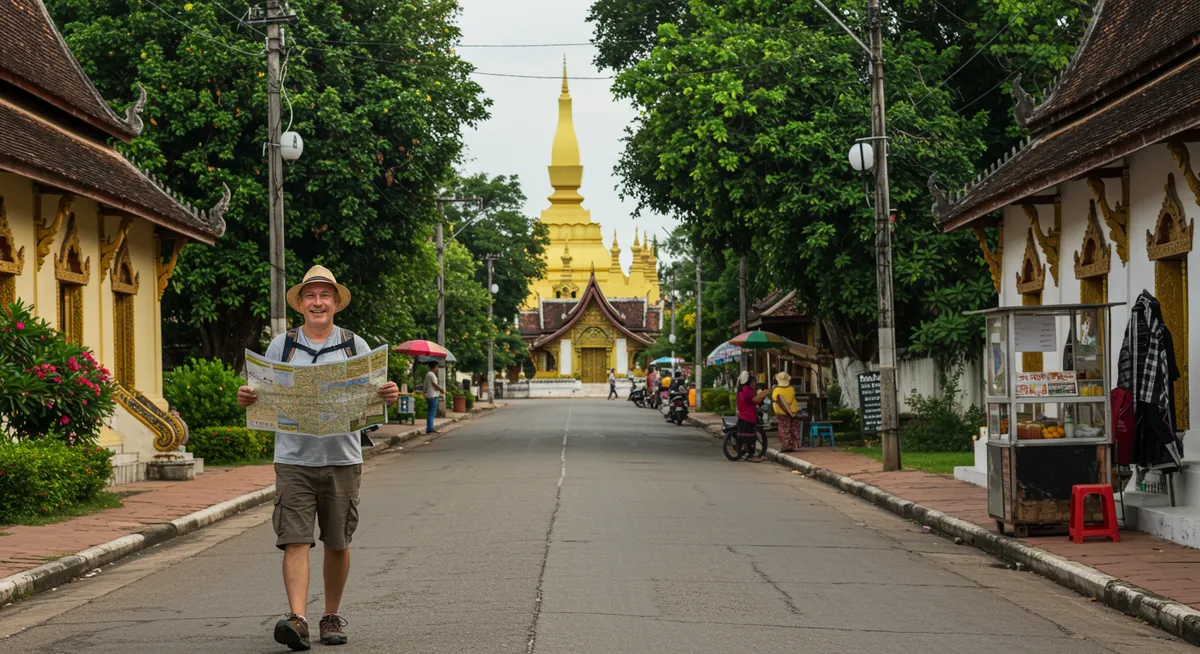
Luang Prabang, a UNESCO World Heritage site nestled at the confluence of the Mekong and Nam Khan rivers, is a city best savored on foot. Its serene temples, colonial architecture, vibrant markets, and spiritual rituals unfold beautifully when explored at a leisurely pace. This guide is crafted for budget-conscious travelers keen on immersive free walking tours in Luang Prabang, offering practical advice to maximize your exploration of this charming Laotian gem without splurging.
Key Tips and Takeaways
- Prioritize comfortable, broken-in footwear.
- Stay hydrated, especially in Luang Prabang’s heat and humidity.
- Embrace early mornings for cooler temperatures and unique cultural experiences.
- Utilize offline maps for reliable navigation.
- Respect local customs and dress modestly, especially at temples and during alms giving.
- Explore local markets and street food alleys for authentic, budget-friendly meals.
- Carry small denominations of Lao Kip for easy transactions.
Why Walk Luang Prabang? The Budget & Immersion Advantage
Luang Prabang, a UNESCO World Heritage gem, wasn’t designed for roaring engines and hurried journeys. Its charm lies in its gentle pace, and there’s simply no better way to truly absorb its essence than on foot. Walking through Luang Prabang isn’t just about getting from A to B; it’s an integral part of the travel experience, offering unparalleled budget advantages and a profound sense of immersion that motorized transport simply cannot replicate.
The Unbeatable Budget Advantage
Let’s talk money. Luang Prabang is incredibly compact, especially the main peninsula where most of the key attractions, temples, and markets are located. This means that nearly everything you’ll want to see and do is within comfortable walking distance. Every step you take is a saving in your pocket! While tuk-tuks are readily available, a short ride often costs around 20,000-30,000 LAK (approx. $1-1.50 USD). These small fares quickly add up throughout the day, especially if you take multiple trips. By choosing to walk, you eliminate these transportation costs entirely, allowing you to reallocate those funds towards delicious street food, a refreshing drink at a riverside cafe, or a beautiful handcrafted souvenir – experiences that truly enrich your trip.
Deeper Immersion and Hidden Discoveries
Beyond the financial benefits, walking is your golden ticket to authentic cultural immersion. When you’re strolling the streets of Luang Prabang, you’re not just observing; you’re participating in the daily rhythm of life. Your senses awaken: you’ll hear the melodic chanting from nearby wats, smell the fragrant spices from a local kitchen, see children playing in quiet alleys, and feel the gentle breeze off the Mekong River. These are the nuances often missed from the blur of a moving vehicle.
- Access Hidden Alleys: Tuk-tuks stick to main roads. Walking allows you to peel back the layers of the city, ducking down narrow *soi* (side streets) that reveal charming guesthouses, local family-run eateries, serene residential areas, and even tucked-away temples like Wat Aham or Wat Visoun, which you might otherwise never find.
- Observe Local Life Up Close: You’ll have countless opportunities to smile and nod at locals going about their day, watch monks collect alms in the early morning (from a respectful distance), or simply observe the unhurried pace of Luang Prabang life. This direct interaction fosters a genuine connection and understanding that a quick ride cannot provide.
- Control Your Pace: Walk at your own speed, stopping whenever something catches your eye. Linger at a beautifully carved temple gate, pause to admire a colonial building, or simply sit on a bench and soak in the atmosphere. This freedom to explore without a set itinerary is the essence of true discovery.
Eco-Friendly Exploration
Choosing to walk also aligns perfectly with responsible and sustainable tourism. By opting for your own two feet, you contribute to reducing carbon emissions, minimizing noise pollution, and lessening traffic congestion in this tranquil town. It’s a simple, yet impactful, way to show respect for Luang Prabang’s natural beauty and serene environment.
Practical Tips for Your Walking Adventures:
- Comfortable Footwear is Key: Luang Prabang can be hot and humid, and you’ll be covering a lot of ground. Pack well-ventilated, broken-in walking sandals or shoes.
- Stay Hydrated: Always carry a reusable water bottle. Many guesthouses and cafes offer water refill stations, helping you save money and reduce plastic waste.
- Sun Protection: The sun in Laos can be intense. A wide-brimmed hat, sunglasses, and high-SPF sunscreen are non-negotiable, even on cloudy days.
- Dress Respectfully: When passing temples or observing the morning alms, ensure your shoulders and knees are covered as a sign of respect.
- Timing Matters: The best times for walking are early mornings (before 9 AM) and late afternoons/evenings (after 4 PM) to avoid the midday heat and enjoy cooler temperatures and softer light.
- Embrace Getting Lost: While offline maps (like Google Maps or Maps.me) are helpful, allow yourself to wander down an intriguing lane without a fixed destination. Some of the best discoveries are made by chance!
Ultimately, walking is more than just transportation in Luang Prabang; it’s an immersive, budget-friendly journey that transforms your visit into an unforgettable adventure, allowing you to truly connect with the heart and soul of this enchanting city.
Essential Pre-Tour Preparation & What to Bring
Embarking on a self-guided walking tour through Luang Prabang’s serene streets is the ultimate way to absorb its unique atmosphere and uncover hidden treasures. To ensure your budget-friendly exploration is both comfortable and thoroughly enjoyable, smart preparation and packing are key. Here’s your essential checklist to make the most of every step.
Footwear First: Your feet are your most important tool. Luang Prabang’s paths are charmingly uneven, and you’ll encounter plenty of steps (e.g., Mount Phousi). Prioritize comfortable, broken-in walking shoes or sturdy, supportive sandals. While easy to slip on and off for frequent temple visits, ensure they offer stability for longer distances. Blister plasters are a non-negotiable addition to your daypack!
Dress for Success & Respect: Luang Prabang’s tropical climate demands lightweight, breathable clothing like cotton or linen. Crucially, when visiting temples and sacred sites (which are abundant!), modesty is paramount: ensure your shoulders and knees are covered. A light sarong or scarf is excellent for quickly draping, offering both respect and extra sun protection.
Shield from Sun & Stay Hydrated: The Luang Prabang sun is deceptively strong. Generously apply high-SPF sunscreen, wear a wide-brimmed hat, and quality sunglasses. Hydration is equally vital in the humidity. Always carry a reusable water bottle; many guesthouses offer filtered water refill stations, saving money and reducing plastic waste.
Navigate Smartly & Power Up: While walkable, Luang Prabang’s winding lanes can be confusing. Download offline maps (Google Maps, Maps.me) before heading out – they are invaluable for finding attractions and staying on track. A fully charged power bank is also a lifesaver, keeping your phone powered for navigation, photos, and emergencies throughout your walking adventures.
The Savvy Daypack & Local Currency: A small, comfortable backpack is ideal for carrying essentials. Beyond your water bottle and first-aid basics (including insect repellent!), remember to carry small denominations of Lao Kip. For street food, market stalls, and smaller shops, cash is king, and smaller bills are widely preferred, making budget transactions smooth and easy.
Navigating Luang Prabang: Tips for Safe & Enjoyable Exploration
🌟 Local Expert Tip: Get the most out of your Luang Prabang visit with guided tours!
Luang Prabang is a pedestrian’s dream, with its charming lanes, riverside promenades, and compact historic center. However, to truly savor its magic and ensure a safe, respectful, and enjoyable walking experience, a few practical tips will go a long way.
Mastering Your Route: Offline Maps & Awareness
- Embrace Offline Maps: Before you even step out of your accommodation, download an offline map of Luang Prabang (Google Maps, Maps.me, or similar). Wi-Fi can be patchy, and relying on mobile data can drain your budget and battery. An offline map allows you to pinpoint temples, cafes, and your guesthouse without data, ensuring you never feel lost, even in the charming tangle of side streets.
- Motorbike & Tuk-Tuk Vigilance: While generally laid-back, Luang Prabang’s narrower streets and even some sidewalks can be bustling with motorbikes and the occasional tuk-tuk. Always be aware of your surroundings, especially when stepping off curbs or turning corners. Traffic generally drives on the right; try to walk facing oncoming traffic where possible for better visibility. Most drivers are courteous, but a quick glance over your shoulder can prevent minor mishaps.
Respecting Local Culture: The Heart of Your Journey
- Temple Etiquette is Key: Luang Prabang is a spiritual hub, home to numerous stunning Wats (temples). When visiting, dress respectfully – shoulders and knees should be covered. Remove your shoes before entering temple buildings (the Viharn, where Buddha images are housed). Speak quietly, avoid pointing your feet at Buddha images or monks, and refrain from touching monks or their robes. Observe the serene atmosphere and contribute to the tranquility.
- Photo Permission: While the daily life of Luang Prabang is incredibly photogenic, always ask permission before taking close-up photos of individuals, especially monks, elderly people, or children. A smile and a polite gesture (like holding up your camera and pointing) often suffice. If they decline, respect their wishes.
- Alms Giving (Tak Bat): Observe, Don’t Disrupt: The daily alms giving ceremony is a profound, sacred ritual, not a tourist spectacle. If you wish to observe, do so quietly and from a respectful distance (across the street or from a kneeling position, not standing over the monks). Do not use flash photography, do not get in the way of the monks or the local participants, and absolutely do not participate unless you are genuinely prepared (dressed appropriately, have purchased sticky rice from a local vendor rather than a tourist seller, and understand the solemnity of the act). Your respectful observation is the greatest gift.
Timing Your Exploration: Optimal Walking Windows
- Early Morning Serenity (6:00 AM – 9:00 AM): This is arguably the best time to walk. The air is cool and fresh, the light is soft for photography, and the city slowly awakens. It’s perfect for observing the alms giving, visiting morning markets, or simply enjoying the peaceful ambiance before the heat of the day sets in.
- Late Afternoon Golden Hour (4:00 PM – 6:00 PM): As the sun begins to dip, the temperatures become more comfortable again. The late afternoon light bathes the temples and Mekong in a golden glow, ideal for photography. This time is also perfect for a leisurely stroll towards the Night Market (starting around 5 PM) or finding a spot along the river for sunset views.
By keeping these simple tips in mind, you’ll not only navigate Luang Prabang with ease but also deepen your connection with its rich culture and friendly people, ensuring an unforgettable walking adventure.
Budget-Friendly Itineraries & Must-See Free Sights
🌟 Local Expert Tip: Get the most out of your Luang Prabang visit with guided tours!
Luang Prabang is a dream for budget-conscious travelers who love to explore on foot. Its compact, UNESCO-listed Old Quarter is incredibly walkable, allowing you to soak in its serene atmosphere, discover hidden gems, and experience local life without spending a fortune. Here’s how to craft unforgettable walking tours focusing on free or low-cost attractions.
Morning Exploration: Culture & Local Life
Start your day early to beat the heat and witness Luang Prabang awakening. Head straight to the Morning Market, a vibrant, bustling hub that’s completely free to explore. Watch locals haggle over fresh produce, exotic spices, and unique ingredients. You can find incredibly budget-friendly breakfast snacks here, costing mere pennies, offering a genuine glimpse into daily Lao life.
From the market, weave your way through the serene Old Quarter’s alleys and hidden nooks. These narrow, winding paths offer a charming insight into traditional Lao architecture, revealing quaint guesthouses and quiet temples. They are perfect for leisurely, unguided exploration, allowing you to stumble upon unexpected beauty.
Your destination should be Wat Xieng Thong, Luang Prabang’s most iconic temple. While a small fee is typically charged to enter the main temple buildings, you can freely explore its magnificent grounds and admire its stunning exterior architecture, intricate carvings, and the famous ‘Tree of Life’ mosaic – an absolute visual treat that costs nothing. Remember to dress respectfully (shoulders and knees covered) even when just viewing the exteriors.
After soaking in the temple’s grandeur, follow the tranquil Mekong River bank back towards the town center. Enjoy the gentle riverside breeze, watch traditional longboats glide by, and observe local fishermen. This peaceful stroll offers fantastic photo opportunities and a different perspective of the city.
Afternoon/Evening Exploration: Views & Atmosphere
For unparalleled panoramic views, make your way to Phou Si Hill. The walk up the hundreds of steps is free, offering increasingly rewarding vistas as you ascend. There’s a small entrance fee (around 20,000 LAK, subject to change) at the summit for access to the temple and the absolute best viewpoints, especially popular for sunset. If on a strict budget, significant views are still available from just below the summit, making the climb worthwhile.
After your ascent and descent, explore the quieter Nam Khan River bank, offering a different, equally picturesque perspective of the city. It’s a great spot for a relaxed walk and to watch local life unfold by the water.
As evening approaches, the Night Market along Sisavangvong Road springs to life. This bustling market is fantastic for window shopping – admire the handcrafted textiles, silver jewelry, and unique souvenirs. While buying is optional, the vibrant atmosphere, colorful stalls, and cheerful chatter are completely free to enjoy. It’s also an excellent spot to see the array of street food options, offering incredibly cheap and delicious local fare.
Don’t forget to stroll past the grounds of the Royal Palace Museum in the evening. While entry to the museum requires a fee, its well-maintained exterior grounds are free to wander and admire, especially when lit up, providing a sense of grandeur and history.
Practical Walking Tips for Budget Travelers:
- Comfortable Footwear: Non-negotiable! You’ll cover varied terrain.
- Stay Hydrated & Protected: Carry a reusable water bottle (many guesthouses offer free refills). Sunscreen, a hat, and sunglasses are essential.
- Dress Respectfully: Always cover shoulders and knees when visiting temples or sacred areas, even just exploring the grounds. A light sarong or scarf is handy.
- Embrace Detours: Luang Prabang’s true charm often lies in its unexpected corners. Wander down an intriguing alleyway – you might discover a serene wat or a beautiful garden.
- Timing is Key: Mornings are ideal for cooler temperatures and fewer crowds. Late afternoons are perfect for sunset views and the evening market buzz.
- Budget Bites: Look for local street food vendors for incredibly affordable and delicious meals or snacks. A bowl of *khao piak sen* or a *khao jee pate* can fill you up for less than a dollar.
Savoring Luang Prabang’s Flavors on a Budget (Foot-Friendly Food)
One of the greatest joys of exploring Luang Prabang on foot is discovering its incredible culinary landscape without breaking the bank. The city is a paradise for budget-conscious foodies, offering a myriad of flavors that are easily accessible on a walking tour. Prepare your taste buds – and your walking shoes!
Feasting at the Street Food Alley
Your ultimate destination for cheap and delicious local dishes is the bustling Street Food Alley, located just opposite the Royal Palace/National Museum entrance, running perpendicular to Sisavangvong Road. As the sun sets, this narrow lane transforms into a vibrant hub of culinary activity. Here, you’ll find an overwhelming array of Lao delicacies: crispy spring rolls, savory grilled meats (like sticky rice sausages), fresh salads, and an endless buffet of stir-fried noodles and curries. Many vendors offer a ‘fill your plate’ option for a set price (often around 15,000-20,000 LAK, roughly $0.75-$1.00 USD), making it an incredibly economical and satisfying dinner stop after a day of sightseeing. Don’t miss trying the freshly squeezed fruit shakes!
Unearthing Authentic Local Eateries
Beyond the main tourist thoroughfares, Luang Prabang hides a treasure trove of authentic, cheaper meals at local, non-touristy restaurants. To identify these gems, look for establishments with minimal English signage, simpler decor, and, most importantly, a crowd of local diners. Often, these eateries are tucked away on side streets or slightly off the main drag (like Kitsalat Road or along the river away from the main cluster of guesthouses). They might specialize in a few key dishes, such as khao piak sen (Lao noodle soup), laap (minced meat salad), or various curries, offering a true taste of Lao home cooking at a fraction of the price of tourist-oriented restaurants. Don’t be shy; point to what others are eating if you’re unsure, or have Google Translate ready to help with menus.
Hydration & Energy: Fruit Stalls & Water Refills
Maintaining energy and hydration is key during your walking explorations. Keep an eye out for the numerous fresh, inexpensive fruit stalls scattered throughout the town, especially near the morning market area and along major roads. You’ll find an abundance of tropical delights like juicy mangoes, sweet passion fruit, dragon fruit, and small, intensely flavored bananas, often pre-cut and ready to eat for mere pennies. These are perfect for a quick, healthy snack on the go.
Equally important is locating water refill stations. Luang Prabang can get hot and humid, and buying single-use plastic bottles adds up quickly (and isn’t eco-friendly). Many guesthouses, cafes, and even some small shops offer filtered water refills for a nominal fee (or sometimes free if you purchase something). Always carry a reusable water bottle and plan your refills strategically – ask your guesthouse for their recommendations or simply look for “Water Refill” signs.
By focusing on these foot-friendly food strategies, you’ll not only savor the diverse and delicious flavors of Luang Prabang on a budget but also experience the city like a local, making your walking tour truly unforgettable.
Connecting with the Broader Walking Tour Ecosystem
Beyond simply putting one foot in front of the other, connecting with Luang Prabang’s broader “walking ecosystem” means immersing yourself in the local rhythm and leveraging community resources. This approach not only enriches your experience but also aligns perfectly with a budget-friendly travel style.
Respectful Observation of Tak Bat (Monk Alms Giving Ceremony)
One of Luang Prabang’s most profound and moving sights is the daily Tak Bat, or Monk Alms Giving Ceremony. As a pedestrian, you have a unique opportunity to witness this spiritual ritual unfold just as dawn breaks. The procession of saffron-robed monks gracefully walking the streets is truly captivating. To observe respectfully:
- Arrive Early: The ceremony typically begins between 5:30 AM and 6:00 AM, depending on the season. Head towards Sakkaline Road or the main streets near the Royal Palace Museum.
- Find Your Spot: Position yourself quietly and respectfully, ideally across the street from the procession or at a distance that doesn’t obstruct the almsgivers or the monks. Avoid sitting directly on the ground where the procession will pass.
- Maintain Distance and Silence: Do not interrupt the monks or the devotees. Keep a respectful distance and observe in silence. This is a deeply spiritual event, not a performance.
- Photography Etiquette: If you must take photos, do so from a distance without flash. Never get in the monks’ faces or block their path. Be mindful of others observing.
- Avoid Participation (Unless Prepared): Many tourists are encouraged to participate by tour groups, but this is often done without proper understanding or respect. If you choose to participate, you must purchase appropriate sticky rice beforehand, dress modestly (shoulders and knees covered), remain silent, and kneel respectfully. For most budget travelers focusing on self-guided exploration, respectful observation from the sidelines is the most appropriate and meaningful way to connect with this tradition.
Tapping into Local Guesthouse Wisdom
Your accommodation isn’t just a place to sleep; it’s a valuable hub of local knowledge. Many budget-friendly guesthouses and hostels in Luang Prabang are run by locals or long-term residents who are passionate about their city. Always inquire at reception for:
- Free City Maps: Often, guesthouses provide basic hand-drawn or printed maps of the city center, highlighting key temples, the Mekong River, and the Night Market.
- Walking Route Suggestions: Don’t hesitate to ask staff for their personal recommendations on the best walking routes. They can point you towards hidden alleys, charming riverside paths, or lesser-known temples that aren’t always on standard tourist maps.
- Local Insights: Ask about the best times to visit certain areas, where to find authentic local food stalls, or current events. These insights are invaluable for crafting your bespoke walking tour.
Supporting Artisans at the Night Market
As evening falls, the bustling Luang Prabang Night Market transforms Sisavangvong Road into a pedestrian-only paradise. This is not just a shopping destination; it’s a vibrant walking experience in itself. Stroll slowly through the myriad stalls, marveling at the craftsmanship of local artisans. From intricate silk scarves and hand-woven textiles to delicate wood carvings and unique silver jewelry, every item tells a story.
- Browse on Foot: The market is best explored by simply wandering through its aisles, allowing the sights, sounds, and smells to guide you.
- Engage Respectfully: If you’re interested in an item, engage with the vendor. Even if you’re not buying, appreciating their craft is a form of support.
- Support Local: By purchasing directly from these artisans, you are directly contributing to the local economy and traditional crafts, turning your leisurely evening walk into a meaningful act of support.
The Rarity of Free guided Tours
While the focus of a budget Luang Prabang trip leans heavily on self-guided discovery, it’s worth a brief mention that genuinely free, regular guided walking tours (like those found in larger European cities) are quite rare here. Occasionally, you might stumble upon volunteer-led initiatives, often associated with language schools where students practice their English, or specific one-off events. However, for consistent and comprehensive walking exploration on a budget, empowering yourself with a good map, local advice from your guesthouse, and your own two feet remains the most reliable and rewarding strategy.
Expert Tips & Local Insights for Walkers
Luang Prabang truly comes alive when explored on foot. To fully immerse yourself in its serene beauty and vibrant culture, here are some expert tips and local insights to enhance your walking tour:
Embrace the Early Bird Advantage
Starting your day early, ideally before 7:00 AM, offers a significant edge. The temperatures are much cooler and the streets are less crowded, making your exploration more pleasant. This is also the ideal time to witness local life unfold, from vendors setting up their stalls to observing the daily alms giving ceremony (Tak Bat). Experiencing the city’s gentle awakening on foot is a truly magical and authentic experience.
Wander and Get Deliberately Lost
While a general itinerary is helpful, don’t be afraid to stray from the main tourist paths. Luang Prabang’s hidden gems often lie in its narrow, winding alleys and quieter backstreets, particularly those connecting the Mekong and Nam Khan rivers. These unplanned detours can lead to discovering charming local cafes, secluded temples, or authentic eateries that aren’t in guidebooks. Always carry an offline map for reassurance, but let curiosity guide your steps.
Learn a Few Basic Lao Phrases
A little linguistic effort can significantly enhance your interactions. Learning simple phrases like “Sabaidee” (hello) and “Khop jai” (thank you) is highly appreciated by locals. Using these greetings when interacting with vendors, guesthouse staff, or just passing by will often elicit warm smiles and more genuine connections, making your walking experience feel more personal and less transactional.
Carry a Small Notebook and Pen
This lightweight duo is surprisingly useful. Use it to jot down directions given by a friendly local, note the name of a fantastic noodle stall you discovered, sketch a beautiful temple detail, or simply record observations and thoughts. It’s an analog way to capture memories and practical information instantly, without relying on your phone’s battery.
Support Local Vendors Along Your Route
As you explore on foot, you’ll inevitably pass by countless street food stalls, morning markets, and artisan shops. Whenever possible, make a small purchase – grab a refreshing fruit shake, a delicious snack, or a unique handcrafted souvenir. This direct support has a meaningful impact on local families and provides an authentic taste of Luang Prabang’s economy. Remember to bargain politely at markets if you wish.
Pace Yourself and Stay Hydrated
Luang Prabang’s tropical climate means heat and humidity are constant companions. It’s crucial to pace yourself, even on seemingly short walks. Build frequent breaks into your itinerary: step into a shaded temple, enjoy a cold drink at a riverside cafe, or simply find a bench in the shade. Always carry a reusable water bottle and refill it frequently. Enjoy the journey without rushing, allowing yourself to truly absorb the city’s serene atmosphere.
Frequently Asked Questions
🌟 Local Expert Tip: Get the most out of your Luang Prabang visit with guided tours!
Q: Is Luang Prabang safe for solo female walkers?
A: Generally, Luang Prabang is very safe for solo female travelers. Standard common sense precautions apply, such as avoiding walking alone at night in poorly lit or isolated areas, and securing your belongings. The main tourist areas are well-trafficked and generally safe.
Q: How much walking is involved in a typical day?
A: The amount of walking varies by your chosen itinerary, but for a full day of comprehensive exploration within the compact town center, expect to walk between 5 to 10 kilometers (3-6 miles). The core attractions are relatively close to each other.
Q: Are there sidewalks everywhere in Luang Prabang?
A: Not consistently. While some main roads have sidewalks, many streets have uneven paths or shared spaces with motorbikes and other vehicles. Awareness and caution are key when walking, especially on narrower roads.
Q: Can I walk to Kuang Si Falls from the city center?
A: No, Kuang Si Falls is located approximately 29 kilometers (18 miles) southwest of Luang Prabang. It is not within walking distance. You will need to arrange transport such as a tuk-tuk, shared minivan, or rented scooter to visit the falls.
Q: What’s the best time of year for walking in Luang Prabang?
A: The dry season, from October to March, offers the most pleasant weather for walking with cooler temperatures and lower humidity. November to February is considered peak tourist season due to these ideal conditions.
Walking Luang Prabang is more than just getting from point A to point B; it’s an intimate journey into the soul of Laos. By embracing the city on foot, you unlock its hidden charms, connect with its people, and discover the true essence of its UNESCO heritage – all while keeping your budget intact. So lace up your shoes, grab your water bottle, and prepare for an unforgettable pedestrian adventure in one of Southeast Asia’s most captivating destinations.