
Haiphong Street Food Tour: A Gastronomic Walking Adventure (2026)
Explore Haiphong’s vibrant street food scene on foot! Discover local specialties like Banh Da Cua & Nem Cua Be, get expert tips & practical advice for an unforgettable culinary journey.
On this page
Haiphong, Vietnam’s bustling port city, is a hidden culinary gem, often overshadowed by Hanoi or Ho Chi Minh City. Yet, for the adventurous traveler interested in exploring on foot, Haiphong offers an unparalleled street food experience. Forget tourist traps; this city thrives on authentic, local flavors found in bustling alleys and sidewalk eateries. This guide will walk you through the essential tastes and practical tips for an unforgettable gastronomic journey, proving why Haiphong is truly a walker’s paradise for food lovers.
Key Tips and Takeaways
- Wear comfortable walking shoes – you’ll be on your feet for hours!
- Carry small denominations of VND for easy transactions at street stalls.
- Be adventurous with your palate; Haiphong offers unique flavors not found elsewhere.
- Stay hydrated, especially in Haiphong’s tropical climate.
- Don’t be afraid to point or use translation apps for ordering.
- Observe where locals eat; busy stalls usually mean delicious and fresh food.
- Embrace the hustle and bustle; it’s part of the authentic street food experience.
Why Haiphong is a Street Food Paradise for Walkers
While Vietnam’s culinary capitals often steal the spotlight, Haiphong quietly reigns as a street food paradise, particularly for those who believe the best way to taste a city is one step at a time. This bustling port city offers an incredibly authentic and rewarding experience for walkers, turning every stroll into a delicious discovery.
What makes Haiphong truly shine for food-focused walkers is its incredibly compact and accessible city center. Unlike sprawling metropolises, Haiphong’s main culinary hotspots are often just a short stroll from each other, allowing you to seamlessly transition from one delicious discovery to the next without needing a taxi or a Grab. Tree-lined avenues give way to bustling markets and unassuming alleyways, each hiding a treasure trove of local flavors. This intimate layout fosters an immersive exploration, where you can truly feel the pulse of the city as you navigate its vibrant food scene on foot.
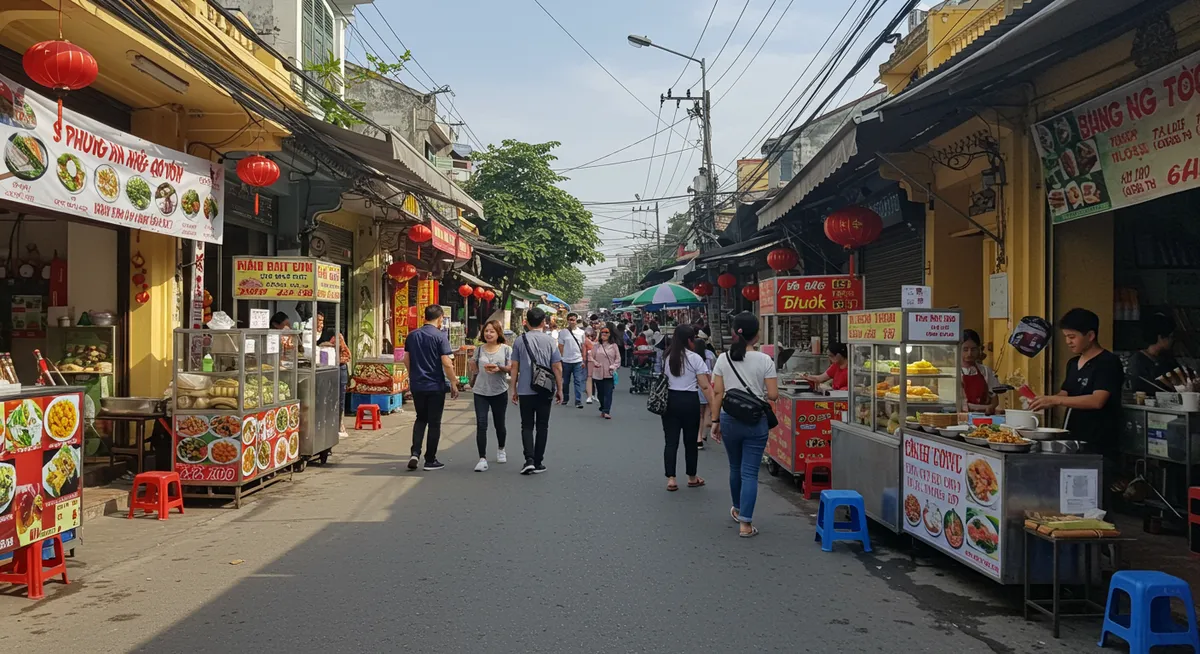
Haiphong boasts a distinct culinary identity, deeply rooted in its port city heritage. The flavors here are often bolder, fresher, and uniquely Haiphong, with a strong emphasis on seafood and local ingredients. Forget sterile tourist traps; Haiphong’s street food thrives in unassuming sidewalk stalls, humble family-run eateries, and bustling local markets. Each corner turned often reveals a new culinary surprise, from sizzling hot plates to aromatic noodle stands. Exploring on foot isn’t just about convenience; it’s about immersion. You’ll breathe in the aromas, hear the chatter of local vendors, and witness the lively rhythm of daily life as you hop from one eatery to the next, making the experience as rich as the food itself.
For walkers, Haiphong presents endless opportunities for a bite or a refreshing drink:
- Must-Try Bites on the Go: Your walking tour wouldn’t be complete without a bowl of Bánh Đa Cua (Haiphong’s iconic red noodle crab soup), its rich broth and unique noodles are a revelation. For a perfect snack between stops, grab a few Bánh Mì Cay – mini spicy baguettes with a potent chili sauce – they’re addictive and easy to eat while strolling. Don’t miss the square crab spring rolls, Nem Cua Bể, a crispy delight perfect for sharing (or not!). For the adventurous, a sidewalk Ốc (snail) stall offers a true local experience with an array of preparations.
- Refreshing Stops: Keep an eye out for vendors selling fresh sugarcane juice (nước mía) – a sweet, icy pick-me-up. A traditional Vietnamese iced coffee (cà phê sữa đá) is always a good idea for an energy boost. Many street food stalls also offer complimentary or very cheap trà đá (iced tea), a local staple that’s incredibly refreshing on a warm day.
So, lace up your comfortable shoes and prepare your taste buds. Haiphong is best savored one delicious step at a time, promising an authentic culinary adventure unlike any other.
Before You Lace Up: Practical Pre-Tour Preparations
Before you even dream of the first bite of bánh đa cua, smart preparation ensures your Haiphong street food walking tour is as delicious as it is comfortable. Think of these tips as your secret ingredients for an unforgettable culinary adventure.
Step Smart: Comfortable Footwear
First and foremost: your feet are your best friends on this journey! Haiphong’s vibrant streets, while charming, can be uneven and busy. Opt for the most comfortable, broken-in walking shoes you own – sneakers or sturdy flats are ideal. You’ll be clocking good kilometers navigating bustling markets and hidden alleyways, so happy feet equal a happy foodie.
Dress Light: Climate-Appropriate Clothing
dress for the tropical climate. Haiphong is typically hot and humid. Light, breathable fabrics like cotton or linen are your best bet. Think loose-fitting shorts, skirts, or light trousers, paired with comfortable t-shirts or tops. A hat and sunglasses are also highly recommended to shield you from the strong Vietnamese sun.
Pack Wisely: Your Indispensable Backpack Essentials
A small, lightweight backpack will be your indispensable companion for carrying:
- Water: Crucial for staying hydrated in the heat.
- Sunscreen: Protect your skin.
- Hand sanitizer & wet wipes: Must-haves for street food hygiene.
- Portable power bank: Keep your phone charged for photos, maps, and translations.
- Small umbrella or rain poncho: Haiphong can experience sudden, brief downpours.
Cash is King: Local Currency Tips
Cash is king on the streets of Haiphong, specifically Vietnamese Dong (VND) in smaller denominations. Most street food stalls operate purely on cash. Having 10,000 VND, 20,000 VND, and 50,000 VND notes readily available will make transactions smoother and quicker. Avoid flashing large bills like 500,000 VND, as smaller vendors may struggle to break them.
Tech Tools: Smartphone Savvy
Your smartphone is your sidekick. Download offline maps on Google Maps beforehand – invaluable for navigating Haiphong’s winding streets and finding specific food stalls. Google Translate (with offline language packs) will be your best friend for ordering, asking about ingredients, or engaging with friendly locals. A few basic Vietnamese phrases like “Xin chào!” (hello) and “Cảm ơn!” (thank you) will also go a long way!
Starting Strong: Your Tour’s Ideal Launchpad & Foodie Fuel
For your ideal starting point, we recommend Tam Bac Lake (Hồ Tam Bạc). This central area is a hub of activity and a fantastic springboard to nearby food-rich alleys and bustling markets. From here, easily wander into streets known for their legendary bánh đa cua (crab noodle soup), track down the best bánh mì cay (spicy baguette), or discover exquisite nem cua bể (crab spring rolls). As you walk, refuel with refreshing nước mía (sugarcane juice) or a local trà chanh (lemon tea). Don’t forget to save room for Haiphong’s unique desserts like sữa chua mít (jackfruit yogurt) or chè dừa dầm (crushed coconut dessert) – sweet rewards for your walking efforts!
Morning Bites & Signature Flavors: The Essential Haiphong Breakfast
🎯 Insider Tip: Discover the best Ho Chi Minh City experiences with Viator Tours!
Kickstart your Haiphong culinary adventure with the city’s most iconic morning dishes. As the city slowly awakens, the aroma of simmering broths and fresh bread fills the air, inviting you on a delicious walking tour through its bustling streets. This is where you’ll truly taste the soul of Haiphong’s vibrant food scene.
The Unmissable Banh Da Cua: Haiphong’s Signature Dish
Your essential Haiphong breakfast begins with Banh Da Cua – the renowned red noodle soup with crab. This isn’t just a dish; it’s a culinary emblem of Haiphong, deeply intertwined with the city’s identity. What makes it unique are the distinctive flat, reddish-brown noodles (bánh đa đỏ) made from rice, which have a wonderfully chewy texture and absorb the rich broth perfectly. The soup itself is a complex symphony of flavors: a savory, slightly sweet broth simmered with fresh crab, often enhanced with pork bones.
Each bowl is a masterpiece of textures and tastes, typically loaded with a medley of fresh ingredients. Expect succulent pieces of real crab meat, fragrant fried chả lá lốt (minced pork wrapped in betel leaf), delicate chả cá (fish cake), earthy wood ear mushrooms (mộc nhĩ), and blanched water spinach (rau muống). A sprinkle of crispy fried shallots (tỏi phi) and a squeeze of lime elevate the experience to pure perfection. Locals often add a spoonful of spicy chili paste to give it an extra kick, so feel free to experiment!
Recommended Banh Da Cua Stalls:
- Bánh Đa Cua Bà Cụ (179 Cầu Đất): A legendary spot, often considered the gold standard for traditional Banh Da Cua. Be prepared for a crowd, especially in the mornings, but the rich, authentic flavor is well worth the wait.
- Bánh Đa Cua 195 Cầu Đất: Another highly-regarded establishment on the same street, known for its consistent quality and generous portions. A fantastic alternative if Bà Cụ is too busy.
Banh My Cay: The Spicy Stick Bread Snack
While Banh Da Cua is a hearty meal, no morning in Haiphong is complete without sampling Banh My Cay, or “spicy stick bread.” These delightful mini-baguettes are slim, crunchy, and packed with flavor. They are typically filled with a thin layer of rich pork pate and a generous smear of the iconic Haiphong chili sauce (tương ớt Chí Chương) – a vibrant, fiery concoction unique to the city. It’s the perfect grab-and-go snack or a complementary bite alongside your Banh Da Cua.
You’ll find Banh My Cay stalls virtually everywhere, but for an authentic experience, seek out:
- Bánh Mì Cay Bà Già (57A Lê Lợi): An iconic, no-frills spot famous for pioneering this simple yet addictive treat. The bread is baked fresh on-site, ensuring maximum crispness.
Walking Tour Practical Tips:
- Timing is Key: For the freshest ingredients and liveliest atmosphere, aim to start your breakfast tour between 7:00 AM and 9:00 AM. Many stalls start running out of ingredients by late morning.
- Follow the Locals: Look for stalls buzzing with local patrons – this is always a sign of good quality and authentic flavors.
- Hydration: While enjoying your hot soup, remember to carry water. Many food stalls will also offer iced tea (trà đá) or bottled water.
- Cash is King: Most street food vendors operate on a cash-only basis. Have plenty of small denominations (VND 20,000, 50,000) ready.
- Be Adventurous: Don’t be afraid to point at dishes or use simple gestures. Locals are generally friendly and eager to share their cuisine.
Embrace the vibrant energy of Haiphong’s morning streets, and let your taste buds guide you through a truly unforgettable breakfast experience!
Mid-Day Delights & Savory Specialties
As the morning flavors fade and the Haiphong sun climbs higher, it’s time to delve into the city’s hearty midday delights and savory specialties. This part of your walking tour invites you to satisfy your cravings with dishes that are substantial yet perfectly suited for continued exploration.
The Star Attraction: Nem Cua Bể (Square Crab Spring Rolls)
No Haiphong street food tour is complete without experiencing the legendary Nem Cua Bể. This isn’t just any spring roll; it’s a culinary icon of Haiphong, distinct from the cylindrical nem rán found elsewhere. Its unique square shape allows for a generous, tightly packed filling, making it instantly recognizable and uniquely Haiphong.
- What to Expect: Each Nem Cua Bể is a golden, crispy parcel bursting with fresh crab meat, lean pork, delicate glass noodles, wood ear mushrooms, and various vegetables. Deep-fried to a perfect golden crisp, it offers an incredibly satisfying crunch with every bite.
- How it’s Served: Typically, it’s cut into bite-sized pieces and served with a vibrant platter of fresh herbs (like lettuce, perilla, mint) and the quintessential nước chấm dipping sauce, often featuring tangy pickled green papaya or carrot. The combination is pure magic.
- Where to Find the Best: For an authentic experience, head to the bustling area around Phố Cấm or Lạch Tray Street. Many reputable eateries specialize in this dish. Look for places packed with locals; “Bà Cụ” near the Hàng Kênh area is a well-known spot, but numerous smaller, equally delicious stalls abound.
Other Midday Savories & Refreshments
While Nem Cua Bể is a must-try, Haiphong offers other tempting midday options:
- Bún Chả: For a classic Vietnamese lunch, Bún Chả (grilled pork with vermicelli noodles) is a fantastic choice. Haiphong offers its own delicious rendition, with succulent grilled pork patties and slices served in a warm, sweet, and sour dipping broth alongside fresh herbs and rice vermicelli. You’ll find good Bún Chả stalls scattered throughout the city center.
- Local Seafood Snacks (Ốc): Given Haiphong’s coastal location, midday is also a great time to sample some of the city’s incredible seafood snacks, particularly various types of ốc (snails). Prepared with chili, garlic, and lemongrass, they offer a delightful spicy kick. Look for bustling street food stalls, often found on Cát Dài Street or near the Chợ Lương Văn Can market area.
- Cool Down: Combat the midday heat with a refreshing glass of local trà đá (iced tea) or a fresh nước mía (sugarcane juice), readily available at most food stalls.
Practical Tips for Your Midday Food Hunt:
- Pace Yourself: Even if you’ve eaten a lot, save room for these substantial dishes. Share if needed!
- Hydrate: Always carry water.
- Embrace the Local Experience: Sit on the low plastic stools and tables – it’s part of the charm!
- Ordering Made Easy: Point to the dish or ingredients. A simple “một cái” (one portion) is usually enough.
With a full stomach and a deeper appreciation for Haiphong’s culinary identity, you’ll be ready to continue your exploration of this charming port city.
Sweet Treats & Refreshing Sips: Cooling Down the Haiphong Way
After indulging in Haiphong’s savory delights, it’s time to refresh and cool down, and the city offers an incredible array of sweet treats and refreshing sips perfect for punctuating your walking tour. These culinary pauses aren’t just about quenching thirst or satisfying a sweet tooth; they’re an integral part of experiencing Haiphong’s vibrant local life.
Chè Dừa Dầm: Haiphong’s Signature Sweet Escape
You absolutely cannot leave Haiphong without trying its most famous dessert: Chè Dừa Dầm (coconut jelly with sticky rice). This delightful concoction is a Haiphong specialty, a creamy, cooling dream in a cup. Imagine layers of rich coconut milk, tender coconut jelly, chewy sticky rice, crunchy roasted coconut shavings, and sometimes a hint of fresh fruit, all served over ice. It’s incredibly refreshing and surprisingly light, making it the perfect antidote to Haiphong’s tropical heat and a wonderful palate cleanser after a spicy meal.
- Walking Tour Tip: Look out for dedicated Chè Dừa Dầm stalls and small shops, especially bustling ones in the late afternoon. They are often found near local markets or residential areas. Don’t be shy; point to what you want if language is a barrier!
Fresh Fruit Smoothies (Sinh Tố): A Burst of Tropical Goodness
Vietnam’s tropical climate means an abundance of incredibly fresh fruits, and Haiphong takes full advantage with its ubiquitous Sinh Tố (fruit smoothies). Whether you crave the creamy richness of avocado (sinh tố bơ), the tangy sweetness of passion fruit (sinh tố chanh dây), or a refreshing blend of mixed tropical fruits, you’ll find them everywhere. These blended delights are not just delicious; they’re packed with vitamins and provide instant hydration.
- Practical Advice: Most street vendors and small cafes offer a wide variety. You can ask for “không đường” (no sugar) or “ít đường” (less sugar) if you prefer less sweetness, allowing the natural fruit flavors to shine.
Cà Phê Sữa Đá: The Iconic Vietnamese Coffee Kick
For those needing an energy boost, the iconic Cà Phê Sữa Đá (iced Vietnamese coffee with condensed milk) is a must-try. This potent brew, made from strong, dark roasted Vietnamese coffee slowly dripped through a traditional ‘phin’ filter and served over ice with a generous swirl of condensed milk, is more than just a drink; it’s a cultural ritual. Sipping it on a tiny plastic stool, watching the city wake up or wind down, is an essential Haiphong experience.
- Walking Tour Tip: Coffee shops are plentiful on almost every street. Take a break, enjoy the rich aroma, and people-watch. It’s a great way to recharge and soak in the local atmosphere before continuing your exploration.
Bia Hơi: The Ultimate Local Unwind
As the sun begins to dip, or even for a daring midday refresh, embrace the truly authentic Haiphong experience with Bia Hơi (fresh draught beer). This incredibly light, crisp, and ridiculously inexpensive beer is brewed daily and consumed fresh. Bia Hơi establishments are quintessential social hubs, often recognizable by their simple setup of low plastic tables and stools spilling onto the pavement. It’s not about craft beer; it’s about the unique, communal atmosphere and the feeling of truly living like a local.
- Local Insight: Bia Hơi is best enjoyed in the late afternoon or early evening. Join the locals, clink glasses, and soak in the lively chatter. It’s the perfect way to cap off a day of walking and street food exploration, providing a genuine taste of Haiphong’s everyday life.
Navigating Haiphong’s Culinary Lanes: Safety, Hygiene & Etiquette
Haiphong’s street food scene is a symphony for the senses, but navigating its bustling culinary lanes requires a dash of local know-how to ensure a safe and delicious experience. As you embark on your walking tour, keep these practical tips in mind.
Food Safety & Hygiene: Eat Like a Local, Safely
The golden rule of Haiphong street food is simple: follow the crowds. Stalls brimming with locals are a strong indicator of both deliciousness and high food turnover, meaning fresh ingredients are constantly being prepared. Observe the vendor’s practices: do they handle raw and cooked ingredients separately? Are surfaces reasonably clean? While hygiene standards may differ from Western expectations, most reputable street food vendors in Haiphong take pride in serving fresh, hot (or appropriately chilled) food. If a dish is meant to be hot, ensure it’s served steaming. For cold drinks, opt for bottled water (readily available) and be cautious with ice, though many vendors now use commercially produced, safe ice cubes.
Navigating Haiphong’s Dynamic Traffic
Haiphong’s streets, like much of Vietnam, are a vibrant ballet of scooters, cars, and pedestrians. As a walker, you’ll need to master the art of crossing the road. The key is to walk slowly and predictably, maintaining a steady pace. Make eye contact with approaching scooter drivers, and they will usually flow around you. Avoid sudden stops or changes in direction. Sidewalks can sometimes be obstructed by parked bikes or impromptu vendor setups, so be prepared to share the road or momentarily step into the street while staying vigilant.
Communicating & Cultural Etiquette at the Table
A few basic Vietnamese phrases will go a long way. A friendly “Xin chào” (sin chow – hello) upon arrival and “Cảm ơn” (gahm un – thank you) when leaving are always appreciated. To order, simply point or try “Cho tôi [dish name]” (chaw toy – Give me [dish name]). For prices, “Bao nhiêu tiền?” (bow nyew tyen – How much money?) is useful. When dining, observe local customs: sharing dishes is common, and don’t stick your chopsticks upright in a bowl of rice (it resembles incense sticks at an altar). Slurping noodles or soup is perfectly acceptable, even encouraged, as it shows enjoyment!
- Bargaining: For street food, prices are generally fixed and incredibly affordable. Bargaining is not customary or expected.
- Tipping: Tipping is not part of the street food culture in Haiphong. Your patronage and a genuine “Cảm ơn” are ample appreciation. For sit-down restaurants, a small tip is appreciated but not mandatory.
Fueling Your Walk: Haiphong’s Culinary Delights
Your walking tour is inherently a culinary journey. Stay hydrated by purchasing bottled water from any convenience store or vendor. Don’t miss out on trying trà đá (iced tea), a refreshing and inexpensive local staple. As you explore, keep an eye out for Haiphong’s renowned specialties:
- Bánh đa cua: The city’s iconic crab noodle soup, found everywhere from small alleyway stalls to larger eateries.
- Bún chả que tre: Skewered pork vermicelli, often grilled over charcoal, offering a smoky, savory bite.
- Nem cua bể: Square-shaped crab spring rolls, distinct from the more common cylindrical ones.
- Bánh mì cay: Haiphong’s unique spicy baguette, small and packed with pâté and chili sauce.
Look for bustling spots, particularly around the city center, near the opera house, or along Tam Bạc Lake. Many vendors specialize in just one or two dishes, perfecting their craft over generations. Don’t hesitate to step into a small, unassuming eatery; often, these are where the most authentic and memorable flavors reside.
Beyond the Plate: Local Insights & Cultural Immersion
🎯 Insider Tip: Discover the best Ho Chi Minh City experiences with Viator Tours!
A Haiphong street food walking tour is far more than just a culinary expedition; it’s a vibrant portal into the city’s very soul. Beyond the tantalizing flavors on your plate, this journey offers an unparalleled opportunity for true cultural immersion, revealing how food intricately weaves into the daily life and social fabric of Haiphong.
To truly understand the journey from farm or sea to table, we highly recommend incorporating a visit to one of Haiphong’s bustling local markets into your walking route. Places like Chợ Ga (Chicken Market) or the expansive Chợ Sắt (Iron Market) are sensory feasts that provide a raw, authentic glimpse into local commerce and community. Here, you’ll witness the fresh ingredients that make Haiphong’s street food so exceptional – from vibrant piles of herbs and exotic fruits to freshly caught seafood and cuts of meat. Observe locals haggling, vendors passionately showcasing their produce, and the rhythmic flow of daily life. It’s a symphony of sounds, a kaleidoscope of colors, and an intoxicating blend of aromas that perfectly complements the dishes you’ll soon be savoring.
Street food stalls in Haiphong are not merely places to eat; they are the city’s living rooms, its meeting points, and its impromptu social clubs. As you stroll through the narrow alleys and bustling boulevards, take a moment to observe the interactions around you. Families gather for impromptu meals, friends gossip over a bowl of bánh đa cua, and business deals are struck over cups of iced tea. This fast-paced, energetic environment is where the city truly breathes, and understanding its rhythm is key to appreciating Haiphong beyond the tourist façade. It’s a testament to how integral these humble eateries are to the city’s social cohesion and enduring spirit.
Throughout your Haiphong street food walking tour, remember that cultural immersion extends beyond the main dishes. Keep an eye out for opportunities to enjoy local refreshments and lighter bites that serve as perfect pit stops during your exploration. Consider these recommendations:
- Sữa Chua Mít (Jackfruit Yogurt): A delightful, refreshing dessert often found in small cafes, perfect for cooling down on a warm day.
- Chè (Sweet Soup): Vietnam’s answer to dessert, with countless variations featuring beans, fruits, and jellies in sweet coconut milk. Look for street vendors specializing in these colorful treats.
- Nước Mía (Sugarcane Juice): Freshly pressed and incredibly invigorating, this natural energy boost is readily available from street carts throughout the city.
- Trà Đá (Iced Tea): A ubiquitous, simple, and cheap refreshment that’s often served with street food or found at countless small stalls. It’s the unofficial drink of casual conversation.
Embrace curiosity, even if there’s a language barrier. A smile, a pointing finger, and a simple “cảm ơn” (thank you) go a long way. Allow yourself to slow down, absorb the surroundings, and truly connect with the heart of Haiphong. This deeper dive promises to be just as memorable as the delicious food itself.
Connecting Your Food Tour to Broader Haiphong Exploration
Your Haiphong street food walking tour is undoubtedly a feast for the senses, but it’s also the perfect launchpad for a deeper, more comprehensive exploration of this dynamic port city – all on foot! Many of Haiphong’s best food streets are conveniently located within easy walking distance of its most significant cultural and historical sites, allowing you to seamlessly connect your culinary adventure with broader sightseeing.
Start your post-food exploration by heading towards the elegant **French Quarter**, centered around the iconic Haiphong Opera House (Nha Hat Lon). If your food tour brought you near Cat Dai Street for Haiphong’s famous bánh mì cay, you’re already just a short stroll away. Admire the colonial architecture of the General Post Office, the Haiphong Museum, and various government buildings lining tree-shaded streets like Dinh Tien Hoang and Tran Hung Dao. It’s a captivating area for a leisurely walk, offering a glimpse into the city’s rich past.
For a refreshing break and a taste of local life, take a leisurely walk around **Tam Bac Lake (Ho Tam Bac)**. This picturesque lake, especially vibrant in the late afternoon and evening, offers a tranquil escape with scenic bridges and well-maintained pathways. It’s easily accessible from food hubs around Minh Khai Street, known for its diverse eateries. Adjacent to the French Quarter, the **Nguyen Du Flower Garden (Vuon Hoa Nguyen Du)** provides another green oasis perfect for a relaxed wander, ideal for people-watching and enjoying the city’s green spaces.
Venture slightly further to discover Haiphong’s spiritual heritage. **Du Hang Pagoda (Chua Du Hang)**, one of Haiphong’s oldest and most revered Buddhist temples, offers a serene glimpse into local religious life with its beautiful grounds and traditional architecture. It’s accessible via a pleasant walk or a short taxi ride from central areas if you’re keen to extend your walking radius. Another significant site is **Nghe Temple (Đền Nghè)**, dedicated to Lê Chân, a female general who played a key role in establishing the city.
Your broader Haiphong exploration needn’t be devoid of delicious pit stops. Haiphong’s streets are dotted with opportunities for refreshing drinks and light bites to fuel your urban trek:
- Haiphong’s Signature Sips: Seek out local cafes for Haiphong’s signature cà phê cốt dừa (coconut coffee) – a creamy, rich iced coffee perfect for recharging. Many cafes around the Opera House or by Tam Bac Lake serve excellent versions.
- Street-Side Refreshers: Keep an eye out for vendors pressing fresh nước mía (sugarcane juice), an incredibly refreshing and naturally sweet thirst-quencher, especially on a warm day. You’ll also find numerous small stalls selling local iced tea or various fruit smoothies.
- Quick Bites: For a light snack, look for small street stalls offering bánh tiêu (fried hollow donuts), bánh rán (fried glutinous rice balls), or fresh tropical fruits like dragon fruit and rambutan – perfect for eating on the go. If you need a cooling dessert, try chè (sweet soup) from a local vendor.
Practical Tips for Extended Walks: Wear comfortable walking shoes, stay hydrated (carry a reusable water bottle), and consider the weather – Haiphong can be warm and humid, so light clothing and sun protection (hat, sunscreen) are advisable. Utilize offline maps to navigate and don’t be afraid to embrace the spontaneity of discovery – sometimes the best finds are off the planned path. By integrating your food tour with these charming walking routes, you’ll gain a holistic and unforgettable appreciation for Haiphong’s unique charm.
Responsible Tourism & Supporting Local Vendors
Embarking on a Haiphong street food walking tour is an incredible way to immerse yourself in the city’s vibrant culinary heart. To ensure your adventure is not only delicious but also impactful, embracing responsible tourism is key. By making conscious choices, you help preserve the authentic charm of Haiphong and directly support the local community that makes its food scene so special.
Minimize Your Footprint: Reducing Plastic Waste
- Carry a Reusable Water Bottle: Stay hydrated while exploring Haiphong’s busy streets. Many cafes and food stalls are happy to refill your bottle, especially if you buy something.
- Bring a Reusable Cup/Container: When ordering local iced tea (*trà đá*) or Haiphong’s famous iced coffee (*cà phê sữa đá*), politely ask if they can serve it in your own cup. A small container is also handy for snacks or takeout portions.
- Refuse Plastic Straws: A simple “no straw, please” (không ống hút) goes a long long way.
- Use a Reusable Bag: Perfect for any small souvenirs or extra snacks you might pick up along your culinary journey.
Respect Local Customs and Culture
- Dress Modestly: While casual, respectful attire is generally appreciated, especially when passing by traditional areas.
- Ask Before You Snap: Always ask permission before taking photos of people, especially vendors and their stalls. A smile and gesture often suffice, or a simple “Cho tôi chụp ảnh được không?” (May I take a photo?).
- Learn Basic Phrases: Even a simple “hello” (xin chào), “thank you” (cảm ơn), or “delicious!” (ngon quá!) in Vietnamese will be met with warmth and smiles.
- Patience and Politeness: Street food stalls can be busy and chaotic. Embrace the energy, be patient, and always be polite. Avoid excessive haggling for food prices, as margins are thin for small businesses.
Directly Support Small, Family-Run Businesses
The true magic of Haiphong’s street food lies in its countless small, family-run establishments. These aren’t just businesses; they are generational legacies, preserving recipes and traditions. When you choose to eat at these authentic spots, you’re investing directly into the local economy and culture:
- Seek Out Local Gems: Prioritize humble stalls and eateries over larger, more modern establishments. The best *bánh đa cua* or *nem cua bể* often comes from a simple setup that has perfected its craft over decades.
- Pay Fair Prices: Street food prices are typically very affordable. Avoid trying to bargain down already low prices; every Dong counts for these small businesses.
- Carry Small Denominations: Having smaller Vietnamese Dong notes (10,000, 20,000, 50,000 VND) makes transactions much smoother and helps vendors avoid running out of change.
As you wander and savor, look out for the vibrant energy around specific dishes. A bustling *bún chả* stall or a busy *bánh mì cay* cart often indicates a beloved local spot. Don’t be afraid to try a little of everything – sharing dishes is common and allows you to sample more of Haiphong’s incredible culinary diversity. By being a mindful traveler, your Haiphong street food walking tour becomes more than just a meal; it’s an enriching cultural exchange that helps these unique traditions thrive for generations to come.
Frequently Asked Questions
🎯 Insider Tip: Discover the best Ho Chi Minh City experiences with Viator Tours!
Q: What is the best time of day to do a Haiphong street food walking tour?
A: Mornings (7 AM – 10 AM) are ideal for breakfast specialties like Banh Da Cua, and evenings (5 PM – 9 PM) are great for dinner options and a bustling atmosphere. Avoid peak midday heat (1 PM – 3 PM) for comfort.
Q: Is it safe to eat street food in Haiphong?
A: Generally, yes. Follow local advice: choose stalls with a high turnover of customers (indicating freshness), where food is cooked to order, and where basic hygiene seems to be maintained. Carry hand sanitizer.
Q: How much should I budget for a street food tour in Haiphong?
A: Haiphong street food is incredibly affordable. You can enjoy several dishes and drinks for as little as 100,000 – 200,000 VND (approx. $4-$8 USD) per person, depending on how much you eat.
Q: Are there vegetarian or vegan options available on a Haiphong street food tour?
A: While many Haiphong specialties are meat/seafood-based, you can often find vegetarian options like tofu dishes, fresh spring rolls (gỏi cuốn) without meat, or specific vegetable stir-fries. It’s best to learn ‘Tôi ăn chay’ (I am vegetarian) or ‘Không thịt’ (no meat).
Q: How do I get around Haiphong if I’m not walking?
A: For longer distances, you can use ride-hailing apps like Grab (for motorbikes or cars), traditional xe ôm (motorbike taxis), or local taxis. However, the best way to truly experience the food alleys is on foot.
Haiphong’s street food scene is a testament to its vibrant culture and a delightful challenge for any explorer on foot. Beyond just satisfying your taste buds, a walking tour through its culinary heart offers a unique window into the city’s daily life, its bustling markets, and the genuine warmth of its people. So, lace up your shoes, prepare your appetite, and dive headfirst into the unforgettable flavors of Haiphong. This city promises not just a meal, but an immersive walking adventure that will leave you craving more.
Looking for a complete guide? See our free walking tours in Haiphong. You might also enjoy Haiphong Walking Tours: Getting to Your Starting Point, Accessible Haiphong Walking Tours: Explore Vietnam Comfortably, Free Walking Tours Hoi An: Discover the Ancient Town, and Free Walking Tours Hue: Experience History on Foot.