
Sapa Rainy Season Trekking: Essential Walking Tour Tips (2026)
Trek Sapa’s rainy season confidently! Get expert tips on essential gear, local guides, safety, and embracing the misty trails for unforgettable walking tours.
On this page
Sapa, a breathtaking highland town in Northern Vietnam, transforms into a mystical wonderland during its rainy season (typically May to September). While some travelers might shy away from the rain, for the adventurous walker, this period offers a uniquely lush, less crowded, and incredibly atmospheric experience. Embarking on a walking tour in Sapa during these months is an intimate way to connect with its vibrant rice terraces, cascading waterfalls, and the rich cultures of its ethnic minority communities. This comprehensive guide will equip you with the practical advice and local insights you need to safely and enjoyably navigate Sapa’s misty trails.
Key Tips and Takeaways
- Always hire a local guide; they are invaluable for safety and insight.
- Invest in quality waterproof gear, especially hiking boots and gaiters.
- Be prepared for mud and leeches; they are part of the experience.
- Embrace the misty, lush beauty; it’s a unique Sapa experience.
- Practice responsible tourism to support local communities.
- Maintain flexibility in your plans due to changing weather.
Why Trek Sapa in the Rainy Season? The Unique Charm
While many travelers instinctively avoid the rainy season, specifically from June to September, when planning a Sapa adventure, we’re here to tell you why trekking during this period offers an unparalleled and uniquely captivating experience. Forget the common misconceptions; Sapa in the rain holds a charm that dry-season visitors often miss.
The Verdant Spectacle: Lush Landscapes & Full Waterfalls
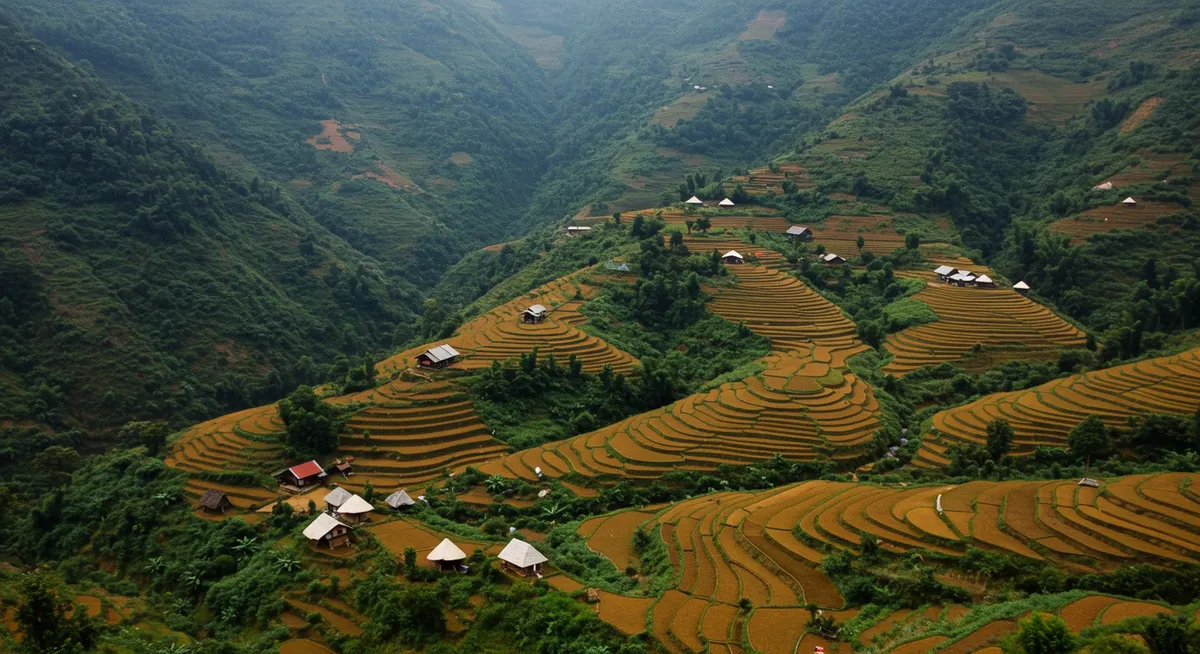
Imagine Sapa’s iconic rice terraces not as golden fields, but as an incredibly vibrant, almost fluorescent green canvas. The rainy season transforms the Muong Hoa Valley and surrounding hills into a breathtaking kaleidoscope of emerald hues. Water flows abundantly, irrigating the young rice paddies, making the scenery explosively alive. Waterfalls, like the majestic Silver Waterfall (Thac Bac) and Love Waterfall (Thac Tinh Yeu), are at their most powerful and impressive, thundering down with full force, creating dramatic and refreshing spray.
Dramatic Mist & Authentic Encounters
One of the most enchanting aspects of rainy season trekking is the omnipresent mist. Far from being a hindrance, it lends an ethereal, almost mystical quality to the landscape. Valleys are shrouded in a swirling, atmospheric fog that opens up intermittently to reveal stunning vistas, making each viewpoint a dramatic reveal. This atmospheric drama creates incredible photo opportunities and a sense of being truly immersed in nature.
The rainy season typically sees fewer tourists. This means your walking tour becomes a more serene, intimate experience. You’ll navigate the paths with greater tranquility, enjoy quieter homestays, and have more authentic interactions with the local Hmong, Red Dzao, and other ethnic minority communities. Their daily life continues amidst the rain, offering a genuine glimpse into their culture, farming practices, and resilience.
Navigating the Elements: Practical Tips for a Rewarding Trek
Yes, trekking in the rainy season comes with its unique set of challenges, but with the right preparation, they are entirely manageable and shouldn’t deter you from this incredible experience. Consider these actionable tips:
- Embrace the Mud: Paths can become muddy and slippery. This is inevitable. Don the right footwear – sturdy, waterproof hiking boots with good ankle support and deep treads are non-negotiable. Consider bringing gaiters to protect your pants.
- Leech Awareness: Leeches are more active in wet conditions. While not dangerous, they can be unsettling. Wear long pants and socks, and tuck your pants into your socks. Local guides often carry salt or tobacco, which can be used to remove leeches if they attach. Don’t panic; just remove them gently.
- Layer Up & Stay Dry: The weather can change rapidly. Pack quick-drying clothing in layers, including a waterproof and windproof outer shell. A rain cover for your backpack is essential to protect electronics and spare clothes.
- Trekking Poles: These are invaluable for stability on slippery or uneven terrain, helping you maintain balance and conserve energy.
- Local Guidance is Key: More than ever, hiring a local guide is highly recommended. They know the terrain, safe routes, and can navigate even in reduced visibility. Beyond safety, they offer invaluable cultural insights, bridging language barriers and enriching your interactions with local communities.
- Flexibility: Be prepared for your itinerary to shift slightly due to weather. Sapa’s charm lies in its raw, untamed beauty, and sometimes that means adapting to nature’s whims.
By preparing appropriately and embracing the elements, trekking Sapa in the rainy season transforms into an adventure of unparalleled beauty and authenticity. It’s an experience that truly connects you with the landscape and its people in a profound way.
Gear Up: Your Essential Rainy Season Trekking Checklist
Navigating Sapa’s stunning rice terraces and ethnic minority villages during the rainy season offers an unparalleled, lush experience, but it demands proper preparation. The trails can transform into muddy, slippery challenges, and sudden downpours are common. Gearing up correctly is not just about comfort; it’s about safety and ensuring you truly enjoy the immersive walking tour. Here’s your essential checklist to conquer Sapa’s wet-season trails:
- Waterproof Jacket & Pants (Breathable!): This is your first line of defense against Sapa’s persistent drizzle or sudden downpours. Don’t just go for ‘water-resistant’; you need genuinely waterproof. Opt for materials like GORE-TEX or similar high-quality fabrics that are also breathable. This is crucial for preventing you from getting clammy and uncomfortable inside, as you’ll be exerting yourself. A good jacket with a hood and waterproof zippers is ideal, and waterproof pants will save your legs from getting soaked and muddy.
- Sturdy Waterproof Hiking Boots with Excellent Grip: Your footwear is arguably the most critical item for Sapa’s rainy trails. The paths, often made of red clay and earth, become incredibly slick and treacherous when wet. Invest in boots designed for trekking, with robust ankle support and deep lugs on the sole for superior traction. Waterproofing is non-negotiable to keep your feet dry and prevent blisters. *Pro tip: Break in your boots thoroughly before your trip to avoid painful surprises on the trail!*
- Gaiters: These fabric sleeves worn over your boots and lower pant legs are unsung heroes for rainy season trekking. They’ll prevent mud, small stones, and, most importantly, leeches from entering your boots. Given Sapa’s muddy conditions and prevalence of leeches in wet areas, gaiters offer fantastic peace of mind and significantly improve comfort.
- Quick-Dry Clothing (Synthetics/Wool): Ditch the cotton! When wet, cotton takes ages to dry, becomes heavy, and can make you feel cold. Instead, pack clothing made from synthetic materials (like polyester, nylon) or merino wool. These fabrics wick moisture away from your skin, dry quickly, and help regulate your body temperature, even when damp. Think layers: a base layer, a fleece mid-layer for warmth, and your waterproof outer shell.
- Dry Bags (for Electronics & Essentials): Your phone, camera, wallet, passport, and any extra clothing need absolute protection from moisture. Pack several dry bags of varying sizes to organize and safeguard your valuables within your backpack. Even if your backpack has a rain cover, an extra layer of protection for critical items is always a smart move. Ziploc bags can work for smaller items in a pinch.
- Backpack Rain Cover: While some backpacks come with integrated rain covers, it’s wise to ensure yours has one or to purchase a separate, fitted cover. Your backpack will be exposed to rain, and a good cover will keep its contents, including your spare clothes and snacks, dry.
- Trekking Poles: These can be game-changers on Sapa’s slippery, muddy, and sometimes steep trails. They provide crucial stability, improve balance, help you navigate tricky descents, and even reduce strain on your knees. They’re particularly beneficial when crossing streams or navigating uneven, slick terrain.
- Headlamp: While you’ll likely trek during daylight hours, a compact headlamp is invaluable. Unexpected delays, early morning starts, or navigating a village path after sunset (where lighting can be sparse) make a headlamp a smart addition to your pack.
- Insect Repellent (Especially for Leeches): Sapa’s lush, wet environment is also home to various insects, including leeches, which are more prevalent during the rainy season. Carry a strong insect repellent, preferably with DEET, and apply it to exposed skin and around your boots and clothing before and during your trek. Local guides often have their own tips for dealing with leeches, but prevention is key.
- Basic First-Aid Kit: A small kit should include blister plasters, antiseptic wipes, pain relievers, bandages, and any personal medications. Given the potential for slips or minor cuts on the trail, being prepared for small injuries is essential. Don’t forget supplies for leech bites, like antiseptic and small plasters.
- Enough Water & Snacks: Even in cooler, wet weather, staying hydrated is vital. Carry sufficient water for your trek. High-energy snacks like nuts, dried fruit, or energy bars will keep you fueled throughout your journey, especially during longer walking tours between villages. While you can often buy water in villages, having your own supply ensures you’re never caught short.
With this gear checklist in hand, you’ll be well-prepared to embrace the raw, stunning beauty of Sapa’s rainy season. Proper preparation allows you to focus on the breathtaking landscapes and unique cultural encounters, rather than worrying about soggy feet or slippery trails.
Preparing for Your Sapa Walking Adventure
⭐ Recommendation: Don't miss out on amazing Sapa tours - book now!
Embarking on a walking adventure in Sapa is an unforgettable experience, offering breathtaking landscapes and profound cultural encounters. To ensure your journey is safe, enjoyable, and truly immersive, thorough preparation is key, especially given Sapa’s unique terrain and unpredictable weather, particularly during the rainy season.
Physical Readiness for Sapa’s Trails
Sapa’s treks range from gentle strolls through terraced rice fields to challenging ascents and descents over muddy, slippery paths. Even seemingly “easy” routes like those to Cat Cat Village or through Lao Chai require a reasonable level of fitness. Ahead of your trip, incorporate regular cardio exercises (walking, jogging, cycling) and strengthen your legs with activities like squats and lunges. This will significantly improve your stamina and reduce the risk of injury, allowing you to fully enjoy the stunning views and vibrant village life.
Researching Your Sapa Route
While most free walking tours in Sapa are guided, understanding the routes available can help you choose the best fit for your fitness level and interests. Popular routes traverse iconic areas like Y Linh Ho, Lao Chai, Ta Van, and Giang Ta Chai, each offering different perspectives of rice terraces, bamboo forests, and ethnic minority villages. Researching these options allows you to discuss preferences with your guide, ensuring the pace and difficulty align with your expectations. Be prepared for trails that can become extremely muddy and slippery, especially during Sapa’s rainy season (typically May to September).
Booking a Reputable Local Guide
This is arguably the most crucial step for a safe and enriching Sapa walking tour. Local guides, often from the Hmong or Red Dao ethnic minorities, possess unparalleled knowledge of the terrain, local customs, and hidden pathways. They are essential for navigating challenging conditions, bridging cultural gaps, and supporting the local community directly. Avoid unsolicited “guides” approaching you on the street. Instead, book through your reputable homestay, a well-established local tour agency in Sapa town, or through recommendations from trusted travel communities. Many local guides speak surprisingly good English, adding immensely to your cultural immersion.
Understanding Sapa’s Weather Patterns
As you’re looking for Sapa rainy season trekking advice, it’s vital to understand that the weather can change rapidly. During the rainy season, expect frequent downpours, mist, and fog, which can significantly reduce visibility and turn trails into muddy, challenging obstacle courses. This isn’t necessarily a bad thing – the rain brings lush greenery and fills the rice paddies, creating stunning reflections – but it demands appropriate gear and a flexible mindset. Be prepared for cooler temperatures and increased humidity. Your guide will be invaluable in assessing daily conditions and adjusting the route if necessary.
Communicating Your Plans
Before heading out, always inform someone reliable about your trekking plans. This could be your hotel reception, homestay host, or a trusted friend or family member back home. Provide them with your itinerary, estimated return time, and your guide’s contact information if possible. Carry a fully charged mobile phone (though signal can be patchy in remote areas) and consider a small power bank. This simple step adds an extra layer of safety, especially if you’re venturing into more remote areas or planning an overnight trek.
Navigating the Trails: Safety, Local Insights & Practical Tips
Navigating Sapa’s trails during the rainy season offers an unparalleled adventure, transforming familiar paths into a dynamic landscape. While the increased rainfall brings lush greenery and spectacular misty vistas, it also presents unique challenges. Your local guide is truly your most valuable asset here, more than just a navigator; they are your cultural bridge, safety expert, and interpreter of Sapa’s ever-changing environment.
Mastering Muddy Paths
Expect mud, and lots of it! Sapa’s iconic rice terraces and forest paths become wonderfully squelchy. The key to staying upright and comfortable is proper technique and gear:
- Heel First: When descending a slippery, muddy slope, lean back slightly and land on your heel first. This increases friction and helps prevent your foot from sliding out from under you.
- Trekking Poles are Essential: These are not optional in the rainy season. They provide crucial stability, distribute your weight, and can be used to test the depth of mud puddles or soft ground. Many guides will have bamboo poles available, or you can bring your own.
- Foot Placement: Look for higher ground, exposed roots, or rocks that offer better grip. Avoid stepping into the deepest sections of mud if possible.
Leech Prevention and Removal
Leeches are a common, albeit harmless, part of the Sapa rainforest ecosystem, especially during the wetter months. Don’t let them deter you; with a few precautions, they’re easily managed:
- Prevention is Key: Wear long socks pulled over your trousers, and consider applying insect repellent (with DEET) generously around your ankles and lower legs. Some trekkers even wear special leech socks.
- Regular Checks: Periodically check your legs and shoes, especially after walking through dense foliage or crossing streams.
- Safe Removal: If a leech attaches, do not pull it off forcefully, as this can leave part of its mouth embedded. Your guide will likely carry salt, which causes them to detach immediately. Alternatively, a quick touch with a lighter flame or a strong insect repellent spray can also make them release. The small wound will bleed a little; clean it thoroughly and apply a plaster.
River Crossing Precautions
While most major rivers have bridges, smaller streams or swollen creeks might require crossings. Always follow your guide’s instructions implicitly:
- Trust Your Guide: They know the safe crossing points, the strength of the current, and where the footing is stable.
- Slow and Steady: Take your time, use your trekking poles for balance, and step carefully on wet rocks.
- Avoid Swollen Rivers: If a river or stream is exceptionally high or fast-flowing due to heavy rain, your guide will know to find an alternative route or deem the crossing unsafe, prioritizing your safety above all.
The Indispensable Local Guide
Your local guide is your lifeline in Sapa. They are often from the Hmong or Red Dao communities, possessing an intimate knowledge of the terrain, local customs, and weather patterns that no map can replicate.
- Navigation & Safety: They know the unmarked trails, the safest routes in adverse weather, and can assess conditions on the fly. Sticking with your group and listening to their advice is paramount for your safety and enjoyment.
- Cultural Immersion: Guides offer invaluable insights into the daily lives, traditions, and farming practices of the ethnic minority groups, enriching your experience far beyond just the scenery.
- Respecting Private Property: Sapa’s trails often crisscross private rice paddies and village lands. Your guide will ensure you stay on designated paths, understand local etiquette, and respect the livelihoods of the communities you pass through. Never wander off alone or enter private homes without an invitation orchestrated by your guide.
Adjusting Plans Based on Weather Conditions
Sapa’s weather in the rainy season can be unpredictable, with sudden downpours or lingering mist. Flexibility is key:
- Listen to Expert Advice: Your guide will monitor conditions and may suggest modifications to your itinerary for safety or a better experience (e.g., shorter routes, alternative paths, or delaying a start).
- Safety First: Never push for a trek if your guide deems it unsafe due to heavy rain, landslides (rare but possible), or poor visibility. Embrace the unexpected changes; sometimes, the most memorable moments come from adapting.
Responsible Tourism: Engaging with Sapa’s Local Ecosystem
Embarking on a walking tour through Sapa’s breathtaking landscapes offers an incredible opportunity to connect with nature and the vibrant local cultures. To ensure your adventure is not only memorable for you but also beneficial for the communities and the environment you pass through, embracing responsible tourism is key. Your choices can significantly impact Sapa’s delicate ecosystem and its welcoming inhabitants.
Supporting Local Communities Directly
One of the most impactful ways to practice responsible tourism in Sapa is by channeling your support directly to the local people. During your trekking adventures, especially in the rainy season when trails can be challenging, a local guide is invaluable. They possess intimate knowledge of the terrain, safe paths, and weather patterns. Look to hire H’mong or Red Dao guides directly from their villages or through reputable, small-scale homestays. This ensures that the income goes directly to them and their families, fostering fair wages and economic empowerment, rather than being siphoned off by larger tour operators.
Beyond guides, choose to stay in locally-owned homestays or guesthouses within the villages. These establishments often offer authentic cultural immersion and provide essential income. When purchasing souvenirs or food, seek out small, family-run businesses and local markets. Buying directly from artisans in villages helps preserve traditional crafts and ensures your money benefits the creators directly.
Engaging with Local Culture Respectfully
- Learn Basic Phrases: A little effort goes a long way. Learning simple Vietnamese phrases like “Xin chào” (hello) and “Cảm ơn” (thank you) will be greatly appreciated. Even a few words in H’mong or Red Dao can open doors to warmer interactions.
- Respect Customs and Traditions: Sapa is home to diverse ethnic groups with rich traditions. Always ask permission before entering someone’s home or a sacred area. Dress modestly, especially when visiting villages or traditional dwellings – covering your shoulders and knees is a sign of respect. Be mindful of cultural norms; for instance, avoid touching children’s heads, as it’s considered sacred by some groups.
- Ask Before Taking Photos: The local people, particularly children, are incredibly photogenic, but always ask for permission before taking someone’s picture. A simple gesture and a “Xin phép chụp ảnh được không?” (May I take a photo?) goes a long way. Respect their decision if they decline, and avoid taking photos if you sense discomfort.
Practicing ‘Leave No Trace’ Principles
Sapa’s natural beauty, from its terraced rice fields to its lush forests, is a precious resource. Your walking tour should leave no trace behind:
- Pack It In, Pack It Out: Carry out everything you carry in, including all your trash, fruit peels, and cigarette butts. There are often limited waste disposal facilities in remote areas.
- Stay on Trails: Especially during the rainy season, sticking to designated paths helps prevent erosion and protects fragile vegetation and agricultural land. Do not venture into private rice fields or disturb crops.
- Minimize Plastic Use: Carry a reusable water bottle and refill it where possible. Decline single-use plastics whenever you can.
- Protect Wildlife and Natural Features: Observe local flora and fauna from a distance. Do not pick plants, collect souvenirs from nature, or disturb animals.
By following these responsible tourism guidelines, you not only ensure a more authentic and enriching Sapa walking experience for yourself but also contribute positively to the preservation of its culture and environment for future generations.
Beyond the Trek: Making the Most of Rainy Days in Sapa
⭐ Recommendation: Don't miss out on amazing Sapa tours - book now!
While Sapa is renowned for its breathtaking rice terraces and challenging treks, Mother Nature sometimes has other plans, especially during the rainy season. Don’t let heavy downpours dampen your spirits! A truly immersive Sapa experience means embracing all its facets, including those cozy, introspective rainy days. Here’s how to make the most of it when the trails are too muddy or the mist too thick for a proper trek.
Embrace the Local Culture: Cooking Classes
What better way to connect with Sapa than through its flavors? Many homestays and local operators offer authentic cooking classes. This is a fantastic indoor activity that allows you to learn about local ingredients and traditional preparation methods. Imagine learning to roll fresh spring rolls or prepare a hearty Hmong stew. It’s an intimate cultural exchange, perfect for understanding the daily life and culinary heritage of the ethnic minorities, providing a delicious story to take home.
Dive into the Heart of Sapa: The Local Market
The Sapa Market is a vibrant, covered hub of activity and a must-visit, especially on a rainy day. Sheltered from the elements, you can wander through stalls brimming with colorful textiles, unique handicrafts, fresh produce, and an array of spices. Observe the lively bargaining, the interactions between different ethnic groups, and soak in the authentic atmosphere. It’s a sensory overload in the best possible way, offering a glimpse into the local economy and social fabric.
Sip and Observe: Cozy Coffee Shops
Sapa boasts an increasing number of charming coffee shops, many offering stunning views of the misty mountains and valleys (even if obscured by clouds, the atmosphere is magical). Find a window seat, order a warm cup of Vietnamese coffee (cà phê sữa đá is excellent, but try hot ginger tea for warmth) or a traditional herbal brew, and watch life unfold. It’s a perfect spot to relax, read, journal, or simply contemplate the serene landscape, providing a peaceful respite before or after a shorter town walk.
Unwind and Connect: Relax at Your Homestay
If you’re staying at a local homestay, a rainy day is an excellent opportunity to truly immerse yourself in the experience. Spend quality time with your host family, share stories, or simply relax by a warm fire (if available). This is where the genuine Sapa hospitality shines. Use the time to read, catch up on sleep, or plan your next adventure for when the weather clears. Many homestays also have communal areas perfect for connecting with fellow travelers.
Warm Up with Local Cuisine: Hot Pot Delight
Rainy, chilly weather in Sapa calls for one thing: hot pot! This communal dining experience is not only delicious but incredibly warming. Sapa is famous for its fresh salmon hot pot (lẩu cá hồi) or the unique black chicken hot pot (lẩu gà đen). Find a local restaurant in town, gather around a bubbling pot, and enjoy a hearty meal with friends or family. It’s the ultimate comfort food and an essential part of the Sapa experience.
Post-Trek (or Pre-Trek) Recovery
Even if you haven’t been trekking today, taking care of your body is key for future adventures. Use a rainy day for some self-care. Enjoy a long, hot shower to soothe tired muscles. Consider booking a traditional Red Dao herbal bath, offered by many homestays and spas – it’s a fantastic way to relax and detoxify. Gentle stretching, hydrating, and ensuring a good night’s sleep will prepare you perfectly for when the Sapa sun inevitably breaks through the clouds, beckoning you back to the trails.
Frequently Asked Questions
Q: Is it safe to trek in Sapa during the rainy season?
A: Yes, it is generally safe if you are well-prepared, have proper gear, and crucially, trek with an experienced local guide. They know the trails, local conditions, and can guide you safely, even in challenging weather.
Q: Are leeches a major problem during the rainy season?
A: Leeches are common, especially on muddy trails. While they can be unsettling, they are not dangerous. Wearing long pants, socks, gaiters, and applying insect repellent (with DEET) can minimize encounters. Your guide will also have tips for removal.
Q: What’s the best footwear for Sapa rainy season trekking?
A: Sturdy, waterproof hiking boots with good ankle support and excellent grip are highly recommended. Water shoes or sandals are not suitable for the slippery and muddy terrain.
Q: Can I trek without a guide in Sapa during the rainy season?
A: It is strongly advised against, especially during the rainy season. Trails can become very slippery, unclear, and prone to landslides. Local guides provide essential navigation, safety knowledge, and cultural insights, making your experience much richer and safer.
Q: What if the weather gets really bad during my trek?
A: An experienced local guide will constantly monitor the weather and trail conditions. They may alter the route, shorten the trek, or advise against setting out if conditions are deemed unsafe. Always trust your guide’s judgment.
Sapa in the rainy season is not just a challenge; it’s an opportunity for an extraordinary walking tour. The vibrant greens, the dramatic mists, and the authentic encounters with local life create an unforgettable tapestry of experiences. With the right preparation, gear, and the invaluable companionship of a local guide, you’ll discover that embracing Sapa’s wet weather allows you to delve deeper into its soul, leaving you with memories of a truly unique and rewarding adventure. Don’t let a little rain deter you – Sapa awaits your footsteps!