
Pakse Walking Tour Weather Guide: Best Times to Explore (2026)
Navigate Pakse’s unique weather like a pro! This guide offers essential tips, packing advice, and local insights for enjoyable walking tours in Laos’ charming southern hub.
On this page
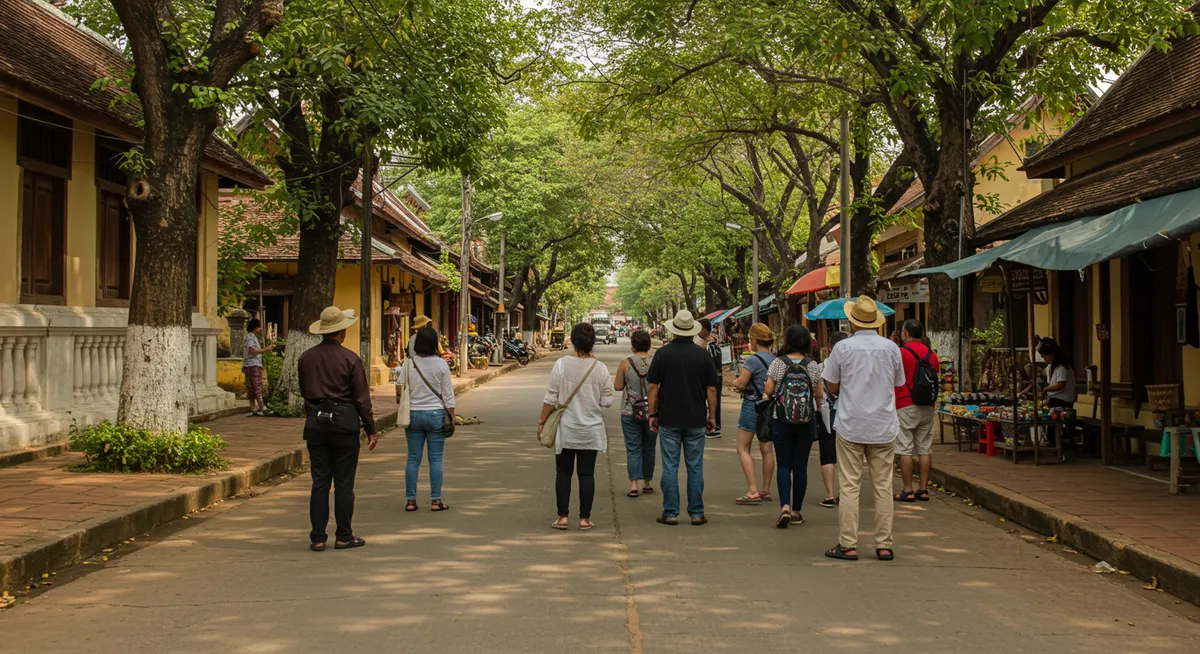
Pakse, the tranquil hub of Southern Laos, invites travelers to explore its charming streets, bustling markets, and serene riverside on foot. A walking tour is arguably the most authentic way to experience this city’s unique rhythm. However, understanding and preparing for Pakse’s tropical climate is crucial for a comfortable and memorable adventure. This comprehensive guide will equip you with the knowledge to conquer Pakse’s weather, ensuring your walking tours are nothing short of spectacular.
Key Tips and Takeaways
- Hydrate constantly, regardless of the season.
- Prioritize lightweight, breathable, and quick-drying clothing.
- Always carry sun protection: hat, sunglasses, and high-SPF sunscreen.
- Pack a compact umbrella or light rain jacket, even in the dry season, for unexpected showers.
- Embrace early morning or late afternoon walks to beat the peak heat.
- Be flexible with your itinerary; Pakse’s weather can change quickly.
- Wear comfortable, broken-in walking shoes suitable for varied terrain and potential wet conditions.
Understanding Pakse’s Tropical Climate
Understanding Pakse’s unique tropical climate is key to planning an enjoyable and comfortable walking tour experience. Laos, and particularly the southern region where Pakse is situated, experiences two distinct seasons: the dry season and the wet season. Each offers a different character to your exploration, so knowing what to expect will help you prepare perfectly.
The Dry Season: November to April
Often considered the prime time for a Pakse walking tour, the dry season brings generally pleasant weather. From November through February, temperatures are at their most comfortable, averaging around 25-30°C (77-86°F) with lower humidity levels. Days are predominantly sunny, making it ideal for leisurely strolls through the city, along the rivers, or exploring local markets without excessive heat or rain.
However, as the dry season progresses into March and April, temperatures begin to climb significantly, often soaring past 35°C (95°F) before the rains arrive. This period can be intensely hot and dry, especially during midday. Humidity remains relatively low compared to the wet season, but the sun’s intensity demands respect.
Walking Tour Tips for the Dry Season:
- Hydration is paramount: Even on cooler days, bring plenty of water. On hot days, carry extra or plan frequent stops at local shops for cold drinks.
- Sun Protection: A wide-brimmed hat, sunglasses, and high-SPF sunscreen are non-negotiable, especially between 10 AM and 4 PM.
- Dress for Comfort: Lightweight, breathable fabrics (cotton, linen) are best. Light colours reflect the sun’s heat.
- Timing is Everything: For longer walks, schedule your tours for early mornings (before 9 AM) or late afternoons (after 4 PM) to avoid the midday sun, particularly from March onwards.
- Footwear: Opt for comfortable, breathable walking shoes or sandals that are well broken-in. Your feet will thank you!
The Wet Season: May to October
The wet season transforms Pakse into a lush, vibrant green landscape. While it might sound less appealing for walking tours due to the rain, many travelers find it incredibly atmospheric and rewarding. Temperatures remain consistently warm, typically ranging from 28-32°C (82-90°F), but humidity levels are significantly higher, often exceeding 80-90%.
Rainfall typically occurs in short, intense downpours, often in the afternoon or evening, rather than all-day drizzles. These showers can be refreshing, clearing the air and making the landscape pop with colour. Occasionally, you might experience longer periods of rain, but usually, there are ample dry windows for exploration.
Walking Tour Tips for the Wet Season:
- Embrace the Rain: A lightweight, packable waterproof jacket or poncho is essential. Don’t let a brief shower deter you; just embrace it as part of the tropical experience.
- Waterproof Your Gear: Use a waterproof cover for your backpack or pack electronics in dry bags.
- Footwear Choices: Quick-drying sandals or shoes with good grip are recommended, as paths can become muddy or slippery. Avoid heavy canvas shoes that take ages to dry.
- Mosquito Repellent: With increased humidity and standing water, mosquitoes are more prevalent. Apply repellent liberally, especially during dawn and dusk.
- Flexibility is Key: Be prepared to adjust your walking plans around sudden downpours. Pop into a local café or temple until the rain passes – it’s a great excuse to experience local life!
- Quick-Drying Clothing: Synthetic fabrics that wick away moisture and dry quickly are excellent choices for the high humidity.
No matter when you visit, a Pakse walking tour promises an immersive experience. Being prepared for the climate will ensure you can fully enjoy every step of your journey through this charming Lao city.
The Dry Season (October – March): Golden Days for Walking
The dry season, from October through March, is truly the “golden period” for a Pakse walking tour. Following the monsoon’s cleansing rains, the air turns crisp, skies clear, and the climate becomes ideal for urban exploration.
Temperatures are significantly more comfortable. October and November offer a beautiful transition, with lush greenery and dropping humidity. From December to February, Pakse experiences its coolest and driest weather, perfect for extended strolls. Mornings can be delightfully cool (a light jacket often helps), warming to comfortable mid-20s Celsius (70s Fahrenheit) by midday. March sees gradual warming, remaining dry and pleasant for walking, though heat increases towards month-end.
Unrivalled Comfort and Clarity
The primary benefit of the dry season is notably reduced humidity. This means less sweat and stickiness, making your exploration of Pakse’s charming streets, riverfront, and markets far more enjoyable. Clear, azure skies offer perfect photography conditions, allowing stunning shots of the Mekong River, illuminated temples like Wat Phou Salao, and vibrant local life without atmospheric haze.
Minor Considerations: Dust and Occasional Haze
While mostly idyllic, be aware of dust, especially on unpaved sections or busy roadsides – a light scarf or bandana helps if sensitive. Towards late dry season (February-March), a light haze might appear from agricultural burning. Rarely severe for casual walking, it can sometimes obscure distant views. Focus on Pakse’s immediate charms, and it’s easily overlooked.
Practical Tips for Your Golden Days Walk
- Hydration is Key: Dry air dehydrates. Always carry a reusable water bottle; refill stations are plentiful in Pakse.
- Dress for Comfort: Choose light, breathable fabrics (cotton, linen). Long sleeves/pants offer sun protection; otherwise, comfortable shorts and t-shirts. Layers are useful for cooler mornings.
- Footwear Matters: Comfortable, broken-in walking shoes or sturdy sandals are essential due to Pakse’s sometimes uneven pavements.
- Sun Smarts: A wide-brimmed hat, sunglasses, and high-SPF sunscreen are crucial, especially for midday walks.
- Timing Your Strolls: Early mornings (7-9 AM) are magical – freshest air, coolest temperatures, and vibrant markets (like Dao Heuang). Late afternoons (4-6 PM) are also fantastic for riverside strolls and sunset views. Plan shorter walks or indoor breaks during midday.
- Embrace the Pace: Pakse operates at a relaxed pace. Allow yourself to wander, stop for local coffee or snacks, and soak in the atmosphere. The dry season makes lingering outdoors a true pleasure.
With smart preparation, the dry season offers an unparalleled opportunity to explore Pakse on foot, creating unforgettable memories of this charming Lao city.
The Hot Season (April – May): Brave the Heat
🌟 Local Expert Tip: Get the most out of your Pakse visit with guided tours!
April and May mark Pakse’s hottest period, a truly formidable challenge for walking tours. Temperatures can soar well into the high 30s°C (90s°F), often feeling even hotter due to relentless humidity. While it might sound daunting, with smart planning and a resilient spirit, you can still experience Pakse’s charm on foot. This season offers a unique, quieter atmosphere, but demands respect for the elements.
Timing is Everything: Embrace the Extremes
Your primary strategy for braving the heat is timing. Embrace the dawn patrol! Starting your walks between 6:00 AM and 8:30 AM will grant you cooler temperatures, softer light for photography, and the chance to witness Pakse waking up – monks collecting alms, vendors setting up, and the tranquil Mekong riverside. Similarly, late afternoon, from 4:30 PM onwards, offers a gradual cool-down, perfect for sunset views along the Xe Don River or exploring the vibrant night market. During the peak heat of midday (roughly 10:00 AM to 4:00 PM), retreat indoors. This is an ideal time to visit air-conditioned cafes, explore the partially shaded local markets (like Dao Heuang Market), or relax at your accommodation.
Hydration and Heat Management: Your Survival Kit
Hydration isn’t just important; it’s critical. Aim to drink significantly more water than you think you need. Dehydration can creep up quickly in this climate. Carry at least 1-2 liters of water per person for even short walks, refilling frequently. You’ll find bottled water readily available at every convenience store (minimart), small shop, and restaurant throughout Pakse. Consider electrolyte sachets or local electrolyte drinks like 100PLUS, which are popular in Southeast Asia and replenish vital salts lost through sweat.
When it comes to clothing, dress for extreme heat. Opt for loose-fitting, light-colored, breathable fabrics like cotton or linen. Long sleeves and trousers, while seemingly counter-intuitive, can offer better sun protection than shorts and t-shirts. A wide-brimmed hat, good quality sunglasses, and high-SPF, sweat-resistant sunscreen are non-negotiable. Don’t forget a lightweight scarf or sarong for temple visits, which can also be used to protect your neck from the sun.
Pacing and Practicalities
Don’t rush. Adopt a slower pace than you normally would and factor in frequent breaks. Every 20-30 minutes, seek out shade, a bench, or pop into a convenience store for a quick blast of air conditioning and a cold drink. Pakse has numerous small cafes and eateries where you can grab an iced coffee or a refreshing fruit shake and cool down for a while. Listen to your body – if you feel dizzy, excessively fatigued, or nauseous, stop immediately and find a cool, safe place.
What to Bring on Your Hot Season Walk:
- Minimum 1.5-2 liters of water (per person).
- Electrolyte packets or drinks.
- Wide-brimmed hat.
- Sunglasses.
- High-SPF, sweat-resistant sunscreen.
- Lightweight, breathable clothing (long sleeves/trousers for sun protection).
- Comfortable, well-ventilated walking shoes or sandals.
- Small towel (for sweat).
- Portable, battery-operated fan.
- Cash (for frequent drink/snack stops).
- Fully charged phone (for maps, emergencies, and translations).
While challenging, experiencing Pakse in the hot season can be incredibly rewarding. The city moves at an even more languid pace, allowing for deeper immersion. You’ll often have key attractions, especially in the early mornings, almost to yourself. Embrace the local rhythm: slow down, hydrate, and enjoy the authentic, sun-drenched beauty of Pakse at its most quiet.
The Wet Season (June – September): Embrace the Rain
🌟 Local Expert Tip: Get the most out of your Pakse visit with guided tours!
Don’t let the term “wet season” deter you from experiencing Pakse on foot. From June to September, the city and its surrounding landscapes transform into a lush, vibrant paradise, offering a uniquely authentic walking tour experience. While rain is a frequent visitor, it often comes in heavy, intermittent downpours followed by clear skies, allowing for plenty of exploration.
The Upside of Monsoon Walks
One of the most immediate benefits is the incredible greenery. The Mekong River swells, and the trees, plants, and fields around Pakse burst with life, offering stunning photographic opportunities of a verdant Laos. The air feels fresh and clean, free from the dust of the dry season, and temperatures are generally cooler and more comfortable for walking. Crucially, the wet season brings fewer crowds, meaning you’ll have a more serene experience at city temples like Wat Luang, and a deeper immersion into local life as you navigate the bustling markets.
Navigating the Challenges
Naturally, the rain presents a few challenges. Paths and unpaved sections can become slippery, especially around the local markets or riverside promenades. Localized flooding can occur on some main roads or lower-lying market areas, turning regular footpaths into temporary streams. This is where preparedness truly pays off.
Essential Gear for Wet Season Wandering
- Waterproof Footwear: This is your number one priority. Opt for sturdy, waterproof sandals with good grip or lightweight, quick-drying hiking shoes. Leave your fancy sneakers at home.
- Lightweight Rain Jacket or Poncho: Essential for sudden downpours. A compact umbrella is also incredibly useful for quick shelter or lighter drizzles.
- Dry Bags: Protect your electronics (phone, camera, power bank) and important documents with small, waterproof dry bags or zip-lock pouches. A waterproof phone case is also highly recommended.
- Quick-Drying Clothing: Synthetic fabrics that wick away moisture and dry fast are ideal. Avoid heavy cotton that can stay wet and uncomfortable.
- Insect Repellent: The increased humidity and standing water mean more mosquitoes. Apply repellent generously, especially around dawn and dusk.
- Small Towel: Handy for wiping off rain or drying hands.
Flexible Itineraries and Local Insights
Embrace spontaneity during the wet season. Instead of a rigid schedule, plan your walks around the weather. If a heavy shower begins, seek shelter in a charming Pakse coffee shop, a local eatery, or a traditional temple. Observe how local life continues seamlessly – vendors often simply move their wares under tarpaulins. Use these pauses to enjoy a refreshing iced coffee or try some local snacks.
Consider shorter walking stints, interspersed with breaks or even short tuk-tuk rides if a particular path becomes too muddy or flooded. The Dao Heuang Market, while an absolute must-see, can become quite slushy, so tread carefully and enjoy the vibrant chaos. The riverside areas offer incredible views as the Mekong swells, but always be mindful of your footing. By being prepared and embracing the unique charm of Pakse in the rain, your walking tour will be an unforgettable adventure, showcasing a side of Laos many visitors miss.
Essential Gear for Every Season: What to Pack
Navigating the vibrant streets and serene temples of Pakse on foot is an unforgettable experience. However, the tropical climate of Southern Laos – characterized by heat, humidity, and distinct wet and dry seasons – means that what you pack can significantly impact your comfort and enjoyment. Being well-prepared ensures you can focus on soaking in the sights and sounds of Pakse, rather than battling the elements.
Footwear: Your Foundation for Exploration
Your feet will be doing a lot of work on a Pakse walking tour, from strolling along the Mekong promenade to exploring local markets and ascending steps at temples. Comfort and practicality are paramount.
- Walking Sandals: For most of the year, particularly the dry season (November to April), a good pair of supportive, comfortable walking sandals (like Chacos or Tevas) is a game-changer. They offer excellent ventilation, are quick to dry if you encounter unexpected puddles, and are incredibly convenient for the frequent removal required when entering temples.
- Light Athletic Shoes: For longer walking excursions or if you prefer more support, a pair of lightweight, breathable athletic shoes is ideal. Opt for mesh materials that allow air circulation and quick drying.
- Waterproof Options (Rainy Season): If you’re visiting during the wet season (May to October), consider light trail shoes or waterproof sneakers. While heavy boots are overkill for Pakse, a bit of water resistance will be appreciated on potentially muddy paths or during heavy downpours. Always ensure your chosen footwear is broken in before your trip to avoid blisters.
Clothing: Lightweight, Breathable, and Respectful
Pakse’s climate demands clothing that helps you stay cool and comfortable, while also being respectful of local customs, especially when visiting religious sites.
- Lightweight, Breathable Fabrics: Prioritize fabrics like linen, light cotton blends, or technical synthetics (nylon, polyester) that wick away moisture and dry quickly. Avoid heavy denim.
- Loose-Fitting Attire: Loose clothing allows for better airflow, crucial in the humid conditions.
- Modesty is Key: When visiting temples and sacred sites, ensure your shoulders and knees are covered. Packing a lightweight scarf or sarong is a versatile solution – it can cover your shoulders, protect you from the sun, or even serve as an impromptu towel.
- Versatility: A mix of shorts, light trousers, and T-shirts will suffice, along with a couple of long-sleeved shirts for sun protection or temple visits.
Sun Protection: Shield Yourself from the Tropical Rays
The equatorial sun in Pakse can be intense, even on cloudy days. Adequate sun protection is non-negotiable for comfortable walking tours.
- Wide-Brimmed Hat: A hat that shades your face, neck, and ears is essential. Choose one that’s breathable and can be easily packed.
- Sunglasses: Opt for sunglasses with good UV protection to shield your eyes from the glare.
- High-SPF Sunscreen: Apply a high-SPF, broad-spectrum sunscreen generously to all exposed skin and reapply frequently, especially if you’re sweating. Consider a water-resistant formula.
Rain Gear: Be Prepared for Sudden Showers
While the dry season is generally sunny, sudden tropical downpours can occur year-round, becoming more frequent and intense during the wet season.
- Compact Umbrella: A small, sturdy umbrella is a versatile item, providing protection from both sun and rain. Locals use them commonly.
- Lightweight Rain Jacket or Poncho: A breathable, packable rain jacket or a simple poncho will keep you dry without adding bulk. Avoid heavy, non-breathable options that will make you feel clammy in the humidity.
Hydration Essentials: Stay Quenched and Energized
Dehydration is a real risk in Pakse’s climate. Staying hydrated is crucial for maintaining energy levels during your walks.
- Reusable Water Bottle: Bring a sturdy, reusable water bottle. Many guesthouses and cafes offer refill services, helping you stay hydrated while reducing plastic waste. Aim to drink continuously, even if you don’t feel thirsty.
- Electrolyte Tablets or Powder: These are lifesavers for replacing salts lost through sweating. Dissolve them in your water bottle to prevent fatigue and muscle cramps, ensuring you can keep exploring all day long.
By packing smart and prioritizing comfort and protection, you’ll be well-equipped to enjoy every step of your walking tour through the captivating city of Pakse.
Local Insights & Expert Tips for Optimal Comfort
Navigating Pakse on foot is an incredibly rewarding experience, offering an intimate glimpse into local life. However, to truly enjoy your walking tours, understanding and adapting to the local climate is key. As your virtual guide, here are my expert tips for staying comfortable, no matter the weather.
Optimize Your Timing for Comfort
The secret to comfortable walking in Pakse often lies in timing. Plan your more extensive explorations for the cooler parts of the day. Early mornings (before 9:00 AM) are ideal for visiting the bustling Pakse Morning Market, strolling along the Xe Don River, or exploring serene temples like Wat Luang, when the air is freshest and locals are just beginning their day. Late afternoons, from 4:00 PM onwards, are perfect for riverside walks along the Mekong, catching the sunset, or delving into the vibrant Pakse Night Market as temperatures begin to dip. Avoid serious walking between 11:00 AM and 3:00 PM when the sun is at its most intense and humidity peaks.
Embrace Shade and Strategic Air-Conditioned Stops
When the sun beats down, shade is your best friend. Map out routes that utilize covered sidewalks, the expansive awnings of shops, or the natural canopy provided by trees along the riverbanks. Don’t hesitate to weave through small local streets which often offer more shade than main thoroughfares. Crucially, integrate air-conditioned breaks into your itinerary. Pakse boasts numerous delightful coffee shops and restaurants—perfect havens for a refreshing drink, a light snack, or just a few minutes of cool air to recharge. Supermarkets and larger minimarts can also offer a quick escape from the heat.
Recognize and Prevent Heat Exhaustion
Pakse’s tropical climate demands respect. Stay vigilant for signs of heat exhaustion: dizziness, nausea, headache, excessive sweating, or unusual fatigue. Prevention is simple but vital: hydrate constantly. Carry a large water bottle and refill it frequently; bottled water is readily available everywhere. Consider electrolyte drinks, especially after prolonged walking. Dress in light, breathable fabrics (cotton or linen are excellent choices), wear a wide-brimmed hat, and use high-SPF sunscreen. Listen to your body and don’t push yourself too hard; frequent, short breaks in the shade are far more effective than trying to power through.
Mastering Humidity and Wet Surfaces
Humidity is a constant companion in Pakse, making the heat feel more intense. Opt for moisture-wicking clothing to help your skin breathe. If you’re visiting during the green season (typically May to October), expect occasional heavy downpours. Good grip footwear is essential for navigating potentially slippery surfaces—uneven sidewalks, wet market floors, and tiled temple grounds can become treacherous. Keep an eye out for puddles and be mindful of splashes from passing motorbikes. A compact, lightweight umbrella or a breathable rain jacket can be invaluable, not just for rain, but also for extra sun protection.
Leverage Tuk-Tuks for Convenience
While walking is the goal, don’t shy away from utilizing Pakse’s ubiquitous tuk-tuks. They’re not just for long distances; they can be incredibly useful for short hops when you’re feeling the heat, or for quickly reaching a specific point after a long walk. This allows you to conserve energy for the parts of the tour you want to walk the most. Always agree on the fare before you start your journey. A quick tuk-tuk ride can be a welcome relief, transforming a potentially uncomfortable long walk into a pleasant, breezy ride, getting you to your next point of interest refreshed and ready to explore on foot once more.
Connecting Weather to Pakse’s Walking Tour Experience
Understanding Pakse’s weather patterns is key to maximizing your walking tour experience. The city experiences two primary seasons: the dry season (typically October to April) characterized by cooler temperatures and less humidity, and the wet season (May to September), bringing higher temperatures, humidity, and frequent, often intense, afternoon downpours. Each season offers unique opportunities and challenges for exploring Pakse on foot.
Mekong Riverside Strolls
A leisurely walk along the Mekong River is a quintessential Pakse experience. During the dry season, this is pure bliss. Expect comfortable temperatures, a gentle breeze, and spectacular, unobstructed sunsets. This is the ideal time for long, relaxed strolls, morning jogs, or evening wanders. Pack light layers if you’re out after dusk as it can get a little cooler.
In the wet season, riverside walks are still possible but require more consideration. Mornings are often the best time, before the midday heat and humidity build up, and before potential afternoon rains. River levels rise dramatically, and some sections of the path might be affected by minor flooding or become muddy. Be prepared for humid conditions and keep an eye on the sky. A light, compact umbrella can be a lifesaver for sudden showers.
Exploring Local Markets (e.g., Dao Heuang Market)
Pakse’s vibrant markets are a sensory delight, offering a glimpse into local life. In the dry season, exploring Dao Heuang Market is generally comfortable, though it can still get warm inside due to limited airflow. Aim for early mornings to avoid peak crowds and heat. Dress in breathable fabrics and stay hydrated.
During the wet season, markets often provide welcome cover from the rain, making them a good option even on drizzly days. However, the humidity can be intense, and market floors can become wet and slippery. Wear sturdy, waterproof sandals or shoes with good grip. Embrace the lively atmosphere, but be mindful of your footing. The fresh produce displays are often at their most abundant after a good rain!
Ascending to Wat Phou Salao
The climb to Wat Phou Salao, with its giant golden Buddha and panoramic views of Pakse, is a rewarding but demanding walk. The dry season is undoubtedly the best time for this ascent. Cooler temperatures and lower humidity make the thousands of steps more manageable. Plan your visit for early morning to catch the sunrise or late afternoon for sunset, avoiding the harshest midday sun. Bring ample water, wear sturdy walking shoes, and use sunscreen and a hat.
Attempting the climb in the wet season comes with significant challenges and potential risks. The heat and humidity will make the ascent far more strenuous and exhausting. Crucially, the stone steps can become incredibly slippery and dangerous when wet, increasing the risk of falls. Views may also be obscured by clouds or mist. Our strong advice: if there’s any sign of heavy rain or recent downpours, reconsider or postpone your visit to Wat Phou Salao for safety reasons. Prioritize your well-being over the view.
Adapting Your Tour Plans
- Check Daily Forecasts: Make checking the weather app part of your morning routine.
- Be Flexible: Don’t be afraid to adjust your itinerary. If a sudden downpour hits, duck into a charming local cafe or a shaded temple until it passes.
- Hydrate Constantly: Regardless of the season, Pakse is warm. Carry a refillable water bottle and drink regularly.
- Dress Smart: Opt for light, breathable, quick-drying fabrics. Long sleeves can offer sun protection.
- Footwear is Key: Comfortable, broken-in walking shoes are a must. In the wet season, consider waterproof sandals or shoes with good grip.
- Rain Gear: A compact umbrella or a lightweight, packable rain jacket is essential during the wet season.
- Sun Protection: Always carry a hat, sunglasses, and high-SPF sunscreen, especially for open areas like the riverside and Wat Phou Salao.
By understanding how Pakse’s weather interacts with its beautiful walking areas and adapting your plans accordingly, you’re set to have an unforgettable and comfortable walking tour experience.
Safety First: Weather-Related Precautions
🌟 Local Expert Tip: Get the most out of your Pakse visit with guided tours!
Embarking on a walking tour in Pakse offers an incredible way to immerse yourself in the city’s charm, but like any outdoor adventure, being prepared for the weather is paramount for a safe and enjoyable experience. Pakse’s tropical climate means you’ll encounter distinct weather patterns, each requiring specific precautions.
Navigating Wet & Wild Weather: Rainy Season Readiness (May to October/November)
Pakse’s rainy season brings refreshing downpours, but they can also make surfaces treacherous. Be acutely aware of your footing, especially around the vibrant markets like the Pakse Morning Market, the riverfront promenade, and temple courtyards. Concrete sidewalks, tiled shop entrances, and even stone steps can become incredibly slippery. Opt for shoes with good grip – sandals or flip-flops might seem appealing in the heat, but sturdy, closed-toe shoes with non-slip soles are a safer bet for exploring. Walk at a slower, deliberate pace, and be mindful of puddles that can conceal uneven ground.
Sudden thunderstorms are characteristic of the rainy season, often appearing with little warning. While they usually pass quickly, they can be intense. If you hear thunder or see ominous clouds gathering, prioritize seeking immediate shelter. Pakse is dotted with welcoming cafes, local shops, and accessible temples (like Wat Phou Salao, though higher up, or temples within the city center) where you can wait out the storm. Avoid standing under large trees or in open, exposed areas during a lightning storm. A small, compact umbrella or a lightweight poncho tucked into your daypack will be your best friend, offering protection during lighter showers or a quick dash to shelter.
Beating the Heat: Staying Cool & Hydrated (March to May/June)
The hot season in Pakse can be sweltering, with high temperatures and significant humidity, making heat stroke a real concern during extensive walking. Prevention is key.
- Hydration is Non-Negotiable: Carry ample bottled water and drink frequently, even if you don’t feel thirsty. You’ll find plenty of shops selling water, and don’t miss the chance to grab a refreshing fresh coconut, a natural electrolyte booster, from street vendors.
- Dress Smart: Wear loose-fitting, light-colored clothing made from breathable fabrics like cotton or linen. This helps your body regulate its temperature.
- Sun Protection: A wide-brimmed hat, sunglasses, and high-SPF sunscreen are essential to protect your skin and eyes from the intense equatorial sun.
- Time Your Treks: Plan your longer walking segments for the cooler parts of the day – early mornings (before 9 AM) or late afternoons (after 4 PM). Use the midday hours to relax in an air-conditioned cafe, enjoy a long lunch, or visit an indoor attraction.
Stay Informed & Adapt
Before heading out each day, check a reliable weather forecast for Pakse. While forecasts can be unpredictable in tropical climates, they offer a general idea of what to expect. Use international weather apps or websites. Be prepared to be flexible with your itinerary. If a heavy downpour is forecast, consider an indoor activity like exploring the local markets more deeply or visiting a museum. By staying informed, carrying the right gear, and heeding these practical tips, you’ll ensure your Pakse walking tour is not only memorable but also safe and comfortable, no matter what the tropical skies bring.
Frequently Asked Questions
Q: What’s the best time of year for free walking tours in Pakse?
A: Generally, the dry season (October – March) offers the most pleasant temperatures and least rain, making it ideal. However, each season has its charm if you’re prepared for the specific conditions.
Q: Is it safe to walk in Pakse during the wet season?
A: Yes, it is safe, but you must be prepared for rain and potentially slippery surfaces. Bring waterproof gear and wear appropriate footwear. Some areas might experience temporary flooding, so flexibility and awareness are key.
Q: How can I stay cool while walking in Pakse’s heat?
A: Walk during the cooler parts of the day (early mornings or late afternoons), wear light-colored, loose-fitting, breathable clothing, take frequent breaks in shaded or air-conditioned spots, and drink plenty of water and electrolytes.
Q: What type of footwear is best for walking in Pakse?
A: Comfortable, broken-in walking sandals with good grip or light athletic shoes are highly recommended. For the wet season, consider waterproof shoes or sandals that can handle getting wet and drying quickly.
Q: Do I need to worry about mosquitoes more during certain seasons?
A: Mosquito activity is generally higher during the wet season due to increased standing water. Always use insect repellent, especially at dawn and dusk, regardless of the season, to minimize bites.
Armed with this knowledge, you’re ready to embrace Pakse’s dynamic climate and unlock its wonders on foot. Whether you’re navigating the bustling morning markets, strolling along the serene Mekong, or marveling at ancient temples, understanding the weather ensures a comfortable, safe, and truly immersive experience. So, pack smart, stay hydrated, and let Pakse’s charming streets reveal their stories to you, rain or shine!