
Hue Foodie Walks: Best Local Bites on Your Tour (2026)
Discover the best local food stops on your Hue walking tours. Taste iconic Bún bò Huế, street snacks, and refreshing drinks. Practical tips for a delicious journey.
On this page
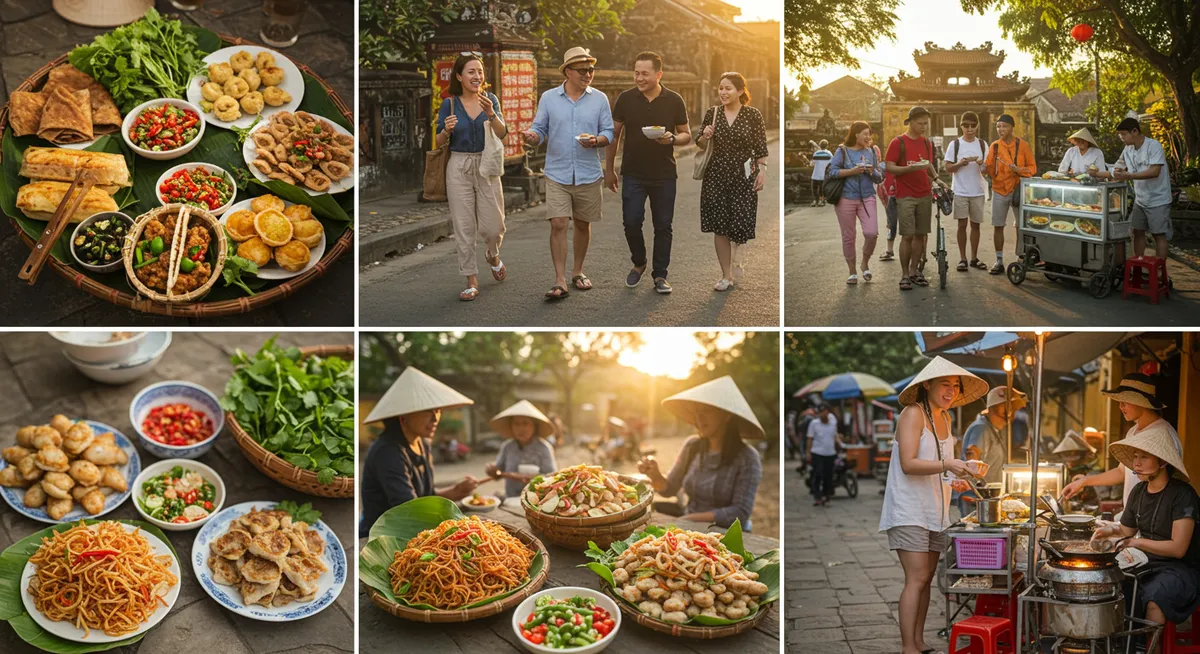
Hue, the ancient imperial capital of Vietnam, is a city best explored on foot. Its charming streets, historic sites, and serene Perfume River invite leisurely strolls. But a walking tour in Hue is incomplete without diving into its legendary culinary scene. Beyond the breathtaking scenery, Hue offers a symphony of flavors that are integral to its cultural identity. This guide will help you seamlessly blend exploration with delicious food experiences, ensuring every step is a taste of authentic Hue.
Key Tips and Takeaways
- Always carry small Vietnamese Dong (VND) notes for street food vendors.
- Stay hydrated by carrying water or opting for fresh juices and sugarcane drinks.
- Look for stalls busy with locals – it’s a good sign of quality and safety.
- Don’t be afraid to point at dishes or use simple phrases like ‘ngon’ (delicious).
- Combine food stops strategically with your walking routes to maximize exploration and enjoyment.
Why Food is Essential on Your Hue Walking Tour
A walking tour of Hue is an adventure for your senses, but it’s also a physical endeavor. Whether you’re navigating the sprawling Imperial Citadel, meandering along the Perfume River, or exploring the vibrant local markets, you’ll be covering significant ground. This is where food steps in, not just as a delightful indulgence, but as an absolute necessity. Think of food stops not as interruptions to your journey, but as essential, delicious components that fuel your exploration and deepen your connection with Hue.
The practical aspect: energy. Hue’s tropical climate means staying hydrated and energized is key. A bowl of rich, spicy Bún bò Huế provides the perfect protein and carbohydrate boost to keep you going, while a refreshing glass of freshly squeezed sugarcane juice (nước mía) offers an instant pick-me-up. These culinary pauses are crucial for recharging your batteries, preventing fatigue, and ensuring you can fully appreciate every historical landmark and bustling street scene without running out of steam.
Beyond sustenance, food is the most authentic gateway to Hue’s unique culture and storied past. Hue was once the imperial capital, and its cuisine reflects this heritage with refined dishes and delicate flavors. Sampling local specialties like the intricate Bánh bèo, Bánh nậm, and Bánh lọc (various steamed rice cakes) or the crispy Bánh khoái (savory pancake) isn’t just eating; it’s experiencing the city’s culinary artistry and understanding the influences that shaped its identity. These dishes often tell stories of imperial kitchens and local traditions, offering a tangible link to the city’s soul.
Food provides invaluable opportunities for genuine interaction with locals. Step into a humble family-run eatery or pull up a small plastic stool at a bustling street food stall, and you’re immediately part of the community. Observe the meticulous preparation, share a smile with the vendor, and perhaps even learn a few basic Vietnamese phrases. These brief, organic encounters enrich your travel experience far beyond what any guidebook can offer. It’s in these moments, amidst the clatter of chopsticks and the aroma of simmering broth, that you truly feel the pulse of Hue.
So, how do you integrate these essential food stops seamlessly into your Hue walking tour? Embrace spontaneity! Look for busy stalls with long lines – a sure sign of deliciousness. Don’t be afraid to try small portions of multiple dishes to maximize your tasting experience. Consider a mid-morning coffee break (cà phê sữa đá is a must-try for a sweet, strong kick) or a late afternoon snack of Nem lụi (grilled pork skewers) before dinner. These small breaks refresh your mind and body, allowing you to absorb more of the city’s charm.
Recommended Hue specialties to look for on your walk:
- Bún bò Huế: The iconic spicy beef noodle soup, often found at small eateries throughout the city.
- Bánh khoái: A crispy, savory pancake typically served with a rich peanut sauce.
- Bánh bèo, nậm, lọc: A trio of delicate steamed rice cakes, perfect for a light snack.
- Nem lụi: Grilled pork skewers, often eaten by wrapping in rice paper with fresh herbs.
- Chè: Vietnamese sweet dessert soups, often found at specialized dessert shops or street stalls. Try Chè Hẻm for variety.
- Nước mía: Freshly pressed sugarcane juice, a refreshing thirst quencher on a warm day.
By consciously incorporating these essential food and refreshment opportunities, your Hue walking tour transforms from a mere sightseeing excursion into a holistic, immersive, and incredibly delicious journey through the heart of Vietnam’s imperial city.
Hue’s Iconic Culinary Delights: Must-Try Dishes
Hue’s culinary landscape is as rich and nuanced as its history, a vibrant tapestry of imperial traditions and humble street food. As you embark on your walking tour, you’ll find that sampling these local delicacies isn’t just an option; it’s an essential part of understanding the city’s soul. Many of these iconic dishes are designed for quick enjoyment, making them perfect fuel stops as you explore the city’s charming streets and historical sites.
Here are the must-try dishes unique to Hue, each telling its own delicious story, perfect for integrating into your food-focused walking itinerary:
-
Bún bò Huế (Spicy Beef Noodle Soup): This isn’t just any noodle soup; it’s Hue’s undisputed culinary queen. Far richer and spicier than its northern cousin, Phở, Bún bò Huế boasts a complex broth simmered with beef bones, lemongrass, chili, and a touch of fermented shrimp paste. Served with tender slices of beef, sometimes pork hock, and a vibrant array of fresh herbs, it’s a hearty, invigorating breakfast or lunch that will kickstart your day. Look for a busy local spot early in the morning for the freshest bowl – the aroma alone will guide you!
-
Bánh khoái (Savory Pancake): Often described as Hue’s answer to a crispy crêpe, Bánh khoái is a golden-fried savory pancake made from rice flour, turmeric, and coconut milk. It’s typically filled with shrimp, pork, bean sprouts, and spring onions, then deep-fried until perfectly crisp. What truly sets it apart is the accompanying dipping sauce – a rich, nutty concoction of fermented soybean, pork liver, and ground peanuts, utterly unique to Hue. Tear off a piece, wrap it in fresh greens, and dip generously for an explosion of flavors and textures. It’s a fantastic light lunch or afternoon snack.
-
Nem lụi (Grilled Pork Skewers): Imagine succulent ground pork seasoned with lemongrass, garlic, and pepper, then molded around a sugarcane stick or lemongrass stalk and grilled over charcoal until fragrant and caramelized. That’s Nem lụi. Served with a platter of fresh herbs, rice paper, and a special peanut-hoisin dipping sauce, the fun comes from wrapping your own rolls. Pull the pork off the stick, add it to rice paper with herbs, roll it up, and dip. It’s a delightful, interactive street food experience perfect for sharing among walking companions.
-
Bánh Bèo, Bánh Nậm, & Bánh Bột Lọc (Hue’s Delicate Steamed Cakes): This trio of small, delicate rice cakes are often served together, showcasing Hue’s mastery of subtle flavors and textures.
- Bánh Bèo: Small, saucer-shaped steamed rice cakes, typically topped with dried shrimp floss, crispy pork cracklings, and spring onions, served in tiny individual bowls with a sweet and savory dipping sauce.
- Bánh Nậm: Flat, rectangular steamed rice cakes wrapped in banana leaves, filled with minced pork and shrimp. Unwrapping them is part of the charm, revealing a soft, tender cake inside.
- Bánh Bột Lọc: Chewy, translucent dumplings made from tapioca flour, filled with succulent shrimp and fatty pork, often wrapped in banana leaves or served loose. Their unique texture is incredibly satisfying.
These ‘bánh’ are excellent light snacks, perfect for grazing as you walk between historical sites. You can often order a mixed platter to try all three without over-filling.
-
Cơm hến (Clam Rice): A truly unique Hue creation, Cơm hến is a humble yet surprisingly complex dish. It combines cold rice with stir-fried baby clams, crispy pork cracklings, peanuts, sesame seeds, fresh herbs, and banana blossom, all brought together with a flavorful, spicy clam broth poured over the top. It’s a delightful mix of temperatures, textures, and spicy, savory, and slightly smoky flavors – a testament to Hue’s ingenious use of local ingredients, perfect for a quick, authentic lunch.
As you wander, keep an eye out for small, bustling eateries with low plastic tables and stools. These are often the best places to experience authentic flavors at local prices. Don’t hesitate to point to what others are eating if you’re unsure how to order. Many places offer refreshing iced tea (trà đá) or sugarcane juice as perfect palate cleansers. Embrace the adventure – every bite is a step deeper into the heart of Hue’s rich culture!
Strategic Food Stops: Integrating Bites into Your Tour Routes
💡 Pro Tip: Book your Hue adventures in advance through Viator for the best deals!
One of the true joys of a Hue walking tour is that it seamlessly transforms into a delightful culinary journey. Strategic food stops aren’t just about refueling; they’re an integral part of experiencing the city’s vibrant culture. Integrating these bites into your routes allows you to taste Hue’s soul, one delicious dish at a time, perfectly pacing your exploration.
Near the Imperial City: Post-Exploration Fuel
After immersing yourself in the grandeur of the Hue Imperial City, you’ll undoubtedly have worked up an appetite. This area is prime for savoring Hue’s signature dishes. Head to streets like Hàn Thuyên or Nguyễn Tri Phương, just a short walk from the Citadel’s gates, to find renowned spots serving authentic Bún bò Huế. Look for bustling eateries with locals queuing – a sure sign of a fantastic bowl of spicy, savory noodle soup. For a delightful contrast, seek out a spot for Bánh khoái, a crispy Hue-style pancake, often found in smaller alleys off these main streets. This makes for a perfect lunch break, allowing you to reflect on the historical sights while enjoying a true Hue culinary masterpiece.
Along the Perfume River Promenade: Scenic Snacks & Refreshments
A stroll along the scenic Perfume River is a must, and it offers fantastic opportunities for lighter bites and refreshing drinks. As you walk from the Tràng Tiền Bridge towards the Phú Xuân Bridge, keep an eye out for mobile vendors or small, informal stalls. This is the ideal place to grab a refreshing cup of Chè Hẻm (Hue’s famous sweet soup), a cool sugarcane juice (nước mía), or a Vietnamese iced coffee (cà phê sữa đá). You might also find vendors selling simple but delicious Bánh mì or skewered delights like Nem Lụi. These stops are perfect for a mid-afternoon pick-me-up, offering a chance to sit on a bench, watch the dragon boats float by, and soak in the riverside atmosphere.
Around Đông Ba Market: A Feast for the Senses
No walking tour in Hue is complete without a visit to Đông Ba Market. This bustling hub is not just for shopping; it’s a culinary treasure trove. Plan your market visit around breakfast or lunchtime to fully leverage its diverse food court section. Here, you can embark on a true tasting adventure, sampling multiple Hue specialties in one go. Dive into plates of delicate Bánh Bèo, Bánh Nậm, and Bánh Lọc – steamed rice flour cakes with various fillings, often served in small dishes. Don’t miss out on more substantial noodle dishes or another round of incredible Chè. Navigating the market’s narrow aisles, surrounded by the sounds and smells of local life, while trying different dishes, is an experience in itself.
Local Residential Areas: Authentic ‘Quán’ Experiences
For a deeper dive into Hue’s authentic food scene, venture slightly off the main tourist paths into local residential areas. Streets like Nguyễn Tri Phương (further south), Phan Bội Châu, or specific alleys in the Vỹ Dạ neighborhood, are home to countless ‘Quán’ (local eateries). These are often simple, unassuming spots specializing in one or two dishes, perfecting them over generations. You might find a humble ‘Quán’ serving the most incredible Bún Thịt Nướng (grilled pork with vermicelli) or a specific variant of Bún Bò Huế that only locals know about. These stops are ideal for a more intimate, authentic meal, especially for dinner, offering a glimpse into daily Hue life beyond the tourist facade. Don’t be shy; point to what others are having or use a translation app – the reward is an unparalleled taste of local Hue.
Actionable Tips for Your Food Stops:
- Look for Crowds: A bustling stall packed with locals is usually a sign of fantastic, fresh food.
- Carry Small Denominations: Many street food vendors and small eateries prefer exact change or smaller bills.
- Stay Hydrated: Hue can be warm. Balance your food stops with plenty of bottled water or fresh juices.
- Be Adventurous: Don’t be afraid to try something new! Hue’s street food is generally safe and incredibly flavorful.
- Embrace the Experience: Eating local in Hue often involves small plastic stools, shared tables, and a vibrant atmosphere. Enjoy the sensory overload!
Beyond the Bites: Refreshments & Local Hangouts
After navigating the bustling streets and savoring Hue’s incredible savory delights, you’ll undoubtedly appreciate a moment to rest your feet and quench your thirst. Hue’s vibrant drink and dessert scene offers the perfect complement to your walking tour, providing not just refreshment but another window into local life and culture. These are ideal opportunities to immerse yourself, observe, and truly feel the pulse of the city.
One of the quintessential Hue experiences is indulging in a cà phê sữa đá – Vietnamese iced coffee with condensed milk. This potent, sweet, and incredibly refreshing beverage is a daily ritual for many locals. You’ll find it everywhere, from tiny plastic stools spilling onto sidewalks to more established cafes. Look for small, unassuming ‘quán’ (local eateries/stalls) where the coffee is brewed drip by drip into a glass with a generous dollop of condensed milk, then poured over ice. It’s the perfect pick-me-up to re-energize for the next leg of your journey, offering a jolt of caffeine balanced by its creamy sweetness. Don’t be shy; pull up a stool, sip slowly, and watch the world go by.
For something lighter and wonderfully hydrating, seek out nước ép (fresh juices) and smoothies. Hue’s tropical climate means an abundance of fresh, ripe fruits. You can find stalls blending refreshing concoctions of passion fruit, mango, guava, soursop, or even unique combinations. They’re made to order, often right before your eyes, ensuring maximum freshness and natural sweetness. A tall glass of freshly pressed sugarcane juice (nước mía) is another excellent choice for a quick burst of energy and coolness on a warm day.
No culinary journey through Hue is complete without diving into the world of Chè Hẻm – Hue’s famous alley sweet soups. The term ‘hẻm’ literally means alley, and true to its name, many of the best chè spots are tucked away down narrow, unassuming lanes, adding an element of discovery to your treat hunt. Chè encompasses a vast array of sweet concoctions, typically served cold with ice, though some can be enjoyed warm. From delicate lotus seed chè (chè hạt sen) to rich taro (chè khoai môn), mung bean (chè đậu xanh), or refreshing fruit mixes, each bowl is a symphony of textures and subtle sweetness. It’s common to order several small bowls to sample different varieties. Ask a local or simply follow the enticing aroma into a busy alleyway – you’ll likely stumble upon a beloved chè haven.
Beyond specific menu items, the very act of stopping at a local ‘quán’ or ‘cafe’ is an integral part of the Hue experience. These spots are more than just places to eat or drink; they are social hubs where locals gather, chat, play chess, or simply relax. Sitting down, even if just for a bottle of water, allows you to absorb the authentic atmosphere, hear the cadence of the Vietnamese language, and observe the charming rhythms of daily life. It’s a wonderful opportunity to slow down, blend in, and truly feel like a part of the city, not just a visitor passing through.
Actionable Tips for Refreshment Stops:
- Look for Crowds: A busy spot, especially with locals, is usually a good indicator of quality and authenticity.
- Point and Smile: If language is a barrier, don’t be afraid to point at what others are drinking or at items on a menu (often with pictures). A smile goes a long way!
- Embrace the Humble: The best, most authentic experiences often come from the simplest, most unassuming establishments. Don’t be deterred by plastic chairs or roadside setups.
- Carry Small Bills: Many smaller stalls and cafes may not have change for large denominations.
- Ask for “Ít đường” (Eeet DOONG): If you prefer your drinks less sweet, this phrase means “less sugar.”
Practical Tips for the Foodie Walker
Embarking on a culinary journey through Hue on foot is an absolute delight, but a little preparation goes a long way to ensure a seamless and delicious experience. As you wander the charming streets and alleyways, here are some practical tips specifically for the foodie walker.
Money & Transactions
- Carry Small Denominations (VND): Street food vendors and small eateries often don’t have change for large bills (e.g., 500,000 VND). It’s incredibly helpful to carry plenty of 10,000, 20,000, 50,000, and 100,000 VND notes. This makes transactions quicker and smoother for everyone.
- Ask for Prices Upfront: While overcharging tourists isn’t common in Hue, it’s always wise to confirm the price before you order, especially at street stalls. A simple “Bao nhiêu tiền?” (Bow nyew tee-en? – How much money?) will usually suffice, and they might show you the price on a calculator or tell you in Vietnamese.
Ordering & Communication
- Learn Basic Vietnamese (or Point!): Even a few phrases can enhance your experience. “Cho tôi một…” (Chaw toy mot… – Give me one…) followed by the dish name is incredibly useful. Most vendors are accustomed to tourists pointing at what they want, so don’t be shy! A friendly smile goes a long way. For Hue’s famous *bún bò Huế* or a plate of *bánh bèo*, clear communication ensures you get exactly what you’re craving.
Hygiene & Safety
- Observe Local Hygiene Practices: Look for stalls that are busy – high turnover usually means fresh ingredients. Observe how food is handled. While street food hygiene standards might differ from what you’re used to, local eateries prioritize freshness. Stick to bottled water for drinking, and if you’re concerned about ice, opt for drinks without it. Most established cafes and restaurants use purified ice.
- Hydrate, Hydrate, Hydrate! Hue’s climate can be warm and humid, especially when walking. Always carry a reusable water bottle or be prepared to purchase bottled water frequently. Local refreshment opportunities abound – try a refreshing *nước mía* (sugarcane juice) from a street cart, or a classic Vietnamese iced coffee (*cà phê sữa đá*) to refuel during your explorations.
Embrace the Adventure
- Be Open to Trying New Things: The true magic of Hue’s food scene lies in its incredible variety and hidden gems. Don’t be afraid to step into a busy alleyway eatery or try a dish you’ve never heard of. Some of the most authentic and delicious *bánh khoái*, *nem lụi*, or even a selection of *chè Hẻm* (sweet soups) are found in unassuming spots. These culinary discoveries are often the most memorable parts of a walking tour.
- Comfortable Footwear is Key: You’ll be doing a lot of walking, likely on uneven pavements and through bustling markets. Comfortable, broken-in shoes are non-negotiable. Happy feet mean you can spend more time exploring and less time worrying about blisters!
By following these tips, your free walking tours in Hue will not only satisfy your wanderlust but also take your taste buds on an unforgettable adventure through the heart of Vietnamese cuisine.
Navigating Hue’s Food Streets & Markets
💡 Pro Tip: Book your Hue adventures in advance through Viator for the best deals!
One of the true joys of a walking tour in Hue is the spontaneous discovery of its culinary treasures. Hue’s food scene isn’t just about Michelin-starred restaurants; it thrives in the bustling street stalls and humble eateries that dot its vibrant neighborhoods. Navigating these food havens is an adventure in itself, and with a few insider tips, you’ll be feasting like a local.
Spotting Reliable Eateries: Your Culinary Compass
As you wander the charming streets, your best guide to a fantastic meal is often the crowd. Look for:
- A Swarm of Locals: This is your golden rule. If a stall or small restaurant is packed with Vietnamese patrons, it’s a strong indicator of delicious, authentic, and often affordable food. Locals know best!
- Visible Cleanliness: While street food is inherently rustic, observe the setup. Are the cooking surfaces reasonably clean? Are the ingredients stored properly and looking fresh? Is there a constant turnover of customers, suggesting fresh batches of food are being prepared?
- Open Kitchen Concept: Many street food vendors cook right in front of you. This transparency allows you to see the ingredients being used and the hygiene practices (or lack thereof). Embrace the sizzle and steam!
- Focused Menu: Often, the best street food stalls specialize in one or two dishes, perfecting them over years. Don’t be shy to point at what others are eating if you’re unsure.
Hue’s Go-To Food Streets and Markets for Walkers
Your walking tour will naturally lead you to areas renowned for their culinary density. Keep an eye out for these hotspots:
- Chi Lăng Street Area: This bustling street and its many alleys are a fantastic starting point for a food exploration. You’ll find an abundance of eateries serving everything from the iconic bún bò Huế (Hue’s spicy beef noodle soup) to an array of delectable Hue specialty cakes like bánh khoái (crispy pancake), bánh bèo (steamed rice cakes), and nem lụi (grilled pork skewers). Many small, family-run spots here have perfected their recipes over generations.
- Đinh Tiên Hoàng Street: Another excellent stretch, particularly lively in the evenings. Similar to Chi Lăng, it offers a wide variety of local dishes and often has a great atmosphere for people-watching while you dine al fresco.
- Dong Ba Market (Chợ Đông Ba): More than just a shopping destination, Dong Ba Market is a sensory overload and a food lover’s paradise. Inside, you’ll find a sprawling food court area where countless vendors sell an astounding variety of local dishes. It’s an ideal spot for a quick, diverse meal or to sample various snacks and desserts. Don’t miss trying some of Hue’s famous chè (sweet soups) here – there’s a dazzling array of flavors and textures.
Practical Tips for Your Culinary Walking Tour
- Pace Yourself: Hue’s portions are generally generous, but the beauty of street food is the ability to try many things. Consider sharing dishes with your walking companions or ordering smaller portions to sample more.
- Cash is King: Most street food vendors operate on a cash-only basis. Have plenty of small denominations (VND 10,000, 20,000, 50,000) handy.
- Stay Hydrated: Amidst the delicious food, remember to hydrate. Look for stalls selling fresh coconut water, iced tea (trà đá), or refreshing sugarcane juice (nước mía). Local coffee shops are also plentiful for a pick-me-up.
- Embrace the Experience: Don’t be afraid to try something new, even if you don’t know exactly what it is. A smile, a point, and an adventurous spirit are all you need to unlock Hue’s incredible food landscape.
Enhancing Your Experience: Local Insights & Etiquette
A Hue walking food tour is as much about the cultural immersion as it is about the delectable dishes. Understanding local customs and practicing polite etiquette will profoundly enhance your experience, turning simple meal stops into meaningful cultural exchanges.
Embracing Communal Eating & Meal Times
Dining in Hue, especially at street stalls and family-run eateries, is often a communal affair. Don’t be surprised if your table is shared, or if dishes like platters of bánh bèo (steamed rice cakes), bánh nậm (flat steamed rice dumplings), or skewers of nem lụi (grilled pork sausage) are placed in the center for everyone to share. This is a beautiful aspect of Vietnamese hospitality – an invitation to connect. Feel free to use communal serving spoons if provided, or your own chopsticks to pick from shared plates. While there’s no strict etiquette for chopsticks beyond not sticking them upright in your bowl (which can resemble incense in a funeral offering), generally, you’ll be using them throughout your meal.
Meal times in Hue can vary slightly from Western norms. Breakfast, often a hearty bowl of bún bò Huế (Hue style beef noodle soup), starts early, with many stalls open by 6 or 7 AM. Lunch typically peaks around noon to 1 PM, and dinner can begin as early as 6 PM, with many popular spots winding down by 9 PM. Adjusting your walking schedule to these times ensures you hit the best spots when they’re freshest and most vibrant.
Polite Interactions with Vendors & Locals
The heart of Hue’s food scene lies with its diligent, often multi-generational, vendors. A genuine smile goes a long way. Learning a few basic Vietnamese phrases like “Chào anh/chị” (Hello, roughly pronounced “chow an/chee,” depending on gender) and “Cảm ơn” (Thank you, pronounced “gam un”) will be warmly received. Patience is also key, especially during peak hours; the pace might be slower than you’re used to, but it’s part of the authentic charm. Before snapping photos of people or their food stalls, it’s always polite to ask for permission with a nod or a simple “Cho phép tôi chụp ảnh?” (May I take a photo?). Most will happily oblige.
Appreciating the Art of Local Preparation
Take a moment to observe the dedication behind each dish. Hue cuisine is renowned for its intricate preparation and delicate flavors. Witnessing the careful slicing of herbs for bún bò Huế, the deft hands frying bánh khoái (crispy Hue pancake) to golden perfection, or the meticulous wrapping of bánh lọc (tapioca dumplings) truly elevates your appreciation. These are not just meals; they are culinary traditions passed down through generations. The freshness of ingredients is paramount, often sourced daily from local markets, contributing to the distinct, vibrant tastes that define Hue’s gastronomic identity.
The Value of a Local Food Tour Guide
For the most enriching insights into Hue’s food culture and hidden culinary gems, consider engaging a local food tour guide. They can navigate language barriers, explain the history and significance of each dish, and lead you to unassuming stalls you might otherwise miss. A local guide can provide context on the nuances of communal dining, recommend specific local refreshers like freshly squeezed sugarcane juice or a traditional cà phê sữa đá (iced milk coffee), and even help you discover unique Hue desserts like a vibrant chè Hẻm (sweet soup from a famous alleyway). Their expertise transforms a simple walk into an unforgettable journey of taste and cultural understanding.
Frequently Asked Questions
Q: Is street food in Hue safe to eat for tourists?
A: Generally, yes, if you choose wisely. Look for vendors with high turnover (meaning fresh ingredients), clean cooking areas, and who use bottled water or ice made from purified water. Your stomach will adapt, but start with cooked dishes and fresh fruit or bottled drinks if you’re concerned.
Q: How much should I budget for food on a walking tour in Hue?
A: Hue street food is very affordable. You can enjoy a fulfilling meal for 30,000-60,000 VND (approx. $1.20-$2.50 USD) per dish. For a day of walking and sampling multiple dishes and drinks, budget around 150,000-300,000 VND (approx. $6-$12 USD) per person, excluding fancy restaurants.
Q: What’s the best time of day to do a food-focused walking tour in Hue?
A: Mornings (7-10 AM) are excellent for breakfast specialties like Bún bò Huế and observing local market life. Late afternoon/early evening (4-7 PM) is ideal for street snacks, Bánh khoái, Nem lụi, and dinner, as the weather cools down and many vendors set up for the evening rush.
Q: Do I need to speak Vietnamese to order food?
A: Not necessarily. Many popular food stalls cater to tourists, and pointing at dishes is perfectly acceptable. However, learning a few basic phrases like ‘Xin chào’ (hello), ‘Cảm ơn’ (thank you), and ‘Bao nhiêu tiền?’ (how much?) will greatly enhance your interaction and appreciation.
Embarking on a walking tour in Hue is an experience that engages all your senses. By intentionally incorporating local food stops, you transform a simple stroll into a rich cultural and culinary adventure. From the aromatic broth of Bún bò Huế to the sweet delights of Chè, every bite tells a story of this ancient city. So lace up your shoes, prepare your taste buds, and let the flavors of Hue guide your unforgettable exploration on foot.