
Hue Walking Tour Safety Tips: Explore Confidently & Smart (2026)
Explore Hue on foot safely with our expert guide. Discover essential preparation tips, what to bring, and local insights for an unforgettable walking tour experience in Vietnam.
On this page
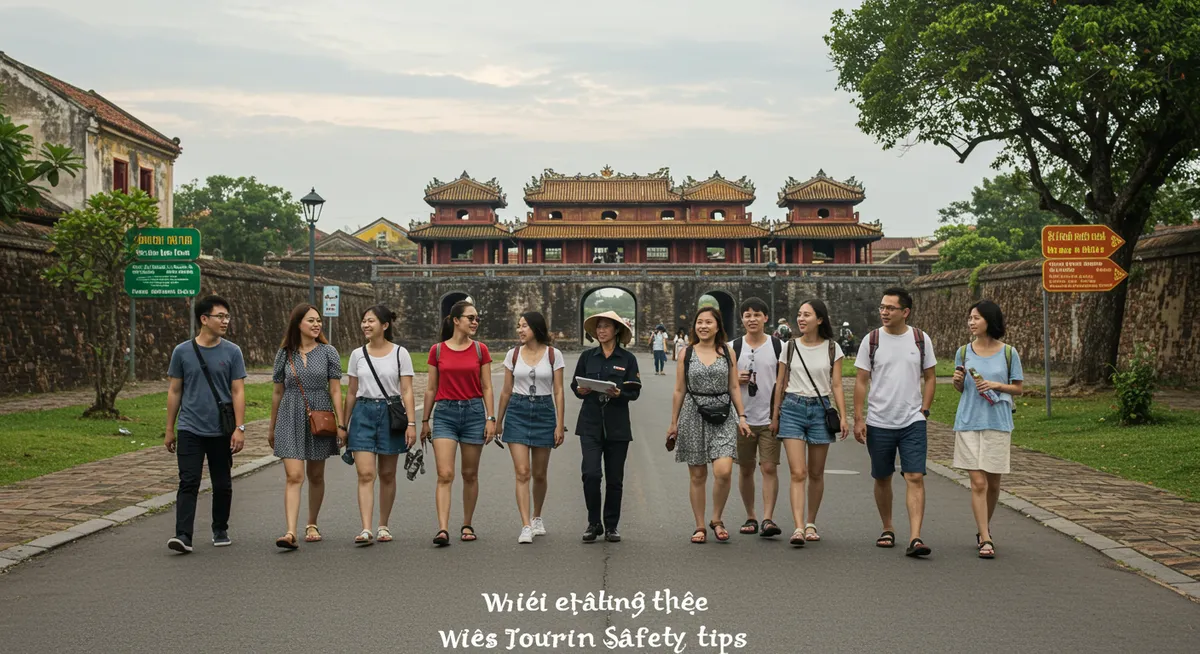
Hue, with its rich history, imperial architecture, and serene Perfume River, offers an unparalleled experience best explored on foot. Walking tours allow you to soak in the city’s unique atmosphere, uncover hidden gems, and connect with its vibrant culture. However, like any urban exploration, preparation and awareness are key to a safe and enjoyable journey. This guide provides practical, actionable advice to ensure your Hue walking adventure is as secure as it is memorable.
Key Tips and Takeaways
- Always plan your route and share it with someone.
- Prioritize comfortable shoes and adequate sun protection.
- Stay hydrated by carrying plenty of bottled water.
- Be alert to motorbike traffic and secure your belongings.
- Consider joining a local guided tour for enhanced safety and insight.
- Learn a few basic Vietnamese phrases for better interaction and emergencies.
Before You Step Out: Essential Pre-Tour Preparation
Stepping out for a walking tour in Hue is an incredibly rewarding experience, offering a deep dive into the city’s imperial past and vibrant present. However, a little preparation goes a long way in ensuring your adventure is safe, enjoyable, and memorable. Here’s how to get ready before you even tie your shoelaces.
Map Your Journey and Pace Yourself
Hue is a city full of hidden alleys, stunning riverside paths, and grand historical complexes. While spontaneity is fun, having a general idea of your route is crucial. Use offline maps (like Google Maps or Maps.me) to pinpoint attractions like the Imperial City, Thien Mu Pagoda, and Dong Ba Market. Consider the distances between sights and be realistic about how much you can cover comfortably on foot. Identify potential rest stops, cafes, or public restrooms along your path. Remember, Hue can be hot and humid, so pacing yourself is key to avoiding exhaustion and making the most of your exploration.
Be a Weather Watcher
Hue’s climate can be quite distinct. It experiences a hot, humid season (March-August) and a cooler, often rainy season (September-February). Always check the local weather forecast for your walking day. If rain is predicted, a lightweight waterproof jacket or a compact umbrella is essential. For hot days, prioritize light, breathable clothing, a wide-brimmed hat, and plenty of sunscreen. Hydration is non-negotiable – carry a reusable water bottle and refill often. Don’t let unexpected downpours or scorching sun cut your exploration short!
Inform Someone of Your Itinerary
Even if you’re a seasoned solo traveler, it’s smart safety practice to let someone know your plans. Inform your hotel reception, a travel companion, or a friend/family member back home about your intended route and estimated return time. This provides a safety net, ensuring someone knows where to look if issues arise. A point of contact knowing your whereabouts can be invaluable in an emergency.
Research Local Customs and Etiquette
Hue is steeped in Vietnamese culture and history. Showing respect for local customs will not only enhance your experience but also demonstrate goodwill. When visiting religious sites such as pagodas (like Thien Mu Pagoda) or temples within the Imperial City, dress modestly – ensure your shoulders and knees are covered. It’s also customary to remove your shoes before entering homes or specific temple areas. Learning a few basic Vietnamese phrases like “Xin chào” (hello) and “Cảm ơn” (thank you) will be appreciated, opening doors to warmer interactions.
Understand Visa Requirements
While not strictly a walking tour tip, ensuring you have the correct visa for Vietnam before you even depart is paramount. Visa requirements vary by nationality and can change, so always check the official Vietnamese government or embassy website well in advance of your trip. Don’t let an avoidable administrative hurdle prevent you from enjoying Hue’s charms!
Consider a Reputable Local Guide
For an unparalleled experience and enhanced safety, seriously consider hiring a reputable local guide for your Hue walking tour. A knowledgeable guide can offer invaluable insights into the city’s complex history, share local anecdotes, navigate you through bustling markets, and help you discover hidden gems. They can also assist with language barriers and provide immediate assistance if any issues arise. Look for guides recommended by your hotel, official tourism boards, or well-reviewed tour operators to ensure a safe and authentic experience.
Packing Smart: What to Bring for Your Hue Walk
Hue’s charm is best discovered on foot, allowing you to absorb its imperial grandeur, serene pagodas, and vibrant local life at your own pace. To truly enjoy your walking tour, packing smart is paramount. The goal is light, practical, and comfortable – ensuring you’re ready for anything Hue throws your way, from sun-drenched streets to ancient temple steps.
Your feet will be your best friends in Hue, so treat them right. Comfortable, broken-in walking shoes are non-negotiable. Think breathable sneakers or sturdy walking sandals. You’ll cover significant distances on uneven surfaces, ancient cobblestones within the Imperial City, and well-worn paths around pagodas like Thien Mu. Leave brand-new shoes at home to avoid blisters and discomfort.
Hue’s tropical climate means it’s often hot and humid, so pack lightweight, breathable clothing made from natural fabrics like cotton or linen. Crucially, when visiting religious sites such as pagodas or the Imperial City’s sacred areas, modesty is paramount. Ensure your shoulders and knees are covered. This shows respect for local customs and is often a requirement for entry.
The Vietnamese sun, especially in Hue, can be intense. Protect yourself with a wide-brimmed hat, sunglasses, and high-SPF sunscreen. You’ll be spending hours outdoors, so regular reapplication is vital. Don’t underestimate the UV rays, even on cloudy days.
With the Perfume River nearby and lush gardens, Hue can have mosquitoes, especially at dawn, dusk, or after rain. Carry a good quality insect repellent to prevent bites and ensure a more comfortable experience.
Staying hydrated is crucial in Hue’s heat. Bring a reusable water bottle and refill it often. Many cafes, hotels, and even some public places offer filtered water. This is environmentally friendly and more economical than buying bottled water repeatedly.
A small, personal first-aid kit can be a lifesaver for minor mishaps. Include blister plasters (essential!), antiseptic wipes, pain relievers, and any personal medications. Being prepared for small scrapes or aches ensures they don’t interrupt your exploration.
A power bank for your phone is highly recommended, especially if you’re using it for navigation, photos, or translating. Load an offline map (like Google Maps) of Hue or carry a compact physical map. GPS can sometimes be spotty, and a backup ensures you never get lost, particularly in the maze-like alleys of the Imperial City.
Finally, a small, secure cross-body bag is ideal for carrying essentials (passport, wallet, phone, camera). This keeps your valuables close and allows easy access while keeping your hands free for photos or enjoying a local snack. Avoid large backpacks, as they can be cumbersome and weigh you down in the heat.
By packing smart and light, you’ll ensure comfort, safety, and maximum enjoyment during your Hue walking tour. Every item should serve a purpose, allowing you to focus on the captivating beauty and history around you, rather than being burdened by unnecessary gear.
Navigating Hue: On-the-Ground Safety & Awareness
💡 Pro Tip: Book your Hue adventures in advance through Viator for the best deals!
While Hue is generally a safe and welcoming city for pedestrians, navigating its vibrant streets, especially during a walking tour, requires a degree of on-the-ground awareness. The key to a stress-free experience lies in understanding local dynamics, particularly the omnipresent motorbike traffic, and taking proactive steps to protect yourself and your belongings.
Mastering the Motorbike Maze
Hue’s charm often comes with a soundtrack of buzzing motorbikes. Unlike Western traffic, motorbikes here often don’t stop for pedestrians but rather weave around them. The trick to crossing streets isn’t speed, but predictability. Walk slowly and steadily, making eye contact with approaching drivers. They’re incredibly adept at anticipating your movement and will adjust to go around you. Avoid sudden stops or changes in direction. If you’re unsure, observe how locals cross or wait for a small group to move with.
Situational Awareness & Protecting Valuables
Always be aware of your surroundings, especially in crowded areas like the bustling Dong Ba Market or around the entrances to the Imperial City. While pickpocketing is not rampant, opportunists exist. Keep your backpack on your front or use a cross-body bag zipped shut. Avoid flashing large amounts of cash or expensive electronics. It’s wise to carry only what you need for the day and leave valuables, passports, and excess cash securely locked in your hotel safe.
Recognizing Common Scams & Touts
As a walking tourist, you might encounter friendly locals offering unsolicited help or services. While many are genuinely helpful, be cautious of persistent touts. Common scenarios include: cyclo drivers quoting an incredibly low price only to demand much more upon arrival, “students” trying to practice English who then lead you to a shop, or people offering “free” gifts that later require payment. The best defense is a polite but firm “no thank you” and to keep walking. Always agree on a price for any service (especially cyclos) before you begin, and clarify if it’s per person or for the trip, and in which currency.
Respectful Photography
Hue is incredibly photogenic, from its ancient architecture to the daily lives of its residents. When taking photos, particularly of people, always try to make eye contact and offer a smile or a small gesture of asking permission. Many locals are happy to pose, but respect their privacy if they decline. Be especially mindful around temples, pagodas, and private residences; avoid disruptive behavior or trespassing.
Safe Transport Alternatives: Ride-Hailing Apps
For longer distances, late-night journeys, or when you’re simply tired of walking, ride-hailing apps like Grab (motorbike and car options) are incredibly convenient and safe. They offer fixed, transparent pricing, and you can track your journey. This eliminates the need for negotiation and reduces the risk of overcharging, making them a highly recommended alternative for navigating Hue safely and efficiently.
Health & Hydration: Staying Well on Your Walk
Hue’s tropical climate is a key part of its charm, but it demands respect, especially when you’re exploring on foot. High humidity and strong sun can quickly lead to discomfort if you’re not prepared. Prioritizing your health and hydration will ensure your walking tour through the Imperial City or along the Perfume River is memorable for all the right reasons.
Hydration is Your Top Priority
- Bottled Water is Essential: Never drink tap water in Hue. Always carry sealed bottled water. We recommend starting your day with at least 1.5-2 liters, and replenish frequently. Look for reputable convenience stores or supermarkets, which are plentiful. A general rule of thumb is to drink before you feel thirsty, as thirst is already a sign of mild dehydration.
- Electrolyte Support: On particularly hot or long walking days, consider bringing oral rehydration salts (ORS) or electrolyte drinks. These help replenish vital salts lost through sweating, preventing fatigue and muscle cramps. You can find them at local pharmacies.
- Ice Wisdom: While tempting, be cautious with ice from street vendors or smaller establishments. It’s often made from unfiltered water. Stick to drinks with no ice, or only consume ice at reputable hotels and high-end restaurants where purified water is guaranteed.
Beat the Heat & Recognize Warning Signs
Hue can be scorching, especially between March and August. Pacing yourself is crucial.
- Seek Shade Strategically: Plan your route to incorporate shaded areas like the ancient gates, tree-lined boulevards within the Imperial City walls, or market awnings. Duck into an air-conditioned café for a short break and a refreshing Vietnamese iced coffee (cà phê sữa đá – but be mindful of the ice!) if you feel yourself overheating.
- Dress Appropriately: Light-colored, loose-fitting clothing made from breathable fabrics like cotton or linen is ideal. A wide-brimmed hat and sunglasses are indispensable for sun protection.
- Recognize Heat Stress: Be aware of the signs of dehydration and heat exhaustion: dizziness, headache, excessive sweating followed by no sweating, fatigue, and nausea. If you experience these, find immediate shade, drink water, cool your skin with a wet cloth, and rest. If symptoms worsen or persist, seek medical attention promptly. Don’t push yourself if you feel unwell.
Food & Drink Hygiene Savvy
Hue is a foodie paradise, but practicing good hygiene is key to avoiding “traveler’s stomach.”
- Choose Wisely: Embrace Hue’s famous street food, but be selective. Opt for stalls that are busy (high turnover means fresh ingredients), where food is cooked fresh in front of you (like sizzling Bánh Khoái or a piping hot bowl of Bún Bò Huế). Avoid dishes that look like they’ve been sitting out for a while.
- Stick to Cooked Foods: Prioritize hot, cooked dishes over raw salads or unpeeled fruits, especially from less reputable vendors.
- Hand Hygiene: Carry a small bottle of hand sanitizer and use it frequently, especially before eating.
Dealing with Minor Ailments on the Go
Even with the best preparation, minor issues can arise.
- Blister Prevention & Care: Good walking shoes are paramount. Break them in before your trip. If you feel a “hot spot” forming, stop immediately and apply a blister plaster (Compeed-style patches are excellent). Carry a few in your daypack.
- Cuts & Scrapes: A small first-aid kit is invaluable. Include antiseptic wipes, band-aids, and a small tube of antibiotic cream for minor cuts or scrapes that can happen while navigating bustling markets or uneven pavements. Clean any wound thoroughly to prevent infection in the humid climate.
By staying vigilant about your health and hydration, you’ll be well-prepared to fully immerse yourself in the enchanting walking experiences Hue has to offer.
Connecting with the Local Ecosystem: Guided Tours vs. Self-Guided
As you plan your Hue walking adventure, one crucial decision is whether to embark on a guided tour or explore independently. Both offer unique benefits, but understanding their nuances, especially concerning safety and cultural immersion, is key to maximizing your experience in this historic city.
The Advantages of a guided Tour
Opting for a local guided walking tour in Hue offers a multitude of benefits, particularly for safety and deeper engagement with the city’s rich heritage. A knowledgeable guide acts as your personal navigator and cultural interpreter, leading you through bustling markets like Dong Ba, along the serene Perfume River, and within the ancient walls of the Imperial City. They bring history to life with captivating stories, explain local customs, and provide context to everything you see, from the intricate architecture to the daily routines of Hue residents. This immediate cultural insight is invaluable, helping you understand the significance of UNESCO World Heritage Sites and the nuances of Vietnamese life.
Beyond cultural enrichment, guides significantly enhance your safety. They know the safest routes, help you avoid potential scams or overly persistent vendors, and can assist with any communication barriers. They’re also a fantastic resource for local recommendations, pointing you towards authentic eateries or hidden gems you might otherwise miss. For a truly immersive and secure experience, especially if it’s your first time in Vietnam, a guided tour is highly recommended.
Tips for Vetting Tour Operators and Guides:
- Research Reputable Companies: Look for tour operators with excellent reviews on platforms like TripAdvisor, Google Maps, or Lonely Planet. Pay attention to comments regarding guide knowledge, group size, and overall tour quality.
- Verify Credentials: Reputable guides often have certifications or identification. Don’t hesitate to ask about their experience or affiliations.
- Confirm Itinerary and Inclusions: Ensure you understand what’s covered in the tour (e.g., entrance fees, food samples, transportation).
- Small Group Tours: These often offer a more personalized and interactive experience, allowing for better engagement with your guide.
Embracing the Self-Guided Journey
For the independent traveler, a self-guided walking tour in Hue offers unparalleled flexibility and the freedom to explore at your own pace. You can linger longer at a captivating pagoda, deviate down a charming alleyway, or stop for an impromptu coffee whenever you wish. It’s also often a more budget-friendly option.
However, self-guided exploration comes with its own set of considerations, particularly concerning navigation, language barriers, and potentially missing out on deeper cultural context. Getting lost can be more than an inconvenience; it can lead you into unfamiliar or less-safe areas. Likewise, without a local to explain the intricacies of Hue’s history or local etiquette, you might only scratch the surface of your experience.
Essential Tips for Self-Guided Exploration:
- Reliable Navigation Tools: Before heading out, download offline maps (Google Maps, Maps.me) of Hue. Mark your points of interest, your accommodation, and emergency contacts.
- Master Basic Vietnamese Phrases: A little effort goes a long way. Learning ‘Xin chào’ (hello), ‘Cảm ơn’ (thank you), and ‘Bao nhiêu tiền?’ (how much?) will endear you to locals and can be incredibly helpful in daily interactions. Consider using a translation app on your phone for more complex conversations.
- Pre-Trip Research: Read up on the history and significance of the sites you plan to visit. This will help you appreciate what you’re seeing even without a guide.
- Stay Aware of Your Surroundings: Always be mindful of traffic, especially motorbikes, and your personal belongings. Stick to well-lit and populated areas, especially after dark.
Whether you choose the curated insights of a guided tour or the adventurous spirit of a self-guided journey, remember that preparation and respect for local culture are your best companions for a safe and unforgettable Hue walking experience.
Emergency Preparedness: What to Do If Things Go Wrong
💡 Pro Tip: Book your Hue adventures in advance through Viator for the best deals!
While Hue is renowned for its tranquil beauty and welcoming atmosphere, preparing for the unexpected is a cornerstone of responsible travel, especially when exploring on foot. Knowing what to do if things go awry can transform a potential crisis into a manageable situation, ensuring your Hue walking tour remains a joyful memory.
Essential Documents & Contacts
- Copies of Passport & Visa: Always carry copies of your passport and visa (or e-visa confirmation) when out and about. Keep digital photos on your phone and a physical photocopy stored separately from your originals. This is crucial if your originals are lost or stolen, or if you encounter any official queries during your walk around the Imperial City or along the Perfume River.
- Hotel Contact Information: Ensure you have your hotel’s name, address, and phone number readily accessible. A business card from the reception is perfect. If you get disoriented or need a taxi driver to understand your destination, this information is invaluable.
- Local Emergency Numbers: Memorize or save these critical local emergency numbers on your phone. While serious incidents are rare, having these on hand offers peace of mind:
- Police: 113
- Ambulance/Medical Emergency: 115
- Fire: 114
- Your Embassy/Consulate: Before your trip, note down the contact details for your country’s embassy or consulate in Vietnam. While they may be located in Hanoi or Ho Chi Minh City, they are your primary point of contact for lost passports, legal assistance, or significant emergencies.
Bridging the Language Gap
Even a few basic Vietnamese phrases can make a significant difference in an emergency. Consider learning:
- `Cứu!` (Koo!) – Help!
- `Tôi cần giúp đỡ` (Toy kun joop duh) – I need help.
- `Bệnh viện` (Benh vee-en) – Hospital
- `Cảnh sát` (Kang sat) – Police
- `Tôi bị lạc` (Toy bee lak) – I’m lost.
A translation app on your phone (downloaded for offline use) can also be a lifesaver for more complex situations.
Prioritizing Your Safety Net
- Travel Insurance: Comprehensive travel insurance is non-negotiable for any international trip. It provides a vital safety net for medical emergencies, lost luggage, trip cancellations, and even personal liability. Verify what your policy covers for walking tours and outdoor activities specifically.
- Inform Someone: It’s always wise to inform your hotel front desk or a trusted contact about your planned walking route and estimated return time, especially if you’re venturing off the main tourist paths or exploring the lesser-known tombs.
What to Do If Things Go Wrong
If you find yourself in a minor predicament, like getting lost, don’t hesitate to approach hotel staff, legitimate tour guides, or even friendly shopkeepers. Hue locals are generally very kind and willing to assist. For more serious situations, remain calm, assess the situation, and immediately use the emergency contacts you’ve prepared. Your preparedness is your best tool for a safe and enjoyable Hue exploration.
Frequently Asked Questions
Q: Is Hue safe for solo female travelers walking alone?
A: Hue is generally considered safe for solo female travelers, especially in tourist areas. However, standard precautions apply: avoid walking alone at night in dimly lit areas, be mindful of your belongings, and trust your instincts. Public transport and reputable ride-hailing apps are good options after dark.
Q: How do I deal with street vendors or touts in Hue?
A: Polite but firm refusal is usually sufficient. A simple ‘Không, cảm ơn’ (No, thank you) with a smile often works. If someone is persistent, continue walking. Avoid engaging in long conversations if you’re not interested in purchasing, as it can sometimes lead to uncomfortable pressure.
Q: What’s the best time of year for free walking tours in Hue regarding weather?
A: The ideal time for walking in Hue is from January to April, when temperatures are milder and rainfall is lower. May to August can be very hot and humid, while September to December often sees heavy rain, especially in October and November.
Q: Are sidewalks in Hue good for walking, or should I expect to walk on the street?
A: Sidewalk conditions vary greatly in Hue. In many areas, especially the Imperial City and tourist zones, sidewalks are present but can be uneven, obstructed by parked motorbikes, or used by vendors. Be prepared to navigate around obstacles and occasionally walk on the edge of the street, always being highly aware of traffic.
Hue’s ancient charm and vibrant street life are truly meant to be discovered on foot. By following these practical safety tips and embracing a mindful approach, you’ll not only ensure a secure journey but also deepen your connection with this beautiful city. Lace up your shoes, hydrate, stay aware, and embark on an unforgettable walking tour through the heart of Vietnam’s imperial past. Happy walking!