
Can Tho Photography: Walking Tour Tips & Best Shots (2026)
Elevate your Can Tho walking tour photos! Discover practical tips for gear, composition, and local insights to capture the Mekong Delta’s vibrant charm on foot.
On this page
Can Tho, the vibrant heart of the Mekong Delta, offers an unparalleled visual feast for photographers. While its floating markets and lush waterways are renowned, exploring this city on foot reveals a treasure trove of intimate moments and authentic scenes often missed from a boat. This guide provides essential photography tips specifically tailored for free walking tours in Can Tho, helping you prepare, capture stunning images, and truly immerse yourself in the local culture while safeguarding your gear and respecting the community.
Key Tips and Takeaways
- Pack light but be prepared for all weather conditions (especially rain and humidity).
- Rise early for the best light and most authentic market activity (especially floating markets).
- Always ask for permission (verbally or with a gesture/smile) before photographing people.
- Look for details, colors, and textures – not just grand landscapes – to tell a story.
- Protect your camera gear from the high humidity, heat, and occasional dust.
- Embrace candid moments for truly authentic and compelling shots.
- Stay hydrated and wear comfortable, breathable shoes for extended walking tours.
Preparing for Your Photography Walk in Can Tho
Embarking on a photography walk through the vibrant streets, bustling markets, and serene canals of Can Tho is an unforgettable experience. To ensure you capture its essence without a hitch, thoughtful preparation is key. Here’s how to get ready for a seamless and rewarding photography adventure in the heart of the Mekong Delta.
Your Essential Photography Gear Checklist
Can Tho’s diverse landscapes demand a versatile approach to your camera kit. While it’s tempting to bring everything, remember you’ll be walking, so aim for smart practicality.
- Camera Body & Lenses: A reliable DSLR or mirrorless camera is ideal. Consider a versatile zoom lens (e.g., 24-70mm or 18-55mm equivalent) for general street scenes, portraits, and wide shots of the river or floating markets. A prime lens (e.g., 50mm f/1.8) is excellent for capturing local life with beautiful bokeh, especially in low light conditions common in indoor markets or early mornings. If you plan to capture distant boats or birds, a telephoto lens (e.g., 70-200mm) could be beneficial, but assess if the extra weight is worth it for your specific route.
- Extra Batteries & Memory Cards: This is non-negotiable! Long walks mean extended shooting opportunities, and Can Tho’s humidity can sometimes affect battery life. Pack at least two fully charged spare batteries. Similarly, bring multiple high-capacity memory cards – you don’t want to run out of space when a perfect shot presents itself at Cai Rang Floating Market or on a lively street.
- Protective Gear: Can Tho’s weather can be unpredictable. A sudden tropical downpour is always a possibility, even during dry season. Invest in a good rain cover for your camera and lens. A small, lightweight dry bag for your valuables (phone, wallet) is also smart, especially if your walk involves proximity to canals or a boat ride. Don’t forget a soft micro-fiber cloth to wipe off humidity or splashes.
Personal Comfort & Practical Essentials
Your physical comfort is paramount when spending hours on your feet, camera in hand. Can Tho’s tropical climate requires specific considerations.
- Comfortable Footwear: This is perhaps the most important non-camera item. You’ll be navigating paved sidewalks, potentially uneven market pathways, and dusty or occasionally wet areas. Choose lightweight, breathable, and well-broken-in walking shoes or sturdy sandals with good arch support. Avoid new shoes or flip-flops for long distances.
- Lightweight Daypack: A small, comfortable backpack is essential for carrying your gear, water, and other essentials. Opt for one with padded straps and easy access pockets. Ensure it’s secure, especially when moving through crowded areas.
- Power Bank: Beyond your camera batteries, a fully charged power bank for your smartphone is crucial. It’s invaluable for navigation, translation apps, quick research, and even emergency calls.
- Hydration: Can Tho’s heat and humidity can lead to rapid dehydration. Carry a reusable water bottle and refill it frequently, or plan to buy bottled water from numerous vendors along your route. Staying hydrated will keep you energized and focused on your photography.
- Sun Protection: The sun in Can Tho can be intense. A wide-brimmed hat offers excellent protection for your face and neck, keeping you cooler. High SPF sunscreen is a must for any exposed skin, and sunglasses will protect your eyes and help you spot subjects more clearly in bright conditions.
By preparing thoroughly with these essentials, you’ll be well-equipped to immerse yourself in Can Tho’s beauty, focusing on capturing stunning images rather than worrying about discomfort or missing gear. Enjoy your photographic journey!
Best Photo Opportunities on Can Tho Walking Routes
Can Tho is a visual feast for any photographer, offering an unparalleled glimpse into authentic Mekong Delta life. As you embark on your walking tours, keep your camera ready – golden opportunities for stunning shots abound. Here’s where to point your lens for truly memorable captures:
- Cai Rang Floating Market: A Symphony of Light and Life
While primarily accessed by boat, the early morning journey to the pier and the views from the riverbanks before and after your market tour offer unique perspectives. Aim to be there before dawn (around 5:00 AM) to capture the magical pre-sunrise glow, the first hint of activity, and the vibrant colors as the sky awakens. Focus on the ‘sampling pole’ (cây bẹo) indicating goods, the bustling interactions between vendors, and the sheer density of boats. Use a wider aperture for low light and a faster shutter speed to freeze the motion of people and goods being exchanged. Don’t forget to capture the light reflecting on the water. - Local Wet Markets (e.g., An Binh Islet Market): A Burst of Color and Texture
Stepping into a local wet market is an assault on the senses, and a dream for photographers. On An Binh Islet or smaller neighborhood markets, look for the intricate arrangements of fresh produce, the glistening seafood, and the genuine expressions of vendors. Focus on close-ups of hands preparing food, the interplay of light filtering through awnings, and candid shots of locals going about their daily shopping. Be respectful and ask permission before taking close-ups of individuals. The vibrant colors of fruits, vegetables, and flowers make for incredibly rich compositions. - Street Food Vendors & Traditional Houses: Culinary Art and Enduring Heritage
Can Tho’s streets are alive with the sizzle and aroma of street food. Capture the artistry of vendors expertly preparing dishes like Banh Xeo or Hu Tieu. Focus on the raw ingredients, the cooking process (the steam, the flame, the meticulous chopping), and the joyful expressions of those savoring their meals. Nearby, seek out traditional wooden houses, often with intricate carvings or faded paint. Look for compelling contrasts between old and new, or the way sunlight illuminates a weathered doorway or a quiet courtyard. - Narrow Alleys & Daily Life Scenes: The Heartbeat of the City
Venture beyond the main thoroughfares into the labyrinthine alleys. These hidden gems offer authentic glimpses into local life. Capture the geometric patterns of buildings, the occasional scooter squeezing through, or children playing. Keep an eye out for everyday scenes: commuters on bicycles, craftsmen at work (perhaps fixing a scooter or weaving a basket), or friends sharing a coffee. These unposed, candid moments, often shot discreetly with a telephoto lens, truly tell the story of Can Tho. - Bridges, Vibrant Signage & Temples: Architectural Wonders and Cultural Markers
Can Tho boasts several bridges, from grand structures like Can Tho Bridge (best viewed from a distance, or from a boat for scale) to smaller footbridges over canals, which offer unique angles and opportunities to capture daily commutes. The city’s streets are adorned with incredibly vibrant, sometimes faded, signage—a riot of color and typography. Seek out interesting combinations or use them as a backdrop for street portraits. Finally, explore local temples like Ong Pagoda or Munirangsyaram Pagoda. Their intricate architecture, spiritual ceremonies, and the serene expressions of worshippers offer profound photographic subjects. Remember to be quiet, respectful, and check if photography is permitted inside. - Riverside Views: Serenity and Activity Along the Hau River
The Hau River promenade offers continuous opportunities for stunning shots, particularly at sunrise or sunset. Capture the reflections of boats and the cityscape on the calm water, the silhouette of a lone fisherman, or the lively activity of people exercising or socializing along the banks. The changing light throughout the day dramatically alters the mood and colors of these expansive views.
For the best results, be patient, observe your surroundings, and don’t be afraid to smile and interact with locals (a simple “Xin chào” goes a long way!). A discreet camera and lens setup (perhaps a 35mm or 50mm prime, or a versatile zoom like a 24-70mm) will allow you to blend in and capture more natural moments. Ensure your batteries are fully charged and you have ample memory card space – you won’t want to miss a single moment in this photogenic city!
Mastering Light & Composition in the Delta
🌟 Local Expert Tip: Get the most out of your Can Tho visit with guided tours!
Can Tho, with its intricate waterways, bustling markets, and charming alleys, is a photographer’s dream. Mastering light and composition on your walking tour will elevate your images from simple snapshots to captivating visual stories of the Mekong Delta.
The Golden Glow: Morning & Late Afternoon
The “golden hour” – roughly an hour after sunrise and an hour before sunset – offers the most flattering light for photography. In Can Tho, this translates to magical opportunities:
- Morning (5:30 AM – 7:00 AM): Ideal for visiting the Cai Rang Floating Market or riverside areas. The soft, warm light illuminates the boats and vendors with a gentle glow, minimizing harsh shadows. The air is often clearer, and mist can add an ethereal quality. Plan your walk to start early to catch this incredible atmosphere.
- Late Afternoon (4:30 PM – 6:00 PM): As the sun dips, it casts long, dramatic shadows and paints the sky with vibrant hues. Focus on the Ninh Kieu Wharf area, the intricate bridges, or the quiet back alleys where golden light filters through trees and buildings, highlighting textures. Street food vendors setting up offer great candid shots.
Actionable Tip: For walking tours, schedule your longer stretches through open areas (like the riverfront or larger parks) during these hours. Prioritize scenes where the light can truly define your subjects.
Taming the Midday Glare
Can Tho’s midday sun (approximately 9:00 AM – 3:00 PM) can be harsh, creating strong contrasts and blown-out highlights. Don’t despair; it’s an opportunity for different techniques:
- Seek Shade: Duck into the narrow, shaded alleys or under the eaves of traditional houses. These areas offer soft, diffused light perfect for portraits of locals or detailed shots of architecture and market stalls. The bustling An Binh Islet, with its fruit orchards, provides natural canopy.
- Utilize Fill Flash: If your subject is in shadow but the background is bright, a subtle fill flash (even from a smartphone) can balance the exposure and prevent silhouetting.
- High Dynamic Range (HDR): For scenes with extreme light differences (e.g., a bright sky over a dark canal), HDR mode on your camera or phone can merge multiple exposures to capture detail in both highlights and shadows.
- Focus on Details: Midday is excellent for macro shots – vibrant fruits at the market, intricate carvings, or the texture of weathered wood – where direct light can highlight specific elements.
Composition Masterclass in the Delta
Can Tho’s unique environment provides endless compositional opportunities:
- Rule of Thirds: Imagine a tic-tac-toe grid over your viewfinder. Place your main subjects (a lone boat, a vendor, a specific building) along the lines or at their intersections for a more balanced and engaging shot. This is especially effective along the Hậu River or within the expansive market scenes.
- Leading Lines: Canals, bridges, pathways, and even rows of market stalls naturally draw the viewer’s eye into the frame. Look for the intricate network of small canals or the long, curving paths through rural areas to create depth.
- Framing: Use natural frames like doorways, windows, or the arch of a bridge to frame your subject. Peeking through a tangle of plants or under a market awning can add context and depth to your Can Tho street scenes.
- Reflections: The abundant water in Can Tho (canals, ponds, the river itself) offers incredible reflection opportunities. Shoot low to the ground to capture perfect mirror images of boats, buildings, or even the sky.
Capturing Can Tho’s Pulse: Motion & Sense of Place
Can Tho is alive with movement. Conveying this energy captures the true spirit of the city:
- Freeze Motion: Use a fast shutter speed (e.g., 1/500s or faster) to freeze fast-moving motorbikes zipping down an alley, water splashing from an oar, or a vendor tossing fruit.
- Show Motion (Blur): Experiment with slower shutter speeds (e.g., 1/30s or 1/15s) while panning with a moving subject (like a passing boat or cyclist) to blur the background and emphasize movement. Alternatively, a tripod and a slow shutter speed can turn busy market activity into beautiful streaks of light and color, conveying the bustling atmosphere.
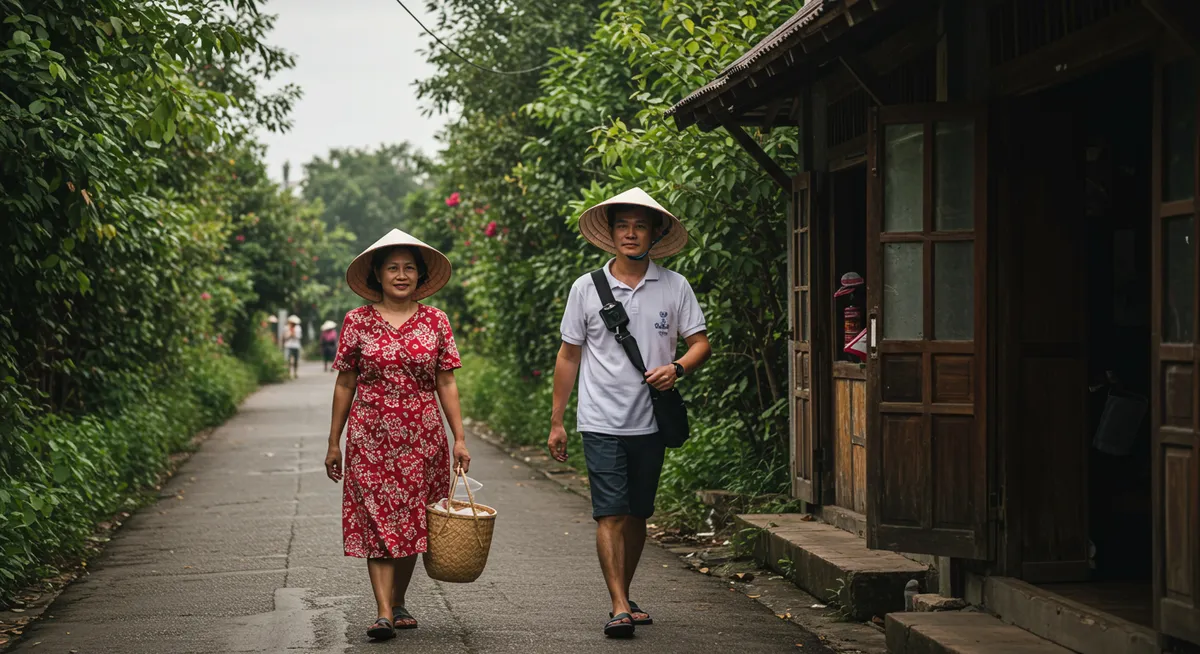
- Convey Sense of Place: Look beyond just the subject. Include elements that scream “Can Tho” – a conical hat (nón lá), a specific type of boat, Vietnamese script on a sign, or a background rich with Mekong Delta greenery. Candid shots of daily life – locals chatting, children playing, food being prepared – truly tell the story of this vibrant city.
Walking Tour Practicality: Bring a lightweight camera or smartphone, ensuring extra battery power. Wear comfortable, non-slip shoes as you’ll be navigating varied terrain. Be observant, patient, and always ask permission before taking close-up photos of individuals, especially in sensitive cultural contexts. Your walking tour is not just about moving; it’s about seeing, feeling, and capturing the essence of Can Tho.
Engaging with Locals for Authentic Portraits
One of the most rewarding aspects of a walking tour through Can Tho is the opportunity to connect with its incredibly warm and hospitable locals. Capturing authentic portraits isn’t just about snapping a photo; it’s about respectful interaction and building a momentary bridge across cultures. The people of the Mekong Delta are known for their genuine smiles and curiosity, which makes engaging with them a truly delightful experience.
The Golden Rule: Ask Permission, Earn a Smile
Before you even think about raising your camera, the most crucial step is to always ask for permission. In Can Tho, this often doesn’t require complex phrases. A simple, polite approach is usually enough:
- Non-verbal Cues: Make eye contact, offer a friendly smile, point to your camera, and then gesture inquiringly. A raised eyebrow or a hopeful nod often conveys your intent.
- Simple Phrases: Learn a few key Vietnamese phrases. A warm “Xin Chao!” (hello!) is always appreciated and can break the ice instantly. If you’re feeling adventurous, you could try “Chụp ảnh được không?” (Can I take a photo?), but often the non-verbal cues are sufficient.
- Respect Refusal: If someone politely declines (they might wave their hand or shake their head), always respect their decision with a gracious smile and a “Cảm ơn!” (thank you!). Never pressure or insist.
You’ll often find that a genuine request is met with an even more genuine smile and an enthusiastic “Yes!” – especially from street vendors at local markets, children playing, or elderly residents enjoying the shade along the canals.
Beyond the Click: Fostering Connection
The best portraits come from moments of genuine connection, not just technical prowess. On your Can Tho walking tour:
- Smile Generously: A smile is the universal language and will go a long way in making locals feel comfortable.
- Observe and Appreciate: Take a moment to observe their daily life – perhaps a vendor meticulously arranging fruit, a fisherman mending his net, or a family sharing a meal. These candid moments, captured respectfully from a distance, tell a powerful story.
- Offer to Show the Photo: This is a wonderful gesture that can transcend any language barrier. After you take a shot, offer to show them the picture on your camera’s screen. The delight on their faces as they see themselves, or the curiosity of their friends and family gathering around, creates a memorable interaction. It’s a small act that shares the joy and can often lead to more relaxed, authentic expressions for subsequent shots.
Candid vs. Posed: Capturing Can Tho’s Soul
Both candid and posed shots have their place in telling the story of Can Tho:
- Candid Shots: These capture the raw emotion and everyday life of the city. While wandering through the bustling local markets or quiet residential alleys, look for moments of concentration, laughter, or quiet contemplation. Try to be discreet and use a longer lens if possible to avoid intruding on their space, capturing them naturally as they go about their day.
- Posed Shots: Once you’ve asked permission, many locals will be happy to pose. Encourage them to be themselves. You don’t need complex directions; their natural stance, a characteristic gesture, or a simple smile is often the most evocative. Think about the setting – the vibrant colours of a fruit stall, the intricate details of a traditional house, or the serene backdrop of the Hau River – to add context.
Ethical photography in Can Tho is all about respect. The warmth you extend through your genuine smile and polite request will almost always be reciprocated, leading to not just beautiful photographs, but also unforgettable personal encounters that truly enrich your walking tour experience.
Safety, Security & Ethical Considerations
A walking tour through Can Tho offers an unparalleled immersion into the heart of the Mekong Delta, but an amazing experience also hinges on being prepared and respectful. Here’s how to ensure your safety, security, and contribute positively to the local community.
Protecting Your Photography Gear & Yourself
- Battling Heat & Humidity: Can Tho’s tropical climate means high temperatures and humidity year-round. This is tough on electronics.
- Gear Care: Always keep silica gel packets in your camera bag to absorb moisture. When not actively shooting, keep your camera in its bag, especially when moving between air-conditioned spaces and the humid outdoors to prevent condensation. Avoid leaving gear in direct sunlight, which can overheat batteries and components. Consider a weather-sealed camera body and lenses if possible.
- Personal Care: Stay hydrated! Carry a refillable water bottle and drink frequently. You’ll find plenty of opportunities to buy bottled water or fresh coconut water. Wear a wide-brimmed hat, sunglasses, and apply high-SPF sunscreen regularly, especially when exploring open areas like Ninh Kieu Wharf or the riverside paths.
- Rain & Dust Preparedness: The rainy season (typically May to November) brings sudden, heavy downpours. Even outside of this, expect occasional showers.
- Rain: A lightweight rain cover for your camera and backpack is essential. A simple plastic bag can offer emergency protection. Consider waterproof bags for your phone and wallet.
- Dust: While less prevalent than rain, dusty conditions can occur, especially in market areas or unpaved paths. Keep a lens pen and a blower brush handy to gently clean your lens without scratching. Keep your camera inside your bag when not in use.
- Navigating Traffic & Pickpockets: Can Tho’s streets, while not as chaotic as Ho Chi Minh City, have their own rhythm.
- Traffic Awareness: Motorbikes dominate. When crossing streets, especially around busy areas like markets or near the bridge leading to Cai Rang Floating Market, observe how locals cross: move slowly and predictably, allowing traffic to flow around you. Always look both ways, and be mindful of vehicles turning corners.
- Security: Like any bustling city, pickpockets can be present in crowded areas such as Cai Rang Market (if accessed by land), Ninh Kieu Wharf, or bus stations. Keep your wallet, phone, and passport in secure, front pockets or a money belt. Avoid flashing expensive photography equipment unnecessarily. Keep your camera bag closed and in front of you in crowded spaces.
Ethical & Cultural Considerations
- Respecting Privacy, Especially Children: Can Tho locals are generally warm and welcoming. However, always exercise respect, especially when taking photos.
- Asking Permission: It’s courteous to ask for permission before taking someone’s portrait, especially if it’s a close-up. A smile and a gesture often suffice, and most people will be happy to oblige. Be prepared to accept a polite ‘no’.
- Children: Be especially sensitive when photographing children. Avoid unsolicited photos of children, and if their parents are present, always seek their permission first. Never offer money in exchange for a photo; it can create a problematic dynamic and encourage begging.
- Religious Sites & Local Life: When visiting pagodas or temples (like Ong Temple or Muniransay Pagoda), dress modestly (shoulders and knees covered) out of respect. Remove your shoes before entering religious buildings. Be quiet and respectful, especially if ceremonies are underway. Avoid flash photography during services.
- Minimizing Disruption:
- Markets: When wandering through busy markets like Cai Rang or Tan An, be mindful of your surroundings. Don’t block pathways or stall operations with your camera. Be quick, respectful, and move on to allow locals to go about their daily business.
- Personal Space: While Vietnamese culture is quite communal, be mindful of personal space, especially in crowded environments. Avoid lingering too long if you sense you’re making someone uncomfortable.
- Appropriate Dress: Beyond religious sites, light, breathable clothing is best for comfort in Can Tho’s climate. Modest attire is generally appreciated, reflecting respect for local customs.
By keeping these considerations in mind, your Can Tho walking tour will not only be safe and secure but also a deeply enriching and respectful cultural exchange.
Post-Tour: Reviewing & Sharing Your Can Tho Collection
Once your exhilarating walking tour of Can Tho concludes and your camera is brimming with the sights and sounds of the Mekong Delta, the adventure isn’t quite over. The post-tour phase is crucial for preserving your memories and sharing the magic you’ve experienced. While still on the go, it’s always a good habit to quickly glance at your camera or phone screen. This allows you to catch any immediately obvious blurry shots or missed focus moments, especially when navigating the bustling streets or changing light of the floating markets.
Upon returning to your accommodation – whether it’s a cozy homestay in Phong Dien or a hotel overlooking Ninh Kieu Wharf – make backing up your precious Can Tho collection your immediate priority. Losing those vibrant shots of Cai Rang Floating Market, the intricate details of Ong Pagoda, or the charming street vendors would be a real shame! Consider a two-pronged approach:
- Cloud Storage: Utilize services like Google Photos, iCloud, Dropbox, or OneDrive. Most hotels and local cafes in Can Tho offer reliable Wi-Fi, making cloud uploads convenient. This provides an off-site backup in case of any physical damage to your devices.
- External Drive/SD Card: For an extra layer of security, transfer your files to an external hard drive or a separate SD card. This physical backup is invaluable, especially if you’re traveling for an extended period or encounter internet connectivity issues.
Now, for the fun part: reviewing and curating your Can Tho masterpieces. Take your time to go through each image. Delete duplicates, blurry shots, and anything that doesn’t quite capture the essence of your walking adventure. Look for photos that tell a story – the bustling energy of the market, the serene beauty of a riverside temple, or the genuine smiles of the locals. Focus on composition, lighting, and moments that truly transport you back to the heart of Can Tho.
Once you’ve honed your collection, it’s time to share your Can Tho story with the world! Social media is an excellent platform to showcase your best shots and inspire others. When posting on platforms like Instagram, Facebook, or even TikTok (for short video clips), remember to:
- Use Relevant Hashtags: Think beyond the obvious. Include #CanTho, #MekongDelta, #VietnamTravel, but also more specific tags like #CanThoWalkingTour, #CaiRangFloatingMarket, #NinhKieuWharf, or #CanThoFoodie if you captured culinary delights.
- Geo-Tag Locations: Pinpoint specific places like Binh Thuy Ancient House, Can Tho Museum, or your favorite street food stall. This helps other travelers discover these gems.
- Craft Engaging Captions: Don’t just post a photo; tell the story behind it. Describe the feeling of walking through a vibrant market, the warmth of a local’s greeting, or the taste of a particular dish.
By sharing your authentic Can Tho experiences, you contribute positively to local tourism. Your photos and stories can highlight the unique charm and warmth of this beautiful city, encouraging others to explore its waterways, hidden alleyways, and incredible culture on foot. You become an ambassador for the Mekong Delta, inspiring future travelers to discover the magic of Can Tho for themselves.
Integrating Photography into Your Can Tho Walking Experience
🌟 Local Expert Tip: Get the most out of your Can Tho visit with guided tours!
Integrating photography into your Can Tho walking tour isn’t merely about capturing images; it’s about deepening your engagement with the city. The camera becomes a mindful tool, encouraging you to slow your pace, observe intricate details you might otherwise miss, and truly absorb the vibrant tapestry of daily life. From the intricate patterns of French colonial architecture to the serene glimpses of canal life down a quiet alley, Can Tho offers endless visual narratives waiting to be discovered.
This deliberate pace is amplified when you embark on a walking tour with a local guide. They possess an intimate knowledge of Can Tho’s hidden gems and everyday rhythms, often providing access to locations or insights you wouldn’t find on your own. Your guide can lead you down atmospheric backstreets where the light falls just right on an old temple gate, or facilitate interactions, asking permission for you to photograph a vendor arranging their fruit stall. They understand the nuances of local etiquette, ensuring your photography is respectful and authentic. Many local tour operators in Can Tho, specializing in cultural immersion, offer guides who are adept at understanding the needs of photographers, allowing for extended stops and unique perspectives.
To maximize your photographic journey through Can Tho on foot, consider these practical tips:
- Lightweight Gear is Key: Can Tho’s heat and humidity mean comfort is paramount. Opt for a lightweight camera setup – perhaps a mirrorless camera with a versatile prime or a walk-around zoom lens. Leave the heavy telephotos at your hotel unless you have a specific shot in mind.
- Batteries & Memory Aplenty: Can Tho offers endless photo opportunities, from the vibrant colors of its markets to the serene beauty of its pagodas and the captivating faces of its people. Bring spare batteries and ample memory cards to ensure you don’t miss a moment.
- Respectful Photography: Always ask for permission before taking close-up photos of individuals, especially children. A smile and a gesture often suffice. Be mindful of religious sites; observe any restrictions on photography inside temples or homes. Your guide can be invaluable in this regard.
- Look for Details, Not Just Grand Scenes: Beyond the expansive river views or bustling street scenes, focus on the small, often overlooked details: the intricate patterns on a ceramic pot, the vibrant spices in a market stall, the texture of an old wooden door, or the gentle movement of water lilies on a pond. These tell a deeper, more personal story of Can Tho.
- Embrace the Golden Hour: Early mornings, particularly around sunrise, offer soft, beautiful light and cooler temperatures, ideal for capturing the city as it awakens. The late afternoon light before sunset also casts a warm, inviting glow, perfect for street scenes and portraits.
- Engage with Your Surroundings: Don’t just shoot and move on. Take a moment to truly *see* your subject. Engage with vendors, try local snacks, and let your senses guide your lens. This deeper interaction will translate into more authentic and compelling photographs that truly reflect your Can Tho walking experience.
By intentionally integrating photography into your Can Tho walking tour, you transform a simple stroll into a profound act of observation and cultural immersion. Each click of the shutter becomes a moment of deeper connection with this captivating Mekong Delta city.
Expert Local Tips for Capturing Can Tho’s Soul
Can Tho, with its intricate waterways, bustling markets, and warm-hearted locals, offers a visual feast for any photographer. Beyond the iconic shots you’ll see in guidebooks, the true soul of this Mekong Delta city lies in the nuanced details and candid moments waiting to be discovered on foot. As you embark on your walking tour, shift your perspective from a mere tourist to a visual storyteller, allowing the city to reveal its authentic charm.
One of Can Tho’s most captivating elements is its profound relationship with water. Look for **reflections**, not just on the expansive Can Tho River but in smaller, quieter canals, and even in puddles after a brief shower. The inverted world of boats, stilt houses, and lush greenery offers unique, abstract compositions, especially during the soft, golden light of early morning or late afternoon. Pay attention to how the changing light throughout the day paints the city in different hues; observe how shadows play on the intricate carvings of old shophouses or the rustic texture of weathered wooden boats moored along the banks.
Can Tho is a kaleidoscope of **vibrant colors**, particularly evident in its fresh produce markets. As you wander through bustling areas like the An Binh market or smaller neighborhood stalls, keep an eye out for the meticulous arrangements of tropical fruits like durian, mangoes, and dragon fruit, or the dazzling array of fresh vegetables. Don’t just snap from afar; get closer to capture the tactile **texture** – the rough, thorny skin of a jackfruit, the smooth sheen of a ripe tomato, or the delicate weave of a traditional conical hat (nón lá) resting on a vendor’s head.
The heartbeat of Can Tho truly emanates from its people. While walking, take the time to **engage with artisans and small business owners**. A friendly smile and a simple “Xin chào” (hello) can often open doors to incredible photo opportunities and genuine interactions. Always ask permission before photographing someone directly; often, a nod, a gesture, or a quick smile is all you need. Capturing a street food vendor meticulously preparing a local delicacy, a craftsman shaping pottery, or a tailor at work adds immense depth and authenticity to your visual narrative, preserving the city’s living heritage.
Don’t be afraid to **try different angles and perspectives**. Get low to capture the dynamic energy of children playing on the streets, or the fascinating details at ground level, like worn cobblestones or intricate drainage covers. Climb a pedestrian bridge for a wider perspective of the bustling river traffic or the charming rooftops. Sometimes, the most compelling shots come from an unexpected viewpoint, transforming a seemingly mundane scene into a captivating image that tells a deeper story.
Lastly, **embrace the unexpected moments**. Can Tho is a city of delightful surprises that unfold organically. A sudden tropical downpour might create stunning reflections on the wet pavement. A child’s impromptu laugh or a group of friends sharing a meal could offer a heartwarming candid shot. A motorbike laden with an improbable stack of goods could be a testament to local ingenuity and daily life. Keep your camera (or phone) ready, but also be present; sometimes the best “shot” is the memory of simply observing and soaking it all in. By slowing down, being observant, and interacting respectfully, you’ll capture not just images, but the very soul of Can Tho.
Frequently Asked Questions
Q: What’s the best time of day for photography in Can Tho?
A: Early morning (dawn to 8 AM) is ideal for the floating markets and soft, warm light. Late afternoon (4 PM to sunset) offers beautiful golden hour light for street scenes and riversides. Midday can be harsh, but look for shade, vibrant colors, or focus on interior shots.
Q: Do I need a professional camera, or is a smartphone enough for good photos?
A: Both are great! While a DSLR/mirrorless offers more control, low-light performance, and lens versatility, modern smartphones excel in convenience and portability, offering amazing results, especially with good light. Focus on composition, storytelling, and light, regardless of your gear.
Q: How can I protect my camera from the humidity and rain in Can Tho?
A: Bring a dedicated rain cover for your camera, a dry bag for electronics, and consider using silica gel packets in your camera bag to absorb moisture. Always keep your gear in an airtight bag or waterproof backpack when not in use, especially after being exposed to humidity, to prevent fungus.
Q: Is it safe to carry expensive camera gear on a walking tour in Can Tho?
A: Can Tho is generally safe, but common sense applies as in any city. Keep your camera securely strapped to your body, be aware of your surroundings, and avoid flashing expensive gear unnecessarily in crowded areas. A discreet camera bag or backpack is advisable, and don’t leave gear unattended.
Can Tho’s charm is best experienced on foot, and with your camera in hand, you’ll uncover layers of beauty and culture that truly resonate. By preparing wisely, respecting local customs, and honing your photographic eye, your walking tour through the Mekong Delta will not only yield stunning images but also create unforgettable memories. So lace up your shoes, charge your batteries, and embark on a visual journey through the captivating streets and waterways of Can Tho!