
Hoi An Walking Tour: Budget Tips for Exploring on Foot (2026)
Discover Hoi An’s charm without overspending! Get practical budget tips for walking tours, street food, free sights, and smart shopping in this ancient town.
On this page
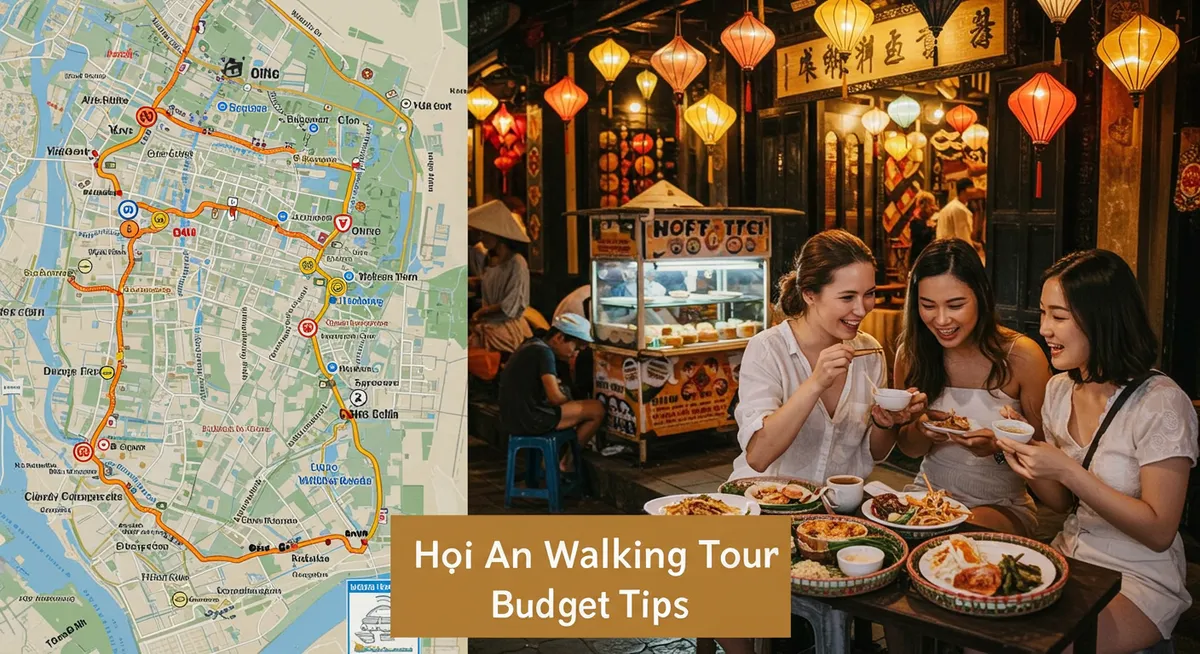
Hoi An, with its lantern-lit streets and ancient charm, is a dream destination for travelers. While its beauty is undeniable, exploring it doesn’t have to break the bank, especially when you embrace walking as your primary mode of discovery. This guide empowers you to experience the heart and soul of Hoi An on foot, offering practical budget tips to ensure your adventure is both enriching and affordable.
Key Tips and Takeaways
- Always wear comfortable, broken-in walking shoes.
- Carry a reusable water bottle and stay hydrated in the tropical climate.
- Embrace street food and local eateries for authentic, budget-friendly meals.
- Bargain politely and with a smile at markets for souvenirs.
- Venture off the main tourist streets to discover hidden gems and local life.
- Consider joining a free (tip-based) walking tour or utilize offline maps for self-guided exploration.
- Start your walking tour early in the morning or late in the afternoon to avoid the midday heat and crowds.
Why Walk Hoi An on a Budget?
Imagine strolling through an ancient town where every turn reveals a painting, a scent, a story. In Hoi An, walking isn’t just a mode of transport; it’s the very heart of the experience, especially if you’re exploring on a budget. Embracing the pace of your own two feet allows for an intimacy and discovery that no taxi or scooter ride can replicate.
Unlocking Hoi An’s True Charm & Hidden Gems: The Ancient Town is a labyrinth of narrow alleys, charming shopfronts, and riverside paths. Walking allows you to peel back its layers slowly, to notice the intricate carvings on an old wooden door, the vibrant colours of a freshly made lantern, or the quiet reflections on the Thu Bon River. You’ll stumble upon tucked-away coffee shops, local tailor workshops operating out of their homes, and authentic street food stalls that are often just a few steps off the main tourist thoroughfares. These are the places where you’ll truly connect with local life, observe daily routines, and find unique souvenirs, far from the mass-produced items.
The Ultimate Budget-Friendly Exploration: This is where walking truly shines. By foregoing paid transportation like taxis, Grab bikes, or even cyclo tours, you save a significant amount of money that can be reallocated to enjoying more delicious local food, perhaps a tailor-made outfit, or an extra refreshing glass of ‘cà phê sữa đá’. Hoi An’s most captivating sights – the Japanese Covered Bridge (viewed from outside), the bustling markets, the tranquil riverside, and the atmospheric lantern-lit evenings – are all best experienced on foot, and they are entirely free. You’ll also be more likely to discover the incredibly affordable and authentic eateries where locals dine, offering dishes like Cao Lau and Banh Mi at a fraction of tourist prices.
Soak in the Atmosphere & Be Eco-Friendly: Hoi An is particularly special in the evenings when large parts of the Ancient Town become car-free, allowing pedestrians to roam freely amidst the glow of thousands of colourful lanterns. Walking allows you to fully immerse yourself in this magical ambiance – to hear the gentle clinking of temple bells, smell the fragrant incense, and feel the warm breeze. Plus, choosing to walk is the most eco-conscious way to explore, reducing your carbon footprint and contributing to the town’s efforts to preserve its heritage and natural beauty.
To ensure your walking adventure is comfortable and rewarding, here are some practical tips:
- Dress for Success: Hoi An’s tropical climate means light, breathable clothing is a must. Crucially, wear comfortable, broken-in walking shoes, as you’ll be navigating cobblestone streets and uneven paths.
- Pack Smart: Carry a small daypack with essentials. A reusable water bottle is vital for staying hydrated in the heat. Don’t forget sunscreen, a hat, and sunglasses. A small umbrella or light rain jacket can be a lifesaver during unexpected tropical downpours.
- Cash is King (for small purchases): While some places accept cards, many street vendors and smaller shops prefer Vietnamese Dong (VND). Have small denominations readily available for street food, a fresh juice, or a quirky souvenir.
- Map it Out (or don’t!): An offline map on your phone (like Google Maps or Maps.me) is helpful for general direction, but don’t be afraid to wander off the main paths. Some of Hoi An’s best discoveries are made when you’re slightly lost.
- Beat the Heat & Crowds: Start your walks early in the morning to enjoy cooler temperatures and fewer tourists, allowing you to capture stunning photos and experience the town waking up.
- Engage with Locals: A friendly smile and a basic Vietnamese greeting (“Xin chào!”) can open doors to wonderful interactions.
- Take Breaks: Find a shaded spot by the river, enjoy a local coffee, or simply sit and people-watch. Part of the joy of walking is the freedom to pause and absorb your surroundings.
By lacing up your shoes and stepping out, you’re not just saving money; you’re signing up for a truly authentic, sensory-rich journey through one of Vietnam’s most enchanting destinations.
Pre-Tour Prep: Setting Yourself Up for Success
A successful Hoi An walking tour isn’t just about showing up; it’s about preparing smart to maximize your enjoyment and minimize any discomfort. Given Hoi An’s tropical climate and charming yet sometimes uneven Ancient Town paths, a little pre-tour prep goes a long way towards an unforgettable experience.
Gear Essentials: Pack Smart, Walk Happy
- Comfortable Walking Shoes: This is non-negotiable! Hoi An’s Ancient Town features beautiful but often uneven cobblestones and paved paths. Forget the flip-flops for extended walks; opt for breathable sneakers or sturdy walking sandals that offer good support. Your feet will thank you after hours of exploring.
- Lightweight, Breathable Clothing: Hoi An’s humidity is real. Pack clothes made from natural, breathable fabrics like cotton or linen. Light colors also help reflect the sun. While generally relaxed, consider packing something that covers your shoulders and knees if you plan to visit any pagodas or temples out of respect.
- Sun Protection: The Vietnamese sun can be intense, even on cloudy days. A wide-brimmed hat, sunglasses, and high-SPF sunscreen are crucial. Apply sunscreen liberally, especially if you’re fair-skinned, and reapply throughout the day.
- Reusable Water Bottle: Staying hydrated is paramount. Purchase a reusable water bottle and refill it frequently. Many cafes and hotels offer filtered water, and this eco-friendly choice also helps you save money on single-use plastic bottles, aligning with budget-conscious travel.
- Insect Repellent: Especially if you plan on walking near the Thu Bon River or venturing out in the late afternoon/evening, mosquitoes can be a nuisance. A good insect repellent will keep the bites at bay.
- Small Daypack: A lightweight backpack or crossbody bag is perfect for carrying your essentials – water, sunscreen, camera, and any souvenirs you pick up along the way.
Timing Your Stroll: Beat the Heat and Crowds
The beauty of Hoi An truly shines at specific times, offering different experiences:
- Early Morning (6:00 AM – 9:00 AM): This is arguably the best time for a walking tour. The air is cooler, the streets are quieter, and you’ll witness the Ancient Town waking up – locals heading to the market, vendors setting up, and the soft morning light casting a magical glow. You can also beat the worst of the mid-day heat.
- Late Afternoon/Evening (4:00 PM onwards): As the sun begins to set, the temperatures drop, and Hoi An transforms. The iconic lanterns begin to glow, creating a truly enchanting atmosphere. This is when the Ancient Town becomes a vibrant hub of activity, though it will be significantly more crowded than in the morning.
Navigation & Communication: Getting Around with Confidence
- Offline Maps: While Wi-Fi is generally available in cafes and hotels, mobile data coverage can sometimes be spotty in certain parts of the Ancient Town. Download offline maps (Google Maps or Maps.me are great options) of Hoi An before you head out. This ensures you can navigate even without an internet connection, saving you from getting lost and potentially burning through your data allowance.
- Basic Vietnamese Phrases: Knowing a few simple phrases goes a long way. Locals appreciate the effort, and it can enhance your interactions. Try “Xin chào” (sin chow – Hello), “Cảm ơn” (gahm un – Thank you), and “Bao nhiêu tiền?” (baow nyew tyan – How much?). It can help you understand prices better and avoid confusion.
Navigating Hoi An: Free & Low-Cost Walking Options
⭐ Recommendation: Don't miss out on amazing Hoi An tours - book now!
Hoi An’s Ancient Town is a pedestrian’s paradise, making it an ideal destination for free and low-cost walking explorations. Its compact size, charming streets, and abundance of visual delights mean you can soak up much of its magic simply by putting one foot in front of the other. Here’s how to navigate Hoi An on a budget, focusing on delightful walking experiences.
Embrace Self-Guided Wandering: The Free Sights
The beauty of Hoi An is that many of its most iconic sights are best enjoyed from the outside, offering fantastic photographic opportunities and a feel for the town’s atmosphere without spending a single dong. Simply lacing up your shoes and exploring is your primary (and free!) activity.
- Japanese Covered Bridge Exterior: While entering the bridge requires a ticket, the exterior view – particularly stunning in the morning or illuminated at night – is absolutely free and provides that iconic Hoi An postcard shot.
- Hoi An Central Market: Immerse yourself in the bustling energy of the local market. From fresh produce to aromatic spices and vibrant fabrics, it’s a feast for the senses. Just wandering through, observing local life, and perhaps trying a cheap street snack is a fantastic free experience.
- Thu Bon Riverside: Stroll along the riverbanks, especially beautiful at sunset or during the evening when lanterns illuminate the water. You can watch local boats, enjoy the ambiance, and perhaps see people releasing paper lanterns.
- Ancient Town Streets: Simply getting lost in the narrow lanes is an experience in itself. Admire the yellow-painted ancient houses, intricate wooden doors, overflowing bougainvillea, and the myriad of lantern shops. Each turn offers a new discovery.
- Hoi An Night Market: As evening descends, cross An Hoi Bridge to the Night Market. Even if you’re not buying, the vibrant atmosphere, glowing lanterns, and street food aromas make for an incredibly lively and free visual spectacle.
Practical Tips for Your Self-Guided Walks:
- Comfortable Footwear: This is non-negotiable! You’ll be doing a lot of walking on uneven cobblestones and pavements.
- Hydration: Hoi An can be hot and humid. Carry a reusable water bottle and refill it frequently at your accommodation or cafes.
- Best Times: Early morning (before 9 AM) offers cooler temperatures and fewer crowds, perfect for photography. Late afternoon and evening provide beautiful light and a magical ambiance, though with more people.
- Offline Maps: Download Google Maps or Maps.me for offline navigation. While getting lost is part of the fun, having a backup helps.
- Scooter Awareness: Even in pedestrian zones, scooters often pass through. Be alert, especially near market areas and bridges.
“Free” Walking Tours (Tip-Based)
For a deeper dive into Hoi An’s history and culture without a fixed upfront cost, consider joining a “free” walking tour. These tours are typically run by local students or passionate guides who work solely for tips. They are an excellent way to gain local insights and historical context you might miss on your own. Search online for “Hoi An free walking tour” or inquire at your hostel/hotel for recommendations. Remember, while there’s no set fee, it’s customary and expected to tip your guide based on the value you felt you received – typically 100,000 VND to 200,000 VND per person for a good 2-3 hour tour.
Evaluating the Ancient Town Ticket for Budget Travelers
You might encounter vendors selling the “Hoi An Ancient Town Ticket.” It’s important to understand what this entails for your budget-friendly walking plans. The ticket (around 120,000 VND for foreigners) grants you entry to five specific attractions from a list of about 20 historical houses, assembly halls, museums, and temples. It is *not* required to simply walk the streets, enjoy the markets, or admire the Japanese Bridge from the outside.
Budget Traveler’s Decision: If your goal is to soak in the atmosphere, wander, and see the town’s exterior beauty, you can absolutely have a fantastic walking experience without buying the ticket. It’s best suited for those who wish to delve deeper into the history and architecture of specific, preserved landmarks. Consider it an optional upgrade if you find yourself wanting more detailed cultural immersion after enjoying the town’s general ambiance for free.
Eating on a Dime: Hoi An’s Budget-Friendly Street Food
One of the absolute highlights of any Hoi An walking tour, especially for the budget-conscious traveler, is undoubtedly its legendary street food. The Ancient Town is a sensory delight, and its culinary scene offers an incredibly affordable way to refuel and immerse yourself in local culture. Forget fancy restaurants; the true flavors of Hoi An are found at humble stalls and family-run eateries, perfect for quick, delicious pit stops on your walking adventure.
Must-Try Hoi An Delicacies
- Banh Mi: This iconic Vietnamese baguette sandwich reaches legendary status in Hoi An. Freshly baked bread, packed with your choice of savory fillings like roasted pork, pate, herbs, and chili, creates a symphony of textures and tastes. For walkers, it’s the ultimate grab-and-go meal – filling, flavorful, and incredibly cheap. Look for famous spots like Banh Mi Phuong or Madame Khanh (The Banh Mi Queen), but also don’t hesitate to try smaller, less-known stalls; you’ll often find hidden gems.
- Cao Lau: Unique to Hoi An, you simply can’t leave without trying Cao Lau. This dish features thick, chewy rice noodles (reportedly made with water from a specific ancient well and ash from a local tree), slices of char siu pork, fresh greens, bean sprouts, and crispy croutons, all bathed in a rich, flavorful broth. It’s a perfect, hearty dish to replenish your energy mid-walk.
- White Rose (Banh Bao Vac): These delicate, translucent dumplings are another Hoi An specialty. Made from finely ground rice flour, they’re filled with seasoned shrimp or pork, steamed, and then artfully arranged to resemble white roses, topped with crispy fried shallots. Light yet incredibly tasty, they make for a wonderful snack or appetizer.
- Com Ga (Hoi An Chicken Rice): A simpler, yet equally satisfying dish, Com Ga is shredded chicken served over fragrant, turmeric-infused rice, often accompanied by a light soup and fresh herbs. It’s comfort food at its finest, a great option for a more substantial, yet still budget-friendly, meal.
Where to Fuel Up on Foot
As you explore Hoi An on foot, keep your eyes peeled for these budget-friendly eating spots:
- Street Stalls: These are your best friends. They’re everywhere, especially around the market areas and along the river. Don’t be shy; point to what looks good, or use basic Vietnamese phrases. The food is typically cooked fresh, right in front of you.
- Local Markets (Cho Hoi An): The Central Market is a vibrant hub of activity and a fantastic place for budget eating. You’ll find rows of food stalls offering nearly every local specialty. Grab a stool, soak in the atmosphere, and enjoy a variety of dishes for pennies. It’s perfect for sampling multiple items without overspending.
- Small Family-Run Eateries (Quán ăn): Often identifiable by plastic tables and chairs spilling onto the sidewalk, these humble establishments serve up authentic, home-style cooking at incredibly low prices. Look for places bustling with locals – it’s a sure sign of good food and value.
Smart Budget Eating Tips for Walkers
To maximize your culinary exploration without breaking the bank:
- Eat Where the Locals Eat: This is the golden rule. If a stall or eatery is packed with Vietnamese patrons, it’s usually a guarantee of authenticity, quality, and fair prices.
- Portion Power: Street food typically comes in smaller, affordable portions, which is fantastic for walkers! It means you can try a greater variety of dishes throughout your day without feeling overly full or spending too much. Think of it as a delicious, ongoing tasting menu.
- Carry Small Denominations: Vendors, especially at street stalls, appreciate exact change or small bills (VND 10,000, 20,000, 50,000). It makes transactions quicker and smoother, especially during busy times.
- Stay Hydrated: While enjoying the food, remember to buy water from local shops. It’s cheap, and essential for staying energized on your walking tour.
Embrace the adventure of Hoi An’s street food scene. It’s not just about eating; it’s an integral part of the walking tour experience, offering a genuine taste of local life, culture, and incredible value.
Shopping Smart: Souvenirs Without Breaking the Bank
As you wander through Hoi An’s charming streets and bustling markets, the allure of unique souvenirs is undeniable. To ensure your shopping spree aligns with your budget and doesn’t weigh down your walking tour, smart choices are key. Here’s how to navigate the souvenir scene like a pro:
Market Magic vs. Boutique Beauty: Where to Find the Best Deals
When it comes to budget-friendly souvenirs, knowing where to shop makes all the difference. Hoi An offers a vibrant mix of traditional markets and quaint boutiques:
- Hoi An Night Market (Nguyen Hoang Street): Located just across the Bridge of Lights from the Old Town, this market truly comes alive after sunset. It’s a fantastic spot for an evening stroll and offers a wide array of goods, from colourful lanterns and silk scarves to small carvings and trinkets. Prices here are generally lower than in Old Town boutiques, and bargaining is an absolute must.
- Hoi An Central Market (Bach Dang Street): Active throughout the day, this market is more authentic and caters primarily to locals, though tourists are welcome. You’ll find everything from fresh produce and street food to raw silk, textiles, and spices. While not exclusively a souvenir market, you can often find good deals on items like coffee, dried fruits, or small textile pieces if you’re willing to explore and engage with vendors.
- Old Town Boutiques: The shops nestled within the Ancient Town (e.g., Tran Phu, Le Loi streets) offer exquisitely crafted items, bespoke clothing, and art. While beautiful, their prices are typically higher and often fixed. These are great for browsing and appreciating local artistry, but less ideal for budget souvenir hunting.
The Art of Polite Bargaining
In Hoi An’s markets, bargaining isn’t just accepted; it’s an expected part of the shopping culture. Approaching it with a smile and good humour will significantly enhance your experience and your chances of securing a better price. Here’s the etiquette:
- Start Low, Go Slow: A good starting point is usually 50% of the asking price, then negotiate upwards. Don’t be afraid to make a counter-offer.
- Be Respectful and Smile: A friendly demeanour goes a long way. Aggressive bargaining is frowned upon.
- Know When to Walk Away: If you can’t agree on a price, it’s perfectly fine to politely say “thank you” and move on. Often, the vendor will call you back with a better offer.
- Small Denominations: Have plenty of Vietnamese Dong (VND) in smaller bills. This makes transactions easier and avoids issues with vendors not having change for large notes.
- Don’t Be Afraid: It might feel intimidating at first, but it’s part of the fun! Most vendors are happy to engage.
Light & Easy: Souvenirs for the Walking Traveler
When you’re exploring Hoi An on foot, bulky or heavy souvenirs are the last thing you want to carry. Opt for items that are compact, light, and ideally foldable or stackable:
- Miniature Silk Lanterns: These iconic Hoi An symbols often fold flat, making them perfect for packing.
- Small Silk Pouches or Purses: Lightweight, beautiful, and practical.
- Hand-painted Postcards or Prints: Easy to slip into a backpack and capture Hoi An’s charm.
- Vietnamese Coffee & Spices: Look for vacuum-sealed bags of local coffee (e.g., robusta) or fragrant spices like star anise and cinnamon sticks at the Central Market.
- Lacquerware Coasters or Small Boxes: Choose smaller pieces that are less fragile.
- Chopsticks: Inexpensive, light, and a useful memento.
- Personalized Items: Consider a small item with your name embroidered or painted, often done quickly on the spot.
By planning your souvenir strategy and embracing the local shopping culture, you can bring home wonderful memories and unique treasures without emptying your wallet or overburdening your walking adventure.
Cultural Immersion: Free & Affordable Experiences
⭐ Recommendation: Don't miss out on amazing Hoi An tours - book now!
Hoi An’s charm isn’t always found within the walls of its most famous attractions; often, it reveals itself to those who simply wander. The Old Town itself is a living museum, and many of its most enriching experiences are absolutely free or incredibly affordable, making them perfect for budget-conscious explorers on foot.
Embrace the Art of Wandering: Put on your most comfortable walking shoes and let your curiosity be your guide. Hoi An’s narrow, lantern-lined streets are best explored without a fixed itinerary. Allow yourself to get delightfully lost in the maze of alleyways, each turn potentially revealing a hidden cafe, a vibrant street art mural, or a quiet local tailor shop. Observe the daily rhythm of life: locals setting up their stalls, children playing, elderly residents sipping tea outside their homes. This intimate observation of everyday life is cultural immersion at its purest, and it costs nothing.
Riverside Serenity: The Thu Bon River, the lifeblood of Hoi An, offers endless opportunities for peaceful strolls. Walk along its banks in the early morning as fishing boats return, or in the late afternoon as the golden hour light bathes the ancient buildings. Watching the basket boats glide by, the fishermen casting their nets, or simply sitting on a bench and taking in the tranquil views provides a profound connection to the city’s heritage and natural beauty. In the evenings, the river comes alive with the glow of lanterns, creating a magical atmosphere that’s entirely free to enjoy.
Discover Local Spiritual Sanctuaries: While many of the larger assembly halls and ancient houses require an Old Town ticket, Hoi An is dotted with smaller pagodas and temples that often operate on a donation basis or are completely free to enter. These quiet sanctuaries offer a glimpse into local spiritual practices and provide a peaceful respite from the bustling streets. Step inside (after removing your shoes, a sign of respect) to admire the intricate altars, the scent of incense, and the serene atmosphere. Look for temples slightly off the main tourist thoroughfares, where the local community gathers.
Experience the Lantern Festival (Free & Enchanting): If your visit coincides with the 14th day of the lunar month (the full moon), you’re in for a truly magical and free spectacle. The Hoi An Lantern Festival sees the town plunge into darkness as all artificial lights are turned off, replaced by thousands of shimmering silk lanterns. Stroll through the streets, purchase a small paper lantern from a vendor, and set it afloat on the Thu Bon River as an offering for good luck. This immersive, enchanting experience is a highlight for many visitors and won’t cost you a dong (unless you buy a lantern, which is a lovely, affordable souvenir).
Practical Tips for Free Cultural Immersion:
- Go Early or Late: The Old Town is at its most authentic and less crowded early in the morning (before 9 AM) or after 5 PM. You’ll witness the town waking up or settling down, and enjoy cooler temperatures.
- Look Up, Look Down, Look Around: Pay attention to the details – the intricate carvings on an old door, the faded murals, the street food vendors preparing their wares.
- Find a Perch: Seek out a quiet bench or a spot by the river to simply sit, people-watch, and absorb the atmosphere.
- Be Respectful: When observing local life or entering spiritual sites, remember to be quiet and respectful of local customs. Always ask permission before taking close-up photos of people.
By prioritizing exploration and observation, you’ll discover that Hoi An’s deepest cultural treasures are often found simply by walking its ancient paths with an open heart and mind.
Transportation Tricks: Minimizing Costs Around Town
Navigating Hoi An on a budget is surprisingly easy, primarily because the town itself is designed for exploration on foot. Forget expensive taxi fares or complicated public transport maps; your two feet are your best allies here!
Embrace the Walk: Your Primary & Free Mode
The very heart of Hoi An, its Ancient Town, is largely a pedestrian zone, especially during peak hours. This means cars and even most motorbikes are restricted, creating a serene, safe, and incredibly immersive environment for walking. It’s the absolute best way to soak in the UNESCO World Heritage charm, from admiring the vibrant lantern-lit streets and ancient houses to discovering hidden alleys, quaint cafes, and local workshops.
Walking allows you to set your own pace, linger longer at a captivating sight, or spontaneously detour down an intriguing lane. It’s not just budget-friendly; it’s the authentic Hoi An experience. You’ll stumble upon unique photo opportunities, interact more directly with locals, and truly feel the pulse of the town. For a full day of exploration, ensure you wear comfortable walking shoes and stay hydrated by carrying a reusable water bottle.
Biking: Extending Your Reach Affordably
While walking is king within the Ancient Town, Hoi An’s flat terrain and charming countryside make cycling an incredibly appealing and cheap option for slightly longer distances. If you want to venture beyond the core, say, to the stunning An Bang Beach, a bike is your perfect companion. The ride is scenic, taking you through lush rice paddies and past local villages, offering a glimpse into rural Vietnamese life.
Most guesthouses and hotels in Hoi An offer daily bicycle rentals for a very nominal fee, typically ranging from 20,000 to 40,000 VND (less than $2 USD). Many even offer them for free! It’s an unbeatable deal that gives you the freedom to explore at your leisure. Always do a quick check of the brakes and tires before you head off.
When to Consider Alternatives (Not for Budget Touring)
For the purposes of touring the Ancient Town and its immediate surroundings on a budget, walking and cycling are your champions. However, for specific situations, other transport options exist, though they come at a higher cost:
- Grab (Ride-sharing App): If you’re arriving from Da Nang (airport, train station), need to get back to your accommodation late at night, or are carrying heavy luggage, Grab (for cars or motorbikes/xe ôm) offers convenient, upfront pricing.
- Local Taxis & Xe Ôm (Motorcycle Taxis): Similar to Grab, these are available for longer distances or when convenience outweighs cost. If you opt for a traditional taxi, ensure the driver uses a meter or agree on a fare beforehand.
Crucially, resist the temptation to use these for exploring the Ancient Town itself. They are unnecessary, less immersive, and significantly more expensive than simply walking. Your budget for local transport will be virtually zero if you stick to exploring Hoi An on foot and by bike, leaving more money for delicious street food and beautiful souvenirs!
Safety First: Staying Safe & Healthy on Foot
While Hoi An offers a remarkably relaxed atmosphere, especially within its UNESCO-listed Old Town, a little foresight goes a long way in ensuring your walking tour is not only enjoyable but also safe and healthy. Being prepared for the local environment and traffic dynamics will allow you to fully immerse yourself in the charm without a hitch.
Navigating Hoi An’s Unique Traffic Flow
One of the first things you’ll notice in Hoi An, outside of the Old Town’s pedestrian-only core, is the symphony of scooters. Unlike the structured traffic light systems you might be used to, crossing streets in Vietnam often involves a more fluid approach. The key is to walk slowly, predictably, and consistently. Don’t dart or stop abruptly. Maintain eye contact with approaching drivers, and they will generally navigate around you. Within the Ancient Town, many streets are pedestrian-only for significant portions of the day, offering a peaceful walking experience. However, be aware that bicycles and some scooters (often belonging to residents) may still pass through, so maintain awareness of your surroundings even in these seemingly car-free zones.
Staying Alert in Bustling Areas
Hoi An’s popularity means its charming lanes, especially in the evenings, can become incredibly crowded. While the town is generally safe, standard precautions against petty theft are always wise. Keep your valuables secure: use a cross-body bag worn to the front, or a money belt. Avoid flashing expensive jewelry or electronics. Be particularly mindful in dense areas like the Hoi An Night Market, the Central Market, or during large festivals, where distractions are plentiful. Trust your instincts; if a situation feels off, simply move away.
Food and Water Wisdom
Exploring Hoi An on foot means you’ll build up an appetite, and the local cuisine is a highlight! To ensure your health stays on track, always opt for bottled water, widely available and inexpensive. When it comes to street food – a must-try experience – choose vendors who are busy, have a high turnover of food, and appear to maintain good hygiene practices. Look for food that is cooked fresh and hot in front of you. While ice in drinks from reputable cafes and restaurants is generally safe, exercise caution with ice from smaller, less established stalls. Always wash your hands or use hand sanitizer before eating, especially after handling cash.
Embracing the Sun Safely
Hoi An’s tropical climate means sunshine is abundant, but also intense. Protecting yourself from the sun and staying hydrated is crucial for a comfortable walking tour. Always wear a wide-brimmed hat, good quality sunglasses, and apply high-SPF, broad-spectrum sunscreen frequently, even on cloudy days. Opt for light, breathable clothing that covers your skin. Carry a refillable water bottle and replenish it often; dehydration can sneak up quickly in the humidity. Planning your longer walks for the cooler early mornings or late afternoons, when the sun’s rays are less direct, can make a significant difference to your comfort levels.
Expert Tips for Maximizing Your Hoi An Walk
Hoi An’s Ancient Town is a pedestrian’s paradise, but to truly unlock its magic, a little preparation and a flexible mindset go a long way. These expert tips will help you transcend the typical tourist experience and delve deeper into the charm of this UNESCO World Heritage site on foot.
Gear Up Smartly
- Footwear is King: You’ll be doing a lot of walking, often on uneven cobblestones and potentially wet surfaces near the river. Prioritize comfortable, breathable walking shoes or sturdy sandals over fashion. Your feet will thank you!
- Light & Breezy Attire: Hoi An’s tropical climate means heat and humidity. Opt for lightweight, breathable fabrics. A wide-brimmed hat, sunglasses, and reef-safe sunscreen are non-negotiable for sun protection. A small, collapsible umbrella can also be useful for sudden showers or additional sun shade.
- Stay Hydrated: Carry a refillable water bottle. You’ll find plenty of shops selling cold drinks and fresh juices, but having your own water is essential for continuous hydration, especially during peak heat or extended walks.
- Power Up: A portable power bank for your phone is highly recommended. You’ll be using maps, taking countless photos of the beautiful lanterns and architecture, and possibly using translation apps – don’t let a dead battery cut your exploration short.
- Cash is Convenient: While many larger establishments accept cards, smaller street vendors, local eateries, and some tailor shops prefer cash. Have small denominations (like 10,000 VND and 20,000 VND notes) ready for quick snacks, refreshing drinks, or unique souvenirs.
Strategic Timing for Different Vibes
Hoi An transforms throughout the day, offering unique atmospheres that are best experienced on foot:
- Early Morning Serenity (6 AM – 9 AM): This is arguably the best time. Beat the crowds and the heat. Witness locals opening their shops, fresh markets bustling, and the Ancient Town slowly coming to life. The soft, golden light is perfect for photography, casting beautiful hues on landmarks like the Japanese Bridge and Assembly Halls, often largely devoid of people.
- Dusk & Evening Enchantment (5 PM onwards): As the sun sets, Hoi An ignites. Hundreds of colorful lanterns illuminate the streets and the Thu Bon River. The night market bursts with energy, street food stalls tempt your senses, and the air hums with conversation. It’s a completely different, vibrant experience, perfect for enjoying a leisurely evening stroll and soaking in the romantic ambiance.
Wander Beyond the Postcards
While the main thoroughfares are captivating, don’t be afraid to veer off the beaten path. Hoi An’s true magic often lies in its narrow, unassuming alleys (known as hẻm). These hidden lanes reveal:
- Local Life: Discover tucked-away cafes, family-run tailor shops, traditional craftspeople, and quiet residential areas. You’ll often find artisans meticulously working on their crafts, offering a glimpse into authentic Hoi An life away from the main tourist hubs.
- Culinary Gems: Some of the best and most authentic (and often budget-friendly) local dishes like Cao Lầu, Mì Quảng, or Bánh Xèo are found in these smaller lanes, often at simple, unassuming stalls or family kitchens. Follow your nose!
- Spontaneous Discoveries: Allow yourself to get a little lost. You might stumble upon a serene temple, a beautiful mural, or a charming courtyard you’d never find on a map. These unscripted moments often become the most cherished memories of your Hoi An walk.
Engage with Respect & Curiosity
Hoi An locals are generally friendly and welcoming. A simple “Xin chào” (hello) and a smile can open doors. If you wish to photograph locals, particularly vendors or those engaged in daily life, always ask for permission first with a respectful gesture. Embrace opportunities to chat, learn a few basic Vietnamese phrases, and support local businesses directly to truly connect with the heart of Hoi An. Don’t be afraid to ask for directions or recommendations; many locals are happy to help.
Frequently Asked Questions
Q: Is Hoi An safe for walking alone, especially for solo female travelers?
A: Yes, Hoi An is generally considered very safe for walking, even for solo travelers and women. The Ancient Town is well-lit at night, and locals are typically friendly. Always use common sense and be aware of your surroundings, as you would in any new destination.
Q: Do I need to buy an Old Town ticket to walk around Hoi An Ancient Town?
A: No, you do not need a ticket to simply walk the general streets and enjoy the atmosphere of Hoi An Ancient Town. The Old Town ticket is only required if you wish to enter specific heritage sites, such as the Japanese Covered Bridge (for interior access), ancient houses, assembly halls, or museums. You can experience much of Hoi An’s charm for free on foot.
Q: What’s the best time of day for a budget-friendly walking tour in Hoi An to avoid crowds and heat?
A: The best times are early morning (around 6-8 AM) when temperatures are cooler, the streets are quieter, and you can observe local life and market activities. Late afternoon (from 4 PM onwards) is also excellent as the heat subsides, and the town comes alive with lanterns, offering a magical ambiance, though it can get busier.
Hoi An truly comes alive when explored on foot. By embracing smart budget strategies and practical tips, you’re not just saving money – you’re gaining a deeper, more authentic connection to this enchanting Vietnamese town. So, lace up your shoes, grab your water bottle, and prepare to discover the magic of Hoi An, one budget-friendly step at a time!