
Hidden Gems: Ultimate Hue Walking Tour Guide (2026)
Uncover Hue’s hidden gems on foot! Explore ancient alleys, vibrant markets & serene pagodas. Practical tips, safety advice & local insights for your ultimate walking adventure in Hue.
On this page
Hue, the former imperial capital of Vietnam, is a city steeped in history, culture, and undeniable charm. While its grand Citadel often takes center stage, the true essence of Hue reveals itself when explored on foot. A walking tour is arguably the most authentic way to peel back the layers of this fascinating city, leading you down unassuming alleys, through bustling markets, and into serene garden houses that remain largely undiscovered by the casual tourist. This guide is your companion to unlocking Hue’s hidden gems, offering practical advice, local insights, and expert tips to ensure your walking adventure is safe, enjoyable, and truly unforgettable.
Key Tips and Takeaways
- Always wear comfortable, supportive walking shoes.
- Stay hydrated; carry water, especially during warmer months.
- Embrace getting a little lost; it often leads to unexpected discoveries.
- Learn a few basic Vietnamese phrases – it goes a long way with locals.
- Bargain politely at markets, but respect local pricing.
- Be mindful of traffic, especially motorbikes, when crossing roads.
- Carry small denominations of Vietnamese Dong for street vendors and small purchases.
- Support local businesses and artisans directly whenever possible.
- Respect cultural norms and dress modestly when visiting religious sites.
Why Hue is Best Explored on Foot
While taxis and motorbikes offer convenience, the true soul of Hue reveals itself to those who choose to explore its streets on foot. Walking tours in Hue aren’t just a way to get from point A to point B; they are an intimate journey into the city’s living history, vibrant culture, and the daily rhythms of its people. This ancient capital, steeped in imperial grandeur and serene beauty, rewards the patient pedestrian with experiences far beyond the typical tourist trail.
Deeper Cultural Immersion and Authentic Encounters
Stepping out on foot allows you to truly breathe in Hue. The slower pace enables you to absorb the myriad sights, sounds, and aromas – from the faint scent of incense wafting from a hidden pagoda to the sizzle of *bánh khoái* on a street vendor’s grill. You’re not just an observer; you become part of the streetscape, fostering genuine encounters. Imagine a friendly nod from a street vendor, a spontaneous chat with a shop owner, or simply observing students in their traditional *áo dài* cycling gracefully along the Perfume River. These direct interactions are the bedrock of authentic cultural immersion.
Unlocking Hue’s Hidden Alleys (Hẻm)
One of the most compelling reasons to walk in Hue is the unparalleled access to its myriad narrow alleys, known locally as “hẻm.” These charming, often winding passages are inaccessible to larger vehicles like buses and taxis. Venture into a hẻm, and you’ll discover a whole new world: serene garden houses, quaint family-run businesses, local eateries serving generations-old recipes, and quiet temples tucked away from the main thoroughfares. It’s in these hidden corners that many of Hue’s true “hidden gems” are unearthed, offering a glimpse into the authentic local life that powers the city.
Flexibility, Freedom, and Feasting
Walking grants you ultimate flexibility. You can stop whenever something catches your eye, whether it’s a vibrant market stall, a unique antique shop, or the enticing aroma of *bún bò Huế* emanating from a small eatery. Linger longer at a captivating site, take a spontaneous detour down an intriguing lane, or simply pause for a refreshing *cà phê sữa đá* at a roadside cafe. This freedom allows you to tailor your exploration to your interests, ensuring a more personal and rewarding experience than any pre-set bus tour could offer. Plus, all that walking burns calories, meaning you can indulge guilt-free in Hue’s incredible culinary scene!
Health, Environment, and The Authentic Pace
Beyond the cultural advantages, exploring on foot is excellent for your well-being – gentle exercise that balances out those delicious local meals. It’s the most environmentally friendly way to travel, minimizing your carbon footprint and contributing to sustainable tourism. Unlike being whisked past sights from a vehicle, walking allows you to connect with Hue’s authentic pace, appreciate its quiet beauty, and truly engage all your senses, fostering a far more memorable and personal journey.
Practical Walking Tips for Hue
- Comfortable Footwear: This is non-negotiable! You’ll be covering varied terrain, from paved streets to uneven alleyways.
- Hydration: Hue can be warm. Carry a reusable water bottle and refill often.
- Map & GPS: While getting a little lost can be part of the adventure, having an offline map or GPS (like Google Maps) is invaluable for navigating the complex alleyways.
- Best Times: Early mornings offer cooler temperatures and a chance to see Hue waking up. Late afternoons are perfect for sunset strolls along the Perfume River.
- Be Open: Engage with locals, try street food, and embrace the unexpected detours. That’s where the magic truly happens!
Preparing for Your Hue Walking Adventure
Embarking on a walking tour through Hue’s ancient wonders and vibrant streets offers an unparalleled way to connect with the city’s soul. To ensure your adventure is comfortable, memorable, and safe, a little preparation goes a long way. Here’s how to get ready for your Hue walking exploration:
Timing Your Hue Walking Adventure
The success of your Hue walking tour largely depends on timing, both seasonally and daily, to avoid the extremes of heat and rain that characterize Central Vietnam’s climate.
- Best Time of Year: The ideal period for walking in Hue is during the dry season, specifically from February to April. During these months, temperatures are pleasantly warm (around 20-28°C), humidity is lower, and rainfall is minimal, creating perfect conditions for extensive outdoor exploration. May to August can be intensely hot and humid, often exceeding 35°C, making midday walks challenging. The rainy season, from September to January, can bring heavy downpours and occasional flooding, though the cooler temperatures can be refreshing if you’re prepared for rain.
- Best Time of Day: Regardless of the season, aim to start your walks early in the morning, ideally before 9:00 AM. This allows you to experience cooler temperatures, softer light for photography, and a more tranquil atmosphere before the midday heat and crowds descend. Exploring the Imperial Citadel or riverfront paths in the early hours offers a unique serenity. Alternatively, late afternoons (after 3:00 PM) are also pleasant as the sun begins to soften, leading into beautiful sunset views along the Perfume River. Avoid walking between 11:00 AM and 3:00 PM when the sun is at its most intense.
What to Wear
Comfort and practicality are key when dressing for your Hue walking tour.
- Footwear: This is paramount! Invest in comfortable, broken-in walking shoes or sturdy sandals with good arch support. You’ll be covering varied terrain, from paved streets to potentially uneven temple grounds. Avoid brand-new shoes to prevent blisters.
- Clothing: Opt for lightweight, breathable, and loose-fitting fabrics like cotton or linen. These materials help with ventilation and keep you cool in the tropical humidity. While shorts and t-shirts are common, consider packing some longer pants/skirts and long-sleeved tops. These not only offer better sun protection but are also respectful when visiting pagodas and temples, many of which require modest attire (shoulders and knees covered).
- Headwear & Sun Protection: A wide-brimmed hat or cap is essential to protect your face and neck from the intense sun. Sunglasses are also recommended.
- Rain Gear: Even during the dry season, unexpected showers can occur. A compact, lightweight umbrella (which also doubles as sunshade!) or a packable rain jacket is a smart addition, especially if traveling during the shoulder or rainy months.
What to Carry
A small, comfortable backpack will be your best friend for carrying essential items that will enhance your walking experience.
- Water, Water, Water! Staying hydrated is non-negotiable in Hue’s climate. Carry at least 1-2 liters of water. You’ll find plenty of local shops and street vendors where you can purchase additional bottled water, fresh coconut water, or refreshing sugarcane juice.
- Sunscreen: Apply high-SPF sunscreen generously and reapply throughout the day, especially if you’re sweating.
- Power Bank: Your smartphone will be invaluable for navigation, photography, and quick information look-ups. A portable power bank ensures your device doesn’t run out of juice mid-adventure.
- Offline Maps & Navigation: While a physical map can be charming, downloading offline maps (like Google Maps for Hue) to your smartphone is highly recommended. This allows you to navigate without relying on a data connection.
- Small First-Aid Kit: Include blister plasters, antiseptic wipes, pain relievers, and any personal medications.
- Insect Repellent: Especially if you plan to walk in the evenings or near greenery, insect repellent can prevent annoying mosquito bites.
- Local Currency (VND): Carry small denominations of Vietnamese Dong for purchasing drinks, snacks from street vendors, or small entrance fees.
By preparing thoughtfully, you’ll be ready to fully immerse yourself in the rich history and captivating beauty of Hue on foot, discovering its hidden gems with ease and comfort.
Unearthing Hue’s Lesser-Known Treasures
💡 Pro Tip: Book your Hue adventures in advance through Viator for the best deals!
While Hue’s Imperial City and Thien Mu Pagoda rightfully draw crowds, the true magic often lies just beyond the well-trodden paths. Unearthing Hue’s lesser-known treasures on foot offers a profound connection with the city’s soul, revealing hidden garden houses, quiet artisan workshops, and serene riverside spots that most visitors overlook. These walking routes are designed for the curious traveler ready to delve deeper.
The Whispering Garden Houses of Kim Long
Step back in time by exploring the tranquil Kim Long ward, historically an affluent residential area known for its exquisite traditional garden houses (nhà vườn). These aren’t grand palaces but rather elegant, often centuries-old homes blending seamlessly with lush gardens, reflecting Hue’s deep connection to nature and contemplative living. Many remain private residences, but some, like the famous An Hien Garden House, are open to visitors, while others might reveal a glimpse through an open gate or host a small, discreet cafe.
- Walking Strategy: Start from the Perfume River’s north bank, heading west along Kim Long Road. Diverge into the smaller, tree-lined lanes. Keep an eye out for high walls and traditional wooden gates.
- Local Insight: These homes were designed for scholarly contemplation and poetic inspiration. Many feature specific plants and layout to symbolize elements of nature and philosophy.
- Practical Tip: Be respectful of private property. If a gate is open, it’s often a subtle invitation to peek, but always maintain quiet and discretion. Some smaller ones may sell local tea or snacks, offering a chance to briefly step inside.
Artisan Echoes in the Residential Backstreets
Away from the bustling main streets, Hue’s residential alleys are a treasure trove of local life and traditional crafts. Wander into the labyrinthine backstreets, especially those fanning out from the east side of the Citadel or across the Perfume River in areas like Vy Da. Here, you’ll discover humble workshops where local artisans continue centuries-old traditions.
- Walking Strategy: Choose a starting point and simply let your curiosity lead you down narrower lanes. Look for tell-tale signs: a faint aroma of incense, stacks of bamboo for conical hats (nón lá), or the sound of weaving looms.
- What You Might Find: Small family-run businesses crafting incense sticks, conical hats, traditional medicinal herbs, intricate paper flowers, or Hue’s famous sesame candy (mè xửng).
- Practical Tip: Don’t be afraid to observe, but always ask permission before taking photos. A simple “Xin chào” (hello) and a smile can go a long way. This is a wonderful opportunity to purchase unique, handmade souvenirs directly from the creators.
Canal-Side Serenity & Hidden Pagodas
Beyond the Perfume River, Hue is crisscrossed by smaller canals and waterways, offering peaceful, less-visited pathways. Exploring these routes can lead you to serene local pagodas and temples that exude a quiet, spiritual charm, far from the tourist crowds.
- Walking Strategy: Pick a smaller canal branching off the main Perfume River and follow its banks. Areas south of the Citadel, leading towards Tu Dam Pagoda or even further afield, offer numerous small, local temples.
- Experience: These pagodas often have fewer ornate decorations but buzz with local life and devotion. You’ll likely witness monks going about their daily routines or locals offering prayers.
- Practical Tip: Wear modest clothing (shoulders and knees covered) when visiting religious sites. Maintain quiet and respect the sacred atmosphere. These spots are perfect for quiet contemplation and observing authentic Hue spiritual life.
Actionable Tips for Your Hidden Gem Hunt:
- Footwear is Key: Ensure you have comfortable, sturdy walking shoes, as paths can be uneven or unpaved.
- Stay Hydrated: Carry plenty of water, especially during warmer months. Local vendors might be scarce in these hidden areas.
- Offline Maps: Download offline maps (like Google Maps or Maps.me) to navigate the intricate network of alleys and backstreets.
- Embrace Curiosity: The best discoveries are often unplanned. Allow yourself to wander, get a little lost, and follow intriguing sights or sounds.
- Learn Basic Vietnamese Phrases: Simple greetings like “Xin chào” (hello), “Cám ơn” (thank you), and “Xin lỗi” (excuse me) can open doors and create positive interactions with locals.
- Respect Local Life: Remember you are entering residential areas. Be mindful of noise levels, privacy, and local customs.
Beyond the Citadel Walls: Old Town & Artisan Alleys
Stepping beyond the majestic walls of the Imperial City, you’ll uncover a completely different Hue – one that breathes with daily life, traditional craftsmanship, and an undeniable local charm. This walking tour section invites you to wander through the residential areas immediately surrounding the Citadel, where the true pulse of Hue beats. Leave the grand history behind for a moment and immerse yourself in the vibrant present, discovering hidden gems and authentic interactions.
Artisan Alleys: A Glimpse into Hue’s Craft Heritage
Many of Hue’s most cherished traditions are kept alive in the humble workshops nestled within these narrow lanes. As you stroll, keep an eye out for open doorways revealing skilled hands at work.
- Conical Hat (Nón Lá) Makers: Hue is renowned for its elegant conical hats, often adorned with poems or scenic images visible when held against the light. You’ll find families meticulously shaping bamboo frames, stitching palm leaves, and even hand-painting delicate designs. Observe their dedication, and don’t hesitate to politely ask if you can watch or even purchase a hat directly from the maker – it’s a unique souvenir and supports local artisans.
- Incense Production: Follow your nose to discover the distinctive aroma of incense being dried in the sun. In many backyards and small workshops, you’ll see bundles of vibrant, unlit incense sticks fanned out like colourful bouquets. The process is fascinating, from mixing fragrant powders to hand-rolling and dyeing the bamboo cores. This is an integral part of Vietnamese spiritual life, and witnessing its creation offers a deeper understanding of local culture.
Remember, these are often family homes and small businesses. A respectful approach, a friendly smile, and a willingness to simply observe are key to a rewarding experience.
Community Temples & Local Life
Dotted throughout the residential zones are numerous small, unassuming community temples. Unlike the grand pagodas, these are intimate places of worship, serving the spiritual needs of local neighborhoods. You might catch a glimpse of daily offerings, prayer rituals, or simply locals enjoying quiet contemplation. Step inside if the gates are open, but always remove your shoes, dress modestly, and maintain a respectful silence. These temples offer a quiet insight into the spiritual fabric of Hue’s communities.
Authentic Local Eateries: A Culinary Adventure
No exploration of Hue’s local life is complete without diving into its legendary culinary scene. Beyond the main tourist streets, these alleys are home to the most authentic and often the most delicious street food and local eateries.
- Seek out the Buzz: Look for places bustling with local patrons, often with plastic stools spilling onto the sidewalk. This is a sure sign of good food.
- Hue’s Specialties: Don’t miss the opportunity to savor a steaming bowl of Bún bò Huế (spicy beef noodle soup), crispy Bánh khoai (Hue-style savory pancake), or Nem lụi (grilled pork skewers). Many small vendors specialize in just one or two dishes, perfecting them over generations.
- Embrace the Experience: Eating street food is an adventure for all senses. It’s affordable, incredibly fresh, and a fantastic way to interact with locals.
Practical Tips for Your Walk
- Best Time: Early morning (7-9 AM) or late afternoon (4-6 PM) when artisans are active and the streets hum with daily life.
- Footwear: Comfortable walking shoes are a must for navigating uneven alleys.
- Cash is King: Many small shops and eateries only accept Vietnamese Dong (VND).
- Respectful Interaction: A simple “Xin chào” (hello) and “Cảm ơn” (thank you) go a long way. Always ask permission before taking photos, especially of people.
This walking tour offers a profound contrast to the grandeur of the Citadel, providing a genuine connection to the people and traditions that define Hue today. It’s where you’ll discover the true hidden gems – not just places, but moments of authentic local life.
Perfume River & Dong Ba Market: A Sensory Feast
Your walking tour through Hue begins with a graceful journey along the banks of the Perfume River (Sông Hương), the city’s poetic lifeline. Early mornings offer a serene ambiance, perfect for observing locals engaged in their daily exercises, while late afternoons treat you to breathtaking sunsets painting the sky in hues of gold and orange. The river is more than just a waterway; it’s central to Hue’s identity and history, its gentle flow mirroring the city’s calm pace.
A highlight of this riverside stroll is crossing the iconic Truong Tien Bridge. Designed by Gustave Eiffel’s company, its elegant steel arches are a marvel, especially when illuminated at night. Take your time to walk its length, pausing to capture panoramic views of the river and the surrounding cityscape. This bridge isn’t just a crossing; it’s a vantage point offering fantastic photographic opportunities and a tangible connection to Hue’s colonial past.
Once you’ve traversed the Truong Tien Bridge, you’ll find yourself on the doorstep of the legendary Dong Ba Market (Chợ Đông Ba), located on the northern bank of the river. As Hue’s largest and oldest market, it’s a vibrant, chaotic labyrinth of sights, sounds, and smells. Embrace the sensory overload – it’s all part of the authentic experience!
Navigating Dong Ba Market is an adventure in itself. Here’s what to look for and how to make the most of it:
- The Food Section: This is the true heart of the market. Be brave and sample Hue’s celebrated culinary delights. Look for stalls selling local specialties like bún bò Huế (spicy beef noodle soup), bánh khoái (savory pancakes), and various delicate rice cakes such as bánh bèo, nậm, and lọc. Don’t miss out on fresh tropical fruits or the sweet dessert soups known as chè.
- Food Safety Tip: When trying street food, observe which stalls are busy with locals – this is often a good indicator of freshness and popularity. Choose vendors with clean setups and food that is cooked fresh in front of you. Always carry hand sanitizer.
- Crafts & Souvenirs: Venture deeper into the market to discover beautiful traditional Vietnamese conical hats (nón lá), intricate lacquerware, embroidered textiles, and other unique souvenirs.
- Textiles: A vast section dedicated to fabrics, from traditional áo dài material to everyday clothing. Even if you’re not buying, the sheer volume and vibrant colors are a sight to behold.
Bargaining Tips for Dong Ba Market:
- For non-food items, bargaining is expected. Start by offering around 50-70% of the initial quoted price.
- Always be polite and smile. Remember, it’s a friendly negotiation, not a confrontation.
- If you can’t agree on a price, it’s okay to politely walk away. Vendors might call you back with a better offer.
- You might get a better deal if you purchase multiple items from the same stall.
Wear comfortable walking shoes for this section, as the market floor can be uneven and sometimes wet. The sheer energy of Dong Ba Market offers a genuine glimpse into the daily life of Hue residents, making it an unmissable sensory feast on your walking tour.
Serene Sanctuaries: Garden Houses & Untouched Pagodas
💡 Pro Tip: Book your Hue adventures in advance through Viator for the best deals!
While Hue is famed for its imperial citadel and majestic tombs, some of its most profound beauty lies hidden along quiet lanes and lush pathways. This section invites you to step off the beaten track and discover the city’s serene sanctuaries: the traditional Hue garden houses (Nha Vuon) and tranquil, less-visited pagodas. These spots offer a genuine glimpse into Hue’s spiritual and cultural heart, revealing a side of the city untouched by mass tourism.
Hue’s Enchanting Garden Houses (Nha Vuon)
Unique to Hue, the Nha Vuon, or garden houses, are much more than just residences; they are exquisite examples of Vietnamese traditional architecture, blending living spaces harmoniously with nature. Built by mandarins, members of the royal family, and affluent scholars, these homes reflect Confucian principles, emphasizing balance, tranquility, and a deep connection to the natural world. Walking through their gates, often marked by intricate traditional carvings, is like stepping back in time. You’ll find meticulously manicured gardens, miniature landscapes, lotus ponds, and pavilions, all designed to create a peaceful oasis.
Many Nha Vuon remain private family homes, passed down through generations. However, some have opened their doors to respectful visitors, sometimes offering a traditional tea ceremony or a simple meal. Discovering these is a true reward for the adventurous walker. The quiet side streets of areas like Kim Long or the surrounding areas of the citadel often hide these gems. It’s an experience that encourages slow travel, allowing you to appreciate the intricate details and the deep sense of history embedded in their walls.
Untouched Pagodas: A Journey to Inner Peace
Beyond the bustling Thien Mu Pagoda, Hue is home to numerous other Buddhist temples that offer incredible serenity and historical depth. One such gem is the Tu Hieu Pagoda. Nestled amidst pine forests, a comfortable walk from the city center, this pagoda is renowned for its tranquil setting and unique history as a sanctuary for former eunuchs. The pathway leading to Tu Hieu is itself a beautiful journey, meandering through verdant landscapes, past the ornate grave towers of the eunuchs, and eventually opening up to the main temple complex with its peaceful courtyards, serene ponds, and ancient trees. It’s an active monastery, and you may observe monks going about their daily routines, chanting, or tending the gardens.
Visiting these less-frequented pagodas offers a profound sense of peace often missing from more crowded sites. You can sit quietly, meditate, or simply soak in the spiritual atmosphere. The absence of large tour groups allows for a more personal and reflective experience, connecting you directly with Hue’s Buddhist heritage.
Walking Tour Practicalities & Respectful Visiting
- Attire: When visiting pagodas, dress modestly. Shoulders and knees should be covered. For garden houses, smart casual is appropriate.
- Footwear: Comfortable walking shoes are essential. Be prepared to remove your shoes before entering certain areas of pagodas or private homes.
- Silence & Respect: These are places of worship and private residences. Maintain a quiet demeanor, especially in pagodas. If monks are present, observe their practices respectfully.
- Photography: Always ask for permission before taking photos, particularly of people or inside private homes. In pagodas, avoid using flash or disrupting the peace.
- Opening Hours: Garden houses often don’t have fixed opening hours and operate by appointment or chance. Pagodas generally open early morning to late afternoon.
- Navigation: These sites are often hidden. A good offline map (like Google Maps or Maps.me) is invaluable. Don’t hesitate to ask locals for directions; their guidance can lead to truly authentic discoveries.
- Local Contribution: If visiting a garden house that offers tea or a meal, consider purchasing something or leaving a small, respectful donation to support the family or monastery.
Exploring these serene sanctuaries on foot allows for serendipitous discoveries and a deeper appreciation of Hue’s understated elegance. It’s a journey not just through space, but through time and tranquility, revealing the true hidden gems of this ancient capital.
Hue’s Culinary Walking Tour: A Taste of Local Life
One of the most rewarding ways to unearth Hue’s true essence, beyond its imperial grandeur, is by embarking on a culinary walking tour. Far from being just about food, this immersive experience is a living map of local life, where every bite tells a story and every alley offers a new discovery. Hue’s street food scene is a treasure trove of “hidden gems,” often tucked away in unassuming corners, waiting for the adventurous eater on foot.
To truly integrate food into your walking tour, start by heading to bustling local areas. Streets like Phạm Hồng Thái and Nguyễn Tri Phương are excellent starting points, acting as arteries filled with various eateries. Don’t be shy to venture down narrow alleys (hẻm) off the main roads; these are often where the most authentic and beloved local spots are found, marked by their simple setups and the enticing aroma of cooking.
Must-Try Hue Dishes & Where to Find Them
- Bún Bò Huế: The city’s iconic spicy beef noodle soup is a non-negotiable. For an authentic taste, seek out local institutions like Quán Bà Gái (50 Nguyễn Công Trứ) or Bún Bò Huế Ông Vọng (2-3 Nguyễn Du), often bustling from early morning. It’s the perfect hearty start to a day of exploration.
- Bánh Bèo, Bánh Nậm, Bánh Lọc: These delicate steamed rice cakes are Hue’s signature appetizers, usually served on small plates or wrapped in banana leaves. You’ll often find stalls selling all three together. Look for them in specific “bánh” alleys, such as those off Nguyễn Huệ Street, or simply observe where locals are gathering on small plastic stools.
- Nem Lụi: Grilled pork skewers you wrap yourself with fresh herbs and rice paper, dipped in a rich peanut sauce. This interactive dish is a delightful snack or light meal, best enjoyed at a bustling street-side stall like Nem Lụi Bà Hàng (109 Trần Phú).
- Bánh Khoái: Hue’s crispy savory pancake, often compared to Bánh Xèo but distinct in its texture and toppings. Enjoy it with a variety of fresh greens and dipping sauce. Many street food stalls in the Phạm Hồng Thái area offer this specialty.
- Chè Hẻm: Conclude your gastronomic journey with a sweet treat. These traditional Vietnamese desserts, often with various beans, fruits, and coconut milk, are served in specific dessert alleys (hence “hẻm” for alley). The area around Hùng Vương Street, particularly “Chè Hẻm,” is famous for its wide selection.
Practical Tips for Your Culinary Exploration
- Hygiene First: Look for stalls that are busy and have a high turnover of food. This generally indicates freshness. Observe local practices, like using clean utensils, and always opt for bottled water.
- Ordering Made Easy: Don’t worry if you don’t speak Vietnamese. Pointing at what others are eating or at menu pictures (if available) is perfectly acceptable. A simple “Cảm ơn” (thank you) goes a long way. Portions are often small, encouraging you to try a wider variety of dishes without feeling too full.
- Embrace the Local Scene: Eating street food means sitting on low plastic stools at communal tables, often right on the pavement. This is part of the authentic experience and a fantastic way to observe local life.
- Cash is King: Always carry small denominations of Vietnamese Dong. Most street food vendors do not accept cards.
- Stay Hydrated: Hue can be warm. Keep a bottle of water handy, especially when walking between food stops.
- Pace Yourself: It’s impossible to try everything in one go. Spread your culinary explorations over several walks, perhaps focusing on different types of food or neighborhoods each time.
By blending historical discovery with gastronomic adventure, your Hue walking tour transforms into a multi-sensory journey, revealing the city’s heart through its flavors and the warmth of its people.
Safety & Etiquette for the Urban Walker
Venturing out on foot in Hue offers an incredibly rewarding way to connect with the city’s rhythm and uncover its hidden wonders. However, like any urban exploration, a little preparation regarding safety and cultural etiquette goes a long way. Understanding Hue’s unique flow will ensure your free walking tours in Hue are not only insightful but also smooth and enjoyable.
Navigating Hue’s Lively Streets & Traffic
Hue’s traffic, dominated by motorbikes, can feel overwhelming initially. Unlike Western traffic, there’s often a fluid, organic movement rather than strict adherence to lanes. Your key to successful navigation is predictability and awareness.
- Crossing the Road: Forget waiting for a clear gap. Instead, step out calmly and walk at a slow, consistent pace. Avoid sudden stops or changes in direction. Motorbikes will flow around you, anticipating your movement.
- Mind the Sidewalks: Hue’s sidewalks often double as motorbike parking, impromptu street food stalls, or even temporary motorbike lanes. Be prepared to step onto the road frequently, especially near Dong Ba Market or around the Imperial City. Always stay vigilant.
- The Language of Honks: Motorbike honking in Vietnam is rarely aggressive; it’s usually a warning or a signal of presence. Don’t be startled; just be aware.
Protecting Your Valuables & Avoiding Scams
Hue is generally safe, but like any popular tourist destination, petty crime can occur. A few simple precautions will help you keep your belongings secure.
- Bags and Phones: Use a cross-body bag and keep it in front of you, or wear your backpack on your chest in crowded areas. Avoid leaving phones or cameras casually displayed in open pockets.
- Cash & Scams: Don’t flash large sums of money. For transport, always agree on a price *before* starting your journey with cyclo or taxi drivers; consider using Grab for transparent pricing. Be wary of anyone offering “free” gifts or souvenirs – they almost certainly come with a price expectation. At markets, bargaining is expected but do so politely.
Cultural Etiquette: Respectful Interactions in Hue
Hue is a city deeply rooted in tradition and respect. Embracing local customs will not only show appreciation but also enrich your interactions with its warm and welcoming people.
- Dress Modestly at Religious Sites: When visiting pagodas, temples (like Thien Mu Pagoda or within the Imperial City), or other sacred spaces, ensure your shoulders and knees are covered. Remove shoes before entering religious buildings.
- Photography with Permission: Always ask for permission before taking close-up photos of individuals, especially monks, nuns, or older people. Be respectful of private moments.
- Bargaining & “Chào”: If you’re buying souvenirs or street food, friendly bargaining is common. A simple “Chào anh” (hello to a man) or “Chào chị” (hello to a woman) goes a long way and is much appreciated!
By keeping these practical tips in mind, you’re all set to embark on an unforgettable walking journey through Hue, discovering its hidden gems with confidence and respect.
The Broader Walking Ecosystem: Guided Tours & Local Connections
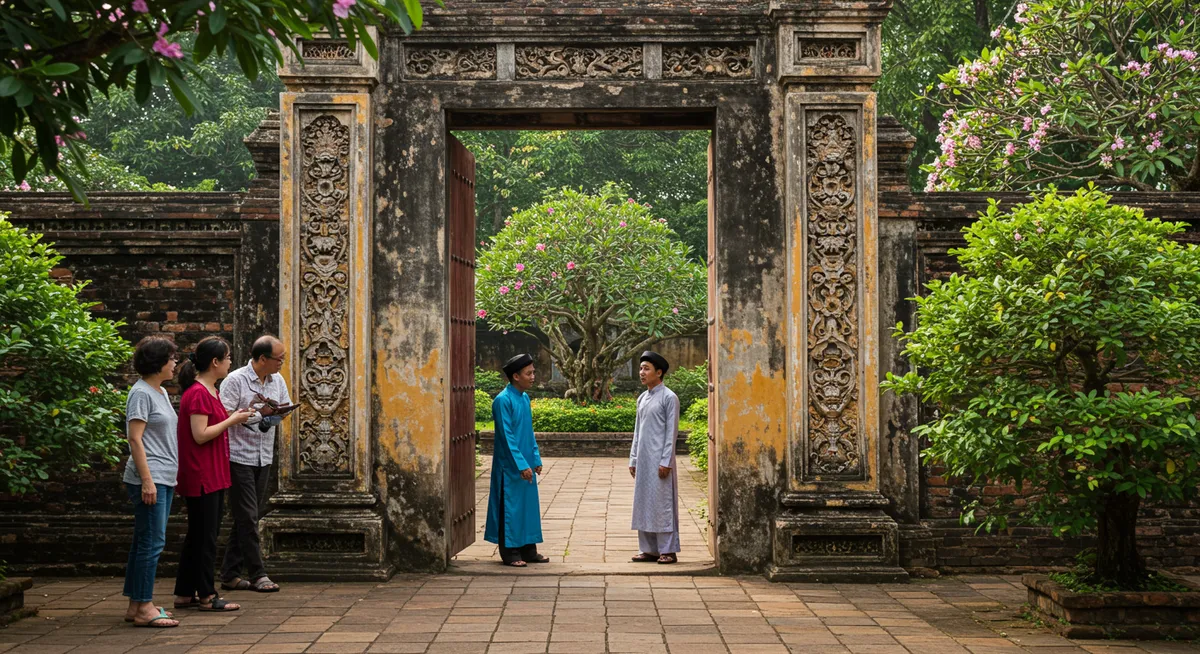
While exploring Hue on foot offers unparalleled freedom to stumble upon your own discoveries, there’s an undeniable magic in sharing the journey with a local expert. The “broader walking ecosystem” in Hue truly comes alive when you engage with a knowledgeable guide or a reputable local tour operator. This isn’t just about ticking off landmarks; it’s about unlocking the soul of the city, transforming a simple walk into an immersive cultural exchange.
The primary benefit of a local guide, especially in a city as historically and culturally rich as Hue, is access to unparalleled insights. Imagine walking through the Imperial Citadel not just seeing the gates, but hearing the personal anecdotes of imperial life, understanding the intricate symbolism behind a carving, or learning about the daily routines of past emperors and concubines. A guide can breathe life into ancient stones, explain the nuances of Buddhism at Thiên Mụ Pagoda, or share stories of local resistance during wartime – perspectives you simply won’t find in a guidebook. Their knowledge provides context, weaving together Hue’s imperial grandeur, spiritual tranquility, and everyday life into a cohesive narrative.
A local guide acts as your personal translator and cultural bridge. Navigating the vibrant, sometimes overwhelming, Đông Ba Market, or ordering a specific variety of Bún bò Huế from a tiny, unassuming stall can be daunting without language assistance. A guide can help you communicate, bargain respectfully, and ensure you’re experiencing authentic local flavors without hesitation. Crucially, they are masters at revealing Hue’s true hidden gems – the unassuming garden houses tucked away in quiet alleys, the best vendor for Hue’s famous sesame candy, or a tranquil riverside café known only to locals. These are the spots that truly elevate your “hidden gems” walking tour.
To maximize your guided walking experience, communicate your interests clearly upfront. If you’re particularly keen on street photography, ancient architecture, or finding specific artisanal crafts, let your guide know. They can then tailor the route and discussion to your preferences, ensuring a truly personalized journey. Beyond formal tours, remember that local connections can also stem from everyday interactions. A friendly smile, a simple “Cảm ơn” (thank you), or showing genuine interest in a local artisan’s craft can open doors to authentic moments, making your walking exploration of Hue not just a tour, but a connection.
Extending Your Hue Exploration: Walks Beyond the City Center
While Hue’s city center overflows with history, some of its most profound hidden gems lie just beyond its bustling heart. For those eager to delve deeper into the imperial past and embrace the serene beauty of the Vietnamese countryside, extending your exploration through combined walking and short-distance transport offers an incredibly rewarding experience. These excursions allow you to escape the urban buzz, discover quieter narratives, and witness the authentic rhythms of rural life.
The majestic Imperial Tombs of Hue are not within easy walking distance from the city center, but they are absolutely worth the short taxi or Grab ride. Once you arrive, prepare for extensive walking within these sprawling complexes. Each tomb is a self-contained world, designed to reflect the personality and philosophy of the emperor it commemorates, offering a unique architectural and historical journey.
- Tomb of Tu Duc: A poetic and tranquil retreat, designed by Emperor Tu Duc himself. You’ll spend hours wandering through pavilions, temples, and lakes, imagining imperial leisure. The walking here is extensive but largely flat and shaded, making it a pleasant stroll.
- Tomb of Khai Dinh: A striking contrast, showcasing a vivid fusion of Vietnamese and European architectural styles. Expect intricate mosaic work and elaborate decoration. This tomb involves more stair climbing but offers breathtaking views and fascinating details at every turn.
- Tomb of Minh Mang: Known for its harmonious blend of architecture and nature, following classical Chinese principles. The layout is symmetrical and vast, with numerous lakes, bridges, and gates to explore on foot. Its serene ambiance is perfect for a leisurely long walk.
Practical Tip: Wear comfortable walking shoes, bring plenty of water, and consider hiring a local guide at the tomb entrances for deeper insights into the emperors’ lives and the intricate symbolism of the designs. Allow at least 2-3 hours per tomb for a comprehensive exploration.
For a taste of authentic local life and a chance to witness traditional craftsmanship, venture to the nearby rural villages. A short taxi or Grab ride will transport you from the city’s energy to peaceful, verdant landscapes where time seems to slow down. While cycling is popular in these areas, walking through these villages offers a more intimate connection to the local rhythms.
- Thanh Toan Village and the Tile-Roofed Bridge: Just about 8km from Hue, this village is famous for its picturesque 18th-century tile-roofed bridge (Cầu Ngói Thanh Toàn). Beyond the bridge, you can walk through local rice paddies, visit a small agricultural museum, and observe daily life, perhaps even witnessing rice paper making or traditional hat weaving. It’s a wonderful opportunity for gentle, reflective strolls through a quintessential Vietnamese village.
- Incense Village (Làng Hương Thủy Xuân): A short ride southwest of the city, this vibrant village is where families meticulously craft incense sticks. Walking through the streets, you’ll be enveloped by the aroma and sight of countless incense bundles drying in the sun, creating striking visual displays and offering unique photo opportunities.
Practical Tip: Be respectful when observing local crafts; always ask for permission before taking photos. These walks offer a genuine glimpse into the livelihood of Hue’s surrounding communities.
When planning these extended walks:
- Transport: While taxis/Grab are convenient for getting to the starting points, consider renting a bicycle for the day if you wish to explore rural areas more freely and combine walking with cycling.
- Timing: Start early to avoid the midday heat, especially if exploring the tombs which can be quite exposed.
- Hydration & Sun Protection: Always carry water, wear a hat, sunglasses, and apply sunscreen generously. Hue’s sun can be intense, even on cloudy days.
- Footwear: Prioritize comfortable, sturdy walking shoes, as you’ll be covering significant distances on varied terrain, from paved paths to village dirt tracks.
- Local Etiquette: Dress modestly, especially when visiting religious sites or interacting with villagers, as a sign of respect.
- Cash: Have small denominations of VND for entrance fees, snacks, or small purchases from local vendors.
By venturing slightly beyond the city center, you unlock another layer of Hue’s charm, discovering serene landscapes and profound history that truly complete your understanding of this ancient capital.
Frequently Asked Questions
💡 Pro Tip: Book your Hue adventures in advance through Viator for the best deals!
Q: Is Hue a walkable city for tourists?
A: Absolutely! While some imperial sites are spread out, the city center, areas around the Citadel, and the riverfront are highly walkable. Many of Hue’s hidden gems and local experiences are best discovered on foot, allowing for deep immersion.
Q: What’s the best time of year to do a walking tour in Hue?
A: The ideal time is generally from February to April, when the weather is mild and dry. September to January can be cooler but might experience more rain. It’s best to avoid June to August due to high heat and humidity.
Q: Do I need a local guide for a walking tour in Hue?
A: While independent exploration is possible, a local guide significantly enhances the experience. They offer historical context, language assistance, help navigate hidden alleys, and introduce you to authentic spots and local stories you’d otherwise miss. For hidden gems, a guide is invaluable.
Q: What essential items should I bring on a Hue walking tour?
A: Comfortable walking shoes, light and breathable clothing, a hat or umbrella for sun/rain protection, sunscreen, insect repellent, a reusable water bottle, a small backpack, a fully charged phone (for maps/photos), and local currency (Vietnamese Dong).
Q: Is it safe to try street food during a walking tour in Hue?
A: Yes, Hue’s street food is a major highlight! Look for stalls with a high turnover of local customers, which usually indicates freshness. Observe hygiene practices, and don’t hesitate to ask for recommendations or point at dishes. Start with cooked dishes and bottled water if unsure.
Exploring Hue on foot is an invitation to truly connect with the city’s soul. Beyond the grandeur of its imperial past, a walking tour unveils a vibrant present – the rhythm of local life, the aroma of street food, and the serene beauty of hidden corners. By lacing up your shoes and embracing the journey, you’re not just visiting Hue; you’re becoming a part of its unfolding story, discovering its hidden gems one step at a time. So, pack your curiosity, follow your feet, and let Hue surprise and delight you with its profound beauty and authentic charm.