
Hoi An Walking Tour: Cultural Insights & Expert Tips (2026)
Explore Hoi An’s ancient town by foot! Discover hidden gems, local culture, and practical tips for an unforgettable walking tour in Vietnam.
On this page
Hoi An, a UNESCO World Heritage site, is a town seemingly designed for exploration on foot. Its compact Ancient Town, car-free zones, and lantern-lit streets create an enchanting atmosphere perfect for walking tours. This guide offers comprehensive insights, practical advice, and local tips to help you immerse yourself in Hoi An’s rich cultural tapestry, ensuring a safe, enjoyable, and deeply authentic walking experience.
Key Tips and Takeaways
- Wear comfortable walking shoes and light clothing, especially in warmer months.
- Carry plenty of water and stay hydrated, especially during the day.
- Purchase the Ancient Town entrance ticket to access 5 heritage sites and support preservation.
- Embrace getting ‘lost’ in the alleys; some of the best discoveries are off the main path.
- Learn a few basic Vietnamese phrases (e.g., ‘Xin chào’ – hello, ‘Cảm ơn’ – thank you) for friendly interactions.
- Haggle respectfully in markets; it’s part of the culture but do so with a smile.
- Be mindful of motorbikes and cyclists even in pedestrian-heavy areas; always look both ways.
Why Hoi An is the Ultimate Walking Tour Destination
Hoi An isn’t just a picturesque ancient town; it’s practically designed for discovery on foot. For travelers seeking an authentic and immersive experience, walking is not merely a mode of transport here – it’s the very essence of exploration. This UNESCO World Heritage site truly shines when you slow down and let your feet lead the way, offering a depth of engagement unmatched by other means.
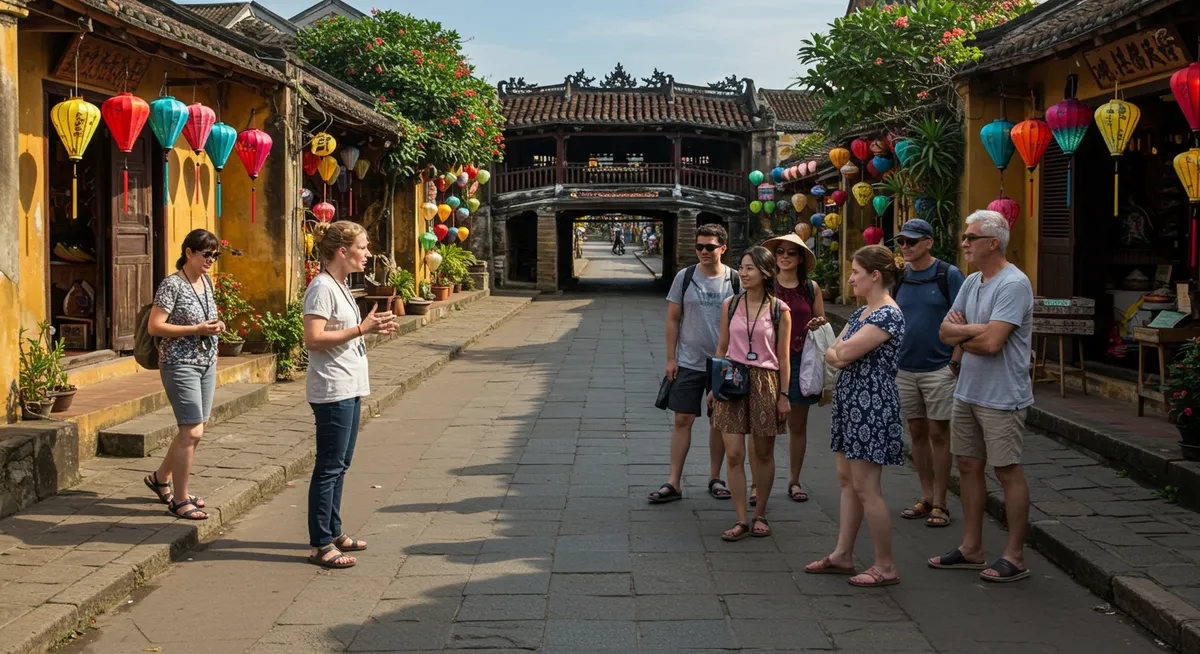
One of the primary reasons Hoi An stands out as the ultimate walking tour destination is its incredible **pedestrian-friendly zones**. The heart of the Ancient Town, especially around the iconic Japanese Covered Bridge and along the Thu Bon River, is largely car and motorbike-free for significant portions of the day. This absence of traffic noise and fumes transforms your strolls into serene, unhurried journeys. You can wander freely down narrow alleyways, cross ancient bridges, and explore hidden courtyards without the constant worry of vehicles, allowing for a truly relaxed pace.
Hoi An’s **compact ancient town** makes it perfectly walkable. Everything you’d want to see – from centuries-old merchant houses and vibrant tailor shops to ornate temples and bustling markets – is clustered within a charming, easily navigable radius. This means less time wasted on transit and more time soaking in the atmosphere, making it ideal for self-guided exploration or a focused walking tour that can cover significant ground without feeling rushed.
The **charming atmosphere and undeniable visual appeal** truly come alive when experienced on foot. Imagine strolling past mustard-yellow walls draped in bougainvillea, gazing at hundreds of colorful lanterns illuminating the streets at dusk, or observing local life unfold from a riverside cafe. Walking allows you to pause, absorb these intricate details, capture photographs at your leisure, and truly connect with the town’s unique aesthetic. You can duck into a silk lantern workshop, peek into an ancestral home, or simply linger by the river to watch fishing boats glide by – moments often missed when whizzing past on a scooter or cyclo.
Beyond the beauty, walking offers **deeper cultural immersion**. It’s on foot that you’ll stumble upon a street food vendor grilling fragrant skewers, hear the rhythmic tap of a shoemaker’s hammer, or catch the aroma of incense drifting from an old temple. You can interact with locals, observe daily rituals, and truly feel the pulse of this living museum. Unlike other forms of transport, walking allows for spontaneous discoveries – a hidden café, a secluded garden, or an impromptu street performance – that define an authentic travel experience and provide genuine “Hoi An cultural walking tour insights.”
To maximize your Hoi An walking adventure, consider these actionable tips:
- Go Early or Late: The early morning offers cooler temperatures and fewer crowds, perfect for photography and quiet reflection. Late afternoon and evening bring the magical glow of the lanterns and a vibrant energy.
- Wear Comfortable Shoes: You’ll be doing a lot of walking on cobblestone and uneven pavements. Opt for breathable, supportive footwear.
- Stay Hydrated: Tropical weather means you’ll need plenty of water. Local vendors selling refreshing drinks are plentiful.
- Embrace Getting Lost: Some of the best discoveries are made when you veer off the main tourist paths into quieter alleys. Just remember which general direction you came from!
- Look Up and Around: Don’t just focus on the ground; Hoi An’s charm is in its ancient architecture, ornate balconies, and the intricate details above eye level.
- Respect Local Life: Be mindful of residents’ privacy, especially in smaller alleys and residential areas. Ask permission before photographing people.
In essence, Hoi An isn’t just a place to visit; it’s a place to *experience* with every step. Its pedestrian-friendly nature, compact layout, and rich tapestry of culture and beauty make it an unparalleled destination for an unforgettable walking tour.
Top Cultural Highlights to Explore on Foot
Hoi An’s charm truly unfolds when explored on foot. Its compact Ancient Town, a UNESCO World Heritage site, is a pedestrian’s paradise, brimming with centuries of history, cultural fusion, and captivating beauty. Here’s a curated list of the must-see cultural highlights you can effortlessly discover on your walking tour, providing not just sights, but deep insights into this unique Vietnamese gem.
The Japanese Covered Bridge (Chua Cau)
An enduring symbol of Hoi An, the Japanese Covered Bridge is more than just a crossing; it’s a piece of living history. Built in the 16th century by the Japanese community to connect them with the Chinese quarters, this exquisite wooden bridge features intricate carvings and a small temple inside dedicated to the northern deity Tran Vo Bac De. What makes it significant is its harmonious blend of Vietnamese, Japanese, and Chinese architectural styles. Walking through it, you’ll feel transported back in time.
- Walking Tip: This is often your first iconic stop. Visit early in the morning (before 9 AM) or late in the afternoon (after 4 PM) to avoid the biggest crowds and capture stunning photos. While there’s a small fee to walk *through* the temple inside, you can admire its exterior beauty for free.
Ancient Houses (e.g., Tan Ky, Phung Hung)
Step into the past by visiting Hoi An’s remarkably preserved ancient merchant houses. These two-story timber homes, often dating back 200-300 years, offer a fascinating glimpse into the lives of wealthy traders. The Tan Ky Old House, for instance, is famous for its unique blend of Japanese, Chinese, and Vietnamese architectural elements, featuring beautiful carved wooden couplets and a rare “crab shell” roof. The Phung Hung Old House, still inhabited by the eighth generation of its family, showcases traditional Hoi An silk embroidery and intricate wooden carvings.
- Walking Tip: To enter these houses, you’ll typically need to purchase a Hoi An Old Town Ticket, which grants access to several heritage sites. Many offer guided tours by family members, providing personal anecdotes and insights – highly recommended!
Assembly Halls (e.g., Fujian, Cantonese)
The vibrant Assembly Halls are testament to Hoi An’s rich multicultural past, serving as community centers for Chinese traders from different provinces. The Fujian (Phuc Kien) Assembly Hall is the largest and most ornate, dedicated to Thien Hau – the Goddess of the Sea. Its elaborate gate, colorful courtyards, and intricate dragon statues are awe-inspiring. Nearby, the Cantonese (Quang Trieu) Assembly Hall is known for its beautiful murals and a tranquil rear garden with a dragon fountain. These halls were not just places of worship but vital social and business hubs.
- Walking Tip: These sites are also included in the Old Town Ticket. Allow ample time to explore the various courtyards, altars, and architectural details. Remember to dress respectfully (shoulders and knees covered) when entering places of worship.
Temples and Pagodas
Beyond the grand Assembly Halls, Hoi An is dotted with serene temples and pagodas, offering quiet retreats from the bustling streets. These spiritual sanctuaries, often less frequented by tourists, provide a deeper insight into local religious practices and beliefs. Look for smaller, unassuming entrances that lead to peaceful courtyards with burning incense and intricate altars. Each temple tells a story, whether through its deity, its architecture, or the local community that sustains it.
- Walking Tip: Keep an eye out for these hidden gems tucked away on side streets. They offer fantastic photo opportunities and a chance to observe local life unfold. Always be mindful and quiet to respect worshippers.
The Riverside and Central Market
No Hoi An walking tour is complete without experiencing the lively energy of the riverside and the Central Market. The Thu Bon River, once a bustling trading artery, remains the heartbeat of the town. Stroll along its banks, especially in the late afternoon, when lanterns begin to glow and boatmen prepare for sunset cruises. The Central Market, a sensory explosion, offers everything from fresh produce and seafood to textiles and handicrafts. It’s an authentic slice of daily Vietnamese life.
- Walking Tip: Visit the market in the morning to see it at its most vibrant. Don’t be afraid to sample local delicacies from street food vendors. In the evening, consider a short sampan boat ride along the river for a magical view of the lantern-lit town from the water – a truly unforgettable experience.
Designing Your Ideal Hoi An Walking Itinerary
⭐ Recommendation: Don't miss out on amazing Hoi An tours - book now!
Hoi An’s ancient streets are an invitation to explore on foot, a living museum waiting to be discovered at your own pace. Designing your self-guided walking itinerary allows you to truly immerse yourself in its unique charm, blending history, culture, and culinary delights according to your interests and energy levels.
Crafting Your Day: Morning, Afternoon, or Evening?
Each part of the day offers a distinct Hoi An experience:
- Mornings (6:00 AM – 10:00 AM): History & Quiet Charms
This is arguably the best time. The air is cooler, and the Ancient Town is remarkably peaceful, ideal for photography without the crowds. Focus on historical sites like the Japanese Covered Bridge, Fujian Assembly Hall, and ancient merchant houses such as Tan Ky or Phung Hung. It’s also perfect for visiting the bustling Hoi An Central Market as it comes alive with locals. - Afternoons (2:00 PM – 5:00 PM): Craft & Coffee Culture
While warmer, afternoons are excellent for diving into Hoi An’s craft scene. Explore tailor shops on Le Loi or Tran Phu streets, browse art galleries, or try your hand at a lantern-making workshop. This is also prime time for leisurely coffee breaks at charming cafes – perhaps a rooftop view at Faifo Coffee or a unique silent experience at Reaching Out Tea House. - Evenings (5:00 PM onwards): Lanterns, Lore & Lively Bites
Hoi An truly transforms at dusk. The iconic lanterns illuminate the streets, creating a magical atmosphere. This is when the night market on An Hoi Islet bustles, offering street food galore and vibrant souvenir shopping. Consider a serene boat ride on the Thu Bon River to see the town lit up from the water, or simply stroll and soak in the festive ambiance.
Suggested Themed Walks for Diverse Interests:
Here are a few itinerary ideas to spark your imagination, easily adaptable to your pace:
- ‘Lanterns & Lore’ (Evening Stroll – 1.5-2 hours):
Begin at the Japanese Covered Bridge, cross over to Nguyễn Thị Minh Khai Street, and wander past ancient houses like Tan Ky. Continue along Trần Phú to admire the magnificent Fujian Assembly Hall. As evening deepens, cross the Bridge of Lights to An Hoi Islet, immersing yourself in the glowing lanterns and the lively night market. - ‘Craft & Coffee Walk’ (Afternoon Delights – 2-3 hours):
Start your journey near the Ba Le Well. From there, meander through the smaller, less-crowded alleys off Trần Phú and Phan Châu Trinh, seeking out artisan workshops specializing in lanterns, leather goods, or pottery. Pop into several tailor shops to marvel at their designs, then reward yourself with a refreshing Vietnamese coffee at one of the many atmospheric cafes, perhaps with a view of the river. - ‘Market to River Stroll & Bites’ (Morning Culinary Journey – 2-2.5 hours):
Kick off your day at the vibrant Hoi An Central Market, exploring its kaleidoscope of fresh produce, spices, and local snacks. From there, make your way to Bạch Đằng Street, following the Thu Bon River. Along the way, keep an eye out for famous street food vendors offering Hoi An specialties like Bánh Mì Phượng or savory Cao Lầu noodles. Enjoy your discoveries by the tranquil riverside.
Pacing & Flexibility: Your Key to Enjoyment
Hoi An is best savored slowly. Wear comfortable shoes, stay hydrated by carrying bottled water, and don’t hesitate to take frequent breaks at cafes or shaded benches. The beauty of a self-guided tour is the freedom to change course; if a charming alley catches your eye, follow it! Embrace spontaneous discoveries, allow for unexpected detours, and remember that some of the best Hoi An moments happen when you least expect them.
Local Insights & Uncovering Hidden Gems
While Hoi An’s UNESCO-listed Ancient Town is undeniably captivating, the true magic of a cultural walking tour often lies in venturing beyond the well-trodden paths. This section is your guide to peeling back the layers and discovering the authentic heartbeat of Hoi An – the local insights and hidden gems that many visitors overlook.
Embrace the Labyrinth of Quiet Alleys: Don’t stick solely to the main thoroughfares like Tran Phu or Nguyen Thai Hoc. Hoi An is a maze of charming, narrow alleys branching off in every direction. These quieter lanes are where you’ll find the rhythm of local life unfolding: children playing, women preparing meals, and everyday commerce humming softly. Take a deliberate turn down an unmarked path; you might stumble upon a forgotten temple, a peaceful courtyard, or a wall adorned with vibrant bougainvillea. Observation is key here – notice the intricate details on old wooden doors, the potted plants outside homes, and the subtle sounds of daily life.
Engage with Local Artisans and Tailors: Hoi An is renowned for its bespoke tailoring, but don’t just visit the most prominent shops. Wander into smaller, family-run establishments tucked away in side streets. Politeness and genuine interest can open doors. Ask a tailor about their craft, the types of fabrics they use, or the history of their shop. Similarly, seek out lantern makers, shoemakers, or leather artisans at work. A brief, respectful conversation can offer fascinating insights into their techniques and the heritage of their trades, often leading to a more personal connection than a simple transaction.
Uncover Hidden Cafes and Galleries: Beyond the bustling riverside eateries, Hoi An boasts an array of enchanting hidden cafes and intimate art galleries. Look for subtle signs, open gateways, or a flicker of light down a narrow passage. You might discover a tranquil courtyard cafe serving exceptional Vietnamese coffee amidst lush greenery, or a gallery showcasing the works of talented local artists whose pieces truly capture the spirit of Vietnam. These quiet havens offer a perfect respite from the crowds and a chance to absorb the town’s artistic and culinary nuances.
Savor Street Food Beyond the Tourist Traps: Hoi An’s street food scene is legendary, but for authentic flavors, follow the locals. While Banh Mi Phuong is famous, venture to smaller, unassuming stalls or look for vendors setting up around dawn or dusk. Seek out humble street carts specializing in just one dish, like a perfect bowl of *Cao Lau* or a delicate plate of *Banh Xeo* (crispy pancakes). The best experiences often come from the simplest setups, where the aroma alone guides your steps. Don’t be shy; point to what looks good, and be prepared for a delicious, often inexpensive, culinary adventure.
Discover Less-Known Temples and Community Houses: Beyond the iconic Japanese Bridge and the grand Assembly Halls, Hoi An is dotted with smaller, often overlooked temples, pagodas, and community houses. These are typically places of worship for specific clans or local communities. They may not be listed in guidebooks, but their serene atmospheres and intricate architecture offer a glimpse into the town’s spiritual and social fabric. When you encounter one, step inside (if permissible and respectfully dressed), observe the quiet devotion, and appreciate the sense of local heritage. Look for the tell-tale signs of incense smoke or ornate gates in quiet residential areas.
By approaching your Hoi An walking tour with a sense of curiosity and an open mind, you’ll uncover a wealth of genuine experiences that go far beyond the typical tourist itinerary. Slow down, observe, and let your feet guide you to the hidden gems of this enchanting town.
Practical Tips for a Smooth & Safe Walk
To truly savor your Hoi An cultural walking tour, a little preparation goes a long way. The ancient town is best explored on foot, but being mindful of local conditions and practicalities will ensure a smooth, enjoyable, and safe experience.
Best Time to Walk & Weather Wisdom
Hoi An offers different charms throughout the year, but for comfortable walking, aim for the dry season from February to April. The weather is generally pleasant with lower humidity and fewer chances of rain. May to July can be very hot, while August to January is the rainy season, with October and November sometimes experiencing significant flooding, making walking challenging.
Regardless of the time of year, the best times of day to walk are early morning (before 9:00 AM) or late afternoon/evening (after 4:00 PM). Mornings offer cooler temperatures, fewer crowds, and the chance to see local life unfold. Evenings, with the iconic lanterns glowing, are magical but can be very crowded.
What to Wear & Hydrate
- Footwear: This is paramount! Hoi An’s charming streets are paved with uneven cobblestones, making comfortable, breathable walking shoes (sneakers, sturdy sandals) absolutely essential. Avoid heels or flimsy flip-flops.
- Clothing: Opt for lightweight, breathable fabrics like cotton or linen. Loose-fitting attire will keep you cool in the tropical humidity. When visiting temples or pagodas, ensure your shoulders and knees are covered as a sign of respect.
- Hydration: Hoi An’s humidity can be deceptively dehydrating. Carry a reusable water bottle and refill it often from your hotel or countless convenience stores and cafes. Cold coconuts, fresh juices, and iced Vietnamese coffee are also delicious ways to stay hydrated.
- Sun Protection: The Vietnamese sun can be intense. A wide-brimmed hat, sunglasses, and high-SPF sunscreen are non-negotiable. Utilize the abundant shade offered by buildings and trees, especially during midday.
Navigating Vendors & Tickets
- Street Vendors: Hoi An’s vendors are friendly and often persistent, especially around the Japanese Covered Bridge. A polite “cảm ơn” (thank you) or a firm but kind “no, thank you” usually suffices if you’re not interested. If you do wish to buy, bargaining is common and expected, particularly in markets. Engage good-naturedly, but be respectful.
- Old Town Entry Tickets: The Hoi An Ancient Town operates a unique ticketing system. A single ticket (purchased from official kiosks, often near the main entry points) allows you to enter five designated heritage sites from a list of around 20, including the Japanese Covered Bridge, traditional old houses, assembly halls, and museums. While not mandatory for just walking the streets, you’ll need one to step inside these specific attractions. Keep your ticket handy as it may be checked.
Safety & Scam Awareness
- Traffic: Even though the Ancient Town core is pedestrian-friendly for much of the day, motorbikes are omnipresent and can appear suddenly, especially on the fringes and at intersections. Always look both ways, anticipate movements, and walk defensively.
- Uneven Surfaces: Watch your step! The beautiful cobblestones can be uneven, and sidewalks might be narrow or non-existent in places.
- Common Scams: While Hoi An is generally safe, be aware of typical tourist scams. Always agree on a price *before* accepting a cyclo ride or any service. Be wary of overly friendly strangers offering “free” gifts or services that later come with a cost. Pickpocketing is rare but possible in crowded areas, so keep valuables secure and out of sight.
- Personal Belongings: Carry your bag securely across your body. Avoid displaying large amounts of cash or expensive electronics openly.
By keeping these practical tips in mind, your Hoi An walking adventure will be nothing short of extraordinary!
Beyond the Ancient Town: Expanding Your Walking Horizon
⭐ Recommendation: Don't miss out on amazing Hoi An tours - book now!
While Hoi An’s Ancient Town is undeniably charming, truly enriching your cultural walking tour means stepping beyond its well-trodden paths. The magic of Hoi An extends into its surrounding countryside and local neighborhoods, offering a quieter, more authentic glimpse into Vietnamese life. These walks provide a refreshing contrast, revealing the daily rhythms, traditional crafts, and agricultural heritage that sustain this beautiful region.
Tra Que Vegetable Village: A Culinary Walk
Just a pleasant 3-4 kilometer walk north-east of the Ancient Town, the verdant Tra Que Vegetable Village offers a living museum of organic farming practices. The walk itself is part of the experience, winding past rice paddies and sleepy canals, offering a serene escape.
- The Walk: The flat terrain makes for an easy stroll or cycle, allowing you to breathe in the fresh air and admire the rural scenery.
- What You’ll See: Observe farmers meticulously tending their plots, using traditional methods passed down through generations. You’ll see rows of fragrant herbs like basil, mint, and cilantro, alongside vibrant leafy greens, all grown without chemicals.
- Local Insight: Many local restaurants source their fresh produce directly from Tra Que. Consider joining a cooking class here to pick your own ingredients and learn traditional Vietnamese dishes.
- Practical Tip: Go in the early morning or late afternoon to avoid the midday sun and witness the village at its most active. Wear shoes suitable for dirt paths.
Cam Kim Island: Artisanal Serenity
For a complete change of pace, journey to Cam Kim Island, accessible by a quick, inexpensive ferry from the Bach Dang Street pier (near Hoi An Market). This tranquil island feels worlds away from the tourist hub, preserving traditional village life and craftsmanship.
- The Journey: The ferry itself is a local experience – small wooden boats constantly shuttle across the Thu Bon River. Once on the island, you can explore on foot, though renting a bicycle (either beforehand or on the island) is highly recommended to cover more ground.
- What You’ll See: Cam Kim is renowned for its traditional wood carving workshops, especially the work of the Huynh Ri family, where intricate wooden statues and furniture are crafted. You might also stumble upon mat weaving households, turning sedge grass into beautiful, colorful mats.
- Local Insight: Interact with the artisans, many of whom are happy to demonstrate their skills. The island’s quiet roads and lush scenery are perfect for a peaceful ramble.
- Practical Tip: Carry small denominations of VND for the ferry and any local purchases. The ferry operates frequently throughout the day; just look for the small boats and ask for “Cam Kim.”
Exploring Local Neighborhoods: Authentic Daily Life
You don’t have to venture far to discover a different side of Hoi An. Simply wander a few blocks beyond the main tourist streets of the Ancient Town, particularly to the east or north, and you’ll immediately enter bustling residential areas. These informal walks offer an unfiltered look at local daily life.
- The Walk: There’s no set path; just follow your curiosity down smaller lanes and alleys. You’ll encounter fewer souvenir shops and more everyday businesses.
- What You’ll See: Witness children playing, locals congregating at small coffee stalls, street food vendors preparing snacks, and the vibrant atmosphere of less tourist-oriented markets. You might discover hidden pagodas or charming local temples.
- Local Insight: This is where Hoi An’s true character shines – the friendly smiles, the everyday sounds, and the genuine community spirit. It’s a great opportunity for candid photography (always be respectful!).
- Practical Tip: Be mindful of motorbikes on narrower streets. Try a local snack from a street vendor – it’s often delicious and incredibly cheap.
Expanding your walking horizon beyond the Ancient Town allows you to delve deeper into Hoi An’s soul. These excursions offer not just physical activity but a profound connection to the local culture, providing memories that go far beyond typical tourist snapshots. Remember to carry water, wear comfortable shoes, and be ready for genuine encounters.
Connecting with Hoi An’s Walking Tour Ecosystem
Hoi An’s ancient town is a dream for pedestrians, its charming streets practically begging to be explored on foot. When planning your Hoi An cultural walking tour, you have the wonderful choice of immersing yourself with a knowledgeable local guide or charting your own course through its labyrinthine alleys. Both approaches offer unique advantages for uncovering the city’s rich heritage.
Guided Tours: Unlocking Hoi An’s Soul
For a truly enriching experience, a guided walking tour comes highly recommended. Local guides don’t just point out landmarks; they breathe life into them with captivating historical context, personal anecdotes, and intricate local stories you won’t find in guidebooks. Imagine standing before the iconic Japanese Covered Bridge as a local explains its spiritual significance and the diverse communities it once connected, or learning about the intricate family histories within a traditional merchant house like the Old House of Tan Ky.
They can navigate you through bustling markets, introduce you to local artisans, explain the nuances of Vietnamese coffee culture, and even provide insights into the daily lives of Hoi An residents. This insider perspective is invaluable for understanding the deeper cultural layers of this UNESCO World Heritage site.
How to Find Reputable Local Guides:
- Hotel Recommendations: Your accommodation is often the best first point of contact for trusted local guides or tour operators.
- Local Agencies: Look for smaller, independent tour companies based directly in Hoi An. They often specialize in intimate group experiences or private tours tailored to your interests, focusing on aspects like food, history, or photography. Prioritize guides who are licensed and passionate about sharing their culture.
- Focus on Themes: Consider tours that delve into specific aspects, such as a “Hoi An Street Food Tour” by foot, a “Traditional Craft Village Walk,” or a “Heritage Architecture Tour.”
Self-Guided Exploration: Your Pace, Your Path
If you prefer the freedom to wander at your own pace, stopping wherever your curiosity takes you, a self-guided walking tour is perfect. Hoi An’s Old Town is relatively compact and incredibly pedestrian-friendly, especially during the vehicle-restricted hours, making it easy to navigate on your own. You can linger longer at a hidden temple, discover a quiet riverside café, or simply soak in the atmosphere of the lantern-lit streets.
Essential Navigation Tools:
- Map Apps: Google Maps is your best friend. Be sure to download an offline map of Hoi An before heading out, as connectivity can be spotty in certain areas. Pin points of interest like the Japanese Bridge, Phuc Kien Assembly Hall, or the Hoi An Night Market to create your own route.
- Physical Maps: Pick up a free tourist map from your hotel or the Hoi An Tourist Information Center. These often highlight key attractions and walking routes.
- Old Town Tickets: Remember that entry to a selection of the historical houses, assembly halls, and museums within the Old Town requires a single entrance ticket, which you can purchase at various kiosks around the periphery of the ancient town. Plan your route accordingly.
Practical Tips for Your Hoi An Walk
- Comfortable Footwear: This is paramount! You’ll be doing a lot of walking on cobblestone streets.
- Hydration: Hoi An can be hot and humid. Carry water, especially during warmer months.
- Best Times: Early mornings offer cooler temperatures and fewer crowds, perfect for photography. Late afternoons and evenings are magical as the lanterns glow, but also busier.
- Respect Local Culture: Dress modestly when visiting temples or assembly halls, and always ask permission before photographing people.
Whether you choose the insightful narrative of a local guide or the liberating independence of self-discovery, connecting with Hoi An on foot promises an unforgettable journey into its heart.
Essential Hoi An Etiquette for Walkers
As you embark on your fascinating Hoi An walking tour, remember that you’re not just a sightseer, but a guest in a living, breathing UNESCO World Heritage site. Adopting a respectful and culturally sensitive approach will not only enrich your experience but also demonstrate appreciation for the local way of life. Here’s how to navigate Hoi An’s charming streets with grace:
Dress Code for Sacred Sites
Hoi An is home to several beautiful temples and pagodas, such as the tranquil Chua Ong Temple or the vibrant Quan Cong Temple, which are integral to the town’s spiritual fabric. When entering these sacred spaces, or even when passing by local family altars visible from the street:
- Cover Up: Ensure your shoulders and knees are covered. This applies to both men and women. Consider carrying a lightweight scarf or sarong in your daypack, which can be easily draped over your shoulders or used to cover your legs when needed.
- Remove Shoes: Always remove your shoes before entering any temple or pagoda. Look for shoe racks near the entrance.
- Be Quiet: Maintain a respectful silence or speak in hushed tones inside religious sites.
Polite Bargaining at Markets
Exploring the bustling Hoi An Central Market or browsing the myriad tailor shops and souvenir stalls is a quintessential walking tour experience. Bargaining is common and often expected, but it should always be done with a smile and a friendly demeanor:
- Start Low, Be Flexible: Offer about 50-70% of the initial asking price and be prepared to meet somewhere in the middle.
- Keep it Friendly: Treat it as a polite negotiation, not an aggressive confrontation. A smile and a few Vietnamese words like “Cảm ơn” (Thank you) go a long way.
- Walk Away Gracefully: If you can’t agree on a price, it’s fine to politely decline and move on. Don’t feel pressured.
Photography Etiquette
Hoi An offers countless picturesque moments, from lantern-lit alleys to charismatic street vendors. However, always be mindful when taking photos:
- Ask Permission: When photographing people, especially older residents, street vendors, or children, always ask for permission first. A simple gesture with your camera and an inquiring look, or a verbal “Xin phép?” (May I?), is usually understood and appreciated.
- Be Respectful of Privacy: Avoid peering into private homes or residential areas with your camera.
- Be Discreet: If you are taking photos in a more general street scene, try to be unobtrusive and respect people’s personal space.
General Respectful Behavior
Your actions on the streets of Hoi An contribute to the overall atmosphere for everyone:
- Noise Levels: Keep your voice down, especially when walking through quiet residential areas or near temples. Respect the peaceful ambiance of the Ancient Town.
- Littering: Hoi An takes pride in its cleanliness. Always dispose of your rubbish in designated bins. Never litter.
- Touching: Avoid touching people, particularly children, without explicit permission. Similarly, refrain from touching goods in shops or markets excessively if you have no intention of buying.
- Walking Consciously: Even in pedestrian-priority zones, be aware of bicycles and motorbikes that might still be present. Walk on the right side of the path.
By keeping these simple etiquette tips in mind, you’ll not only enjoy a smoother and more authentic walking tour but also leave a positive impression, fostering the warm connection between travelers and the delightful people of Hoi An.
Frequently Asked Questions
Q: Is Hoi An safe for solo female walkers?
A: Yes, Hoi An is generally considered very safe for solo female travelers. The Ancient Town is well-lit at night, and locals are friendly. Standard precautions apply, like being aware of your surroundings, especially after dark in less populated areas, but overall, it’s a very welcoming destination.
Q: What’s the best time of day to walk in Hoi An?
A: Early mornings are fantastic for avoiding crowds and experiencing the town as it wakes up. Evenings, especially after sunset when the lanterns illuminate, offer a magical atmosphere. Mid-day can be hot, so plan indoor activities or breaks during peak sun hours.
Q: Do I need a ticket to walk through the Ancient Town?
A: While you can walk through the general streets of Hoi An Ancient Town without a ticket, to enter specific heritage sites (like the Japanese Covered Bridge, ancient houses, assembly halls, museums), you will need to purchase an entrance ticket. This ticket typically covers five attractions of your choice and helps fund the preservation of the town.
Q: Are there public restrooms available in the Ancient Town?
A: Yes, there are public restrooms available, often near major attractions or the central market. Look for signs or ask at cafes/restaurants (it’s polite to make a small purchase if you use their facilities).
Q: How do I deal with persistent vendors?
A: A polite but firm ‘Không, cám ơn’ (No, thank you) or a simple shake of the head usually suffices. Maintain a friendly demeanor, but don’t feel pressured. If you’re genuinely interested, engage, but if not, move on calmly. Bargaining is common, especially in markets.
Hoi An truly comes alive when explored on foot. Each step reveals a new layer of history, culture, and charm, from the centuries-old architecture to the vibrant daily life of its residents. By embracing these insights and tips, you’re not just taking a walk; you’re embarking on an intimate journey through the heart of Vietnam’s most enchanting ancient town. So lace up your shoes, open your mind, and let Hoi An’s timeless beauty unfold beneath your feet.