
Sapa Photography: Trekking Tips & Stunning Shots (2026)
Unlock Sapa’s breathtaking beauty! Get practical photography tips for your Sapa treks, from essential gear to ethical shots, and make your walking tour unforgettable.
On this page
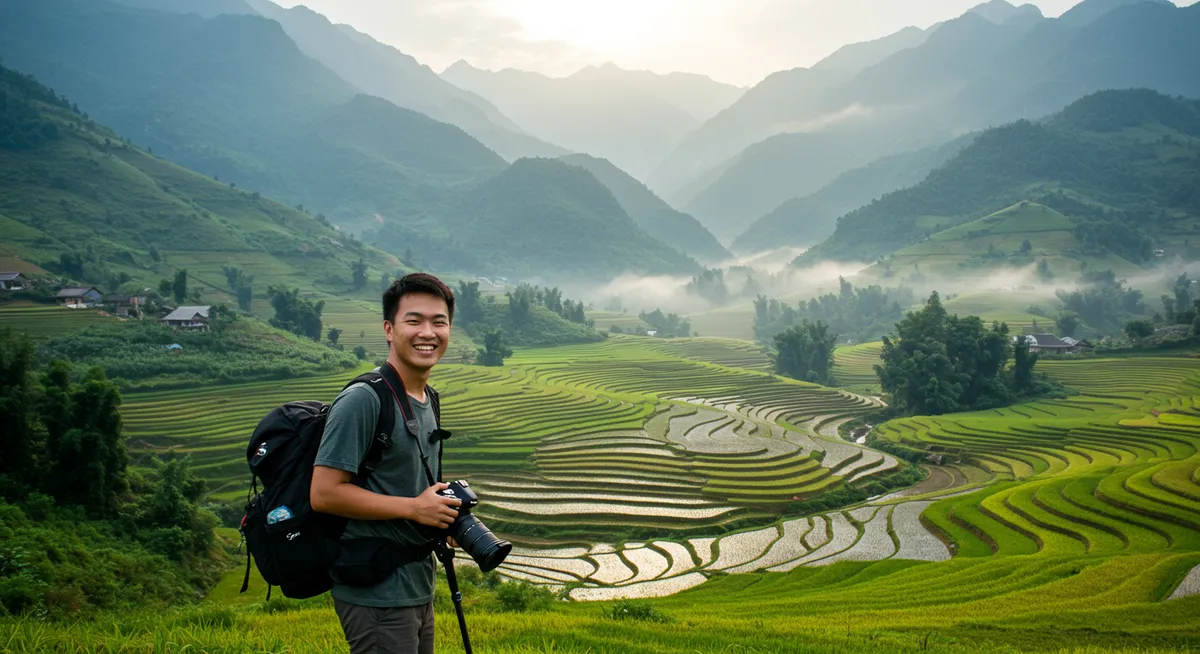
Sapa, with its cascading rice terraces, mist-shrouded mountains, and vibrant ethnic minority cultures, is a photographer’s dream come true. For travelers keen on exploring on foot, a walking tour through Sapa’s landscapes offers unparalleled opportunities to capture stunning images. This guide provides practical advice to help you not only navigate Sapa’s challenging terrain but also immortalize its unique charm through your lens, ensuring your trekking experience is both immersive and visually rewarding.
Key Tips and Takeaways
- Always ask for permission before photographing local people, and respect their decision.
- Protect your camera gear from Sapa’s unpredictable weather (rain, mist, dust) with appropriate covers.
- Pack light but smartly; every gram counts on a trek. Prioritize essential lenses and batteries.
- Embrace Sapa’s fog and mist – they create incredibly atmospheric and unique photographic opportunities.
- Capture not just grand landscapes, but also the intricate details and candid moments of local life and fellow trekkers.
1. Gear Up for Sapa: Essential Photography Kit for Trekkers
Sapa’s dramatic landscapes, mist-shrouded mountains, and vibrant ethnic minority cultures offer an endless canvas for photographers. To truly capture the essence of your trekking adventure here, gearing up with the right photography kit is paramount. Remember, Sapa’s trails can be muddy, slippery, and the weather notoriously unpredictable, so durability and practicality are just as important as image quality.
Choosing Your Camera Body for Sapa Treks:
- Mirrorless Cameras: Often the sweet spot for Sapa trekkers. They offer superb image quality, excellent low-light performance, and interchangeable lenses, all in a lighter and more compact body than most DSLRs. This reduced weight will be a blessing on long, challenging treks through rice paddies and up hills.
- DSLRs: If you already own one, they’re perfectly capable, offering robust build quality and a wide range of lenses. However, their larger size and weight can be a significant factor when you’re carrying your gear for hours on end. Consider the trade-off for comfort.
- Smartphones: Don’t underestimate the power of modern smartphone cameras! For casual shots, quick captures, or simply as a reliable backup, a good smartphone can deliver stunning results, especially in good light. Their convenience means you’ll always have a camera ready for those fleeting moments with local children or unexpected vistas. Ensure you have ample storage and consider an external power bank for extended use.
Essential Lenses for Sapa’s Scenery:
For dedicated cameras, a carefully chosen lens selection makes all the difference without weighing you down:
- Wide-Angle Lens (e.g., 16-35mm equivalent): Absolutely indispensable for Sapa. This lens is your best friend for sweeping panoramic shots of the iconic terraced rice fields, the vast valleys, and the majestic peaks like Fansipan. It allows you to capture the grand scale of the landscape.
- Standard Zoom Lens (e.g., 24-70mm or 24-105mm equivalent): A versatile workhorse for general travel photography, capturing everything from village life to mid-range landscapes. If you can only bring one lens, a good quality standard zoom is a solid choice.
- Prime Lens (e.g., 35mm or 50mm): While not strictly necessary, a fast prime lens (f/1.8 or f/1.4) can be wonderful for intimate portraits of the H’mong, Dao, or Tay people you encounter (always ask for permission first!), capturing the intricate details of their traditional clothing, or for low-light shots inside homes or during misty conditions. They offer beautiful bokeh and sharpness.
Crucial Photography Accessories for Sapa Treks:
- Extra Batteries: This is non-negotiable. Cold weather (common in Sapa, especially during winter months) can drain batteries faster. Long trekking days mean you won’t have easy access to charging points. Aim for at least two fully charged spares.
- Plenty of Memory Cards: Sapa’s beauty is addictive; you’ll take more photos than you anticipate. Bring multiple high-capacity cards so you don’t have to worry about running out of space mid-trek.
- Rain Cover/Waterproof Bag: Your most important accessory for Sapa. Rain showers can appear quickly, and trails can be extremely muddy. A dedicated camera rain cover or a simple waterproof dry bag will protect your valuable gear from moisture, mud, and dust. Consider a camera backpack with its own rain cover.
- Lightweight Travel Tripod: While optional, a compact, lightweight travel tripod (carbon fiber is ideal) is excellent for capturing stunning sunrise or sunset shots over the terraces, long exposures of misty landscapes, or sharp photos in low light without raising ISO too much.
- Lens Cleaning Kit: Mud, mist, and dust are common. A microfiber cloth, lens pen, and a small blower will help keep your lenses clean and your images sharp.
- Comfortable Camera Strap or Clip: Ensure your camera is easily accessible but securely attached to you while navigating challenging terrain. A comfortable strap will prevent neck strain over long distances.
Ultimately, prioritize packing light and durable gear that you are comfortable carrying for hours. The best camera is the one you have with you and are willing to use frequently. With the right kit, you’ll be ready to capture the breathtaking beauty and unique cultural tapestry of Sapa.
2. Mastering Sapa’s Landscapes: Composition & Light Techniques
Sapa’s dramatic topography is a photographer’s dream, offering an endless canvas of terraced rice paddies, plunging valleys, and charming villages. Mastering composition and light during your walking tour will elevate your Sapa photos from mere snapshots to evocative stories.
Composition Techniques: Finding Your Frame Amidst the Green
- Leading Lines: The Paths of Sapa: As you trek through Sapa’s landscapes, pay attention to how the curving contours of the rice terraces naturally guide the eye. The narrow, winding paths that crisscross the paddies, the flowing streams, and even the fences around village homes can all serve as powerful leading lines. Use these natural elements to draw the viewer’s gaze deeper into your frame, emphasizing the vastness and intricate design of the landscape.
- Rule of Thirds: Balancing the Vista: Imagine a grid dividing your frame into nine equal sections. Instead of placing your main subject dead center, position key elements along these lines or at their intersections. For Sapa, this means placing the horizon line (where the terraces meet the sky or the valley floor) on an upper or lower third. When photographing a lone Hmong farmer working in the fields or a cluster of traditional houses, align them with one of the vertical lines to create a more balanced and dynamic image.
- Natural Framing: Windows to the Valley: Look for opportunities to frame your subjects using elements within the landscape. Overhanging tree branches, dense bamboo thickets, doorways of village homes, or even the arch of a small bridge can act as natural frames, drawing attention to your main subject and adding depth to your shot. During your trek, keep an eye out for these ‘windows’ that offer a unique perspective on the breathtaking views.
- Capturing Scale: The Grandeur of Sapa: Sapa’s landscapes are immense, and conveying this scale is crucial. Include elements that provide a sense of proportion. A lone trekker on a winding trail, a group of local children playing in a field, or a small village nestled against a towering hillside can all serve as powerful anchors that emphasize the sheer magnitude of the surroundings. Don’t be afraid to zoom out and capture the expansive beauty.
Light Techniques: Embracing Sapa’s Moods
- Golden Hour Glow: The hour after sunrise and before sunset (the “golden hour”) casts a magical, soft, warm light across Sapa. This light beautifully illuminates the terraced rice paddies, making their green and golden hues pop, and creates long, dramatic shadows that add depth and texture to your images. If your walking tour includes an overnight stay in a local village, make an effort to be out with your camera during these times for truly breathtaking shots.
- Blue Hour Serenity: Just before sunrise and immediately after sunset, Sapa enters its “blue hour.” The sky takes on deep, rich blue tones, and the ambient light is soft and even. This is an excellent time for capturing more ethereal, moody landscapes, especially if there are village lights beginning to twinkle or a soft mist settling into the valleys.
- Embracing the Mist & Fog: Sapa’s Signature Atmosphere: One of Sapa’s most unique photographic opportunities lies in its frequent misty and foggy conditions. Instead of waiting for it to clear, embrace it! Mist adds an incredible sense of drama, mystery, and atmosphere to your photos. It can simplify busy compositions, separate layers of distant mountains or terraces, and create a dreamlike quality. Focus on silhouettes, close-up details that emerge from the mist, or the interplay of light and shadow when the sun tries to break through. These conditions are incredibly common during Sapa treks, so be prepared to leverage them.
Remember, your walking tour is an immersive experience. Take your time, observe the subtle shifts in light, and look for the unique angles that Sapa’s ever-changing landscape presents. A keen eye and a patient approach will ensure you return with a collection of truly memorable photographs.
3. Ethical & Respectful Portrait Photography with Local Cultures
⭐ Recommendation: Don't miss out on amazing Sapa tours - book now!
Sapa’s breathtaking landscapes are only part of its magic; the vibrant cultures of the ethnic minority communities, such as the Hmong, Red Dao, Tay, and Giay people, are equally captivating. While the desire to capture their unique traditions, intricate clothing, and daily life through your lens is natural, it’s crucial to approach portrait photography with profound respect and ethical awareness. Remember, you are interacting with individuals and communities, not just photographic subjects.
During your Sapa walking tour, you’ll inevitably encounter locals, often women and children, in villages, on trekking paths, and in markets. Here’s how to ensure your photography is always respectful and contributes positively to your cultural exchange:
- Always Ask for Permission: This is the golden rule. Never take a close-up photo of someone without their explicit consent. A simple gesture, pointing to your camera and then to them, often works. Even better, learn a few basic Vietnamese phrases. The most important one for photography is: “Cho tôi chụp ảnh được không?” (pronounced: chaw toy choop ahn deuk kong?). This means, “Can I take a photo?” Wait for their affirmation (a nod, a smile, or “Có” – yes). If they decline, respect their wishes immediately and gracefully.
- Engage Before You Envision: Don’t just approach people with your camera raised. Take a moment to connect. Smile, say “Xin chào” (hello), or try a few other basic phrases you’ve learned. A brief, genuine interaction, even non-verbal, builds rapport and makes the photo more meaningful for both parties. Sometimes, a small purchase of their beautiful handicrafts can be a natural way to connect and show appreciation for their time and cooperation, especially if they are selling items.
- Avoid Intrusive Shots: Refrain from taking candid, close-up photos of people, especially children, who are unaware or unwilling. This includes snapping pictures through windows or during private moments. While a long lens can help capture scenes from a distance without disturbing, the principle of respect still applies. Consider the impact of your presence.
- Be Mindful of Context: Some individuals or families may be wary of photos due to past negative experiences, cultural beliefs, or simply a desire for privacy. Understand that their life is not a tourist spectacle. If you sense hesitation, step back. The best photos often come from a place of trust and mutual respect, not from stealth or persistence.
- Hire a Local Guide: This is perhaps the single most impactful piece of advice for ethical photography and cultural understanding in Sapa. A local guide, often from the very communities you are visiting, acts as an invaluable bridge. They can introduce you, translate your requests, explain local customs, and facilitate genuine interactions. They can also advise you on appropriate behavior and situations where photography might be unwelcome. Their presence ensures a far more enriching and responsible trekking and photographic experience.
Remember, the most memorable moments from your Sapa trek won’t just be the photos you take, but the respectful and genuine connections you make with the incredibly resilient and welcoming people who call these mountains home. Prioritize connection over clicks, and your Sapa experience will be truly unforgettable.
4. Navigating Sapa’s Weather: Shooting in Challenging Conditions
Sapa’s notorious weather is as captivating as its landscapes, and learning to navigate its unpredictable shifts is key to successful photography on your walking tour. One moment you might be basking in brilliant sunshine, the next enveloped in a mystical mist, or even caught in a sudden downpour. Instead of viewing these changes as obstacles, embrace them as unique opportunities to capture truly atmospheric and unforgettable images.
Protecting Your Gear from the Elements
Your first priority is safeguarding your equipment. Moisture and dust are your camera’s worst enemies in Sapa:
- Rain Covers: Invest in a good quality rain cover for your camera and lens, and a waterproof cover for your backpack. These are non-negotiable.
- Dry Bags: Keep spare batteries, memory cards, your phone, and important documents in small, sealed dry bags or even sturdy Ziploc bags inside your backpack.
- Microfiber Cloths: Carry several. They’re invaluable for wiping condensation or rain off your lens and camera body.
- Lens Hood: Essential for both rain and sun. It helps prevent raindrops from directly hitting your lens and minimizes lens flare in bright conditions.
Embracing the Mist and Rain: Crafting Mood and Mystery
Don’t despair when the fog rolls in or the rain begins to fall; Sapa’s misty conditions are a photographer’s dream for creating moody, ethereal images:
- Utilize Soft Light: Overcast or foggy conditions provide wonderfully diffused, soft light, which is perfect for portraits of local ethnic minorities, making their vibrant traditional clothing pop.
- Capture Details: Look for close-up shots – dew drops clinging to lush leaves, raindrops creating ripples in puddles, or the intricate patterns of rice terraces blurring into the mist.
- Reflections: After a rain shower, puddles can offer stunning reflections of the surrounding mountains, villages, or even local life. Angle your camera low to capture these unique perspectives.
- Depth and Layers: Mist can create a fantastic sense of depth and separation in your landscapes. Use it to highlight distant mountains or rice terraces fading into the hazy background, adding a three-dimensional quality to your photos.
- Silhouettes: Against a foggy backdrop, human figures or trees can create powerful silhouettes, emphasizing shape and form. Look for local farmers working in the fields or children walking along the paths.
Harnessing Strong Sunlight: Brightness and Contrast
While mist is common, Sapa also experiences periods of intense sunlight. Midday sun can be harsh, creating strong shadows and blown-out highlights. However, you can still get great shots:
- Seek Shade: Look for natural shade provided by trees or buildings to soften the light on your subjects.
- Embrace Contrast: Sometimes, the high contrast can work in your favor, highlighting the dramatic contours of the mountains or the texture of the terraced fields.
- Lens Flare: While often avoided, controlled lens flare can add an artistic touch to your images, especially when shooting towards the sun filtering through foliage.
Practical Walking Tour Considerations
Remember, you’ll be actively walking and trekking. Keep your camera accessible but protected. A waterproof camera clip on your backpack strap can be useful, but ensure it’s securely fastened. The light in Sapa changes incredibly fast, so be ready to adapt and shoot quickly. Embrace the full spectrum of Sapa’s weather, and you’ll return with a truly diverse and captivating collection of memories.
5. Beyond the Panorama: Capturing Details & Action Shots
While Sapa’s vast terraced rice fields and mist-shrouded mountains offer breathtaking panoramic views, truly capturing the essence of your trekking adventure goes beyond the wide-angle. The heart of Sapa lies in its vibrant details and dynamic moments. Focusing on these smaller elements will add incredible depth, emotion, and a compelling narrative to your photo collection, transforming it from a series of scenic postcards into a rich storytelling tapestry.
Unearthing the Details: A World Up Close
As you navigate the winding paths and local villages, train your eye to spot the intricate beauty often overlooked. These close-up shots are where Sapa’s unique character truly shines:
- Textiles & Traditions: Sapa is a melting pot of ethnic minority cultures, each with distinct clothing. Look for the incredibly intricate embroidery on Hmong indigo-dyed garments, the vibrant red headdresses of the Red Dao women, or the unique patterns woven into the fabric. Don’t be shy about asking to capture the detail of hands stained blue from indigo dyeing – it tells a powerful story of traditional craft.
- Working Hands & Daily Life: The people of Sapa are constantly at work, and these moments are incredibly photogenic. Focus on farmers tending their rice paddies, their hands often weathered and strong; artisans skillfully weaving or crafting; children playing in the fields; or women carrying baskets laden with produce. These shots offer an intimate glimpse into the rhythm of local life.
- Flora & Fauna: The diverse ecosystems around Sapa offer unique photographic opportunities. Look for delicate wild orchids clinging to trees, vibrant wildflowers blooming along the trails, or the stoic water buffalo grazing in the fields. A close-up of dew drops on a leaf or the texture of bamboo can be just as impactful as a grand landscape.
- Architectural & Object Details: Don’t forget the smaller elements of traditional homes, market stalls, or everyday tools. The weathered wood of a simple house, the colourful display of spices at a market, or the rustic design of a farming implement can add texture and authenticity to your visual story.
Tips for Details: Get physically closer to your subject. Use your camera’s zoom or, if you have one, a macro lens. Think about composition – fill the frame, look for leading lines even in small details, and pay attention to how natural light highlights textures and colours. Patience is key; observe for a moment that tells a story.
Bringing it to Life: Capturing Action Shots
Sapa treks are dynamic experiences, and capturing movement can convey the energy and challenges of your journey:
- Fellow Trekkers in Motion: Your companions are part of the story! Capture them navigating a muddy section of the trail, crossing a wobbly bamboo bridge, laughing as they share a moment with a local guide, or simply walking rhythmically through the landscape. These shots evoke the shared experience and the feeling of adventure.
- Local Life in Movement: Beyond static portraits, look for the dynamism of Sapa. A local woman nimbly walking the narrow path carrying a heavy load, children chasing each other, or the bustling activity of a market vendor – these provide a sense of place and vibrancy.
Tips for Action:
- Fast Shutter Speed: To freeze action and capture crisp details, use a fast shutter speed (e.g., 1/250th of a second or faster, depending on the speed of movement). Experiment with different speeds to find what works best.
- Continuous Shooting (Burst Mode): Most cameras have a “burst” or “continuous shooting” mode. This allows you to take multiple photos in quick succession with a single press of the shutter button, increasing your chances of getting that perfect moment.
- Anticipation: Learn to predict movement. If someone is about to cross a tricky spot, pre-focus and be ready to shoot as they enter the frame.
- Focusing: Use your camera’s continuous autofocus (AI Servo on Canon, AF-C on Nikon/Sony) to keep moving subjects in focus as they approach or move away.
Practical Trekking Photography Considerations: While chasing that perfect shot, remember you’re on a walking tour. Prioritize safety – don’t attempt difficult manoeuvres on slippery trails. Be mindful of your surroundings and respectful of the local people; always ask permission before taking close-up photos, especially of children. Balance your time behind the lens with simply being present and absorbing the incredible Sapa experience with your own eyes.
## 5. Beyond the Panorama: Capturing Details & Action Shots
While Sapa’s vast terraced rice fields and mist-shrouded mountains offer breathtaking panoramic views, truly capturing the essence of your trekking adventure goes beyond the wide-angle. The heart of Sapa lies in its vibrant details and dynamic moments. Focusing on these smaller elements will add incredible depth, emotion, and a compelling narrative to your photo collection, transforming it from a series of scenic postcards into a rich storytelling tapestry.
### Unearthing the Details: A World Up Close
As you navigate the winding paths and local villages, train your eye to spot the intricate beauty often overlooked. These close-up shots are where Sapa’s unique character truly shines:
* **Textiles & Traditions:** Sapa is a melting pot of ethnic minority cultures, each with distinct clothing. Look for the incredibly intricate embroidery on Hmong indigo-dyed garments, the vibrant red headdresses of the Red Dao women, or the unique patterns woven into the fabric. Don’t be shy about asking to capture the detail of hands stained blue from indigo dyeing – it tells a powerful story of traditional craft.
* **Working Hands & Daily Life:** The people of Sapa are constantly at work, and these moments are incredibly photogenic. Focus on farmers tending their rice paddies, their hands often weathered and strong; artisans skillfully weaving or crafting; children playing in the fields; or women carrying baskets laden with produce. These shots offer an intimate glimpse into the rhythm of local life.
* **Flora & Fauna:** The diverse ecosystems around Sapa offer unique photographic opportunities. Look for delicate wild orchids clinging to trees, vibrant wildflowers blooming along the trails, or the stoic water buffalo grazing in the fields. A close-up of dew drops on a leaf or the texture of bamboo can be just as impactful as a grand landscape.
* **Architectural & Object Details:** Don’t forget the smaller elements of traditional homes, market stalls, or everyday tools. The weathered wood of a simple house, the colourful display of spices at a market, or the rustic design of a farming implement can add texture and authenticity to your visual story.
**Tips for Details:** Get physically closer to your subject. Use your camera’s zoom or, if you have one, a macro lens. Think about composition – fill the frame, look for leading lines even in small details, and pay attention to how natural light highlights textures and colours. Patience is key; observe for a moment that tells a story.
### Bringing it to Life: Capturing Action Shots
Sapa treks are dynamic experiences, and capturing movement can convey the energy and challenges of your journey:
* **Fellow Trekkers in Motion:** Your companions are part of the story! Capture them navigating a muddy section of the trail, crossing a wobbly bamboo bridge, laughing as they share a moment with a local guide, or simply walking rhythmically through the landscape. These shots evoke the shared experience and the feeling of adventure.
* **Local Life in Movement:** Beyond static portraits, look for the dynamism of Sapa. A local woman nimbly walking the narrow path carrying a heavy load, children chasing each other, or the bustling activity of a market vendor – these provide a sense of place and vibrancy.
**Tips for Action:**
* **Fast Shutter Speed:** To freeze action and capture crisp details, use a fast shutter speed (e.g., 1/250th of a second or faster, depending on the speed of movement). Experiment with different speeds to find what works best.
* **Continuous Shooting (Burst Mode):** Most cameras have a “burst” or “continuous shooting” mode. This allows you to take multiple photos in quick succession with a single press of the shutter button, increasing your chances of getting that perfect moment.
* **Anticipation:** Learn to predict movement. If someone is about to cross a tricky spot, pre-focus and be ready to shoot as they enter the frame.
* **Focusing:** Use your camera’s continuous autofocus (AI Servo on Canon, AF-C on Nikon/Sony) to keep moving subjects in focus as they approach or move away.
**Practical Trekking Photography Considerations:** While chasing that perfect shot, remember you’re on a walking tour. Prioritize safety – don’t attempt difficult manoeuvres on slippery trails. Be mindful of your surroundings and respectful of the local people; always ask permission before taking close-up photos, especially of children. Balance your time behind the lens with simply being present and absorbing the incredible Sapa experience with your own eyes.
6. Safety & Practicalities: Trekking Smart with Your Camera
⭐ Recommendation: Don't miss out on amazing Sapa tours - book now!
Embarking on a photography trek through Sapa’s stunning landscapes is an unforgettable experience, but it requires smart preparation, especially when balancing your passion for capturing moments with the need for safety on often challenging terrain. Here’s how to trek smart with your camera and stay safe on Sapa’s trails.
Protecting Your Precious Gear
- Secure Carrying: Sapa’s trails can be muddy, slippery, and uneven, particularly after rain. Invest in a dedicated photography backpack with padded compartments that offer excellent shock absorption. Ensure it has a built-in rain cover – Sapa’s weather is notoriously unpredictable, and sudden downpours are common. When actively shooting, use a sturdy neck or cross-body strap to prevent accidental drops, and consider a wrist strap for quick, one-handed shots.
- When Not Shooting, Stowing: It’s tempting to keep your camera out, but on particularly tricky sections – a steep descent, a narrow path alongside a rice paddy, or crossing a rocky stream – it’s far safer to pack your camera securely inside your bag. This protects it from bumps, falls, and the ever-present Sapa mud, allowing you to focus fully on your footing.
- Lens & Accessory Care: Always keep lens caps on when not shooting. A UV filter can offer an extra layer of protection against scratches and impacts without affecting image quality. Don’t forget extra batteries; Sapa’s humidity and cooler temperatures can drain power faster.
Footwear and Hydration are Non-Negotiable
- Trekking Shoes: This cannot be stressed enough for Sapa. Forget your sneakers or casual shoes. You need sturdy, waterproof trekking boots with excellent ankle support and deep treads for grip. Sapa’s famous red earth can become incredibly slick when wet, and well-gripped soles are your best defense against slips and falls. Break them in before your trip!
- Stay Hydrated: Trekking, especially uphill in Sapa’s often humid climate, is strenuous. Carry ample water – a reusable bottle is ideal, and many guesthouses offer refills. Dehydration can quickly sap your energy and focus, impacting both your safety and your ability to enjoy the trek and capture stunning photos.
Situational Awareness with a Camera in Hand
It’s easy to get lost in the viewfinder when confronted with Sapa’s breathtaking vistas, but vigilance is key. Always be aware of your surroundings: watch your footing, note potential obstacles like exposed roots or buffaloes on the trail, and be mindful of other trekkers and local villagers, especially children, who often walk these paths. A quick glance up every few steps can prevent a misstep. Remember, no photo is worth an injury.
The Invaluable Role of a Local Guide
Hiring a local H’mong or Red Dzao guide isn’t just about cultural immersion (though that’s a huge bonus for photography). It’s a critical safety measure. They possess intimate knowledge of the terrain, weather patterns, and safe routes, often knowing alternative paths if conditions worsen. They can spot potential hazards before you do, assist with navigation, and even help you interact respectfully with local communities for truly authentic photographic opportunities. Their presence allows you to focus more on capturing Sapa’s magic, knowing you’re in safe, experienced hands.
7. Post-Processing: Enhancing Sapa’s Unique Aesthetic
After a breathtaking walking tour through Sapa’s majestic landscapes, your camera or phone is undoubtedly brimming with potential masterpieces. But capturing Sapa’s unique aesthetic – the vibrant rice paddies, the swirling mists, the intricate textures of traditional villages and clothing – can be tricky. Post-processing isn’t about creating something artificial; it’s about helping your photos reflect the true beauty and mood you experienced on your trek, often recovering details lost to challenging light conditions.
Balancing Sapa’s Elements: Key Adjustments
- Exposure: Recovering Light and Shadow. Sapa’s weather is notoriously fickle. One moment, you’re bathed in glorious sunlight; the next, a dense mist rolls in. This means your photos might have underexposed shadows in the valleys or blown-out highlights in bright skies and reflective rice terraces. Gently adjust your exposure to bring back detail in these areas. Consider using local adjustments (brushes or gradients) to lighten specific areas like shadowed village paths or to rein in overly bright skies without affecting your foreground.
- Contrast: Enhancing Texture and Depth. Sapa’s terraced rice fields, rugged mountain peaks, and winding trails inherently possess strong contrast. Increasing contrast slightly can make the intricate patterns of the paddies pop and give your mountains more definition against the sky. Be mindful not to “crush” your blacks or “blow out” your whites, losing valuable detail. Focus on enhancing the natural depth you witnessed, especially when gazing across vast valleys.
- White Balance: Capturing True Colors. Mist and overcast skies in Sapa often cast a cool, blueish tint over your photos. Adjusting your white balance is crucial for making the iconic greens of the rice paddies truly vibrant and natural, and for ensuring the rich indigo and red hues of Hmong and Dao ethnic minority attire are accurately represented. Experiment with warmer tones to evoke the feeling of a golden hour sunset over the fields, or cooler tones to emphasize the crisp, misty mornings.
- Saturation and Vibrance: The Sapa Palette. This is where many photographers go overboard. Sapa’s colors are intense but natural. Instead of broadly increasing saturation, which can make colors look artificial, try using the ‘Vibrance’ slider. Vibrance selectively boosts less saturated colors (like the subtle greens and earthy browns) without overdoing already vibrant ones (like the deep blues of the sky or certain textiles). This helps your images feel rich and lively while maintaining authenticity – a key aspect of Sapa’s charm.
Adding Finesse: Detail and Mood
- Sharpening and Clarity: Defining Sapa’s Features. A slight increase in sharpening can make distant mountain ridges appear clearer and bring out the textures of ancient rocks or the intricate patterns on local handicrafts. ‘Clarity’ can add a bit of punch and local contrast, particularly useful for making the contours of rice terraces or the details of traditional wooden houses stand out.
- Highlighting Local Context: Think about what truly captivated you during your walk. Was it the warm smiles of the Hmong children, the intricate embroidery on a Black Hmong woman’s jacket, or the sheer scale of the terraced fields? Use cropping to emphasize these elements. Perhaps a slight vignette can draw the viewer’s eye to a lone farmer working in the fields, or a subtle dodge and burn can illuminate the rich patterns of traditional fabrics.
Ultimately, your goal is to recreate the immersive experience of trekking through Sapa. The misty ambiance, the rich green hues that shift with the light, and the genuine warmth of the local people are what make Sapa unique. Let your post-processing reflect this authenticity, ensuring your photos serve as a genuine, vibrant memory of your incredible walking adventure.
Frequently Asked Questions
Q: What’s the best time of year for photography in Sapa?
A: For vibrant green rice terraces, visit from April to May. For golden, ripe terraces ready for harvest, September to early October is ideal. The dry season (October to March) offers clearer skies, while the rainy season (May to September) brings lush greenery and dramatic misty scenes.
Q: Do I need a professional camera for good photos in Sapa?
A: While a DSLR or mirrorless camera offers more control and quality, modern smartphones are incredibly capable. The most important ‘gear’ is your eye for composition and light, and your willingness to respectfully engage with the environment and people.
Q: How do I keep my camera charged during multi-day treks?
A: A high-capacity power bank is essential for charging camera batteries and phones. Some homestays might offer limited charging, but don’t rely solely on them. Consider carrying extra batteries for your primary camera.
Q: Is it safe to carry expensive photography gear on a Sapa trek?
A: Yes, generally it is safe. However, always be mindful of your surroundings, especially in crowded areas. Use a comfortable, secure backpack that allows easy access while keeping your gear protected from bumps and weather. Consider travel insurance for your valuable equipment.
Embarking on a walking tour in Sapa is an adventure that engages all your senses. By integrating these practical photography tips, you not only enhance your ability to capture the unparalleled beauty of this region but also deepen your appreciation for its landscapes and cultures. Go forth, trek responsibly, shoot respectfully, and return with a stunning collection of memories that truly reflect the magic of Sapa.
Looking for a complete guide? See our free walking tours in Sapa. You might also enjoy Best Time for Sapa Walking Tours: Your Ultimate Guide, Sapa Rainy Season Trekking: Essential Walking Tour Tips, Free Walking Tours Ha Tien: Discover the Charm, and Free Walking Tours Can Tho: Uncover the Mekong Gem.