
Free Walking Tours Vientiane: Discover Laos’ Capital (2026)
Explore Vientiane through free walking tours. Visit iconic sites like Pha That Luang and the Mekong River on a budget.
On this page
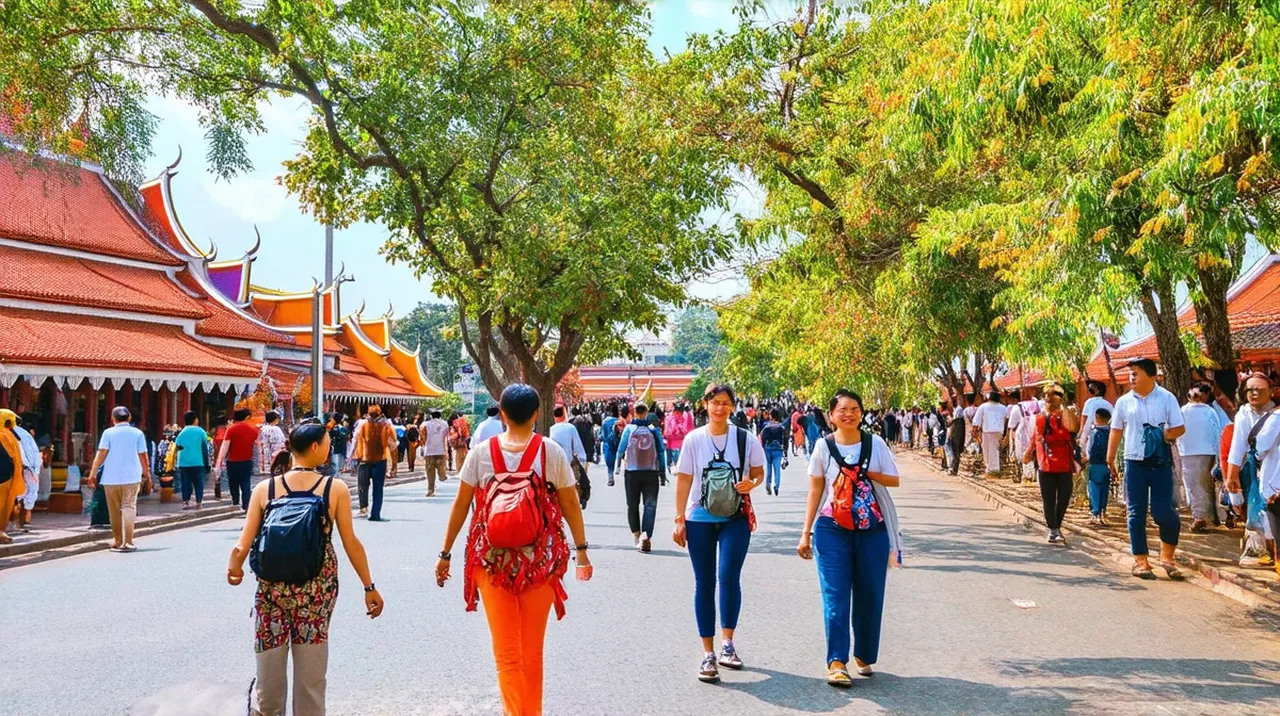
Free walking tours in Vientiane provide an excellent way to experience Laos’ tranquil capital without overspending. This itinerary highlights must-visit landmarks, cultural hotspots, and scenic vistas that are perfect for both history buffs and casual wanderers. From iconic temples to lively markets, discover the uniqueness of Vientiane on foot, making every step a memorable part of your trip.
1. Start at Vientiane’s Iconic That Luang Stupa
The That Luang Stupa is not only an iconic symbol of Vientiane but also a must-visit for any free walking tour. First, this magnificent golden stupa stands tall at 45 meters, representing Laos’ Buddhist heritage. As you approach, you will appreciate the intricate design and peaceful atmosphere surrounding the site. Here, a knowledgeable guide can share captivating stories about its history and significance, enhancing your walking experience.
The site is perfect for taking photographs. Make sure to bring your camera along. Taking in the beauty of That Luang, especially during the early morning light, is truly splendid.
Pro Tip: Visit early to enjoy the tranquility before the crowds arrive and consider exploring the nearby temples afterwards.
2. Explore the Majestic Patuxai Monument
Your next stop on the free walking tour should be the Patuxai Monument. Resembling the Arc de Triomphe in Paris, this larger-than-life structure is often seen as a symbol of victory. As you walk towards the monument, take a moment to appreciate the beautiful gardens that surround it.
Once you arrive, you can climb to the top for panoramic views of Vientiane. While you’re up there, be sure to observe the stunning architecture and learn about the significance of this landmark in Lao history. Because many visitors overlook this aspect, diving deeper into the narrative behind Patuxai can make your city walking tour even more enriching.
Pro Tip: Head here in the early evening for the golden hour, perfect for capturing stunning sunset photos.
3. Stroll Around the Tranquil Mekong Riverfront
Next on your free walking tour is the serene Mekong Riverfront. This area not only offers stunning river views but also pleasant walking paths lined with local eateries and vibrant market stalls. First, take a leisurely stroll along the riverbanks, allowing yourself to soak in the scenic beauty and watch local life unfold.
There are plenty of spots to relax and enjoy a refreshing drink while watching boats gently glide by. This makes it an ideal place for a break during your city walking tour. Don’t miss the opportunity to interact with locals selling crafts or snacks, adding to your cultural experience.
Pro Tip: Plan your visit during the evening to enjoy the magical sunset over the Mekong River—it’s a sight to behold!
4. Visit the historical Haw Phra Kaew Museum
🎯 Insider Tip: Discover the best Vientiane experiences with Viator Tours!
The Haw Phra Kaew Museum, once a revered temple, now stands as a testament to the religious and cultural heritage of Vientiane. Initially built to house the Emerald Buddha, this site offers a unique glimpse into Laos’ spiritual landscape. As you embark on your free walking tour, take the time to admire its exquisite architecture and the mesmerizing Buddhist artifacts on display.
While exploring the museum’s serene surroundings, you’ll learn about its transformation from a sacred temple to a museum dedicated to the preservation of Laotian culture. The peaceful gardens surrounding the museum are perfect for reflection and photography. Make sure to visit this spot early in your walk for a quieter experience.
Pro Tip: Enjoy the intricate details of the temple’s design and consider visiting during the week to avoid larger crowds.
5. Discover Local Life at Vientiane’s Morning Market
A stop at Vientiane’s Morning Market provides an authentic experience of local life. This bustling market is not just a shopping destination; it’s a vibrant hub where locals gather daily. Here, you can explore an array of goods, from fresh produce to handcrafted souvenirs, all while enjoying the lively atmosphere.
As you stroll through the aisles, don’t forget to sample delicious street food, which adds flavor to this cultural adventure. Engaging with local vendors can provide insight into daily Laotian life. This experience also makes for fantastic photography opportunities, so keep your camera ready!
Pro Tip: Arrive early to get the best selection of fresh produce and to soak in the market’s morning buzz.
6. Admire the French Colonial Architecture in Vientiane
Walking through Vientiane, you’ll encounter a striking mix of traditional Laotian and French Colonial architecture, particularly evident in the city’s downtown district. These buildings add charm to the city and tell stories of its colonial past. Begin your exploration in the historic center of Vientiane, where you can see beautiful structures like the Presidential Palace and local cafés.
As you delve deeper into the architectural landscape, note the ornate details and unique designs that reflect the blending of cultures. Each building along your walking tour reveals insights into how history shaped Vientiane’s identity. Be sure to pause and appreciate these magnificent structures that stand as a bridge between past and present.
Pro Tip: Take a guided walking tour to gain a deeper understanding of the history and significance of these architectural gems.
7. Join a Free guided Walking Tour of Vientiane
🎯 Insider Tip: Discover the best Vientiane experiences with Viator Tours!
Participating in a Free guided Walking Tour of Vientiane is an excellent way to immerse yourself in the local culture while learning about the city’s history. These tours typically begin at central locations and are led by knowledgeable local guides who are passionate about sharing their insights. You can expect to cover major landmarks as well as hidden gems during the walk.
The guides often encourage interactions, creating a friendly atmosphere where you can ask questions and gain a deeper understanding of Lao traditions. Most tours operate on a “pay-what-you-feel” basis, allowing you to contribute a tip according to your experience. This is a perfect option for travelers on a budget looking to enhance their adventure in Vientiane.
Pro Tip: Check local schedules for the best free walking tours available during your visit!
8. Best Time to Take Walking Tours in Vientiane
The best time to take walking tours in Vientiane is generally during the cooler months, from November to February. During this period, the weather tends to be more pleasant, with temperatures ranging from 20°C to 28°C (68°F to 82°F). This is when you will find vibrant local festivals, adding an extra layer of excitement to your walking experience.
On the other hand, if you happen to visit during the hotter months (March to May), it’s advisable to plan your tours early in the morning or late in the afternoon. This way, you can avoid the peak heat, allowing for a more comfortable stroll. Keeping an eye on the local calendar for events can also enhance your walking tour experience in Vientiane.
9. End the Tour with Sunset Views Along the Mekong
As your walking tour comes to a close, heading to the Mekong Riverfront for breathtaking sunset views should be on your agenda. This picturesque location offers stunning vistas as the sun dips below the horizon, casting vibrant colors across the sky. You can find several spots along the riverbanks where you can sit and enjoy the tranquil atmosphere.
There are often local vendors offering snacks and refreshments, creating a perfect ambiance for relaxation after a day of exploration. Don’t forget to capture this magical moment on camera—the stunning backdrop makes for fantastic photographs that will remind you of your delightful Vientiane adventure!
Pro Tip: Arriving a little early will allow you to secure the best viewing spot along the river.
10. Tips for Making the Most of Your Free Walking Tour in Vientiane
To maximize your experience on Free Walking Tours in Vientiane, consider a few essential tips. dressing comfortably is crucial, as you’ll be on your feet for a couple of hours. Opt for breathable clothing and sturdy walking shoes. It is wise to start your tour early in the day to avoid the midday heat. Carry a small backpack with water, sunscreen, and a hat to stay protected.
Another important tip is to engage with your guide; they often share unique anecdotes and insights that enrich your walking tour experience. Don’t hesitate to ask questions or seek recommendations on what else to see in the city. Lastly, remember to show appreciation for your guide’s effort; tipping is customary!
Pro Tip: Always check the tour schedule in advance, as times may vary depending on the season.
11. Where to Eat Along the Way in Vientiane
During your adventure on a City Walking Tour, you’ll be glad to discover various delightful dining options along the route. The vibrant Night Market, located near the Mekong River, is an excellent spot to sample local delicacies such as Larb (spicy minced meat salad) and papaya salad. Nearby street vendors offer snacks like khao jee (baguette sandwiches) and fresh fruit.
For a sit-down experience, try Khop Chai Deu, known for its fusion of Lao and international cuisine. Joma Bakery Café is a popular choice for those craving pastries and coffee, providing a cozy break in your walking tour. Transitioning between culture and cuisine is an enjoyable aspect of exploring Vientiane!
Pro Tip: Don’t miss out on the local street food stalls for an authentic taste of Vientiane!
12. Nearby Day Trips or Extended Walking Tours from Vientiane
🎯 Insider Tip: Discover the best Vientiane experiences with Viator Tours!
If you are looking to expand your walking tour experience beyond the city, there are amazing day trip options near Vientiane. You could take a guided trip to the Buddha Park (Xieng Khuan), located just 25km from the city center. This park offers a mix of both religious and surreal sculptures, perfect for photography enthusiasts.
Alternatively, consider a trip to Vang Vieng, famous for its stunning karst landscapes and outdoor activities. A self-guided walking tour through the scenic rice fields and caves here is an absolute must. Nam Ngum Lake offers a relaxing escape with options for boat rides and picnics.
Pro Tip: Always check the transportation schedule in advance for convenient travel.
Free walking tours in Vientiane offer an immersive experience into the city’s history and culture, all while being budget-friendly. This guide highlights the best spots to visit on foot, the stories behind them, and useful tips for your journey. Ready to discover Vientiane? Share your experiences in the comments or explore more walking tours in Laos.
More Free Walking Tours in Laos
Exploring more of Laos? Check out free walking tours in Luang Prabang, Vang Vieng, and Pakse.
Planning ahead? Read about Accessible Vientiane Walking Tours: Explore Laos on Foot.