
Vientiane Walking Tours: Book Local Guides & Explore Laos (2026)
Unlock Vientiane’s secrets with expert local walking guides. Get practical tips on booking, preparation, and maximizing your cultural journey through Laos’s charming capital.
On this page
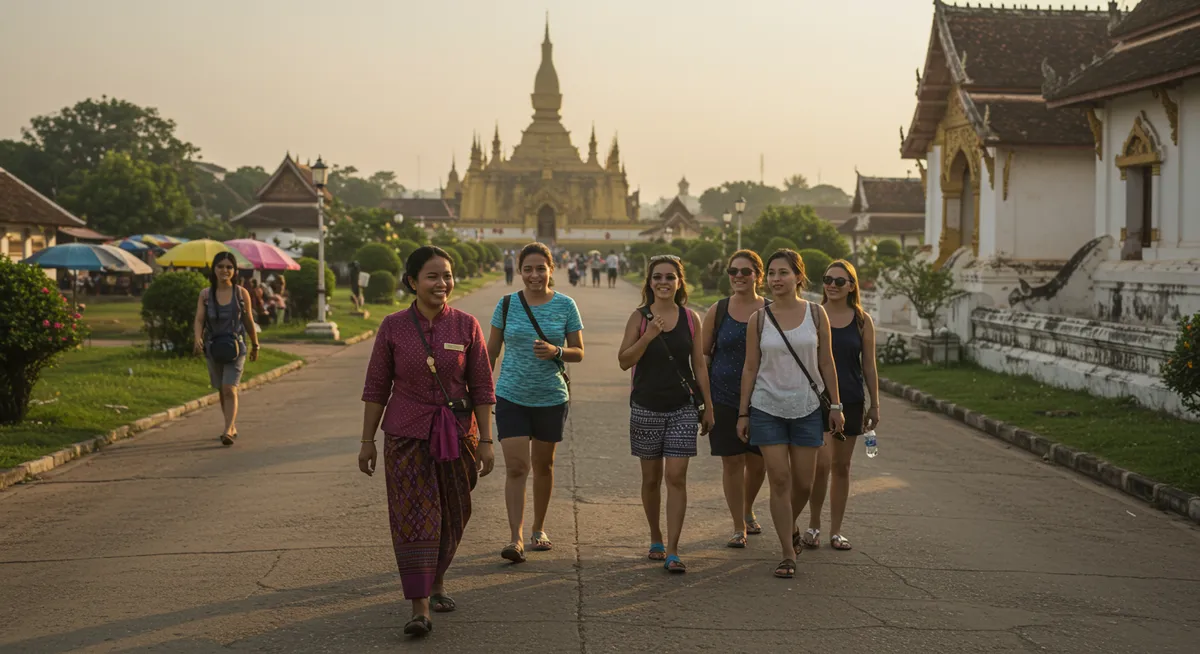
Vientiane, Laos’s charming capital, offers a unique blend of French colonial architecture, ancient temples, and Mekong riverside tranquility. While tuk-tuks and taxis are available, there’s no better way to truly absorb the city’s relaxed pace and hidden gems than on foot. Booking a local walking guide not only enhances your experience but also provides invaluable insights into Lao culture, history, and daily life. This comprehensive guide will equip you with everything you need to embark on an unforgettable walking adventure in Vientiane.
Key Tips and Takeaways
- Always book licensed local guides to ensure authenticity and support the community.
- Prioritize comfortable, broken-in walking shoes and appropriate sun protection.
- Stay hydrated; carry a reusable water bottle and refill often.
- Embrace the flexibility of a walking tour; it’s the best way to discover hidden gems.
- Engage with your guide and ask questions; they are a wealth of local knowledge.
- Learn a few basic Lao phrases (e.g., ‘sabaidee’ for hello, ‘khop jai’ for thank you) to enhance interactions.
Why Book a Local Vientiane Walking Guide?
While Vientiane’s relaxed pace makes it ideal for self-exploration, hiring a local walking guide elevates your experience from a simple stroll to a profound cultural immersion. Their knowledge isn’t just about landmarks; it’s about the pulse of the city, its unspoken stories, and the everyday rhythm that visitors often miss.
Unparalleled Local Perspective & Hidden Gems
Imagine wandering beyond the iconic Patuxay (Victory Gate) or the grandeur of Pha That Luang. A local guide can lead you down charming, unassuming *sois* (side streets) to discover quiet, centuries-old temples like Wat Si Muang, or the vibrant, authentic atmosphere of the morning market (*Talad Sao*) before the crowds arrive. They know the best spots for a traditional Lao coffee, a hidden noodle stall, or a tranquil riverside viewpoint that isn’t in any guidebook. You’ll gain insights into the daily lives of Vientiane residents, understanding the subtle nuances of Lao culture, from the spiritual significance of temple offerings to the art of haggling at a local craft market.
Deep Cultural Immersion & Language Assistance
Vientiane is a city steeped in Buddhism and traditional Lao customs. A local guide acts as your interpreter, not just for the Lao language, but for the culture itself. They can explain the intricate symbolism behind temple carvings, the etiquette of visiting a pagoda, or the meaning of a *baci* ceremony if you’re lucky enough to witness one. This contextual understanding transforms sightseeing into genuine cultural learning. Navigating local markets or ordering authentic street food becomes effortless with their assistance, ensuring you taste the real Vientiane without any communication barriers. They might even teach you a few essential Lao phrases like “Sabaidee” (hello) or “Khop jai” (thank you).
Safety, Navigation & Supporting Local Livelihoods
While Vientiane is incredibly safe, a local guide provides peace of mind, especially when exploring less-trodden paths or navigating the gentle chaos of local traffic. They know the safest routes, how to cross bustling intersections, and can help you avoid any minor inconveniences. Beyond the practicalities, booking a local guide is a direct and meaningful way to support the Vientiane community. Your investment directly contributes to their livelihood, fostering sustainable tourism and ensuring that the benefits of your visit remain within Laos.
Personalized & Practical Experience
Unlike rigid group tours, a local guide offers a truly personalized experience. You can discuss your interests—be it architecture, street food, history, or local crafts—and they’ll tailor the route and pace to match. This flexibility allows for spontaneous stops, more time for photos, and deeper dives into topics that captivate you. To make the most of your walking tour in Vientiane:
- **Wear comfortable, sturdy walking shoes:** Vientiane’s pavements can be uneven, and you’ll cover significant ground.
- **Dress respectfully:** Especially when visiting temples, ensure shoulders and knees are covered.
- **Stay hydrated:** The tropical climate means bringing plenty of water is essential.
- **Carry small denominations of Lao Kip:** Useful for street vendors and small purchases.
- **Embrace spontaneity:** Your guide might introduce you to unexpected delights – be open to them!
By choosing a local Vientiane walking guide, you’re not just booking a tour; you’re unlocking an authentic connection to this enchanting capital, creating memories that go far beyond the typical tourist itinerary.
Finding Your Ideal Vientiane Walking Tour & Guide
Embarking on a walking tour is arguably the best way to peel back the layers of Vientiane, allowing you to absorb its gentle rhythm, discover hidden gems, and truly understand its unique charm. Finding the right tour and guide can transform your experience from a simple stroll into a profound cultural immersion.
Where to Look for Your Vientiane Guide
Your search for the perfect Vientiane walking tour can begin in several places, each offering distinct advantages:
- Local Tour Operators: Seek out reputable Vientiane-based tour companies. Booking directly often means you’re supporting the local economy more directly and might find more customizable or niche tours. Many have comprehensive websites showcasing their offerings, from half-day city explorations to full-day cultural deep dives. A quick search for “Vientiane walking tours local” will yield good results.
- Hotel Concierge: Don’t underestimate the power of local hotel recommendations. Many mid-range to high-end hotels in Vientiane have established relationships with trusted local guides and can arrange personalized walking tours tailored to your interests. While potentially pricier, the convenience and vetted quality can be worth it.
Choosing Your Ideal Vientiane Walking Tour Type
Vientiane offers a delightful variety of walking tour themes. Consider what sparks your curiosity:
- Historical & Cultural Tours: These often cover iconic sites like Wat Sisaket, Haw Phra Kaew, and the grandeur of Patuxay and Pha That Luang. A knowledgeable guide can bring centuries of Lao history and Buddhist traditions to life, explaining intricate temple architecture and the significance of each landmark.
- Culinary & Market Visits: Immerse yourself in Vientiane’s vibrant food scene. Tours might take you through bustling morning markets (like Talat Sao) to sample local delicacies, or introduce you to street food stalls along the Mekong promenade, explaining ingredients and cooking techniques.
- Bespoke & Themed Tours: Many local guides are flexible and can create custom itineraries. Interested in colonial architecture? Want to focus purely on local crafts and artisanal shops? A bespoke tour allows you to delve into your specific passions at your own pace.
Ethical Guiding: What to Consider
When selecting your guide, a few ethical considerations ensure you have a responsible and rewarding experience:
- Licensed Guides: Opt for guides who are officially licensed by the Lao government. This not only ensures they possess certified knowledge and professionalism but also means they are operating legally and contribute to the local economy.
- Fair Wages: While it’s always good to negotiate respectfully, be mindful of offering fair compensation. Guides often depend on tourism income, and supporting them adequately helps sustain their livelihoods and the quality of services.
- Reviews and Recommendations: Check online reviews or ask for recommendations from fellow travelers. A guide’s personality and ability to engage are just as important as their knowledge.
Practical Tips for Your Vientiane Walking Adventure
To make the most of your walking tour in Vientiane, come prepared:
- Hydration is Key: Vientiane can be hot and humid. Carry a reusable water bottle and stay hydrated throughout your tour.
- Comfortable Footwear: You’ll be covering ground, often on uneven pavements or temple grounds. Comfortable, breathable walking shoes are a must.
- Dress Respectfully: When visiting temples, ensure your shoulders and knees are covered. Light, loose clothing is ideal for the climate.
- Sun Protection: A wide-brimmed hat, sunglasses, and sunscreen are essential to protect against the tropical sun.
- Engage and Ask: Your guide is a treasure trove of local knowledge. Don’t hesitate to ask questions about Lao culture, daily life, or anything that piques your interest. The more you engage, the richer your experience will be.
- Embrace the Pace: Vientiane operates at a relaxed pace. Allow yourself to slow down, observe, and savor the moments.
Preparing for Your Vientiane Walking Adventure
🎯 Insider Tip: Discover the best Vientiane experiences with Viator Tours!
Embarking on a walking tour through the charming streets of Vientiane promises an intimate connection with Laos’s laid-back capital. To truly savor every step and insight, a little preparation goes a long way. Vientiane’s tropical climate demands specific considerations to ensure your adventure is comfortable and memorable.
Timing Your Stroll: Best Time of Day and Year
Avoiding Vientiane’s intense midday heat is paramount for a pleasant walking experience:
- Best Time of Day: Aim for early mornings, ideally from sunrise until around 9:30 or 10:00 AM. This period offers cooler temperatures, softer light for photography, and the chance to witness locals beginning their day. Late afternoons, from 4:00 PM onwards, are also excellent as the heat subsides and the city comes alive. Midday (11:00 AM – 3:00 PM) is best spent indoors, as temperatures can soar into the high 30s°C (90s°F) or even 40s°C (100s°F).
- Best Time of Year:
- Dry Season (October to March): This is the most comfortable period for walking. Temperatures average 25-30°C (77-86°F), humidity is lower, and skies are typically clear. October, November, February, and March offer ideal conditions.
- Hot Season (April to May): Extremely hot. Early morning walks are essential, and frequent hydration breaks are crucial.
- Rainy Season (June to September): Characterized by higher humidity and regular, often heavy but brief, downpours. Walking tours are still possible, but prepare for rain. The city turns lush, and short showers often give way to clear skies, making it feasible to walk between downpours.
Understanding Vientiane’s Climate and Checking Forecasts
Vientiane has a tropical savanna climate, meaning it’s warm to hot year-round with distinct wet and dry seasons. Humidity is a constant factor. Before heading out, always check the local weather forecast to anticipate temperature peaks, humidity levels, and potential rain. Be prepared for sudden changes, especially during the rainy season.
Essential Gear: Footwear and Clothing
Your comfort on foot depends heavily on what you wear:
- Comfortable Walking Shoes: This is non-negotiable! Vientiane’s pavements can be uneven. Choose sturdy, broken-in walking shoes or sneakers with good support. Avoid new shoes or flimsy sandals for extended walking.
- Light, Breathable Clothing: Opt for loose-fitting garments made from natural, breathable fabrics like cotton or linen, or modern moisture-wicking synthetics. Light colors reflect the sun. For temple visits (wats), carry a scarf or wear clothing that covers your shoulders and knees out of respect for local customs.
- Sun Protection: A wide-brimmed hat, sunglasses, and high-SPF sunscreen are essential against the strong tropical sun.
- Water Bottle: Stay hydrated! Carry a reusable water bottle and refill it frequently at local shops and cafes.
By preparing thoughtfully for Vientiane’s climate, you’ll ensure your walking tour is an enjoyable, refreshing exploration of this captivating city.
Essential Items to Bring on Your Vientiane Walking Tour
Embarking on a walking tour through Vientiane’s charming streets and historical sites is an incredibly rewarding experience. To ensure your comfort, safety, and enjoyment under the tropical sun, packing the right essentials is key. Here’s a checklist of items that will make your Vientiane walking adventure seamless and memorable:
-
Small, Comfortable Backpack: A lightweight daypack is indispensable for carrying your essentials. Choose one that’s easy to wear for hours, allowing you to comfortably navigate the city’s flat but often humid terrain, keeping your hands free for photos or a refreshing drink.
-
Reusable Water Bottle: Vientiane’s climate can be incredibly hot and humid, especially during the dry season (November to April). Staying hydrated is paramount. Carry a large reusable bottle and refill it frequently from reputable sources or purchase bottled water from local shops. Many cafes and even some temples offer refill stations.
-
Hat and Sunglasses: The sun in Vientiane is intense year-round. A wide-brimmed hat or a cap will protect your face and scalp from direct sun exposure, while good quality sunglasses will shield your eyes from the bright glare, especially when walking along the Mekong Riverfront or visiting open-air monuments like Pha That Luang.
-
Sunscreen: Even with a hat and sunglasses, exposed skin needs protection. Apply a high-SPF, broad-spectrum sunscreen generously before you start your tour and reapply every few hours, particularly if you’re sweating. Sunburn can quickly turn a fantastic day into a miserable one.
-
Insect Repellent: Mosquitoes are present in Vientiane, especially around dusk or in areas with greenery or standing water. A good quality insect repellent will help prevent uncomfortable bites and reduce the risk of mosquito-borne illnesses, allowing you to enjoy temple grounds and open spaces without distraction.
-
Light Rain Jacket or Poncho (during Rainy Season): If you’re visiting Vientiane during the rainy season (typically May to October/November), sudden, heavy downpours are common. A lightweight, packable rain jacket or a simple poncho will be a lifesaver, allowing you to continue your tour without getting soaked while exploring the city’s charming lanes.
-
Camera: Vientiane offers countless photo opportunities, from intricate temple architecture and bustling markets to serene Mekong River sunsets. Don’t forget your camera (or a fully charged smartphone) to capture the unique charm and local life you encounter.
-
Portable Power Bank: If you’re using your phone for navigation, taking photos, or looking up information, its battery can drain quickly. A portable power bank ensures your devices stay charged throughout the day, so you won’t miss out on capturing a moment or finding your way back to your hotel.
-
Small First-Aid Kit: For minor scrapes, blisters, or headaches, a compact first-aid kit can be incredibly useful. Include pain relievers, adhesive bandages, antiseptic wipes, and any personal medications you might need. Blisters from new shoes are a common walking tour woe!
-
Local Currency (Lao Kip): While some larger establishments accept cards, Vientiane’s local markets, street food stalls, and smaller shops largely operate on a cash-only basis. Have a good supply of Lao Kip in smaller denominations for purchasing refreshing drinks, delicious snacks, souvenirs, or making small donations at temples. It also makes tipping your local guide more convenient.
By preparing with these essentials, you’ll be well-equipped to fully immerse yourself in the relaxed pace and unique beauty of Vientiane on foot, making your walking tour an unforgettable highlight of your trip to Laos.
Making the Most of Your Guided Walk in Vientiane
A guided walking tour in Vientiane offers a unique lens through which to experience the city’s gentle charm and rich culture. To truly maximize your time and create lasting memories, consider these practical tips designed for the Vientiane context.
Before You Step Out
- Dress for Comfort and Respect: Vientiane is warm and humid, so light, breathable clothing is key. However, many walking tours include visits to temples (wats). Always carry a sarong or scarf to cover shoulders and knees, or wear clothing that already covers them, out of respect for religious sites.
- Footwear is Crucial: You’ll be doing a fair amount of walking, often on uneven pavements or dusty paths. Comfortable, closed-toe walking shoes or sturdy sandals are essential.
- Hydration is Non-Negotiable: The Vientiane heat can be intense. Bring a reusable water bottle and refill it frequently. Your guide will likely point out places to buy cold drinks, but having your own supply is vital.
- Sun Protection: A wide-brimmed hat, sunglasses, and high-SPF sunscreen are your best friends against the tropical sun.
- Essentials Pack: A small backpack for water, snacks, hand sanitizer, a power bank for your phone, and a small amount of local currency (Lao Kip) for street food or small purchases is advisable.
During Your Walk: Engage and Absorb
- Engage with Your Guide: Your local Vientiane guide is a treasure trove of information. Don’t hesitate to ask questions about the history, culture, daily life, or even recommendations for local eateries. Share your interests – whether it’s architecture, food, or markets – and they can often tailor insights on the spot.
- Embrace Spontaneity: While your guide has a planned itinerary, be open to delightful detours. A sudden street food stall serving delicious *khao piak sen* (Lao noodle soup), a vibrant local market, or a chance encounter with a friendly monk could add unexpected richness to your experience. The Lao way is often to go with the flow.
- Observe Local Life: One of the greatest joys of a Vientiane walking tour is witnessing everyday life unfold. Pay attention to the subtle details: the quiet reverence at temples, the rhythmic chatter of vendors, the way locals relax by the Mekong, or children playing. These observations offer true cultural immersion beyond the main sights.
- Practice Respectful Photography: Vientiane is incredibly photogenic, but always be mindful. When photographing people, especially monks or vendors, ask for permission first (a smile and a gesture usually suffice). Inside temples, be discreet, avoid flash, and ensure your attire is appropriate.
- Manage Your Pace, Embrace ‘Sabai Sabai’: Vientiane operates at a slower, more relaxed pace – the essence of ‘sabai sabai’. Don’t rush. Allow yourself to linger, soak in the atmosphere, and let your guide set a comfortable rhythm. This isn’t a race; it’s an exploration.
By engaging actively, being prepared, and embracing the tranquil rhythm of Vientiane, your guided walk will be far more than just sightseeing; it will be an authentic journey into the heart of Laos.
Safety and Etiquette on Vientiane Walking Tours
🎯 Insider Tip: Discover the best Vientiane experiences with Viator Tours!
Embarking on a walking tour in Vientiane offers an unparalleled way to connect with the city’s gentle rhythm and rich culture. To ensure your experience is not only enjoyable but also safe and respectful, understanding local customs and practical considerations is key. Your local Vientiane walking guide will be an invaluable resource, but here are essential tips to keep in mind:
Navigating Vientiane’s Streets: Traffic Awareness. Vientiane’s traffic, particularly motorbikes and tuk-tuks, operates differently from many Western countries. When crossing streets, the crucial rule is to **look right, then left, then right again**. Traffic typically flows on the right, and vehicles may turn unexpectedly. Make eye contact with drivers, walk confidently, and always stick close to your guide when navigating busy intersections; their local knowledge is invaluable.
Respectful Dress and Conduct at Temples. Vientiane boasts many beautiful wats (temples) like Wat Si Saket and Haw Phra Kaew, key highlights of most walking tours. When visiting these sacred sites, respectful dress is paramount. Ensure your **shoulders and knees are covered** for both men and women. Lightweight trousers, long skirts, or dresses are ideal. Carry a light scarf or sarong to drape if needed. Always remove your shoes before entering any temple building (sim or ho), and avoid pointing your feet towards Buddha images or people while seated.
Honoring Local Customs and Monks. The Lao people are incredibly kind. Showing respect for their customs enhances your interactions. Monks are highly revered; never touch a monk, especially if you are a woman. A simple “Sabaidee” (hello/goodbye) and “Khop Jai” (thank you) are well-received. Always ask permission before photographing individuals. Your guide can assist with these interactions.
Bargaining and Tipping Etiquette. While not as intense as some Southeast Asian cities, polite bargaining is common at local markets like the Vientiane Night Market. Bargain with a friendly smile, understanding a small discount can be significant for vendors. Regarding tipping your guide, while not mandatory, it’s highly appreciated for good service. A guideline of 50,000-100,000 LAK per person for a half-day or full-day tour is typical. Present tips discreetly.
Staying Safe: Avoiding Tourist Scams. Vientiane is generally very safe. However, remain aware of common tourist scams. Be wary of overly friendly strangers offering unsolicited “help” or suspiciously cheap tours away from official channels. While less likely with a guide, some tuk-tuk drivers might overcharge if you hail them directly without agreeing on a price first. Stick to reputable services and always trust your local guide’s advice for a smooth and enjoyable journey.
Beyond the Guide: Self-Guided Exploration & Combining Approaches
While booking a local walking guide in Vientiane offers unparalleled insights and a direct connection to the city’s heartbeat, the true magic often lies in combining that guided wisdom with your own independent exploration. Think of your guided tour as an invaluable orientation that empowers you to delve deeper into Vientiane’s charms at your own pace.
A good local guide will not only share history and anecdotes but also inadvertently teach you the city’s rhythm, its layout, and where its hidden gems might lie. This foundational knowledge is crucial for confident self-discovery. They can point out areas worth revisiting, specific local eateries, or quieter temples that aren’t on typical tourist circuits, turning a two-hour tour into inspiration for days of exploration.
Leveraging Technology for Self-Guided Walks:
- Offline Maps & Apps: Before you even leave your accommodation, download offline maps for Vientiane. Apps like Google Maps allow you to save entire areas, and Maps.me is excellent for finding smaller footpaths and specific points of interest even when you’re without data. Mark your hotel, key landmarks your guide pointed out, and any areas you wish to explore further.
- Pin Your Discoveries: As you walk, whether guided or self-guided, use your map app to pin interesting spots – a beautiful wat, a charming cafe, or a compelling street art mural. This creates your own personal Vientiane guide.
Exploring Beyond the Main Attractions:
Vientiane’s most famous sites, like Patuxay, Pha That Luang, and the Mekong Riverside, are often central to guided tours. However, much of the city’s authentic character lies just a few blocks away, in quieter residential areas and less-frequented spots. Once you have a sense of direction from your guided walk, venture into:
- The Backstreets of Old Town: Wander the narrow lanes behind Wat Sisaket and Haw Phra Kaew. You’ll find active wats like Wat Ong Teu Mahawihan, traditional wooden houses, and local businesses offering a glimpse into daily life.
- Local Market Alleys: Beyond the main Talat Sao (Morning Market) mall, explore the surrounding alleys and smaller wet markets for fresh produce, textiles, and local snacks.
- Mekong Riverside Extensions: Walk further along the river paths (east or west) from the main night market stretch to see locals exercising, fishing, and enjoying the sunset in a more relaxed atmosphere.
- Residential Vibes: Head north from the central tourist hub, towards the area around the Black Stupa (That Dam). You’ll encounter charming, tree-lined streets, local shops, and a different, slower pace of life.
Practicalities for Your Vientiane Walks:
- Comfortable Footwear: Vientiane is largely flat, but you’ll be doing a lot of walking. Comfortable, breathable shoes are non-negotiable.
- Hydration: It’s hot and humid! Carry plenty of water and refill often. Look for small shops or cafes.
- Sun Protection: A wide-brimmed hat, sunglasses, and high-SPF sunscreen are essential.
- Dress Modestly: Especially when exploring temples. Shoulders and knees should be covered. Lightweight, breathable fabrics are best.
- Small Denominations: Have small kip notes (LAK) for street vendors, cold drinks, or a quick *tuk-tuk* if you decide to cover longer distances.
By blending the rich context provided by a local Vientiane walking guide with your own spirit of adventure, you’ll unlock a truly comprehensive and personal understanding of this charming capital.
Recommended Vientiane Walking Tour Itineraries (with a local guide)
A guided walking tour in Vientiane elevates your exploration from simple sightseeing to an immersive cultural journey. With a local expert by your side, you’ll uncover the city’s charming secrets, understand its profound history, and gain insights into daily Lao life that independent wandering might miss. Here are some popular, expertly curated walking tour itineraries you can expect to experience with a local guide:
The Cultural Core: Wat Sisaket & Haw Phra Kaew
- What it covers: This tour typically focuses on Vientiane’s oldest and most revered temples situated close to the Presidential Palace. You’ll explore the ancient wooden monastery of Wat Sisaket, famous for its thousands of Buddha images and serene cloister, and the former royal temple of Haw Phra Kaew, which once housed the Emerald Buddha and now serves as a museum.
- Why a guide helps: Your guide will illuminate the intricate details of Lao Buddhist architecture, explain the historical significance of each statue, and share fascinating stories behind the temples and their role in Lao history. This area is easily walkable and truly comes alive with a local’s commentary.
Iconic Landmarks: Patuxay & Pha That Luang
- What it covers: This itinerary takes you to Vientiane’s most recognizable symbols. You’ll ascend the Patuxay (Victory Gate), often dubbed the “Arc de Triomphe of Vientiane,” for panoramic city views, then venture to the majestic gold-leafed stupa of Pha That Luang, Laos’ national symbol and most important religious monument.
- Why a guide helps: While Patuxay is walkable, Pha That Luang is a bit further out. Your guide can expertly manage the logistics, perhaps suggesting a short, authentic tuk-tuk ride between the two landmarks for comfort, especially in Vientiane’s heat. They’ll provide deep historical context for Patuxay’s unique Laotian design and the rich spiritual significance of Pha That Luang, helping you understand its importance to the Lao people.
Mekong Riverside Sunset Walk
- What it covers: As the day winds down, this tour offers a relaxed stroll along the bustling Mekong Riverside. You’ll witness local life unfolding – families exercising, vendors setting up stalls for the night market, and the sky ablaze with sunset colors over the river.
- Why a guide helps: A local guide can point out specific street food stalls serving authentic Lao delicacies, help you navigate the lively night market (if included), and share insights into local evening routines and traditions. They can also lead you to the best vantage points for that perfect sunset photo, ensuring you capture Vientiane’s tranquil beauty.
Morning Market (Talat Sao) & Food Tour
- What it covers: Dive headfirst into the vibrant sensory experience of Vientiane’s Talat Sao (Morning Market) or a smaller, more local fresh market. This tour is a feast for the senses, exploring stalls brimming with fresh produce, exotic spices, local handicrafts, and countless street food options.
- Why a guide helps: This is where a local guide truly shines. They can identify unfamiliar fruits and vegetables, explain ingredients unique to Lao cuisine, and, most importantly, recommend and help you order authentic street food that you might otherwise overlook. They can also explain local bartering customs and the cultural significance of various goods.
Bespoke Tours: Tailored to Your Interests
- What it covers: Many local guides offer customized tours based on your specific interests – whether it’s delving deeper into Lao art, exploring hidden Buddhist temples off the beaten path, focusing on colonial architecture, or tracing specific historical narratives.
- Why a guide helps: A bespoke tour ensures your walking experience is perfectly aligned with your curiosities. Your guide will craft an itinerary that maximizes your time, providing specialized knowledge and taking you to places most tourists never discover.
Practical Tips for Your Vientiane Walking Tour
To ensure a comfortable and enjoyable walking tour in Vientiane, keep these practical tips in mind:
- Stay Hydrated: Vientiane is hot and humid year-round. Carry a reusable water bottle and drink frequently. Your guide will know where to find refill stations or reputable places to buy cold drinks.
- Comfortable Footwear: This is non-negotiable! You’ll be on your feet for extended periods, so wear well-broken-in, comfortable walking shoes.
- Dress Appropriately: Opt for light, breathable clothing. When visiting temples or religious sites, ensure your shoulders and knees are covered as a sign of respect. Your guide will remind you if necessary.
- Sun Protection: A wide-brimmed hat, sunglasses, and high-SPF sunscreen are essential to protect yourself from the tropical sun. A small towel can also be handy for sweat.
- Small Local Currency: Carry some Lao Kip (LAK) for quick purchases like bottled water, snacks, or small souvenirs.
- Engage with Your Guide: Don’t hesitate to ask questions! Local guides love to share their knowledge and personal insights, which can make your tour even more enriching.
- Embrace the Pace: Vientiane operates at a relaxed, often slower pace. Be open to spontaneous stops or detours your guide might suggest to show you something unique.
Frequently Asked Questions
Q: Is Vientiane walkable for tourists?
A: Yes, Vientiane is very walkable, especially the city center and riverside areas. Major attractions are often within a reasonable walking distance, making it an ideal city to explore on foot, particularly with a local guide who knows the best routes.
Q: How much do local free walking tours in Vientiane cost?
A: Costs vary depending on the duration, inclusions (e.g., food samples, entrance fees), and the guide’s experience. Expect to pay anywhere from $25-$70 USD per person for a half-day private or small group tour, with group tours often being more affordable. Always confirm what’s included before booking.
Q: Can I customize my walking tour in Vientiane?
A: Many local guides and small tour operators offer customizable tours. It’s highly recommended to communicate your interests and preferences upfront to ensure the tour aligns with what you want to see and experience, allowing for a truly personalized adventure.
Q: What if it rains during my walking tour?
A: Vientiane experiences a distinct rainy season (May-October). Reputable guides will often have contingency plans, such as modifying the route to include more sheltered areas or suggesting a reschedule if the rain is heavy and continuous. Always bring a light rain jacket or umbrella during this period.
Q: Is it safe to walk around Vientiane?
A: Vientiane is generally considered very safe for tourists, even for walking. However, like any city, it’s wise to be aware of your surroundings, especially concerning traffic, and to keep valuables secure. A local guide significantly enhances safety by navigating busy areas and offering local insights.
Embarking on a walking tour with a local guide in Vientiane is more than just sightseeing; it’s an immersive journey into the heart of Laos. From decoding ancient temple carvings to savoring authentic street food and understanding the gentle rhythms of daily life, a local expert unlocks layers of the city you’d otherwise miss. So lace up your shoes, book your guide, and prepare to fall in love with Vientiane, one fascinating step at a time.