
Luang Prabang Walking Guides: Local Insights & Tips (2026)
Unlock Luang Prabang’s secrets with local walking guides. Get practical tips, prepare for your tour, and make the most of your adventure in this charming UNESCO city.
On this page
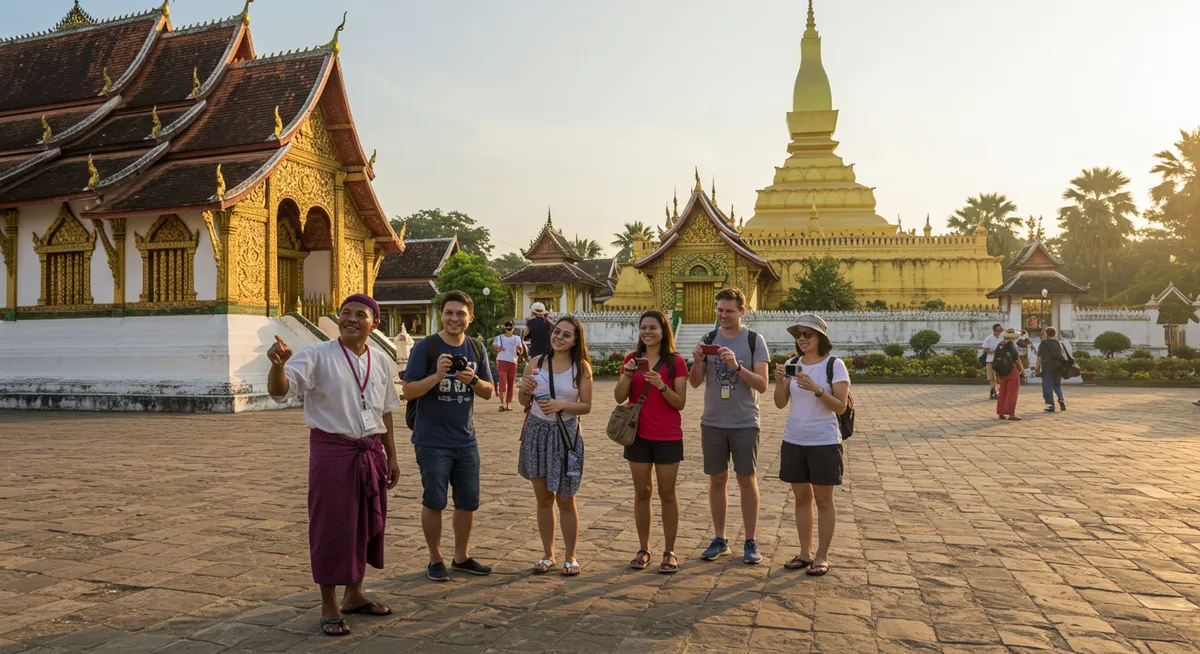
Luang Prabang, a UNESCO World Heritage site, is a city best explored on foot. Its serene temples, saffron-robed monks, bustling markets, and colonial architecture reveal themselves slowly, inviting a deeper connection. While wandering independently is charming, a local walking guide transforms your experience from a simple stroll to an immersive journey. They open doors to hidden stories, cultural nuances, and local insights that no guidebook can provide, truly bringing this enchanting Lao city to life.
Key Tips and Takeaways
- Always book local guides through reputable sources for authentic experiences and safety.
- Pack light, comfortable clothing and shoes suitable for walking and temple visits.
- Hydrate frequently with bottled water throughout your tour.
- Engage actively with your guide; ask questions and be open to new perspectives.
- Carry small denominations of Lao Kip for purchases or tipping.
- Be flexible and ready to adjust to local pace and unexpected discoveries.
- Respect local customs and dress codes, especially at religious sites.
Why Choose a Local Walking Guide in Luang Prabang?
While exploring Luang Prabang on foot offers a charming experience, hiring a local walking guide elevates your journey from a simple sightseeing trip to a profound cultural immersion. Their intimate knowledge of the city’s labyrinthine alleys, ancient temples, and vibrant daily life provides unparalleled benefits that no guidebook can fully replicate.
Here’s why choosing a local guide in Luang Prabang is invaluable for your walking tour:
- Deep Cultural Immersion & Authentic Insights: A local guide brings Luang Prabang to life through their personal stories and understanding of Lao culture. They can explain the intricate symbolism of temple architecture, share tales of the Royal Palace’s past, or shed light on the significance of daily rituals you observe along the Mekong or Nam Khan rivers. They offer genuine insights into local customs, beliefs, and the way of life that has defined this UNESCO World Heritage city for centuries. You’ll gain a far deeper appreciation for Luang Prabang’s unique heritage.
- Access to Hidden Gems & Local Secrets: Beyond the main attractions, Luang Prabang is full of discreet wonders. Local guides know the quietest back alleys, the best traditional noodle stalls, hidden craft workshops where artisans create intricate textiles or paper, and the most vibrant local markets like the Phou Si market or the bustling Morning Market, often missed by independent travelers. They can lead you to the most picturesque spots for photography or introduce you to local vendors with fascinating stories.
- Overcoming Language Barriers & Navigating Customs: Lao is a tonal language, and English isn’t universally spoken, especially outside tourist hotspots. A local guide acts as your interpreter, facilitating meaningful interactions with locals, from ordering street food to bargaining for souvenirs. Crucially, they are indispensable for navigating sensitive cultural practices, particularly the revered Alms Giving Ceremony (Tak Bat). Your guide will provide essential etiquette guidelines, ensuring you observe or participate respectfully without disrupting this sacred tradition. They’ll advise on appropriate dress (shoulders and knees covered), maintaining distance, avoiding flash photography, and how to purchase suitable offerings from local women if you wish to participate, rather than from opportunistic vendors near the procession route. Their presence ensures your interaction is mindful and appropriate.
- Supporting the Local Economy: By hiring a local guide, your money directly benefits the community and local families, fostering sustainable tourism. This direct support helps preserve the traditions and way of life that draw visitors to Luang Prabang in the first place. Consider a fair tip at the end of your tour as well.
- Ensuring Safety and Respectful Interactions: Local guides are adept at navigating the city’s streets and can advise on safe practices, especially during early morning or evening walks. More importantly, they help you interact respectfully with monks, local residents, and vendors. They can teach you basic polite phrases in Lao (like “Sabaidee” for hello or “Khop jai” for thank you) and help you understand cultural nuances, ensuring your visit is not only enjoyable but also contributes positively to the community.
Practical Preparation for Your Walk: When embarking on a walking tour with a local guide, remember to wear comfortable walking shoes suitable for uneven paths and temple stairs. Light, breathable clothing is best, remembering to dress modestly (covering shoulders and knees) when visiting temples. Bring a reusable water bottle to stay hydrated, sun protection (hat, sunscreen), and a small backpack for any purchases. A camera is great for capturing memories, but always ask your guide for permission before photographing people, and remember to be discreet and respectful.
Where to Find Reputable Local Guides in Luang Prabang
Navigating the enchanting streets and rich history of Luang Prabang on foot is an incredibly rewarding experience. While self-guided exploration is certainly an option, a knowledgeable local guide can unlock deeper insights, hidden gems, and authentic cultural encounters that transform a simple walk into an unforgettable journey. Finding a reputable guide is key to ensuring an ethical, safe, and truly enriching experience.
Hotels and Guesthouses: A Trusted Starting Point
Many of Luang Prabang’s reputable hotels and guesthouses, from boutique riverside retreats to charming colonial-era properties, offer concierge services or front desk assistance dedicated to guest activities. They often have established relationships with reliable, vetted local guides. This is a fantastic starting point as the accommodations value their reputation and will typically only recommend guides known for their professionalism, deep local knowledge, and excellent English (or other requested languages). When inquiring, be specific that you’re interested in a walking tour, detailing your interests such as temple history, local markets, food culture, or a general city overview.
Established Local Tour Agencies: Prioritizing Ethical Tourism
Luang Prabang boasts a number of well-regarded local tour agencies with physical offices scattered around the main peninsula. Look for those with a strong online presence, clear contact information, and positive reviews. When choosing an agency, make an effort to inquire about their commitment to ethical tourism. Reputable agencies will openly discuss how they ensure fair wages for their guides, support local communities, and practice responsible tourism that respects the environment and cultural traditions. Ask if their guides are licensed or certified by the local tourism authority, which signifies a level of professional training and adherence to regulations. These agencies can often tailor free walking tours in Luang Prabang to your pace and specific interests, whether it’s an in-depth exploration of the Royal Palace grounds or a morning stroll through the vibrant morning market.
Online Platforms: Read Reviews Diligently
Word-of-Mouth Recommendations: The Traveler’s Network
Never underestimate the power of a personal recommendation. Chat with fellow travelers you encounter at your guesthouse, over coffee, or during shared activities. Often, someone will have had an exceptional experience with a particular guide and be eager to share their contact details. Locals, such as friendly shopkeepers or restaurant owners, might also be able to offer insights or direct you to trusted individuals, though always approach such inquiries respectfully and without pressure. Word-of-mouth often leads to finding truly passionate individuals who offer unique, personalized walking experiences off the well-trodden path.
Community-Based Tourism Initiatives: Authentic Connections
For a truly authentic and impactful experience, seek out community-based tourism initiatives. While some focus on rural villages, there are also programs within Luang Prabang that aim to connect visitors directly with local artisans, cultural practitioners, or specific community projects. These might not always be formal “walking tours” in the traditional sense, but they often involve guided walks through local neighborhoods, temples, or workshops, providing unique insights into daily life and supporting local livelihoods directly. Inquire at cultural centers or non-governmental organizations (NGOs) that work in tourism development for information on such opportunities, which promise a deeper, more meaningful connection with Luang Prabang’s people and heritage.
Preparing for Your Luang Prabang Walking Tour
🌟 Local Expert Tip: Get the most out of your Luang Prabang visit with guided tours!
Embarking on a walking tour in Luang Prabang is an immersive way to connect with the city’s soul. To truly savour every moment, a little preparation goes a long way. Thinking ahead about the climate, what to bring, and local customs will ensure your experience is comfortable, respectful, and unforgettable.
Optimal Timing for Your Stroll
Luang Prabang’s tropical climate dictates the best times for walking. The cool season (October to February) offers the most pleasant temperatures, making it ideal for extended explorations. During these months, mornings are particularly refreshing, perfect for catching the tranquil daily alms giving ceremony or exploring the morning market before the heat sets in.
Even outside the cool season, early mornings (before 9 AM) are universally recommended. Not only are the temperatures cooler, but the light is softer for photography, and the city is just beginning to stir, offering a more authentic glimpse of local life. Avoid walking during the peak midday sun (11 AM – 3 PM) in the hot season (March-May) unless absolutely necessary, and always stay hydrated.
Your Essential Luang Prabang Walking Kit
Pack smart to enhance your comfort and readiness for anything Luang Prabang throws your way:
- Comfortable Walking Shoes: This is non-negotiable! Luang Prabang’s streets are a mix of paved roads, uneven cobblestones, and dirt paths. Ensure your shoes are well broken-in and provide good support.
- Lightweight & Modest Clothing: Opt for breathable, quick-drying fabrics. Given the heat and humidity, lighter colours are advisable. Crucially, when visiting temples and sacred sites, shoulders and knees must be covered for both men and women. Loose-fitting long pants, skirts, or dresses are perfect. Always carry a light shawl or sarong for quick coverage.
- Sun Protection: A wide-brimmed hat, sunglasses, and high-SPF sunscreen are vital.
- Insect Repellent: Especially for early mornings or late afternoons, and if your tour takes you near the Mekong or Nam Khan rivers.
- Refillable Water Bottle: Staying hydrated is paramount. Many guesthouses and cafes offer water refill stations, helping you reduce plastic waste.
- Small First-Aid Kit: Blister plasters, antiseptic wipes, and basic pain relief medication for minor scrapes or aches.
- Small Backpack: For carrying your essentials, leaving your hands free.
Physical Readiness for Exploration
Luang Prabang is generally flat, making it accessible for most fitness levels. However, some tours might include climbs, such as the 300+ steps to the top of Phousi Hill for sunset views. Pace yourself, take breaks, and remember to drink plenty of water. If you have mobility concerns, discuss these with your guide when booking.
Respecting Local Customs and Etiquette
Luang Prabang is a deeply spiritual and conservative city. Showing respect for its traditions and people is paramount:
- Temple Etiquette: Always remove your shoes before entering temple buildings (Wats). Dress modestly (shoulders and knees covered). Avoid touching Buddha images or pointing your feet at them.
- Alms Giving (Tak Bat): If observing this sacred morning ritual, do so from a respectful distance. Do not interrupt the monks or devotees, avoid flash photography, and refrain from direct interaction unless you are participating.
- General Conduct: Ask permission before photographing people. Avoid touching people’s heads. Bargain respectfully in markets. A quiet, considerate approach goes a long way in Luang Prabang.
Making the Most of Your Guided Walk
🌟 Local Expert Tip: Get the most out of your Luang Prabang visit with guided tours!
A guided walking tour in Luang Prabang isn’t just about seeing sights; it’s an opportunity to forge a deeper connection with this enchanting city. By actively participating and keeping a few practical tips in mind, you can elevate your experience from a simple stroll to a truly transformative journey. Here’s how to make the absolute most of your guided walk:
-
Engage and Inquire with Your Guide: Your local Luang Prabang guide is a treasure trove of information, personal anecdotes, and cultural insights. Don’t be afraid to ask questions! Wondering about the intricate carvings on a temple, the daily routine of monks, or the ingredients in a local dish at the morning market? Ask! Showing genuine interest not only enriches your understanding but also encourages your guide to share more, often revealing personal stories or unique perspectives you wouldn’t find in any guidebook. They are your bridge to authentic Luang Prabang.
-
Embrace the Luang Prabang Pace: This UNESCO World Heritage city moves at its own gentle rhythm. While your tour will have an itinerary, be prepared for flexibility. Don’t rush; instead, soak in the tranquil atmosphere. Your guide might pause longer at a beautiful viewpoint over the Mekong, or slow down as you pass through a quiet residential lane. Embracing this unhurried pace allows for deeper observation and a more relaxed experience, truly aligning with the spirit of Luang Prabang.
-
Practice Respectful Photography: Luang Prabang is incredibly photogenic, from its golden temples to the serene Mekong River. However, always be mindful and respectful when taking photos. When photographing people, especially monks or vendors, always ask for permission first with a polite gesture or a simple “Sabaidee.” Avoid interrupting ceremonies or sacred moments. A quiet nod or smile before clicking can make a huge difference in how your photography is received by locals.
-
Learn Basic Lao Phrases: Even a handful of Lao phrases can significantly enhance your interactions. Simple greetings like Sabaidee (hello) and thanks like Khop Jai (thank you) go a long way. Your guide can help you with pronunciation, and using them with locals—be it a street vendor or a friendly resident—shows respect and often brings a warm smile in return, fostering a more personal connection during your walk.
-
Be Open to Impromptu Discoveries: Sometimes the most memorable moments on a walking tour aren’t planned. Your guide might spot a local artisan at work, suggest a quick detour into a vibrant alley market, or point out a hidden cafe serving exquisite Lao coffee. Be open to these spontaneous stops and deviations. They often lead to unique insights, delicious bites of street food, or the chance to witness everyday Luang Prabang life unfold authentically.
-
Understand Tipping Etiquette: While tipping is not strictly mandatory in Laos, it is highly appreciated and a customary way to show gratitude for excellent service, especially for guides who work hard to provide a memorable experience. For a half-day guided walk, a tip of 50,000-80,000 LAK (approximately 5-8 USD) per person is a good guideline. For a full-day tour, consider 80,000-100,000 LAK (8-10 USD) per person. For smaller interactions, like a street vendor who went out of their way, a small gesture of 5,000-10,000 LAK is thoughtful. Always aim to tip in local currency (Lao Kip) if possible.
Popular Luang Prabang Walking Tour Themes
Luang Prabang, with its serene charm and rich cultural tapestry, is a city best explored on foot. While wandering independently offers its own joys, engaging a local walking guide unlocks deeper insights and experiences. Here are some of the most popular and rewarding themes for a walking tour in this enchanting UNESCO World Heritage city:
The Reverent Alms Giving Ceremony (Tak Bat)
Witnessing the daily alms giving ceremony is a profound start to any Luang Prabang day. A walking guide can help you navigate the pre-dawn streets, explain the spiritual significance of the ritual, and ensure you observe or participate respectfully. They’ll advise on appropriate attire (modest clothing covering shoulders and knees), the best vantage points, and strict etiquette regarding photography (no flash, no getting too close). It’s a truly humbling experience, and a guide ensures you contribute to, rather than detract from, its sacredness.
Historical & UNESCO World Heritage Sites
Luang Prabang is dotted with stunning temples and historical landmarks. A walking tour focused on sites like the exquisite Wat Xieng Thong, the former Royal Palace (now the Haw Kham National Museum), and various other wats allows your guide to bring history to life. They can explain the intricate Buddhist iconography, the architectural styles, and the stories behind the murals, carvings, and statues. Practical tip: Always wear modest clothing when visiting temples – remove shoes before entering temple buildings.
Vibrant Local Markets
Experience the pulse of daily life at Luang Prabang’s markets. A morning market tour, often starting just after the alms ceremony, reveals a kaleidoscope of local produce, exotic spices, and unique ingredients. Your guide can identify unfamiliar fruits and vegetables, explain their uses, and offer insights into Lao cuisine. In the evening, the famous Night Market transforms Sisavangvong Road into a bustling hub of handmade crafts, textiles, and street food. A guide can help you find authentic souvenirs, explain local artisan techniques, and even assist with light-hearted bargaining.
Traditional Craft Villages
Venturing slightly beyond the core town, walking tours can take you to charming craft villages like Ban Phanom (known for traditional Lao weaving) or Ban Xang Khong (famous for Saa paper making and natural dye production). A guide facilitates interaction with local artisans, explaining the intricate processes and the cultural significance of their crafts. It’s an excellent opportunity to observe traditional skills firsthand and purchase unique, directly-sourced souvenirs, supporting the local community.
Serene Riverside Walks & Local Life
Luang Prabang sits picturesquely at the confluence of the Mekong and Nam Khan rivers. A walking tour along their banks offers stunning views and a glimpse into riverside life. Your guide can point out specific boats, explain fishing techniques, and share stories of the communities living by the water. These walks are particularly beautiful during sunset, providing ample photographic opportunities and a peaceful end to the day.
Immersive Culinary & Food Tours
For foodies, a walking tour is the ultimate way to savor Luang Prabang’s delectable cuisine. Your guide will lead you to authentic street food stalls, hidden local eateries, and provide fascinating insights into Lao ingredients and dishes. From savory laap (minced meat salad) to sticky rice and refreshing fruit shakes, they’ll help you navigate the flavors and understand the cultural context of each bite. Come hungry and be adventurous!
Practical Tips for Your Walking Tour:
- Dress Comfortably: Wear light, breathable clothing suitable for warm, humid weather. Layers are good for early mornings.
- Footwear is Key: Opt for comfortable walking shoes or sandals, as you’ll be on your feet for extended periods.
- Hydrate: Carry a reusable water bottle. Staying hydrated is crucial in Luang Prabang’s climate.
- Sun Protection: A wide-brimmed hat, sunglasses, and sunscreen are essential, especially during daytime tours.
- Insect Repellent: Particularly important for early morning or late afternoon walks, especially near rivers.
- Small Notes: Have small denominations of Lao Kip for market purchases or street food.
- Engage: Ask your guide questions! Their local knowledge is invaluable for a deeper understanding of Luang Prabang.
Safety and Etiquette on Foot in Luang Prabang
Luang Prabang is a town best explored on foot, allowing you to truly soak in its tranquil atmosphere, discover hidden alleys, and appreciate the intricate details of its architecture. However, to ensure a smooth, enjoyable, and respectful walking tour experience, it’s essential to be mindful of local customs, traffic, and general safety.
Navigating Traffic & Pedestrian Etiquette
- Be Vigilant: While Luang Prabang is far less chaotic than other Southeast Asian cities, motorbikes, tuktuks, and occasional cars share the narrow roads, and sidewalks can be inconsistent or non-existent, especially in older parts of town. Always assume vehicles may not see you.
- Walk Defensively: Stick to the side of the road, walk facing oncoming traffic where possible, and make eye contact with drivers. Listen for horns, which are often used as a polite warning rather than an aggressive signal.
- Crossing Roads: There aren’t many designated crosswalks. Wait for a gap in traffic or make eye contact with drivers and slowly but confidently step out. Traffic tends to flow slower here, making crossings manageable.
Staying Hydrated & Healthy
- Combat the Heat: Luang Prabang’s tropical climate means high temperatures and humidity, especially during the walking-heavy parts of your day. Dehydration is a real risk.
- Carry Water: Always carry a reusable water bottle and refill it frequently at your guesthouse, cafes, or water stations. Consider electrolyte sachets if you’re prone to heat exhaustion.
- Sun Protection: A wide-brimmed hat, sunglasses, and high-SPF sunscreen are non-negotiables for daytime walks.
Respecting Local Culture & Religious Sites
Luang Prabang is a deeply spiritual town, home to countless revered temples (Wats) and the daily Alms Giving ceremony. Showing respect is paramount.
- Dress Modestly: When visiting temples or during the Alms Giving ceremony, ensure your shoulders and knees are covered. This applies to both men and women. Pack a light scarf or sarong for easy coverage – many temples also have wraps available for rent or loan.
- Remove Your Shoes: Always take off your shoes before entering temple buildings or private homes. Look for shoe racks outside the entrance.
- Alms Giving Ceremony: If you observe the early morning Alms Giving, do so from a respectful distance. Do not interrupt the monks, avoid flash photography (especially without permission), and refrain from engaging in conversation during the procession. Your walking guide can provide excellent advice on where best to observe without being intrusive.
- Be Mindful of Monks: Women should not touch monks. If a monk approaches, step aside to let them pass. Avoid pointing your feet at Buddha images or people.
Responsible Interactions & Avoiding Scams
- Children: While it’s natural to feel sympathetic, avoid giving money, sweets, or gifts directly to children you encounter on the street. This can inadvertently encourage begging or discourage school attendance. If you wish to help, consider donating to reputable local charities or schools.
- Polite Negotiations: When shopping at the famous Night Market or hiring a tuktuk, polite bargaining is common. Be firm but friendly, and always agree on a price before you commit.
- Scam Awareness: Luang Prabang is generally safe, but be wary of overly friendly strangers offering unsolicited “special deals” or asking for money for dubious reasons. Trust your instincts. Official tour guides will always be identifiable and carry proper credentials.
General Awareness & Safety After Dark
- Secure Valuables: Keep your wallet, phone, and passport secure, especially in crowded areas like the Night Market or the morning market near the Mekong River. Use an anti-theft bag or secure pockets.
- After Dark: Luang Prabang is known for its peaceful evenings, with most establishments closing by 11 PM. While generally safe, stick to well-lit main roads if walking at night, particularly along the Mekong and Nam Khan rivers. For longer distances or if you’re unsure, a tuktuk is always readily available and affordable.
By keeping these simple tips in mind, your walking tour through Luang Prabang will not only be safe and comfortable but also deeply respectful of its beautiful culture and welcoming people.
Beyond the guided Tour: Self-Guided Exploration Tips
While a guided tour offers invaluable insights and cultural context, the true magic of Luang Prabang often reveals itself when you venture out on your own. Exploring independently, whether before or after a guided experience, allows you to linger longer in places that captivate you, discover hidden alleys, and soak in the city’s tranquil rhythm at your own pace. To ensure your self-guided explorations are both enriching and safe, keep these practical tips in mind.
Mastering Navigation with Offline Maps
Luang Prabang’s peninsular layout, nestled between the Mekong and Nam Khan rivers, makes it relatively easy to navigate, but side alleys can lead to delightful discoveries or temporary disorientation. Before heading out, download offline maps for Luang Prabang using apps like Google Maps or Maps.me. This is crucial as Wi-Fi can be spotty, and relying on mobile data can be expensive. Familiarize yourself with key landmarks like the Royal Palace, Wat Xieng Thong, and the main Sisavangvong Road, which will serve as excellent orientation points no matter where you wander.
Staying Safe After Dark
Luang Prabang generally boasts a very low crime rate, making it feel incredibly safe. However, like any destination, it’s wise to exercise caution after sunset. Stick to well-lit main thoroughfares, particularly the areas around the Night Market, Sisavangvong Road, and the riverfront promenades, which remain bustling. Dimly lit side streets or temple grounds can be quite dark once the sun sets. Consider carrying a small flashlight or using your phone’s torch, especially if you plan to explore less-traveled paths or return to your accommodation via quieter routes.
Essential Contacts and Emergency Preparedness
Even when exploring independently, it’s wise to have essential information readily accessible. Carry a card from your guesthouse or hotel with its address and phone number, ideally written in Lao script, to show to a tuk-tuk driver if needed. While serious emergencies are rare, having the local police number (191) handy is a good precaution. Keep copies of your passport and visa separate from the originals, which should be securely stored at your accommodation. A small amount of Lao Kip for immediate needs or a small purchase is also recommended.
Embrace Local Interactions with Key Lao Phrases
Beyond the customary “Sabaidee” (hello) and “Khop jai” (thank you), learning a few more basic Lao phrases can significantly enhance your self-guided experience. Locals genuinely appreciate the effort, and it can open doors to more authentic interactions. Try phrases like “Tao dai?” (how much?), “Pai sai?” (where are you going?), or the ubiquitous “Bo pen nyang” (no worries/you’re welcome), which perfectly embodies the relaxed Lao spirit. These simple linguistic gestures can bridge communication gaps when asking for directions, making purchases, or simply engaging with the friendly locals.
Mindfulness of Personal Belongings
While Luang Prabang is generally a very safe city, petty theft can occur, especially in crowded areas. When exploring the vibrant Night Market or observing the morning alms giving ceremony, be extra mindful of your belongings. Keep valuables such as wallets, phones, and passports in secure, zipped pockets or a cross-body bag worn in front of you. Avoid leaving your phone or camera unattended on café tables. A little vigilance goes a long way in ensuring your personal items remain safe throughout your independent wanderings.
Frequently Asked Questions
🌟 Local Expert Tip: Get the most out of your Luang Prabang visit with guided tours!
Q: How much does a local walking guide in Luang Prabang cost?
A: Costs vary significantly based on duration (half-day vs. Full-day), whether it’s a private or group tour, and the guide’s experience. Expect to pay anywhere from $25-$70 USD per person for a group tour, and $80-$150+ USD for a private full-day tour, often excluding entrance fees or transport to starting points.
Q: Are English-speaking guides readily available in Luang Prabang?
A: Yes, many local guides in Luang Prabang are proficient in English, especially those working with hotels or established tour agencies. Some may also speak French, German, or other languages. It’s best to confirm language proficiency when booking.
Q: Is Luang Prabang safe for walking, even for solo travelers?
A: Luang Prabang is generally considered very safe for walking, even for solo travelers, during the day and early evening. Common sense precautions apply: be aware of traffic, avoid walking alone in poorly lit or deserted areas at night, and safeguard your valuables.
Q: Can I customize my walking tour experience?
A: Absolutely! Many private guides are happy to tailor the tour to your specific interests, whether it’s focusing on temples, local crafts, markets, or a blend. Discuss your preferences when booking to ensure a personalized itinerary.
Walking through Luang Prabang is an unforgettable experience, and with a local guide, it transforms into a deeply enriching journey. From the spiritual tranquility of the alms giving ceremony to the vibrant bustle of the night market, a local expert unlocks the city’s true essence. Embrace the rhythm of this captivating destination on foot, and let a knowledgeable guide lead you to discoveries that will linger long after you leave. Happy explorations!