
Hanoi Walking Tour Alternatives: Beyond the Beaten Path (2026)
Discover Hanoi’s hidden charms on foot! Explore unique walking tour alternatives, from food adventures to historical insights. Get practical tips & local secrets for an unforgettable experience.
On this page
Hanoi’s Old Quarter walking tours are legendary, drawing countless visitors into the labyrinthine alleys and bustling streetscapes. Yet, the true essence of Hanoi extends far beyond these well-trodden paths. For intrepid travelers eager to delve deeper, embrace local life, and uncover authentic stories, a world of ‘alternative’ walking tour experiences awaits. This guide will equip you with the insights and practical advice to explore Hanoi on foot, safely and enjoyably, revealing layers of culture, history, and daily life often missed by conventional tours.
Key Tips and Takeaways
- Venture beyond the Old Quarter to uncover Hanoi’s most authentic and rewarding experiences.
- Embrace thematic walking tours – from culinary quests to historical explorations – for niche insights.
- Consider early morning or late-night walks for unique atmospheric perspectives and local interactions.
- Prioritize safety by being aware of traffic and surroundings, and always respect local customs.
- Support local street vendors and small businesses; your steps contribute directly to the community.
- Equip yourself with offline maps and basic phrases for empowering self-guided adventures.
The Allure of Hanoi on Foot: Why Go Alternative?
Hanoi’s Old Quarter is undeniably iconic, a vibrant labyrinth that draws every visitor with its narrow streets, ancient shophouses, and relentless energy. For many, a walking tour through this historic heart is the quintessential Hanoi experience – and for good reason. Yet, while captivating, the Old Quarter can also be overwhelmingly crowded, at times feeling more like a tourist spectacle than an authentic slice of local life. This is precisely where the allure of alternative free walking tours in Hanoi truly shines.
Opting for a path less trodden allows for a significantly deeper immersion into the city’s soul. Imagine stepping away from the throng of selfie sticks and souvenir hawkers to discover hidden alleys where families share meals on miniature plastic stools, or quiet communal houses where generations have worshipped in peace. These alternative routes offer an unparalleled opportunity to avoid the typical tourist crowds, allowing you to breathe, observe, and genuinely connect with the rhythm of everyday Hanoian life. You’ll witness authentic local interactions, see craftsmen at work in specialized trades you didn’t know existed, and stumble upon charming coffee shops frequented solely by residents, offering a more tranquil and authentic perspective.
The beauty of these alternative experiences lies in their ability to unveil the multifaceted layers of Hanoi. Instead of merely scratching the surface, you delve into residential districts where life unfolds organically, explore lesser-known historical sites with poignant stories, or wander through vibrant, specialized markets that cater exclusively to locals. These walks provide unique perspectives on Hanoi’s history, culture, and contemporary challenges, offering insights that typical tourist itineraries often miss. It’s about discovering the nuances, the quiet corners, and the vibrant communities that collectively form the true essence of this ancient capital.
To truly embrace these alternative journeys, consider focusing on areas beyond the immediate Old Quarter buzz. Practical tips for an enriching experience:
- Explore West Lake (Tay Ho): Beyond the well-trodden banks, discover quiet lakeside pathways, traditional temples like Tran Quoc Pagoda (from a less crowded angle), and charming expat-local fusion cafes. A walk here offers serene views and a glimpse into a more upscale, relaxed side of Hanoi.
- Wander Residential Alleys: Join a specialized tour or simply venture down seemingly nondescript alleys off main streets. These hidden arteries often reveal vibrant communal courtyards, bustling street food stalls known only to locals, and daily life unfolding away from commercial pressures.
- Cross Long Bien Bridge: While busy, a walk across this historic cantilever bridge offers breathtaking views of the Red River and glimpses into riverside farming communities and floating markets, a stark contrast to urban life. Explore the villages immediately beyond the bridge on the Gia Lam side for a truly local experience.
- Seek Out Specialized Markets: Instead of Dong Xuan Market, explore the Quảng Bá Flower Market in the early morning for a sensory overload, or the traditional medicine street (Lan Ong) and the fabric street (Hang Gai) for insights into specific local trades.
- Embrace Local Guides: Many independent and small-group tour operators specialize in these alternative routes, providing invaluable local context and access to places you might never find on your own. They can share stories and insights that bring the city to life.
Ultimately, choosing an alternative walking tour in Hanoi isn’t just about avoiding crowds; it’s about opting for a more personal, profound, and ultimately rewarding journey. It transforms your visit from a checklist of sights into a vibrant tapestry of genuine experiences, leaving you with a much richer understanding and appreciation for this captivating city.
Hanoi’s Thematic Walking Journeys: Niche Explorations
Beyond the well-trodden paths, Hanoi offers a tapestry of niche explorations on foot, inviting you to delve deeper into its soul through themed walking journeys. These curated routes provide a more intimate and specialized understanding of the city, moving beyond general sightseeing to focus on specific passions.
Culinary Quests: A Dish-by-Dish Discovery
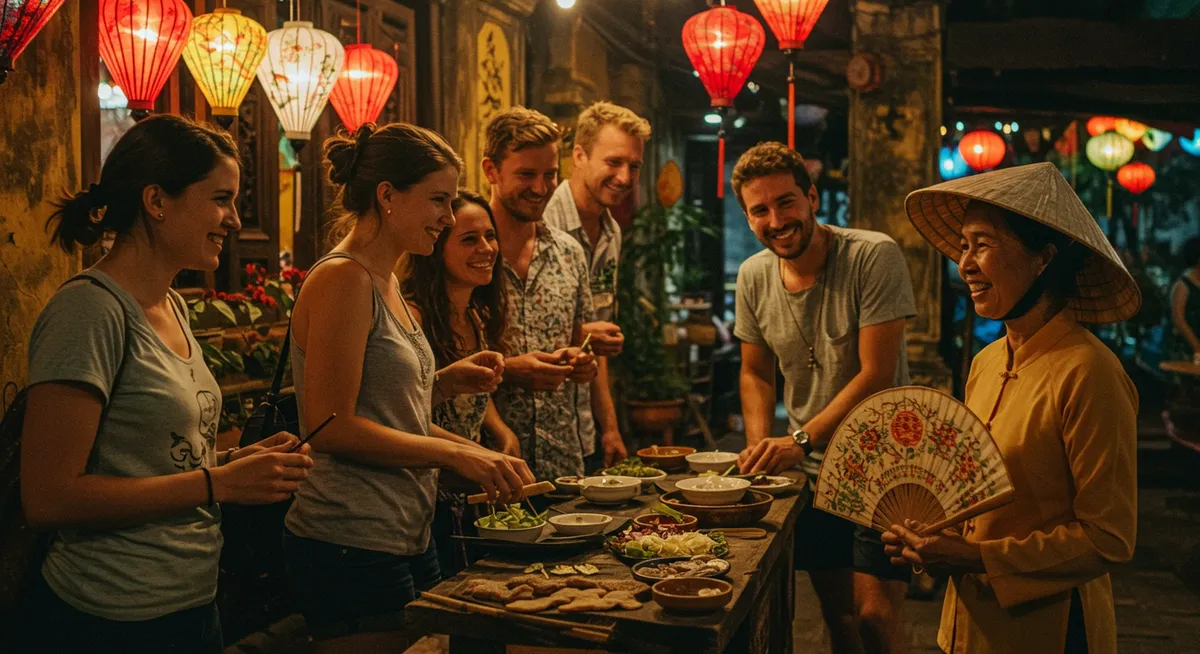
Forget the generic food tour; embark on a walking quest centered around specific Hanoi delicacies. Imagine a morning dedicated solely to perfecting your *Phở* experience, walking between legendary local stalls like Phở Gia Truyền Bát Đàn or Phở Thìn Lò Đúc, comparing broth depths and noodle textures. Alternatively, devote an afternoon to *Bún Chả*, navigating the alleyways of the Old Quarter to find hidden gems beyond the famous “Obama Bún Chả” spot on Lê Văn Hưu, perhaps discovering a family-run eatery serving their unique dipping sauce. Another fascinating journey is through Hanoi’s vibrant coffee culture: a walk can take you from the historical delights of Egg Coffee at Giang Cafe to the bustling street-side brew stands, ending with a modern take on Vietnamese coffee in a chic cafe. This focused approach allows for true appreciation.
- Walking Tip: These tours often involve navigating narrow alleys and small eateries. Wear comfortable shoes and be prepared for plastic stools. Carry small denominations of VND (10,000 – 50,000 notes) for easy transactions.
- Local Insight: The best food often comes from the humblest stalls. Don’t be shy to join a queue; it’s usually a good sign.
Art & Culture Unveiled: From Murals to Masters
Hanoi’s artistic pulse beats vibrantly in its hidden corners. A themed walking tour can lead you through the colorful Phung Hung Mural Street, transforming old railway arches into open-air galleries, showcasing traditional Vietnamese life. From there, venture into the Old Quarter’s quieter lanes to discover independent art galleries like Manzi Art Space or small artisan workshops on streets like Hàng Gai (silk products) or Hàng Quạt (traditional fans and worship items), where you can observe craftspeople at work. For literary enthusiasts, a walk can encompass the serene Temple of Literature & National University, Vietnam’s first national university, soaking in centuries of scholarly heritage and Confucian wisdom. This offers a different lens through which to view Hanoi’s creative spirit.
- Walking Tip: Many galleries and craft shops have varying opening hours; check ahead if there’s a specific spot you wish to visit. Respect artisans and ask for permission before taking photos.
- Local Insight: Hanoi’s art scene is dynamic, blending tradition with contemporary expression. Look for local artists selling their work on weekends around Hoan Kiem Lake.
History & Heritage Rewritten: Specific Eras and Echoes
Instead of a broad historical overview, pinpoint specific historical narratives on foot. A detailed French Quarter walk can transport you to colonial Hanoi, admiring the grandeur of the Hanoi Opera House, St. Joseph’s Cathedral, and the tree-lined boulevards, learning about their construction and significance. Alternatively, a walk focusing on Vietnam’s revolutionary past might center around the Hoa Lo Prison historical site, extending to nearby monuments and streets that tell the story of Vietnamese resistance. Explore the quiet streets around the French Residence area, observing the unique blend of East and West in the architecture. This deep dive allows for a more profound connection to the city’s layered past.
- Walking Tip: Combine your walk with pre-reading or consider hiring a specialist guide for a truly enriching historical narrative.
- Local Insight: Many buildings have plaques detailing their history. Look up to appreciate the architectural details that often go unnoticed.
Market Life Beyond Đồng Xuân: Daily Rhythms
While Đồng Xuân Market is a landmark, Hanoi boasts numerous smaller, specialized markets that offer a more authentic glimpse into local daily life. Embark on a walking tour to Chau Long Market, a bustling wet market where locals buy fresh produce, meat, and seafood – a true sensory overload. Or explore Hom Market, renowned for its fabric stalls, where tailors source materials for bespoke outfits. For an early morning adventure, a trip to Quang Ba Flower Market, which comes alive before dawn, offers a beautiful spectacle of blooms being unloaded and sold. These markets are less about souvenirs and more about witnessing the city’s genuine rhythm.
- Walking Tip: Visit markets early in the morning for the freshest produce and most vibrant atmosphere. Be mindful of vendors and shoppers; it’s a working environment.
- Local Insight: Don’t hesitate to try small street snacks or fresh fruit offered by vendors in the markets – it’s part of the authentic experience!
Beyond the Old Quarter: Exploring Diverse Districts on Foot
💡 Pro Tip: Book your Hanoi adventures in advance through Viator for the best deals!
While Hanoi’s Old Quarter undeniably captivates with its ancient charm and bustling energy, limiting your exploration to this single district means missing out on the city’s incredible diversity. Venturing beyond provides a completely different perspective, revealing serene green spaces, grand historical sites, vibrant expat enclaves, and authentic local life – all wonderfully accessible on foot for those eager to delve deeper into Hanoi’s soul.
Ba Dinh District: Serenity and History on Grand Avenues
For a stark contrast to the Old Quarter’s narrow lanes, head to Ba Dinh District, the political heart of Vietnam. Here, wide, tree-lined boulevards and expansive green spaces offer a much more tranquil walking experience. The highlight is undoubtedly the Ho Chi Minh Complex, an area encompassing the Ho Chi Minh Mausoleum, Ho Chi Minh’s Stilt House, the Presidential Palace, and the One Pillar Pagoda. Walking here is a journey through modern Vietnamese history. Remember to dress respectfully (shoulders and knees covered) if you plan to enter the mausoleum or pagodas. The surrounding Ba Dinh Square itself is vast, offering ample space for a contemplative stroll, especially beautiful early in the morning or late afternoon as the light softens. Nearby, you can also easily walk to the Imperial Citadel of Thang Long for more historical immersion.
Tay Ho (West Lake) District: Lakeside Living and Bohemian Vibes
Craving fresh air and scenic views? The Tay Ho District, centered around the vast West Lake (Hồ Tây), is your ideal walking destination. This district offers a more relaxed pace, blending traditional Vietnamese life with a thriving expat community. Start your walk near the iconic Tran Quoc Pagoda, Hanoi’s oldest pagoda, situated on a small island connected by a causeway. From there, you can embark on a long, leisurely promenade along the lakeside, particularly beautiful around sunset. While circling the entire lake (about 17km) is a feat best reserved for cycling, segments along Xuan Dieu Street and To Ngoc Van Street offer a delightful mix of trendy cafes, international restaurants, boutique shops, and local eateries. It’s a perfect area for a slower, more observational walk, punctuated by coffee breaks or sampling local street food.
Long Bien Bridge Area: A Glimpse into Hanoi’s Industrial Past and Riverside Life
For a truly unique urban exploration, head to the Long Bien Bridge. This historic cantilever bridge, designed by Gustave Eiffel, is a living relic connecting Hanoi’s urban core to the Long Bien and Gia Lam districts across the Red River. The pedestrian pathway offers incredible vantage points for photography, capturing the intertwining train tracks, the sprawling city, and the slow, rhythmic life on the Red River below. Walk across the bridge, observing local vendors and commuters, and then descend to explore the fascinating underbelly. Here, you’ll find informal communities, banana plantations (often referred to as ‘Banana Island’), and local fishing boats, offering a gritty, authentic glimpse into riverside Hanoi. Be mindful of passing trains, and consider visiting in the early morning to witness the bustle of market life beneath the bridge or late afternoon for golden hour views.
Truc Bach Lake: Quiet Charm and Local Anecdotes
Nestled just north of the Old Quarter and separated from West Lake by a causeway, Truc Bach Lake (Hồ Trúc Bạch) offers a more intimate and quieter walking experience. This charming lake is historically significant as the site where US Senator John McCain’s plane was shot down during the Vietnam War, marked by a memorial. A leisurely loop around Truc Bach is perfect for those seeking a less crowded, more local atmosphere. You’ll find quaint lakeside cafes, fishing spots, and a slower pace of life. It’s an excellent spot to unwind after the Old Quarter’s intensity, offering peaceful strolls and opportunities to observe daily Hanoi life up close, perhaps with a cup of local coffee in hand.
Practical Walking Tips for Beyond the Old Quarter:
- Footwear: Always prioritize comfortable walking shoes, as pavements can be uneven.
- Hydration: Carry water, especially on warmer days. Many small shops offer cold drinks.
- Sun Protection: A hat, sunglasses, and sunscreen are essential for daytime walks.
- Navigation: Google Maps works well in Hanoi, but consider downloading offline maps.
- Local Etiquette: Be respectful, especially in residential areas or near religious sites.
Self-Guided Adventures: Crafting Your Own Hanoi Path
Hanoi is a city that truly rewards independent exploration. While organized tours offer convenience, crafting your own walking adventure allows for unparalleled flexibility and discovery. Embrace the freedom of following your curiosity, lingering where you please, and truly soaking in the city’s unique rhythms.
Your smartphone will be indispensable for self-guided navigation. Before you even land, download offline maps of Hanoi. Google Maps allows you to save specific areas for offline use, ensuring you can navigate even without data. For detailed, alleyway-friendly navigation, Maps.me offers comprehensive offline maps, perfect for the Old Quarter’s labyrinthine lanes. These tools are crucial for pinpointing hidden temples, local eateries, or simply finding your way back to your accommodation.
Beyond navigation, local apps can significantly enhance your experience. Download Grab (Southeast Asia’s version of Uber) not just for affordable motorbike or car taxis when your feet need a rest, but also for GrabFood, which allows you to browse and order from countless local restaurants – perfect for discovering new street food delights. For deep dives into Hanoi’s culinary scene, Foody.vn (though primarily in Vietnamese, its star ratings and photos are universal) is a fantastic resource for finding highly-rated local eateries, often off the main tourist drag.
For an authentic local perspective without the rigid itinerary, consider connecting with student-led “Free Tour Guides.” Numerous local universities have programs where English-speaking students offer tours (often for free, though a generous tip/donation for their time and practice is highly encouraged) to hone their language skills and share their city. A quick online search for “Hanoi student free tours” will yield options. This offers a unique chance to ask questions, learn about daily life, and even practice some Vietnamese phrases.
When it comes to crafting your path, consider thematic walks:
- Old Quarter Immersion: Dedicate hours to wandering the historic ’36 Streets.’ Focus on specific craft streets like Hang Gai (silk) or Hang Ma (paper goods), or simply get lost in the alleys leading to hidden cafes and ancient temples. Don’t miss Dong Xuan Market for a sensory overload.
- French Colonial Elegance: Start around Hoan Kiem Lake and head towards the French Quarter. Explore the grandeur of the Hanoi Opera House, the iconic St. Joseph’s Cathedral, and the tree-lined boulevards around the Presidential Palace and Ho Chi Minh Mausoleum complex (note: the Mausoleum itself has strict visiting hours, but the surrounding grounds are pleasant for a walk).
- Lakeside Serenity & Spirituality: Circumnavigate Hoan Kiem Lake in the early morning for tai chi and local life. Extend your walk to West Lake (Hồ Tây) to visit Tran Quoc Pagoda, Hanoi’s oldest Buddhist temple, for a peaceful retreat amidst city bustle.
Remember, flexibility is key. Hanoi’s charm lies in its unexpected discoveries. Wear comfortable shoes, stay hydrated (bottled water is cheap and essential), and learn the art of crossing a busy street (walk slowly and predictably, letting the motorbikes flow around you). Embrace the chaos, savor the scents, and let Hanoi unfold at your own pace for an unforgettable adventure.
Timing Your Steps: Early Morning & Late Night Perspectives
💡 Pro Tip: Book your Hanoi adventures in advance through Viator for the best deals!
Hanoi offers a profoundly different experience depending on when you choose to explore on foot. Whether you’re an early bird or a night owl, timing your steps can unlock unique perspectives and cultural immersions that aren’t visible during the day’s peak hours.
Early Morning Walks: Witnessing Hanoi’s Gentle Awakening
Stepping out between 5:00 AM and 7:00 AM allows you to witness the city’s quiet transformation from slumber to bustling day. The air is cooler, the streets are quieter, and the pervasive scent of blooming jasmine often mixes with the first wafts of simmering pho broth.
- Atmosphere & Sights: Head towards Hoan Kiem Lake, where locals gather for their morning routines: Tai Chi, aerobics, laughter yoga, and brisk walks around the serene waters. It’s a captivating scene of community well-being, often accompanied by traditional Vietnamese music. You’ll see vendors setting up their stalls in the Old Quarter or around Dong Xuan Market, meticulously arranging fresh produce, flowers, and ingredients for the day.
- Cultural Immersion: This is your prime opportunity to observe traditional breakfast rituals. Small street-side stalls open, wafting aromas of authentic phở, bún chả, or freshly baked bánh mì. Don’t hesitate to join locals for a truly authentic first meal of the day, often shared on tiny plastic stools. Temples like Tran Quoc Pagoda or Ngoc Son Temple are also beautifully tranquil before the tourist crowds arrive.
- Practical Tips:
- Wake Up Early: The earlier, the better to catch the true essence of the city waking up.
- Comfortable Shoes: As always, essential for extended walks.
- Camera Ready: These moments are raw and beautiful – perfect for capturing candid street photography.
- Embrace the Quiet: Savor the relative tranquility before the motorbikes take over.
- Join In: Don’t be shy to grab a stool at a local breakfast spot; a simple “một phở bò” (one beef pho) or “một bún chả” (one bun cha) goes a long way.
Late Night Strolls: Hanoi Under the Lights
As the sun sets and the city lights flicker on, Hanoi transforms into a different, equally enchanting entity. Late-night walks (typically after 9:00 PM or 10:00 PM) offer a relaxed pace and a unique perspective, especially once the peak traffic subsides.
- Atmosphere & Sights: The intense daytime traffic significantly diminishes, particularly in the Old Quarter. Iconic landmarks like Hoan Kiem Lake, Turtle Tower, and St. Joseph’s Cathedral are beautifully illuminated, casting a magical glow. The air is cooler, and the sounds of street vendors blend with the distant hum of night markets and the clinking of glasses from Bia Hoi corners.
- Nightlife & Food: The weekend walking streets around Hoan Kiem Lake (Friday-Sunday evenings) burst with street performers, games, and an array of food stalls. Even on weekdays, you can find quieter spots to enjoy a refreshing Bia Hoi (fresh draft beer) – a quintessential Hanoi experience. Look for small plastic chairs spilling onto pavements, indicating a local haunt. Night food stalls offer a different array of local delights like grilled skewers, sweet soups (chè), or savory pancakes (bánh xèo). The Dong Xuan Night Market, especially on weekend evenings, comes alive, offering not just food but also souvenirs and clothing.
- Practical Tips:
- Less Traffic: Enjoy the freedom of walking with fewer motorbikes weaving around you.
- Stay Alert: While generally safe, be mindful of your belongings, especially in crowded market areas.
- Explore Alleys: Many small alleys reveal hidden gems, quiet cafes, or late-night eateries.
- Try Bia Hoi: It’s incredibly cheap and a fantastic way to observe local social life.
- Grab a Ride: If you wander far, Grab (Vietnam’s popular ride-hailing app) is readily available to get you back to your accommodation safely and affordably.
Practicalities for the Alternative Explorer: Safety & Comfort
Embarking on a walking adventure through Hanoi’s captivating streets requires a dash of preparation and an open mind. To truly savour the city’s unique charm, especially off the beaten path, understanding a few practicalities will enhance your experience, ensuring both safety and comfort.
Navigating the Labyrinth: Alleys and Avenues
Hanoi’s Old Quarter and surrounding areas are famous for their intricate network of narrow alleys, known as hẻm. These aren’t just shortcuts; they’re bustling micro-communities, home to hidden temples, local eateries, and bustling workshops. While endlessly charming, they can be a delightful maze.
- Embrace Offline Maps: Google Maps works, but consider downloading offline maps (like Maps.me) as GPS signals can be unreliable within the deeper hẻm.
- Look for Landmarks: Pay attention to unique signs, street art, or prominent shop fronts that can help you reorient yourself.
- Don’t Be Afraid to Ask: Locals are generally friendly and helpful. A smile and a pointer on your map can go a long way.
Safety on Foot: Traffic & Personal Security
Hanoi’s traffic is an experience in itself – a mesmerising, constant flow of motorbikes. Petty crime, while not rampant, requires awareness.
- Mastering the Road Crossing: Don’t wait for a gap; it rarely comes. Instead, walk slowly and predictably across the road, making eye contact with approaching drivers. They will flow around you. Never suddenly stop or dart. Remember, pavements are often used for parking or market stalls, so you’ll frequently find yourself walking on the road.
- Traffic Awareness: Always be alert, especially when walking on the road. Motorbikes can approach from any direction.
- Protect Your Valuables: In crowded areas like Hoan Kiem Lake, Dong Xuan Market, or the Night Market, be mindful of pickpockets. Keep phones securely held (especially when navigating), use cross-body bags or front pockets for wallets, and avoid flashing expensive electronics or large sums of cash. “Snatch-and-grab” incidents by passing motorbikes, though rare, can happen to phones held carelessly.
Comfort Essentials for the Urban Trekker
Hanoi’s tropical climate and urban terrain demand smart packing.
- Footwear is Key: Invest in comfortable, sturdy, and well-broken-in walking shoes. Hanoi’s pavements can be uneven, cracked, and slippery when wet. You’ll be doing a lot of walking, often on surfaces that aren’t pristine.
- Stay Hydrated: The humidity, especially from May to September, can be intense. Carry a reusable water bottle and refill often. Bottled water is readily available from street vendors and small shops (tạp hóa).
- Sun & Rain Protection: Pack a hat, sunglasses, and high-SPF sunscreen. Even on cloudy days, UV rays are strong. Sudden downpours are common, particularly during the wet season (May to October), so a lightweight, packable rain jacket or a small umbrella is highly recommended. You can easily buy cheap umbrellas locally.
Cultural Sensitivity: Respectful Exploration
Engaging respectfully with local customs enriches your journey.
- Dress Codes: While generally relaxed, when visiting temples, pagodas, or Ho Chi Minh’s Mausoleum, ensure your shoulders and knees are covered as a sign of respect.
- Photography Etiquette: Always ask permission before photographing individuals, especially children or vendors, with a polite gesture or a smile. Respect personal space.
- Bargaining Basics: In markets (like Dong Xuan Market) and with street vendors, polite bargaining is expected. Aim to start at 50-70% of the asking price and meet somewhere in the middle. Always keep it friendly and be prepared to walk away if the price isn’t right – but don’t bargain if you have no intention of buying.
Staying Connected: A Local SIM Card
For navigation, ride-hailing apps, and staying in touch, a local SIM card is invaluable.
- Easy Access: Local SIM cards with generous data plans are inexpensive and easy to purchase upon arrival at the airport or from official stores in the city (e.g., Viettel, Mobifone, Vinaphone).
- Requirements: You’ll need your passport for registration.
Connecting Deeper: Ethical & Responsible Walking
A Hanoi walking tour is more than just sightseeing; it’s an invitation to connect with the city on a profound, responsible level. By choosing to explore on foot, you inherently embrace a more ethical approach to tourism, directly contributing to the well-being of the local community and preserving the authentic spirit of Hanoi.
Supporting the Local Fabric
One of the most powerful ways your walking tour contributes is by channeling economic benefits directly to the people who make Hanoi so vibrant. Ditch the chain restaurants and embrace the unparalleled street food scene. When you stop for a bowl of piping hot phở from a small, family-run stall or grab a crispy bánh mì from a vendor on the corner, your dong goes directly into the hands of the individuals who work tirelessly to feed the city. Seek out hidden chè (sweet soup) spots or humble bún chả eateries tucked away in narrow alleys – these are the true culinary gems that walking tours help you discover. This direct support helps sustain livelihoods and keeps Hanoi’s unique culinary heritage alive.
Beyond food, your steps will lead you to traditional craftspeople and small family-run businesses. Wander down streets like Hàng Gai, known for its silk shops, or explore the Old Quarter’s specialized guild streets. Engage with a tailor, watch a lacquerware artist at work, or purchase a souvenir directly from the artisan. These interactions are not only culturally enriching but ensure that your spending empowers local entrepreneurs, rather than large corporations.
Respecting Culture & Environment
Walking tours naturally foster a deeper respect for local culture and the environment. You become an observer, not just a tourist, navigating the city’s charming chaos with mindfulness. Here’s how to deepen your respectful engagement:
- Cultural Courtesy: When passing by temples or pagodas, dress modestly (shoulders and knees covered). Always ask permission before taking photos of people, especially children. A simple “Cảm ơn” (thank you) goes a long way.
- Environmental Stewardship: Walking significantly reduces your carbon footprint compared to motorized transport. Help keep Hanoi beautiful by minimizing waste – carry a reusable water bottle and dispose of any trash properly in designated bins. Support vendors who use less plastic, or offer to carry your own reusable bag.
- Mindful Navigation: The Old Quarter’s streets are bustling. Practice patience, give way to locals, and embrace the organized chaos. A friendly smile can bridge any language barrier.
A Sustainable Choice for Hanoi
Ultimately, choosing walking tours for your Hanoi adventure is a choice for sustainable tourism. It encourages the distribution of tourist dollars more broadly within the community, supports local craftsmanship, and promotes a lower environmental impact. It allows for more authentic cultural exchanges, fostering mutual understanding and appreciation between visitors and residents.
By consciously seeking out and supporting local vendors, small businesses, and engaging respectfully with the culture you encounter on your feet, you’re not just taking a trip; you’re becoming a part of Hanoi’s ongoing story, ensuring its unique charm endures for generations to come.
Frequently Asked Questions
Q: Is Hanoi generally safe for walking tours, especially in alternative areas?
A: Yes, Hanoi is generally safe for walking. Like any major city, be mindful of traffic (especially crossing streets), keep an eye on your belongings to prevent petty theft, and avoid walking alone in poorly lit areas late at night. Stick to well-trafficked routes for alternative tours.
Q: How much do alternative walking tours typically cost?
A: Costs vary widely. Student-led ‘Hanoi Free Tours’ operate on a tip-basis (highly recommended for budget travelers). Specialized thematic tours (e.g., food, art) with professional guides can range from $20 to $60+ per person, depending on duration and inclusions. Self-guided tours are, of course, free except for personal expenses.
Q: What’s the best time of year to explore Hanoi on foot?
A: The ideal times are autumn (September to November) and spring (March to April). During these months, the weather is milder, with pleasant temperatures and less humidity, making walking much more comfortable. Summer (May-August) can be hot and humid with frequent rain, while winter (December-February) can be cool and damp.
Q: Do I need a local guide for these alternative walking experiences?
A: It depends on your comfort level and desired depth of insight. For a truly immersive experience, especially in thematic or historical areas, a local guide can provide invaluable context and access to hidden gems. For general exploration of new districts, self-guided tours with good maps and research are perfectly feasible and rewarding.
Q: How can I find truly local eateries on my walks, away from tourist traps?
A: Look for places bustling with local Vietnamese customers, often with simple plastic stools and tables. If you see many locals, it’s usually a good sign of authenticity and good food. Don’t be afraid to try street stalls that specialize in just one or two dishes. Asking hotel staff or local friends for recommendations can also lead to delicious discoveries.
Hanoi, with its rich tapestry of history, culture, and daily life, offers an unparalleled canvas for walking exploration. By venturing beyond the well-trodden paths and embracing these alternative experiences, you’ll not only discover hidden gems but also gain a deeper, more authentic connection with the city and its warm-hearted people. Lace up your shoes, open your mind, and prepare to uncover the true soul of Hanoi, one rewarding step at a time.