
Best Time for Hue Walking Tours: A Comprehensive Guide (2026)
Unlock Hue’s ancient beauty on foot! Find the ideal season for walking tours in this captivating Vietnamese capital, complete with expert tips for an unforgettable journey.
On this page
Hue, Vietnam’s former imperial capital, is a city steeped in history, culture, and serene beauty. While its iconic landmarks like the Imperial City and the Perfume River are well-known, truly experiencing Hue’s charm means stepping out and exploring its hidden alleys, vibrant markets, and tranquil garden houses on foot. Walking tours offer an unparalleled intimacy with the city, allowing you to absorb its unique atmosphere at your own pace. But to make the most of your pedestrian adventure, timing is everything. This guide will help you pinpoint the best time to embark on a walking tour in Hue, ensuring a comfortable, enjoyable, and richly rewarding experience.
Key Tips and Takeaways
- Choose February to April for ideal weather conditions and vibrant festivals like the Hue Festival.
- During May to August, plan your walks for early mornings or late afternoons to avoid peak heat and humidity.
- If visiting from September to January, embrace the unique rainy season atmosphere and come prepared with waterproof gear.
- Always prioritize comfortable footwear, hydration, and sun protection regardless of the season.
- Consider combining walking with a local guide or traditional transport like a cyclo for a richer experience.
Understanding Hue’s Climate: A Year-Round Perspective
Hue’s geographical location in Central Vietnam gives it a distinct tropical monsoon climate, which significantly influences the best times for an enjoyable walking tour. Unlike the more consistent dry and wet seasons of the south, Hue experiences a unique weather pattern with pronounced variations that demand a bit of strategic planning for your explorations on foot.
Broadly, Hue’s climate can be divided into two main periods: the hot and dry season, and the cooler, rainy season, interspersed with transitional phases. Understanding these nuances is key to packing appropriately and maximizing your comfort as you wander through imperial citadels, serene pagodas, and bustling markets.
The Hot and Dry Season (Typically March to August)
This period brings plenty of sunshine and high temperatures, often soaring into the mid-30s Celsius (90s Fahrenheit), accompanied by significant humidity. While the skies are generally clear, making for fantastic photography and unobstructed views, the heat can be intense, especially during midday.
- Walking Tour Impact: Expect to sweat! The heat can be draining, and direct sun exposure is high. However, fewer sudden downpours mean more consistent walking opportunities.
- Practical Advice:
- Timing is Everything: Plan your walking tours for early mornings (before 9:00 AM) or late afternoons (after 4:00 PM) to avoid the peak heat.
- Hydrate Constantly: Carry at least 1-2 liters of water per person, and replenish frequently. Look out for local vendors selling fresh coconuts – a refreshing and hydrating natural electrolyte drink.
- Dress Appropriately: Opt for lightweight, breathable fabrics like cotton or linen. Light colors reflect sunlight.
- Sun Protection: A wide-brimmed hat, sunglasses, and high-SPF sunscreen are non-negotiable. Consider a light, long-sleeved shirt for added protection.
- Seek Shade: Plan routes that incorporate shaded areas, such as tree-lined boulevards or temple courtyards. Pop into an air-conditioned coffee shop for a break.
The Rainy Season (Typically September to February)
Hue is renowned for its significant rainfall during these months, often referred to as its “flood season.” While temperatures are cooler and more pleasant for walking (often in the low to mid-20s Celsius, 70s Fahrenheit), the rain can range from light drizzles to heavy, prolonged downpours, sometimes leading to localized flooding, especially in low-lying areas near the Perfume River.
- Walking Tour Impact: Be prepared for wet conditions. Some paths might be slippery, and visibility can be reduced. However, the cooler air and lush greenery can offer a different, misty charm to the city.
- Practical Advice:
- Waterproof Gear: A good quality poncho or compact umbrella is essential. Consider a waterproof backpack cover.
- Footwear: Waterproof or quick-drying shoes with good grip are highly recommended. Avoid open-toed sandals that can get uncomfortably wet.
- Flexible Itinerary: Be ready to adjust your plans. If a heavy downpour occurs, seek shelter in a museum, cafe, or covered market until it passes. This is a great time to explore indoor attractions like the Imperial City’s palaces and museums.
- Embrace the Atmosphere: The rain often lends a melancholic, poetic beauty to Hue’s historical sites, making for unique photo opportunities and a memorable experience.
Transitional Periods
The shoulder months (e.g., late February/early March, late August/early September) can be a mixed bag. You might experience elements of both seasons – warm, sunny days followed by unexpected showers. This unpredictability means being prepared for anything is your best strategy. Always check the local forecast a day or two before your intended walk to get the most accurate picture.
Regardless of when you visit, a bit of foresight regarding Hue’s climate will ensure your walking tours are not just tolerable, but truly enjoyable and memorable.
The Dry Season (February – April): The Golden Window
Often hailed as “The Golden Window” for exploring Hue on foot, the dry season, spanning from February to April, presents near-perfect conditions for an immersive walking tour experience. This period offers a delightful reprieve from the city’s typically high humidity and intense heat or persistent rains, making it the prime time to discover Hue’s ancient wonders and vibrant local life.
Why It’s Ideal for Walking Tours
- Pleasant Temperatures: Expect mild, comfortable daytime temperatures, typically ranging from 20-28°C (68-82°F). This is cool enough for extended strolls without feeling overheated, yet warm enough to enjoy the sunshine.
- Low Humidity & Clear Skies: With significantly lower humidity compared to other seasons, the air feels crisp and refreshing. Clear blue skies provide stunning visibility, perfect for photography and admiring the intricate details of Hue’s imperial architecture and natural landscapes.
- Gentle Breezes: Often, light, pleasant breezes waft through the city, offering natural air conditioning as you explore, enhancing comfort during your walks.
- Major Festivals: This period often coincides with significant cultural events, including the vibrant Tet (Lunar New Year) celebrations (usually late January/early February, potentially overlapping) and the grand Hue Festival (biennial, often in April or May/June – check specific dates if planning around this). While Tet brings a festive atmosphere, be aware that some businesses might close temporarily. The Hue Festival transforms the city into a stage, offering countless cultural performances, art exhibitions, and traditional ceremonies, providing an unparalleled backdrop for your exploration.
Considerations & Practical Advice
- Crowds: Due to its popularity, especially around Tet and during the Hue Festival, attractions can get crowded. Be prepared for busier sites, and consider visiting popular spots early in the morning to enjoy a more tranquil experience. Booking accommodations and tours well in advance is highly recommended.
- Ideal Clothing: Opt for lightweight, breathable fabrics like cotton or linen to stay cool and comfortable. Long sleeves and pants can offer protection from the sun, but shorts and t-shirts are generally fine. Always pack a wide-brimmed hat, sunglasses, and high-SPF sunscreen. Most importantly, wear comfortable, broken-in walking shoes, as you’ll be covering significant distances.
Suggested Walking Routes for the Dry Season
The “Golden Window” unlocks the full potential of Hue’s walkable attractions:
- The Imperial City (Citadel): This is an absolute must-do. The expansive grounds of the Citadel, including the Forbidden Purple City, Ngo Mon Gate, and Thai Hoa Palace, are best explored on foot. The mild weather allows you to wander leisurely through its ancient courtyards, temples, and gardens without feeling rushed by the heat. Allocate at least 3-4 hours, or even a full day, to truly absorb its history.
- Perfume River Banks & Truong Tien Bridge: Enjoy serene walks along the Perfume River’s verdant banks. Start near the iconic Truong Tien Bridge and follow the path, observing daily life, dragon boats, and the tranquil reflections on the water. This route is particularly pleasant in the late afternoon as the sun begins to set, casting a golden glow.
- Pagodas & Gardens: While some tombs are further afield and require a short taxi or motorbike ride, several pagodas are within walking distance or a short hop from the city center, offering peaceful retreats. Consider walking to Thien Mu Pagoda, Hue’s oldest and most iconic pagoda, which offers splendid views of the Perfume River and can be reached by a picturesque stroll from certain riverside points, or a short boat trip followed by a walk up.
By planning your Hue walking tour during the dry season, you’re set for an exceptionally comfortable and culturally rich adventure, allowing you to truly connect with the city’s profound heritage.
The Hot & Humid Season (May – August): Early Morning & Evening Charms
💡 Pro Tip: Book your Hue adventures in advance through Viator for the best deals!
While often seen as the “challenging” season for free walking tours in Hue, the hot and humid months from May to August offer a unique charm and experience for the prepared traveler. The key to unlocking its magic lies in strategic planning and embracing the local rhythm.
The Upsides of the Hot Season
- Fewer Crowds: Unlike the cooler peak seasons, you’ll often find popular sites like the majestic Imperial City and the serene Thien Mu Pagoda less congested, especially during the early morning hours. This allows for a more intimate and reflective exploration, enabling you to truly absorb the history and grandeur without battling throngs of tourists.
- Vibrant Flora: Hue’s lush landscape truly bursts to life under the tropical sun. Expect to see the city’s numerous lotus ponds in full, glorious bloom – a breathtaking sight and a fantastic photo opportunity. The greenery along the Perfume River and within garden houses is incredibly vibrant.
- Longer Daylight for Evening Strolls: With extended daylight hours, you have ample time to enjoy the cooler evening temperatures. This is perfect for leisurely walks along the Perfume River promenade or exploring the bustling night markets.
- Potentially Lower Prices: As this is the shoulder season for international tourism, you might find more competitive prices for accommodations and certain tours, offering a more budget-friendly trip.
Navigating the Challenges
There’s no denying the heat and humidity can be intense, often accompanied by sudden, heavy tropical downpours. These factors demand a flexible approach to your walking tour itinerary.
Actionable Advice for Walking Tours
- Embrace the Early Bird: This is your golden rule. Plan your most extensive walking tours for the pre-sunrise or just after dawn hours. Heading to the Imperial City (Dai Noi) by 6:00 AM or 7:00 AM not only allows you to beat the worst of the heat but also offers a magical, quieter atmosphere. Dong Ba Market is another excellent early morning walking spot, as it’s bustling with local life and relatively cooler before the sun climbs high.
- Hydrate, Hydrate, Hydrate: Carry plenty of water and drink continuously. Take advantage of frequent stops at local cafes for refreshing *nuoc mia* (sugarcane juice) or fresh coconut water – both delicious and incredibly hydrating.
- Seek Out Shade: Plan routes that incorporate shaded areas. Within the Imperial City, utilize the covered walkways and large trees. Many of Hue’s pagodas and temples offer cool, shady courtyards. Consider walking on the shadier side of the street whenever possible.
- Utilize Cooler Evenings: As temperatures drop after sunset, the city comes alive in a different way. The Perfume River promenade is ideal for an evening stroll. Explore the area around the Truong Tien Bridge, watch the dragon boats light up, and perhaps delve into the vibrant night markets for some local street food.
- Dress Smart: Opt for light-colored, loose-fitting, breathable fabrics (cotton, linen). A wide-brimmed hat, sunglasses, and high-SPF sunscreen are non-negotiable.
- Be Rain Ready: While not constant, sudden downpours are common. A lightweight, packable poncho or a small umbrella can be a lifesaver, allowing you to duck into a café for a Vietnamese coffee until the shower passes.
Best Routes & Activities for this Season
Consider modifying your walking tours to include alternative modes of transport:
- Combined Boat & Walking Tours: This is arguably the best strategy for the hot season. Take a dragon boat along the Perfume River to visit sites like Thien Mu Pagoda, and then enjoy a short walk around the pagoda grounds. The river breeze offers respite, and you cover distance without excessive walking under the sun.
- Early Morning Imperial City & Dong Ba Market: As mentioned, these are prime early bird locations. The market offers a fascinating sensory experience, and the Imperial City’s vastness feels less daunting when tackled in cooler temperatures.
- Evening Riverside Walks & Night Market Exploration: Focus on the energy of the city after dark. The stretch along Le Loi street near the Perfume River is particularly pleasant for a walk, leading to various food stalls and night activities.
- Garden Houses: While often requiring a short walk to reach, the traditional garden houses (like An Hien Garden House) offer serene, shaded environments once inside, perfect for a mid-day reprieve if you’ve already completed your morning walk.
By adjusting your expectations and timing, a walking tour of Hue during the hot and humid season can still be an incredibly rewarding and authentic experience, revealing a different, often more intimate, side of this historic city.
The Rainy Season (September – January): Romantic & Unique
While often overlooked by those chasing endless sunshine, the rainy season in Hue, spanning from September to January, offers a truly unique and deeply romantic experience for the adventurous walker. This period transforms the city into a mystical landscape, cloaked in mist and lush greenery, providing an atmosphere unlike any other time of year.
The Allure of the Rainy Season: The most striking advantage is the profound beauty that emerges. Hue’s ancient pagodas, imperial palaces, and verdant gardens seem to breathe anew under a soft, diffused light, making for incredibly evocative photography. The Perfume River often takes on a serene, introspective quality, its surface reflecting the moody skies. Fewer tourists mean more authentic interactions with locals and a more intimate exploration of Hue’s historical sites, allowing you to truly immerse yourself in its timeless charm. Coupled with this, you might find slightly lower prices for accommodations and tours, adding to the appeal for budget-conscious travelers.
Navigating the Challenges: However, it’s crucial to be prepared for the realities of this season. Rain is frequent, and while often a gentle drizzle, it can sometimes be heavy and prolonged, occasionally leading to localized flooding in lower-lying areas. Temperatures are cooler than the dry season, typically ranging from 18°C to 25°C, so a light jacket or sweater is advisable. The key to enjoying Hue during this time is adopting a flexible mindset and embracing the unpredictability.
Essential Gear & Mindset for Rainy Walks:
- Waterproof Everything: A high-quality waterproof jacket and trousers are non-negotiable. Invest in waterproof walking shoes or boots, and consider bringing an extra pair of socks.
- Backpack Cover: Protect your electronics and valuables with a waterproof backpack cover.
- Umbrella: A sturdy umbrella is handy for shorter dashes between sheltered spots. You’ll find many available for purchase locally.
- Quick-Drying Clothes: Opt for synthetic fabrics that dry quickly over cotton.
- Flexible Itinerary: Don’t try to cram too much into one day. Be ready to duck into a café, museum, or market if the rain becomes too heavy.
Best Walking Routes & Strategies in the Rain:
- The Imperial City (Citadel): Surprisingly excellent for rainy day exploration! Many of the palace halls, gates, and inner courtyards are covered, allowing you to walk extensively under shelter. Plan your route to move between covered structures like the Ngo Mon Gate, Thai Hoa Palace, and the Forbidden Purple City’s remaining structures.
- Museum Hopping: Hue boasts fantastic indoor attractions. The Hue Museum of Royal Antiquities (inside the Imperial City) and the Ho Chi Minh Museum offer fascinating insights into local history and culture, providing excellent refuge from the elements.
- Dong Ba Market: This sprawling central market is largely covered, offering a vibrant sensory experience perfect for a rainy afternoon. Wander through stalls selling everything from local produce to handicrafts, and savor a hot bowl of *bún bò Huế* from a sheltered vendor.
- Covered Walkways & Cafes: Plan your walks around areas with ample awnings and numerous cafes. Hue has a thriving coffee culture; sipping a hot Vietnamese coffee or *bún bò Huế* in a cozy spot while watching the rain fall can be incredibly atmospheric.
- Short Dashes Between Indoor Spots: Rather than long, exposed treks, focus on short walks between attractions that offer shelter. For example, a quick stroll from your hotel to a nearby restaurant or a dash between ancient temples.
Embracing Hue during its rainy season promises a unique, intimate, and truly memorable walking tour experience, offering a glimpse into the city’s soul that fair-weather travelers often miss.
Daily Timing: Optimizing Your Hue Walking Experience
Optimizing the daily timing of your walking tour in Hue is paramount to a truly enjoyable and authentic experience. The city’s climate and rhythm of local life dictate that certain hours offer distinct advantages, transforming a pleasant stroll into an unforgettable journey through history and culture.
Embrace the Early Morning: Sunrise & Local Awakenings
The dawn hours are arguably the best time for a Hue walking tour. As the sun begins to paint the sky with soft hues, Hue is at its coolest and most serene. Temperatures are pleasant, humidity is lower, and the city is just beginning to stir. This is when you’ll truly feel the pulse of local life before the tourist crowds gather.
- Cooler Temperatures: Beat the heat, especially during the hot season (March to August), making longer walks more comfortable.
- Authentic Local Life: Witness locals starting their day – street vendors setting up, residents performing morning exercises by the Perfume River, and the bustling energy of Dong Ba Market as it comes alive with fresh produce and fragrant spices.
- Photographic Opportunities: The soft, ethereal light of sunrise offers incredible photographic conditions, perfect for capturing the tranquil beauty of the Perfume River, the ancient Citadel walls, or intricate temple details without harsh shadows.
- Tranquil Exploration: Explore popular sites like the exterior of the Imperial City or the tree-lined streets near the river with a sense of peace, avoiding the midday rush.
Discover the Late Afternoon & Early Evening: Golden Hour & Evening Charm
As the day winds down, Hue transforms again, offering another prime window for a walking tour. The late afternoon sun casts a warm, golden glow, creating stunning vistas and a vibrant atmosphere. The heat begins to dissipate, making it comfortable for extended exploration.
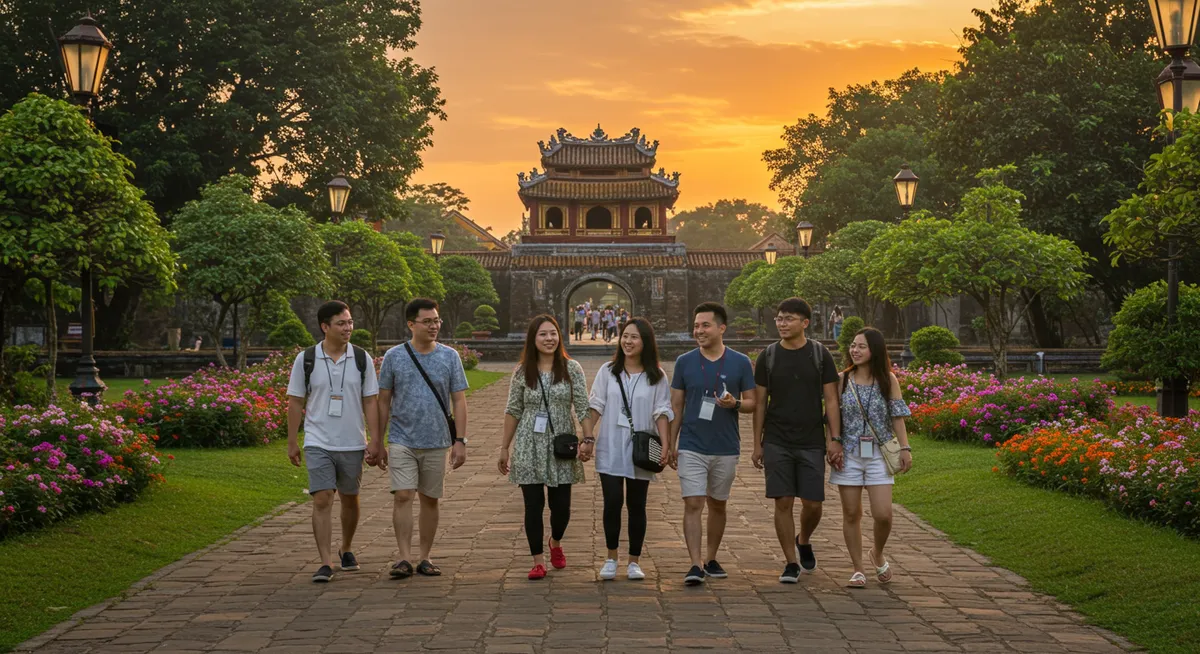
- Golden Hour Photography: This is a photographer’s dream. The “golden hour” before sunset bathes Hue’s historical sites, like the Imperial City walls or the iconic Flag Tower, in a magical, warm light, creating postcard-perfect shots.
- Vibrant Street Life: As evening approaches, the city awakens with a different energy. Food stalls begin to emerge, locals gather for evening meals, and the riverside promenades become lively with families and couples. It’s an excellent time to experience Hue’s culinary scene and social dynamics.
- Pleasant Temperatures: Similar to early mornings, the late afternoon provides a welcome respite from the midday heat, making it ideal for leisurely strolls and absorbing the city’s ambiance.
- Sunset Views: Position yourself along the Perfume River or find a good vantage point to witness a breathtaking Hue sunset, a truly memorable end to your walking adventure.
Why to Avoid Midday: Heat & Harshness
While exploring Hue, it’s highly recommended to avoid walking tours during the midday hours, typically from 11:00 AM to 3:00 PM.
- Intense Heat & Humidity: Hue experiences significant heat and humidity, especially from late morning through early afternoon. Walking under the direct sun during these hours can be exhausting and even dangerous.
- Harsh Sunlight: The midday sun creates strong, unflattering shadows, making photography challenging and diminishing the aesthetic appeal of the city’s architecture.
- Reduced Authenticity: Many locals retreat indoors to escape the heat, leading to less vibrant street scenes and a diminished sense of the city’s true rhythm.
Instead of walking during midday, use this time to seek refuge in air-conditioned cafes, enjoy a leisurely lunch, visit an indoor museum (like the Hue Royal Antiquities Museum), or simply relax and recharge for your next exploration.
Essential Packing & Preparation for Hue Walking Tours
💡 Pro Tip: Book your Hue adventures in advance through Viator for the best deals!
Embarking on a walking tour in Hue is an incredibly rewarding way to delve into its rich history, imperial architecture, and vibrant culture. To ensure your exploration is comfortable, safe, and truly enjoyable, mindful packing and preparation are paramount. Hue’s tropical climate can be hot and humid, with occasional unexpected downpours, so dressing smart and carrying essentials will make all the difference.
Your Essential Packing List for Hue Walking Tours:
- Comfortable, Supportive Footwear: This is arguably the most crucial item. Hue’s historical sites, like the Imperial City and royal tombs, often involve extensive walking on uneven paths, cobblestones, and steps. Opt for broken-in, closed-toe walking shoes, sneakers, or sturdy sandals with good arch support. Avoid new shoes, high heels, or flip-flops if you plan on covering significant distances. Your feet will thank you!
-
Light and Breathable Clothing: Choose lightweight, loose-fitting attire made from natural fabrics like cotton or linen. These materials will help you stay cool in Hue’s often humid conditions. Pack items that can be easily layered.
- Modesty for Temples and Pagodas: Hue is home to numerous sacred sites, including pagodas, temples, and the Imperial City. When visiting these locations, it’s respectful to cover your shoulders and knees. Consider packing a lightweight scarf or sarong that can be easily donned for entry into religious sites.
-
Sun Protection: The sun in Hue can be incredibly strong, even on cloudy days.
- Wide-Brimmed Hat or Cap: Essential for protecting your face and neck from direct sunlight.
- Sunglasses: To protect your eyes from glare.
- High-SPF Sunscreen: Apply generously to all exposed skin, and reapply every few hours, especially if you’re sweating.
-
Rain Gear: Hue’s weather can be unpredictable, with sudden tropical showers possible year-round, particularly outside the dry season (February to April).
- Lightweight Raincoat or Poncho: Easy to pack and quick to put on.
- Compact Umbrella: Useful for both sun and light rain.
- Reusable Water Bottle: Staying hydrated is non-negotiable in Hue’s heat and humidity. Carry a refillable water bottle and replenish it frequently. Many cafes and hotels are happy to refill it for you. This also helps reduce plastic waste.
- Small, Comfortable Backpack: A lightweight daypack is ideal for carrying all your essentials – water bottle, snacks, sun protection, rain gear, camera, and souvenirs. Choose one that fits snugly and distributes weight evenly.
-
Basic First-Aid Kit: For minor mishaps, pack essentials like:
- Band-aids for blisters (a common walking tour ailment!)
- Antiseptic wipes
- Pain relievers
- Any personal medications
- Insect Repellent: Given Hue’s lush greenery and tropical climate, mosquitoes can be present, especially around water bodies or during dawn and dusk. Apply repellent to exposed skin to prevent bites.
Actionable Tips for a Smooth Hue Walking Tour:
- Hydrate, Hydrate, Hydrate! Even if you don’t feel thirsty, take regular sips of water. Dehydration can quickly sap your energy in Hue’s climate.
- Snacks: Carry a few energy-boosting snacks like nuts, granola bars, or fruit to keep you going between meals.
- Cash (VND): While many places accept cards, smaller vendors, street food stalls, and local shops often prefer cash. It’s useful for buying small souvenirs or a refreshing drink.
- Power Bank: If you’re relying on your phone for navigation, photos, or communication, a portable power bank is a lifesaver.
- Learn a Few Vietnamese Phrases: Even a simple “Xin chào” (hello) or “Cảm ơn” (thank you) can go a long way in enhancing your interactions with locals.
By preparing thoughtfully and packing smart, you’ll be ready to fully immerse yourself in the enchanting beauty and profound history of Hue on foot, creating memories that will last a lifetime.
Popular Walking Tour Routes & Themes in Hue
Hue, with its captivating blend of imperial history, tranquil natural beauty, and bustling local life, is a city made for walking. Each district offers unique routes and immersive experiences, whether you prefer to wander independently or join a specialized tour.
Here are some of the most popular walking tour routes and themes to explore in Hue:
The Imperial City & Forbidden Purple City
- The Walk: This is arguably Hue’s most significant walking experience. The vast complex of the Citadel, particularly the Imperial City and Forbidden Purple City within, demands ample time on foot. You’ll navigate through ancient gates, explore royal palaces, admire intricate temples, and discover serene courtyards. Wear comfortable shoes and allocate at least half a day, though a full day is recommended to truly absorb the history and scale.
- Practical Tips: Consider hiring a local guide at the entrance for richer historical context; they can bring the ruins to life with fascinating stories. Bring water and a hat, as shade can be limited in some areas.
Perfume River Waterfront Strolls
- The Walk: The banks of the iconic Perfume River (Sông Hương) offer picturesque and relatively flat walking paths. Start near the elegant Trang Tien Bridge and stroll west, enjoying views of dragon boats, daily life along the river, and the city skyline. Evening walks here are particularly enchanting as the bridge lights up.
- Practical Tips: This route is perfect for a leisurely pace. Combine it with a short dragon boat trip for a different perspective of the city from the water. Many cafes and eateries line the river, offering perfect spots for a break.
Dong Ba Market & The Old Quarter
- The Walk: Immerse yourself in the vibrant chaos and authentic local life around Dong Ba Market. This area, part of Hue’s bustling Old Quarter, is a sensory delight. Navigate narrow alleys brimming with street food vendors, local shops, and traditional craft stalls. It’s a fantastic place to witness daily commerce and taste Hue’s renowned street food.
- Practical Tips: Go hungry! This is an ideal route for a self-guided food tour. Be prepared for crowds and motorbikes. Practice polite bargaining if you’re buying souvenirs. Early morning is best for seeing the market at its most active.
Tranquil Pagodas & Garden Houses
- The Walk: While some of Hue’s pagodas and garden houses are spread out, walking within their serene compounds is a must. The stunning Thien Mu Pagoda, easily accessible via a short dragon boat ride or taxi from the city center, offers beautiful grounds to explore on foot. For a deeper spiritual dive, Tu Hieu Pagoda, nestled amidst pine forests, provides a peaceful walking experience around its mossy grounds and historic tombs. An Hien Garden House is another exquisite example of traditional Vietnamese architecture and landscaping, perfect for a contemplative stroll.
- Practical Tips: Dress respectfully (shoulders and knees covered) when visiting pagodas. Allow ample time to absorb the tranquility of these sites.
Thematic Walking Tours:
- Hue Food Tours: A walking food tour is one of the best ways to experience Hue’s unique culinary scene. Local guides lead you through markets, street stalls, and hidden eateries, introducing you to dishes like Bún Bò Huế, Bánh Khoái, and Nem Lụi, often accompanied by stories of their origins.
- History & Culture Tours: For a deeper dive into the imperial past beyond the Citadel, consider a guided history walk that might take you to royal tombs (like Tu Duc or Khai Dinh, though these require transport between, the actual tomb compounds are excellent for walking), or delve into the lesser-known stories of Hue’s intellectuals and artists.
- Photography Walks: Given Hue’s photogenic landscapes and architecture, specific walking tours focusing on capturing the city’s essence are also popular, guiding you to the best vantage points for sunrise, sunset, or street photography.
Whether you choose to navigate with a map and your own curiosity or embark on a guided adventure, walking allows you to truly connect with the soul of Hue, discovering its hidden gems and vibrant character at your own pace.
Local Insights & Safety Tips for Walkers in Hue
Walking in Hue offers an immersive experience, allowing you to truly connect with the city’s pulse, from its ancient citadel walls to its bustling street food stalls. To ensure your explorations are not only enjoyable but also safe and respectful, here are some essential local insights and practical tips specifically tailored for walkers in Hue.
Navigating the Traffic: Befriend the Motorbikes!
Hue’s traffic, while less intense than Hanoi or Ho Chi Minh City, is dominated by motorbikes. They are agile and plentiful, and pedestrians do not always have the right of way. The key is to walk confidently and predictably. Make eye contact with approaching drivers, but don’t expect them to stop for you. Instead, maintain a steady, slow pace across the street, allowing the motorbikes to flow around you. Avoid sudden stops or changes in direction. Sidewalks can often be shared spaces, used for motorbike parking, vendors, or even by motorbikes themselves. Always be alert and aware of your immediate surroundings.
Savoring Street Food Safely
Hue is a culinary delight, especially its street food. From the iconic Bún Bò Huế to the crispy Bánh Khoái, these local flavors are a must-try. To ensure a safe and delicious experience, observe a few hygiene rules:
- Choose Busy Stalls: A high turnover of customers usually means fresh ingredients and popular, tasty food. Look for places frequented by locals.
- Observe Cleanliness: While street food stalls won’t be sterile, look for vendors who appear organized, keep their cooking surfaces relatively clean, and handle food with care.
- Look for Visible Cooking: Stalls where food is cooked fresh to order, right in front of you, are generally safer bets.
- Bottled Water Only: Always opt for sealed bottled water to quench your thirst.
Respecting Local Customs & Dress Code
Hue is rich in historical and religious sites, including the Imperial City and numerous pagodas and temples. When visiting these sacred places, respectful attire is crucial. Ensure your shoulders and knees are covered. For women, a scarf to cover shoulders is a good idea. Before entering homes or some temples, you might be expected to remove your shoes – follow local cues. A simple “Cảm ơn” (thank you) and “Xin chào” (hello) go a long way in showing respect.
Common Scams and How to Avoid Them
While Hue is generally safe, like any tourist destination, minor scams can occur. Be wary of overly friendly strangers offering unsolicited tours or assistance, which might lead to inflated prices. When taking a cyclo or taxi (less common now with ride-hailing), always agree on the price beforehand or insist on the meter. Carry small denominations for purchases to avoid the “no change” scam. A firm but polite “No, thank you” is usually sufficient.
Embracing Ride-Hailing Apps: Your Safety Net
For longer distances, when you’re tired, or if caught in an unexpected downpour, ride-hailing apps like Grab (for both motorbikes and cars) are invaluable. They offer fixed, transparent pricing, allow cashless payments, and provide a layer of safety by tracking your journey. This is particularly useful after dark or if you’re venturing further afield from the city center.
Staying Hydrated and Aware
Hue’s climate, especially during the warmer months, can be quite humid. Carry a reusable water bottle and replenish it often. Bottled water is readily available from street vendors and convenience stores. Staying hydrated is key to enjoying your walking tours. Always be aware of your surroundings. Keep valuables secure (e.g., in a front pocket or cross-body bag), especially in crowded areas. While Hue is safe, common sense precautions are always recommended, particularly after dark. If venturing out at night, stick to well-lit areas or use a Grab car for convenience and safety.
By keeping these insights in mind, your walking adventures in Hue will be not just explorations of a beautiful city, but also a deeper, more authentic engagement with its vibrant culture and warm-hearted people.
Connecting with Hue’s Walking Tour Ecosystem
While the act of walking itself is the purest way to experience Hue, connecting with the city’s rich “walking tour ecosystem” can elevate your journey from a simple stroll to a profound cultural immersion. This involves leveraging local expertise, embracing traditional transport, and wisely using technology to enhance your exploration.
Embrace Local Expertise: Guides and Operators
Hiring a local guide is perhaps the most impactful way to deepen your understanding of Hue. Beyond the historical facts you can find in guidebooks, a knowledgeable local guide brings the city to life with personal anecdotes, cultural nuances, and insights into daily Vietnamese life. They can:
- Uncover Hidden Gems: Lead you through narrow alleys to discover artisan workshops, ancient temples tucked away from the main thoroughfare, or the best street food stalls that only locals frequent.
- Provide Context: Explain the intricate symbolism of the Imperial City’s architecture, the stories behind the Perfume River’s pagodas, or the significance of local customs and traditions.
- Bridge the Language Barrier: Facilitate authentic interactions with vendors at Dong Ba Market, monks at Thien Mu Pagoda, or local residents, allowing for a richer, more personal experience.
When seeking a reputable tour operator or independent guide, look for those specializing in Hue’s unique history, cuisine, or craft traditions. Many hotels can recommend trusted guides, and online platforms like TripAdvisor or Google Maps offer reviews for local companies focusing on walking tours (e.g., historical tours of the Citadel, food tours, or bicycle tours that include significant walking components).
Seamless Journeys: Combining Walking with Local Transport
Hue is wonderfully walkable, but its key attractions are often spread out. To cover more ground without sacrificing the immersive experience, consider integrating walking with Hue’s iconic modes of transport:
- The Cyclo: These traditional three-wheeled pedicabs are perfect for short hops between walking zones. Imagine walking through the Imperial City, then hopping on a cyclo for a leisurely ride to Dong Ba Market or a specific restaurant. It’s a fantastic way to see the city at a slower pace, absorb the street life, and give your feet a rest. Always agree on the fare before starting your journey.
- Dragon Boat Rides: The Perfume River is central to Hue’s identity, and a dragon boat ride is essential. Combine a walking tour of Thien Mu Pagoda (easily accessible from the river) with a scenic boat trip along the Perfume River back to the city center. This offers stunning perspectives of the riverside architecture and surrounding landscapes, providing a relaxing interlude to your walking adventures.
This multi-modal approach allows you to efficiently visit distant sites while still dedicating ample time to explore key areas on foot, maximizing your cultural exposure.
Navigating & Communicating with Technology
Even with local guides, having the right technology can significantly enhance your independent walking adventures:
- Offline Maps: Crucial for navigating Hue’s charming but sometimes winding streets, especially within the vast complex of the Imperial City or the bustling markets. Download offline maps for Hue on apps like Google Maps or Maps.me before you head out. This ensures you always know your way, even without an internet connection.
- Translation Apps: Tools like Google Translate (with offline language packs) are invaluable for communicating with locals, reading street signs, or understanding menus. While many in the tourism sector speak English, these apps empower you to engage more deeply with everyday life and local vendors.
By connecting with Hue’s comprehensive walking tour ecosystem – embracing local knowledge, utilizing traditional transport, and leveraging smart technology – you’re set for an incredibly rich, personalized, and unforgettable exploration of this ancient imperial city.
Frequently Asked Questions
Q: Is Hue walkable for all fitness levels?
A: Hue is generally very walkable, with most central attractions being relatively flat. You can choose shorter routes or combine walking with cyclo rides or Grab services for longer distances to suit your fitness level. Many areas, like the Imperial City, are expansive but flat.
Q: What should I wear for walking tours in Hue?
A: Lightweight, breathable, and quick-drying clothing is ideal. Modest attire (shoulders and knees covered) is recommended for visiting temples and pagodas. Comfortable, broken-in walking shoes are essential. Pack a hat, sunglasses, and a light rain jacket/umbrella, especially during the rainy season.
Q: Are guided walking tours recommended in Hue?
A: Yes, highly recommended! A local guide provides invaluable historical context, cultural insights, and navigation, helping you discover hidden gems you might otherwise miss. They can also assist with local etiquette and street food recommendations.
Q: Is it safe to walk alone in Hue at night?
A: Hue is generally considered safe, even at night. Stick to well-lit, populated areas, especially around the Perfume River promenade and city center. As with any city, exercise caution, be aware of your surroundings, and avoid isolated streets.
Q: Can I combine walking tours with other forms of transport in Hue?
A: Absolutely! Combining walking with a cyclo ride (a traditional bicycle rickshaw) offers a unique perspective and allows you to cover more ground. Dragon boat trips on the Perfume River are also excellent for connecting different walking areas and enjoying scenic views.
Hue’s timeless beauty truly unfolds when explored on foot. By understanding its climate and planning your walks accordingly, you can transform your visit into an immersive journey through history, culture, and daily life. Whether you’re strolling through the ancient Citadel under a clear blue sky, navigating charming alleys in a gentle drizzle, or sampling street food as the city awakens, a walking tour offers a profound connection to this imperial gem. So lace up your shoes, hydrate, and prepare to discover the enchanting heart of Hue, one step at a time.