
Hoi An Walking Tours: What to Wear for Comfort & Style (2026)
Discover the best outfits for Hoi An walking tours! Expert tips on dressing for comfort, culture, and all weather conditions in this charming Vietnamese town.
On this page
Hoi An, a UNESCO World Heritage site, is a town best explored on foot. Its lantern-lit streets, ancient houses, bustling markets, and serene countryside are just waiting to be discovered at a leisurely pace. To truly immerse yourself in the magic of Hoi An’s walking tours, dressing appropriately is key. This comprehensive guide will ensure you’re comfortable, culturally sensitive, and ready for every step of your unforgettable Vietnamese adventure.
Key Tips and Takeaways
- Prioritize comfort and breathability: Opt for loose, lightweight fabrics like cotton or linen.
- Footwear is paramount: Choose comfortable, supportive walking shoes, especially for long tours.
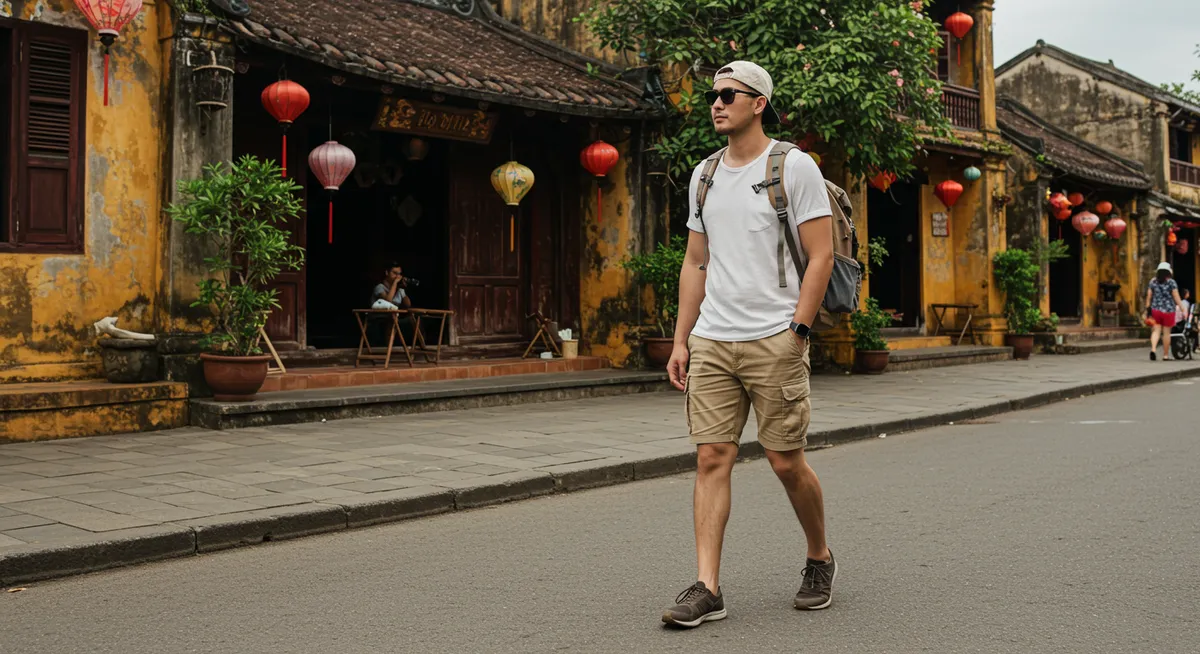
- Be sun and rain prepared: Pack a hat, sunglasses, sunscreen, and a lightweight rain jacket or poncho.
- Respect local culture: Cover shoulders and knees when visiting temples or sacred sites.
- Stay hydrated: Always carry a reusable water bottle and drink plenty of fluids.
Hoi An’s Climate: A Walker’s Guide to the Weather
Hoi An, nestled on Vietnam’s central coast, boasts a tropical monsoon climate characterized by two distinct seasons: the dry season and the rainy season. Understanding these weather patterns is crucial for planning your Hoi An walking tours, ensuring comfort and maximizing your enjoyment of this charming ancient town.
The Dry Season (February to August)
This period is generally considered the peak tourist season, and for good reason! Expect abundant sunshine, clear skies, and consistently high temperatures. Daytime averages typically hover between 28°C (82°F) and 35°C (95°F), often soaring higher in June, July, and August. Humidity levels are consistently high, frequently above 80%, which can make the heat feel even more intense.
- Walking Comfort: The combination of heat and humidity means you’ll sweat a lot. It’s vital to embrace the early mornings or late afternoons for your walking explorations when temperatures are slightly milder and the light is beautiful for photography. Midday walks can be draining, so plan for frequent breaks in shaded cafes or air-conditioned shops.
- What to Wear: Think light, breathable, and moisture-wicking fabrics like linen, cotton, or quick-dry synthetics. Light-colored clothing helps reflect sunlight. A wide-brimmed hat, sunglasses, and plenty of high-SPF sunscreen are non-negotiable. Comfortable, open-toed sandals or breathable walking shoes are ideal. Always carry a refillable water bottle and stay well-hydrated.
The Rainy Season (September to January)
While the name suggests constant downpours, the rainy season often brings intermittent showers rather than ceaseless rain. Temperatures are generally cooler, ranging from a pleasant 20°C (68°F) to 28°C (82°F). However, humidity remains high. The heaviest rainfall typically occurs from October to December. It’s also during this period that central Vietnam can experience tropical depressions or even typhoons, which can lead to significant flooding in Hoi An, particularly near the Thu Bon River.
- Walking Comfort: Cooler temperatures can make walking more comfortable, especially if you don’t mind a little rain. The ancient town often takes on a unique, mystical charm under cloudy skies or during a light drizzle. However, heavy rain can lead to slippery streets and occasional flooding, potentially disrupting tours.
- What to Wear: Pack quick-drying clothes. A lightweight, waterproof jacket or a compact poncho is essential. An umbrella is also highly recommended. While closed-toe, waterproof shoes are ideal for avoiding wet feet, many visitors opt for comfortable, quick-drying sandals if flooding isn’t severe. Be prepared for puddles and potentially muddy areas. Always check local weather forecasts before heading out.
Year-Round Walking Considerations
Regardless of the season, comfortable, broken-in walking shoes are paramount for navigating Hoi An’s charming but sometimes uneven streets. Hydration is always key – carry water and utilize the many local shops for refills. Be flexible with your schedule; if a torrential downpour hits in the rainy season, or the midday sun is simply too intense in the dry season, consider taking a break or shifting your tour times. Hoi An’s ancient charm can be enjoyed in various weather conditions, provided you’re adequately prepared and dressed for the climate.
Essential Clothing for Hoi An Walking Tours
Navigating the charming streets of Hoi An on foot is the best way to soak in its ancient beauty, vibrant markets, and serene temples. However, Hoi An’s tropical climate demands thoughtful consideration when it comes to your wardrobe. Choosing the right attire isn’t just about comfort; it’s about staying cool, managing sweat, and showing respect for local culture as you immerse yourself in the city’s unique rhythm.
Prioritizing Comfort: Lightweight & Breathable Fabrics
Hoi An is consistently warm and humid, with temperatures often soaring, especially from May to August. For extensive walking, your clothing needs to work with you, not against you. Focus on fabrics that excel at breathability and moisture management:
- Cotton: A timeless classic, cotton is breathable and soft, allowing air circulation. Opt for lighter weaves.
- Linen: The ultimate warm-weather fabric, linen is incredibly breathable, absorbent, and dries quickly. Its natural wrinkles add to a relaxed, travel-ready look.
- Rayon (Viscose): A semi-synthetic fabric derived from wood pulp, rayon drapes beautifully, feels silky, and is surprisingly breathable and absorbent, making it excellent for hot, humid conditions.
These fabrics are your best friends as they allow your skin to breathe, wick away sweat efficiently, and dry quickly – a huge advantage if you get caught in a sudden tropical shower or just need your clothes to air out overnight.
Loose Fits for Airflow and Freedom
Beyond fabric choice, the cut of your clothing is crucial for comfort during a Hoi An walking tour. Opt for loose-fitting, relaxed styles that allow for maximum airflow around your body. Tight clothing can trap heat and moisture, leading to discomfort and chafing, especially on long walks.
- For Women: Think flowy dresses, wide-leg pants, capris, and loose-fitting tops or blouses.
- For Men: Comfortable, loose-fitting T-shirts (cotton or linen blends) and shorts or lightweight trousers are ideal.
Loose attire helps dissipate heat, keeps you cooler, and ensures unrestricted movement as you explore the lantern-lit alleys and bustling riverside.
Cultural Sensitivity: Covering Up in Hoi An
Hoi An is a city steeped in tradition and home to numerous revered sites, including ancient assembly halls and temples like the Quan Cong Temple and the Phuc Kien Assembly Hall. When visiting these sacred places, and indeed throughout your interactions with the local community, it’s essential to dress respectfully. This means ensuring your shoulders and knees are covered.
- Shoulders: Avoid sleeveless tops or strappy dresses. T-shirts, blouses, or shirts that cover your shoulders are appropriate.
- Knees: Opt for shorts that reach at least to the knee, capris, trousers, or skirts/dresses that fall below the knee.
A lightweight scarf or sarong is an incredibly versatile accessory for your Hoi An walking tour. It can be quickly draped over your shoulders or wrapped around your waist to meet modesty requirements before entering a temple, and also offers excellent sun protection during your walks.
Color Me Cool: Embracing Lighter Hues
Just like in any hot climate, the color of your clothing makes a difference. Lighter colors (white, pastels, light blues, greens, and yellows) reflect sunlight, helping to keep your body temperature down. Darker colors, conversely, absorb sunlight, making you feel warmer. While a stylish outfit is always appealing, choosing lighter shades will contribute significantly to your comfort under the Vietnamese sun.
By thoughtfully selecting your essential clothing for Hoi An, you’ll ensure your walking tour is not only culturally enriching but also incredibly comfortable, allowing you to fully savor every moment of this enchanting ancient town.
Footwear: Your Foundation for Exploration
⭐ Recommendation: Don't miss out on amazing Hoi An tours - book now!
When preparing for your Hoi An walking tour, think of your footwear as the unsung hero of your exploration. It’s the foundation that supports every step you take, and choosing wisely can make the difference between a day of joyful discovery and one marred by discomfort. Given Hoi An’s unique charm, which includes its beautifully preserved ancient town with its famous lantern-lit streets and intricate alleyways, your feet will be doing a lot of work on diverse surfaces.
Your primary goal should be comfort and support. We strongly recommend packing a pair of well-broken-in, comfortable walking shoes or sneakers. Hoi An’s historic streets are famously paved with charming, but often uneven, cobblestones. Beyond the main thoroughfares, you’ll encounter a mix of compacted earth paths, worn flagstones, and even some narrow, slightly sloped alleys. Cushioned support is key to absorbing the impact of continuous walking and preventing fatigue, especially over extended periods. A good pair of athletic walking shoes will provide the stability and shock absorption necessary to navigate these varied terrains without complaint.
You might be tempted by the idea of sandals or flip-flops, especially given Hoi An’s often warm and humid climate. While they offer fantastic airflow and can be perfect for a short stroll to a cafe or a quick visit to a local market, they come with significant drawbacks for a dedicated walking tour. Most sandals lack the crucial arch and ankle support needed for long distances, leading to tired feet, sore arches, and even knee pain. They offer minimal protection from accidental stubbed toes on those tricky cobblestones or from debris that might be on the ground. For a truly immersive, full-day walking experience in Hoi An, save the flip-flops for your hotel room or a quick dip in the pool.
Consider Hoi An’s distinct weather patterns. If your visit falls during the rainy season (typically from October to January), water-resistant or even waterproof footwear becomes a non-negotiable. Sudden, heavy downpours are common, quickly leading to puddles and slick surfaces. Stepping into soggy shoes can quickly lead to discomfort and increase the risk of blisters. A pair of lightweight, waterproof walking shoes or sneakers will keep your feet dry and happy, allowing you to enjoy Hoi An’s atmospheric charm even when it’s drizzling.
And don’t forget your socks! This often-overlooked detail is critical for preventing blisters. Opt for moisture-wicking socks made from synthetic materials or merino wool. These materials draw sweat away from your skin, keeping your feet dry and reducing friction. Avoid cotton socks, which tend to absorb moisture and stay wet, turning your comfortable shoes into a blister-forming nightmare. Packing a couple of extra pairs of moisture-wicking socks is a smart move, especially if you anticipate a lot of walking or wet weather.
In essence, invest in your footwear. Your feet are your primary mode of transport in Hoi An, and treating them well ensures you can fully immerse yourself in the city’s magic without distraction.
Accessories for Comfort & Protection
While packing for your Hoi An walking tour, prioritize comfort and protection. Hoi An’s tropical climate brings intense sunshine, high humidity, and sudden downpours. Thoughtful accessories ensure you stay comfortable and focused, enhancing your exploration of the lantern-lit streets and vibrant markets.
Protection from the Sun
- Wide-Brimmed Hat: The Vietnamese sun, especially from March to September, is powerful. A wide-brimmed hat is your first defense, protecting your face, neck, and ears. While traditional nón lá are iconic, a lightweight, breathable travel hat offers more consistent shade and is less cumbersome for exploring.
- Sunglasses: Protect your eyes from the bright glare off ancient walls and the Thu Bon River. Polarized lenses are highly effective, reducing glare and enhancing visibility for clear views.
- High SPF Sunscreen: Even on cloudy days, UV penetration is significant. Apply a high SPF (50+) broad-spectrum sunscreen generously to all exposed skin, and reapply every few hours, especially if sweating. Humidity can be deceptive; sun intensity remains high.
Prepared for Rain
- Lightweight Rain Jacket or Compact Umbrella/Poncho: Hoi An’s weather is notoriously unpredictable, particularly during the wet season (October to February). Even the dry season can bring swift, intense showers. A lightweight, packable rain jacket or compact umbrella can be a lifesaver, allowing you to explore without getting drenched. Ponchos are a budget-friendly option found easily locally.
Essentials for Comfort & Hydration
- Small, Lightweight Daypack: An invaluable tool for hands-free exploration. Choose a breathable, compact daypack just large enough for your daily essentials without feeling bulky.
- Reusable Water Bottle: Staying hydrated is non-negotiable in Hoi An’s heat and humidity. Carry a reusable water bottle and refill frequently. Many Hoi An cafes, hotels, and shops offer water refilling stations, helping you stay cool while reducing plastic waste.
- Small Towel: A small, quick-drying towel (like a microfibre travel towel) is incredibly handy for wiping away sweat, especially during the hotter months (May to August). A simple addition that significantly boosts comfort.
- Portable Fan: For peak heat and humidity (typically May to August), a small, battery-operated portable fan is a godsend. Clip it to your daypack or hold it as you wander – that gentle breeze offers immense relief.
By preparing with these essential accessories, you’ll be ready to comfortably soak in every moment of your Hoi An walking tour, from bustling markets to the serene riverside, come rain or shine.
Dressing for Hoi An’s Diverse Walking Experiences
Hoi An isn’t just about one type of stroll; it invites you to explore diverse facets of its charm, each requiring slightly different considerations for your comfort and enjoyment. From ancient streets to verdant rice fields, dressing smart is key to a memorable walking tour.
General Weather Wisdom for Hoi An Walks
Hoi An’s tropical climate means heat and humidity are constant companions, especially during the dry season (February to August). The wet season (September to January) brings more rain. Regardless of the season, prioritize:
- Breathable Fabrics: Light cotton, linen, rayon, or moisture-wicking synthetics allow airflow and manage sweat.
- Light Colors: These reflect sunlight, keeping you cooler.
- Loose-Fitting Clothing: Maximizes airflow and prevents chafing in humidity.
- Sun Protection: A wide-brimmed hat, quality sunglasses, and high SPF sunscreen are non-negotiable for daytime walks.
- Footwear: Invest in comfortable, broken-in walking shoes, sandals with good arch support, or lightweight sneakers. You’ll cover significant ground!
Tailored Attire for Every Hoi An Expedition
Historic Old Town Exploration
Wandering the UNESCO-listed Ancient Town means navigating charming cobblestone streets and visiting historic temples. Here, cultural sensitivity meets comfort:
- Clothing: Opt for light, breathable tops and bottoms that cover your shoulders and knees. This is respectful when entering pagodas or family homes. Think flowy skirts, light trousers, knee-length shorts, or modest dresses paired with a light t-shirt or blouse.
- Footwear: Flat, comfortable walking sandals or sneakers are ideal. Avoid high heels or flimsy flip-flops on uneven surfaces.
- Essentials: A small, secure cross-body bag, water bottle, and perhaps a light scarf for easy covering.
Countryside & Rice Paddy Walks
Venturing into lush green landscapes requires more robust gear:
- Clothing: Lightweight long pants (linen or quick-drying synthetics) protect against sun exposure, vegetation, and mosquitoes. A light, long-sleeved top can offer similar protection.
- Footwear: Closed-toe shoes with good grip are essential. Sneakers or light hiking shoes will protect your feet from mud and uneven paths. Expect muddy patches, especially after rain.
- Essentials: A larger water bottle, insect repellent, and possibly a small towel.
Market Exploration (e.g., Hoi An Central Market)
A bustling, vibrant experience where you’ll be weaving through crowds:
- Clothing: Easy-to-move-in clothing like shorts, t-shirts, or simple dresses. Comfort is key in tight spaces.
- Footwear: Comfortable sandals or slip-on shoes are fine on generally flat surfaces.
- Essentials: A secure, hands-free bag (cross-body is perfect) to keep belongings safe while you browse. Consider a reusable shopping bag!
Evening Lantern Walks
As dusk falls, Hoi An transforms into a magical wonderland. Evenings are still warm but slightly cooler:
- Clothing: Continue with light layers. Comfortable, casual-to-smart-casual attire is perfect – a flowy dress, nice linen shirt, or comfortable shorts/skirt with a stylish top works well.
- Footwear: Keep it comfortable for walking along the riverfront and through the Old Town’s pedestrian areas. Stylish but flat sandals or sneakers are perfect.
- Essentials: Insect repellent is a must as mosquitoes emerge at dusk.
By preparing for each unique Hoi An walking experience, you’ll ensure comfort, cultural respect, and maximize your enjoyment of this truly enchanting city.
Local Insights & Expert Tips
⭐ Recommendation: Don't miss out on amazing Hoi An tours - book now!
Navigating Hoi An’s charming streets on foot is an unforgettable experience, but a little local insight can make all the difference to your comfort. Here’s how to dress smart and stay prepared for the Ancient Town’s unique rhythm and climate.
Master the Art of Layering
Hoi An’s weather can be a delightful paradox, shifting subtly throughout the day. Mornings can begin with a pleasant, humid coolness, giving way to significant heat and strong sunshine by midday. As evening approaches, a gentle breeze often sweeps through, making it wonderfully comfortable. The key to staying comfortable through these transitions is strategic layering.
- For the Heat: Opt for a lightweight, breathable base layer. Materials like cotton, linen, or moisture-wicking synthetics are your best friends. These will help manage sweat and keep you feeling fresh.
- For Temperature Swings & Temples: Carry a light scarf, sarong, or thin long-sleeved shirt. This provides warmth if a sudden shower brings a chill or if you find yourself in an air-conditioned cafe. Crucially, it’s essential for modesty when visiting Hoi An’s many beautiful temples and pagodas, where shoulders and knees should be covered.
- Sun Protection: Even in the dry season, the sun is intense. A light long-sleeved top can protect you from sunburn without adding bulk.
Embrace Quick-Drying Fabrics & Local Style
Hoi An’s tropical humidity means that clothes take longer to dry. Prioritizing quick-drying fabrics, whether natural (like linen) or technical, will be a game-changer for mid-trip laundry and general comfort. After a sweaty walk or a sudden tropical downpour, you’ll appreciate how fast they dry on the line or even on your body.
You’ll notice locals often wear loose, flowy styles – and for good reason! This isn’t just a fashion statement; it’s practical for the climate. Think breathable linen trousers, comfortable shorts, and loose-fitting tops or dresses. Not only will you blend in with the relaxed, artistic vibe of Hoi An, but you’ll also stay much cooler. Consider having a few items custom-made by one of Hoi An’s renowned tailors – it’s a fantastic souvenir and practical for your remaining travels.
Accessorize Like a Local: Nón Lá & Scarves
Two essential accessories will enhance your Hoi An walking experience: the Nón Lá (conical hat) and a versatile scarf.
- Nón Lá: This iconic Vietnamese hat is more than just a souvenir; it’s an incredibly effective sun shield. Its wide brim provides excellent shade for your face and neck, and it’s surprisingly breathable. You can purchase these from almost any market vendor or street stall, especially around the Hoi An Central Market or the night market. Don’t be afraid to haggle gently!
- Scarves: Beyond temple modesty, a lightweight scarf can be a lifesaver. Use it to protect your neck from the sun, wipe away sweat, or even as a makeshift head covering if you’re feeling the heat.
Your Essential ‘Emergency Kit’
For any serious walking tour, a small, well-stocked ’emergency kit’ can prevent minor annoyances from becoming major discomforts. Pack these items in a small pouch in your daypack:
- Blister Plasters (Bandaids): Essential for comfortable walking. The combination of humidity, sweat, and new walking shoes can quickly lead to blisters.
- Insect Repellent: Especially crucial for evenings by the Thu Bon River or near any lush gardens. Mosquitoes can be prevalent, particularly during the wet season.
- Rehydration Salts: The heat and humidity, combined with extensive walking and perhaps sampling a little too much delicious street food, can lead to dehydration. A sachet of rehydration salts mixed with bottled water can quickly restore your electrolytes and energy levels.
By preparing with these local insights and practical tips, you’ll be ready to comfortably explore every enchanting corner of Hoi An, no matter the season.
Frequently Asked Questions
Q: Do I need special shoes for free walking tours in Hoi An?
A: While not ‘special,’ comfortable, supportive walking shoes or sneakers are highly recommended. The Old Town’s cobblestones can be uneven, and countryside paths may be muddy. Avoid new shoes that haven’t been broken in.
Q: Can I wear shorts or short skirts in Hoi An?
A: Yes, generally shorts and skirts are fine for everyday wear in Hoi An. However, if your walking tour includes visits to pagodas, temples, or local homes, it’s respectful to have something to cover your shoulders and knees. Many travelers carry a lightweight scarf or sarong for this purpose.
Q: What if it rains during my walking tour?
A: Hoi An experiences significant rain, especially from September to January. A lightweight, packable rain jacket or a compact umbrella/poncho is a must-have. Don’t let a shower stop your exploration; a rainy Hoi An has its own unique charm, often making for stunning photos!
Q: Should I worry about mosquitoes while walking?
A: Yes, especially during the rainy season or when walking in the countryside, near rice paddies, or during dawn/dusk. Wearing long pants and sleeves (in breathable fabrics) can help, and always apply insect repellent, especially on exposed skin.
Equipped with the right attire, your Hoi An walking tour transforms from a simple stroll into an immersive cultural journey. From the vibrant yellow walls of the Old Town to the serene green of the rice fields, every step becomes an opportunity for discovery. So, pack smart, embrace the local charm, and get ready to create lasting memories on foot in the enchanting town of Hoi An!