
Best Time for Vienna Walking Tours: Your Seasonal Guide (2026)
Discover the best times for Vienna walking tours! Our guide covers seasonal highlights, practical tips, and local insights for an unforgettable on-foot exploration of the city.
On this page
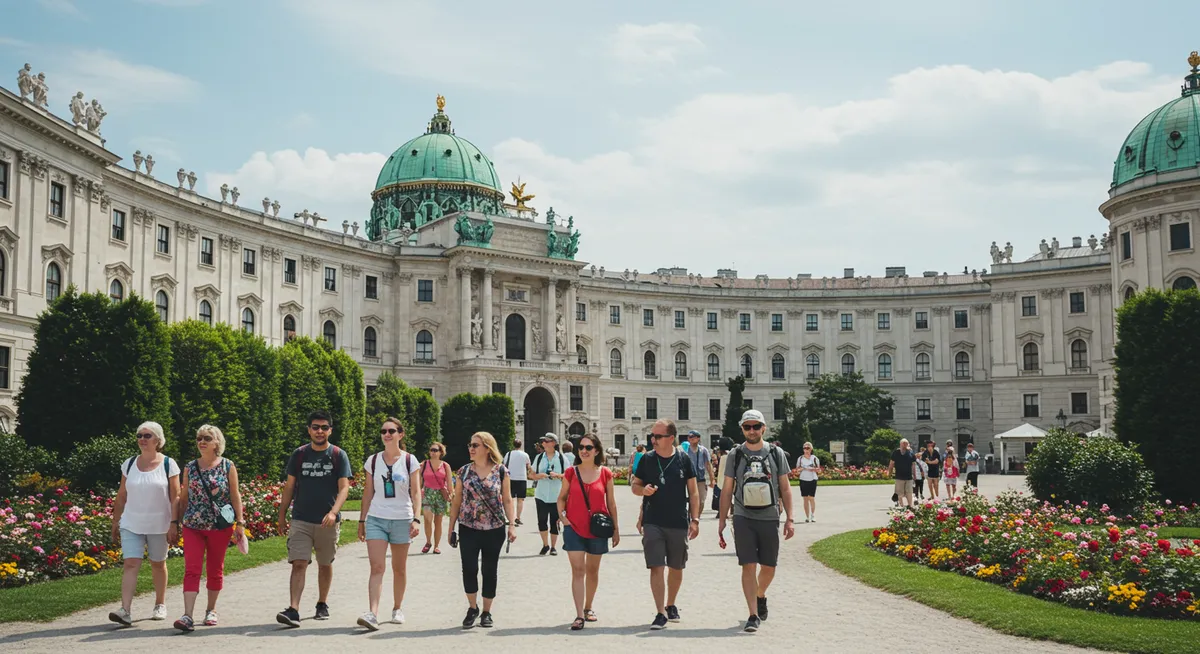
Vienna, a city of imperial grandeur, artistic masterpieces, and cozy coffee houses, truly comes alive when explored on foot. Its compact historic center, charming cobblestone streets, and magnificent architecture make it a dream destination for walking enthusiasts. But when is the ‘best’ time to lace up your walking shoes and embark on a Viennese adventure? This comprehensive guide will help you navigate the seasonal nuances, ensuring your walking tour experience in Austria’s capital is nothing short of magical.
Key Tips and Takeaways
- Vienna is highly walkable year-round, but spring and autumn offer the most comfortable weather.
- Always wear comfortable, broken-in walking shoes, regardless of the season.
- Layer your clothing; Vienna’s weather can change quickly.
- Stay hydrated, especially during summer months.
- Consider themed walking tours to delve deeper into specific aspects of Vienna’s history and culture.
- Utilize Vienna’s efficient public transport (U-Bahn, tram) to cover longer distances between walking areas.
- Book guided tours in advance, especially during peak season or for popular themes.
- Embrace a coffee house break or a ‘Heuriger’ visit as part of your walking experience.
Why Vienna is a Walker’s Paradise
Vienna isn’t just beautiful; it’s practically designed for discovery on foot. Its unique layout and pedestrian-centric infrastructure make it an absolute dream for anyone eager to lace up their shoes and explore. Forget the hassle of traffic or the limitations of tour buses; walking allows you to truly immerse yourself in the city’s inimitable charm.
One of Vienna’s greatest assets for walkers is its incredibly **compact and easily navigable city center**. The Innere Stadt (1st District), encircled by the grand Ringstrasse boulevard, houses a treasure trove of iconic landmarks within a remarkably small radius. Imagine strolling from the Gothic splendor of St. Stephen’s Cathedral, past the opulent Hofburg Imperial Palace, and onwards to the historic Michaelerplatz, all within a matter of minutes. This proximity means you spend less time commuting and more time experiencing, allowing you to absorb the atmosphere of grand squares, hidden courtyards, and charming alleyways that vehicles simply can’t access.
Beyond its central core, Vienna boasts wide, well-maintained sidewalks and numerous **pedestrian zones**, such as the bustling Kärntner Straße and the elegant Graben, creating a safe and pleasant environment for leisurely exploration. The generally flat terrain in the city’s historic heart further enhances its walkability, making it accessible for all fitness levels. You’ll find yourself naturally slowing down, able to admire the intricate Baroque facades, the subtle Art Nouveau details, and the vibrant street life that often goes unnoticed from a car window or the rush of public transport.
What truly elevates Vienna to a walker’s paradise is its seamless **integration of an exceptional public transport system**. While walking is paramount for deep dives into neighborhoods, Vienna’s efficient U-Bahn (metro), tram, and bus networks are perfectly poised to assist. Need to get from the city center to Schönbrunn Palace or the vibrant Naschmarkt? A quick tram or U-Bahn ride gets you there in minutes, allowing you to save your steps for the specific areas you wish to explore on foot. Investing in a 24, 48, or 72-hour public transport pass is a smart move, offering unlimited travel and the flexibility to combine extensive walking tours with convenient hops across the city.
Ultimately, choosing to explore Vienna on foot offers a **unique and intimate perspective** that other modes of transport simply cannot replicate. It’s about feeling the cobblestones under your feet, hearing the distant chime of a church bell, catching the aroma of freshly baked goods from a traditional bakery, and stumbling upon unexpected delights like a hidden fountain or a quiet garden. You become a flâneur, a leisurely observer, truly connecting with the city’s rhythm and history. This deep engagement is why walking tours aren’t just a way to see Vienna; they are the best way to experience Vienna.
Understanding Vienna’s Climate: A Brief Overview
Vienna experiences a classic Central European continental climate, meaning you’ll encounter four distinct seasons, each with its own unique charm and implications for your walking adventures. Understanding these seasonal shifts in temperature, precipitation, and daylight hours is key to packing appropriately and planning the most enjoyable walking tours.
Spring (March – May): The Awakening City
As winter’s chill recedes, Vienna awakens with blossoming parks and gardens. Temperatures in spring typically range from a brisk 5-10°C (41-50°F) in early March, steadily climbing to a pleasant 15-20°C (59-68°F) by late May. While increasing daylight hours provide ample time for exploration (from roughly 11 hours in March to over 15 hours in May), spring can be notoriously unpredictable. Expect a mix of bright sunshine and occasional, often sudden, rain showers. For walkers, this means layering is essential – a light jacket over a sweater, perhaps a t-shirt underneath, and always an umbrella or compact rain jacket. The air is often crisp and fresh, perfect for strolling through the Schönbrunn Palace gardens or along the Ringstrasse as the city bursts into color.
Summer (June – August): Long Days and Warm Evenings
Vienna’s summers are generally warm to hot, with average temperatures hovering between 20-25°C (68-77°F), though heatwaves pushing well above 30°C (86°F) are not uncommon. Daylight hours are at their longest, extending past 9 PM in mid-summer, offering fantastic opportunities for late-evening walks or enjoying al-fresco dining after your tour. While generally sunny, summer also sees the highest chance of intense, but usually brief, thunderstorms. Hydration is paramount for walkers during these months – carry plenty of water, wear light, breathable clothing, and utilize Vienna’s many shaded avenues and courtyards for respite. Early morning or late afternoon walks are often the most comfortable ways to explore without battling the midday sun.
Autumn (September – November): Golden Hues and Crisp Air
Autumn in Vienna is a visually stunning season, with tree-lined streets and parks turning vibrant shades of gold and crimson. Temperatures gracefully descend from a comfortable 15-20°C (59-68°F) in September to a cooler 5-10°C (41-50°F) by November. Daylight hours steadily shorten, from about 13 hours in September to around 9 hours by the end of November. Precipitation increases as the season progresses, meaning more frequent rain and cooler, damp air, particularly in October and November. For walking tours, sturdy, waterproof footwear and layered clothing are recommended. A good quality waterproof jacket becomes essential, allowing you to comfortably enjoy the city’s autumnal beauty, perhaps with a stop at a cozy café for a warm drink.
Winter (December – February): A Festive, Chilly Charm
Vienna’s winters are cold, with average temperatures often hovering around freezing, ranging from -2°C to 5°C (28-41°F). Snowfall is possible, though not guaranteed, and the city can look magical blanketed in white. Daylight hours are at their shortest, offering only 8-9 hours of light, which impacts the timing of your walking tours. While some days can be crisp and sunny, others are often grey and damp with rain or sleet. For winter walkers, thermal layers, warm hats, gloves, scarves, and waterproof, insulated boots with good grip are crucial. Factor in regular breaks to warm up indoors at a museum, a traditional coffee house, or one of Vienna’s famous Christmas markets (if visiting in December). Despite the chill, the festive atmosphere and fewer crowds can make winter walking in Vienna a unique and rewarding experience.
Springtime Strolls (April-May): Blooming Beauty & Mild Breezes
💡 Pro Tip: Book your Vienna adventures in advance through Viator for the best deals!
As the chill of winter recedes, Vienna truly blossoms, making April and May an absolutely idyllic time for exploring the city on foot. This period offers the perfect blend of mild temperatures, emerging vibrant colors, and fewer crowds compared to the peak summer months, allowing for a more relaxed and intimate walking experience.
Temperatures typically range from a comfortable 10°C to 20°C (50°F to 68°F), often accompanied by gentle breezes that make strolling through Vienna’s historic streets and expansive parks a sheer delight. The air feels crisp and fresh, invigorating your senses as you uncover the city’s architectural grandeur and hidden gems.
One of the undeniable highlights of springtime in Vienna is the spectacular blooming of its world-renowned palace gardens. A walk through the Schönbrunn Palace Gardens is an absolute must. Here, the meticulously manicured flowerbeds burst into a symphony of color with tulips, daffodils, and hyacinths creating breathtaking displays. Ascend to the Gloriette for panoramic views over the sprawling gardens and the city skyline, all framed by the fresh spring foliage. Equally captivating are the Baroque gardens of the Belvedere Palace, where the formal symmetry of the landscape is softened by vibrant floral arrangements, providing a picturesque backdrop for Gustav Klimt’s masterpieces within.
Beyond the grand palaces, Vienna’s outdoor café culture truly awakens in spring. The city’s famous *Schanigärten* (outdoor terraces) begin to unfurl, inviting you to pause for a coffee and a slice of *Apfelstrudel* outdoors. There’s nothing quite like resting your feet after a long walk, soaking in the gentle sunshine, and people-watching from a bustling street-side café. This emerging vibrancy adds an extra layer of charm and *Gemütlichkeit* to your explorations.
Early spring visitors might even catch the tail end of traditional Easter markets, which typically run until Easter Monday. While not always extending far into April, if your trip coincides, you’ll be treated to a delightful array of handcrafted goods, traditional foods, and festive decorations, often found in charming squares like Freyung or Schönbrunn Palace forecourt.
To ensure your springtime walking tours are as enjoyable as possible, here’s some practical advice:
- Dress in Layers: Spring weather in Vienna can be variable. A light waterproof jacket, a sweater, and a t-shirt will allow you to adapt comfortably to temperature changes throughout the day.
- Comfortable Footwear is Key: Vienna’s historic center boasts beautiful cobblestone streets. Ensure you wear broken-in, supportive walking shoes to prevent discomfort, especially on longer tours.
- Carry Water: Even mild temperatures can lead to dehydration when you’re walking for hours. Stay hydrated.
- Check Opening Hours: While gardens are generally open, specific attractions or café *Schanigärten* might have slightly different opening hours in the shoulder season compared to peak summer.
Summer Expeditions (June-August): Vibrant & Bustling
Vienna truly comes alive during the summer months from June to August, transforming into a vibrant, bustling city perfect for exploring on foot. While temperatures can range from warm to genuinely hot (often 25-35°C / 77-95°F), and the city experiences its peak tourist season, the extended daylight hours and electrifying atmosphere offer unique opportunities for memorable walking tours.
To make the most of your summer expeditions and avoid the midday heat and largest crowds, strategic planning is key. We highly recommend scheduling your walking tours for the early mornings or late afternoons/evenings. An 8:00 AM or 9:00 AM start allows you to enjoy iconic sites like the expansive gardens of Schönbrunn Palace or the grandeur of the Hofburg Imperial Palace complex before the main rush and when the air is still relatively cool. Alternatively, consider a late afternoon or early evening tour, perhaps starting around 6:00 PM. This provides cooler temperatures, softer light for photography, and the chance to witness Vienna’s architectural marvels, such as St. Stephen’s Cathedral and the illuminated Graben, in a different, enchanting ambiance.
Summer in Vienna also means an abundance of outdoor events that can perfectly complement your walking explorations. From late June through August, the Rathausplatz (City Hall Square) transforms into a culinary and cultural hotspot with the Film Festival on Rathausplatz, offering free opera and concert screenings alongside an array of international food stalls – a fantastic evening activity after a day of walking. You’ll also find various open-air concerts and festivals scattered throughout the city. For a refreshing escape from the urban core, consider heading to the Danube Island (Donauinsel), a 21 km long recreational paradise perfect for walking, cycling, or simply relaxing by the water. While not a traditional guided tour, it offers a wonderful opportunity for a leisurely stroll away from the city center’s hustle.
Given the warm conditions, prioritizing comfort and health is paramount for your summer free walking tours in Vienna. Here are essential tips:
- Hydration is Key: Always carry a reusable water bottle. Vienna boasts numerous public drinking fountains (Trinkbrunnen) dispensing fresh Alpine spring water, perfect for refills.
- Sun Protection: Don’t underestimate the sun. Apply high-SPF sunscreen, wear a wide-brimmed hat, and sunglasses, especially if you’re spending extended periods outdoors.
- Appropriate Attire: Opt for light-colored, loose-fitting, breathable fabrics (cotton, linen) that wick away moisture.
- Comfortable Footwear: Choose well-broken-in, comfortable walking shoes with good support. Your feet will thank you after navigating Vienna’s cobblestone streets.
- Strategic Breaks: Don’t hesitate to pop into a museum for a dose of air conditioning, enjoy a refreshing drink at one of Vienna’s many traditional coffee houses, or seek out shaded parks like the Burggarten or Volksgarten for a rest.
While the heat and crowds might require a bit more planning, Vienna’s vibrant summer energy, coupled with its fantastic outdoor events and extended daylight, makes it an incredibly rewarding time for walking tours. Embrace the lively atmosphere, stay prepared, and you’ll discover a magical side of the city.
Autumn Ambles (September-October): Golden Hues & Cultural Richness
💡 Pro Tip: Book your Vienna adventures in advance through Viator for the best deals!
As the vibrant summer warmth gently recedes, Vienna embraces a spectacular transformation, making Autumn Ambles
from September to October an unparalleled time for walking tours. The air turns refreshingly crisp, yet remains pleasantly mild, with temperatures typically hovering between 10-20°C (50-68°F). This creates ideal conditions for extended explorations on foot, allowing you to immerse yourself fully in the city’s charm without the summer heat or winter chill.
One of autumn’s greatest gifts in Vienna is the breathtaking fall foliage. Parks like the expansive Schönbrunn Palace gardens, the serene Stadtpark (home to the Johann Strauss monument), and the elegant Volksgarten burst into a kaleidoscope of golden, crimson, and amber hues. Imagine strolling along tree-lined avenues, leaves crunching underfoot, as historic palaces and monuments provide a stunning backdrop.
For a truly authentic Viennese experience, venture to the city’s outskirts, particularly the charming wine village of Grinzing. Here, the vineyards that carpet the hillsides transform into a fiery tapestry of red and orange. A Heuriger
walk through these vineyards is a must-do. These traditional Viennese wine taverns (identifiable by a bush or “Ausg’steckt” sign outside) open seasonally to serve their own young wine alongside hearty local dishes. Walking between these welcoming establishments, you can enjoy the stunning scenery, savor the new wine, and soak in the gemütlich (cozy) atmosphere.
Autumn also marks the exhilarating start of Vienna’s world-renowned cultural season. The Vienna State Opera, Musikverein, and Konzerthaus unveil their packed schedules of opera, classical concerts, and ballet. While not walking tours themselves, your strolls through the city center will often lead you past these magnificent venues, perhaps inspiring you to catch an evening performance after a day of exploration.
A significant advantage of visiting in autumn is the welcome decrease in tourist crowds compared to the peak summer months. Attractions like St. Stephen’s Cathedral, Hofburg Palace, and the MuseumsQuartier feel more spacious, allowing for a more relaxed and intimate walking experience. You’ll find it easier to linger, absorb the details, and capture unobstructed photos.
Practical Advice for Autumn Walks:
- Layer Up: The weather can be changeable. A light jacket or a warm sweater combined with a waterproof outer layer is ideal. You can easily add or remove layers as the day progresses.
- Footwear: Comfortable, waterproof walking shoes are highly recommended, especially if you plan to explore vineyard paths or potentially encounter damp leaves.
- Heuriger Etiquette: Most Heuriger are cash-only and operate on a self-service basis for food. Don’t be afraid to ask for recommendations for local wine!
- Cultural Bookings: If attending an opera or concert is on your agenda, book tickets well in advance, as the season opening is highly anticipated by locals and visitors alike.
Embrace the golden hues and rich cultural tapestry of Vienna in autumn; it’s a truly magical time to discover the city on foot.
Winter Walks (November-March): Cozy Charm & Festive Spirit
While Vienna’s vibrant parks and outdoor cafes might hibernate in winter, the city transforms into a truly enchanting wonderland, offering a distinct and equally rewarding experience for walkers. From November to March, embrace the cooler temperatures, the possibility of picturesque snowfall, and shorter daylight hours as Vienna unveils its cozy charm and festive spirit.
The undisputed highlight of early winter (late November through December) is Vienna’s spectacular array of Christmas markets. Walking tours during this period are simply magical. Imagine strolling through illuminated squares like the iconic Rathausplatz Christkindlmarkt, the elegant Schönbrunn Palace Christmas Market, or the charming Spittelberg market. The air is thick with the scent of roasted chestnuts, gingerbread, and steaming Glühwein (mulled wine), inviting you to warm your hands and sample local treats. Many guided tours specifically focus on these markets, allowing you to immerse yourself in the festive atmosphere while learning about Viennese traditions. Even without a specific market tour, navigating between these festive hubs on foot is an essential part of the experience.
Post-Christmas, from January to March, Vienna transitions into a quieter, more serene beauty. The festive lights are gone, but the city’s classical architecture often appears even more majestic against a crisp winter sky, sometimes dusted with snow. This period offers the advantage of fewer crowds, making it ideal for exploring major attractions at a more leisurely pace. While some outdoor segments might be brisk, you’ll find shorter queues at popular indoor sights like the Hofburg Palace, Schönbrunn Palace (indoors), or any of Vienna’s world-class museums.
For comfortable winter walking tours in Vienna, practical preparation is key:
- Layer Up: The weather can change quickly. Start with thermal underwear, add a warm fleece or sweater, and top with a waterproof and windproof outer jacket. A warm hat, gloves, and a scarf are absolute essentials to protect against the chill.
- Footwear is Paramount: Opt for sturdy, waterproof, and comfortable boots with good grip. Vienna’s cobbled streets can become slippery with rain or snow, and slush is common. Keep your feet warm and dry, and your walks will be much more enjoyable.
- Embrace Shorter Days: With earlier sunsets, consider starting your walks earlier in the day to maximize daylight. Alternatively, embrace the charm of evening walks, particularly for illuminated market tours or enjoying the city lights.
Consider booking tours that cleverly combine outdoor exploration with frequent indoor breaks. Many excellent tours will lead you through charming streets, making regular stops inside magnificent churches, grand palaces, or, most importantly, Vienna’s famous coffee houses. These historic Kaffeehäuser are a quintessential Viennese experience and provide the perfect opportunity to warm up with a rich coffee and a slice of cake before continuing your urban adventure. Winter walking in Vienna offers a unique, cozy perspective on this grand city, revealing a quieter beauty often overlooked by summer visitors.
Special Considerations & Events for Your Walking Tour
Vienna is a city of vibrant culture and endless events, and while these occasions add to its charm, they can significantly influence your walking tour experience. Being aware of major happenings and public holidays will help you plan your itinerary effectively and ensure a smoother, more enjoyable exploration on foot.
Navigating Major Events
-
Vienna City Marathon (April)
Typically held in April, the Vienna City Marathon is a spectacular event, but it brings extensive road closures, particularly along the iconic Ringstrasse and other central routes. If you plan to walk along major boulevards or through areas like Prater, Hofburg, or Schönbrunn, be prepared for diversions, crowded streets, and limited pedestrian access. Public transport might also be affected. Check the exact dates well in advance and consider focusing your walking tours on less impacted districts or specific neighborhoods like the Spittelberg or Freihausviertel on race day. This is also a peak time for accommodation bookings, so secure your stay far in advance.
-
New Year’s Eve Trail (Silvesterpfad)
Vienna transforms into a giant party zone on December 31st with the “Silvesterpfad” (New Year’s Eve Trail). The city center, especially around Stephansplatz, Graben, and Hofburg, becomes incredibly crowded with designated walking routes, stages for live music, and food stalls. While an incredible atmosphere, it’s not the time for a leisurely, detailed walking tour focused on historical commentary. Pedestrian movement is heavily controlled, and you’ll be moving with the flow of thousands. If you’re in Vienna for New Year’s, embrace the festive chaos, but save your in-depth walking tours for the days before or after.
-
Summer Festivals & Market Season
Vienna hosts numerous festivals throughout the year, especially from late spring through autumn. Key examples include the Donauinselfest (Danube Island Festival, late June – Europe’s largest open-air festival), the Film Festival at Rathausplatz (July/August), and various music festivals like the Vienna Jazz Festival. While most of these don’t close off the entire city, they do create localized congestion. The areas around the main festival venues will be significantly busier. For instance, walking tours around the Rathausplatz during the Film Festival will be challenging due to crowds and infrastructure. Similarly, the beloved Christmas Markets (mid-November to late December) transform squares like Rathausplatz, Karlsplatz, and Freyung into bustling hubs, making detailed walking tours through these specific areas slower and more about soaking in the festive atmosphere than historical insight.
-
Public Holidays
Austria observes several public holidays throughout the year (e.g., Easter Monday, May 1st, National Day on October 26th, All Saints’ Day on November 1st, Christmas Day, New Year’s Day). On these days, many shops and some attractions may be closed or operate on reduced hours. Public transport typically runs on a Sunday schedule. While this can mean quieter streets for walking, it’s crucial to check the opening times of museums and attractions you plan to visit to avoid disappointment. Walking tours focusing purely on exterior architecture will be less affected, but any tour intending to enter buildings will need careful planning.
Actionable Tips for Your Walking Tour
- Check Local Event Calendars: Before your trip, consult official Vienna tourism websites (e.g., wien.info) for event listings. This will give you a heads-up on any major happenings during your visit.
- Book in Advance: During major events or popular festival seasons, accommodation prices can skyrocket, and availability can dwindle. Book your hotel and any guided walking tours (especially private ones) well in advance to secure your spot and potentially better rates.
- Be Flexible: Be prepared to adapt your walking tour routes. If a specific area is unexpectedly closed or overly crowded due to an event, have an alternative route or neighborhood in mind to explore.
- Embrace the Buzz: Sometimes, the crowds and the festive atmosphere are part of the unique Viennese experience. While a quiet, contemplative walk might be impossible, lean into the energy and enjoy the city’s vibrant side!
Practical Tips for Any Season: Vienna on Foot
No matter the season, a successful Vienna walking tour hinges on smart preparation. The city’s charming cobbled streets, expansive imperial gardens, and grand boulevards are best explored on foot, but only if you’re well-equipped. Here are essential practical tips to ensure your Vienna walking experience is enjoyable, comfortable, and safe.
-
Comfortable Footwear is Non-Negotiable: Vienna’s historic center, from the Hofburg Palace to Stephansplatz, is beautiful but characterized by uneven cobblestones and pavements. Forget fashion over function for your main touring days. Opt for well-broken-in, supportive walking shoes or sturdy sneakers with good cushioning. Your feet will thank you after miles of exploring magnificent palaces and engaging museums.
-
Master the Art of Layering: Vienna’s weather can be notoriously changeable, even within a single day. Spring and autumn can see sunshine turn to showers, while winter days might start frosty and warm up slightly. Summer evenings can get cool. Pack layers: a light t-shirt, a long-sleeved top, a warm sweater or fleece, and a waterproof yet breathable jacket. This versatility allows you to adapt to any temperature fluctuations without missing a beat.
-
Stay Hydrated: Walking for hours can be dehydrating. Always carry a reusable water bottle. Vienna boasts excellent tap water, and during warmer months, you’ll find numerous public drinking fountains (Trinkwasserbrunnen) dotted across parks and squares, especially in areas like the Prater or along the Ringstrasse. Staying hydrated keeps your energy levels up and helps you focus on Vienna’s stunning architecture.
-
Integrate Public Transport: While walking is ideal for soaking in Vienna’s atmosphere, the city is vast. Don’t hesitate to use Vienna’s incredibly efficient public transport system (Wiener Linien). The U-Bahn (subway), trams, and buses are perfect for covering longer distances between districts – for instance, from the city center to Schönbrunn Palace, or when your feet need a break. Consider purchasing a 24, 48, or 72-hour pass for unlimited travel.
-
Safety First: Vienna is generally a very safe city, but always practice common urban safety. Be mindful of your surroundings, especially in crowded tourist areas like the Naschmarkt or around major attractions, where petty theft can occur. When crossing streets, use designated pedestrian crossings (Zebrastreifen). While Viennese drivers are typically courteous, always make eye contact and ensure it’s safe to proceed.
-
Leverage Offline Maps: Don’t rely solely on having mobile data. Download offline maps of Vienna using apps like Google Maps or Maps.me before you head out. This ensures you can navigate narrow alleyways and expansive parks without interruption, even if your signal drops or you want to conserve battery.
-
Guided vs. Self-Guided Tours:
- Guided Tours: These offer invaluable local insights, historical context, and often reveal hidden gems you might otherwise miss. From free walking tours that cover the main sights to specialized tours focusing on Habsburg history, classical music, or Viennese coffee house culture, there’s a guided option for every interest. They remove the stress of navigation and provide a deeper understanding.
- Self-Guided Tours: If you prefer flexibility, a self-guided approach is perfect. Plan your routes in advance, utilizing online resources or guidebooks. This allows you to explore at your own pace, linger longer at favorite spots, and deviate from the path whenever curiosity strikes. Many apps also offer audio guides that you can follow independently.
By keeping these practical tips in mind, you’re set to embrace Vienna’s walking wonders, regardless of the time of year. Lace up, layer up, and get ready to discover the imperial charm of this magnificent city on foot!
Navigating Vienna’s Walking Tour Ecosystem
💡 Pro Tip: Book your Vienna adventures in advance through Viator for the best deals!
Vienna’s rich tapestry of history, art, and culture truly comes alive when explored on foot. The city offers an incredible array of walking tours, catering to every interest and budget, making it easy to find the perfect way to immerse yourself in its imperial grandeur and charming alleyways. Understanding this ecosystem will help you pick a tour that aligns with your travel style and preferences.
Diverse Themes and Experiences
You’ll find a tour for almost anything you can imagine in Vienna. The most popular options often delve into the city’s imperial past, covering the Habsburg dynasty, Schönbrunn Palace (though its vast grounds warrant a separate visit), the Hofburg, and the stunning Ringstrasse. But the offerings extend far beyond general history:
- Themed Tours: For film buffs, the “Third Man” tour takes you through the atmospheric locations of the iconic 1949 noir film. History enthusiasts might prefer tours focused on Empress Sisi’s life, or the Jewish Quarter. Music lovers are spoilt for choice with tours dedicated to Vienna’s legendary composers like Mozart, Beethoven, and Strauss, exploring their former residences and performance venues. There are also tours highlighting Vienna’s magnificent Art Nouveau architecture or its hidden courtyards.
- Culinary and Food Tours: Dive into Vienna’s gastronomic delights with tours focused on the Naschmarkt, exploring local delicacies, coffee house culture, or even wine tasting in the city’s vineyards. These tours often combine history with delicious tastings.
- Free Walking Tours: Often run on a tip-only basis, these tours are popular among budget travelers. While they offer a great introduction to the city’s highlights and are led by enthusiastic guides, be prepared for larger group sizes and less personalized experiences. Remember that tipping generously is expected if you enjoyed the tour.
- Private Tours: For a more personalized and flexible experience, consider a private guide. These tours can be customized to your specific interests, pace, and schedule, allowing you to delve deeper into topics or areas that particularly intrigue you. They are ideal for families, small groups, or those with specific accessibility needs.
Choosing and Booking Your Ideal Tour
The Invaluable Role of Local Guides
While self-guided walks are charming, a local guide elevates your experience immeasurably. They offer more than just historical facts; they bring the city to life with anecdotes, personal insights, and local perspectives you won’t find in a guidebook. They can navigate you through bustling streets or discover hidden gems, answer your questions, and share cultural nuances that enhance your understanding of Vienna. Their passion and knowledge create a truly immersive and unforgettable walking tour experience, often revealing Vienna’s soul in ways a solitary exploration cannot.
Local Insights & Expert Tips for Walkers
To truly unlock Vienna’s magic on foot, embracing local insights will elevate your experience from a simple stroll to an unforgettable journey. Beyond the well-trodden paths, there’s a quieter, more authentic Vienna waiting to be discovered, full of charm and unexpected delights.
Mastering the Crowds: Best Times for Iconic Spots
While Vienna’s major attractions are stunning at any time, strategic timing can make all the difference for an optimal walking experience. For serene photos and a more intimate visit to **Schönbrunn Palace**, especially if your focus is on the vast, beautiful gardens and the Gloriette, aim for early mornings (before 9:00 AM) or late afternoons (after 4:00 PM). This allows you to explore the sprawling grounds with fewer distractions. Similarly, **St. Stephen’s Cathedral (Stephansdom)** offers a tranquil atmosphere in the very early hours, allowing you to appreciate its grandeur before the tour groups arrive. For the **Hofburg Palace** complex and Michaelerplatz, dawn is your friend for unobstructed views and pictures of the iconic Fiaker (horse carriages) preparing for their day.
Unveiling Vienna’s Hidden Gems: Durchhäuser and Courtyards
Vienna is famous for its “Durchhäuser” – passages or courtyards that cut through blocks, often connecting two streets. These aren’t just shortcuts; they’re secret worlds of architectural beauty, tranquility, and sometimes, charming shops or cafes. Seeking them out adds a unique layer to your walk. Don’t miss the historic **Heiligenkreuzerhof** near Stephansdom, a stunning baroque complex that feels like stepping back in time. Explore the intricate passages connecting Graben and Kohlmarkt, or the elegant **Palais Ferstel passage** near Freyung, which houses a beautiful arcade and the renowned Café Central. Keep an eye out for open doorways – they often lead to unexpected inner courtyards, perfect for a quiet moment away from the city bustle.
The Viennese Way: Coffee & Culture on Foot
A Viennese walking tour isn’t complete without integrating its quintessential coffee house culture. Plan your route to include a break at a traditional “Kaffeehaus” for a classic Viennese Melange or a local pastry. After exploring the Inner Stadt, perhaps pop into **Café Hawelka** for its bohemian charm, or **Demel** for exquisite pastries. For a more local vibe, consider a walk through the charming **Spittelberg** area in the 7th district, known for its quaint streets and inviting cafes, especially lovely during advent markets. Alternatively, combine a morning stroll through the vibrant **Naschmarkt** – best visited early to avoid crowds and get the freshest produce – with a coffee at one of its many stands, followed by an exploration of the adjacent Secession Building or the delightful shops around the nearby Freihausviertel.
Charming Streets Off the Beaten Path
Beyond the Ringstrasse, Vienna offers countless charming streets ideal for leisurely walks. The **Servitenviertel** in Alsergrund (9th district) is a wonderfully elegant, quiet residential area with beautiful turn-of-the-century architecture and a peaceful atmosphere, perfect for a relaxed afternoon. For a more eclectic and evolving vibe, wander through the streets around **Karmelitermarkt** in Leopoldstadt (2nd district). This area has transformed into a hip locale with independent boutiques, galleries, and cafes, offering a different side of Viennese urban life. These lesser-known streets provide fantastic opportunities to observe daily life and stumble upon unique discoveries.
Expert Tips for the Urban Explorer
- Footwear is Key: Vienna is best explored on foot, so comfortable walking shoes are non-negotiable. Cobblestone streets are charming but demand good support.
- Look Up & Look Down: Vienna’s beauty isn’t just at eye level. Admire the rooftop sculptures, ornate facades, and subtle details in the pavement and manhole covers.
- Hydrate Smart: Carry a reusable water bottle. Vienna’s tap water is excellent (it comes directly from Alpine springs) and many public fountains are available.
- Connect with Transit: Don’t hesitate to use Vienna’s efficient U-Bahn (subway) and Strassenbahn (tram) to hop between distinct walking areas, saving your energy for exploration. A 24/48/72-hour pass is often very cost-effective.
- Embrace the Detour: Some of the best discoveries are made when you let curiosity guide you down an intriguing side street, leading to a hidden courtyard or a charming local shop.
Frequently Asked Questions
Q: Is Vienna really walkable?
A: Absolutely! Vienna’s historic city center is very compact and pedestrian-friendly. Most major attractions are within walking distance of each other, or easily accessible via a short U-Bahn or tram ride for longer stretches.
Q: What are the best shoes for walking tours in Vienna?
A: Comfortable, supportive, and broken-in walking shoes or sneakers are paramount. You’ll be on your feet for extended periods on cobblestones and pavement. Consider waterproof shoes if visiting in autumn or winter.
Q: Are walking tours available in Vienna during winter?
A: Yes, many walking tour operators continue their tours year-round. Winter tours often focus on festive markets (before Christmas) or combine outdoor walks with more frequent indoor stops (e.g., museums, palaces, coffee houses) to stay warm. Dress warmly!
Q: What if it rains during my walking tour?
A: Vienna can experience rain in any season. Many tours proceed rain or shine, so bring an umbrella or a rain jacket. Some guides might adjust routes to include more covered areas or suggest postponing if the weather is severe. Always check the tour operator’s policy.
Q: How long do typical walking tours in Vienna last?
A: Most guided walking tours in Vienna range from 1.5 to 3 hours, covering a specific area or theme. Self-guided explorations can, of course, be as long or as short as you desire.
No matter the season, Vienna offers an unparalleled experience for those who choose to explore its beauty on foot. Each time of year presents a unique charm, from the blossoming gardens of spring to the festive glow of winter markets. By considering the seasonal advice and practical tips outlined in this guide, you’re well-equipped to plan the perfect walking tour that suits your preferences and truly immerse yourself in the heart of this magnificent city. So, tie your laces, step out, and let Vienna reveal its wonders one captivating step at a time!