
Hanoi Walking Tours: Best Time to Explore on Foot (2026)
Discover the ideal seasons and times of day for walking tours in Hanoi, Vietnam. Get practical tips, local insights, and make the most of your foot exploration!
On this page
Hanoi, with its captivating blend of ancient traditions and modern vibrancy, is a city best experienced on foot. Navigating its labyrinthine Old Quarter, serene lakes, and bustling streets unveils a sensory tapestry unique to Vietnam’s capital. But to truly savor every step and maximize your exploration, timing is key. This comprehensive guide will help you pinpoint the best time for Hanoi walking tours, ensuring a comfortable, enjoyable, and authentic adventure.
Key Tips and Takeaways
- Autumn (Sept-Nov) and Spring (Feb-Apr) offer the most comfortable walking conditions in Hanoi.
- Early morning (before 9 AM) and late afternoon (after 4 PM) are the best times of day to avoid heat and experience local life.
- Always wear comfortable, broken-in walking shoes and stay hydrated.
- Be prepared for sudden weather changes; carry sun protection and light rain gear regardless of the forecast.
- Consider hiring a local guide to enhance your cultural understanding and navigate efficiently.
- Embrace Hanoi’s vibrant chaos, but always be mindful of traffic when crossing streets.
Why Hanoi is Best Explored on Foot
Hanoi is a city that pulses with an undeniable energy, a vibrant tapestry woven from centuries of history, rich culture, and bustling daily life. While taxis and ride-hailing apps offer convenience, nothing truly compares to the deep, intimate discovery gained by exploring its labyrinthine streets on foot. To genuinely feel the heartbeat of this ancient capital, walking isn’t just an option; it’s the ultimate way to immerse yourself.
One of the foremost reasons to embrace walking in Hanoi is the unparalleled access it grants to the city’s hidden gems and authentic local life. The Old Quarter, a captivating maze of 36 guild streets, is a prime example. Here, vehicles are often too large or simply restricted from navigating the narrow alleys (hẻm) that branch off main thoroughfares. These concealed passageways often lead to charming courtyard cafes, unassuming family-run eateries serving legendary phở or bún chả, traditional craft workshops, or even serene, tucked-away temples. On foot, you’ll witness daily rituals unfold – vendors setting up their stalls, locals enjoying their morning coffee on tiny plastic stools, or artisans meticulously crafting their wares – moments often missed from the blur of a moving vehicle.
Walking also offers an unmatched sensory immersion. Hanoi assaults and delights your senses in equal measure. The rich aroma of simmering broths and fragrant spices wafts from street food stalls, mixing with the sweet scent of incense from nearby pagodas. Your ears will pick up the constant hum of motorbikes, the melodic cries of street hawkers, lively chatter, and the occasional clang of a blacksmith’s hammer. Visually, every corner presents a vibrant tableau: a rainbow of fresh produce, intricate colonial architecture juxtaposed with traditional Vietnamese tube houses, and the bustling energy of daily commerce. You can stop on a whim to sample a snack, admire a shop display, or simply absorb the organized chaos around you.
Walking provides the ultimate flexibility and practicality. Many areas, particularly around Hoan Kiem Lake on weekends, are pedestrianized, creating a relaxed atmosphere perfect for strolling. Even in the busiest parts, navigating on foot allows you to set your own pace, detour whenever curiosity strikes, and spend as much time as you like observing a particular scene. You’re not restricted by one-way streets or the limitations of vehicle access, giving you the freedom to truly wander and discover at your leisure.
To make the most of your Hanoi walking adventures, keep these tips in mind:
- Comfortable Footwear is King: You’ll be covering a lot of ground, often on uneven pavements. Prioritize good walking shoes.
- Hydrate Regularly: Hanoi can be hot and humid. Carry a reusable water bottle and refill often at cafes or street vendors.
- Embrace the Detour: Some of the best discoveries are made when you let yourself get a little lost down an intriguing alley. Have a general sense of direction, but don’t be afraid to explore.
- Offline Maps are Your Friend: Download Google Maps or a similar app for offline use. This helps with navigation without relying on constant data.
- Be Aware of Your Surroundings: While generally safe, traffic (especially motorbikes) can be chaotic. Cross streets assertively but carefully, and be mindful of street vendors and their wares.
- Learn a Few Phrases: A simple “Xin chào” (hello) or “Cảm ơn” (thank you) can open doors to warmer interactions and genuine smiles from locals.
In essence, walking through Hanoi is a journey of continuous discovery, offering an intimate perspective that transforms a mere sightseeing trip into a profound cultural experience. Lace up your shoes and let the city reveal itself to you, one captivating step at a time.
Understanding Hanoi’s Climate: A Year-Round Overview
Hanoi, nestled in Northern Vietnam, experiences a tropical monsoon climate that blesses it with four distinct seasons, each offering a unique character for urban exploration. Understanding these climatic shifts is key to planning your walking tours and ensuring a comfortable, enjoyable experience as you delve into the city’s labyrinthine streets and vibrant culture.
Spring (February – April): The Gentle Awakening
Spring in Hanoi is a transitional period, gradually warming up after the cooler winter months. Early spring (February-March) often brings a characteristic misty, drizzly rain, known locally as “Nồm,” which can make the air feel damp and humid. While not heavy downpours, this persistent moisture can be atmospheric, lending a mystical quality to the Old Quarter’s ancient lanes. Temperatures are pleasant, ranging from 18°C to 25°C. By April, the mist tends to dissipate, giving way to clearer, warmer days.
- Walking Tour Tip: This is a comfortable time for extended walks. Embrace the misty mornings – they offer unique photographic opportunities.
- Practical Advice: Pack light layers, including a thin, waterproof jacket or a compact umbrella. Comfortable, water-resistant walking shoes are a good idea, especially in early spring, to navigate potentially damp sidewalks.
Summer (May – September): Hot, Humid, and Showery
Hanoi’s summer is characterized by high temperatures, intense humidity, and frequent, heavy downpours. Temperatures often hover between 30°C and 35°C, sometimes peaking higher, with humidity levels making it feel even warmer. Rains typically arrive as short, sharp tropical deluges, often in the afternoon, providing a temporary but dramatic cooling effect before the humidity creeps back up. Walking during midday can be challenging due to the heat and sun.
- Walking Tour Tip: Plan your walks for early mornings (before 9 AM) or late afternoons (after 4 PM) when the sun is less intense. Seek out shaded streets, tree-lined boulevards, and indoor attractions like temples or museums during peak heat. Embrace the rain as a chance to duck into a café or a street food stall for a refreshing break.
- Practical Advice: Stay hydrated – carry plenty of water. Wear lightweight, breathable fabrics (cotton, linen). A wide-brimmed hat, sunglasses, and high-SPF sunscreen are essential. Always carry a compact umbrella or poncho for sudden downpours. Don’t be afraid to take breaks and cool off with a local iced tea or fresh juice.
Autumn (October – November): The Golden Season
Widely considered the best time to visit Hanoi, autumn brings a welcome respite from the summer heat and humidity. Temperatures are comfortably warm (25°C to 30°C), skies are often clear, and there’s significantly less rainfall. The air feels crisp and pleasant, with gentle breezes. This is when Hanoi truly shines, making it ideal for leisurely strolls and extensive exploration.
- Walking Tour Tip: This is prime walking weather! Enjoy long walks around Hoan Kiem Lake, through the Old Quarter’s bustling streets, and exploring the wider boulevards. The comfortable conditions allow for deeper immersion in the city’s sights and sounds.
- Practical Advice: Pack comfortable walking shoes (you’ll be doing a lot of walking!). Light clothing is generally sufficient, though a light jacket or cardigan might be nice for cooler evenings. Sun protection is still advisable.
Winter (December – January): Cool and Dry
Hanoi’s winter can be surprisingly cool, especially for those expecting year-round tropical heat. Temperatures typically range from 15°C to 20°C, but can occasionally drop lower, even approaching 10°C on particularly chilly days. It’s generally dry, with less rain, and can feel quite brisk, especially in the mornings and evenings. Fog and a damp chill can sometimes settle over the city, adding to its atmospheric charm.
- Walking Tour Tip: Winter is excellent for brisk walks without sweating. The cooler air can make exploring the city’s sites more comfortable. Early mornings might be misty but offer a serene, almost ethereal experience, particularly around the lakes.
- Practical Advice: Layering is key! Pack a warm jacket, sweaters, scarves, and perhaps even gloves, especially if you plan on walking early or late. Comfortable, closed-toe walking shoes are a must. Embrace hot local drinks like ginger tea or Vietnamese coffee from street vendors to warm up during your explorations.
The Golden Seasons for Walking: Autumn (September – November)
💡 Pro Tip: Book your Hanoi adventures in advance through Viator for the best deals!
Hanoi’s autumn, stretching from September to November, is undeniably the ‘golden season’ for exploring the city on foot. After the intense heat and humidity of summer, this period offers a dramatic shift, presenting near-perfect conditions for extensive walking tours and immersive urban exploration.
The Perfect Climate for Pacing
The most significant advantage of autumn is the remarkable transformation in weather. Daily temperatures typically hover between a pleasant 25-30°C (77-86°F) in September, gradually cooling to a delightful 20-25°C (68-77°F) by October and November. This comfortable range means you can spend hours outdoors without feeling overwhelmed by heat or sweat. More importantly, the stifling humidity of summer dissipates, replaced by a refreshing crispness in the air that makes even long walks feel invigorating. Rainfall also significantly decreases, with only occasional light showers that quickly pass, ensuring your walking plans remain largely uninterrupted. The generally clear skies and gentle breezes contribute to a wonderfully refreshing atmosphere for discovery.
Comfort, Crowds, and Cultural Immersion
While Hanoi is always a bustling metropolis, autumn attracts a comfortable blend of local and international visitors. The pleasant weather naturally encourages more outdoor activities, so popular spots like Hoan Kiem Lake, the Old Quarter, and various parks will be lively. However, the sheer comfort factor far outweighs any density, making it easier to navigate, appreciate your surroundings, and linger at points of interest. You’ll find locals enjoying their morning exercises around the lake, street vendors more relaxed, and outdoor cafes bustling – all contributing to a vibrant, authentic Hanoi experience that feels more accessible when you’re not battling the elements.
Ideal Activities for Autumn Walking Tours
- Old Quarter Labyrinth: Exploring the labyrinthine alleys of the Old Quarter becomes a true joy. You can leisurely browse unique shops, sample street food delicacies like phở or bún chả from sidewalk stalls without the discomfort of oppressive heat, and soak in the vibrant daily life at your own pace.
- Hoan Kiem Lake & Ngoc Son Temple: Enjoy leisurely circuits around Hoan Kiem Lake, the gentle breeze a welcome companion as you admire Ngoc Son Temple and the Turtle Tower. The cooler air is perfect for photography and simply people-watching.
- Architectural Strolls: Venture to areas like the French Quarter to admire colonial architecture without feeling drained. The tree-lined boulevards are a pleasure to walk along.
- Mid-Autumn Festival (Tết Trung Thu): If your visit falls in mid-September (dates vary annually), you might witness the charming Mid-Autumn Festival. The streets, especially around the Old Quarter’s Hang Ma Street, light up with vibrant lanterns, and the air fills with the aroma of mooncakes – a magical walking experience.
- Scent of Hoa Sữa: Keep an eye (and nose!) out for the subtle, sweet scent of the ‘Hoa Sữa’ (Milk Flower) trees, which bloom prominently in autumn along certain streets like Phan Đình Phùng. It’s a unique and cherished part of Hanoi’s autumn identity.
Practical Tips for Autumn Walks
Dress in light, breathable layers, as mornings can be slightly cool before warming up. Comfortable walking shoes are, as always, non-negotiable. While the sun is less intense than in summer, UV protection (a hat, sunglasses, and sunscreen) is still wise. Booking accommodations and popular tours in advance is advisable, as autumn is a peak travel season for good reason. Embrace the opportunity to spend extended periods outdoors, truly connecting with the city’s rhythm.
Spring’s Gentle Embrace: February – April
As Hanoi sheds its cooler winter cloak, February ushers in a period of exquisite mildness, culminating in the pleasant warmth of April. This season, aptly named “Spring’s Gentle Embrace,” is arguably the most idyllic time for exploring Hanoi on foot, offering a delightful respite from extreme temperatures and a vibrant atmosphere unique to post-Lunar New Year (Tet) Vietnam.
Walking through Hanoi during these months is a truly rejuvenating experience. The air is typically balmy, with average temperatures ranging from a comfortable 20°C to 28°C (68°F to 82°F), making long strolls through the Old Quarter’s labyrinthine alleys or around the serene Hoan Kiem Lake an absolute pleasure. Gone are the biting chills of winter or the oppressive heat of summer, replaced by a soft breeze that encourages exploration.
One of the visual delights of spring is the city’s resurgence of greenery and delicate blooms. While Hanoi isn’t known for vast flower fields, you’ll spot pockets of blossoming trees and meticulously cared-for public gardens bursting with fresh life. The vibrant foliage around West Lake or within the Temple of Literature grounds feels particularly fresh and inviting. This period also often brings a characteristic phenomenon known as “nồm” – a gentle, misty drizzle accompanied by higher humidity. While it might sound unappealing, these light drizzles are usually fleeting and lend a romantic, almost ethereal quality to the city, making the ancient architecture glisten and the street scenes feel even more intimate. Don’t let it deter you; simply pack a light, water-resistant jacket or a compact umbrella, and embrace the authentic Hanoi charm.
Culturally, spring is incredibly rich. The lingering festive atmosphere from Tet breathes life into every corner of the city. Temples and pagodas, such as Tran Quoc Pagoda or Ngoc Son Temple, are bustling with locals making offerings and seeking blessings, offering a fascinating glimpse into traditional Vietnamese spiritual life. Street vendors, having taken a break for Tet, return with renewed vigor, offering an even wider array of delectable street food as the weather encourages outdoor dining. You might encounter local festivals or community events in various neighborhoods, adding an extra layer of cultural immersion to your walks.
Practical Tips for Spring Walking Tours:
- Layer Up: While mild, mornings can still be cool and afternoons warmer. Light layers allow you to adjust comfortably.
- Water-Resistant Gear: A lightweight rain jacket or umbrella is a must for those unexpected drizzles.
- Comfortable, Closed-Toe Shoes: Ideal for navigating uneven sidewalks and protecting your feet from any dampness.
- Hydrate: Even in mild temperatures, staying hydrated is crucial for comfortable walking. Carry a reusable water bottle.
- Embrace the Buzz: Post-Tet Hanoi is lively. Allow extra time for navigating bustling streets and soak in the festive energy.
- Morning Glory: Early morning walks are particularly rewarding in spring – the air is crisp, the city is waking up, and the light is perfect for photography.
Spring in Hanoi is a celebration of renewal and vitality. It’s a time when the city feels most alive, inviting you to wander, discover, and fall in love with its unique rhythm on foot.
Navigating the Hottest Months: Summer (May – August)
💡 Pro Tip: Book your Hanoi adventures in advance through Viator for the best deals!
Summer in Hanoi, spanning from May through August, presents a unique set of challenges for walkers: intense heat, suffocating humidity, and frequent, often torrential, afternoon downpours. While these conditions demand strategic planning, they absolutely don’t rule out incredible walking tour experiences. In fact, embracing Hanoi’s summer rhythm can offer a more authentic glimpse into local life.
Your primary tactic for navigating summer walks should be timing. The absolute best times for exploration are the early mornings (from 6:00 AM to around 9:00 AM) and late afternoons into evenings (starting around 4:00 PM onwards). In the mornings, you’ll find the air at its freshest, the streets less crowded, and witness a vibrant slice of local life: residents performing Tai Chi around Hoan Kiem Lake, bustling wet markets coming alive, and street food vendors preparing their daily fare. As the day progresses, the sun becomes formidable, making midday walks arduous. In the late afternoons, the heat begins to ease, and the city lights up with evening activities, from lively street food stalls to the energetic buzz of the Old Quarter.
Hydration is paramount. You’ll sweat more than you think, so carry a large bottle of water and refill it frequently. Look out for fresh coconut water (dừa tươi) sold everywhere, or chilled sugarcane juice (nước mía), which are delicious and naturally hydrating options. When walking, constantly seek shade – Hanoi’s tree-lined boulevards and ancient architecture offer plenty of natural cover. Don’t hesitate to duck into an air-conditioned shop, a traditional coffee house, or a local quán (eatery) for a quick cool-down break; it’s what the locals do!
Packing appropriate gear is crucial. Consider these essentials:
- Lightweight, Breathable Clothing: Opt for cotton, linen, or moisture-wicking fabrics to stay as comfortable as possible.
- Sun Protection: A wide-brimmed hat, sunglasses, and high-SPF sunscreen are non-negotiable for protection against Hanoi’s strong sun.
- Rain Gear: A lightweight, quick-drying poncho or a compact umbrella is a must. Hanoi’s downpours can appear suddenly and intensely, but often pass just as quickly.
- Comfortable Footwear: Quick-drying sandals or open-toed walking shoes are ideal, as streets can sometimes become wet after a shower.
Finally, adapt your itinerary to the conditions. Instead of continuous long walks, plan shorter segments interspersed with indoor activities or lengthy cafe breaks. Hanoi boasts an abundance of excellent indoor attractions perfect for escaping the midday heat, such as the Temple of Literature, the Vietnam Museum of Ethnology, or the captivating Vietnamese Women’s Museum. Embrace Hanoi’s renowned coffee culture; sipping an iced cà phê sữa đá (iced milk coffee) or a unique cà phê trứng (egg coffee) in a charming cafe is a quintessential Hanoi experience and an excellent way to recharge. Don’t be afraid to utilize local taxis or ride-hailing services like Grab for longer distances between your chosen walking areas, saving your energy for more enjoyable explorations on foot.
Cooler Explorations: Winter (December – January)
Hanoi’s winter, from December to January, often surprises first-time visitors expecting perpetual tropical warmth. Instead, prepare for a distinct atmosphere that’s surprisingly cool, frequently damp, and often blanketed in a beautiful, atmospheric mist. Temperatures typically hover between 10-20°C (50-68°F), but the high humidity and occasional drizzles can make it feel much colder, sometimes dipping lower during cold snaps. This isn’t the kind of bone-chilling cold you might find in temperate climates, but it demands proper preparation for comfortable walking.
Layering is your absolute best friend for winter walking in Hanoi. Start with a moisture-wicking base, add a warm mid-layer like a fleece or wool sweater, and top it off with a waterproof and windproof outer jacket. A light packable down jacket can also be incredibly useful. Don’t forget a scarf, gloves, and a warm hat, especially for early morning or late evening strolls. Your footwear should be comfortable, supportive, and ideally water-resistant, as pavements can be damp and puddles might form after rain. While the rains aren’t usually heavy downpours like summer, persistent drizzles are common.
While the weather might sound less than ideal, Hanoi’s winter offers a unique charm for walkers. The cooler temperatures mean you can explore for longer periods without the sweltering heat and humidity of other seasons. Fewer tourist crowds create a more intimate and authentic experience, allowing you to truly soak in the city’s rhythm. The mist lends an ethereal, almost cinematic quality to the Old Quarter’s narrow streets and the serene Hoan Kiem Lake, perfect for photographers seeking a different perspective. This is the season for cozy café hopping, lingering over steaming bowls of pho, and discovering hidden corners at a more leisurely pace.
Embrace the winter ambiance by focusing on experiences that thrive in the cooler weather:
- Street Food Warmers: Seek out steaming bowls of phở (beef or chicken noodle soup), bún thang (Hanoi’s delicate vermicelli soup), or hot bánh cuốn (steamed rice rolls). A cup of hot egg coffee (cà phê trứng) or warm soy milk from a street vendor is an absolute must-try to warm you from the inside out.
- Cozy Cafés: Plan your walking routes to include regular stops at Hanoi’s charming cafes. Ducking into a dimly lit, incense-scented café for a hot drink offers a perfect respite and a chance to observe local life.
- Old Quarter Immersion: The Old Quarter feels particularly atmospheric in the mist. Take your time wandering its ancient lanes, browsing artisan shops, and simply absorbing the quiet buzz.
- Hoan Kiem Lake: While beautiful year-round, a misty morning walk around Hoan Kiem Lake, with Ngoc Son Temple shrouded in fog, offers a truly tranquil and memorable experience.
- Indoor Attractions: On particularly damp or cold days, mix your outdoor exploration with visits to Hanoi’s excellent museums (e.g., Vietnam Museum of Ethnology, Ho Chi Minh Mausoleum complex), or historical sites like the Temple of Literature, which provide warmth and shelter.
Remember to carry a small umbrella or light rain jacket, even if the forecast seems clear – Hanoi’s winter drizzles can appear unexpectedly. With the right gear, Hanoi in winter promises a unique, intimate, and wonderfully atmospheric walking adventure.
Daily Rhythms: Best Times of Day for Your Stroll
Hanoi is a city that breathes and pulsates with a distinct rhythm, one that changes dramatically throughout the day. To truly savor the experience of a walking tour here, understanding and aligning with these daily cadences is key. Choosing the right time can transform your stroll from a mere sightseeing exercise into an immersive journey into the heart of Vietnamese life.
The Golden Hours: Early Morning (5:30 AM – 8:30 AM)
For an unparalleled glimpse into authentic local life, lace up your shoes and head out before the city fully wakes up. The early morning hours offer a remarkably different Hanoi:
- Cooler Temperatures: Beat the oppressive heat and humidity that often descends later in the day, especially during the hot seasons (March-August).
- Local Life Unveiled: Witness locals engaging in tai chi, aerobics, or traditional dance around Hoan Kiem Lake. Street vendors begin setting up their stalls, and the aroma of fresh pho broth fills the air. It’s a peaceful, yet vibrant, start to the day.
- Less Traffic: The usually chaotic streets are calmer, making navigation easier and more pleasant.
- Morning Markets: Explore smaller, local wet markets opening up, such as those tucked away in the Old Quarter, for a fascinating insight into daily commerce. While Quang Ba Flower Market is further afield, even local alleyways offer a peek into the morning’s hustle.
- Photography Opportunities: The soft morning light and fewer crowds create perfect conditions for capturing candid shots of Hanoi’s daily rituals.
Pro Tip: Start your day with a traditional Vietnamese breakfast like a bowl of pho or a hearty bún chả from a street-side stall – an experience best enjoyed amidst the morning buzz.
The Midday Slump: A Time for Rest (10:00 AM – 3:00 PM)
As the sun climbs higher, Hanoi’s heat intensifies, making extended walking tours less enjoyable and potentially even risky for heatstroke. During the hot seasons, temperatures can soar above 35°C (95°F) with high humidity. This is the ideal time to:
- Seek Air-Conditioned Comfort: Duck into a museum (like the Temple of Literature or Ho Chi Minh Mausoleum complex, though some outdoor areas are still present), an art gallery, or a charming cafe for a refreshing drink and a break from the sun.
- Enjoy a Leisurely Lunch: Find a shaded restaurant or an indoor eatery to savor Vietnamese cuisine without breaking a sweat.
- Hydrate: Always carry plenty of water, and consider electrolyte drinks.
Actionable Advice: Avoid planning significant walking excursions during these peak sun hours. If you must be out, stick to shaded areas and take frequent breaks.
The Evening Unfold: Cooler Temps & Culinary Delights (4:00 PM – 7:00 PM onwards)
As the sun begins its descent, Hanoi transforms into a different, equally captivating entity. The late afternoon and early evening are perfect for another walking adventure:
- Decreasing Temperatures: The intense heat begins to subside, making walking far more comfortable.
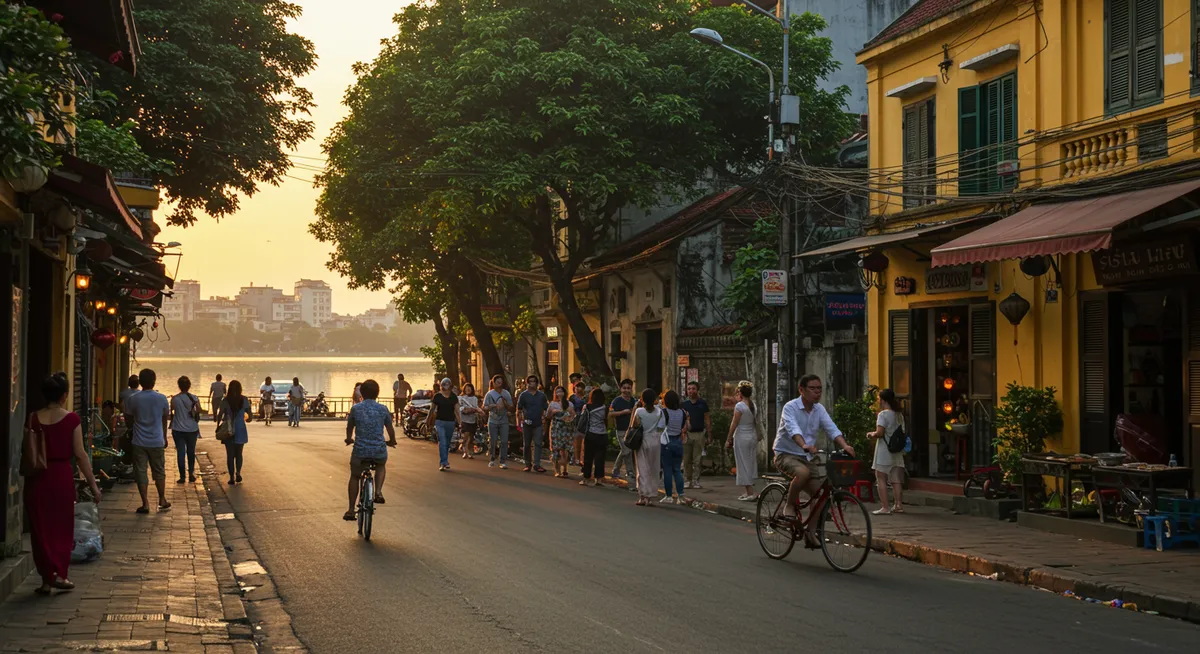
- Vibrant Street Life: The city truly comes alive. Streets fill with people, motorbikes, and the tantalizing aromas of street food. The Old Quarter, in particular, becomes a bustling hub of activity.
- Street Food Heaven: This is prime time for exploring Hanoi’s legendary street food scene. From sizzling bún chả to savory nem rán and the iconic bánh mì, countless stalls emerge, inviting you to pull up a plastic stool and indulge. Ta Hien Street (Beer Corner) buzzes with energy.
- Atmospheric Lighting: The golden hour light provides stunning photography opportunities, and as dusk settles, the city glows with myriad lights from shops and street vendors.
Practical Tip: Consider joining a street food walking tour in the evening to navigate the culinary landscape with expert guidance and discover hidden gems.
By timing your walks to align with Hanoi’s natural rhythm, you’ll not only enjoy greater comfort but also gain deeper, more authentic insights into the daily lives of its resilient and welcoming people.
Special Events & Public Holidays: What to Expect
Navigating Hanoi’s vibrant streets on foot is always an adventure, but during major Vietnamese public holidays and local festivals, the experience can shift dramatically. While these times offer unique cultural insights and festive atmospheres, they also come with specific challenges that require careful planning for your walking tours.
Tet (Lunar New Year) – The Most Significant Impact
Undoubtedly, the most impactful holiday for free walking tours in Hanoi is Tet Nguyên Đán (Lunar New Year), usually falling in late January or early February. This is Vietnam’s biggest annual celebration, a time for family reunions and ancestral worship.
- Before Tet: The weeks leading up to Tet are incredibly bustling. The Old Quarter, Dong Xuan Market, and flower markets (like Quảng Bá) become exceptionally crowded as locals shop for decorations, food, and gifts. Walking through these areas can be challenging but offers a fascinating glimpse into local preparations.
- During Tet (typically the first 3-5 days): Hanoi transforms into an unexpectedly quiet city. Many shops, restaurants, museums, and even some public transport services close down as people return to their hometowns or celebrate with family. The Old Quarter can feel eerily deserted, a stark contrast to its usual chaos.
- Walking Tour Experience: While services are limited, walking during Tet offers a unique tranquility. Hoan Kiem Lake and major temples like Ngoc Son Temple or Quan Thanh Temple will still attract locals for blessings and prayers, offering a peaceful cultural immersion. The city is adorned with beautiful kumquat trees, peach blossoms, and festive decorations, making for picturesque walks.
- Practical Advice: If you plan a walking tour during Tet, book your accommodation and any open restaurant reservations well in advance. Be prepared for closures and limited food options. Embrace the quiet and focus on the beautiful decorations and the local festive atmosphere. This is a time for observation rather than active participation in commerce.
National Day (September 2nd) & Reunification Day (April 30th) / Labor Day (May 1st)
These national holidays often lead to extended breaks, prompting significant domestic tourism, particularly in major cities like Hanoi. While not as disruptive as Tet, they certainly impact your walking tour experience.
- Crowds: Expect much larger crowds around popular attractions such as Hoan Kiem Lake, the Old Quarter, Ho Chi Minh Mausoleum (if open), and major parks. Sidewalks can become very congested, and navigating traffic can be more challenging.
- Closures: Most tourist-focused businesses, restaurants, and shops generally remain open. However, government offices, banks, and some smaller local businesses might close for a day or two.
- Walking Tour Experience: These days are characterized by a patriotic atmosphere, with flags adorning buildings and occasional parades (especially on National Day). While bustling, they offer a lively insight into contemporary Vietnamese culture. Be prepared for longer queues at popular sites and potentially higher prices for some services.
- Practical Advice: Start your walking tours early in the day to beat the worst of the crowds. Consider exploring less central neighborhoods or areas slightly off the main tourist circuit if you prefer a quieter experience. Pre-booking tickets for any attractions you wish to enter is highly recommended.
Other Local Festivals & Events
Throughout the year, Hanoi hosts numerous smaller festivals, often tied to specific temples or cultural traditions (e.g., Mid-Autumn Festival in September/October, local temple festivals in spring). While their impact on the entire city is less widespread, they can significantly affect localized areas.
- Impact: You might encounter localized crowds, temporary street closures for parades or performances, and unique street food stalls or market setups.
- Walking Tour Experience: Stumbling upon a local festival during your walk can be a highlight, offering a spontaneous cultural immersion. You might witness traditional music, dance, or rituals.
- Practical Advice: Keep an eye on local event calendars closer to your travel dates. If you find yourself near a festival, embrace it! Be patient with crowds and enjoy the unique atmosphere and photo opportunities.
In summary, while major holidays like Tet demand significant adaptation for your walking tours, they also provide unparalleled cultural experiences. Other holidays mean more crowds but still allow for enjoyable exploration. Always check local calendars and specific attraction opening hours closer to your travel date, and remember that flexibility and an open mind are your best companions for a memorable Hanoi walking tour during these special times.
Essential Packing Guide for Hanoi Walkers
💡 Pro Tip: Book your Hanoi adventures in advance through Viator for the best deals!
Hanoi’s charm is best explored on foot, but to truly enjoy its bustling streets, serene lakes, and ancient temples, smart packing is key. The city’s climate, a mix of tropical and subtropical influences, means being prepared for anything from glorious sunshine to sudden downpours. Here’s your essential packing guide for comfortable and unforgettable Hanoi walking tours:
Comfortable Footwear
This is non-negotiable! Hanoi’s sidewalks can be uneven, crowded, and often shared with motorbikes. You’ll be covering significant distances, ducking into alleyways for street food, and climbing temple steps. Opt for breathable walking shoes, sturdy sandals with good arch support, or comfortable sneakers. Leave the flip-flops for the beach; they offer little support or protection on long walks.
Light, Breathable Clothing
Hanoi’s humidity is no joke, especially from spring through autumn. Pack lightweight fabrics like cotton, linen, or quick-dry synthetics. T-shirts, breathable blouses, shorts, and capris are perfect for daytime exploration. When visiting pagodas or temples, remember to dress respectfully – shoulders and knees should be covered. A light scarf can be useful for both sun protection and impromptu modesty.
Rain Gear
Hanoi experiences sudden, intense downpours, particularly during the wet season (May to October). A compact umbrella is incredibly versatile – it doubles as sun protection on scorching days and a shield against rain. A lightweight, foldable poncho is another excellent option, freeing your hands for photos or navigating busy streets. Don’t let a tropical shower cut your exploration short!
Sun Protection
The Vietnamese sun can be surprisingly strong, even on overcast days. Protect yourself with a wide-brimmed hat, good quality sunglasses, and high-SPF sunscreen. Even on cloudy days, UV rays can be intense. Apply sunscreen liberally, especially if you’re fair-skinned or plan to be outdoors for extended periods around areas like Hoan Kiem Lake or the Old Quarter.
Reusable Water Bottle
Staying hydrated is crucial in Hanoi’s humid climate. Carry a reusable water bottle and refill it frequently. Many cafes, hotels, and even some street vendors offer filtered water, and it’s a sustainable way to avoid single-use plastic bottles. Look out for local vendors selling fresh sugarcane juice or iced tea for a refreshing, authentic treat!
Small Backpack or Daypack
A lightweight daypack is perfect for carrying your essentials: water bottle, camera, rain gear, sunscreen, and any souvenirs you might pick up. Opt for one with multiple compartments for easy organization and quick access. A cross-body bag or sling pack can also work well for keeping valuables secure while leaving your hands free for navigating the bustling streets.
Insect Repellent
Especially during the warmer, wetter months (April to October), mosquitoes can be present, particularly around lakes, parks, or in greener areas. Pack a small bottle of insect repellent to apply before heading out, particularly in the evenings or early mornings, to ensure a comfortable walk.
Seasonal Specifics for Hanoi Walking Tours:
- Spring (March-April): Mild and pleasant, but still bring layers and rain gear, as showers can occur.
- Summer (May-August): Hot, humid, and heavy rain. Prioritize the lightest clothing, maximum sun/rain protection, and constant hydration.
- Autumn (Sept-Nov): Often considered the ‘best time’ for walking. Still pack light layers, sun protection, and a light umbrella for occasional drizzles.
- Winter (Dec-Feb): Cooler, sometimes damp and misty. Pack a light jacket, cardigan, or thin fleece. Layers are key to adapting to temperature changes throughout the day.
By packing smart, you’ll be well-equipped to immerse yourself fully in the sensory feast that is Hanoi, ready for every hidden alley, bustling market, and peaceful temple waiting to be discovered.
Maximizing Your Experience: Local Guides & Popular Routes
To truly unlock the magic of Hanoi on foot, consider how best to immerse yourself in its vibrant tapestry. While self-guided explorations offer freedom, combining them with the expertise of a local guide or focusing on well-trodden paths can profoundly elevate your experience.
Embrace the Expertise of Local Guides
Hiring a local guide is arguably the single best way to maximize your Hanoi walking tour. Beyond simply navigating the labyrinthine streets, a guide provides invaluable cultural insights, historical context, and the ability to bridge language barriers. They can lead you to authentic eateries you’d never find on your own, share personal anecdotes about daily life, and introduce you to local artisans or shopkeepers. In the bustling Old Quarter, where every alley holds a story, a guide can transform a potentially overwhelming experience into a deeply enriching journey. Look for guides specializing in specific interests, such as culinary tours that delve into Hanoi’s legendary street food scene, or history tours that bring the city’s ancient past and modern struggles to life.
Popular Self-Guided Walking Routes
If you prefer to explore at your own pace, Hanoi offers several distinct areas perfect for a self-guided walking adventure. Each provides a unique glimpse into the city’s soul:
- The Old Quarter: This is Hanoi’s beating heart, a captivating maze of narrow streets, each historically dedicated to a specific guild or trade. Wander through Hang Bac (Silver Street), Hang Gai (Silk Street), or Hang Ma (Paper Offerings Street). Discover hidden temples, bustling markets like Dong Xuan, and countless street food stalls. Be prepared for sensory overload and the constant buzz of motorbikes – crossing streets here is an art form! Allow at least 2-3 hours, or more if you plan to shop or eat.
- The French Quarter: A stark contrast to the Old Quarter, this area showcases Hanoi’s colonial past with wide, tree-lined boulevards and elegant French colonial architecture. Key landmarks include the magnificent Hanoi Opera House, the National Museum of Vietnamese History, and the infamous Hoa Lo Prison (Hanoi Hilton). This area offers a more relaxed walking experience with less chaotic traffic.
- Hoan Kiem Lake Loop: The spiritual and geographical center of Hanoi, Hoan Kiem Lake is perfect for a leisurely stroll. The path around the lake is approximately 1.7 km (1 mile) and offers picturesque views of Ngoc Son Temple (Temple of the Jade Mountain) and Turtle Tower. On weekend evenings, the surrounding streets become pedestrian-only, creating a vibrant, carnival-like atmosphere with street performers, games, and families enjoying the cooler air.
- Temple of Literature & Surrounds: Head southwest from the Old Quarter to explore Vietnam’s first national university, the Temple of Literature (Văn Miếu – Quốc Tử Giám). This tranquil complex of courtyards, temples, and stelae is a serene escape from the city’s bustle and offers profound historical insights into Vietnamese education and scholarly traditions. The area around it is also pleasant for walking, with local eateries and smaller shops.
Themed Tours for Deeper Dives
Beyond general city tours, consider specialized walking tours that cater to specific interests. Hanoi’s renowned food tours are a must-do, guiding you through the best pho, bún chả, and egg coffee spots while explaining the culinary culture. History tours provide context to landmarks, while art or photography tours can help you capture the city’s unique charm.
Practical Tips for Your Walk
- Wear Comfortable Shoes: You’ll be doing a lot of walking, often on uneven pavements.
- Stay Hydrated: Hanoi can be hot and humid. Carry water, especially during warmer months.
- Be Aware of Traffic: Crossing streets requires confidence and a steady pace. Look for gaps and walk predictably.
- Bargain Politely: Especially in the Old Quarter markets, polite bargaining is expected for non-fixed price items.
- Use Offline Maps: Google Maps or Maps.me can be invaluable for self-guided tours.
Safety & Comfort: Practical Tips for Hanoi’s Streets
Hanoi’s charm is undeniable, but its bustling streets require a bit of savvy to navigate comfortably and safely. As you embark on your walking tours, keep these practical tips in mind to ensure a smooth and enjoyable experience.
Navigating Hanoi’s Iconic Traffic
The sheer volume of motorbikes can be daunting, especially in the Old Quarter. The key to crossing the street successfully isn’t waiting for a gap (you might be there forever!), but rather understanding the flow. Here’s how to master the art of crossing:
- Be Confident and Predictable: Maintain a slow, steady pace and make eye contact with oncoming drivers. They are remarkably adept at swerving around obstacles, including pedestrians.
- No Sudden Moves: Avoid sudden stops or changes in direction. Think of yourself as a slow-moving part of the traffic river.
- Walk, Don’t Run: A consistent pace allows drivers to predict your movement and adjust accordingly.
Staying Hydrated and Prepared for the Weather
Hanoi’s tropical climate means heat and humidity are constant companions, particularly during peak walking tour seasons. Staying hydrated is paramount. Be prepared for sudden, heavy downpours, especially during the rainy season (May to September).
- Hydrate Constantly: Carry a reusable water bottle and refill it frequently from your accommodation or reputable vendors.
- Sun Protection: A wide-brimmed hat, quality sunglasses, and high-SPF sunscreen are essential, even on cloudy days.
- Rain Gear Ready: Pack a lightweight, packable rain jacket or a compact umbrella. It allows you to continue exploring even if the skies open up.
Protecting Your Valuables
Like any busy city, petty theft can occur. Be mindful of your belongings, particularly in crowded areas like markets, around Hoan Kiem Lake, or when waiting at street food stalls. Here’s how to keep your items secure:
- Secure Your Bag: Use a cross-body bag worn on the front, or a discreet money belt for essentials.
- Out of Sight, Out of Mind: Keep your phone and camera secure and out of conspicuous view. Avoid walking with them out, especially near busy roads where snatch-and-grab attempts can occur.
- Minimal Cash: Only carry the amount of cash you need for the day’s activities.
Awareness of Your Surroundings
While Hanoi is generally safe, being aware of your surroundings adds an extra layer of security. Trust your instincts; if a situation feels off, it probably is.
- Stick to Well-Lit Areas: Avoid walking down dimly lit alleyways alone, especially at night.
- Be Wary of Unsolicited Offers: Be cautious of overly friendly strangers offering unsolicited tours or deals – often a precursor to a scam. Politely decline and move on.
Respecting Local Customs and Dress Codes
Hanoi is steeped in culture and tradition. When visiting religious sites such as temples, pagodas, or the Temple of Literature, dress modestly to show respect.
- Modest Attire: Generally, this means covering your shoulders and knees. Carry a light scarf or sarong for quick cover-ups.
- Footwear: Some sites may require you to remove your shoes before entering. Look for signs or follow local cues.
- Quiet Demeanor: Observe local customs, speak softly in sacred spaces, and always ask for permission before taking photos of people, especially monks or elderly individuals.
Frequently Asked Questions
💡 Pro Tip: Book your Hanoi adventures in advance through Viator for the best deals!
Q: Is Hanoi safe for walking tours?
A: Yes, Hanoi is generally very safe for walking. However, be aware of motorbikes, especially when crossing streets – walk confidently and predictably. Petty theft can occur, so keep valuables secure and be mindful of your belongings in crowded areas.
Q: What kind of footwear is best for walking in Hanoi?
A: Comfortable, breathable, and supportive walking shoes or sneakers are essential. You’ll be walking on uneven pavements, bustling streets, and sometimes wet surfaces. Avoid flip-flops for extensive walking, especially in the Old Quarter.
Q: Can I do self-guided walking tours in Hanoi?
A: Absolutely! Many popular areas like the Old Quarter, Hoan Kiem Lake, and the French Quarter are perfect for self-guided exploration. Utilize offline maps and local street food apps. However, for deeper historical context or navigating obscure alleys, a local guide is highly recommended.
Q: How much walking is typically involved in a Hanoi tour?
A: Most walking tours in Hanoi cover 2-5 kilometers (1.2-3 miles) over 2-4 hours, often with frequent stops. Self-guided tours can vary widely based on your interest. Be prepared for significant walking and choose routes that match your fitness level.
Q: Are there walking tours available during the rainy season?
A: Yes, many tour operators continue to run tours during the rainy season (summer). Tours may be adjusted for heavy downpours, offering shelter or slightly altered routes. It’s advisable to carry an umbrella or a light rain jacket, and tours often include stops at sheltered locations like shops or cafes.
Hanoi offers an unparalleled walking tour experience, a journey through history, culture, and daily life. By understanding the city’s climate and rhythms, you can choose the perfect time to lace up your shoes and embark on an unforgettable adventure. Whether it’s the gentle breezes of autumn or the lively buzz of an early morning stroll, Hanoi awaits to be discovered, one fascinating step at a time. So, pack smart, plan well, and prepare to fall in love with this captivating city on foot!