
Vienna's Hidden Gems: Unique Walking Tours & Local Tips (2026)
Uncover Vienna’s secret alleys, charming courtyards, and local favorites on foot. This guide provides practical tips, self-guided routes, and expert insights for unforgettable walking tours.
On this page
Vienna, a city synonymous with imperial grandeur and classical music, holds countless stories within its elegant boulevards and quiet side streets. While its iconic landmarks draw crowds, the true magic often lies hidden in plain sight, waiting to be discovered by those willing to explore on foot. Walking tours offer an unparalleled way to connect with the city’s authentic pulse, leading you through lesser-known districts and unveiling the ‘hidden gems’ that most tourists miss. This comprehensive guide equips you with everything you need to embark on your own unique Viennese walking adventure, blending safety, enjoyment, and deep local insight.
Key Tips and Takeaways
- Wear incredibly comfortable, broken-in shoes – Vienna’s charming cobblestones demand it!
- Carry a reusable water bottle; staying hydrated is key for long walks.
- Look up, look down, and peek into courtyards; Vienna’s beauty is in the details.
- Utilize Vienna’s efficient public transport (U-Bahn, tram) to connect distant walking areas and save energy.
- Always validate your public transport ticket before starting your journey.
- Embrace ‘coffee house culture’ for rest stops and local immersion during your walk.
- Consider a specialized hidden gems tour for unique local stories and access.
- Learn a few basic German phrases (‘Guten Tag’, ‘Danke’, ‘Bitte’) – locals appreciate the effort.
Why Walk Vienna? The Undiscovered Charms Await
Vienna is renowned for its imperial grandeur, majestic palaces, and grand boulevards. Yet, to truly unearth the city’s soul and stumble upon its most enchanting secrets – the very ‘hidden gems’ that bus tours and even the efficient U-Bahn often whiz past – you must embrace the pedestrian path. Walking Vienna isn’t just a mode of transport; it’s an immersive invitation to discover a city brimming with nuanced beauty and unexpected delights.
One of the foremost advantages of exploring Vienna on foot is the **intimacy and flexible pace** it affords. You dictate your journey, not a schedule. Feel like lingering outside a stunning Baroque façade, deciphering a curious plaque, or simply soaking in the atmosphere of a bustling market square like the Naschmarkt? You can. This unhurried approach allows for a deeper connection with the city’s rhythm, letting you appreciate the delicate details – from ornate ironwork on historic buildings to the intricate cobblestone patterns underfoot – that are often missed at a faster clip.
Walking grants you unparalleled **access to Vienna’s pedestrian-only havens**. Imagine strolling leisurely down the elegant *Graben* or the luxurious *Kohlmarkt*, where vehicles are banished, and the focus shifts entirely to the magnificent architecture and vibrant street life. Beyond these famous arteries, countless charming side streets and hidden *Hofs* (courtyards) within the historic First District await. These secluded enclaves, often connected by intriguing *Durchhäuser* (passageways), whisper tales of old Vienna and are practically invisible unless you’re on foot and willing to wander off the beaten path.
It’s in these quiet corners that you’ll truly experience **nuanced details and authentic local life**. You might discover a tiny, family-run *Kaffeehaus* tucked away from the main tourist routes, serving the city’s famed coffee and pastries with a personal touch. Or perhaps stumble upon a discreet art gallery, a boutique crafting traditional Viennese goods, or a charming antique shop. These are the spontaneous discoveries that transform a good trip into an unforgettable adventure. Listen to the murmur of German conversations, smell the roasting coffee beans, and observe the daily routines of locals – these are the sensory layers that deepen your understanding of Vienna.
To truly maximize your Viennese walking adventure: **wear incredibly comfortable shoes** – this cannot be stressed enough! Always **look up, look down, and look sideways**; architectural marvels and hidden details are everywhere, from rooftop sculptures to ornate street grates. Don’t be afraid to **dart down an intriguing alleyway**; more often than not, it leads to a delightful surprise, not a dead end. Embrace the concept of getting a little lost – it’s often where the real magic happens. Walking Vienna isn’t just about seeing the sights; it’s about feeling the city breathe, one captivating step at a time, revealing its undiscovered charms just for you.
Planning Your Vienna Hidden Gems Walking Tour: Essentials Before You Go
Embarking on a quest to uncover Vienna’s hidden gems on foot promises an unforgettable experience, far from the well-trodden tourist paths. To ensure your adventure is as smooth and delightful as a Viennese Sachertorte, a little preparation goes a long way. Here’s what you need to know before you lace up your walking shoes.
Optimal Timing for Your Viennese Stroll
Choosing the right time can significantly enhance your “Discovering hidden gems Vienna walking tours” experience:
- Seasonality: Spring (April-May) & Autumn (September-October) offer the best walking weather – mild temperatures, blossoming flowers or vibrant foliage, and fewer crowds. Summer (June-August) is warm; aim for early mornings to avoid heat and peak tourist activity. Winter (November-March) is cold but magical, especially during Christmas markets; dress warmly.
- Time of Day: Mornings (8-10 AM) are ideal for peaceful exploration of courtyards and quiet streets, offering excellent light for photography. Late afternoons also provide beautiful “golden hour” light.
Dress for Success (and Comfort!)
Vienna is a city best explored on foot, and comfort is paramount:
- Footwear is Key: This cannot be stressed enough. Vienna’s charming cobblestone streets are beautiful but unforgiving. Invest in comfortable, broken-in walking shoes, sneakers, or sturdy boots with good support. Blisters can ruin your day!
- Layered Clothing: Vienna’s weather can be notoriously changeable. Wear layers (e.g., a t-shirt, light sweater, and a waterproof/windproof jacket) that you can easily add or remove. A light scarf is also versatile. Adjust for the season – breathable fabrics in summer, warm layers in winter.
Essential Items to Carry
Pack smart to keep your focus on discovery:
- Water Bottle: Stay hydrated! Look for public drinking fountains (“Trinkbrunnen”).
- Small Bag: A backpack or crossbody bag keeps your hands free and essentials secure.
- Camera/Smartphone & Power Bank: For capturing unique moments. A portable power bank is essential if you’re relying on your phone for navigation and photos.
- Compact Umbrella or Rain Jacket: Vienna’s weather can surprise you with a sudden shower.
- Cash (Euros): While cards are widely accepted, some smaller local shops or public toilets might prefer cash.
- Offline Map: Download an offline map (e.g., Google Maps, Maps.me) of Vienna before you leave.
Basic Preparation for a Seamless Experience
A little foresight ensures maximum enjoyment:
- Pace Yourself: Don’t rush. Hidden gems are meant to be savored. Allow time to linger and explore.
- Check Opening Hours: Some smaller galleries or courtyards within residential buildings might have specific visiting hours.
- Basic German Phrases: “Guten Tag” (hello) and “Danke” (thank you) go a long way in showing respect.
- Embrace Serendipity: While our guide will point you to incredible spots, some of the best hidden gems are found when you allow yourself to wander slightly off course.
- Know Your Transport Backups: Familiarize yourself with Vienna’s excellent public transport (U-Bahn, tram) for quick rests or covering longer distances.
Top Hidden Gems Walking Routes in Vienna (Self-Guided Inspiration)
💡 Pro Tip: Book your Vienna adventures in advance through Viator for the best deals!
Vienna is a city that loves to reveal its secrets to those willing to wander off the beaten path. Beyond the imperial palaces and grand boulevards lie charming districts, hidden courtyards, and local haunts brimming with authentic Viennese character. These self-guided routes are designed to lead you to these hidden gems, offering a deeper, more intimate glimpse into the city’s soul.
1. Spittelberg & Josefstadt: Biedermeier Bliss
Step back in time as you explore the enchanting, cobblestone streets of Spittelberg, a perfectly preserved Biedermeier quarter nestled just behind the vast MuseumsQuartier. This area, largely pedestrianized, feels like a village within the city, known for its quaint houses, charming courtyards, and unique boutiques. Extending into Josefstadt (the 8th district), you’ll discover elegant residential streets and local life.
- Area Focus: The triangle formed by Burggasse, Breite Gasse, and Spittelberggasse, then west into Josefstadt.
- Points of Interest:
- Spittelberggasse, Gutenberggasse, Schrankgasse: Wander these picturesque streets, peeking into beautifully restored courtyards (some open to the public). Admire the intricate facades and quiet charm.
- Shopping & Galleries: Discover independent fashion designers, artisan workshops, and small art galleries tucked away.
- Local Eateries: Spittelberg is famous for its traditional “Beisln” (Viennese pubs) and cozy cafes. Stop at a place like Glacis Beisl for a classic Viennese meal in a lovely garden setting, or find a tiny cafe for Kaffee und Kuchen.
- Theater in der Josefstadt: Austria’s oldest working theater, an architectural gem on Josefstädter Straße.
- Estimated Duration: 1.5 – 2.5 hours (approx. 2-3 km), allowing for leisurely exploration and stops.
2. The Serene Serviten Quarter: 9th District Elegance
Escape the crowds in the elegant Serviten Quarter of Alsergrund, Vienna’s 9th district. This tranquil, upscale residential area offers a quiet charm, historic architecture, and a refined local atmosphere, far from the bustling tourist circuits.
- Area Focus: Around Servitengasse and the surrounding streets, extending towards the Danube Canal.
- Points of Interest:
- Servitenkirche (Servite Church): A stunning Baroque church, providing a peaceful and historically rich centerpiece for your stroll. Step inside to admire its intricate interior.
- Sigmund Freud Museum (Berggasse 19): While a specific museum, Freud’s former apartment and practice offer a fascinating glimpse into the life of the father of psychoanalysis, nestled quietly within this residential area.
- Liechtenstein Garden Palace: Home to a private art collection, the palace grounds are occasionally open, offering a glimpse of aristocratic grandeur. Check their official website for current access.
- Servitengasse & Nearby Streets: Explore the small, independent boutiques, concept stores, and charming cafes that line these leafy streets, perfect for a coffee break or a unique souvenir.
- Danube Canal Walk: For a different perspective, stroll along the nearby Danube Canal (Roßauer Lände), often featuring vibrant street art and modern architecture contrasting with the district’s old-world charm.
- Estimated Duration: 1.5 – 2 hours (approx. 2.5-3.5 km), including potential museum visits.
3. Freihausviertel: Wieden’s Artistic Pulse
Just south of Karlsplatz, the Freihausviertel in Vienna’s 4th district (Wieden) has transformed into a vibrant hub for contemporary art, design, and independent culture. It’s a stark contrast to the historical grandeur of the city center, offering a refreshing, modern side of Vienna often missed by first-time visitors.
- Area Focus: Centered around Schleifmühlgasse, extending towards the upper parts of Naschmarkt.
- Points of Interest:
- Schleifmühlgasse: This is the heart of the district, renowned for its density of contemporary art galleries (e.g., Galerie Schleifmühlgasse, Charim Galerie), design shops, and unique concept stores.
- Vienna University of Technology (TU Wien): The university’s presence lends a youthful, intellectual energy to the area, with some interesting modern architecture.
- Culinary Delights: The Freihausviertel boasts an impressive array of trendy cafes, international restaurants, and brunch spots. Explore beyond the main drag of Naschmarkt into its surrounding streets for local gems. Look for bakeries, specialty coffee shops, and diverse eateries like ON Japanese Cuisine or Propeller for delicious brunch.
- Kettenbrückengasse: A charming street connecting to Naschmarkt, featuring more unique shops and cafes, quieter than the main market.
- Estimated Duration: 1.5 – 2.5 hours (approx. 2-3 km), perfect for combining with a visit to the Naschmarkt but focusing on the adjacent artistic streets.
Practical Tips for Your Self-Guided Adventure:
- Wear Comfortable Shoes: You’ll be doing a lot of walking on various surfaces.
- Offline Maps: Download Google Maps or a similar app for offline use. This helps navigate without constant data usage and to truly explore.
- Look Up & Around: Many of Vienna’s hidden details are above eye level or in unexpected corners. Don’t be afraid to poke your head into courtyards (respectfully, of course).
- Hydration: Carry a water bottle, especially during warmer months. Vienna has excellent public drinking fountains.
- Local Language: A few basic German phrases like “Guten Tag” (hello) and “Danke” (thank you) go a long way in connecting with locals.
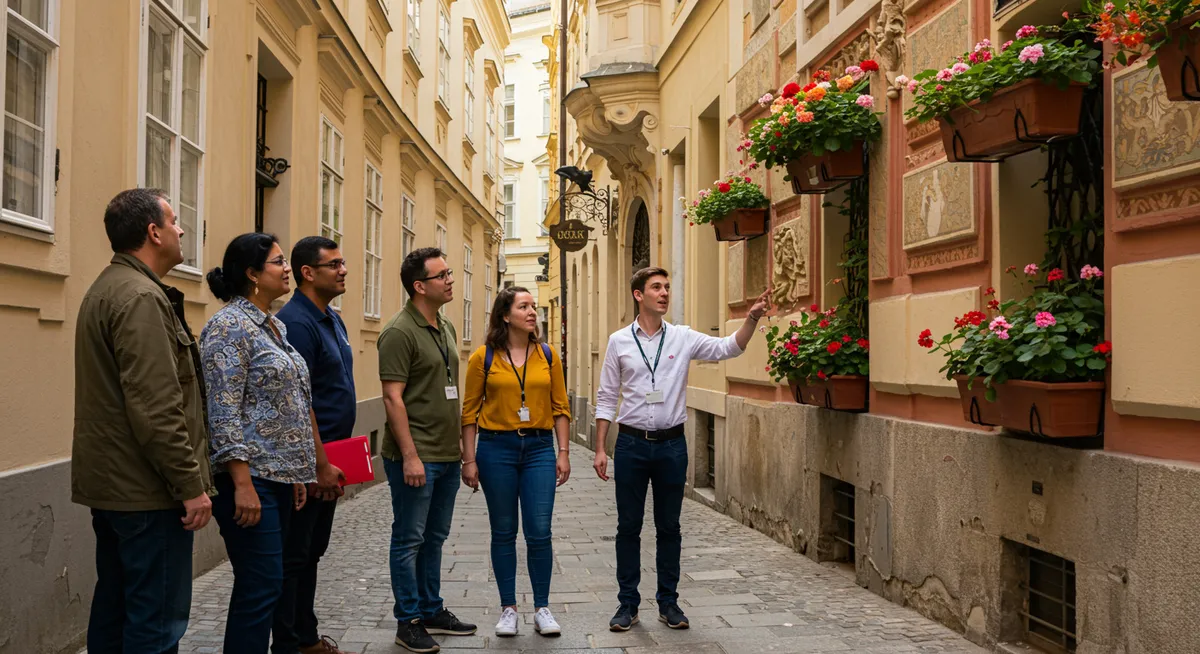
Joining a guided Hidden Gems Tour in Vienna: Expert Insights
While Vienna’s grand palaces and iconic museums are undeniably magnificent, a truly authentic experience often lies just beyond the well-trodden path. Unearthing the city’s lesser-known treasures, its hidden courtyards, quirky art installations, and centuries-old local haunts, can be challenging on your own. This is where a guided hidden gems walking tour becomes an invaluable asset, transforming your exploration from a mere stroll into a captivating journey of discovery.
Why Choose a guided Hidden Gems Tour?
- Local Knowledge & Insights: A seasoned Viennese guide possesses an intimate understanding of the city that no guidebook can fully replicate. They’ll lead you through secret *Durchhäuser* (passageways between buildings), reveal charming inner courtyards, and point out overlooked architectural details. Expect insider anecdotes about local life, fascinating trivia, and perhaps even a recommendation for the best *Apfelstrudel* at a discreet *Kaffeehaus* only locals frequent.
- Historical Context & Storytelling: Beyond mere facts, a good guide breathes life into Vienna’s past. They’ll connect a seemingly ordinary alley to a pivotal moment in Habsburg history, explain the symbolism behind a forgotten fountain, or recount tales of famous residents who once walked the same cobbled streets. This narrative depth enriches your understanding and appreciation of Vienna’s rich cultural tapestry.
- Social Interaction: Guided tours offer a fantastic opportunity to meet fellow travelers from around the world. Sharing discoveries, asking questions, and bonding over Vienna’s charm can enhance your travel experience and even lead to new friendships.
- Effortless Navigation & Safety: Exploring truly hidden spots often means venturing away from the main tourist hubs. A local guide ensures you navigate Vienna’s labyrinthine streets with ease, without getting lost, and provides a sense of security, especially when exploring less-populated areas.
Types of Hidden Gems Tours in Vienna
Vienna offers a diverse array of guided walking tours catering to various interests:
- Free “Pay-What-You-Wish” Tours: These tours are a popular option, typically covering central, historically significant hidden gems. While the tours themselves are “free,” it’s customary and expected to tip your guide based on the quality of their service. They offer a great introduction but might not delve as deeply into truly obscure spots as specialized paid tours.
-
Specialized Paid Tours: For a deeper dive into Vienna’s hidden facets, consider paid tours focusing on specific themes:
- Foodie Finds: Discover hidden *Würstelstand* gems, explore traditional *Heuriger* (wine taverns) tucked away in the vineyards of Grinzing or Nussdorf, or sample local delicacies from lesser-known bakeries.
- Art & Architecture Alleys: Uncover vibrant street art in the 7th district, explore Art Nouveau marvels beyond the major sights, or delve into the city’s lesser-known contemporary art spaces.
- Historical & Themed Walks: From uncovering Vienna’s Jewish Quarter history to exploring sites related to famous composers or forgotten periods like WWII, these tours offer a focused, unique perspective.
Choosing Your Perfect Viennese Hidden Gems Tour
To ensure a rewarding experience, consider these tips:
- Read Reviews Diligently: Platforms like TripAdvisor, Google Reviews, and reputable travel blogs offer insights into tour quality, guide personality, and whether the tour genuinely delivers on its “hidden gems” promise.
- Consider Group Size: For truly intimate hidden gem experiences, smaller group sizes are generally preferable, allowing for better interaction with the guide and easier navigation through narrow spaces.
- Assess the Guide’s Expertise: Look for tours led by licensed, passionate, and knowledgeable guides who can adapt to the group’s interests and answer questions thoroughly.
- Check the itinerary: Ensure the tour description clearly outlines what types of “hidden gems” it will cover and if it aligns with your interests.
- Language Preference: Confirm the tour is offered in a language you are comfortable with to fully grasp the guide’s insights.
Practical Tips for Your Vienna Walking Tour
- Comfortable Footwear: Vienna’s charming streets are often cobbled. Comfortable, broken-in walking shoes are non-negotiable for an enjoyable experience.
- Dress for Vienna’s Weather: The weather can be unpredictable. Dress in layers and consider carrying a compact umbrella, especially outside of peak summer.
- Stay Hydrated: Bring a reusable water bottle, especially on longer tours. Many tours will stop for breaks, but it’s always good to be prepared.
- Be Punctual & Engaged: Arrive on time to respect your guide and fellow travelers. Don’t hesitate to ask questions – that’s how you unlock the most personal insights!
By opting for a guided hidden gems tour, you’re not just seeing Vienna; you’re truly experiencing its soul, led by someone who knows its secrets best.
Navigating Vienna Like a Local: Practical Tips for Walkers
💡 Pro Tip: Book your Vienna adventures in advance through Viator for the best deals!
Vienna is a city best explored on foot, where every cobblestone whispers tales of empires and artists. While you’ll be spending much of your time strolling, knowing how to seamlessly integrate walking with smart navigation can elevate your experience from good to absolutely phenomenal.
Strategic Jumps with Public Transport
Vienna boasts one of the most efficient and user-friendly public transport systems in the world, Wiener Linien. Comprising the U-Bahn (subway), Straßenbahn (tram), and Bus, it’s your best friend for strategic jumps between walking areas or when your feet simply need a break. Instead of buying single tickets for every ride, invest in a 24, 48, or 72-hour pass, or the comprehensive Vienna City Card, which offers unlimited travel and discounts on attractions. Remember to validate your ticket once before your first journey (unless it’s a pass with a specific start date) – plain-clothed inspectors are common, and fines are hefty. Use the U-Bahn to quickly traverse distances, perhaps from Schönbrunn Palace back to the city center, or hop on a tram along the Ringstrasse to sightsee efficiently before disembarking to explore on foot.
Pedestrian Prowess & Etiquette
Navigating Vienna’s pedestrian spaces is generally straightforward. Always stick to the sidewalks and pay attention to the “Ampelmännchen” (traffic light figures) at crossings. While locals sometimes jaywalk, it’s best to obey the signals to avoid fines and ensure safety, especially with the speedy trams. When using escalators in U-Bahn stations, remember the local custom: stand on the right, walk on the left. This simple courtesy keeps the flow smooth for everyone. In general, Viennese value order and a certain reserve; keep conversations at a moderate volume in public spaces and be mindful of personal space.
Safety and Awareness
Vienna is an incredibly safe city, but like any popular tourist destination, basic vigilance is key. In crowded areas such as Stephansplatz, the Naschmarkt, or around major attractions like Schönbrunn Palace, be mindful of your belongings. Keep wallets in front pockets, secure handbags, and avoid flashing expensive items. While pickpocketing is rare, it can happen to distracted tourists.
Footwear & Cobblestone Comfort
Many of Vienna’s most charming areas, especially within the historic Innere Stadt (First District) and areas like Spittelberg, feature beautiful but uneven cobblestone streets. Comfortable, supportive walking shoes are absolutely essential for enjoying your explorations without discomfort. Leave the high heels at home unless you’re planning a very short, specific outing. Be extra careful on wet days, as cobblestones can become quite slippery.
Finding Restrooms (Toiletten)
When nature calls, knowing where to go is crucial. Public restrooms (often marked with “WC”) are available throughout the city, though some may require a small fee (typically €0.50 to €1). Look for facilities in larger parks, train stations, and department stores like Steffl or Peek & Cloppenburg. Most museums and major attractions will have clean restrooms for visitors. If you pop into a café for a quick coffee, using their facilities is generally fine, but it’s polite to make a small purchase first.
Essential German Phrases for Walkers
While English is widely spoken in tourist areas, a few basic German phrases will endear you to locals and enhance your interactions:
- Guten Tag! / Grüß Gott! (Good day! – The latter is a common Viennese greeting)
- Danke schön! (Thank you very much!)
- Bitte schön! (You’re welcome! / Please!)
- Entschuldigung! (Excuse me! / Sorry!)
- Sprechen Sie Englisch? (Do you speak English?)
- Wo ist…? (Where is…?)
- Die Toilette, bitte? (The restroom, please?)
Embracing these practical tips will not only ensure a smoother and safer walking tour but also help you feel more connected to the pulse of Vienna, truly navigating it like a local.
Beyond the Pavement: Deepening Your Vienna Exploration
While Vienna’s grand boulevards and iconic landmarks are undeniably captivating, true discovery often lies just a few steps off the well-trodden path. To truly deepen your Vienna walking tour experience, allow yourself the luxury of serendipity and delve into the city’s more intimate offerings. This is where the magic happens, where you connect with the local pulse and uncover the hidden gems that many visitors miss.
Savoring Vienna’s Kaffeehäuser Culture & Local Bakeries
Vienna’s coffee house culture is a UNESCO Intangible Cultural Heritage, and no visit is complete without partaking in it. Beyond the famous Café Central or Demel, seek out smaller, less touristy Kaffeehäuser. These often offer a more authentic atmosphere, where locals read newspapers, play cards, and engage in lively conversations. Consider stopping at:
- Café Jelinek (Margareten): A wonderfully preserved, smoky (though now smoke-free) traditional coffee house that feels like a step back in time.
- Café Hawelka (Innere Stadt): Though famous, it retains an artistic, bohemian charm and is smaller than its grander counterparts.
- Simply look for a welcoming door on a quiet street and step inside. Order a Melange (Viennese cappuccino), a slice of Apfelstrudel, or a local pastry, and simply soak in the ambience. It’s the perfect mid-walk respite.
Unearthing Overlooked Museums & Galleries
While the Belvedere and Hofburg are essential, Vienna boasts a wealth of niche museums and galleries that offer unique perspectives without the overwhelming crowds. Integrating one into your walk allows for a more focused and intimate cultural immersion:
- Kunst Haus Wien / Hundertwasser Museum (Landstraße): Explore the vibrant, eccentric world of artist Friedensreich Hundertwasser in a building he designed himself. It’s an easy walk from the Ringstrasse.
- The Secession (Innere Stadt): A stunning example of Art Nouveau architecture, home to Gustav Klimt’s Beethoven Frieze. It’s often quieter than the grander museums, allowing for peaceful contemplation.
- Third Man Museum (Margareten): A quirky, passionate tribute to the classic film shot in post-war Vienna, filled with memorabilia and fascinating insights into the city’s history. Perfect for film buffs exploring the 5th district.
Discovering Local Markets Beyond Naschmarkt
Naschmarkt is vibrant, but to truly experience Vienna’s daily life and culinary diversity, venture to other local markets. These are fantastic places to grab a quick, delicious snack or observe local interactions:
- Karmelitermarkt (Leopoldstadt): A more authentic, less touristy market in the 2nd district, known for its fresh produce, international eateries, and local charm, especially lively on Saturdays.
- Brunnenmarkt (Ottakring): Vienna’s longest street market in the 16th district offers a vibrant, multicultural experience with Middle Eastern and Balkan influences. It’s a feast for the senses and ideal for an adventurous foodie walk.
Engaging with Vienna’s Street Art Scene
Vienna might not be globally renowned for its street art, but a walk along the Donaukanal (Danube Canal) reveals a dynamic and ever-evolving open-air gallery. Artists from around the world contribute to the murals and graffiti that adorn the canal walls:
- Stroll or cycle along the canal banks from Schwedenplatz to Augarten for an impressive display. It’s a completely different side of Vienna, showcasing its contemporary, urban edge. Keep an eye out for commissioned works and spontaneous tags.
Finding Serenity in Lesser-Known Parks and Green Spaces
Escape the urban bustle in Vienna’s numerous tranquil parks and gardens that extend beyond the well-known Stadtpark or Volksgarten:
- Augarten (Leopoldstadt): Vienna’s oldest Baroque garden, home to the Augarten Porcelain Manufactory and imposing flak towers from WWII. It offers vast open spaces for a peaceful stroll.
- Setagaya Park (Döbling): A beautifully authentic Japanese garden in the 19th district, perfect for quiet reflection. It requires a tram ride, but the serenity makes it worthwhile for a longer walking exploration of the area.
- Pack a picnic, find a bench, and simply enjoy the Viennese green oasis.
By integrating these deeper experiences into your walking tours, you’ll move “beyond the pavement” and truly connect with the multifaceted soul of Vienna, transforming a simple sightseeing trip into an unforgettable journey of discovery.
Essential Apps & Resources for Vienna Walkers
To truly unlock the magic of Vienna on foot, equipping yourself with the right digital tools is just as important as lacing up comfortable shoes. From seamless navigation to discovering spontaneous local events, these essential apps and online resources will transform your walking tour experience from good to extraordinary.
Navigating with Confidence: Offline Maps
While Vienna boasts excellent connectivity, relying solely on mobile data can be unreliable, especially when ducking into charming courtyards or exploring lesser-known alleys. Offline map apps are your secret weapon for uninterrupted exploration:
- Google Maps: Beyond its universal familiarity, Google Maps allows you to download offline maps for Vienna. This means you can pinpoint historical landmarks, locate that hidden Viennese coffee house, or navigate intricate pedestrian zones without consuming data. It’s also excellent for checking walking distances and estimated times between points of interest.
- Maps.me: For a dedicated offline mapping experience, Maps.me is superb. Its detailed, crowd-sourced maps often highlight pedestrian paths, fountains, and even tiny park benches that Google Maps might miss. It’s perfect for discovering those “hidden gems” and confidently venturing off the main tourist routes without fear of getting truly lost.
Seamless Journeys: Public Transport Apps
Even the most dedicated walker will appreciate Vienna’s world-class public transport for covering longer distances between walking districts or for those tired feet at the end of a long day:
- WienMobil (Wiener Linien): This is the official app for Vienna’s public transport system (U-Bahn, Strassenbahn/trams, and buses). It’s indispensable! Use it to plan routes, check real-time departure times from any stop, and even purchase digital tickets. Getting to your walking tour starting point or effortlessly hopping between the First District and, say, the Spittelberg Quarter for an evening stroll has never been easier.
Bridging the Language Gap: Translation Apps
While many Viennese, especially in tourist areas, speak excellent English, a little effort in German goes a long way and can enhance your interactions with locals:
- Google Translate: A powerful tool for quick translations. Use its camera feature to decipher a menu or a street sign, or its conversation mode for basic interactions. Learning a few polite phrases like “Grüß Gott” (a common greeting in Vienna), “Danke schön” (thank you), and “Bitte” (please/you’re welcome) will always be appreciated.
Unearthing Local Secrets: Blogs & Websites
For the most up-to-date local insights and to find events that perfectly complement your walking explorations, dive into these online resources:
- Wien.info (Vienna Tourist Board): The official website is a goldmine for current events, exhibitions, seasonal highlights (like the famous Christmas markets or summer music festivals), and curated walking itineraries. Check their “What’s On” section regularly.
- Vienna Würstelstand: This popular local blog offers a fresh, often humorous, perspective on Viennese life, food, and culture. It’s fantastic for finding unique, off-the-beaten-path recommendations for cafes, bars, or pop-up events that could add a spontaneous, authentic flair to your walk.
- Falter.at: The website of Vienna’s respected weekly newspaper has an extensive events calendar. While mostly in German, it’s invaluable for discovering local markets (like the Karmelitermarkt or Brunnenmarkt), small concerts, or art installations that might be happening during your visit – perfect for tailoring your walks to include unexpected cultural stops.
By leveraging these digital aids, you’ll not only navigate Vienna with ease but also gain access to insider tips and real-time information, ensuring your “Discovering hidden gems Vienna walking tours” are as rich and rewarding as possible.
Frequently Asked Questions
Q: Is Vienna safe for walking tours, especially for solo travelers?
A: Vienna is consistently ranked as one of the safest cities in the world. Solo travelers can feel very secure walking day or night, even in lesser-known areas. Standard precautions against petty theft (like pickpocketing in crowded tourist spots) are always advisable, but serious crime is rare.
Q: Do I need to book free walking tours in Vienna in advance?
A: For popular free walking tours, booking isn’t strictly necessary but is often recommended to secure your spot. For specialized, paid, or small-group tours (e.g., food tours, art tours), booking in advance, especially during peak season, is highly recommended to guarantee availability.
Q: What’s the best time of year for walking in Vienna?
A: Spring (April-May) and early autumn (September-October) offer the most pleasant walking conditions with mild temperatures and fewer crowds than summer. Summer (June-August) can be hot, but long daylight hours are a plus. Winter (November-March) can be cold and snowy, but the city’s Christmas markets and festive atmosphere make it a unique experience for those bundled up.
Q: Are Vienna’s walking tours suitable for all fitness levels?
A: Most self-guided walking tours in Vienna are generally flat and accessible, suitable for a wide range of fitness levels. Some areas may have cobblestones or slight inclines. Guided tours often specify their difficulty level. It’s always best to pace yourself and take breaks as needed. Vienna’s excellent public transport allows for easy shortcuts if you get tired.
Q: What should I bring on a typical walking tour in Vienna?
A: Beyond comfortable shoes and layered clothing, essential items include a small backpack, a reusable water bottle, a portable charger for your phone, a camera, a lightweight umbrella or rain jacket (weather can change quickly), sunscreen (even on cloudy days), and a map or fully charged navigation app on your phone.
Vienna’s true essence reveals itself to those who explore its streets on foot, venturing beyond the well-trodden paths. By embracing these walking tours, you’re not just seeing the city; you’re experiencing its heartbeat, uncovering its secrets, and connecting with its authentic spirit. So lace up your shoes, prepare to be charmed, and embark on an unforgettable journey through Vienna’s hidden gems. Every alley, every courtyard, and every unassuming café holds a story waiting just for you.