
Vienna Cultural Walk: Insights & Hidden Gems Tour Guide (2026)
Uncover Vienna’s rich cultural tapestry on foot! Our comprehensive guide offers detailed itineraries, local insights, and practical tips for an unforgettable walking tour experience.
On this page
Vienna, a city steeped in imperial grandeur, artistic innovation, and intellectual history, truly reveals its soul when explored on foot. While magnificent palaces and grand avenues beckon, it’s the intimate cobblestone alleys, hidden courtyards, and vibrant local markets that whisper the city’s deepest cultural insights. This comprehensive guide is designed for the intrepid traveler eager to lace up their shoes and delve into Vienna’s captivating heritage through immersive walking tours, ensuring a safe, enjoyable, and culturally enriching experience.
Key Tips and Takeaways
- Wear incredibly comfortable, broken-in walking shoes – Vienna is best explored on foot!
- Utilize Vienna’s efficient public transport for longer stretches between walking areas to save time and energy.
- Always look beyond the main facades: step into courtyards, archways, and side streets for hidden gems.
- Embrace the ‘coffee house culture’ by taking regular breaks; it’s a vital part of Viennese social life and a perfect way to rest.
- Carry a reusable water bottle and small snacks; staying hydrated and energized is key for full-day walks.
- Download offline maps or a reliable navigation app before you start your day to easily find your way.
Why Explore Vienna’s Culture on Foot?
There’s simply no better way to truly unlock Vienna’s profound cultural tapestry than by exploring it on foot. While buses offer a panoramic overview, they can’t provide the intimate connection that comes from feeling the city’s pulse beneath your feet. A walking tour, whether self-guided or with an expert, transforms a sightseeing trip into a deeply immersive cultural journey.
Unparalleled Immersion and Sensory Delights
Walking allows you to engage all your senses, fostering an unparalleled immersion into Vienna’s unique atmosphere. You’ll hear the distant, charming clip-clop of a traditional Fiaker (horse-drawn carriage) echoing through narrow lanes, the convivial chatter spilling from historic Kaffeehäuser, and perhaps the beautiful strains of a street musician playing a classical melody. The aroma of freshly baked Apfelstrudel wafting from a local bakery or the rich scent of Viennese coffee will tempt your taste buds, while the intricate Baroque facades and grand imperial palaces, like those around the Hofburg, reveal their true majesty when you can pause, gaze up, and truly appreciate their artistry. Feel the smooth, time-worn cobblestones beneath your comfortable walking shoes, connecting you directly to centuries of history.
Discovering Vienna’s Hidden Gems and Local Life
Beyond the iconic landmarks like St. Stephen’s Cathedral or Schönbrunn Palace, Vienna is a city of countless hidden treasures waiting to be discovered. On foot, you gain access to charming, secluded courtyards, often linked by atmospheric Durchhäuser (passageways) that reveal a quieter side of the city. You might stumble upon a quaint antique shop tucked away on a side street, an unexpected piece of vibrant street art, or a tiny, family-run Bäckerei serving the most delicious pastries. These are the places that often remain unseen from a tour bus, offering genuine insights into daily Viennese life.
Walking tours also provide a unique window into local routines and authentic interactions. Observe locals enjoying their morning Melange, browse the bustling stalls of the Naschmarkt, or witness the elegant dance of commuters heading to work. It’s here, beyond the main tourist arteries, that you truly begin to understand the Wiener Seele – the Viennese soul – and appreciate how history seamlessly blends with contemporary living.
Flexibility and Personal Connection
One of the greatest benefits of a walking tour is the sheer flexibility it offers. You set the pace. If a particular fountain, a charming shop window, or a historical plaque catches your eye, you’re free to stop, explore, and linger as long as you wish. There’s no rigid schedule, allowing for spontaneous detours down intriguing alleyways or a spur-of-the-moment coffee break at a charming cafe. This freedom fosters a deeper, more personal connection with the city, letting you tailor your exploration to your interests rather than following a predefined, often rushed, itinerary.
Actionable Tips for Your Vienna Walking Adventure:
- Comfort is Key: Invest in truly comfortable walking shoes. Vienna’s streets are beautiful but can be demanding on your feet.
- Stay Hydrated: Carry a reusable water bottle. Vienna has excellent public drinking fountains.
- Look Up, Down, and Around: So much of Vienna’s beauty is in its intricate details – the rooftop sculptures, the pavement mosaics, the hidden plaques.
- Embrace Detours: If a narrow street beckons, follow it! You might discover your own personal hidden gem.
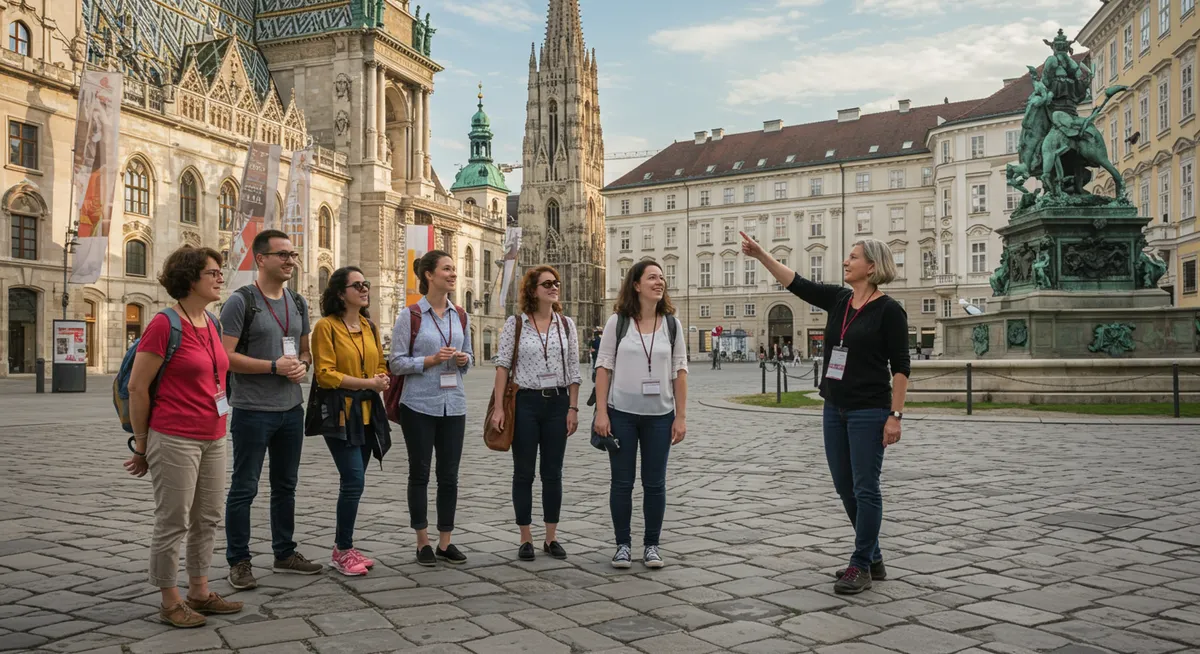
- Consider a guided Tour: While self-guided exploration is wonderful, a local guide can offer invaluable historical context, anecdotes, and cultural insights you might otherwise miss.
Planning Your Vienna Cultural Walking Tour
Embarking on a cultural walking tour of Vienna is an immersive way to uncover the city’s imperial grandeur and artistic soul. To ensure your experience is as seamless and enjoyable as possible, a little pre-planning goes a long way. Vienna’s charm truly reveals itself on foot, but being prepared for its climate, cobblestones, and captivating detours is key.
Best Time for Walking Tours
For an optimal walking experience in Vienna, we highly recommend visiting during the shoulder seasons: spring (April to May) or autumn (September to October). During these periods, Vienna boasts wonderfully mild temperatures, perfect for strolling through historic districts and sprawling gardens without the discomfort of summer heat or winter chill. Spring delights with blooming parks and vibrant flower displays, while autumn offers crisp air, stunning fall foliage, and the start of the cultural season, often with fewer crowds than the peak summer months. While Vienna is beautiful year-round, intense summer heat or winter snow can make extensive walking less comfortable.
What to Wear
Your Vienna walking tour success hinges largely on your wardrobe choices:
- Comfortable Walking Shoes: This is non-negotiable. Vienna’s historic streets are often paved with charming, but unforgiving, cobblestones, especially in areas like the Graben, Stephansplatz, and around the Hofburg Palace. Opt for broken-in, supportive shoes with good cushioning.
- Layers: Vienna’s weather can be quite changeable, even within a single day. Dressing in layers (e.g., a t-shirt, light sweater or cardigan, and a waterproof jacket) allows you to adapt easily to temperature fluctuations. Breathable fabrics are ideal.
- Rain Gear: A compact umbrella or a light, waterproof jacket is a must-have, regardless of the season. Sudden showers are not uncommon.
- Sun Protection: In open squares and parks, the sun can be quite strong. Consider a hat, sunglasses, and sunscreen, especially during warmer months.
Essential Items to Carry
Pack a small, secure bag (like a crossbody or a light backpack) with these essentials:
- Water Bottle: Staying hydrated is crucial for prolonged walking. Vienna has numerous public drinking fountains (especially active in warmer months) where you can refill.
- Offline Map or App: While Vienna is well-signed, an offline map application (like Google Maps or Maps.me) on your smartphone will be invaluable for navigation, locating attractions, and finding nearby cafes or restrooms.
- Portable Charger: Using navigation apps and taking photos will drain your phone battery quickly. A power bank is a lifesaver.
- Small Snacks: While Vienna offers an abundance of cafes, having a granola bar or some nuts can provide an energy boost between planned breaks.
- Small First-Aid Kit: Blister plasters, pain relievers, and any personal medications are always a good idea.
General Budget Considerations
Beyond travel and accommodation, factor in these costs for your walking tour:
- Attraction Entry Fees: Many of Vienna’s iconic cultural sites, such as the Hofburg Imperial Apartments, Schönbrunn Palace, Belvedere Palace (home of ‘The Kiss’), and various museums, have significant entry fees. Check their official websites for current prices and consider purchasing tickets online in advance to save time.
- Vienna Pass / Flexi Pass: If you plan to visit many paid attractions, a Vienna Pass or Vienna Flexi Pass might offer savings. Do the math to see if it aligns with your planned itinerary.
- Coffee & Cake Breaks: Budget for indulging in Vienna’s legendary coffee house culture. A traditional Melange and a slice of Sachertorte typically cost around €8-€15.
- Lunch/Dinner: Prices vary widely. You can grab an affordable Würstel (sausage) from a street stand for around €4-€6, enjoy a hearty lunch at a traditional Gasthaus for €15-€25, or opt for fine dining.
- Public Transport: While walking is central, Vienna’s efficient U-Bahn (metro), trams, and buses are excellent for covering longer distances or giving your feet a rest. A single ticket costs around €2.40, while a 24/48/72-hour pass offers better value for multiple rides.
With these practical tips in mind, you’re well on your way to an unforgettable cultural walking tour through Vienna’s magnificent streets.
Suggested Itinerary: Vienna’s Imperial & Artistic Heartbeat (Day 1)
💡 Pro Tip: Book your Vienna adventures in advance through Viator for the best deals!
Embark on your Viennese adventure by immersing yourself in the city’s imperial grandeur and artistic spirit. Day one focuses on the opulent core, a walkable journey through centuries of Habsburg power and cultural brilliance. Wear comfortable shoes – this is a day for exploration!
Morning: Imperial Grandeur at the Hofburg
- Start Point: Hofburg Palace Complex
Begin at the sprawling Hofburg Palace, the former imperial winter residence of the Habsburg dynasty for over 600 years. Explore its diverse architectural styles, a testament to centuries of additions. - Explore Courtyards & Spanish Riding School Exterior
Wander through majestic courtyards like the Schweizerhof and Innerer Burghof. You’ll pass the entrance to the Spanish Riding School; while interior visits require tickets (book well in advance!), admire its beautiful baroque façade. Don’t miss the grand Heldenplatz. - Cultural Insight: The Hofburg is a living museum of Austrian history, reflecting the immense power and influence of the Habsburgs across Europe.
- Practical Tip: Allow at least 1.5-2 hours for wandering the exteriors and courtyards without rushing.
Mid-Morning: Elegant Streets to the City’s Heart
- Michaelerplatz
Exiting the Hofburg, step into Michaelerplatz, a stunning square blending imperial and modern. Marvel at the contrasting Baroque Michaelertrakt and the futuristic Looshaus. Look down to spot Roman ruins beneath a glass pyramid! - Kohlmarkt & Graben
From Michaelerplatz, stroll along Kohlmarkt, one of Vienna’s most exclusive shopping streets, leading directly into the magnificent Graben. This boulevard features impressive Baroque buildings and the dramatic Pestsäule (Plague Column), erected after the Great Plague of 1679. - Cultural Insight: These streets, once ancient Roman roads, became Vienna’s commercial heart. The Pestsäule is a solemn reminder of past hardships and a testament to Baroque artistry.
- Practical Tip: Take time to admire the intricate architecture and the Plague Column. This area is perfect for people-watching from a sidewalk café.
Afternoon: Gothic Grandeur & Artistic Expressions
- St. Stephen’s Cathedral (Stephansdom)
Your walk culminates at Stephansdom, Vienna’s iconic Gothic cathedral. Its striking multi-colored tiled roof and towering South Tower dominate the skyline. Step inside to witness the awe-inspiring nave, beautiful altars, and intricate stained glass. - Cultural Insight: Stephansdom has been the spiritual heart of Vienna for centuries, witnessing countless historical events and serving as a symbol of Austrian identity.
- Practical Tip: Entrance to the main nave is free, but there’s a charge for specific areas like the catacombs or climbing the South Tower (recommended for panoramic city views!).
- Vienna State Opera (Staatsoper)
From Stephansdom, enjoy a pleasant 10-15 minute walk down Kärntner Straße to reach the magnificent Vienna State Opera. This Neo-Renaissance masterpiece is one of the world’s leading opera houses. - Cultural Insight: The Staatsoper is a vibrant hub of classical music, epitomizing Vienna’s profound connection to the arts.
- Practical Tip: While catching a performance requires planning, you can often take a guided tour during the day. Even just admiring its exterior as the day winds down is a memorable experience.
This itinerary offers a fantastic introduction to Vienna’s historical and cultural core. Remember to stay hydrated and perhaps grab a traditional Viennese lunch at a Würstelstand or a classic coffeehouse along your route.
Local Life & Bohemian Charms: Beyond the Main Path (Day 2)
Day 2 invites you to peel back another layer of Vienna, moving beyond the imperial grandeur to discover its more intimate, bohemian, and genuinely local facets. This walking route is designed to immerse you in everyday Viennese life, from charming historic alleys to vibrant market scenes and a modern cultural oasis.
Morning Charm: Spittelberg Quarter
Begin your day in the enchanting Spittelberg Quarter, a beautifully preserved Biedermeier district that feels like stepping back in time. Just a short walk from the Ringstrasse, its cobbled streets and pedestrianized lanes offer a delightful contrast to the city’s grand boulevards. Stroll slowly through streets like Spittelberggasse, Gutenberggasse, and Schrankgasse, admiring the pastel-colored facades, intricate doorways, and quiet courtyards. This area, once known for its red-light district, was revitalized and now hosts small boutiques, artisan workshops, and cozy cafes. It’s particularly magical in the morning before the crowds arrive. Grab a coffee at a traditional Viennese café here and soak in the peaceful, artistic atmosphere.
Cultural Pulse: MuseumsQuartier (MQ)
From Spittelberg, it’s a mere five-minute walk to the colossal MuseumsQuartier (MQ), one of the world’s largest cultural complexes. This fascinating blend of baroque architecture and modern design houses institutions like the Leopold Museum (featuring Klimt and Schiele) and Mumok (Museum of Modern Art). But the MQ is more than just museums; it’s a vibrant urban living room. Spend time just relaxing in the vast courtyards, people-watching from the iconic ‘Enzis’ (colorful, oversized outdoor benches), or checking out temporary art installations. It’s a fantastic spot to witness Vienna’s contemporary pulse and see how locals embrace public spaces for leisure and culture.
Culinary Kaleidoscope: Naschmarkt
Head south from the MQ for about a 10-15 minute walk to reach the bustling Naschmarkt, Vienna’s most famous outdoor market. This mile-long stretch is a feast for the senses, offering an incredible array of international and local delicacies. From exotic spices and fresh produce to Viennese pastries, olives, and an abundance of Middle Eastern and Asian street food stalls, the Naschmarkt is a true culinary melting pot. Don’t be afraid to sample; many vendors offer small tastes. For lunch, choose from one of the many permanent restaurants or grab some falafel, sushi, or a traditional Käsekrainer (cheese sausage) from a stall. If your Day 2 falls on a Saturday, you’ll also find a massive flea market at the far end, perfect for treasure hunting.
Architectural Whimsy (Optional): Hundertwasserhaus
For an intriguing architectural detour, consider visiting the unique Hundertwasserhaus. While not directly walkable from Naschmarkt (it’s about a 20-25 minute walk or a short tram/metro ride), this unconventional apartment building by Friedensreich Hundertwasser is a true testament to Vienna’s embrace of artistic individuality. With its uneven floors, vibrant colors, “tree tenants” growing from balconies, and lack of straight lines, it’s a living work of art. Remember, it’s a residential building, so admire it from the outside. Nearby, the Hundertwasser Village offers a small shopping arcade and café designed in a similar eccentric style.
Practical Tips for Day 2:
- Footwear: While less extensive than Day 1, comfortable walking shoes are still a must, especially for the market.
- Market Savvy: At Naschmarkt, feel free to explore and taste. Be mindful of your belongings in crowded areas.
- MQ Chill: Allow yourself time to simply relax and soak in the atmosphere at the MuseumsQuartier – it’s part of the experience.
- Flexibility: If you’re short on time, prioritize Spittelberg, MQ, and Naschmarkt. Hundertwasserhaus can be a quick visit if you take public transport.
Practicalities for the Pedestrian Explorer
💡 Pro Tip: Book your Vienna adventures in advance through Viator for the best deals!
Venturing through Vienna on foot is undoubtedly the most immersive way to peel back its layers of history and culture. However, even the most seasoned pedestrian explorer benefits from a few practical tips to ensure a seamless and enjoyable journey.
Navigating the Imperial City
While Vienna’s historic center is delightfully walkable, a good navigational tool is your best friend. Rely on trusted apps like Google Maps or Apple Maps for real-time directions, public transport information, and estimated walking times. Consider downloading offline maps before you head out, especially if you’re concerned about data roaming. Vienna’s logical layout, centered around the historic Innere Stadt and encircled by the grand Ringstraße, makes it relatively easy to orient yourself once you get a feel for it.
Seamless Public Transport Integration
Even for dedicated walkers, Vienna’s efficient public transport system (Wiener Linien) is a lifesaver for longer distances or when your feet need a well-deserved break. The U-Bahn (subway) is fast and frequent, connecting major hubs, while the Straßenbahn (tram) offers a more scenic journey, often skirting around the Ringstraße and through charming districts. For multi-day explorations, investing in a 24, 48, or 72-hour pass, or even a weekly pass, is incredibly cost-effective and convenient. Remember to validate your ticket before your first journey if you buy a single ticket, as plainclothes inspectors are common!
Restroom & Refreshment Stops
When nature calls, public restrooms can sometimes be elusive. Your best bets are usually inside larger museums, department stores, train stations, or tourist information centers. Traditional Viennese coffee houses (Kaffeehäuser) are also excellent spots for a pit stop – often for the price of a coffee, you get access to their facilities and a delightful cultural experience. Speaking of which, these iconic establishments are perfect for a mid-walk break. Indulge in a “Melange” and a slice of “Sachertorte” or “Apfelstrudel” while soaking in the elegant ambiance. For a quicker, more authentic bite, seek out one of Vienna’s omnipresent “Würstelstands.” A “Käsekrainer” (cheese sausage) with mustard and a roll is the quintessential Viennese street food experience – perfect for refuelling on the go.
Safety on the Streets
Vienna is generally a very safe city, but like any popular tourist destination, it pays to be vigilant. Pickpockets can operate in crowded areas such as Stephansplatz, the Naschmarkt, or around major attractions like Schönbrunn Palace. Keep your valuables secure and out of sight. When crossing streets, always pay attention to traffic lights and look both ways, even on one-way streets. Viennese drivers are generally courteous, but awareness is key, especially when crossing tram tracks.
Enhancing Your Experience: Guided Tours & Resources
While self-guided exploration offers immense freedom, embracing guided tours and leveraging smart resources can significantly deepen your understanding and appreciation of Vienna’s rich cultural tapestry. A local expert can transform a simple stroll into an immersive journey through history, art, and Viennese life.
Benefits of Guided Tours in Vienna
A great guide does more than just point out landmarks; they breathe life into the stones and stories of Vienna. They provide invaluable historical context, share captivating local anecdotes that you won’t find in guidebooks, and often reveal hidden courtyards, secret passages, or lesser-known details that truly bring the city to life. From the intricate politics of the Habsburg Empire to the personal lives of musical geniuses like Mozart and Strauss, a guide’s insights can connect you directly to the city’s soul.
Types of Guided Tours
- Free Walking Tours: A fantastic introduction to Vienna, these tip-based tours typically cover major central sights like St. Stephen’s Cathedral, Hofburg Palace, and the Graben. They’re excellent for budget-conscious travelers and offer a great overview to help you orient yourself. Remember to tip your guide generously if you enjoyed the experience, as this is how they earn their living. Look for reputable local providers online.
- Themed Tours: Vienna excels in specialized experiences. Dive deep into the city’s musical heritage with a classical music tour, explore the opulent world of the Habsburgs, unravel the secrets of the Jewish Quarter, or indulge in a culinary walk focusing on Viennese coffee houses and traditional treats. You can also find tours dedicated to specific artists, the Art Nouveau movement, or even the iconic “Third Man” film locations.
- Private Guides: For a truly personalized and flexible experience, consider hiring a private guide. This allows you to customize your itinerary based on your specific interests, pace, and accessibility needs. It’s an ideal option for families, small groups, or those with very niche interests, offering unparalleled depth and exclusivity.
Recommended Apps & Self-Guided Resources
For those who prefer to navigate independently, modern technology offers powerful tools:
- Audio Guide Apps: Apps like VoiceMap, izi.TRAVEL, or even curated content within Google Maps can provide narrated tours for specific districts or attractions. Download content offline to save on data and ensure uninterrupted guidance. Rick Steves Audio Europe also features excellent free walking tours for various European cities, including Vienna.
- Transport Apps: The official Wiener Linien app is indispensable for navigating Vienna’s efficient public transport system (trams, buses, U-Bahn). It offers real-time schedules and route planning, making it easy to hop between walking areas. Google Maps is also highly reliable for walking directions and public transport integration.
- Digital & Print Guidebooks: Classic guidebooks from publishers like Lonely Planet, Rick Steves, or Fodor’s often include detailed walking itineraries and maps. Supplement these with information from the official Vienna Tourist Board website (wien.info), which is a treasure trove of current events, local tips, and self-guided suggestions. Many museums also offer their own excellent audio guides.
Actionable Tips for Enhancing Your Walk
- Book in Advance: Especially for popular themed or private tours, booking ahead (especially during peak season) is highly recommended to secure your spot.
- Charge Your Devices: Whether for navigation, photos, or audio guides, ensure your phone is fully charged or carry a portable power bank.
- Stay Hydrated: Vienna’s tap water is famously pure and delicious. Carry a reusable water bottle and refill it often.
- Wear Comfortable Shoes: This cannot be stressed enough! Vienna’s charming cobblestone streets are beautiful but demand proper footwear for extended walking.
Vienna’s Walking Culture & Local Etiquette
As you embark on your cultural walking tour of Vienna, you’ll quickly discover that the city is wonderfully pedestrian-friendly, yet it operates with a distinct set of cultural norms and etiquette. Understanding these local insights will not only enhance your experience but also demonstrate respect for the Viennese way of life.
Pedestrian Rules & Crosswalk Etiquette
Vienna takes its pedestrian rules seriously. Unlike some cities where jaywalking is common, in Vienna, it’s a definite no-go. Always wait for the green light, even if no cars are visible. The charming “Ampelmännchen” (traffic light figures) are your best guide. Disregarding a red light can result in a hefty fine and is frowned upon by locals. On sidewalks and especially escalators, always remember to keep to the right to allow others to pass on the left. Be mindful of cyclists using designated lanes and the ubiquitous trams; they have right of way.
Understanding Vienna’s Coffee House Culture (Kaffeehaus)
The Viennese coffee house is more than just a place to grab a drink; it’s an institution, a second living room, and a UNESCO Intangible Cultural Heritage. To fully immerse yourself:
- Ordering: When a waiter approaches, a polite “Grüß Gott” (a common greeting in Austria) followed by your order is appreciated. Don’t be afraid to ask for recommendations.
- The ‘Melange’: This is Vienna’s signature coffee – akin to a cappuccino but often milder, topped with frothed milk. Other popular choices include a ‘Verlängerter’ (an Americano) or an ‘Einspänner’ (a double espresso with whipped cream).
- Duration of Stay: There’s no rush! Viennese coffee houses encourage lingering. It’s perfectly acceptable to spend hours reading the newspaper (often provided), writing, or simply observing the world go by after ordering just one coffee. This is part of the charm.
- Tipping: A small tip (around 5-10%, or simply rounding up) is customary for good service.
Basic German Phrases for Interactions
While many Viennese, especially in tourist areas, speak excellent English, making an effort with a few basic German phrases will always be appreciated:
- Grüß Gott: (Groos Got) – A polite greeting, specific to Austria and Southern Germany.
- Bitte: (Bit-tuh) – Please / You’re welcome.
- Danke: (Dank-uh) – Thank you.
- Entschuldigung: (Ent-shool-dee-goong) – Excuse me / Sorry.
- Sprechen Sie Englisch?: (Shprek-en Zee Eng-lish?) – Do you speak English?
A simple “Grüß Gott” when entering a shop or café, and “Danke” when leaving, goes a long way.
General Respect for Local Customs & Quiet Residential Areas
Vienna is a city that values order and quiet, especially in residential zones. When your walking tour takes you through quieter streets, particularly in the evenings or early mornings, be mindful of your noise level. Keep conversations subdued, and avoid shouting. Locals appreciate visitors who respect their peaceful environment. Generally, Viennese are polite and somewhat reserved; mirroring this demeanor in public spaces, queuing patiently, and respecting personal space will help you blend in seamlessly and enjoy a truly authentic cultural experience.
Connecting to Vienna’s Broader Walking Ecosystem
Vienna isn’t just a city to be explored on foot; it’s a living, breathing ecosystem where your daily steps naturally connect you to its myriad cultural offerings and serene green spaces. Our curated cultural insights walking tours are designed to be the perfect starting point, but they are by no means the end of your pedestrian adventure.
Imagine concluding a morning walk through the historical city center right at the doorstep of one of Vienna’s world-class museums. For instance, after tracing the imperial legacy around the Hofburg Palace, you can seamlessly transition into the Imperial Apartments, Sisi Museum, and Imperial Silver Collection, deepening your understanding of the Habsburgs. Or, if your walk has led you past Maria-Theresien-Platz, you’re perfectly positioned to dive into the artistic treasures of the Kunsthistorisches Museum or the wonders of the Naturhistorisches Museum. Many of our suggested routes are intentionally designed to culminate near these cultural bastions, allowing for an effortless pivot from outdoor exploration to indoor immersion.
As the sun begins to set, your walking experiences can beautifully lead into Vienna’s renowned evening culture. After a leisurely afternoon stroll, you might find yourself only steps away from the magnificent Vienna State Opera or the historic Musikverein, home to the Golden Hall. Planning your walk to end conveniently near these venues allows you to head back to your accommodation to freshen up before returning for an unforgettable concert or opera performance. Remember to book tickets well in advance, especially for popular shows, and check the dress code – many Viennese venues appreciate smart casual attire.
Beyond the grand institutions, Vienna offers numerous green oases perfect for relaxation and reflection after an invigorating walk. The centrally located Stadtpark, with its charming bridges, waterways, and iconic Johann Strauss monument, is ideal for a tranquil stroll. Similarly, the exquisite Volksgarten, part of the Hofburg complex, invites you to wander through its famous rose garden or admire the Theseus Temple. These parks are easily accessible on foot from most city center areas, offering a perfect respite or a gentle extension to your walking day.
Finally, to truly immerse yourself in Vienna’s broader walking ecosystem, keep an eye out for local walking festivals and themed events. The Vienna Tourist Board website (Wien.info) is an excellent resource for up-to-date information on seasonal guided walks, historical reenactments, or even specialized culinary walks. Local municipal websites and community boards might also list smaller, more niche walking events throughout the year. Participating in these can offer unique insights and connect you with local enthusiasts, adding another layer to your Viennese adventure on foot.
Frequently Asked Questions
💡 Pro Tip: Book your Vienna adventures in advance through Viator for the best deals!
Q: Is Vienna a walkable city for tourists?
A: Absolutely! Vienna is exceptionally walkable, especially its city center and major cultural districts. Most key attractions are within reasonable walking distance of each other, and pedestrian-friendly streets and good signage make it a joy to explore on foot.
Q: Do I need a tour guide for a cultural walking tour in Vienna?
A: While a guided tour can offer invaluable historical context and local anecdotes, Vienna is also very well-suited for self-guided walking tours. With a good map, a reliable app, or a detailed itinerary like this one, you can comfortably explore at your own pace. Many free (tip-based) walking tours are also available if you prefer a guided experience without upfront cost.
Q: What’s the best time of year for free walking tours in Vienna?
A: Spring (April-May) and early Autumn (September-October) are ideal. The weather is generally mild and pleasant, perfect for long walks, and the crowds are often less intense than in peak summer. Summers can be hot, and winters can be cold and snowy, but both offer unique charms for those prepared for the conditions.
Q: Are there free walking tours available in Vienna?
A: Yes, several companies offer ‘free’ (tip-based) walking tours in Vienna. These are a great way to get an overview of the city center’s history and highlights. Remember to tip your guide generously if you enjoyed the tour, as this is how they earn their living.
Q: How can I combine walking with public transport in Vienna?
A: Vienna has an excellent, easy-to-use public transport system (Wiener Linien) comprising U-Bahn (subway), Straßenbahn (trams), and buses. Purchase a 24-hour, 48-hour, 72-hour, or weekly pass to easily connect different walking areas or return to your accommodation after a long day. Most walking tour sections are compact, but the public transport is invaluable for getting between districts.
Embarking on a cultural walking tour of Vienna is truly the most intimate and rewarding way to uncover the city’s multifaceted charm. By choosing to explore on foot, you’re not just seeing landmarks; you’re stepping into the rhythm of Viennese life, discovering hidden narratives, and forging a deeper connection with this magnificent capital. So, pack your comfortable shoes, arm yourself with curiosity, and let Vienna’s enchanting streets lead you on an unforgettable cultural journey. Happy walking!