
Best Time for Danang Walking Tours: Your Ultimate Guide (2026)
Discover the best time for walking tours in Da Nang, Vietnam! Learn about seasons, daily timing, and expert tips for a safe, enjoyable exploration on foot.
On this page
Da Nang, a vibrant coastal city in Vietnam, offers a captivating blend of pristine beaches, ancient temples, bustling markets, and modern architecture. While many explore by scooter or taxi, discovering its hidden gems on foot provides an unparalleled intimate experience. However, to truly enjoy Da Nang’s charm as a pedestrian, timing is everything. This guide will help you pinpoint the absolute best times – seasonally and daily – for an unforgettable walking tour adventure.
Key Tips and Takeaways
- January to April is prime walking season for comfort and clear skies.
- Always walk in early mornings (before 9 AM) or late afternoons/evenings (after 4 PM) from May to August.
- Carry water, a hat, sunscreen, and an umbrella/rain jacket year-round.
- Embrace flexibility and check daily forecasts, especially during the rainy season.
- Hydrate frequently and seek shade to mitigate heat and humidity.
- Cross roads with caution and confidence, watching for motorbike traffic.
Understanding Da Nang’s Climate: A Walker’s Perspective
Da Nang, nestled on Vietnam’s central coast, boasts a captivating tropical monsoon climate, which significantly influences the ideal times and strategies for your urban explorations on foot. Unlike regions with four distinct seasons, Da Nang primarily experiences two overarching periods: a hot, dry season and a cooler, rainy season. Understanding these climatic nuances isn’t just about packing the right gear; it’s fundamental to ensuring your walking tours are comfortable, safe, and truly enjoyable.
The Dry Season: March to August
This period is characterized by glorious sunshine, clear skies, and soaring temperatures. Typically, daytime temperatures range from 28°C to 35°C (82°F to 95°F), though it can occasionally climb even higher, particularly in June and July. While humidity is relatively lower than the rainy season, it remains tropical. For walkers, this means:
- Pros: Excellent visibility for photography, minimal risk of rain interrupting your strolls, and vibrant blue skies over the Han River and My Khe Beach.
- Cons: The intense midday heat can be a significant challenge. Exposed areas like bridges or open boulevards can feel punishingly hot, increasing the risk of heatstroke and dehydration.
- Actionable Tips:
- Timing is everything: Schedule your longer walks for early mornings (before 9 AM) or late afternoons/evenings (after 4 PM) when temperatures are more forgiving.
- Hydration is paramount: Carry ample water and drink frequently, even if you don’t feel thirsty. Look for local cafes to grab refreshing drinks.
- Sun protection: A wide-brimmed hat, sunglasses, high-SPF sunscreen, and light, breathable clothing (think linen or quick-dry fabrics) are non-negotiable.
- Seek shade: Prioritize routes with tree-lined streets or consider shorter segments in shaded areas like the Marble Mountains caves (though it can still be humid inside).
The Rainy Season: September to February
This season brings cooler temperatures and increased rainfall, with October and November often being the wettest months, occasionally accompanied by tropical depressions or typhoons. Temperatures typically hover between 20°C and 28°C (68°F to 82°F), with humidity levels often exceeding 80-90%. For those hitting the pavement:
- Pros: The cooler weather can actually be more pleasant for walking than the dry season’s scorching heat. Fewer tourists mean less crowded attractions.
- Cons: Rain showers can range from light drizzles to heavy downpours, sometimes lasting for hours. Surfaces can become slippery, and visibility might be reduced. Flash flooding can occur in low-lying areas.
- Actionable Tips:
- Gear up for rain: A lightweight, waterproof rain jacket, a sturdy umbrella, and waterproof or quick-drying footwear are essential.
- Check forecasts constantly: Use reliable weather apps to predict rain patterns and plan your walks around anticipated dry spells.
- Flexibility is key: Be prepared to pivot. Have indoor alternatives like the Da Nang Museum or local markets ready if the weather turns.
- Shorter, adaptable routes: Opt for shorter walks or choose routes that allow easy access to shelter, such as city centers with many shops or cafes.
- Mind your step: Wet sidewalks can be slick; wear shoes with good grip.
Understanding Da Nang’s climate allows you to pack smartly, plan your daily itineraries effectively, and ultimately, have a more comfortable and rewarding walking tour experience, no matter when you choose to visit.
The Best Seasons for Walking Tours in Da Nang
Choosing the right time of year is paramount for an enjoyable walking tour experience in Da Nang. While this vibrant coastal city offers attractions year-round, its tropical monsoon climate means certain seasons are far more conducive to comfortable exploration on foot, especially when you’re aiming to cover significant ground and truly soak in the sights without battling excessive heat or persistent rain.
The Dry Season: January to July – The Prime Window
Generally speaking, Da Nang’s dry season, running from January to July, offers the most reliable weather for walking tours. Within this period, there’s a truly golden window that every walker should aim for:
-
The Ideal Period: January to April/Early May
This is arguably the absolute best time for extended walking tours in Da Nang. Temperatures during these months are wonderfully pleasant, typically ranging from a comfortable 22°C to 30°C (72°F to 86°F), with significantly lower humidity compared to later in the year. The skies are generally clear and sunny, providing perfect conditions for photography and uninterrupted strolls along the Han River, through bustling markets like Con Market, or exploring the pathways of the Marble Mountains. You’ll find it easy to stay hydrated and energetic, making it ideal for longer excursions and covering multiple points of interest. Plus, the reduced chance of rain means you won’t need to factor in sudden downpours disrupting your itinerary. -
Late Dry Season: May to July
While still part of the dry season, the period from May to July sees a noticeable increase in both temperature and humidity, often peaking at 35°C (95°F) or higher. Walking during the midday sun can be challenging. If your travel plans fall within these months, it’s crucial to adapt your walking schedule. Prioritize early morning excursions (before 9 AM) or late afternoon/evening walks (after 4 PM) when the sun is less intense. Seek shade wherever possible – a great excuse to duck into a café for a refreshing coconut water or iced coffee. Always carry plenty of water, wear light, breathable clothing, a wide-brimmed hat, and high-SPF sunscreen.
The Shoulder Months: September & October – A Calculated Gamble
These months mark the transition into the rainy season, but they can still be surprisingly rewarding for walkers willing to take a slight risk. While rainfall begins to increase, it’s often in the form of sporadic, heavy showers rather than continuous downpours. The major advantage here is fewer tourists, meaning less crowded sidewalks and attractions. Temperatures remain warm but are slightly cooler than the peak summer months. If you choose this period, pack a lightweight rain poncho or umbrella, and be prepared to duck into a shop or cafe if a shower strikes. Flexibility is key, as is checking the local forecast regularly.
The Rainy Season: November & December – Less Ideal, But Not Impossible
Generally, Da Nang’s rainy season peaks in November and December, bringing heavier and more prolonged rainfall, and occasionally typhoons or flooding. This makes extensive walking tours less appealing, as your comfort and visibility can be significantly impacted. However, there are often clear days interspersed with the rain, so if this is your only travel window, keep an eye on the forecast and be ready to seize any dry spell for a shorter walk. Focus on areas with good shelter or nearby indoor attractions. Comfortable, waterproof footwear becomes essential.
In summary, for the most comfortable and rewarding walking tour experience in Da Nang, aim for the January to April window. Regardless of the season, practical preparation—hydration, sun protection, and comfortable footwear—will be your best friends.
Challenging Seasons and How to Manage Them
🎯 Insider Tip: Discover the best Da Nang experiences with Viator Tours!
While Da Nang offers fantastic walking experiences year-round, preparing for its challenging seasons can significantly enhance your adventure. Don’t let less-than-ideal weather deter you; with a few smart strategies, you can still enjoy captivating strolls and discover the city’s charm.
Navigating the Hot Season (May – August)
Da Nang’s hot season is characterized by intense heat and humidity, with temperatures often soaring, particularly from May to August. Midday walks can be uncomfortable and even risky due to the strong sun. The key to successful walking tours during this period is strategic timing and preparation.
- Embrace the Early Bird or Night Owl: The absolute best times for walking are early mornings (before 9:00 AM) or late afternoons/evenings (after 4:00 PM). An early morning walk along My Khe Beach or the Han River promenade offers cooler temperatures and beautiful light, often with a gentle breeze. In the evenings, the city comes alive with illuminated bridges (like the Dragon Bridge’s fire and water show on weekends) and bustling night markets, providing a vibrant backdrop for your explorations.
- Hydrate Constantly: Carry a refillable water bottle and drink frequently, even if you don’t feel thirsty. Convenience stores (like Circle K, VinMart) and local cafes are plentiful for quick rehydration stops.
- Sun Protection is Paramount: Wear a wide-brimmed hat, sunglasses, and apply high-SPF sunscreen generously. Opt for lightweight, breathable clothing made from natural fibers.
- Pace Yourself and Seek Shade: Plan shorter walking segments with frequent breaks in air-conditioned cafes or shaded areas. Consider using ride-hailing apps (Grab) or taxis for longer distances between attractions to conserve energy.
Managing the Rainy Season (August – December)
The rainy season, typically from August to December, brings frequent showers to Da Nang, ranging from light drizzles to heavy downpours. October and November can see more intense rainfall and the potential for typhoons, requiring extra caution. Flexibility and proper gear are your best allies.
- Be Flexible and Check Forecasts: Daily weather checks are crucial. Be prepared to adjust your itinerary on the fly. A sudden downpour might mean ducking into a café for an hour or shifting to an indoor activity.
- Invest in Rain Gear: A lightweight, packable waterproof jacket or poncho is essential. Umbrellas are also readily available from street vendors and convenience stores. Don’t forget appropriate footwear – waterproof sandals or shoes that dry quickly are highly recommended, as streets can develop puddles.
- Focus on Covered and Indoor Attractions: The rainy season is perfect for exploring Da Nang’s cultural and commercial indoor spaces.
- Museums: Delve into history at the Da Nang Museum of Cham Sculpture or the Da Nang Museum.
- Markets: Experience the vibrant chaos of Han Market or Con Market. They are largely covered and offer endless opportunities for shopping, people-watching, and sampling local street food.
- Shopping Malls: Vincom Plaza or Indochina Riverside Towers provide modern, air-conditioned spaces for shopping, dining, and entertainment.
- Cafes and Culinary Experiences: Spend time in Da Nang’s burgeoning coffee scene, enjoy a cooking class, or indulge in a long lunch at a local restaurant.
- Typhoon Preparedness (Oct-Nov): While rare, typhoons can occur. During these times, walking tours are absolutely not advisable. Always monitor local news and official advisories. Your hotel will usually provide guidance. Prioritize safety and stay indoors until conditions improve.
- Embrace Post-Rain Walks: Often, after a heavy shower, the air clears, and the city feels fresh. Once the streets drain (which they usually do quickly), a walk can be quite pleasant, offering unique photo opportunities with glistening reflections.
Daily Timing: Morning vs. Evening Walks
Choosing the ideal time of day for your Danang walking tour can significantly impact your experience. While Danang offers charm around the clock, factoring in the city’s climate, traffic, and local rhythm is key to a comfortable and memorable exploration. Let’s break down the pros and cons of morning versus evening strolls.
Morning Walks: Embrace the Serenity and Local Pulse
There’s a unique magic to Danang just as the city stirs to life. For a truly authentic and comfortable walking experience, early mornings are hard to beat.
- Cooler Temperatures: Danang can get very hot and humid, especially from late morning through mid-afternoon. Starting your walk before 7:00 AM allows you to enjoy pleasant temperatures, making it easier to cover more ground without feeling overwhelmed by the heat.
- Less Traffic and Crowds: The city’s notorious motorbike traffic is significantly lighter in the early hours. This means safer and more relaxed pavement walking, especially along bustling areas like the Han River waterfront or near local markets. Tourist crowds are also minimal, offering a more serene atmosphere.
- Witness Local Life: This is when Danang truly comes alive for its residents. You’ll see locals engaging in morning exercises along the Han River (think tai chi or jogging), street food vendors setting up their stalls, and the vibrant bustle of local markets like Han Market as fresh produce arrives. It’s a fantastic opportunity to observe the everyday rhythm of Danang.
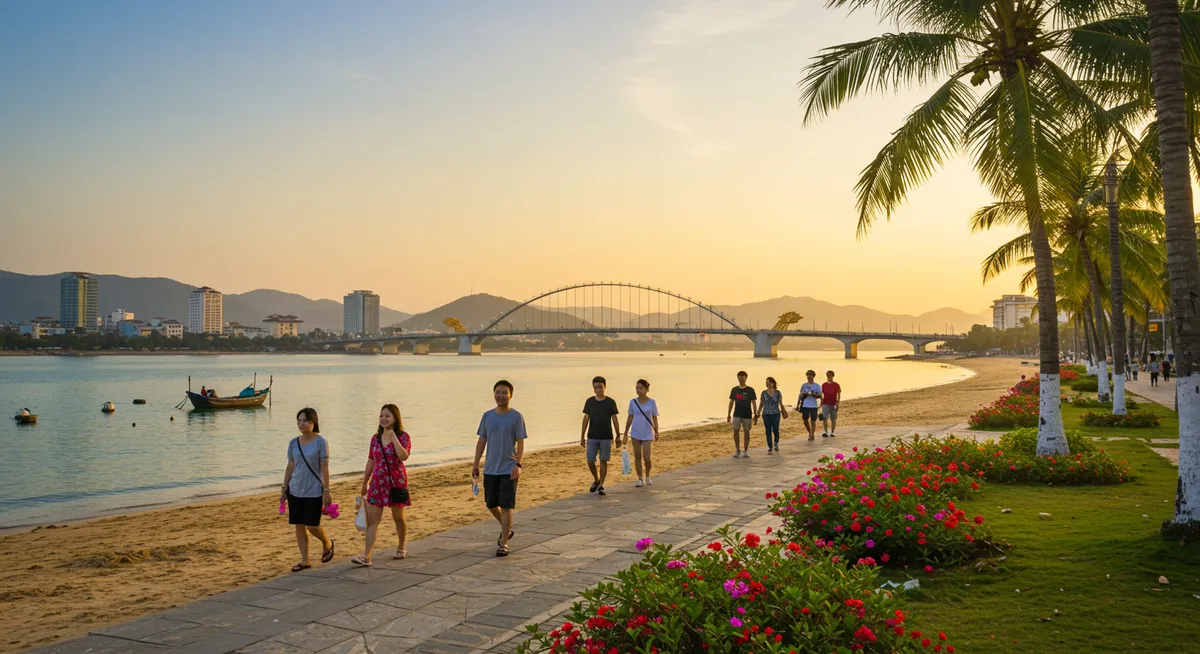
- Photography Opportunities: The soft, golden light of dawn is perfect for capturing stunning photos of landmarks like the Dragon Bridge or the awakening My Khe Beach without harsh shadows or glaring sunlight.
Practical Morning Tips: Aim to start your walk no later than 7:00 AM, ideally earlier. Focus on areas like the Han River promenade, the streets around Han Market, or a stroll along the My Khe Beach coastline. Don’t forget water and a hat, as the sun quickly rises.
Evening & Night Walks: The City Illuminates and Comes Alive
As the sun sets, Danang transforms into a vibrant canvas of lights and activity, offering a completely different but equally captivating walking experience.
- Comfortable Temperatures: After the heat of the day, evening brings welcome relief with cooler, breezier conditions. This makes extended walks much more enjoyable.
- Illuminated Landmarks: Danang’s iconic bridges and landmarks, particularly the Dragon Bridge and Love Lock Bridge, are spectacularly lit up at night, creating a magical ambiance. If you’re walking on a weekend, catching the Dragon Bridge’s fire and water show (usually 9:00 PM on Sat/Sun) is a must-see highlight.
- Vibrant Atmosphere: The Han River banks, night markets (like Son Tra Night Market), and popular tourist streets buzz with energy. Street food stalls are in full swing, offering a chance to sample local delicacies amidst a lively crowd. Many cafes and bars also come alive with music and chatter.
- Romantic Ambiance: The glittering lights reflected on the Han River, combined with the general buzz, create a wonderfully romantic setting for an evening stroll.
Practical Evening Tips: Start your walk around 6:00 PM or later to fully appreciate the cooler temperatures and illuminations. The Han River waterfront, stretching from the Dragon Bridge to the Love Lock Bridge and APEC Park, is an excellent evening walking route. Be mindful of increased motorbike traffic and larger crowds around popular attractions. Stay aware of your surroundings, especially when crossing streets.
Ultimately, the “best” time depends on your preference. For an authentic cultural immersion and peaceful exploration, mornings are superior. For a lively, illuminated, and often more social experience, evenings are your go-to. Many travelers find a combination of both offers the most comprehensive Danang walking tour experience.
Weather-Proofing Your Da Nang Walking Tour
Da Nang’s tropical climate means you can experience beautiful sunshine, but also sudden downpours and high humidity. Being prepared is key to ensuring your walking tour remains enjoyable, come rain or shine. Here’s how to weather-proof your Da Nang adventure:
Essential Gear for Your Da Nang Walking Tour:
- Comfortable Walking Shoes: This is non-negotiable! Da Nang’s sidewalks can be uneven, and you’ll be covering significant distances. Opt for breathable, broken-in sneakers or walking sandals with good support. Avoid brand-new shoes or flip-flops for extensive walking.
- Lightweight, Breathable Clothing: Think quick-drying fabrics like cotton or linen. Da Nang’s heat and humidity can be intense, so loose-fitting tops and shorts or light trousers are ideal. Consider light long sleeves for sun protection if you’re particularly sensitive to the sun.
- Wide-Brimmed Hat or Cap: The equatorial sun in Da Nang can be fierce. A hat will protect your face, neck, and ears from direct sunlight, significantly reducing the risk of sunburn and heatstroke.
- High-SPF Sunscreen: Apply generously before you start your tour and reapply frequently, especially if you’re sweating. Opt for at least SPF 30+, preferably water-resistant. Da Nang’s coastal setting means strong UV rays.
- Reusable Water Bottle: Hydration is paramount. Carrying your own bottle allows you to refill easily at cafes, shops, or even from large water dispensers found in some public areas. Staying hydrated is your best defense against heat exhaustion.
- Compact Umbrella or Lightweight Rain Jacket: Da Nang’s weather can be unpredictable, with tropical showers appearing quite suddenly, especially during the rainy season (September to February). A compact umbrella is often preferred by locals for its dual purpose – sun shade and rain protection – while a lightweight, packable rain jacket is great for hands-free coverage.
- Sunglasses: Protect your eyes from the bright glare, especially when walking along the beachfront or open areas like the Dragon Bridge.
Strategies for Hydration and Sun Protection:
- Hydrate Constantly: Don’t wait until you feel thirsty. Sip water regularly throughout your tour. Consider electrolyte drinks or fresh coconut water, widely available in Da Nang, to replenish essential salts lost through sweating. Local vendors selling these refreshing drinks are plentiful, especially near popular walking routes.
- Seek Shade Often: Plan your route to incorporate shaded areas like parks, traditional markets, or even duck into air-conditioned cafes or shops for a quick cool-down break. Da Nang offers many charming spots to escape the heat.
- Strategic Timing: While this section isn’t about the best time, remember that starting your tour early in the morning (before 9 AM) or later in the afternoon (after 3 PM) can help you avoid the peak heat of the day.
- Listen to Your Body: If you feel overly hot, dizzy, or tired, take a break. There’s no rush. Da Nang is best explored at a comfortable pace. Local cafes are perfect for a cool-down coffee or a glass of fresh juice.
By packing smart and being mindful of the weather, you’ll be well-equipped to enjoy every step of your Da Nang walking tour, rain or shine!
Connecting Your Walk to Da Nang’s Attractions
🎯 Insider Tip: Discover the best Da Nang experiences with Viator Tours!
Da Nang’s diverse landscape and vibrant attractions offer incredible opportunities for exploration on foot, provided you time your walks just right. Connecting your strolls with specific sights not only enhances your experience but also helps you manage Da Nang’s tropical climate effectively. Here’s how to best integrate walking into your Da Nang itinerary:
City Center & Han River
- Ideal Walking Times:
- Evenings (6 PM onwards): The city truly comes alive after sunset. This is the prime time to walk along the Han River promenade, especially on weekends to witness the Dragon Bridge’s spectacular fire and water show (usually 9 PM on Sat/Sun). The illuminated bridges – Dragon Bridge, Han River Bridge, and Thuan Phuoc Bridge – create a magical atmosphere, and the cooler temperatures make for a very pleasant stroll.
- Mornings (6 AM – 9 AM): For a different vibe, explore the Han River area in the early morning. You’ll see locals exercising, fishing, and setting up their day. This is also an excellent time to visit Han Market before it gets too crowded, experiencing its authentic morning hustle.
- Practical Walking Advice: The city center and riverfront are largely flat and well-paved, making them highly accessible. Wear comfortable shoes, and be mindful of motorbike traffic, especially when crossing streets.
My Khe Beach & Son Tra Peninsula
- Ideal Walking Times:
- My Khe Beach (Early Morning – 5 AM to 8 AM): Often cited as one of the world’s most beautiful beaches, My Khe is best enjoyed with an early morning walk. You can catch a breathtaking sunrise over the East Sea, enjoy the cooler temperatures, and observe local life – people swimming, jogging, or practicing Tai Chi.
- Son Tra Peninsula (Limited Walking, Best Combined with Transport): While you can walk parts of Son Tra, exploring the entire peninsula on foot is impractical due to its hilly terrain and vastness. It’s best to hire a motorbike or car to reach specific viewpoints and attractions like Linh Ung Pagoda (home to the towering Lady Buddha statue). Once there, you can enjoy extensive walks within the pagoda grounds and surrounding trails. Aim for early mornings or late afternoons for cooler temperatures and clearer views.
- Practical Walking Advice: For My Khe, consider walking barefoot in the sand for a refreshing experience. On Son Tra, if you choose to walk smaller sections, be prepared for inclines and varying road conditions. Always carry water.
Marble Mountains (Ngu Hanh Son)
- Ideal Walking Times:
- Early Morning (8 AM – 10 AM) or Late Afternoon (3 PM – 5 PM): These times offer relief from the midday heat and can help you avoid the largest tour groups. The Marble Mountains involve a significant amount of walking, including climbing many steps (or taking a lift part-way) to explore pagodas, caves, and viewpoints.
- Practical Walking Advice: Wear sturdy, comfortable walking shoes with good grip, as the paths can be uneven and rocky in places. Hydrate frequently and consider bringing a small towel. The sun can be intense even during cooler hours, so sun protection (hat, sunscreen) is highly recommended.
Local Markets & Neighbourhoods
- Ideal Walking Times:
- Mornings (7 AM – 11 AM): To fully immerse yourself in the vibrant local life and truly experience Da Nang’s markets like Han Market or Con Market, mornings are ideal. This is when the markets are most bustling with locals shopping for fresh produce, seafood, and street food.
- General Anytime (with Preparation): While mornings are best for markets, exploring Da Nang’s local neighbourhoods and street food alleys can be done anytime. Just be prepared for the heat and humidity.
- Practical Walking Advice: Navigating through busy market alleys requires awareness; watch out for motorbikes and vendors. It’s a sensory overload in the best way – be ready to try local delicacies. Carry a reusable water bottle, stay hydrated, and dress in light, breathable clothing.
Local Insights & Expert Tips for Walkers
Venturing through Danang on foot offers a unique perspective, allowing you to truly soak in the city’s rhythm, scents, and sounds. To make your walking tours exceptional, here are some invaluable local insights and expert tips.
Beat the Crowds & Find Your Space
Danang’s popularity means certain spots can get bustling. For a more serene experience:
- Early Bird Advantage: Embrace the morning. Starting your walk around 6:00 AM to 8:00 AM guarantees cooler temperatures and significantly fewer crowds at popular spots like My Khe Beach promenade or the Han River. You’ll witness the city waking up.
- Mid-Afternoon Lull: From 2:00 PM to 4:00 PM is often a quieter period as locals shelter from the mid-day sun. This is a great time to explore markets or quieter streets.
- Weekend Warriors Beware: Schedule visits to major attractions like the Dragon Bridge on weekdays. The Dragon Bridge fire show on Saturday and Sunday nights (around 9:00 PM) draws massive crowds; avoid the area then if you’re not specifically there for the show.
Savoring Danang’s Street Food Scene
Danang is a street food paradise, and timing is key to finding the freshest, most authentic bites:
- Morning Delights: Many local breakfast stalls (for *Mì Quảng*, *Bún chả cá*) open from 6:00 AM and often sell out by 9:00 AM or 10:00 AM. Head to Han Market or Con Market early for a vibrant morning food experience.
- Evening Feasts: The street food scene truly comes alive after 5:00 PM. From skewers to seafood, vendors set up shop along the riverfront or dedicated food streets. Aim to go just before the main dinner rush (e.g., 5:30 PM) for the best selection.
- Look for Locals: A good rule of thumb: eat where the locals eat. If a stall is packed with Vietnamese patrons, it’s a strong indicator of deliciousness!
Navigate Like a Local: Essential Apps & Phrases
Technology and a few key phrases can significantly enhance your walking adventure:
- Grab (Ride-Hailing): Indispensable for quick rides across major intersections, when your feet are tired, or to cover long distances. It offers both motorbike and car options and is user-friendly. Download it beforehand.
- Google Maps & Local SIM: Ensure you have a local SIM card (Viettel, Mobifone, or Vinaphone) for reliable data. Google Maps is excellent for walking directions and locating specific street food stalls.
- Basic Vietnamese Phrases: A little effort goes a long way. Locals genuinely appreciate it.
- “Hello”: Xin chào (sin chow)
- “Thank you”: Cảm ơn (gam un)
- “Delicious!”: Ngon quá! (ngon kwah!)
- “How much?”: Bao nhiêu? (bow nyoo?)
- “No chili”: Không ớt (kong ut)
Mastering Danang’s Pedestrian Etiquette
Walking in Danang’s bustling environment requires a bit of local understanding:
- Crossing the Road: This is an art form. Traffic often flows *around* pedestrians. The key is to walk slowly and predictably, maintaining a consistent pace. Drivers will anticipate your movement. Avoid sudden stops or changes in direction.
- Sidewalk Surprises: Don’t expect perfectly clear sidewalks. They are often used for motorbike parking or street vendors. Be prepared to step onto the road frequently, always staying vigilant for motorbikes.
- Stay Aware: Always be aware of your surroundings, especially motorbikes that might come from unexpected directions. Patience and a calm demeanor are your best friends.
By keeping these local insights in mind, your free walking tours in Danang will be memorable, smooth, and incredibly rewarding.
Safety & Practicalities for Da Nang Walkers
While Da Nang is renowned for its relaxed atmosphere, navigating its streets as a pedestrian requires a unique blend of awareness and practicality. A little preparation ensures your walking tours are not only enjoyable but also safe and stress-free. Here’s how to navigate Da Nang’s urban landscape with confidence.
Navigating Da Nang’s Traffic: The Art of the Pedestrian Flow
The defining feature of Da Nang’s streets is the constant stream of motorbikes. Unlike Western cities, pedestrians often don’t have the automatic right-of-way, even at marked crossings. The key to crossing isn’t to wait for a gap, but to walk slowly and predictably. Maintain a steady pace, make eye contact with oncoming drivers if possible, and allow them to flow around you. Avoid sudden stops or changes in direction; this predictable movement allows drivers to anticipate your path. Always look both ways, as motorbikes might briefly go against the flow. Embrace the rhythm, and you’ll find it surprisingly manageable.
Sidewalk Savvy: Expect the Unconventional
Da Nang’s sidewalks, especially outside of major tourist zones, are often multi-functional. Expect them to double as motorbike parking, impromptu dining areas, or extensions of shops. This means you’ll frequently need to step down into the street to bypass obstacles. When doing so, be extra vigilant and aware of traffic. Beyond obstructions, watch your step for uneven paving, hidden potholes, or open drains, particularly after rain or at night. Comfortable, sturdy walking shoes are highly recommended for these varied surfaces.
Emergency Preparedness: Essential Contacts
While incidents are rare, it’s wise to be prepared. Keep your hotel’s contact information handy. Essential Da Nang emergency numbers to save in your phone include:
- Police: 113
- Ambulance/Medical Emergency: 115
- Fire Services: 114
Knowing a few basic Vietnamese phrases like “Giúp tôi!” (Help me!) can be invaluable. It’s also advisable to have a digital copy of your passport and travel insurance details easily accessible.
Your On-Demand Companion: Grab App
The Grab app (Southeast Asia’s equivalent of Uber) is an indispensable tool for walkers in Da Nang. Beyond convenient ride-hailing, it serves as a practical lifesaver:
- Instant Relief: Feeling fatigued by the sun or caught in a sudden downpour? A quick tap summons an air-conditioned car or a breezy motorbike to your rescue.
- Navigation Aid: Even if you don’t book a ride, Grab’s map is excellent for orienting yourself and estimating distances.
Download and set up your Grab account (including payment) before you arrive. It’s seamless, reliable, and offers transparent pricing.
Stay Hydrated & Protected
Da Nang’s tropical climate demands attention to personal well-being. Always carry a reusable water bottle and hydrate frequently. Protect yourself from the intense sun with high-SPF sunscreen, a wide-brimmed hat, and sunglasses. A portable power bank for your phone is also a smart addition, ensuring constant access to maps, communication, and that crucial Grab app.
Frequently Asked Questions
Q: Is Da Nang walkable year-round?
A: Yes, Da Nang is walkable year-round, but comfort levels vary significantly with the seasons. With proper planning and adjustments to your daily timing (e.g., early mornings or evenings during hot months, rain gear during wet months), you can always find enjoyable times to explore on foot.
Q: What should I wear for a walking tour in Da Nang?
A: Opt for lightweight, breathable fabrics like cotton or linen. Comfortable, closed-toe walking shoes are essential. Always bring a wide-brimmed hat, sunglasses, and high-SPF sunscreen. During the rainy season, a lightweight rain jacket or a compact umbrella is a must.
Q: Are guided walking tours available in Da Nang, and do they consider the best times?
A: Yes, many local tour operators offer guided walking tours in Da Nang, often specializing in food tours or historical routes. These tours are typically scheduled during optimal times (early morning or late afternoon/evening) to maximize comfort and enjoyment, offering local insights and ensuring safety.
Q: How safe is walking in Da Nang, especially at night?
A: Da Nang is generally considered a safe city for tourists. At night, stick to well-lit, populated areas and be aware of your surroundings. Traffic can be chaotic, so always exercise caution when crossing streets, even during the day. Petty theft is rare but possible, so secure your valuables.
Q: Can I combine walking with other transport options easily?
A: Absolutely. Da Nang boasts excellent connectivity with ride-hailing apps like Grab (for motorbikes and cars), readily available taxis, and a local bus network. This makes it very easy to cover longer distances or quickly escape unexpected heat or rain, allowing you to focus your walking efforts on specific, interesting areas.
Da Nang, with its captivating blend of urban dynamism and natural beauty, truly shines when explored on foot. While the dry season offers the most comfortable conditions, with strategic planning around daily temperatures and potential showers, every time of year can unveil unique facets of the city. So lace up your shoes, pack smart, and prepare to discover the heart of Da Nang, one memorable step at a time. The best time to walk Da Nang is whenever you’re ready to embrace its vibrant spirit!