
Can Tho Walking Tour Budget: Explore More for Less (2026)
Discover how to budget effectively for Can Tho walking tours. From free self-guided strolls to guided adventures, explore the Mekong Delta without breaking the bank.
On this page
Can Tho, the vibrant heart of the Mekong Delta, offers an incredibly rich tapestry of culture, canals, and culinary delights best explored on foot. While many visitors opt for boat tours, a walking tour allows for deeper immersion, connecting you directly with local life. This comprehensive guide will help you navigate the costs associated with exploring Can Tho on your own two feet, ensuring you maximize your experience without overspending.
Key Tips and Takeaways
- Prioritize self-guided walks for maximum savings and flexibility.
- Seek out student-led or small-group guided tours for authentic local insights on a budget.
- Always factor in minor transport costs to reach starting points and budget for food/drinks.
- Embrace local street food and markets for delicious, budget-friendly meals and cultural immersion.
- Walk during cooler hours (early morning/late afternoon) and stay well-hydrated.
- Engage with locals respectfully for the richest, most memorable experiences.
Why Can Tho is Perfect for Walking Exploration
Forget the rush; Can Tho truly shines when explored on foot. Its captivating charm isn’t found speeding by on a scooter or taxi, but rather in the deliberate, immersive pace only walking allows. This city, often lauded as the heart of the Mekong Delta, offers a treasure trove of experiences best savored step by step, making it an ideal destination for walking enthusiasts on any budget.
One of Can Tho’s greatest assets for pedestrians is its incredibly accessible and vibrant urban landscape. The iconic Ninh Kieu Wharf area is your prime starting point. Its sprawling riverside promenade is a testament to Can Tho’s pedestrian-first appeal. Here, you can stroll for hours, absorbing the lively atmosphere, watching river life unfold, and observing local vendors. It’s wide, well-maintained, and perfectly safe for a leisurely evening walk as the city lights up.
But the true magic of Can Tho lies beyond the main thoroughfares, in its labyrinthine network of charming backstreets and narrow alleys. These hidden lanes, often too tight for cars and even many motorbikes, are where authentic local life truly thrives. You’ll stumble upon bustling family-run eateries, tiny coffee shops serving robust Vietnamese coffee, impromptu roadside markets selling fresh produce, and glimpse into the everyday rhythm of Cần Thơ residents. This is where you connect with the city’s soul, far from the main tourist hubs, and discover architectural details and vibrant street art often overlooked from a moving vehicle.
Venturing towards areas like the Cai Khe market vicinity or simply exploring any local *chợ* (market) on foot is a sensory delight. The vibrant colours of fresh fruit, the fragrant spices, the chatter of vendors haggling, and the aroma of street food – these experiences are meant to be lingered over, not rushed. Walking allows you to fully immerse yourself in these dynamic environments, making spontaneous stops for a taste or a photo opportunity.
Unlike navigating the often-chaotic traffic of bigger Vietnamese cities, Can Tho’s relatively gentler pace makes walking a genuine pleasure and often the most authentic way to experience it. You’ll notice intricate details, catch snippets of conversation, discover hidden temples, and truly *feel* the city’s unique, relaxed energy. It’s an immersion that motorized transport simply can’t offer, providing a deeper understanding of Mekong Delta culture.
Budgeting for Your Can Tho Walking Exploration:
One of the biggest perks of walking exploration in Can Tho is its incredibly low cost. Here’s what to consider:
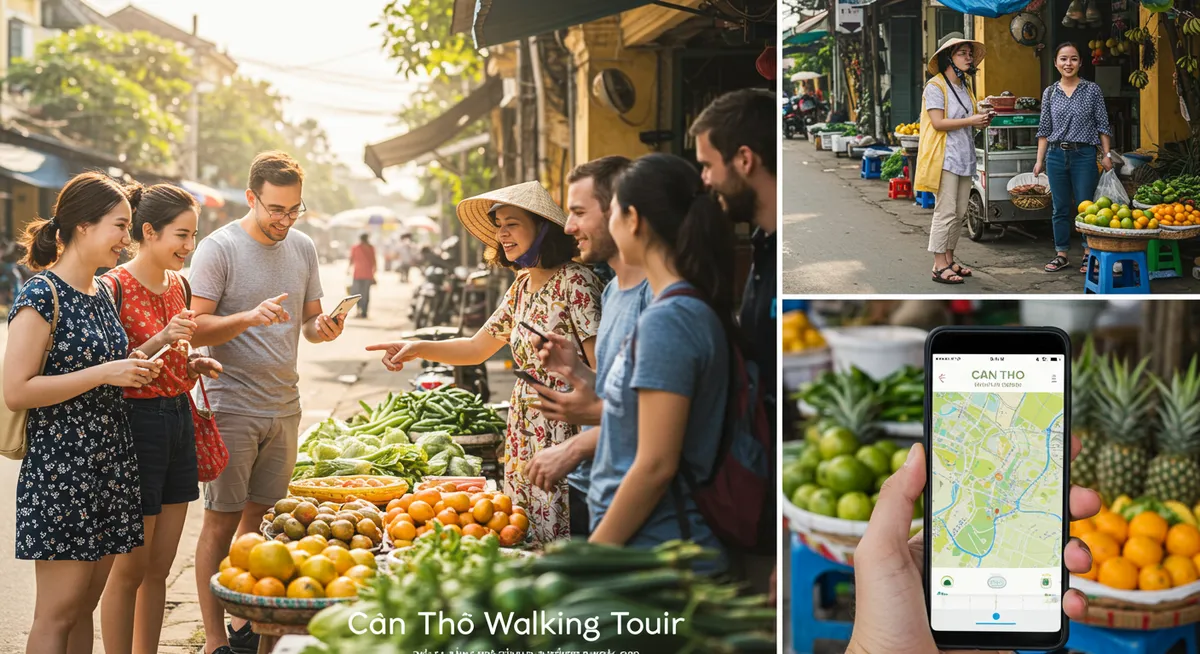
- Self-Guided Tours (Free!): Your feet are your best and cheapest mode of transport. All you need are comfortable shoes, a good offline map (like Google Maps or Maps.me), and a sense of adventure. You can spend hours meandering through the city’s streets, along the river, and into markets without spending a single dong on transportation.
- Paid Walking Tours ($15-$30 USD): If you prefer local insights and guaranteed hidden gems, consider joining a guided walking tour. These are typically led by local experts and often include food tastings or visits to specific cultural sites. While there’s a cost, they offer excellent value for the depth of knowledge and unique experiences you gain. Book through reputable local tour operators or your accommodation.
- Incidental Costs (Minimal): Even when walking independently, factor in small expenses like bottled water (essential in the humid climate, around 10,000 VND or $0.40 USD) and perhaps a spontaneous street food snack (from 15,000-30,000 VND or $0.60-$1.20 USD). These ‘walking costs’ are negligible and part of the authentic experience.
Practical Tips for Walking in Can Tho:
- Comfortable Footwear: This is non-negotiable! You’ll be doing a lot of walking on various surfaces.
- Hydration: Carry a water bottle. The humidity can be intense.
- Best Times: Mornings (before 10 AM) and late afternoons/evenings (after 4 PM) are ideal for walking, as the heat is less intense and the atmosphere is livelier.
- Go Off the Beaten Path: Don’t be afraid to turn down a narrow alley that looks interesting – you might discover your favorite local eatery or a charming temple.
- Be Aware of Traffic: While less chaotic than larger cities, always be mindful of motorbikes, especially when crossing streets or walking in narrower areas.
Embrace the pedestrian pace in Can Tho, and you’ll unlock a truly intimate and memorable Mekong Delta adventure that’s both enriching and incredibly budget-friendly.
Understanding Can Tho Walking Tour Costs: Free vs. Paid
Understanding the costs associated with free walking tours in Can Tho is key to budgeting effectively for your trip. While the city offers incredibly immersive experiences on foot, the “price” can vary significantly depending on whether you opt for a truly self-guided adventure, a tip-based local experience, or a professionally organized tour. Let’s break down what each option typically entails for your Can Tho exploration.
The Truly Free: Self-Guided Walking Tours
The most budget-friendly option is to be your own guide. Can Tho’s city center, particularly around Ninh Kieu Wharf and the surrounding old streets, is very walkable and ripe for self-exploration. You can leisurely stroll along the Hau River, discover hidden alleyways, admire the architecture of the Can Tho Ancient House, or visit local pagodas like Ong Temple at your own pace.
- What it includes: Complete freedom and flexibility. You decide your route, duration, and stops.
- What it excludes: Expert commentary, pre-planned routes, local insights beyond what you observe or research, and any logistical support.
- Budget considerations: While the “tour” itself costs nothing, remember to factor in potential costs for transportation to/from your starting point (e.g., a Grab bike or taxi), any small entrance fees (rare for walking attractions in Can Tho’s city center, but possible for some cultural sites), and, of course, your refreshments and snacks along the way.
- Can Tho Tip: Use Google Maps, offline maps, and reputable travel blogs to plan your route. Don’t be afraid to wander; some of Can Tho’s best discoveries are found off the main thoroughfares.
The “Free” Walking Tours: Tip-Based Experiences
In many Vietnamese cities, “free” walking tours, often led by enthusiastic university students or local volunteers, have become popular. These tours operate on a tip-only basis, allowing participants to pay what they feel the experience was worth. While less prevalent and formally advertised in Can Tho compared to larger tourist hubs like Ho Chi Minh City, it’s worth checking local university bulletin boards, online expat groups, or even asking at your accommodation if any students are offering such informal tours.
- What it includes: A local’s perspective, often passionate and personal insights, an opportunity to practice English for the guide, and a pre-set itinerary covering key areas.
- What it excludes: The guaranteed professional polish and in-depth historical detail of a paid tour. Logistics like transport or entrance fees are typically not included.
- Budget considerations: Remember, “free” means tip-based. A fair tip for a good two to three-hour tour in Can Tho, reflecting the guide’s time and effort, could range from 150,000 VND to 300,000 VND (approximately $6 – $12 USD) per person, depending on your satisfaction and group size. This is still exceptional value for a personalized experience.
- Can Tho Tip: If you find one of these student-led tours, embrace the opportunity to connect with young locals and gain an authentic perspective on their city.
Professionally Guided Walking Tours: Paid Options
For those who prefer a structured, in-depth, and reliable experience, professionally guided walking tours are the best choice. These tours are typically offered by established tour operators or licensed local guides and come with a fixed price. While dedicated walking-only tours might be less common than combined walking-and-boat tours (especially for the Cai Rang Floating Market), many agencies can arrange bespoke walking tours of Can Tho’s urban highlights.
- What it includes: A knowledgeable, often licensed, guide providing detailed historical and cultural information, well-researched routes, and sometimes includes transport between sites (if too far to walk), entrance fees, bottled water, or even a local snack. Higher reliability and often insurance.
- What it excludes: The spontaneous flexibility of self-guided tours. The cost is fixed and generally higher per person than tip-based options.
- Budget considerations: Prices vary based on duration, group size (private vs. Group), inclusions, and the guide’s expertise.
- Group Tours: For a half-day city walking tour (sometimes combined with a short boat trip), expect to pay around 300,000 – 700,000 VND (approximately $12 – $30 USD) per person.
- Private Tours: A dedicated private walking tour, tailored to your interests and pace, could range from 800,000 VND to 1,500,000+ VND (approximately $35 – $65+ USD) for a half-day, potentially covering 1-2 people.
- Can Tho Tip: Inquire with local travel agencies near Ninh Kieu Wharf or check online platforms like Klook or Viator for highly-rated Can Tho tours that may include a walking component. Read reviews to ensure the tour aligns with your interests and budget.
Free Self-Guided Can Tho Walks: Your Own Adventure
🌟 Local Expert Tip: Get the most out of your Can Tho visit with guided tours!
While Can Tho offers fantastic guided tours, exploring on foot independently is arguably the most authentic, flexible, and budget-friendly way to truly soak in the city’s atmosphere. Free self-guided walks allow you to set your own pace, linger longer at places that capture your interest, and discover hidden gems away from typical tourist trails. Best of all, they cost absolutely nothing but your time and effort, making them a cornerstone for budgeting your Can Tho adventure.
To make the most of your DIY walking tour, a little pre-planning goes a long way. Think of your feet as your primary mode of transport and your smartphone as your navigator. Here’s how to craft your perfect free walking experience:
Crafting Your Route: Must-See Can Tho on Foot
Can Tho’s city center is remarkably walkable, with many key attractions clustered together. A logical starting point is often Ninh Kieu Park. This vibrant riverside promenade is perfect for an initial stroll, offering scenic views of the Hau River and the iconic Can Tho Bridge. From here, you can easily connect to other points of interest:
- Hai Ba Trung Street: This bustling street runs parallel to the river and is a treasure trove of local life. You’ll find everything from charming colonial-era buildings to street food vendors and small shops. It’s a fantastic street for people-watching and immersing yourself in the local rhythm.
- Ong Pagoda (Chua Ong): Just off Hai Ba Trung Street, this colorful Chinese temple is a serene oasis. Its intricate architecture and vibrant interiors are a visual delight and offer a glimpse into the spiritual life of the city.
- Can Tho Market (Cho Can Tho): A short walk further along Hai Ba Trung Street will bring you to this historic market. While some sections are modern, the surrounding streets and traditional market stalls offer a lively peek into daily commerce. Don’t be afraid to wander into the smaller alleys to observe local vendors and their goods.
Consider looping these locations, perhaps starting at Ninh Kieu Park, walking along Hai Ba Trung Street past Ong Pagoda, and ending your exploration around Can Tho Market. This route offers a great blend of riverside charm, cultural insight, and local market buzz.
Navigational Savvy: Your Offline Map Essentials
Reliable navigation is crucial for a stress-free self-guided walk. While Wi-Fi is available in many cafes, you can’t count on constant connectivity, especially in smaller alleys. Here’s the solution:
- Offline Maps: Before you head out, download the Can Tho area on Google Maps. Even better, consider using apps like Maps.me (MAPS.ME), which offers highly detailed offline maps, perfect for discovering smaller lanes and shortcuts that Google Maps might miss. These apps are invaluable for locating specific landmarks and finding your way back.
- Pre-plan Your Route: Spend a few minutes marking your points of interest on your chosen map app. Trace a rough route and get an idea of the distances involved. This helps manage expectations and ensures you hit all your desired stops.
- Local Apps (for reference): While not strictly for walking navigation, local ride-hailing apps like Grab can also be helpful for quick directions, as their maps are often very accurate for local addresses, even if you don’t intend to book a ride.
Embracing the Local Experience
Beyond the landmarks, the true magic of a self-guided walk in Can Tho lies in observing daily life. Look out for street food vendors preparing local delicacies, families enjoying their morning coffee, children playing, and the general hustle and bustle of a Vietnamese city. Don’t be afraid to venture down a small alley if it looks inviting – you might discover a charming local café or a hidden temple. Remember to wear comfortable shoes, bring water, and perhaps a hat, especially during the warmer parts of the day. Early mornings or late afternoons are often the most pleasant times to walk.
Budget-Friendly Guided Walking Tours: When to Splurge (a Little)
While the allure of independent exploration is strong, a guided walking tour in Can Tho offers an unparalleled opportunity to delve deeper into the city’s heartbeat – and it doesn’t have to break the bank! For a modest investment, you gain invaluable local insights, navigate hidden alleys, and uncover stories you’d likely miss on your own.
Can Tho offers several excellent options for budget-friendly guided walking tours:
- Student-Led Tours: Many enthusiastic university students in Can Tho offer free walking tours, often as a way to practice their English and share their love for their hometown. While technically “free,” a generous tip (which covers their time and effort) is highly encouraged and expected. These tours provide a youthful, authentic perspective and are fantastic for direct engagement with locals.
- Local Guesthouse & Homestay Offerings: Smaller, locally run accommodations frequently organize intimate walking tours for their guests. These are often less structured than commercial tours, relying on the owner’s personal network and knowledge. They can lead you to local markets, family businesses, or charming residential areas, providing a truly immersive experience often at a very competitive price.
- Small Group Tours: Look for local tour operators offering small group walking tours. By sharing the cost with a few other travelers, you can enjoy the expertise of a professional guide without the premium price of a private tour. These typically cover popular areas like Ninh Kieu Wharf, the Can Tho Market, or specific historical streets.
Expect to pay anywhere from $10 to $30 USD per person for a half-day guided walking tour. This price range typically covers the guide’s fee and their expertise. However, it’s crucial to clarify what’s included before booking.
Always check the inclusions! Before committing, ask specific questions about what your payment covers. Does it include:
- Bottled water (essential in Can Tho’s tropical climate)?
- Snacks or tasting opportunities at local vendors?
- Any entrance fees to specific attractions (though pure walking tours might not have many ticketed stops)?
- Any short transfers via xe ôm (motorbike taxi) or taxi if the tour covers significant distances between walking zones?
Make sure to read recent reviews on platforms like TripAdvisor or Google Maps. Look for comments on the guide’s knowledge, English proficiency, pacing of the tour, and overall value for money. A well-reviewed budget tour can often outshine an expensive one lacking authenticity.
So, when does it make sense to “splurge (a little)”? When that small investment means gaining a profound understanding of Can Tho’s culture, history, and daily life. A good guide doesn’t just show you sights; they tell you stories, introduce you to local customs, help you navigate cultural nuances, and often lead you to delicious, authentic food stalls you might otherwise overlook. The local insights gained from a knowledgeable guide are truly invaluable and can elevate your walking experience from a simple stroll to an unforgettable journey into the heart of the Mekong Delta.
Hidden Costs & How to Avoid Them on Your Walk
While walking tours often present themselves as a budget-friendly way to explore Can Tho, it’s wise to be aware of potential hidden costs that can quietly add up. By anticipating these, you can ensure your Can Tho adventure remains truly economical and enjoyable.
Transport to Your Starting Point
Even if the walking tour itself is free, getting to the meeting point can incur a cost. Many popular Can Tho walking tours, whether self-guided or with a local guide, often start around central areas like Ninh Kieu Wharf or specific hotels. If your accommodation isn’t within easy walking distance, you’ll need transport.
- Can Tho Insight: Public buses are limited and not very tourist-friendly. The most convenient options are ride-hailing apps like Grab (for motorbikes or cars) or traditional xe om (motorbike taxis).
- How to Avoid: Choose accommodation within walking distance of common tour starting points. If that’s not feasible, factor in Grab fares (typically 15,000-40,000 VND for a short ride within the city) into your daily budget. For early morning tours, pre-booking a Grab or arranging with your hotel might save you time and hassle.
Food & Drink Temptations (and Traps!)
A walking tour will undoubtedly build up an appetite, and Can Tho is a food lover’s paradise. However, eating at establishments directly catering to tourists, especially near major attractions like Ninh Kieu Wharf, can be significantly pricier than local spots.
- Can Tho Insight: Seek out street food vendors or smaller eateries tucked away on side streets for authentic and budget-friendly dishes like Banh Xeo (crispy pancake), Hu Tieu (noodle soup), or fresh fruit smoothies. Local markets like An Binh Islet (accessible by a short ferry ride) are fantastic for cheap, delicious eats.
- How to Avoid: Carry a reusable water bottle to refill and avoid buying overpriced bottled water. Research local eateries beforehand, or ask your walking tour guide (if you have one) for their recommendations for authentic, affordable food. Avoid eating right on the main tourist strips.
Unexpected Entrance Fees
While many parts of a walking tour are free, some specific points of interest might have a small entrance fee or a suggested donation, particularly if you venture into temples, pagodas, or certain private gardens/orchards that are often part of longer routes or excursions to nearby islets.
- Can Tho Insight: Most pagodas in central Can Tho are free to enter, though a small donation is always appreciated. If your walking tour extends to areas like Cai Rang Floating Market and includes a visit to a fruit orchard or a traditional noodle factory on an islet, there might be a small fee (e.g., 10,000-30,000 VND) for tasting or entrance.
- How to Avoid: For self-guided tours, research your chosen route to identify any potential fees. If you’re on a paid walking tour, clarify with the tour operator whether entrance fees are included or extra. If you opt for a free walking tour led by locals, they usually inform you if any part of the route requires a payment.
Tipping Culture
While not as mandatory as in some Western countries, tipping in Vietnam is appreciated, especially for good service from guides or service staff.
- Can Tho Insight: For “free” walking tours, a tip is expected and is how the local guides earn their living. A reasonable tip for a well-done tour might be anywhere from 50,000 VND to 100,000 VND (approx. $2-4 USD) per person, depending on the tour’s length and quality. For other services, small tips (e.g., 10,000-20,000 VND for good service at a local eatery) are a kind gesture but not strictly necessary.
- How to Avoid: Decide on a comfortable tipping amount beforehand for free tours and budget accordingly. Don’t feel pressured to tip if the service wasn’t satisfactory.
Impulsive Souvenir Buys
Can Tho’s markets, particularly the night market near Ninh Kieu Wharf or the vibrant Cai Rang Floating Market, are full of tempting local crafts, snacks, and clothing. It’s easy to get carried away!
- Can Tho Insight: Look out for handmade silk products, coconut candy, or unique Mekong Delta handicrafts. Remember to haggle politely, especially in markets.
- How to Avoid: Set a strict souvenir budget before you start your walk. Only buy items you genuinely love or need. Compare prices if possible, and don’t be afraid to walk away if you feel the price is too high. Often, the same items can be found at slightly lower prices away from the absolute main tourist hubs.
Maximizing Value: Smart Tips for Budget Walkers
Navigating Can Tho on foot is an incredibly rewarding experience, offering an intimate glimpse into the city’s vibrant daily life. And the best part? It doesn’t have to break the bank! With a few smart strategies, you can maximize the value of your walking adventures in the Mekong Delta’s capital, ensuring an enriching journey without overspending.
Team Up for guided Tours
While many walking tours in Can Tho can be enjoyed independently, hiring a local guide for in-depth cultural or historical insights is highly recommended. To significantly reduce per-person costs, consider teaming up with fellow travelers. Private guides often charge a flat fee for the tour, regardless of the number of participants (up to a reasonable group size). Splitting this cost among 2-4 people can make a tailored, insightful walking experience incredibly affordable.
Master Local Transport for Longer Strides
Can Tho’s city center is very walkable, but some attractions or culinary hotspots might be a little further afield. For these short distances, embrace local transport options. A `xe om` (motorbike taxi) is a quintessential Vietnamese experience and incredibly budget-friendly, costing just a few tens of thousands VND. Alternatively, download the Grab app (for bikes or cars) for transparent pricing and convenience. These options allow you to save your energy for the best walking routes and cover more ground efficiently without expensive taxis.
Pack Smart, Save Big
The tropical climate of Can Tho means you’ll be spending a lot of time under the sun. Avoid impulse purchases by packing essentials beforehand. Always carry a reusable water bottle – many guesthouses offer free refills, saving you daily on bottled water. A wide-brimmed hat, sunglasses, and high-SPF sunscreen are non-negotiable for comfort and health, and buying them locally can sometimes be pricier. Being prepared means fewer unexpected expenses and more money for experiences.
Eat Where the Locals Eat
One of the easiest ways to save money and experience authentic Can Tho is to dine like a local. Skip the tourist-centric restaurants with inflated prices. Instead, seek out bustling street food stalls, `quán ăn` (local eateries), and bustling markets. Dishes like `Bánh Xèo` (sizzling pancake), `Hủ Tiếu` (noodle soup), or fresh spring rolls are not only incredibly delicious but also unbelievably cheap, often costing 25,000-50,000 VND per dish. This is where you’ll find the true flavors of the Mekong Delta at a fraction of the cost.
Haggle Politely, Shop Wisely
When shopping in local markets or for souvenirs, polite haggling is part of the cultural experience in Vietnam. Start by offering 50-70% of the asking price and negotiate upwards with a smile. Remember, it’s about a fair price for both parties, not necessarily getting the absolute lowest. This practice is less common in established shops but can save you a few thousand dong at smaller stalls, especially for trinkets or local produce.
Consider Combo Tours for Comprehensive Value
Many local operators in Can Tho offer combination tours that bundle a walking component with another activity, like a boat trip to the Cai Rang Floating Market. Often, these combos provide better overall value than booking each activity separately. They might include transport, a guide, and sometimes even a meal, simplifying your logistics and saving you money in the long run. Inquire about these packages when you arrive to see if they align with your interests and budget.
Beyond the Pavement: Budgeting for Intersecting Experiences
🌟 Local Expert Tip: Get the most out of your Can Tho visit with guided tours!
While structured walking tours offer incredible value, Can Tho truly comes alive when you let your feet lead you beyond the main thoroughfares, intertwining your strolls with the city’s most authentic and budget-friendly experiences. Think of your walking tour not just as a route, but as a gateway to deeper, more economical discoveries.
Connecting with Can Tho’s Pulsating Heartbeat
Your Can Tho walking adventure can seamlessly connect you to the city’s iconic scenes without breaking the bank. Here’s how to budget for intersecting experiences:
- The Cai Rang Floating Market Connection: An early morning visit to the Cai Rang Floating Market is a must, and it doesn’t have to be expensive. Instead of a private boat, opt for a shared longtail boat trip, which typically costs around 150,000 – 200,000 VND per person for a 2-3 hour journey, often including a visit to a noodle factory. Integrate this with your walking budget by either walking to a common departure pier (ask your hotel or guesthouse for directions to a local pick-up spot, saving on taxi fares) or by extending your walk into the riverside areas post-market, soaking in the morning after the bustle. The real walking begins when you’re back on land, exploring the local life around the riverbanks.
- Exploring Local Markets on Foot: Can Tho’s traditional markets are a sensory delight and entirely free to explore. Places like An Binh Market or the central Can Tho Market are perfect destinations for a self-guided walk. You’ll navigate narrow aisles, breathe in the aromas of exotic fruits and spices, and observe daily commerce. This is where your budget stretches furthest: a few thousand dong for a fresh fruit snack (perhaps 10,000-20,000 VND) or simply enjoying the vibrant atmosphere for free.
- Hunting for Street Food Alleys: Can Tho is a street food paradise, and walking is the only way to discover its hidden culinary gems. Wander down side streets and listen for the clatter of woks and the chatter of locals. You can enjoy a full, delicious meal for as little as 25,000-50,000 VND. Think crispy Banh Xeo (savoury pancakes), rich Bun Rieu (crab noodle soup), or refreshing Che (sweet dessert soups). A dedicated evening walking tour focused on street food can be incredibly cheap and filling – often costing less than 150,000 VND for multiple dishes and drinks.
- Observing Daily Life from the Street: The purest, most budget-friendly form of a walking tour is simply to observe. Stroll along the riverside promenade (Tran Phu or Hai Ba Trung street), duck into narrow alleys, or find a quiet spot to watch the world go by. This is completely free and offers profound insights into local culture. You’ll witness everything from morning exercises and kids playing to street vendors going about their day. Just grab a cheap Vietnamese coffee (around 15,000-25,000 VND) and let the scenes unfold around you.
Budgeting for Your Walking Tours in Can Tho
When it comes to the walking tours themselves, you have flexible options:
- Free Self-Guided Exploration: Can Tho is incredibly walkable. Armed with Google Maps (download an offline map!), you can craft your own walking routes, focusing on specific neighborhoods, markets, or the riverside. This costs nothing but your time and comfortable shoes, and offers ultimate flexibility.
- Paid Guided Walking Tours: If you crave deeper insights, historical context, or access to local secrets, a guided walking tour is a worthwhile investment. These typically range from 300,000 VND to 700,000 VND per person depending on duration, inclusions (like food tastings), and group size. While a cost, they often pack in immense value by connecting you with a local expert who can bridge cultural gaps and lead you to experiences you might miss on your own.
By blending structured walking tours with spontaneous explorations and making smart choices like shared boat trips and street food adventures, you can experience the vibrant soul of Can Tho economically and authentically.
Safety & Comfort on a Budget Walk in Can Tho
Exploring Can Tho on foot is an incredibly rewarding experience, offering an intimate glimpse into local life, from bustling markets to serene riverside pathways. However, to truly enjoy your budget-friendly walking adventures without discomfort or unexpected issues, a little preparation goes a long way. Prioritizing safety and comfort ensures your memories are all positive.
Step Comfortably
Can Tho’s charm includes its lively streets and sometimes uneven sidewalks. Forget fashion and prioritize function: wear comfortable, breathable walking shoes that have good grip. You’ll be navigating everything from bustling market floors to potentially damp riverside paths, and your feet will thank you after a long day of exploration.
Stay Hydrated and Cool
Can Tho’s tropical climate means heat and humidity are constant companions. Staying hydrated is paramount. Always carry a refillable water bottle; this is not only environmentally friendly but also a significant budget saver compared to constantly buying single-use plastic bottles. Many cafes and even some guesthouses offer water refills, or you can purchase large bottles of purified water to decant. Consider adding a small towel or cooling bandana to wipe away sweat and keep you feeling fresh.
Navigate the Traffic Tango
One of the most thrilling (and sometimes daunting) aspects of walking in Vietnam is the traffic. Scooters are king! Be acutely aware of your surroundings, especially when crossing streets. There are often no formal crosswalks. The key is to walk slowly and predictably into the flow of traffic, allowing riders to anticipate your movement and navigate around you. Avoid sudden stops or changes in direction. Eye contact with drivers can also be helpful. In bustling areas like Ninh Kieu Wharf or around the local markets, expect a constant buzz of motorbikes, but generally, they will flow around you if you walk with confidence.
Guard Against the Elements
Can Tho’s weather can be unpredictable. The sun can be incredibly intense, even in the cooler months. Protect yourself from the sun with a wide-brimmed hat, sunglasses, and high-SPF sunscreen. A lightweight, long-sleeved top can also offer excellent sun protection. Conversely, sudden tropical downpours are common, especially during the rainy season (May to October). Carry a compact, lightweight umbrella or a foldable rain jacket to avoid getting soaked. These dual-purpose items are budget-friendly must-haves.
Keep Valuables Secure
While Can Tho is generally safe, it’s always wise to exercise caution, especially in crowded areas like the markets or during peak tourist times. Keep your valuables secure by using an anti-theft bag, a money belt, or by keeping your wallet and phone in front pockets. Only carry the cash you need for the day, leaving passports and excess cash locked away at your accommodation. Being aware of your surroundings will deter opportunistic thieves.
Speak a Little Vietnamese
You don’t need to be fluent, but learning a few basic Vietnamese phrases will greatly enhance your walking tour and interactions with locals. A simple “Xin chào” (sin chow – hello), “Cảm ơn” (gahm un – thank you), and “Bao nhiêu tiền?” (baow nyew tyan – how much?) can open doors to warmer interactions, help with directions, and even assist in negotiating prices at local stalls. Locals genuinely appreciate the effort.
Time Your Walks Wisely
To maximize comfort and minimize exposure to the midday heat, plan your walks for the cooler parts of the day. Early mornings (before 9 AM) are perfect for exploring markets like the famous Cai Rang Floating Market (accessible by boat, but walking around the surrounding area is key) or strolling along the riverside. Late afternoons and evenings (after 4 PM) offer pleasant temperatures for exploring the city center, enjoying street food, and experiencing the vibrant night life of Can Tho. Avoiding the hottest hours (11 AM – 3 PM) means a more enjoyable, less exhausting experience, saving you potential costs on extra drinks or taxis due to heat fatigue.
Local Insights: Expert Tips for Budget Exploration
Unlocking the true spirit of Can Tho on a budget isn’t just about saving money; it’s about authentic discovery. Locals possess a treasure trove of insights that can transform your walking tour from a tourist trail into a genuine exploration. Here’s how to tap into that local wisdom for an unforgettable, wallet-friendly adventure.
Tap into Guesthouse & Hotel Expertise
Your first and best resource is often right where you sleep. Guesthouse and hotel staff in Can Tho are usually locals themselves, incredibly knowledgeable about their city, and keen to help. Don’t hesitate to ask them for:
- Off-the-beaten-path walking routes: They can point you to charming alleyways, local parks, or lesser-known temples not found in guidebooks.
- Budget-friendly eateries: Ask for their favorite street food stalls or local restaurants where prices are low and quality is high.
- Local events or festivals: You might stumble upon a free cultural performance or market day that enriches your walking experience.
- Directions and safety tips: They can guide you on navigating specific areas safely and respectfully.
Seek Out Student-Run Tour Groups
Can Tho is home to several universities, and some students offer free or donation-based walking tours as a way to practice English and share their culture. These groups often provide a fresh, enthusiastic perspective, focusing on everyday life and hidden gems. While they may not be as polished as commercial tours, their passion and local insights are invaluable. A quick search online or asking at your accommodation might reveal these unique opportunities. It’s a fantastic way to support local youth and gain an intimate understanding of Can Tho.
Embrace the Art of Wandering (Mindfully!)
The beauty of a walking tour in Can Tho is the freedom to simply wander. Step off the main thoroughfares, explore the quieter side streets, and let your curiosity guide you. This is where you’ll discover authentic local life – children playing, vendors selling their wares, and the everyday rhythm of the city. Always be mindful of private property and respect local customs. Some of the most memorable sights, like a beautifully decorated pagoda tucked away behind houses or a vibrant local market, are often found by venturing slightly off the typical tourist path, and these explorations are entirely free.
Feast on Street Food
Can Tho’s culinary scene is best experienced on its streets, and it’s incredibly budget-friendly. Instead of seeking out expensive restaurants, make street food an integral part of your walking tour. Not only will you save a significant amount of money, but you’ll also taste authentic dishes like bánh xèo (sizzling pancake), bún riêu (crab noodle soup), or a simple cơm tấm (broken rice) from a local vendor. Many vendors set up near popular walking areas, making it easy to grab a delicious, inexpensive bite to fuel your explorations.
Bargain Respectfully at Markets
Visiting local markets like Cai Khe or the smaller neighborhood markets is a fantastic walking experience in itself. While the famous Cai Rang Floating Market requires a boat, the land-based markets offer a vibrant glimpse into local commerce. If you decide to purchase souvenirs, fresh produce, or local snacks, bargaining is common. Do so respectfully, with a smile, and a good-natured attitude. Aim for a fair price that you are comfortable with, rather than trying to get the absolute lowest. It’s a fun cultural exchange and helps your budget.
Consider Public Transport for Longer Stretches
While the focus is on walking, Can Tho is quite spread out. For longer distances between distinct walking areas, or to reach a specific starting point, consider using local buses or a xe ôm (motorbike taxi). A short, affordable bus ride or a quick hop on a motorbike can save you significant time and energy, allowing you to maximize your walking exploration of a particular district without exhausting yourself or splurging on more expensive taxis or ride-hailing services for every leg of your journey.
Frequently Asked Questions
🌟 Local Expert Tip: Get the most out of your Can Tho visit with guided tours!
Q: Is Can Tho walkable?
A: Yes, Can Tho is quite walkable, especially around the city center, Ninh Kieu Wharf, and charming residential alleys. While major attractions like the Cai Rang Floating Market require boat or vehicle transport, much of the city’s charm can be discovered on foot.
Q: How much do guided walking tours in Can Tho typically cost?
A: Professional guided tours can range from $15-$50+ USD per person for a half-day, depending on inclusions (food, entrance fees, transportation) and group size. Student-led or ‘free’ (tip-based) tours are significantly more budget-friendly, often only requiring a tip for the guide.
Q: Can I really do free self-guided walking tours in Can Tho?
A: Absolutely! By utilizing offline maps, pre-planning routes to key landmarks and local areas, and simply exploring, you can create your own rich, free walking tour. Focus on areas like the riverside promenade, historical pagodas, and bustling local markets.
Q: What’s the best time of day for walking tours in Can Tho?
A: Early morning (6:00-9:00 AM) or late afternoon (4:00-6:00 PM) are ideal. These times avoid the peak heat and humidity, making walking more comfortable, and also offer a vibrant glimpse into local life as markets open or people socialize.
Q: What essentials should I bring on a Can Tho walking tour?
A: Comfortable walking shoes are paramount. Also pack a hat, sunscreen, sunglasses, a refillable water bottle (to stay hydrated and save money), light clothing, and a small backpack for any purchases or essentials. A portable power bank for your phone is also a good idea.
Can Tho truly rewards those who explore it on foot. By understanding your options—from independent self-guided strolls to value-packed guided experiences—you can craft a walking tour budget that suits your style and allows for authentic, unforgettable encounters. Lace up your shoes, embrace the local rhythm, and discover the hidden gems of the Mekong Delta, one step at a time, without breaking the bank.