
Danang Walking Tours: Explore Vietnam's Coastal Gem on Foot (2026)
Discover Da Nang’s hidden gems, vibrant markets, and stunning waterfronts on foot. Our comprehensive guide provides practical tips, routes, and local insights for an unforgettable walking tour experience.
On this page
Da Nang, a dynamic coastal city in Central Vietnam, offers a captivating blend of modern development and traditional charm. While famous for its beaches and bridges, the true essence of Da Nang is best absorbed by exploring its streets on foot. A walking tour allows you to delve deeper into local life, uncover hidden alleys, savor authentic street food, and connect with the city’s vibrant pulse in a way no vehicle can. This guide will equip you with everything you need to embark on your own unforgettable walking adventure through Da Nang.
Key Tips and Takeaways
- Start your walks early in the morning or late afternoon to avoid the midday heat.
- Always carry a refillable water bottle and stay hydrated; Da Nang’s climate is warm and humid.
- Master the art of crossing streets in Vietnam: walk slowly and predictably, allowing scooters to navigate around you.
- Don’t hesitate to try street food from busy, reputable vendors; it’s a core part of the local experience.
- Use offline maps (e.g., Google Maps) to navigate, especially in smaller alleys where connectivity might be spotty.
Why Walk Da Nang? Unveiling the City’s Charm on Foot
While Da Nang is known for its sprawling beaches and impressive bridges, truly understanding the heartbeat of this dynamic Vietnamese city requires slowing down and stepping out. Walking is not just a mode of transport here; it’s an invitation to an authentic, multi-sensory adventure, allowing you to peel back the layers of its modern veneer and discover its deeply rooted charm.
Immersive Cultural Experiences
Forget the hurried glimpses from a taxi window. On foot, Da Nang’s vibrant street life unfolds before you with an immediacy that motorized transport simply can’t match. The aroma of freshly brewed Vietnamese coffee (cà phê sữa đá) mingles with the sizzling scent of street food from vendors preparing Bánh Xèo or Mì Quảng. You’ll hear the lively chatter of locals bartering at Han Market or Con Market, the rhythmic sweep of street cleaners, and the distant call to prayer from a pagoda. This sensory overload isn’t overwhelming; it’s an invigorating dive into daily life, allowing you to absorb the true rhythm and spirit of the city.
Discovering Hidden Gems & Local Interaction
Da Nang’s most enchanting secrets aren’t found on main boulevards. Venture down a narrow alleyway, and you might stumble upon a charming family-run eatery serving generations-old recipes, a tiny artisan shop, or a serene temple tucked away from the bustle. Walking fosters spontaneous connections: a smile exchanged with a curious child, a nod from a street vendor, or an unexpected invitation to try a local delicacy. These genuine interactions provide invaluable insights into Vietnamese culture and create memories far richer than any postcard.
A Unique Perspective on City Life & Architecture
Exploring Da Nang on foot offers an unparalleled vantage point for appreciating its architectural tapestry. You’ll notice the subtle influences of French colonial design interwoven with modern Vietnamese structures, best observed around the Han River area or the older streets near the city center. From the intricate details of the Dragon Bridge’s scales to the quiet elegance of Phap Lam Pagoda, every step reveals a new angle, a new detail you might otherwise miss. Witness the city waking up with morning tai chi sessions by the river, or observe vendors setting up their stalls as the sun sets, painting a vivid picture of local routines.
Health Benefits & Practical Tips for Walking in Da Nang
Beyond the cultural immersion, walking Da Nang offers tangible health benefits, keeping you active while exploring. It’s also an eco-friendly and incredibly cost-effective way to navigate. To make your walking experience truly amazing:
- Timing is Key: Da Nang can be hot. Aim for early mornings (before 9 AM) or late afternoons (after 4 PM) to avoid the intense midday sun.
- Dress Smart: Opt for light, breathable clothing and, most importantly, comfortable walking shoes. A wide-brimmed hat and sunglasses are highly recommended.
- Stay Hydrated: Carry a reusable water bottle. You’ll find plenty of shops to refill or buy cold drinks along your route.
- Mind the Motorbikes: Traffic can be busy. When crossing streets, walk purposefully and predictably. Often, it’s best to maintain a steady pace rather than stopping abruptly. Drivers are generally accustomed to pedestrians.
- Embrace the Unexpected: Don’t be afraid to detour down an interesting-looking street. Some of the best discoveries are made when you let curiosity lead the way.
- Learn Basic Phrases: Even a simple “Xin chào” (hello) or “Cảm ơn” (thank you) can open doors to friendly interactions.
By choosing to explore Da Nang on foot, you’re not just seeing the city; you’re living it, breathing it, and becoming a part of its unfolding story, one memorable step at a time.
Preparing for Your Da Nang Walking Adventure
Embarking on a walking adventure in Da Nang promises an intimate exploration of the city’s charm, but preparing adequately is key to a comfortable and enjoyable experience. Da Nang’s tropical climate dictates practical choices for your attire and what you carry, ensuring you’re ready for its warmth and humidity.
What to Wear for Your Da Nang Walks
Da Nang’s tropical climate is characterized by heat and humidity, making your clothing choices crucial for a comfortable walking experience. Opt for light, loose-fitting, and breathable fabrics such as cotton, linen, or moisture-wicking synthetics. These materials will help manage sweat and keep you cool. While shorts and t-shirts are common, consider lightweight long-sleeved tops and trousers for enhanced sun protection, especially if you have sensitive skin. For women, if planning to visit any pagodas or temples (though less common on general city free walking tours in Danang), it’s advisable to have shoulders and knees covered as a sign of respect.
Your feet will be your most important tools, so investing in comfortable, broken-in walking shoes or sturdy sneakers is non-negotiable. Avoid new shoes that could cause blisters, and steer clear of flip-flops or open-toed sandals for extensive walking, as they offer little support and protection on uneven pavements. Some travelers find sturdy walking sandals with good arch support suitable for shorter strolls. The key is comfort and support to tackle varying terrains, from smooth riverside paths to bustling market streets.
Essential Items to Carry
A small, lightweight daypack will be your best friend for carrying essential items that will significantly enhance your walking tour in Da Nang. Here’s what you should pack:
- Water Bottle: Hydration is paramount in Da Nang’s heat. Carry a reusable water bottle and refill often; bottled water is also readily available from countless vendors.
- Sun Protection: A wide-brimmed hat, good quality sunglasses, and high-SPF sunscreen are vital to shield yourself from the intense Vietnamese sun, especially between 10 AM and 4 PM.
- Power Bank: Your phone will be indispensable for navigation, photos, and staying connected. A portable charger ensures you don’t run out of battery during your exploration.
- Basic First-Aid Kit: Include blister plasters, antiseptic wipes, and any personal medications. Small scrapes or blisters can happen, and being prepared keeps you on the move.
- Hand Sanitizer: Extremely useful, especially after handling local currency or before enjoying street food snacks.
- Small Umbrella or Rain Poncho: Even during the dry season, sudden tropical downpours can occur. An umbrella also doubles as a useful sunshade.
- Local Currency (VND): Small denominations are handy for street food, refreshing drinks, or small purchases from local shops.
Ideal Times for Your Walking Adventure
Timing your walk correctly can significantly enhance your experience, helping you avoid the peak heat and potential downpours.
- Time of Day: To truly escape the midday heat and humidity, aim for early morning excursions, ideally from sunrise until 9:00-10:00 AM. This is when the air is freshest, and you’ll see Da Nang waking up, with locals engaging in morning exercises or enjoying their breakfast. Alternatively, late afternoons and early evenings (from 4:00 PM onwards) offer cooler temperatures and beautiful sunset views, particularly along the Han River or My Khe Beach.
- Time of Year: Da Nang experiences two main seasons. The dry season (January to August) is generally sunny and hot, with February to May often considered the most pleasant period for walking due to slightly milder temperatures and less rain. June to August can be intensely hot, making early morning starts even more crucial. The rainy season (September to December) sees more frequent and heavy rainfall, sometimes accompanied by typhoons, especially in October and November. While walking is still possible, be prepared for downpours and potentially humid conditions. Always check the local weather forecast before heading out to ensure you have the best possible day for your Da Nang exploration.
Choosing Your Route: Iconic Walks & Hidden Alleys
🎯 Insider Tip: Discover the best Da Nang experiences with Viator Tours!
Da Nang offers a rich tapestry of experiences, and the beauty of a walking tour lies in peeling back its layers at your own pace. Whether you crave vibrant cityscapes, authentic local flavors, serene coastal views, or a glimpse into history, there’s a perfect route waiting for you. Here are some iconic walks and hidden alleys to inspire your self-guided exploration:
Han Riverfront & Dragon Bridge Spectacle
For a quintessential Da Nang experience, a stroll along the Han Riverfront is a must. This scenic walk truly comes alive in the evening, as the city lights reflect on the water. Begin your journey near the DHC Marina, passing the whimsical Love Lock Bridge, and gradually make your way towards the majestic Dragon Bridge. On weekend evenings (typically 9:00 PM), the bridge erupts in a captivating fire and water show, a spectacle not to be missed. The atmosphere is electric, with locals and tourists alike gathering to witness this engineering marvel. Beyond the bridge, you can continue along the promenade, soaking in the cool river breeze and the lively ambiance of the city.
- Best Time: Evening, especially Friday/Saturday/Sunday for the Dragon Bridge show.
- Practical Tip: Arrive early on weekends to secure a good viewing spot near the bridge. Wear comfortable shoes as you’ll be on your feet for a while.
- Points of Interest: Dragon Bridge, Love Lock Bridge, DHC Marina, Tran Thi Ly Bridge (further south).
Local Market & Street Food Immersion
Dive headfirst into Da Nang’s local life with a culinary walking tour focused on its bustling markets. Start your adventure at Han Market (Cho Han), an iconic central market offering everything from fresh produce and seafood to textiles and local handicrafts. Observe the daily rhythm of Vietnamese commerce, then venture into the surrounding streets. A short walk will lead you to Con Market (Cho Con), another vibrant hub, particularly renowned for its incredible street food stalls. Here, you can sample authentic Central Vietnamese delicacies like Mi Quang (turmeric noodles), Banh Xeo (sizzling pancakes), and refreshing Che (sweet soups).
- Best Time: Morning for fresh produce, late afternoon/early evening for street food.
- Practical Tip: Bring small denominations of Vietnamese Dong (VND) for easier transactions. Don’t be afraid to try new things – just point to what looks good!
- Points of Interest: Han Market, Con Market, surrounding street food alleys.
My Khe Beach & Coastal Stroll
For a more leisurely pace, head to the renowned My Khe Beach, often ranked among the world’s most beautiful. This expansive stretch of golden sand offers a refreshing coastal walk with stunning views of the Son Tra Peninsula and the Marble Mountains in the distance. During sunrise, you’ll witness a magical scene as local fishermen bring in their catches and early risers practice Tai Chi. As the day progresses, the beach bustles with activity, but there’s always ample space for a peaceful stroll. Feel the soft sand between your toes and let the sound of the waves wash over you.
- Best Time: Early morning for sunrise, late afternoon for sunset and cooler temperatures.
- Practical Tip: Apply sunscreen generously and wear a hat. Consider walking barefoot for the full beach experience, or choose sandals that are easy to take off.
- Points of Interest: My Khe Beach, local fishing boats, Son Tra Peninsula views.
Cultural & Historical District
Step back in time and explore Da Nang’s cultural and historical heart. Begin at the charming Da Nang Cathedral, affectionately known as “Pink Church” due to its distinctive salmon-pink hue. While its interior has limited public access, its striking French Gothic architecture and serene grounds are worth admiring. From there, it’s a pleasant walk to the Museum of Cham Sculpture (Cham Museum). Even if you don’t go inside, a stroll around its exterior offers a glimpse into the ancient Cham civilization that once flourished in Central Vietnam. Conclude your cultural walk by seeking out one of the city’s tranquil pagodas, like Phap Lam Pagoda, to experience a moment of spiritual calm amidst the urban bustle.
- Best Time: Morning or late afternoon to avoid the midday heat.
- Practical Tip: Dress respectfully when visiting religious sites (shoulders and knees covered).
- Points of Interest: Da Nang Cathedral, Museum of Cham Sculpture (exterior), Phap Lam Pagoda.
Navigating Da Nang: Safety & Local Etiquette
Navigating Da Nang on foot offers an intimate view of the city, but like any bustling urban environment, it requires a bit of local savvy. Being aware of safety precautions and respecting cultural norms will ensure your walking tours are not just enjoyable, but also smooth and respectful.
Mastering Da Nang’s Streets
The first rule of walking in Da Nang is understanding the flow of traffic, which is dominated by motorbikes. While Da Nang feels a bit less chaotic than Hanoi or Ho Chi Minh City, vigilance is still key:
- Crossing the Road: This is an art form! Unlike in many Western cities, traffic rarely stops for pedestrians. The safest technique is to walk slowly and predictably into the flow of traffic, maintaining eye contact with approaching drivers. Don’t dart, stop suddenly, or backtrack. The motorbikes will usually weave around you.
- Scooter Awareness: Always assume motorbikes are coming from all directions, even on one-way streets or seemingly quiet alleys. Look both ways, and listen. Pavements can also be used by scooters, so stay alert even when not on the road.
- Sidewalk Savvy: Da Nang’s sidewalks can be uneven, narrow, or obstructed by parked bikes, street vendors, or construction. Wear comfortable, sturdy shoes and watch your step.
Keeping Your Belongings Safe
While Da Nang is generally safe, petty theft like pickpocketing can occur, especially in crowded areas. Be mindful of your valuables:
- Secure Your Essentials: Keep wallets, phones, and passports in front pockets, a secure cross-body bag, or a money belt under your clothing. Avoid back pockets.
- Crowded Spots: Be extra vigilant in busy markets (like Han Market or Con Market), near popular tourist attractions (such as the Dragon Bridge at night), or on crowded public transport.
- Table Manners: Never leave your phone or wallet unattended on a restaurant table, especially if you’re seated near the street.
Respecting Local Customs and Etiquette
Vietnamese culture is welcoming and warm. A little respect goes a long way in enhancing your interactions:
- Dress Modestly at Temples: When visiting pagodas or temples, like the stunning Linh Ung Pagoda on Son Tra Peninsula or Da Nang Cathedral, ensure your shoulders and knees are covered. It’s wise to carry a light scarf or sarong for impromptu visits.
- Polite Interactions: A smile and a polite ‘Cảm ơn’ (pronounced ‘gahm un’ – thank you) are always appreciated. When bargaining in markets, do so with a friendly demeanor and a smile; it’s part of the experience but always be respectful.
- Photography Etiquette: Always ask for permission before taking photos of individuals, especially monks, children, or older people. Be discreet and respectful if photographing religious ceremonies.
- Footwear: Remove your shoes before entering someone’s home, and sometimes before entering temples or certain shops. Look for shoe racks or piles of shoes outside as a hint.
Staying Hydrated in the Tropical Climate
Da Nang’s tropical climate means humidity and heat, which can quickly lead to dehydration, especially during extensive walking tours:
- Drink Water Constantly: Carry a refillable water bottle and drink frequently, even if you don’t feel thirsty. Stick to bottled or filtered water. Many cafes and hotels offer water refills.
- Seek Shade: Plan your walking routes to include shaded areas where possible, especially during the hottest parts of the day (11 AM – 3 PM).
- Recognize Dehydration: Symptoms include dizziness, headaches, and extreme fatigue. If you feel unwell, find a shaded spot, hydrate, and rest. Fresh coconut water, widely available, is excellent for rehydration and electrolytes.
By keeping these practical tips in mind, you’ll be well-equipped to enjoy Da Nang’s vibrant streets and rich culture safely and respectfully on foot.
Fueling Your Journey: Street Food & Coffee Stops
A successful walking tour in Da Nang isn’t just about covering ground; it’s about immersing your senses in the city’s vibrant culture, and there’s no better way to do that than through its incredible food and drink. Your walking journey offers the perfect opportunity to refuel and savor authentic local flavors, often right where the action is.
Must-Try Local Da Nang Dishes
Da Nang boasts a distinctive culinary scene, and your walking tour is the ideal time to sample its specialties:
- Mì Quảng: This is arguably Da Nang’s most famous dish. More noodle-salad than soup, Mì Quảng features wide rice noodles, a small amount of rich, flavorful broth, and various toppings like pork, shrimp, chicken, or even snakehead fish. It’s served with a medley of fresh herbs, crushed peanuts, and toasted sesame crackers. Look for smaller, unassuming eateries – their focus on this single dish often means perfection.
- Bún Chả Cá: A delicious fish cake noodle soup unique to Da Nang. The broth is light yet savory, often made from fish bones, and features spongy, flavorful fish cakes (chả cá) along with fresh herbs and sometimes bamboo shoots or pineapple. It’s a comforting, refreshing option, especially on a warm day.
- Bánh Xèo: While found across Vietnam, Da Nang’s version of this crispy, savory pancake is exceptional. Made from rice flour, turmeric, and coconut milk, it’s typically filled with shrimp, pork, and bean sprouts. The key is how it’s eaten: tear off a piece, wrap it in fresh lettuce or rice paper with herbs, and dip it into a tangy peanut sauce. Many street-side stalls specialize in Bánh Xèo, identifiable by the sizzling sound of pancakes being fried.
Finding Authentic Street Food Vendors
The best way to discover truly authentic flavors is to follow your nose and the crowd! Look for stalls bustling with locals, especially during peak meal times (lunch and dinner). High turnover usually indicates fresh ingredients and popular dishes. While there are dedicated food streets, you’ll often stumble upon incredible vendors near markets like Han Market or Con Market, or simply tucked away on side streets. Don’t be shy to point at what looks good or use a translation app to ask for “Mì Quảng” or “Bánh Xèo” – a smile goes a long way!
Vietnamese Coffee & Local Beverages
No walk through Da Nang is complete without experiencing its coffee culture. Vietnamese coffee is strong, sweet, and incredibly invigorating:
- Cà Phê Sữa Đá: The iconic iced coffee with condensed milk. It’s a rich, sweet, and potent pick-me-up perfect for a hot day.
- Cà Phê Đen Đá: For those who prefer their coffee black and strong, the iced black coffee offers an intense caffeine kick.
You’ll find coffee everywhere, from chic modern cafes like Highland Coffee (a safe, familiar option) to countless small, family-run sidewalk stalls with low plastic stools. Embrace the latter for a truly local experience. Beyond coffee, refresh yourself with fresh fruit juices (nước ép), sugarcane juice (nước mía), or simply a chilled coconut (nước dừa tươi) straight from the source. These are perfect hydration stops along your route.
Enjoying Local Beverages Safely
While Da Nang’s street food and drinks are a highlight, a few practical tips ensure a smooth experience:
- Hydration is Key: Always carry a reusable water bottle and refill it with bottled water. Even if you love the local drinks, plain water is essential for a long walk.
- Ice Safety: In reputable cafes and restaurants, ice is generally made from purified water. For street vendors, if you’re concerned, politely ask for your drink “không đá” (no ice).
- Cash is King: Most street food vendors and small coffee shops operate on a cash-only basis. Have plenty of small Vietnamese Dong (VND) denominations ready.
- Wet Wipes & Napkins: These are your best friends when enjoying street food.
- Pace Yourself: Da Nang can be humid. Schedule your food and drink stops as refreshing breaks rather than just fueling points. Enjoy the moment!
By integrating these culinary adventures into your Da Nang walking tour, you’ll not only satisfy your appetite but also gain a deeper, more delicious understanding of the city’s heart and soul.
Connecting Your Walks: Public Transport & Grab
🎯 Insider Tip: Discover the best Da Nang experiences with Viator Tours!
While Danang is a fantastic city for walking, its spread-out nature means you’ll likely encounter distances between key attractions or distinct walking areas that are too far to comfortably cover on foot. This is where Danang’s efficient public transport and ubiquitous ride-hailing services come into play, allowing you to seamlessly connect your walking adventures, return to your accommodation, or simply save your energy for the best pedestrian exploration.
Riding Smart: Grab (Ride-Hailing) in Danang
For most travelers, Grab is the undisputed king of convenience in Danang. This super-app is incredibly popular, reliable, and generally very affordable. Whether you need to hop from the Han Market area to the iconic Dragon Bridge, or from My Khe Beach back to your hotel after a sunset stroll, Grab will be your best friend for quick, comfortable transitions.
- Download & Setup: Before you arrive or upon landing, download the Grab app (available on iOS and Android) and set up your account. You can link a credit/debit card, though cash payment is also widely accepted and often preferred by drivers.
- GrabCar vs. GrabBike: Depending on your group size and budget, you can choose between GrabCar (for 2-4 people) or the even cheaper GrabBike (perfect for solo travelers or those comfortable riding pillion). GrabBike is often faster through traffic, too!
- Ease of Use: The app is intuitive. Simply input your pickup and destination points (using landmarks, specific addresses, or just pinning it on the map). The fare is calculated upfront, eliminating any haggling or surprises.
- Safety & Reliability: Grab offers a transparent service. You’ll see your driver’s photo, name, vehicle type, and license plate number before they arrive. You can track your journey in real-time, and there’s a customer support system in place if needed. Confirming the driver and plate number before getting in is always a good practice.
- Language Barrier? No Problem: Since destinations are set via the app’s map, communication with your driver about where to go is rarely an issue. A friendly “Xin chào” (hello) and “Cảm ơn” (thank you) goes a long way.
Exploring by Bus: Danang’s Local Network
While not as instantly convenient as Grab, Danang’s public bus system offers an incredibly budget-friendly way to get around and provides a genuine local experience. It’s ideal for those longer stretches, like journeying between the city center and the Marble Mountains, or exploring different beach sections without breaking the bank.
- Routes & Fares: Danang has a decent network, though routes can sometimes feel less intuitive for tourists compared to other major cities. Fares are remarkably cheap, usually a flat rate of around 5,000-10,000 VND per ride (have small denominations ready, as drivers may not have much change).
- Google Maps is Your Friend: The best way to navigate the bus system is by using Google Maps. Simply enter your destination and select the public transport option. It will show you bus numbers, stops, and estimated arrival times.
- Bus Stops: Look for blue and white bus stop signs. Sometimes stops can be a bit unmarked or just a general area, so keep an eye out and don’t be afraid to ask a local (pointing at your map often works!).
- Boarding & Alighting: Buses are generally air-conditioned. Enter through the front, pay your fare to the driver or conductor, and find a seat. Press the bell button when your stop is approaching to signal to the driver.
- When to Consider the Bus: Use buses for longer, less time-sensitive journeys. They might not drop you right at your specific walking tour start point, but they’ll get you close enough for a short connecting walk. They’re also great for people-watching and experiencing local life.
Seamlessly Connecting Your Danang Walks
Think of Grab and the public buses as extensions of your walking tour. They allow you to customize your Danang exploration, maximize your sightseeing, and truly experience the city’s diverse facets without exhaustion. Begin your day by walking a specific district, then Grab to a completely different area for your next segment (e.g., from the Old Town’s charm to the modern vibrancy of the Dragon Bridge area). Alternatively, after a long walk exploring My Khe Beach, hop on a bus back towards the city center to rest your feet. Always consider factors like traffic (especially during peak hours) and weather when planning your transitions to ensure a smooth and enjoyable walking adventure.
Beyond the Pavement: Integrating with Danang’s Tour Ecosystem
While self-guided walking tours offer unparalleled freedom to explore Da Nang at your own pace, don’t limit yourself to just the pavement. The city’s vibrant tour ecosystem provides fantastic opportunities to complement your independent explorations, offering unique perspectives and deeper dives into local culture. Integrating organized experiences like food tours, cycling excursions, or even serene boat trips on the Han River can significantly enrich your overall understanding of Da Nang and its charming neighbor, Hoi An.
Culinary Journeys: Walking with Your Taste Buds
Perhaps the most natural synergy is with a Da Nang food tour. These guided experiences, often inherently walking tours themselves, navigate you through bustling local markets like Han Market or Con Market, and down hidden alleyways you might never discover on your own. Imagine spending a morning self-guided exploring the riverside promenade and bridges, then joining an evening food tour to sample authentic *Mi Quang*, crispy *Banh Xeo*, or fresh seafood. This combination allows you to cover broad ground independently, then zoom in on the rich culinary tapestry with expert guidance, hearing stories behind each dish and discovering local eateries beloved by residents.
Two Wheels & Two Feet: Expanding Your Reach
A cycling tour can extend your reach beyond the central walkable districts. Use a bicycle to explore the picturesque coastal roads leading towards My Khe Beach, or venture into quieter suburban areas where daily life unfolds away from the tourist buzz. Many cycling tours include stops at local temples, rice paddies, or craft villages. Here’s where walking comes in: dismount your bike and take a leisurely stroll through a local pagoda complex, or wander through a small village market on foot. This allows for intimate interaction and detailed observation that you might miss while cycling past.
Riverine Perspectives: Han River Boat Trips
After a day of pounding the Da Nang pavements, a short boat trip on the Han River offers a breathtaking change of perspective. A sunset cruise, in particular, is an ideal way to see the city’s iconic bridges – the Dragon Bridge, Han River Bridge, and Love Bridge – illuminate in a spectacular display. This relaxed experience allows you to appreciate the city’s skyline from the water, providing a beautiful panoramic view of the areas you’ve explored on foot. It’s a perfect wind-down activity, framing your walking discoveries with a new visual context.
Organized Walks: Deeper Dives & Expert Insights
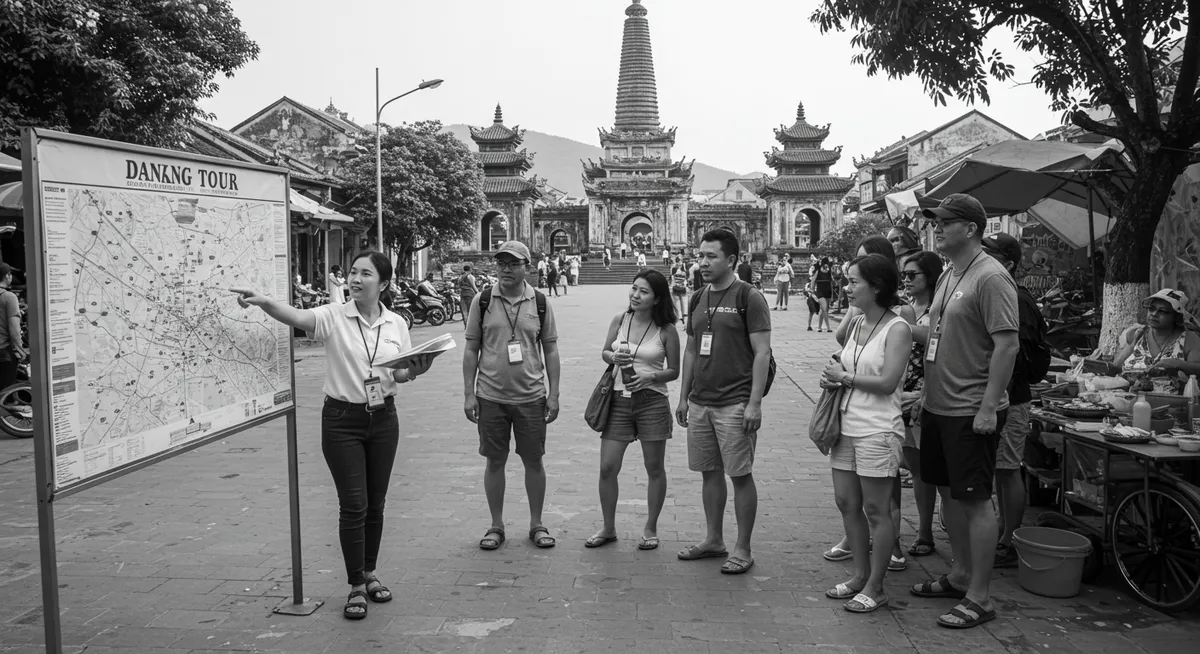
While self-guided walking is fantastic for flexibility, an organized walking tour, especially a heritage or cultural one, offers invaluable local insights. Professional guides can provide historical context, share anecdotes, and introduce you to aspects of Da Nang’s past and present that are not readily apparent. Consider booking one for a specific niche interest, perhaps focusing on French colonial architecture in Hai Chau district or the Linh Ung Pagoda area (though accessibility to this requires transport first), then using your self-guided skills to explore surrounding areas.
Linking Da Nang to Hoi An: A Seamless Experience
Your Da Nang walking adventures can be seamlessly linked to exploring nearby Hoi An. Many travelers base themselves in Da Nang and take a half-day or full-day trip to Hoi An. While transport will be needed to get there, once in Hoi An’s Ancient Town, walking is the primary mode of exploration. Combine a morning of self-guided walking through Da Nang’s markets with an afternoon trip to Hoi An, where you can easily spend hours wandering its lantern-lit streets, visiting ancient houses, and crossing iconic bridges on foot. This creates a rich, multi-faceted travel experience.
Practical Integration Tips:
- Plan Ahead: Research and book organized tours (especially food tours and popular boat trips) in advance, particularly during peak season.
- Balance: Mix high-energy walking days with more relaxed tour experiences.
- Footwear: Always prioritize comfortable walking shoes, even for combined tours.
- Hydration & Sun Protection: Da Nang can be hot. Carry water, wear a hat, and use sunscreen, regardless of your tour type.
- Ask Locals: Tour guides are a fantastic resource for local tips and recommendations for your self-guided explorations.
Expert Tips for an Unforgettable Da Nang Walk
To truly unlock the magic of Da Nang on foot and transform your strolls into unforgettable explorations, a little insider knowledge goes a long way. Beyond comfortable shoes and a good route, these expert tips will enrich your walking tour experience, connecting you more deeply with the city’s vibrant pulse.
Master a Few Basic Vietnamese Phrases
While many in Da Nang’s tourist areas speak some English, attempting a few local phrases is a game-changer. It shows respect, often brings a warm smile in return, and can open doors to more authentic interactions. Here are some essentials for your walking adventures:
- Xin chào (sin chow): Hello
- Cảm ơn (gam un): Thank you
- Bao nhiêu tiền? (bow nyoo tee-en): How much? (Invaluable at markets!)
- Ngon quá! (ngon kwa): Delicious! (Especially for street food vendors)
- Cho tôi cái này (chaw toy kai nai): Give me this one (pointing to an item)
Even a simple “Xin chào” when entering a shop or ordering a coffee can make a significant difference in your interactions with locals.
Carry Small Denominations of Local Currency
Da Nang’s best culinary discoveries and hidden gems often involve small, local vendors – think a steaming bowl of *Mì Quảng*, a refreshing sugarcane juice, or a quirky souvenir. These places often prefer, or sometimes only accept, cash, and breaking a large 500,000 VND note for a 20,000 VND coffee can be cumbersome. Stock up on smaller notes like 10,000, 20,000, 50,000, and 100,000 VND. It makes transactions smoother and keeps things easy for everyone, especially when haggling or buying quick bites from street stalls near Han Market or along the My Khe Beach promenade.
Utilize Offline Maps
While Da Nang is relatively easy to navigate, wandering off the beaten path is part of the fun. Mobile data can be spotty in certain areas, and constantly streaming maps drains your phone battery. Before you head out from your hotel, download offline maps for Da Nang (Google Maps allows this, or use apps like Maps.me). This ensures you can always find your way, discover nearby points of interest, and confidently explore Da Nang’s charming alleyways or the stretches along the Han River without worrying about connectivity. It’s particularly useful when exploring neighborhoods slightly away from the main tourist hubs.
Embrace Flexibility in Your Itinerary
Da Nang operates on a relaxed, friendly pace. While having a planned route is great, be open to spontaneity. If you stumble upon a bustling local *chợ* (market) you hadn’t planned to visit, or are drawn in by the irresistible aroma from a roadside eatery, take the detour! Some of the most memorable Da Nang experiences happen when you allow yourself to wander and discover. The city is full of pleasant surprises, from serene pagodas tucked away in residential areas to vibrant street art installations, especially around the city center. Don’t be afraid to veer off your chosen path to explore what catches your eye.
Engage with Locals for a Richer Experience
Da Nang locals are known for their friendliness and genuine hospitality. Don’t be shy! A smile, a nod, or trying out your newly learned Vietnamese phrases can open doors to incredible interactions. Ask a vendor about their specialty dish, observe daily life along the Han River promenade, or simply enjoy people-watching from a sidewalk cafe. These authentic encounters offer invaluable insights into local culture and will undoubtedly be among the highlights of your Da Nang walking tour. Respect local customs and always ask permission before taking photos of people, especially in more rural areas or inside temples.
Frequently Asked Questions
Q: Is Da Nang safe for solo female walkers?
A: Yes, Da Nang is generally considered very safe for solo travelers, including women. Petty crime can occur, so always be aware of your surroundings, keep valuables secure, and avoid walking in poorly lit areas late at night. Stick to populated areas and trust your instincts.
Q: What’s the best time of year to visit Da Nang for walking tours?
A: The dry season, from February to May, offers the most pleasant weather for walking with less rain and moderate temperatures. June to August can be very hot, and September to January is the rainy season, with potential typhoons in October/November, making walking less ideal.
Q: Do I need to speak Vietnamese to enjoy a walking tour in Da Nang?
A: While not essential, knowing a few basic phrases (‘Xin chào’ – hello, ‘Cám ơn’ – thank you, ‘Bao nhiêu?’ – how much?) will greatly enhance your interactions and be appreciated by locals. Many younger locals and those in tourist areas speak some English.
Q: Are Da Nang’s walking routes suitable for all fitness levels?
A: Most of Da Nang’s city center and beach areas are relatively flat, making them accessible for various fitness levels. However, plan your routes according to your stamina. Longer walks might require breaks, and some areas like Monkey Mountain (Son Tra Peninsula) are not suitable for walking the entire distance.
Da Nang truly comes alive when explored on foot. From the bustling energy of its markets to the serene beauty of its riverfront and the inviting stretches of its beaches, every step offers a new discovery. Armed with this guide, you’re ready to lace up your shoes, embrace the local rhythm, and create your own unforgettable walking tour through the heart of this captivating Vietnamese city. Get ready to discover Da Nang, one memorable step at a time!