
Vang Vieng Walking Tours: Best Seasons & Expert Tips (2026)
Discover the best time to explore Vang Vieng on foot! Our comprehensive guide covers seasonal walking conditions, essential gear, and top trails for an unforgettable adventure.
On this page
Vang Vieng, with its dramatic karst landscapes, winding rivers, and lush rice paddies, is a paradise for adventurers. While tubing and caving often steal the spotlight, exploring this enchanting Laotian town and its surroundings on foot offers an unparalleled connection to its natural beauty and local life. This guide dives deep into the best seasons for free walking tours in Vang Vieng, ensuring you’re perfectly prepared to lace up your boots and discover its hidden gems.
Key Tips and Takeaways
- Choose your walking season wisely: Dry for comfort, Hot for quiet trails, Wet for lush views.
- Pack appropriately: Sturdy footwear, hydration, and sun/rain protection are non-negotiable.
- Always stay hydrated, especially during the hot season, and carry enough water for your route.
- Respect local culture and nature: Stay on trails, pack out what you pack in, and dress modestly.
- Consider hiring a local guide for deeper insights and safer exploration, particularly off-the-beaten-path.
- Start early to beat the heat or avoid afternoon downpours.
Why Choose Walking Tours in Vang Vieng?
Vang Vieng, nestled amidst dramatic limestone karsts and winding rivers, beckons adventurers with its unique blend of natural beauty and laid-back charm. While motorbikes and tuk-tuks offer speed, true immersion here happens on foot. Choosing walking tours in Vang Vieng isn’t just about getting from A to B; it’s an intimate journey that peels back the layers of this captivating destination, offering unparalleled access to its heart and soul.
Intimate Encounters with Nature
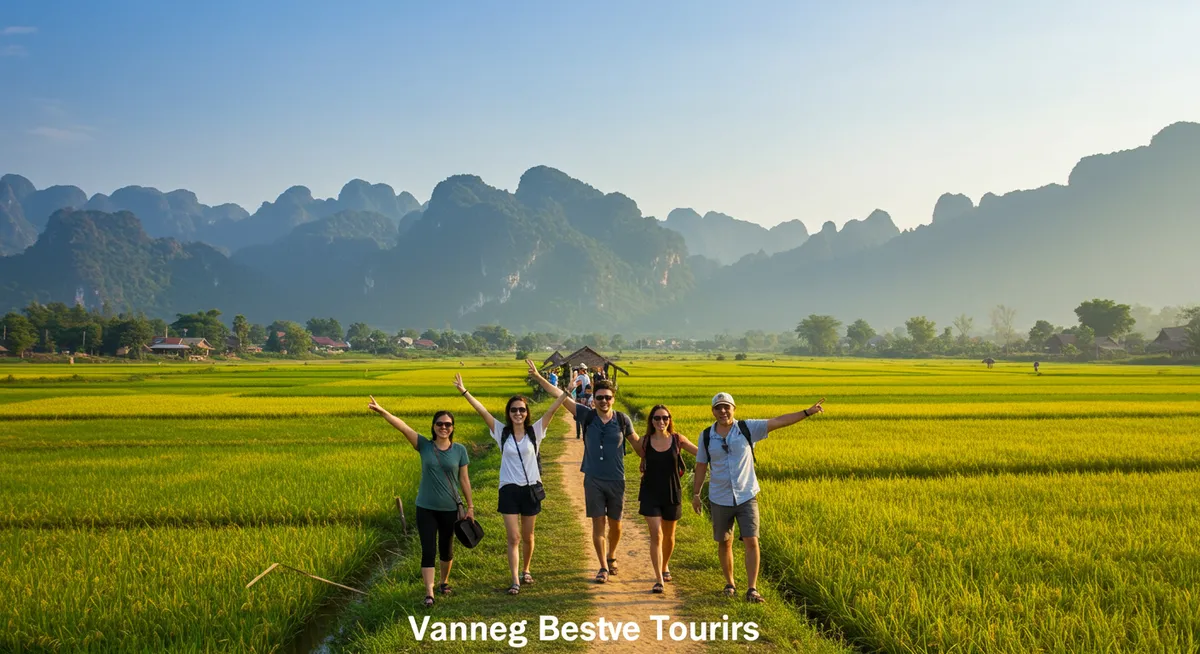
Imagine the gentle crunch of gravel underfoot as you navigate paths winding through emerald rice paddies, the distant calls of jungle birds, and the sweet scent of tropical flora. Walking tours in Vang Vieng offer an unparalleled opportunity for intimate encounters with nature. You can pause by the gentle flow of the Nam Song River, watch local fishermen cast their nets, or discover a secluded swimming hole away from the bustling crowds. The towering karsts, often dotted with secret caves and hidden lagoons, reveal new angles and majestic scale with every step. Without the rumble of an engine, the sounds of nature — buzzing insects, rustling leaves, trickling water — create a truly serene and sensory experience.
Profound Cultural Immersion
Beyond the breathtaking scenery, walking allows for profound cultural immersion that motorized transport simply can’t replicate. Stroll through the outskirts of town or nearby rural villages, and you’ll witness daily life unfold at a tranquil, authentic pace. Observe farmers tending their fields, children playing, and women weaving traditional textiles by hand. A simple “Sabaidee” (hello) can open doors to friendly smiles and brief, genuine interactions. This direct connection fosters a deeper appreciation for the local Lao way of life, far removed from the typical tourist bubble. You might stumble upon a quiet local market or a serene temple like Wat That, offering moments of reflection and a glimpse into local spirituality and customs.
Accessibility to Vang Vieng’s Best Viewpoints
Vang Vieng is famed for its panoramic viewpoints, and many of the most spectacular ones are accessible primarily by foot. The ascent to places like Pha Ngern Viewpoint or Nam Xay Viewpoint is a rewarding challenge, culminating in breathtaking vistas of the karst landscape stretching to the horizon. Unlike a quick photo stop from a vehicle, the effort of the hike imbues the view with a profound sense of accomplishment and awe. The journey itself, winding through forests and over rocky terrain, becomes part of the experience, preparing you for the majestic reward at the top.
Discovering Hidden Gems Beyond the Map
Perhaps the greatest advantage of walking is the freedom to stray from the well-trodden path. While popular spots like Blue Lagoon 1 attract crowds, wandering on foot allows you to discover quieter, equally enchanting alternatives – perhaps a lesser-known lagoon, a secluded riverside cafe, or a hidden cave entrance known only to locals. These serendipitous discoveries, impossible to find on a rigid bus tour, often become the most cherished and unique memories of your trip. Don’t be afraid to explore side trails (safely, of course, with an offline map!), as they often lead to unexpected beauty and authentic local experiences.
Practical Tips for Your Vang Vieng Walking Adventure:
- Pace Yourself: Vang Vieng’s climate can be warm and humid, so take regular breaks and avoid walking during the hottest part of the day (noon to 3 PM).
- Stay Hydrated: Always carry sufficient water, especially if you plan on longer treks or viewpoint hikes.
- Footwear is Key: Invest in comfortable, sturdy walking shoes or hiking sandals with good grip, particularly for uneven paths and muddy trails.
- Sun Protection: A wide-brimmed hat, sunglasses, and high-SPF sunscreen are essential to protect against the tropical sun.
- Respect Local Culture: When walking through villages or visiting temples, dress modestly (shoulders and knees covered) as a sign of respect.
- Support Local: Buy snacks, drinks, or crafts from small, local stalls you encounter along your walk – it helps the community directly.
- Consider a Guide: For longer treks into less-explored areas or for deeper cultural insights, hiring a local guide can be invaluable, enhancing both safety and understanding.
In essence, walking tours in Vang Vieng offer an unparalleled opportunity to truly connect with its raw beauty and vibrant culture. It’s an adventure for the senses, allowing you to peel back the layers of this captivating destination, one authentic step at a time.
Understanding Vang Vieng’s Climate: Key to Seasonal Walking
Vang Vieng’s diverse landscapes offer incredible walking opportunities, but understanding its distinct climate is paramount to planning the best experience. The town experiences three primary seasons, each painting the scenery differently and presenting unique conditions for walkers. Knowing what to expect will help you pack appropriately, choose the right trails, and truly enjoy your explorations.
The Dry & Cool Season: Ideal Trekking (October – February)
Often considered the ‘best season’ for outdoor activities in Vang Vieng, this period boasts pleasant, dry weather with comfortable temperatures ranging from 15°C to 28°C. Humidity is low, skies are typically clear and blue, and the air is crisp. For walkers, this translates to:
- Perfect Walking Conditions: Trails are dry, firm, and easily navigable. You can comfortably undertake longer treks to iconic viewpoints like Pha Ngern (Silver Cliff Mountain) or explore more remote cave systems without battling heat or mud.
- Clear Scenery: Visibility is excellent, offering breathtaking panoramic views of the karst mountains and the Nam Song River.
- Practical Advice: While comfortable, remember to still carry water, especially for longer hikes. Sun protection (hat, sunscreen) is advisable. This is peak tourist season, so popular trails and guesthouses can be busier – booking ahead is wise.
The Hot Season: Challenging but Rewarding (March – May)
As the dry season transitions, Vang Vieng heats up considerably, with temperatures often soaring above 30°C and high humidity. April is typically the hottest month. Walking during this time requires strategic planning:
- Demanding Conditions: The intense heat and humidity can make even short walks feel strenuous. Trails can be very dusty.
- Strategic Walking: Plan your walks for early mornings (before 9 AM) or late afternoons (after 4 PM) when temperatures are slightly lower. Avoid midday excursions.
- Hydration is Key: Carry significantly more water than you think you’ll need, and consider electrolyte drinks. Light, breathable clothing is essential.
- Combine with Water Activities: This is a great time to combine short walks with dips in the refreshing Blue Lagoons or tubing down the Nam Song River to cool off.
The Wet & Green Season: Lush and Adventurous (June – September)
This period brings frequent, often heavy, rainfall and high humidity. While it might sound off-putting, the ‘green season’ transforms Vang Vieng into a vibrant, lush paradise with fewer crowds.
- Muddy & Slippery Trails: Expect trails to be very muddy and slippery. Some routes might become inaccessible due to flooding or swollen rivers. Leeches can be present on some trails.
- Stunning Scenery: The rice paddies glow an intense green, waterfalls are at their most powerful, and the karst mountains look dramatic against the cloudy skies. The air feels fresh and clean after a rain shower.
- Essential Gear: Waterproof footwear with excellent grip is crucial. A lightweight waterproof jacket, backpack cover, and quick-drying clothes are highly recommended.
- Local Insight: Focus on shorter walks closer to town or consider hiring a local guide who knows the safest and most accessible routes during this period. Embrace the mud – it’s part of the adventure!
Ultimately, Vang Vieng offers unique walking experiences year-round. Your ideal time depends on your preference for weather, crowds, and the type of scenery you wish to immerse yourself in. Always check local conditions before heading out, especially during the wet season, and prepare accordingly for an unforgettable adventure.
The Dry Season (October – February): Peak Comfort for Walkers
⭐ Recommendation: Don't miss out on amazing Vang Vieng tours - book now!
For many avid walkers, the dry season in Vang Vieng, stretching from October to February, presents the absolute peak comfort and clarity for exploring its stunning landscapes on foot. This period is often heralded as the ideal time to tie up your laces and hit the trails, offering a sublime balance of conditions that make every step a pleasure.
During these months, Vang Vieng sheds the humidity and heavy rains of the wet season, revealing a landscape bathed in crisp, clear skies. Temperatures are wonderfully temperate, typically ranging from a pleasant 20-28°C (68-82°F) during the day, cooling down to a comfortable 15-20°C (59-68°F) in the evenings. This means less sweat and more enjoyment, allowing you to fully immerse yourself in the natural beauty without battling the heat. The air is remarkably clear, offering unparalleled visibility of the iconic limestone karst formations that punctuate the horizon, making for truly breathtaking panoramic views from any elevation.
The dry conditions also mean that many of Vang Vieng’s popular walking paths and hiking trails are at their most accessible and safest. Trails that might be muddy and slippery during the wet season become firm underfoot, significantly reducing the risk of falls and making for a much more enjoyable experience. This is particularly true for rewarding ascents like the **Pha Ngern Viewpoint Hike** or the climb to **Nam Xay Viewpoint (Buggy Hill)**. While challenging, the clear conditions and stable ground allow you to fully appreciate the effort and the spectacular 360-degree vistas of the Nam Song River valley and surrounding rice paddies. Even gentler strolls through the working rice fields or along the riverbanks are infinitely more pleasant, with less mud and vibrant green scenery.
Practical Walking Tips for the Dry Season:
- Layer Up: While days are warm, mornings and evenings can be cool. A light jacket or long-sleeved top is perfect for early starts or post-hike evenings.
- Footwear is Key: Sturdy, comfortable walking shoes or light hiking boots are essential, especially for viewpoint hikes. Even dry trails can be rocky and uneven.
- Sun Protection: Despite the lower humidity, the sun is still strong. Pack a wide-brimmed hat, sunglasses, and high-SPF sunscreen.
- Stay Hydrated: Always carry plenty of water, even on shorter walks. The dry air can still lead to dehydration.
- Early Bird Advantage: Popular trails, especially Pha Ngern and Nam Xay, can get busy. Start your walks early in the morning (before 8 AM) to enjoy cooler temperatures and fewer crowds.
- Explore Beyond: Consider walks to the various Blue Lagoons (Lagoon 1, 2, 3) or the paths leading to caves like Tham Phu Kham. While the lagoons offer swimming, the walks to and around them are very pleasant.
It’s important to note that the dry season is Vang Vieng’s peak tourist season. This means that popular accommodations and activities will be more crowded, and prices might be slightly higher. It’s highly advisable to book your guesthouse or hotel well in advance, especially if you plan to visit during the Christmas, New Year, or Chinese New Year periods. Embrace the vibrant atmosphere, but also be prepared for more company on the most well-trodden paths. Nevertheless, the unparalleled comfort for walking makes it a small trade-off for an otherwise perfect Vang Vieng walking adventure.
The Hot Season (March – May): Challenging but Rewarding Trails
While often overlooked by those seeking cooler climes, Vang Vieng’s hot season, spanning from March to May, presents a uniquely challenging yet incredibly rewarding period for walking tour enthusiasts. As the dry season peaks and transitions into the pre-monsoon period, temperatures steadily climb, often reaching 30-35°C (86-95°F), accompanied by rising humidity. Don’t let this deter you; with the right approach, you can unlock Vang Vieng’s dramatic landscapes with fewer fellow travelers and a more intimate experience.
The key to conquering the heat lies in strategic planning and diligent self-care. Here are your essential tips for a successful hot season walking experience in Vang Vieng:
- Embrace the Early Bird: Start your walks at dawn, ideally before 7:00 AM. The air is refreshingly cool, and the golden morning light illuminates the iconic karst mountains beautifully, offering fantastic photo opportunities. Plan to finish your more strenuous treks by late morning, or save shorter, shaded excursions for late afternoon when the sun begins to soften.
- Hydration is Non-Negotiable: Carry significantly more water than you think you’ll need – at least 2-3 liters per person for even a short walk. Consider adding electrolyte tablets to your water to replenish salts lost through perspiration. Many guesthouses offer water refills, and local shops in Vang Vieng are plentiful for buying cold drinks, so you can top up along the way.
- Dress for Success: Opt for lightweight, breathable, and light-colored clothing (like cotton or moisture-wicking fabrics) that reflects sunlight. A wide-brimmed hat, good quality sunglasses, and high-SPF waterproof sunscreen are absolute musts to protect against the strong tropical sun, which can be intense even on cloudy days.
- Seek Shade and Water: Prioritize trails that offer natural shade, such as those winding through dense jungle patches or along the base of towering limestone karsts that cast long shadows. This season is perfect for water-centric adventures. Focus your walks on destinations like Blue Lagoon 1, 2, or 3, where you can combine a scenic walk through the surrounding countryside with a refreshing dip in the cool turquoise waters. The trek to Tham Phu Kham Cave (leading to Blue Lagoon 1) offers natural respite inside the cave, though the walk to it can be exposed. Riverside paths along the Nam Song also provide a breezier option, and you can always cool off with a swim or tubing session afterwards.
- Pace Yourself: Listen to your body. Take frequent breaks in shaded spots, and don’t push yourself too hard. It’s not a race; it’s an opportunity to immerse yourself in the natural beauty. Embrace the slower pace of life that defines Laos.
One significant advantage of visiting Vang Vieng during the hot season is the remarkable absence of crowds. This means more serene experiences at popular spots, allowing for deeper connection with Vang Vieng’s raw beauty and a more peaceful encounter with local life. You’ll find quieter trails, more space at the Blue Lagoons, and a generally more relaxed atmosphere throughout town. While challenging, the hot season offers a truly authentic and rewarding Vang Vieng walking adventure for those prepared to embrace it.
The Wet Season (June – September): Lush Landscapes & Unique Adventures
While many travelers flock to Vang Vieng during the dry season, the wet season, spanning from June to September, offers a completely different, often more enchanting, walking tour experience. Far from being a deterrent, the heavy rains transform the landscape into an awe-inspiring spectacle of lushness, making it a hidden gem for intrepid walkers.
During these months, Vang Vieng’s iconic karst mountains burst forth in an unparalleled emerald green, their contours sharpened by the daily downpours. The Nam Song River swells, vibrant and fast-flowing, and countless temporary waterfalls cascade down the limestone cliffs, creating a dynamic, ever-changing backdrop for your explorations. The air is fresh and clean, often carrying the scent of damp earth and blooming foliage. A significant advantage during this period is the noticeable reduction in tourist numbers, allowing for a more serene and authentic walking adventure where you’ll often have trails and viewpoints all to yourself.
Embracing the Wet Season Walks
Walking tours in Vang Vieng during the wet season are about embracing the elements. While some trails become muddy and slippery, others, particularly those higher up or better drained, remain accessible and offer incredible vistas. Imagine trekking through rice paddies so vibrant they almost glow, or discovering hidden pathways leading to caves where the dripping water echoes around you. Short hikes to popular viewpoints like Pha Ngern (Silver Cliff) or the various scenic lookouts, though potentially more challenging underfoot, reward you with panoramic views of a landscape drenched in verdant splendor.
For a truly unique experience, consider walks to local villages. The quieter season allows for more intimate interactions with the local community, as villagers go about their daily routines, often unaffected by the rain. Just remember that paths can become very slippery, so choose your steps carefully and consider the duration of your walk based on the prevailing conditions.
Practical Tips for Wet Season Walking Tours
- Footwear is Key: Forget your fancy sneakers. Sturdy, waterproof hiking shoes or even robust sandals with excellent grip are essential. You will encounter mud, so choose footwear that can get wet and dirty, and ideally, that dries quickly.
- Waterproof Gear: A lightweight, packable rain jacket or poncho is non-negotiable. Consider waterproof covers for your backpack and dry bags for electronics, passports, and anything you absolutely need to keep dry.
- Quick-Drying Clothing: Opt for synthetic fabrics that wick moisture away and dry faster than cotton. Long sleeves and pants can offer some protection from insects, which are more prevalent in the wet season.
- Hydration and Snacks: Even with cooler temperatures, staying hydrated is important. Pack enough water and energy-boosting snacks.
- Embrace the Mud: Part of the adventure is getting a little (or a lot) dirty! Don’t let a bit of mud deter you; it’s a badge of honor in Vang Vieng’s wet season.
- Local Guidance: For longer or less-trodden trails, consider hiring a local guide. Their knowledge of the terrain, current conditions, and alternative routes is invaluable, especially when trails might be obscured or more challenging. They can also provide fascinating insights into the local flora and fauna, which are particularly vibrant at this time.
- Flexibility: Weather in the wet season can be unpredictable. Be prepared to adjust your plans if a sudden downpour makes a trail unsafe. Short, flexible walks are often more enjoyable than committing to long, arduous treks.
The wet season in Vang Vieng is not just a time to endure; it’s a time to discover. With the right preparation and a sense of adventure, you’ll find that the “green season” offers some of the most memorable and visually spectacular walking tours imaginable, revealing a side of Vang Vieng few get to experience.
Essential Gear & What to Pack for Each Season
⭐ Recommendation: Don't miss out on amazing Vang Vieng tours - book now!
Embarking on a Vang Vieng walking tour offers an immersive experience. The right gear is crucial for comfort and safety in Laos’s tropical climate and varied terrain. Packing smart ensures you’re ready to explore Vang Vieng’s stunning landscapes, from riverside paths to iconic karsts and rice paddies.
The Absolute Essentials (Year-Round)
- Footwear is King: For Vang Vieng’s uneven, sometimes muddy or rocky trails, sturdy, broken-in walking shoes or light hiking shoes with excellent grip are non-negotiable. Closed-toe options offer superior protection and stability.
- Hydration Solutions: Vang Vieng’s heat and humidity demand constant hydration. Carry a reusable water bottle (1-1.5 liters) and consider electrolyte tablets to replenish salts.
- Sun Protection: The Laotian sun is intense. A wide-brimmed hat, UV-protective sunglasses, and high SPF (30+) sunscreen are essential. Reapply frequently.
- Insect Repellent: Mosquitos are present year-round. Pack repellent with DEET or picaridin to mitigate bites and reduce risk of illness.
- First-Aid Kit: A small personal kit: blister plasters, antiseptic wipes, pain relievers, personal medications.
- Lightweight Daypack: A comfortable 15-25 liter daypack for water, snacks, and essentials.
- Local Currency (Lao Kip): Handy for small purchases from local vendors.
Seasonal Adjustments for Vang Vieng Walking Tours
Dry Season (November – February): Cooler, Less Humid
This peak season offers comfortable temperatures, though days remain warm.
- Clothing: Lightweight, breathable long-sleeved tops and pants for sun/insect protection. Quick-dry fabrics. A light jacket for cooler evenings/early mornings.
- Footwear: Sturdy walking shoes are perfect. Less mud, but dust can be present.
Hot Season (March – May): Very Hot and Humid
Expect intense heat and high humidity. Early morning walks are highly recommended.
- Clothing: Ultra-lightweight, loose-fitting, highly breathable fabrics (cotton, linen, moisture-wicking synthetics) in light colors.
- Footwear: Breathable walking shoes or sturdy, supportive walking sandals for ventilation and grip.
Green/Rainy Season (June – October): Lush, Wet, and Humid
This season brings vibrant green landscapes, regular rain, and muddy conditions.
- Clothing: Quick-drying fabrics are crucial. A lightweight, breathable rain jacket or poncho is essential. Pack an extra set of dry clothes in a dry bag.
- Footwear: Waterproof walking shoes or hiking sandals with excellent drainage and superior grip are highly recommended for slippery, muddy trails.
- Electronics Protection: Dry bags or waterproof covers for phones and cameras are a must.
Regardless of the season, dress modestly when visiting local villages or temples (covering shoulders and knees) to respect local customs. Packing smart ensures you fully enjoy Vang Vieng’s natural beauty and cultural insights!
Top Vang Vieng Walking Routes & Seasonal Adaptations
Vang Vieng, with its dramatic karst landscapes, winding rivers, and verdant rice paddies, is a walker’s paradise. Exploring on foot allows you to truly immerse yourself in the natural beauty and local life, offering a different perspective than typical adventure activities. Here are some of the top walking routes and how to best experience them throughout Vang Vieng’s distinct seasons.
The Blue Lagoon 1 & Tham Phu Kham Cave Trail
Often accessed via a thrilling scooter ride, the journey to Blue Lagoon 1 and the adjacent Tham Phu Kham Cave can also be a rewarding walk for those staying in the central area. The path meanders through rural villages and past working farms, offering glimpses into daily Lao life.
- Dry Season (November – February): This is arguably the best time for this walk. The trails are firm and dusty, making for easy going. The lagoon’s water is clear and inviting for a post-walk dip, and the cave entrance (which can be slippery) is at its most navigable. The air is generally cooler, perfect for a leisurely stroll.
- Hot Season (March – May): Walking to Blue Lagoon 1 in the hot season requires early morning starts to avoid the midday sun. The paths will be very dusty, and the heat can be intense. Carry ample water and take frequent breaks. While the lagoon offers a refreshing escape, the walk itself can be strenuous.
- Wet Season (June – October): The rice paddies along the route transform into brilliant green canvases, reflecting the sky. However, the paths can become very muddy and slippery, especially after heavy rains. The water in the lagoon might be murkier due to runoff. Inside Tham Phu Kham cave, the rock surfaces can be extremely slick, so exercise extreme caution. Waterproof footwear is essential.
Pha Ngern Viewpoint Hike
For those seeking a more challenging trek with an incredible reward, the hike to Pha Ngern Viewpoint is a must. The trail is steep and demanding, winding up through the jungle, but offers panoramic views of the Vang Vieng valley, the Nam Song River, and the iconic limestone karsts.
- Dry Season (November – February): Ideal conditions for this strenuous hike. The trail offers good grip, and the cooler temperatures make the ascent more manageable. Views from the top are typically crystal clear, providing breathtaking photo opportunities. Start in the early morning for the best light and cooler air.
- Hot Season (March – May): Attempting Pha Ngern during the hot season is extremely challenging. The intense heat combined with the steep climb can lead to heat exhaustion. If you must hike, start before sunrise to be descending by late morning, and bring multiple liters of water.
- Wet Season (June – October): This hike becomes significantly more difficult and potentially dangerous in the wet season. The steep limestone paths turn into slippery mud slides, making descents particularly tricky. While the surrounding jungle is lush, views from the top can be obscured by clouds, mist, or rain. Only experienced hikers with appropriate gear should attempt this, and only after checking local conditions.
Rice Paddies & Countryside Walks
A simple walk through the rice paddies west of the main town provides a serene and authentic Vang Vieng experience. Numerous small tracks crisscross the fields, leading to local villages, guesthouses, and a few charming riverside cafes.
- Dry Season (November – February): The rice paddies will either be golden, ready for harvest, or fallow, showing dry, cracked earth. The paths are generally dry and dusty, easy to navigate. It’s a great time for clear views of the karsts towering over the fields.
- Hot Season (March – May): During this period, the paddies are usually fallow and very dry, with less scenic appeal. Walking can be dusty and very hot. Stick to shaded areas where possible, or limit walks to early mornings.
- Wet Season (June – October): This is when the rice paddies truly come alive. After the first rains, the fields are flooded and then planted, transforming into a vibrant, reflective green tapestry. While the paths can become very muddy and wet (especially after heavy downpours), the scenery is arguably at its most stunning. Wear sandals or waterproof shoes that you don’t mind getting dirty.
General Tips for Vang Vieng Walking Tours: Always carry plenty of water, especially during the hot season. Sun protection (hat, sunscreen) and insect repellent are year-round necessities. Opt for sturdy, comfortable walking shoes. For wet season walks, waterproof footwear with good grip is paramount. Consider hiring a local guide for more challenging trails or during the wet season for safety and local insights. Embrace the changing landscapes with each season, and you’ll find Vang Vieng’s trails offer unique beauty year-round.
Safety First: Expert Tips for Vang Vieng Walkers
Vang Vieng offers breathtaking landscapes perfect for exploration on foot, but like any adventure destination, a little preparation goes a long way towards ensuring a safe and enjoyable experience. The region’s unique karst topography, river systems, and rural village settings present specific considerations for walkers. Prioritizing safety allows you to fully immerse yourself in the natural beauty and local culture without unnecessary worries.
Here are our expert tips for staying safe on your Vang Vieng walking tours:
- Stick to Marked Trails: Vang Vieng’s terrain can be deceptive. Many popular walking routes, especially to viewpoints, caves, or Blue Lagoons, are generally well-trodden. However, venturing off marked paths can easily lead to getting lost, encountering unexpected drop-offs, or disturbing private property. Always follow signposts and consider using offline maps (like Maps.me or Google Maps) with downloaded local areas to confirm your position. If a path feels overgrown or unused, it’s usually best to turn back.
- Inform Someone of Your Plans: Before heading out on a longer trek, especially to more remote areas, always let your guesthouse staff, a trusted travel companion, or a friend know your intended route and estimated return time. This simple step can be crucial in an emergency, ensuring someone knows when and where to look if you don’t return as expected.
- Carry a Fully Charged Phone & Power Bank: Your mobile phone can be a lifeline for navigation, emergencies, or simply capturing memories. While connectivity is improving in Vang Vieng, signal can be spotty in more remote, mountainous areas. A fully charged phone and a portable power bank are essential for longer walks. Don’t rely solely on your phone; consider carrying a physical map too.
- Master Hydration and Sun Protection: Vang Vieng’s tropical climate, especially during the best season for walking tours (cooler dry months), can still be hot and humid. Dehydration is a real risk. Carry ample water – more than you think you’ll need – and consider electrolyte tablets. Wear a wide-brimmed hat, sunglasses, and apply high-SPF sunscreen regularly. Light, breathable clothing is advisable.
- Respect Local Customs and Communities: Many walking routes pass through or near local villages and agricultural lands. Remember you are a guest. Dress modestly, especially when passing through villages or visiting temples. Always ask for permission before photographing people, especially children, and be mindful not to trespass on private property. A friendly “Sabaidee” (hello) goes a long way!
- Be Aware of Conditions and Wildlife:
- Slippery Paths: The limestone karst landscape can become very slippery, especially after rain, even on seemingly dry days due to natural moisture or loose gravel. Wear sturdy walking shoes with good grip. Exercise caution near waterfalls, riverbanks, and cave entrances.
- Wildlife: While serious wildlife encounters are rare on popular trails, be aware of your surroundings. You might encounter insects, lizards, or occasionally snakes. Stick to clear paths, avoid disturbing vegetation, and never attempt to approach or feed wild animals.
- River Crossings: Some trails may involve crossing small streams or navigating near the Nam Song River. Be aware of currents and water levels, especially during the late wet season or early dry season when water can still be high.
By following these practical tips, you’ll be well-prepared to safely enjoy the incredible walking experiences Vang Vieng has to offer, turning your adventure into truly unforgettable memories.
Beyond the Trails: Connecting with Local Culture on Foot
While the stunning limestone karsts and winding Nam Song River provide an irresistible backdrop for Vang Vieng walking tours, true magic happens when you step beyond the well-trodden paths and immerse yourself in the vibrant local culture. Walking offers an unparalleled opportunity to connect with the heartbeat of Laos, observing daily life, supporting local livelihoods, and engaging respectfully with the community.
Stepping into Local Villages
Many of Vang Vieng’s most rewarding walks lead you directly to traditional Lao villages nestled amidst rice paddies and lush greenery. Consider a loop walk towards Tham Chang Cave, where you’ll pass small hamlets, or venture across the river to discover communities like Ban Na Thong. Here, you’ll witness a simpler way of life, often centered around agriculture or traditional crafts. You might see families working in rice fields, women weaving intricate textiles on looms beneath their stilt houses, or children playing games with homemade toys. A gentle smile and a “Sabaidee” (hello) can open doors to friendly interactions, but always remember to be an observer first, respecting privacy and personal space.
Observing Daily Life in Vang Vieng
Even within Vang Vieng town itself, walking allows you to soak in the local rhythm. Head to the morning market (near the main bridge) on foot to witness the bustling trade of fresh produce, exotic fruits, and local delicacies. It’s a sensory feast and a chance to try authentic Lao snacks like *khao piak sen* (noodle soup) from a street vendor. In the late afternoons, wander along the riverbanks to see local fishermen casting nets, buffaloes grazing, or families enjoying the cooler air. Early risers might even catch the serene sight of saffron-robed monks on their alms rounds, a profound cultural observation – always observe from a respectful distance and avoid direct eye contact.
Supporting Local Businesses and Artisans
Your walking tour is also an opportunity to be a responsible traveler. Instead of relying solely on convenience stores, seek out small, family-run shops and eateries. Purchase a hand-woven scarf directly from a village artisan, or enjoy a refreshing coconut from a roadside stall. These direct purchases inject money directly into the local economy, supporting livelihoods and preserving traditional skills. Look for locally made handicrafts like traditional Lao sinh (skirts), bamboo products, or unique silver jewelry – they make meaningful souvenirs and help sustain the community.
Practical Tips for Respectful Engagement
- Dress Modestly: Especially when visiting villages or religious sites, cover your shoulders and knees. This shows respect for local customs.
- Ask Before Photographing: Always seek permission before taking photos of people, especially children. A simple gesture or a “Kor Thot” (excuse me) can go a long way.
- Learn Basic Lao Phrases: Even a few words like “Sabaidee” (hello), “Khop Jai” (thank you), and “Pai Sai?” (where are you going?) can break the ice and show genuine interest.
- Don’t Give Money/Candy Directly to Children: This can foster a begging culture. If you wish to help, donate to reputable local schools or community projects.
- Be Mindful of Customs: Avoid touching someone’s head, as it’s considered sacred. When visiting homes, take off your shoes before entering.
- Consider a Local Guide: For deeper insights into local culture and history, consider hiring a local guide for a portion of your walk. They can bridge language barriers and share invaluable perspectives.
By approaching your Vang Vieng walking adventure with an open heart and a respectful attitude, you’ll not only witness the stunning landscapes but truly connect with the soul of Laos, making your journey far more enriching and memorable.
Hiring a Local Walking Guide: Enhancing Your Vang Vieng Experience
While Vang Vieng is incredibly walkable and many popular spots are accessible independently, truly unlocking its secrets and ensuring a safe, enriching experience often hinges on hiring a local walking guide. This is especially true if your interest lies beyond the well-trodden paths or if you’re venturing out during the more challenging seasons.
Unparalleled Navigation & Off-the-Beaten-Path Access
The karst landscape surrounding Vang Vieng, with its intricate network of trails, hidden caves, and dense jungle, can be deceptively complex. A local guide possesses intimate knowledge of these routes, leading you confidently to breathtaking viewpoints, serene rice paddies, and secluded swimming spots that few independent travelers discover. They can navigate slippery slopes during the wet season (May to October) or dusty trails in the dry season (November to April) with ease, adapting the route to current conditions and your fitness level. Forget squinting at a map; with a local by your side, you’ll discover the genuine, untamed beauty of Vang Vieng.
Deep Dive into Local Insights & Culture
A walking tour with a local guide transforms a scenic stroll into an immersive cultural exchange. They can share fascinating stories about the local Kmu and Hmong communities, explain traditional farming practices, identify unique flora and fauna, and point out historical landmarks often missed by the untrained eye. Imagine learning about the medicinal uses of plants along the trail, understanding the significance of a spirit house, or even practicing a few basic Lao phrases with your guide. These interactions offer a profound connection to the heart and soul of Vang Vieng, far beyond its adventure sports reputation.
Enhanced Safety and Peace of Mind
Safety is paramount, especially when exploring unfamiliar terrain. Local guides are invaluable for their understanding of potential hazards, be it sudden changes in weather, tricky river crossings, or simply knowing which paths are safe to traverse. During the rainy season, trails can become extremely slick, and rivers swell, making local expertise critical. They carry first-aid knowledge, often have communication devices, and know how to react in unexpected situations. Their presence allows you to relax and fully enjoy the scenery, knowing you’re in capable hands.
Actionable Tips for Hiring Your Guide in Vang Vieng:
- Where to Find Them: Start by inquiring at your guesthouse or hotel, as many work with reputable local guides. You can also visit local tour operators scattered around the town centre or the official Vang Vieng Tourist Information Center.
- Be Specific: Clearly articulate your interests (e.g., focus on caves, waterfalls, village visits, a specific duration or difficulty level) and your fitness level. This helps them tailor the perfect walking experience for you.
- Clarify Inclusions: Before agreeing on a price, ensure you understand what’s included. Does it cover entrance fees to caves or lagoons? Are water and snacks provided? What about transportation to and from the trailhead if it’s outside walking distance from town?
- Discuss Language: While many local guides have basic English, check their proficiency to ensure effective communication for cultural insights and safety instructions.
- Respect Local Practices: Remember to be respectful of local customs and traditions throughout your tour. Your guide can advise you on appropriate etiquette when visiting villages or religious sites.
By investing in a local guide, you’re not just paying for navigation; you’re investing in a richer, safer, and truly unforgettable Vang Vieng walking adventure that connects you deeply with the land and its people.
Sustainable Walking: Treading Lightly in Laos
⭐ Recommendation: Don't miss out on amazing Vang Vieng tours - book now!
Vang Vieng, with its dramatic limestone karsts, serene rice paddies, and the gentle flow of the Nam Song River, offers unparalleled walking experiences. As you embark on these incredible journeys on foot, remember that preserving this pristine beauty is everyone’s responsibility. Sustainable walking isn’t just a concept; it’s a commitment to ensuring Vang Vieng remains breathtaking for generations to come.
Treading Lightly: Leave No Trace Principles
Minimizing your impact on Vang Vieng’s natural environment is key to sustainable walking. While exploring its picturesque trails and hidden lagoons, keep these vital principles in mind:
- Pack It In, Pack It Out: Always carry out all your trash, including food wrappers, plastic bottles, and even fruit peels. Your efforts directly combat plastic waste, a significant challenge in Laos, helping to keep trails and natural spots clean.
- Stay on Marked Paths: Stick to established trails, especially in sensitive areas like the Blue Lagoons or near Tham Phu Kham cave. This prevents erosion, protects delicate flora, and avoids disturbing wildlife habitats.
- Respect Natural Formations: When exploring caves like Tham Non or Tham Chang, admire their ancient stalactites and stalagmites without touching, breaking, or removing any natural elements.
- Observe Wildlife from Afar: Enjoy Vang Vieng’s diverse birdlife and small creatures by observing them from a respectful distance, without disturbance.
Respecting Local Culture and Supporting the Community
Your walking paths often lead through local villages and past traditional Lao homes. Engaging respectfully with the community is crucial:
- Dress Modestly: When passing through villages or visiting temples, dress respectfully. Covering your shoulders and knees is a simple yet significant gesture of respect for Lao culture.
- Ask Before Photographing: Always seek permission before taking photos of people, especially children. A friendly “Sabai dee” (hello) and a smile can open doors, but respect their privacy if they decline.
- Support Local Economies: Hire local guides for your treks; their knowledge enriches your experience and directly supports their families. Purchase snacks, water, and souvenirs from small, local shops, and choose family-run guesthouses and restaurants to ensure your money benefits the local population directly.
Minimize Your Environmental Footprint
Beyond leaving no trace, you can further reduce your impact with conscious choices:
- Reusable Water Bottle: Carry a reusable water bottle. Many Vang Vieng guesthouses and cafes offer water refill stations at a low cost or for free, significantly reducing single-use plastic waste.
- Conserve Resources: In your accommodation, be mindful of water and electricity usage. Turn off lights and air conditioning when leaving your room.
By embracing these practices, your Vang Vieng walking tour will not only be an unforgettable adventure but also a positive contribution to the sustainable future of this stunning Lao destination.
Frequently Asked Questions
Q: Is Vang Vieng easily walkable for tourists?
A: Yes, Vang Vieng town itself is very walkable. Many attractions, restaurants, and guesthouses are within easy walking distance. For excursions outside the town, walking is a fantastic way to explore the surrounding countryside, though some distant spots may require a mix of walking and local transport.
Q: What is the absolute best time for walking tours in Vang Vieng?
A: The Dry Season (October to February) is generally considered the best due to comfortable temperatures, clear skies, and accessible trails. However, the Wet Season (June to September) offers stunning green landscapes and fewer crowds, appealing to those who don’t mind rain and mud.
Q: Are walking trails in Vang Vieng well-marked and safe for solo travelers?
A: Some popular trails near town are reasonably marked, but many rural paths are not. While Vang Vieng is generally safe, solo travelers should exercise caution, inform someone of their plans, carry a map/GPS, and consider hiring a local guide for less-traveled routes or during the wet season when paths can be slippery.
Q: Do I need any special permits for walking in Vang Vieng?
A: Generally, no special permits are required for most common walking trails around Vang Vieng. However, some attractions like Blue Lagoon or specific cave entrances may have small entrance fees collected on-site. Always carry some local currency (Lao Kip) for these fees.
Q: What kind of footwear is best for Vang Vieng walking tours?
A: Sturdy, comfortable walking shoes or light hiking boots with good grip are highly recommended. During the wet season, waterproof shoes or sandals designed for outdoor use will be beneficial due to muddy and potentially slippery conditions.
Vang Vieng on foot is an experience that transforms a simple visit into an intimate journey. By understanding the nuances of its seasons, preparing with the right gear, and embracing local insights, you’ll unlock a deeper appreciation for this Laotian gem. Whether you’re chasing the crisp air of the dry season, the vibrant greens of the wet season, or the quiet beauty of the hot season, Vang Vieng invites you to explore its wonders, one step at a time. So pack your bags, choose your season, and embark on an unforgettable walking adventure!